
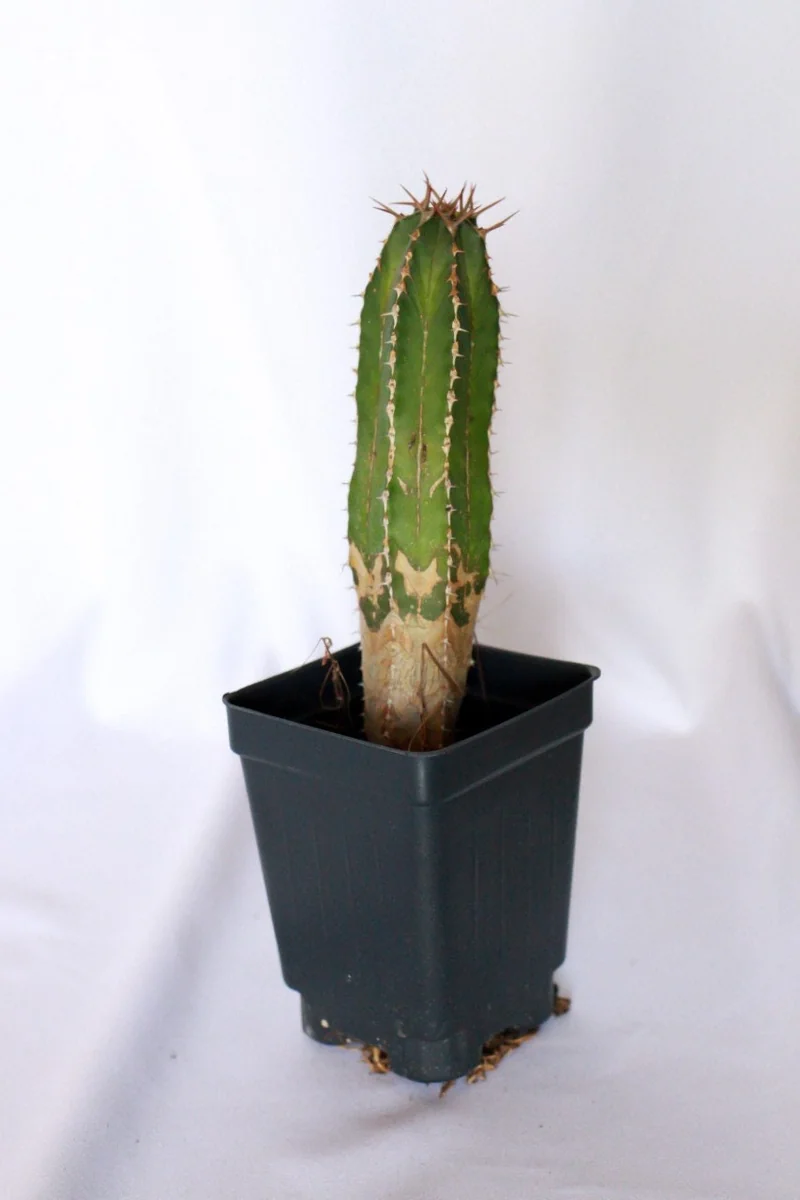
Barbed Wire Cactus Live Plant – Acanthocereus tetragonus – 2 inch Pot – Indoor/Outdoor
Original price was: $75.80.$37.90Current price is: $37.90.
Bring home a unique succulent with the Barbed Wire Cactus live plant, also known as Acanthocereus tetragonus. This distinctive cactus, often called ‘Fairy Castle Cactus’, comes in a 2 inch pot, perfect for windowsills or desks. It is a striking, low-maintenance addition to any indoor or outdoor plant collection, thriving with minimal care and adding architectural interest.
-
USDA Hardiness Zone
USDA zones 9-11 (outdoors) or indoor cultivation -
Soil Type
Well-draining cactus or succulent potting mix -
Sunlight Exposure
Full sun to bright direct light -
Expected Planting Period
Year-round indoors; spring to summer outdoors

You can track your order HERE
Apr 12
Apr 17 - Apr 19
Apr 22 - Apr 26
Shipping and return policies: Our Alive & Thrive Guarantee covers issues with your plants within the first 30 days. Reach out to us. Our team will answer your questions and help you find the plants that are truly suitable for your environment, climate, and personal preferences.

Overview
Introduce a touch of the extraordinary to your plant collection with the Barbed Wire Cactus live plant, scientifically known as Acanthocereus tetragonus. This captivating succulent is a marvel of nature, characterized by its unique, angular stems that bear a resemblance to miniature barbed wire fences, hence its common name. Also affectionately known as the ‘Fairy Castle Cactus’ due to its branching, turret-like growth, this plant offers a striking silhouette and texture that is unlike any other. Originating from the warmer regions of the Americas, this particular specimen arrives in a convenient 2 inch pot, making it an ideal starter plant for both novice and experienced succulent enthusiasts. The Barbed Wire Cactus live plant is a testament to resilience and beauty, requiring minimal intervention to thrive, yet providing maximum visual impact. Its architectural form and easy-care nature make it a perfect choice for adding a desert-inspired aesthetic to any indoor space, or a sheltered outdoor garden in appropriate climates. This live plant is ready to become a focal point in your home or office, offering a conversation starter and a unique piece of living art.
Key Benefits
The Barbed Wire Cactus live plant offers a multitude of benefits, making it an excellent choice for a wide range of plant lovers. Its unique appearance and robust nature contribute to its popularity and ease of integration into various decor styles. This fascinating succulent is not just a pretty face; it’s also incredibly rewarding to grow.
- Aesthetic Appeal: The distinctive, columnar stems and branching growth create a captivating, almost architectural display. Its unique form adds significant visual interest to any room or garden, making it a true statement piece. The ‘Fairy Castle Cactus’ moniker perfectly captures its whimsical yet structured beauty.
- Low Maintenance: This Barbed Wire Cactus live plant is incredibly forgiving and perfect for busy individuals or those new to plant care. It requires infrequent watering and thrives on neglect, making it a stress-free addition to your green space.
- Drought Tolerant: As a true cactus, Acanthocereus tetragonus is highly adapted to arid conditions. It stores water efficiently in its stems, meaning it can go for extended periods without water, a major advantage for those who travel or simply forget to water. This resilience makes it a prime example of a drought tolerant cactus.
- Versatile Placement: Suitable for both indoor and outdoor environments (in suitable climates), this cactus can adorn windowsills, desks, patios, or rock gardens, offering flexibility in its display. Its compact size in a 2 inch pot allows for easy placement.
- Air Purifying Qualities: Like many plants, succulents contribute to better indoor air quality by absorbing carbon dioxide and releasing oxygen, promoting a healthier living environment.
- Unique Collector’s Item: For succulent and cactus enthusiasts, the Barbed Wire Cactus live plant is a sought-after variety due to its unusual appearance and ease of care, making it a valuable addition to any collection.
- Long Lifespan: With proper care, this cactus can live for many years, growing into a substantial and impressive specimen that continues to bring joy and beauty.
Plant Care & Growing Tips
Caring for your Barbed Wire Cactus live plant is remarkably straightforward, making it an excellent choice for beginners and experienced gardeners alike. The key to its success lies in replicating its natural desert habitat as closely as possible. This means focusing on ample sunlight, infrequent watering, and well-draining soil. Understanding the specific needs of Acanthocereus tetragonus care will ensure your plant thrives and develops its characteristic ‘Fairy Castle’ appearance.
Sunlight Requirements: The Barbed Wire Cactus thrives in bright, direct sunlight. Indoors, place it in a south-facing window where it can receive at least 6-8 hours of direct sun per day. If sunlight is insufficient, the plant may become etiolated (stretched and pale). Outdoors, it prefers full sun but can benefit from some afternoon shade in extremely hot climates to prevent scorching. Adequate light is crucial for healthy growth and the development of its distinctive form.
Watering Schedule & Soil Moisture: This drought tolerant cactus requires minimal watering. The most common mistake in cactus care is overwatering, which can lead to root rot. Only water your Barbed Wire Cactus when the soil is completely dry to the touch. In warmer months (spring and summer), this might be every 2-4 weeks, while in cooler months (fall and winter), it could be as infrequent as once a month or even less. When you do water, do so thoroughly until water drains from the bottom of the pot, then allow the soil to dry out completely before the next watering. This approach is fundamental to successful Acanthocereus tetragonus care.
Soil Type and Drainage Requirements: Excellent drainage is paramount for the Barbed Wire Cactus. Use a specialized cactus or succulent potting mix, which is typically coarse and fast-draining. You can also create your own by mixing regular potting soil with perlite, pumice, or coarse sand in a 1:1 ratio. The pot itself should have drainage holes to prevent water from pooling at the bottom. This ensures the roots do not sit in soggy conditions, which can quickly lead to rot. Choosing the right soil is a critical aspect of keeping your Barbed Wire Cactus live plant healthy.
Temperature Range & USDA Hardiness Zone: The Barbed Wire Cactus prefers warm temperatures, ideally between 65-85°F (18-29°C). It is not frost-tolerant and should be protected from temperatures below 40°F (4°C). If grown outdoors in colder climates, it must be brought indoors before the first frost. Its typical outdoor hardiness spans USDA zones 9-11. This makes it an ideal succulent plant for warmer regions or as an indoor specimen everywhere else.
Fertilization Schedule & Type: Fertilize sparingly, if at all. During its active growing season (spring and summer), you can apply a balanced, diluted liquid fertilizer formulated for cacti and succulents, typically once every 2-3 months. Avoid fertilizing in the fall and winter when the plant is dormant. Over-fertilization can harm the plant.
Common Problems & Solutions: The most common issue is overwatering leading to root rot. Signs include mushy stems or yellowing. If caught early, repotting into fresh, dry soil after trimming any rotted roots can save the plant. Pests are rare but can include mealybugs or spider mites; treat with insecticidal soap or neem oil. Ensure good air circulation to prevent fungal issues. Providing proper Acanthocereus tetragonus care will largely prevent most problems.
Size & Details
This Barbed Wire Cactus live plant is currently presented in a 2 inch pot, making it a compact and manageable size for immediate display upon arrival. At this stage, the plant typically features several small, columnar stems, beginning to branch out and form its characteristic ‘Fairy Castle’ shape. While specific dimensions can vary slightly with each individual plant, you can generally expect the plant itself to be approximately 3-5 inches tall from the soil line. As it matures, the Acanthocereus tetragonus can grow considerably larger, reaching heights of several feet in optimal conditions, with its numerous stems forming dense, intricate clusters. It is shipped as a well-rooted, healthy live plant, carefully packaged to ensure its safe journey to your home. The growth rate for this succulent plant is moderate, allowing you to enjoy its gradual development over time. Expect it to continue filling out its pot and increasing in height with consistent, appropriate care.
Frequently Asked Questions
- Q: How big does this Barbed Wire Cactus typically get? A: While it arrives in a 2 inch pot with stems usually 3-5 inches tall, the Barbed Wire Cactus live plant can grow quite large over time. In ideal conditions, it can reach several feet in height, forming a dense cluster of branching, columnar stems, resembling a miniature castle.
- Q: Is this an indoor or outdoor plant? A: This cactus is versatile. It can be grown indoors in a bright, sunny location, such as a south-facing window. It can also thrive outdoors in USDA zones 9-11 where temperatures do not drop below freezing. If you live in a colder climate, it’s best to keep it as an indoor plant or bring it inside during winter months.
- Q: How much sunlight does the Barbed Wire Cactus need? A: The Barbed Wire Cactus live plant requires plenty of bright, direct sunlight. Aim for at least 6-8 hours of direct sun daily. Insufficient light can lead to leggy, stretched growth and a loss of its characteristic compact form.
- Q: Is this plant easy to care for? A: Yes, the Barbed Wire Cactus is considered a very easy-care plant, making it an excellent choice for beginners and those looking for a low-maintenance succulent. Its primary needs are ample sunlight and infrequent watering, characteristic of drought tolerant cactus varieties.
- Q: What condition will it arrive in? A: Your Barbed Wire Cactus live plant will arrive as a healthy, well-rooted specimen in its 2 inch pot. We take great care in packaging to ensure it reaches you in excellent condition, ready to thrive in its new home.
- Q: When is the best time to water my Acanthocereus tetragonus? A: Only water your Acanthocereus tetragonus care when the soil is completely dry to the touch. This means allowing the soil to dry out thoroughly between waterings, which could be every 2-4 weeks in summer and even less frequently in winter.
- Q: What type of soil is best for this succulent plant? A: A well-draining cactus or succulent potting mix is essential. You can also create your own by mixing regular potting soil with perlite or coarse sand to improve drainage. Good drainage prevents root rot, which is vital for this succulent plant.
- Q: Will it grow flowers? A: Yes, mature Barbed Wire Cactus live plant specimens can produce large, fragrant white flowers that typically open at night. However, flowering usually occurs on older, larger plants that receive optimal care.
- Q: Is this plant pet-safe? A: While cacti are generally not toxic, the spines of the Barbed Wire Cactus live plant can be sharp and potentially harmful to pets if ingested or if they come into contact. It’s best to place it out of reach of curious pets.
- Q: How often should I fertilize my Barbed Wire Cactus? A: This cactus does not require frequent fertilization. If desired, you can use a diluted cactus or succulent fertilizer once or twice during its active growing season in spring and summer. Avoid fertilizing in fall and winter.
Be the first to review “Barbed Wire Cactus Live Plant – Acanthocereus tetragonus – 2 inch Pot – Indoor/Outdoor”
People Also Viewed
Sold 57 products
Original price was: $49.98.$24.99Current price is: $24.99.
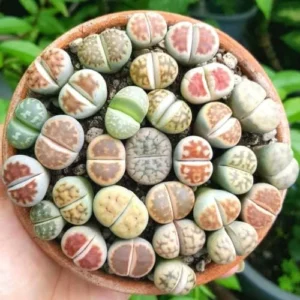
Sold 93 products
Original price was: $39.98.$19.99Current price is: $19.99.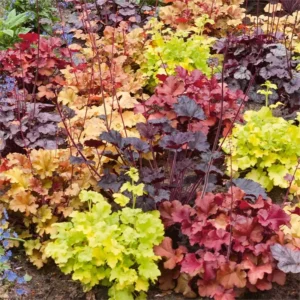
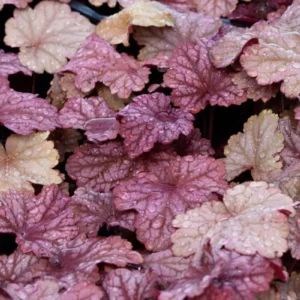
Sold 98 products
From $79.80
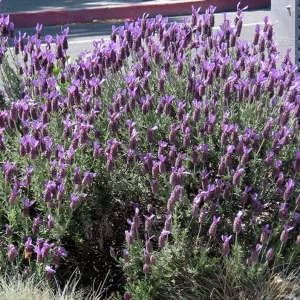
Flowers
Set of 2 Spanish Eyes Lavender Live Plants – 4-6″ Tall – Fragrant Perennial Flowers – Indoor/Outdoor
Sold 86 products
Original price was: $36.38.$18.19Current price is: $18.19.
Sold 64 products
Original price was: $62.00.$49.60Current price is: $49.60.
Sold 74 products
Original price was: $391.96.$195.98Current price is: $195.98.
Sold 85 products
Original price was: $39.98.$19.99Current price is: $19.99.
Sold 92 products
Original price was: $109.98.$54.99Current price is: $54.99.
Sold 66 products
From $27.29
Sold 97 products
Original price was: $51.98.$25.99Current price is: $25.99.
Sold 91 products
Original price was: $67.98.$33.99Current price is: $33.99.
Sold 93 products
Original price was: $45.98.$22.99Current price is: $22.99.
Sold 52 products
Original price was: $65.82.$32.91Current price is: $32.91.
Sold 89 products
Original price was: $77.06.$38.53Current price is: $38.53.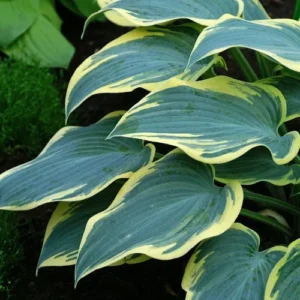
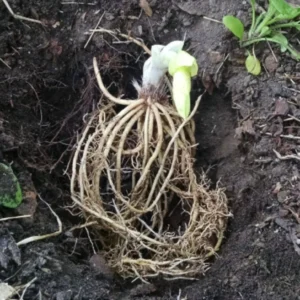
Flower Plants
First Frost Hosta Bare Root Plant – Blue-Green & Cream Variegated Foliage, Outdoor Perennial
Sold 93 products
From $71.80
Sold 50 products
From $112.99
Sold 67 products
Original price was: $79.98.$39.99Current price is: $39.99.
Sold 73 products
Original price was: $210.00.$157.50Current price is: $157.50.





Reviews
There are no reviews yet.