
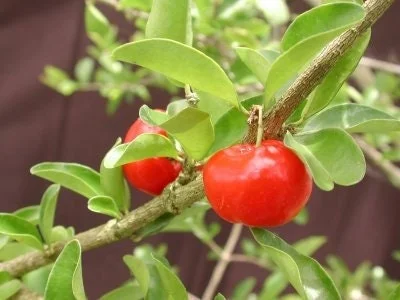
Barbados Cherry Live Plant – 3-4 Feet Tall – 3 Gallon Pot – Fruit Tree
Original price was: $391.96.$195.98Current price is: $195.98.
Cultivate your own delicious and highly nutritious Barbados Cherry live plant. This vigorous fruit tree, standing 3 to 4 feet tall and shipped in a 3-gallon pot, is known for its exceptionally high Vitamin C content. Enjoy sweet-tart cherries fresh, in juices, or preserves.
-
USDA Hardiness Zone
USDA zones 9-11 -
Soil Type
Well-draining sandy loam -
Sunlight Exposure
Full sun to partial shade -
Expected Planting Period
Year-round in warm climates; spring to summer in cooler zones

You can track your order HERE
Mar 01
Mar 06 - Mar 08
Mar 11 - Mar 15
Shipping and return policies: Our Alive & Thrive Guarantee covers issues with your plants within the first 30 days. Reach out to us. Our team will answer your questions and help you find the plants that are truly suitable for your environment, climate, and personal preferences.

Overview
Introduce a powerhouse of nutrition and flavor to your garden with this vibrant Barbados Cherry live plant. Known botanically as Malpighia emarginata or Malpighia glabra, and often referred to as Acerola cherry, this fast-growing, bushy tree is a tropical and subtropical treasure. Our Barbados Cherry live plant arrives healthy and established, typically 3 to 4 feet tall, ready to thrive in your landscape. Renowned for its small, bright red, cherry-like fruits, this plant is a must-have for anyone interested in edible gardening or simply enjoying fresh, homegrown produce. It can be trained as a standard tree, shaped into an attractive hedge, or even grown in a large container in cooler climates, making it a versatile addition to various garden designs.
The Barbados Cherry is celebrated not just for its ornamental appeal but primarily for its incredibly nutritious fruit. These cherries are not only delicious, offering a sweet to sub-acid flavor profile, but they are also extraordinarily rich in Vitamin C. In fact, a single Barbados Cherry live plant fruit can contain as much Vitamin C as twelve oranges combined, making it a superfood for your backyard. Beyond fresh eating, the fruit is extensively used in juices, jellies, and jams throughout Latin America, and can be frozen without losing its significant Vitamin C content. Growing your own ensures a fresh supply of this healthy and flavorful fruit right at your fingertips.
Key Benefits
Adding a Barbados Cherry live plant to your garden offers a multitude of advantages, from its nutritional value to its adaptability and aesthetic appeal. This remarkable fruit tree provides both beauty and bounty, enriching your outdoor space in several ways:
- Exceptional Nutritional Value: The primary benefit of the Barbados Cherry is its astonishingly high Vitamin C content, far surpassing many other fruits. Enjoy a natural boost to your immune system with every bite.
- Delicious & Versatile Fruit: The sweet to sub-acid cherries are perfect for eating fresh, or for use in a variety of culinary applications such as juices, smoothies, jams, and jellies. The versatility makes this an exciting fruit to grow.
- Fast Growing & Adaptable: This plant is known for its rapid growth, quickly establishing itself in your garden. It can be easily trained and pruned to suit your desired shape, whether a tree, shrub, or hedge.
- Attractive Landscape Addition: With its glossy green leaves and small, often pinkish-white flowers followed by bright red fruits, the Barbados Cherry live plant adds significant visual interest to any garden space.
- Supports Local Wildlife: The flowers attract pollinators like bees, and the fruits can be a food source for birds, contributing to the biodiversity of your garden ecosystem.
- Drought Tolerant Once Established: While it appreciates regular watering, the Barbados Cherry is relatively drought-tolerant once mature, making it a resilient choice for various climates.
- Easy to Grow: Generally, this is a low-maintenance fruit tree, suitable for both experienced gardeners and those looking to grow Barbados Cherry for the first time.
Plant Care & Growing Tips
Caring for your Barbados Cherry live plant is relatively straightforward, ensuring you’ll enjoy a bountiful harvest. These plants thrive in warm, sunny conditions. For optimal fruit production, choose a location that receives at least 6-8 hours of direct sunlight per day. In very hot climates, some afternoon shade can be beneficial to prevent leaf scorch. If you aim to grow Barbados Cherry indoors or in a container, ensure it is placed near a south-facing window or under grow lights to provide adequate light.
Watering is crucial, especially during the establishment phase and when the plant is fruiting. Keep the soil consistently moist but not waterlogged. Allow the top inch or two of soil to dry out slightly between waterings. Mature plants are more drought-tolerant but will produce more and larger fruit with regular irrigation. Well-draining soil is essential to prevent root rot; a sandy loam with a slightly acidic to neutral pH (6.0-7.0) is ideal. Amend heavy clay soils with organic matter to improve drainage. Fertilize your Barbados Cherry fruit tree with a balanced slow-release fertilizer in spring and mid-summer, or use a liquid feed every 2-4 weeks during the growing season. Prune annually to maintain shape, remove dead or diseased branches, and encourage bushier growth and better fruit production.
The Acerola cherry plant is generally hardy in USDA Zones 9-11, where it can be grown outdoors year-round. In colder regions, it can be grown in containers and brought indoors during winter or treated as an annual. It prefers temperatures above 60°F (15°C) and can be damaged by frost. Watch out for common pests like aphids or scale insects, which can usually be managed with horticultural oil or insecticidal soap. Providing proper care will ensure your Malpighia emarginata thrives and yields delicious fruit for years to come.
Size & Details
This offering is for one robust Barbados Cherry live plant, which typically measures between 3 to 4 feet tall from the base of the plant to the top of its foliage. It is shipped in a 3-gallon nursery pot, providing a well-established root system that ensures a smoother transition to your garden or larger container. The plant is ready for immediate planting upon arrival. With proper care, this fast-growing fruit tree can reach mature heights of 10-20 feet if left unpruned, though it is easily maintained at a smaller size with regular trimming, making it suitable for various garden spaces. Expect fruits to begin appearing within 1-2 years of planting, with peak production occurring in warmer months.
The vigorous growth habit of the Barbados Cherry live plant means it will quickly fill out, providing a lush green presence. The fruit typically ripens in cycles throughout the warmer parts of the year, offering multiple harvests. Each cherry is small, about 1 inch in diameter, and bright red when ripe. This plant is a long-lived perennial in its preferred climate, offering many years of delicious, vitamin-rich fruit. Its substantial size upon arrival gives it a head start in your garden, allowing you to enjoy its benefits sooner.
Frequently Asked Questions
- Q: How big does this Barbados Cherry live plant get? A: This Barbados Cherry live plant is shipped at 3 to 4 feet tall in a 3-gallon pot. If left unpruned, it can grow up to 10-20 feet tall, but it responds well to pruning and can be kept smaller as a shrub or hedge.
- Q: What size pot does it come in? A: Your Barbados Cherry live plant will arrive in a 3-gallon nursery pot, providing a strong root system for easy transplanting. We recommend potting it up to a larger container or planting directly in the ground.
- Q: Is this an indoor or outdoor plant? A: In USDA Zones 9-11, the Barbados Cherry fruit tree can be grown outdoors year-round. In colder climates, it can be grown in a large container and brought indoors during winter months to protect it from frost.
- Q: How much sunlight does it need? A: For best fruiting, the Acerola cherry plant requires full sun, meaning at least 6-8 hours of direct sunlight per day. In very hot regions, some afternoon shade can be beneficial.
- Q: Is this plant easy to care for? A: Yes, the Barbados Cherry is considered relatively easy to care for. It’s a fast grower and adaptable, making it suitable for gardeners of varying experience levels who want to grow Barbados Cherry.
- Q: Can I use Barbados Cherry in cooking? A: Absolutely! The fruits are delicious fresh, and are extensively used in juices, smoothies, jams, jellies, and desserts due to their sweet-tart flavor and high Vitamin C content.
- Q: How long until it produces fruit? A: Since this is a well-established Malpighia emarginata plant at 3-4 feet tall, you can typically expect it to start producing fruit within 1-2 years of planting, sometimes even sooner if conditions are optimal.
- Q: What condition will it arrive in? A: Your Barbados Cherry live plant will be carefully packaged and shipped in its 3-gallon nursery pot, ensuring it arrives healthy and ready for planting, with its root ball intact.
- Q: What’s the minimum temperature it can tolerate? A: The Barbados Cherry is sensitive to frost. It prefers temperatures above 60°F (15°C) and can sustain damage or even die if exposed to prolonged freezing temperatures below 30°F (-1°C).
- Q: What kind of soil does it prefer? A: This plant thrives in well-draining soil, ideally a sandy loam. It’s tolerant of various soil types but prefers a slightly acidic to neutral pH. Good drainage is key to prevent root issues.
Be the first to review “Barbados Cherry Live Plant – 3-4 Feet Tall – 3 Gallon Pot – Fruit Tree”
People Also Viewed

Sold 72 products
From $22.98
Sold 99 products
From $199.80
Sold 74 products
Original price was: $107.80.$53.90Current price is: $53.90.
Sold 74 products
Original price was: $51.80.$25.90Current price is: $25.90.
Sold 63 products
Original price was: $47.99.$27.99Current price is: $27.99.
Sold 91 products
Original price was: $540.00.$270.00Current price is: $270.00.
Sold 53 products
Original price was: $25.98.$22.08Current price is: $22.08.
Sold 93 products
Original price was: $80.00.$64.00Current price is: $64.00.
Sold 93 products
Original price was: $40.99.$20.99Current price is: $20.99.
Sold 70 products
Original price was: $147.16.$73.58Current price is: $73.58.
Sold 65 products
From $4.26

Sold 98 products
Original price was: $63.96.$31.98Current price is: $31.98.
Flower Plants
Sold 98 products
Original price was: $64.36.$32.18Current price is: $32.18.
Sold 68 products
Original price was: $39.98.$19.99Current price is: $19.99.
Sold 75 products
$41.78
Sold 88 products
Original price was: $96.00.$76.80Current price is: $76.80.

Sold 51 products
Original price was: $40.76.$20.38Current price is: $20.38.
Sold 57 products
Original price was: $63.98.$31.99Current price is: $31.99.
Reviews
There are no reviews yet.