

Atemoya Live Plant – 1 Foot Tall, Ships in 6 Inch Pot
Original price was: $208.80.$104.40Current price is: $104.40.
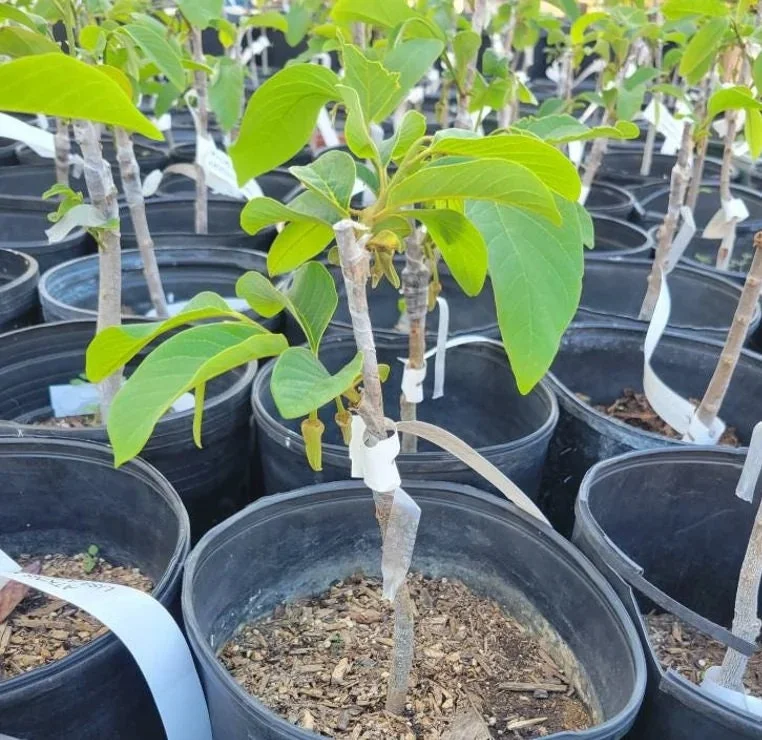
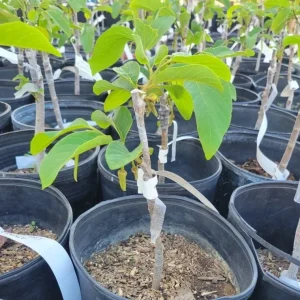
Bring the tropics to your home with a healthy atemoya live plant. This 1-foot tall specimen arrives ready for planting in a 6-inch pot, offering the promise of delicious, creamy fruit. Ideal for warm climates or container growing indoors.

You can track your order HERE
Mar 01
Mar 06 - Mar 08
Mar 11 - Mar 15
Shipping and return policies: Our Alive & Thrive Guarantee covers issues with your plants within the first 30 days. Reach out to us. Our team will answer your questions and help you find the plants that are truly suitable for your environment, climate, and personal preferences.

Overview
Embark on an exciting horticultural journey with your very own atemoya live plant. This exquisite tropical fruit tree is a hybrid of the cherimoya and sugar apple, renowned for its deliciously sweet, creamy, and aromatic fruit. Our healthy atemoya live plant arrives at approximately 1 foot tall, carefully nurtured in a 6-inch nursery pot, ready to be transplanted into your garden or a larger container. The atemoya, often referred to as a “custard apple,” offers a unique flavor profile that combines notes of pineapple, mango, and vanilla, making it a highly sought-after delicacy among fruit connoisseurs. Growing your own atemoya provides the satisfaction of harvesting fresh, organic fruit right from your backyard or patio, adding an exotic touch to your edible landscape.
This particular atemoya live plant is a fantastic choice for both novice and experienced gardeners eager to cultivate a less common but incredibly rewarding fruit tree. Its relatively compact growth habit makes it suitable for various settings, including urban gardens and patios, especially when grown in containers. With proper care, this plant will mature into a productive tree, gracing your garden with its attractive foliage and, eventually, its prized fruit. The journey from a young plant to a fruit-bearing tree is a fulfilling experience, offering fresh, natural produce that surpasses anything found in stores.
Key Benefits
Cultivating an atemoya plant brings a wealth of benefits beyond just its delicious fruit. This tropical gem offers aesthetic appeal and a unique gardening experience. Here are some of the standout advantages:
- Exotic Fruit Production: Enjoy the unique, creamy, and sweet flavor of fresh atemoya fruit, a delightful blend of tropical tastes that is often hard to find commercially. Growing your own ensures peak ripeness and flavor.
- Garden Aesthetic: The atemoya tree features attractive, lush green foliage that adds a tropical and ornamental touch to any garden, patio, or indoor space, even before it bears fruit.
- Nutrient-Rich Harvest: Atemoya fruits are not only delicious but also packed with vitamins, minerals, and antioxidants, contributing to a healthy diet straight from your own garden.
- Rewarding Growing Experience: For those interested in tropical horticulture, successfully growing atemoya offers immense satisfaction and a deeper connection to nature. Understanding atemoya care is a rewarding process.
- Container Gardening Potential: This plant adapts well to container growing, making it an excellent option for gardeners with limited space or those in cooler climates who need to bring plants indoors during winter.
- Unique Flavor Profile: The complex taste, often described as a mix of pineapple, mango, and vanilla, makes it a conversation starter and a gourmet treat for any fruit lover.
- Pollinator Attraction: When in bloom, atemoya flowers can attract beneficial pollinators to your garden, contributing to a healthier ecosystem.
Plant Care & Growing Tips
Successful atemoya care begins with understanding its specific needs, especially regarding climate and soil. Atemoyas thrive in tropical to subtropical environments and prefer warm temperatures. They are not frost-tolerant, so in regions with cold winters (USDA zones below 9), they should be grown in containers and brought indoors when temperatures drop. Provide a location with at least 6-8 hours of direct sunlight daily. While they can tolerate some partial shade, full sun promotes better fruit production. Good air circulation is also important to prevent fungal diseases.
When it comes to soil, atemoyas prefer well-draining, fertile soil with a slightly acidic to neutral pH (6.0-7.0). A sandy loam enriched with organic matter is ideal. Avoid heavy clay soils that retain too much moisture, as this can lead to root rot. Regular watering is crucial, especially during dry periods and when the plant is actively growing and fruiting. The soil should be kept consistently moist but not waterlogged. Reduce watering slightly during cooler months or when the plant is dormant. Fertilize your atemoya live plant with a balanced, slow-release fertilizer designed for fruit trees, following package instructions. Young plants benefit from more frequent, lighter applications, while mature trees need feeding during their active growth and fruiting cycles. Understanding the nuances of growing atemoya will ensure a bountiful harvest.
Pruning is important for shaping the tree, encouraging branching, and improving fruit production. Light pruning to remove dead or crossing branches can be done at any time. More significant shaping should occur after the fruiting season. Hand-pollination can significantly increase fruit set, especially in areas where natural pollinators for atemoya are scarce. This involves transferring pollen from one flower to another using a small brush. Watch out for common pests like mealybugs and scale insects, and treat them with horticultural oil or insecticidal soap if necessary. Proper atemoya care and regular observation will help you address any issues promptly, ensuring a healthy and productive atemoya live plant. For those interested in the intricacies of a cherimoya atemoya hybrid, observing its growth patterns will be fascinating.
Size & Details
This offering is for one healthy atemoya live plant, which stands approximately 1 foot tall from the base of the soil to the tip of its tallest leaf. It is carefully rooted and shipped in a sturdy 6-inch nursery pot, ensuring its protection during transit and providing a strong foundation for continued growth. The plant is typically 6-12 months old, establishing a robust root system. Atemoyas are known for their moderate growth rate, and with optimal conditions, they can begin bearing fruit within 3-5 years. Mature trees can reach heights of 15-20 feet in ideal outdoor conditions, though they can be maintained at smaller sizes through pruning or by growing in larger containers. The plant will arrive with established foliage, ready for acclimatization to its new environment. Expect this atemoya fruit tree to bring tropical charm and delicious potential to your home.
Frequently Asked Questions
- Q: How big does this atemoya plant get? A: This atemoya live plant is approximately 1 foot tall upon arrival. Mature trees can reach 15-20 feet outdoors, but can be kept smaller with pruning or container growing.
- Q: What size pot does it come in? A: The plant is shipped in a 6-inch nursery pot, providing a good start for its roots. You will need to transplant it into a larger pot or directly into the ground upon arrival.
- Q: Is this an indoor or outdoor plant? A: Atemoyas are tropical plants best suited for outdoor growing in USDA zones 9-11. In cooler climates, they can be grown in containers and brought indoors during winter.
- Q: How much sunlight does it need? A: Your atemoya live plant thrives in full sun, requiring at least 6-8 hours of direct sunlight per day for optimal growth and fruit production.
- Q: Is this plant easy to care for? A: While atemoyas have specific needs for warmth and consistent moisture, they are considered moderately easy to care for, especially by those familiar with tropical fruit trees. Understanding atemoya care is key.
- Q: What condition will it arrive in? A: Your atemoya live plant will arrive well-packaged, with its root ball intact within the 6-inch pot, ready for transplanting. We take great care to ensure healthy delivery.
- Q: How long until it blooms and fruits? A: With proper care, an atemoya plant typically begins to bloom and produce fruit within 3-5 years from planting, offering the delightful harvest of an atemoya fruit tree.
- Q: What’s the best soil for growing atemoya? A: Atemoyas prefer well-draining, fertile soil with a slightly acidic to neutral pH (6.0-7.0). A good quality potting mix amended with organic matter works well for container growing.
- Q: Can I grow a cherimoya atemoya hybrid in a northern climate? A: Yes, you can grow a cherimoya atemoya hybrid in northern climates by cultivating it in a large container and moving it indoors to a bright, protected area during the colder months to shield it from frost.
- Q: What kind of fertilizer should I use for my atemoya? A: Use a balanced, slow-release fertilizer formulated for fruit trees. Apply according to the product’s instructions, typically during the active growing and fruiting seasons.
Be the first to review “Atemoya Live Plant – 1 Foot Tall, Ships in 6 Inch Pot”
People Also Viewed
Sold 83 products
Original price was: $62.42.$37.46Current price is: $37.46.
Sold 64 products
Original price was: $39.98.$19.99Current price is: $19.99.
Sold 61 products
Original price was: $48.38.$24.19Current price is: $24.19.
Sold 90 products
Original price was: $432.00.$216.00Current price is: $216.00.
Flower Plants
Sword Dance Peony Bare Root – Red Japanese Peony Plant – Paeonia lactiflora – Outdoor Perennial
Sold 74 products
Original price was: $91.80.$45.90Current price is: $45.90.
Sold 54 products
Original price was: $29.99.$19.99Current price is: $19.99.
Sold 63 products
Original price was: $77.08.$38.54Current price is: $38.54.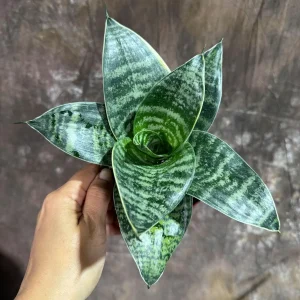
HousePlants
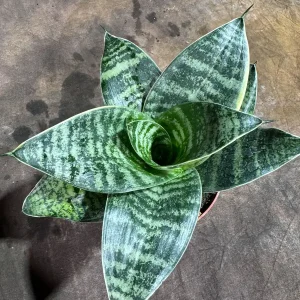
Sansevieria Trifasciata ‘Hahnii’ Bird’s Nest Snake Plant 4″ Pot – Live Indoor Houseplant
Sold 99 products
Original price was: $57.96.$28.98Current price is: $28.98.
Sold 55 products
Original price was: $31.96.$15.98Current price is: $15.98.
Sold 69 products
Original price was: $79.96.$39.98Current price is: $39.98.
Sold 99 products
Original price was: $91.80.$45.90Current price is: $45.90.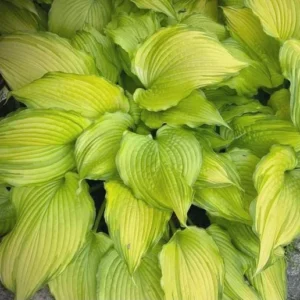

Flower Plants
Dancing Darling Hosta Live Plant – Yellow-Golden Foliage – 1 Gallon Pot – Shade Garden Perennial
Sold 87 products
From $99.80
Sold 89 products
Original price was: $54.99.$34.99Current price is: $34.99.
Sold 98 products
Original price was: $110.14.$55.07Current price is: $55.07.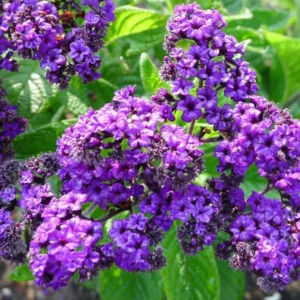
Flower Plants
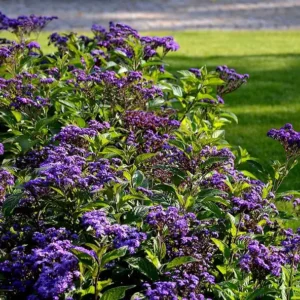
Heliotrope Fragrant Delight Live Plants – Set of 2, 3-6″ Tall, Violet Fragrant Flowers
Sold 97 products
Original price was: $41.97.$13.99Current price is: $13.99.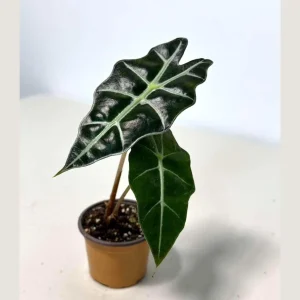
HousePlants
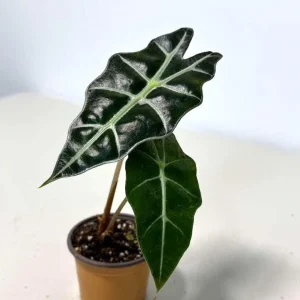
Alocasia Bambino Arrow Live Plant – 2 inch Nursery Pot – African Mask Plant – Indoor Elephant Ear
Sold 67 products
Original price was: $39.92.$19.96Current price is: $19.96.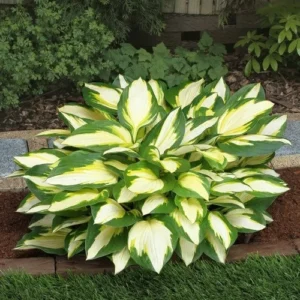
Sold 88 products
From $63.80
Sold 91 products
Original price was: $24.00.$19.20Current price is: $19.20.



Reviews
There are no reviews yet.