
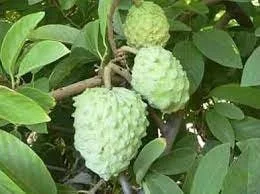
Atemoya Fruit Tree Live Plant, 3-4 ft Tall, Ships in 3 Gallon Nursery Pot
Original price was: $391.96.$195.98Current price is: $195.98.
Cultivate your own exotic fruit with this healthy atemoya fruit tree. Standing 3 to 4 feet tall and shipped in a 3-gallon pot, this live specimen is ready for planting. Enjoy the unique, sweet flavor of this tropical delight.
-
USDA Hardiness Zone
USDA zones 9-11 -
Soil Type
Well-draining, rich in organic matter -
Sunlight Exposure
Full sun -
Expected Planting Period
Year-round in warm climates, spring in cooler zones

You can track your order HERE
Mar 01
Mar 06 - Mar 08
Mar 11 - Mar 15
Shipping and return policies: Our Alive & Thrive Guarantee covers issues with your plants within the first 30 days. Reach out to us. Our team will answer your questions and help you find the plants that are truly suitable for your environment, climate, and personal preferences.

Overview
Embark on a tropical gardening adventure with your very own atemoya fruit tree. This live plant offers the promise of delicious, exotic fruit right from your garden. Atemoya is a highly prized hybrid fruit, a cross between the cherimoya and the sugar apple, known for its creamy, sweet, and aromatic flesh. Our healthy, vibrant atemoya trees are carefully nurtured to ensure they arrive ready to thrive in their new home. Perfect for enthusiasts looking to expand their edible landscape, this particular specimen is a robust 3 to 4 feet tall, making it an excellent size for transplanting and establishing quickly. Growing an atemoya fruit tree provides not just a unique culinary experience, but also a beautiful, subtropical addition to your outdoor space or a large conservatory.
The atemoya, often referred to as a ‘custard apple’ due to its texture, is a fascinating plant that combines the best characteristics of its parent species. It’s a deciduous to semi-deciduous tree, making it adaptable to various climates where frost is not severe. This live plant has been grown with good root development, ensuring a strong start for your gardening project. Whether you are an experienced gardener or just starting with tropical fruits, this atemoya fruit tree offers a rewarding growing experience, culminating in delectable harvests. Learn how to grow atemoya successfully with our detailed care guide.
Key Benefits
Adding an atemoya tree to your garden brings a multitude of benefits, from its unique fruit to its ornamental appeal. This atemoya fruit tree is a valuable addition for any gardener seeking something truly special.
- Exotic Fruit Production: Enjoy the highly sought-after atemoya fruit, known for its sweet, custardy texture and delicious tropical flavor. This hybrid offers a unique taste experience that is a blend of pineapple, mango, and vanilla.
- Ornamental Value: Beyond its fruit, the atemoya tree boasts attractive foliage and fragrant flowers, making it a beautiful landscaping plant for subtropical and tropical gardens.
- Nutrient-Rich Harvest: Atemoya fruits are not only delicious but also packed with vitamins and minerals, including Vitamin C, B vitamins, and dietary fiber, contributing to a healthy diet.
- Unique Gardening Experience: Growing a less common fruit like the atemoya provides a unique and rewarding challenge for gardeners, offering the satisfaction of harvesting an unusual and highly prized crop.
- Adaptability: While tropical, certain atemoya varieties show good adaptability to various warm climates, making them accessible to a broader range of gardeners than some other strictly tropical plants. Understanding proper atemoya plant care is key to its success.
- Potential for Container Growing: For those in cooler climates, the atemoya can be grown in large containers and moved indoors during colder months, allowing more people to experience this delightful fruit. This makes it a versatile choice for many gardeners.
- Long-Term Investment: A well-cared-for atemoya fruit tree can produce bountiful harvests for many years, providing a consistent supply of fresh, homegrown fruit.
Plant Care & Growing Tips
Proper atemoya plant care is essential for a healthy tree and abundant fruit production. Atemoyas thrive in warm, subtropical to tropical climates. They prefer a location with full sun exposure, meaning at least 6-8 hours of direct sunlight per day. While they can tolerate some partial shade, especially in very hot climates, full sun encourages better flowering and fruiting. Ideal temperatures range from 65-85°F (18-29°C). Protect your tree from frost, as young trees are particularly sensitive. In areas with occasional light frost, choose a sheltered spot or be prepared to cover your tree. For those looking to grow atemoya in cooler regions, container growing allows you to move the plant indoors during winter.
When it comes to watering, atemoya trees require consistent moisture, especially during their flowering and fruiting periods. The soil should be kept evenly moist but never waterlogged. Allow the top inch or two of soil to dry out slightly between waterings. Reduce watering during the dormant period in winter. Good drainage is crucial; atemoyas do not tolerate wet feet. Plant in a well-draining soil mix that is rich in organic matter. A slightly acidic to neutral pH (6.0-7.0) is generally preferred. Fertilize your atemoya fruit tree regularly during the growing season (spring through fall) with a balanced fertilizer, reducing frequency in winter. Look for a fertilizer formulated for fruit trees or tropical plants. Pruning can help maintain shape, improve air circulation, and encourage better fruit production. Remove any dead, diseased, or crossing branches.
Pest and disease management is another important aspect of atemoya plant care. Keep an eye out for common pests like mealybugs, scale insects, and aphids. Treat with organic insecticides or horticultural oil if necessary. Good cultural practices, such as proper watering and air circulation, can help prevent fungal diseases. Hand pollination can significantly increase fruit set, as natural pollinators might be scarce or inefficient in your area. This involves collecting pollen from mature flowers and transferring it to receptive female flowers. If you’re interested in a tropical fruit that is a cherimoya atemoya hybrid, this tree is an excellent choice for a rewarding gardening experience.
Size & Details
This atemoya fruit tree is a robust live plant, measuring approximately 3 to 4 feet tall from the base of the pot to the top of the foliage. It is shipped securely in a 3-gallon nursery pot, ensuring the root system is well-established and ready for transplanting into your garden or a larger container upon arrival. The tree’s substantial size provides a head start, meaning it will establish more quickly and potentially bear fruit sooner than smaller specimens. Atemoya trees typically have a moderate growth rate, reaching mature heights of 15-25 feet in ideal conditions, though they can be kept smaller with pruning. Expect this tree to continue growing steadily once planted, eventually producing the distinctive atemoya tropical fruit. The exact time to fruit production can vary depending on growing conditions and care, but healthy trees can start bearing fruit within 2-3 years of planting.
The tree will arrive with healthy foliage and a well-developed root ball, carefully packaged to minimize stress during transit. While it is a deciduous to semi-deciduous tree, it may retain some leaves or shed them depending on the climate and time of year. This live plant is ready to be transitioned to its permanent home, whether that’s a sunny spot in your garden or a large patio container. Its current size makes it manageable for handling and planting, yet mature enough to exhibit the vigorous growth characteristic of a healthy atemoya fruit tree. This plant is a fantastic opportunity for anyone looking to enjoy the unique taste of a cherimoya atemoya hybrid.
Frequently Asked Questions
- Q: How big does this atemoya plant get? A: This atemoya fruit tree is currently 3 to 4 feet tall. In ideal conditions, mature atemoya trees can reach heights of 15-25 feet, but they can be maintained at a smaller size with regular pruning, making them suitable for various garden sizes or large containers.
- Q: What size pot does it come in? A: The atemoya tropical fruit tree is shipped in a 3-gallon nursery pot, ensuring a healthy and established root system for successful transplanting.
- Q: Is this an indoor or outdoor plant? A: Atemoya trees are tropical plants best suited for outdoor growing in USDA Zones 9-11. In cooler climates, they can be grown in large containers and moved indoors to a sunny location during winter to protect them from frost.
- Q: How much sunlight does it need? A: For optimal growth and fruit production, an atemoya fruit tree requires full sun exposure, meaning at least 6-8 hours of direct sunlight per day. Some partial shade can be tolerated in extremely hot climates.
- Q: Is this plant easy to care for? A: Atemoya trees require consistent care, including regular watering, proper fertilization, and protection from frost. While not difficult, they do best with attentive atemoya plant care, especially for those new to tropical fruit trees.
- Q: What condition will it arrive in? A: Your atemoya fruit tree will arrive as a live, healthy plant with a good root system, carefully packaged to ensure minimal stress during transit. Some minor leaf drop can occur due to shipping stress but the plant will recover.
- Q: How long until it blooms and produces fruit? A: A healthy atemoya tree of this size can typically start blooming and producing fruit within 2-3 years of planting, given proper care and ideal growing conditions. Hand pollination can greatly aid fruit set.
- Q: What’s the minimum temperature this plant can tolerate? A: Atemoya trees are sensitive to frost. While mature trees can tolerate very brief dips to just below freezing, prolonged exposure to temperatures below 32°F (0°C) can cause significant damage or even kill the tree. Protection is crucial in cooler zones.
- Q: Can I really grow atemoya in a pot? A: Yes, you can successfully grow atemoya in a large container. Choose a pot at least 15-25 gallons in size, ensure good drainage, and be prepared to move it indoors during cold weather. Regular pruning will help manage its size.
- Q: What kind of soil is best for this cherimoya atemoya hybrid? A: A well-draining, fertile soil rich in organic matter is ideal. A slightly acidic to neutral pH (6.0-7.0) is preferred for your cherimoya atemoya hybrid. Avoid heavy clay soils that retain too much water.
Be the first to review “Atemoya Fruit Tree Live Plant, 3-4 ft Tall, Ships in 3 Gallon Nursery Pot”
People Also Viewed
HousePlants
Sold 89 products
Original price was: $131.96.$65.98Current price is: $65.98.
Sold 94 products
Original price was: $33.98.$27.18Current price is: $27.18.
Sold 61 products
Original price was: $25.00.$20.00Current price is: $20.00.
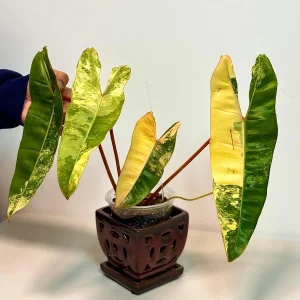
Sold 57 products
Original price was: $1,796.00.$898.00Current price is: $898.00.
Sold 78 products
Original price was: $47.96.$23.98Current price is: $23.98.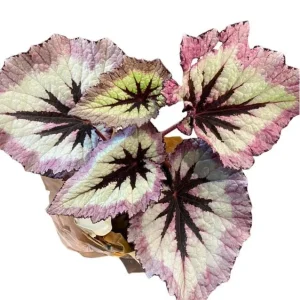
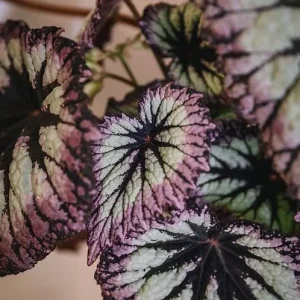
Flower Plants
Fire Woman Begonia Live Plant – 2 Rex Begonia Starter Plants 5-7 Inch Tall Indoor/Outdoor
Sold 55 products
Original price was: $58.99.$38.99Current price is: $38.99.
Sold 94 products
Original price was: $162.36.$81.18Current price is: $81.18.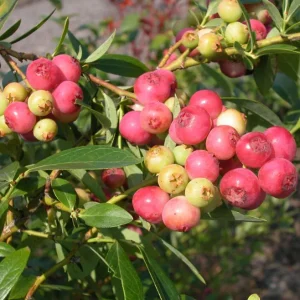
Fruits
Pink Lemonade Blueberry Live Plant – Rabbiteye Vaccinium – 6-8 in Tall Outdoor Edible Fruit Bush
Sold 58 products
Original price was: $47.96.$23.98Current price is: $23.98.
Sold 81 products
Original price was: $85.98.$42.99Current price is: $42.99.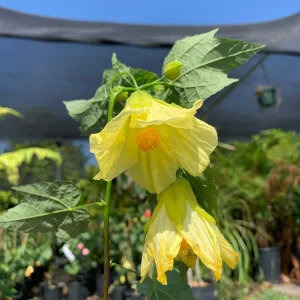
Shrubs
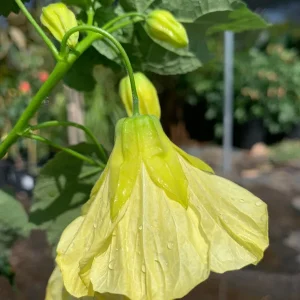
Abutilon Chiffon Live Plant – Flowering Maple Shrub, Yellow Bell Flowers, 2ft Tall, 6 Inch Pot
Sold 65 products
Original price was: $147.16.$73.58Current price is: $73.58.
Sold 54 products
From $75.80
Fruits
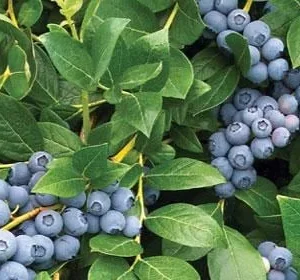
Top Hat Blueberry Trees Live Plants – Southern Highbush, 2-Pack, 5-7″ Tall for Outdoor Growing
Sold 70 products
Original price was: $55.98.$27.99Current price is: $27.99.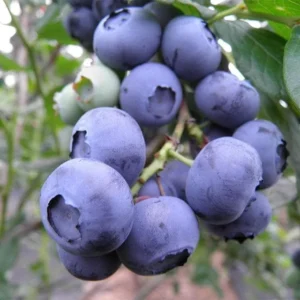
Sold 76 products
Original price was: $36.00.$28.80Current price is: $28.80.
Sold 65 products
Original price was: $97.60.$48.80Current price is: $48.80.
Sold 98 products
From $28.99
Sold 84 products
$43.98
Sold 82 products
Original price was: $80.00.$64.00Current price is: $64.00.
Sold 71 products
Original price was: $32.99.$22.99Current price is: $22.99.


Reviews
There are no reviews yet.