
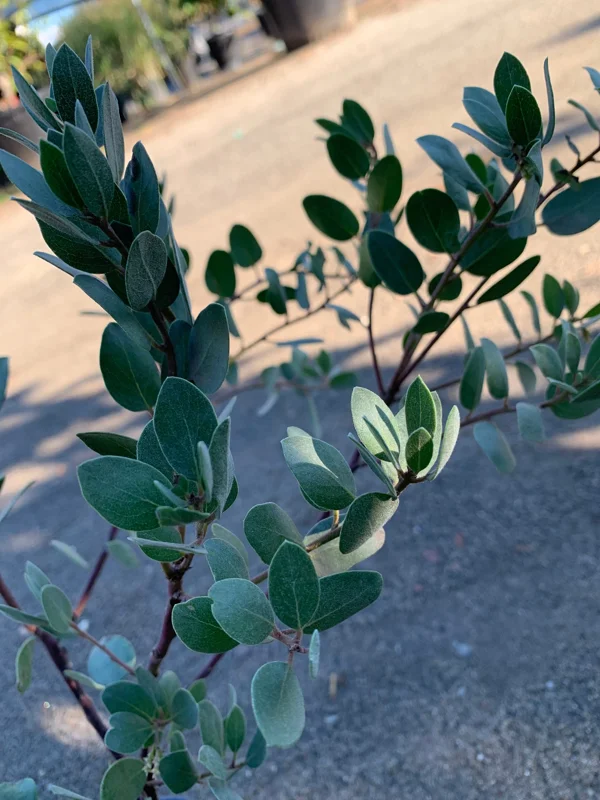
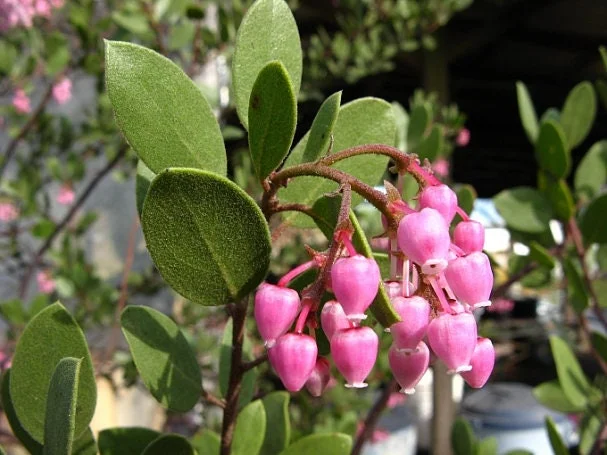
Arctostaphylos Bakeri ‘Louise Edmunds’ Manzanita Live Plant 1 Gallon Pot
Original price was: $147.16.$73.58Current price is: $73.58.
Bring the beauty of the Arctostaphylos Bakeri ‘Louise Edmunds’ Manzanita to your garden. This erect shrub features striking purple-brown trunks and clusters of showy flowers in spring, thriving in full sun and drought-tolerant conditions. Ships in a 1 gallon pot.
-
USDA Hardiness Zone
USDA zones 8-10 -
Soil Type
Well-draining, sandy or loamy soil -
Sunlight Exposure
Full sun -
Expected Planting Period
Fall to early spring

You can track your order HERE
Mar 07
Mar 12 - Mar 14
Mar 17 - Mar 21
Shipping and return policies: Our Alive & Thrive Guarantee covers issues with your plants within the first 30 days. Reach out to us. Our team will answer your questions and help you find the plants that are truly suitable for your environment, climate, and personal preferences.

Overview
The Arctostaphylos Bakeri ‘Louise Edmunds’ Manzanita is a distinguished and highly sought-after evergreen shrub, perfect for adding year-round structure and beauty to your landscape. This particular cultivar of Manzanita is celebrated for its elegant, erect growth habit and its captivating purple-brown bark that peels gracefully, revealing smooth, rich tones beneath. As a Manzanita live plant, it offers a unique combination of ornamental appeal and ecological benefits, making it an excellent choice for a variety of garden styles, especially those focused on water conservation and native plant landscaping. In spring, ‘Louise Edmunds’ bursts into life with an abundance of showy, urn-shaped flowers, typically white or pale pink, which attract pollinators and add a delicate charm. This robust shrub is known for its resilience and ability to thrive in challenging conditions, embodying the spirit of the California chaparral.
Originating from California, the Arctostaphylos Bakeri ‘Louise Edmunds’ Manzanita is a true native gem, adapted to arid climates and poor soils. Its evergreen foliage provides consistent color and texture throughout the year, while its distinctive bark creates visual interest even in the dormant season. Growing as an erect shrub, it maintains a tidy form, making it suitable for various garden applications from specimen planting to hedges. This plant is not just a visual delight but also contributes to local ecosystems by providing nectar for bees and other beneficial insects. Its low-maintenance nature and drought tolerance make it an ideal selection for environmentally conscious gardeners seeking sustainable and beautiful landscape solutions.
Key Benefits
The Arctostaphylos Bakeri ‘Louise Edmunds’ Manzanita offers numerous advantages for both the gardener and the environment:
- Stunning Ornamental Appeal: This Manzanita features beautiful purple-brown, exfoliating bark and dense, evergreen foliage, providing year-round visual interest. Its showy clusters of white to pink flowers in spring add a delicate touch.
- Exceptional Drought Tolerance: Once established, the Arctostaphylos Bakeri ‘Louise Edmunds’ Manzanita requires minimal water, making it an ideal choice for water-wise gardening and arid climates. This significantly reduces irrigation needs.
- Low Maintenance: This robust shrub is naturally resistant to many pests and diseases and generally requires little pruning, saving you time and effort in garden upkeep. Its adaptability makes Louise Edmunds Manzanita care straightforward.
- Pollinator Friendly: The abundant spring flowers are a vital nectar source for bees, hummingbirds, and other beneficial pollinators, supporting local biodiversity.
- Erosion Control: Its strong root system helps stabilize soil, making it an excellent choice for slopes and areas prone to erosion.
- Wildlife Habitat: Provides shelter and food for various small birds and animals, enhancing your garden’s ecological value.
- Adaptable to Poor Soils: Thrives in lean, well-draining soils, making it suitable for areas where other plants might struggle. This makes it one of the best drought-tolerant shrubs for challenging sites.
Plant Care & Growing Tips
Caring for your Arctostaphylos Bakeri ‘Louise Edmunds’ Manzanita is relatively simple, especially once it’s established, making it a rewarding addition to many landscapes. This Manzanita live plant thrives in conditions that mimic its native habitat. It absolutely requires full sun exposure to flourish, meaning at least 6-8 hours of direct sunlight per day. Insufficient light can lead to leggy growth and reduced flowering. When it comes to watering, young plants should be watered regularly to help establish their root system, typically once or twice a week during dry periods for the first year. However, mature ‘Louise Edmunds’ Manzanita is highly drought-tolerant and will only need occasional deep watering during extended dry spells, especially in hotter climates. Over-watering is a common cause of failure for Manzanitas, so ensure excellent drainage.
The ideal soil for the Arctostaphylos Bakeri ‘Louise Edmunds’ Manzanita is well-draining, sandy or rocky loam. It can tolerate poor, nutrient-deficient soils, but good drainage is paramount to prevent root rot. Avoid heavy clay soils that retain too much moisture. Fertilization is generally not necessary, and can even be detrimental, as these plants are adapted to lean soils; avoid high-phosphorus fertilizers. Pruning should be minimal and focused on removing dead or damaged branches, or for shaping to maintain its natural form. The best time to prune is after flowering in late spring or early summer. This plant is hardy in USDA zones 8-10, tolerating temperatures down to about 10-20°F (-12 to -7°C). Protecting young plants from severe frost in their first winter can be beneficial. Understanding Louise Edmunds Manzanita care will ensure a healthy, long-lived specimen.
Common problems for Manzanitas often stem from over-watering or poor drainage, leading to fungal diseases. Ensuring proper site selection and soil preparation is key. Pests are rarely an issue, as the plant is quite resistant. If you’re looking for drought-tolerant shrubs that are also low-maintenance, ‘Louise Edmunds’ Manzanita is an excellent choice. It’s important to plant it in a location where it won’t be exposed to excessive irrigation, especially from lawns or other water-loving plants. For those interested in California native plants, this Manzanita is a prime example of a beautiful and resilient species that can thrive with minimal intervention.
Size & Details
The Arctostaphylos Bakeri ‘Louise Edmunds’ Manzanita typically grows into an erect shrub, reaching a mature height of 6 to 8 feet with a similar spread. Its growth rate is moderate, establishing itself well within a few years. This particular Manzanita live plant is shipped as a healthy, actively growing specimen, approximately 1 foot tall, and established in a 1 gallon nursery pot. This size provides a robust start for successful transplanting into your garden. Expect it to gradually fill out and reach its mature dimensions, developing its characteristic purple-brown trunks and dense foliage over time. It is a long-lived shrub that will be a cornerstone of your landscape for many years.
Frequently Asked Questions
- Q: How big does this plant get? A: The Arctostaphylos Bakeri ‘Louise Edmunds’ Manzanita typically grows to a mature height of 6 to 8 feet with a similar spread, forming an erect, rounded shrub.
- Q: What size pot does it come in? A: This Manzanita live plant is shipped in a 1 gallon nursery pot, with the plant itself standing approximately 1 foot tall.
- Q: Is this an indoor or outdoor plant? A: The ‘Louise Edmunds’ Manzanita is an outdoor plant, best suited for garden landscapes where it can receive full sun exposure. It is not suitable for indoor cultivation.
- Q: How much sunlight does it need? A: This shrub requires full sun, meaning at least 6-8 hours of direct sunlight daily, to ensure healthy growth and abundant flowering. This is crucial for proper Louise Edmunds Manzanita care.
- Q: Is this plant easy to care for? A: Yes, once established, the Arctostaphylos Bakeri ‘Louise Edmunds’ Manzanita is considered very easy to care for, requiring minimal water and maintenance, making it perfect for those seeking drought-tolerant shrubs.
- Q: What condition will it arrive in? A: Your Manzanita will arrive as a healthy, actively growing plant, approximately 1 foot tall, securely packaged in its 1 gallon nursery pot to ensure safe transit.
- Q: When is the best time to plant? A: The best time to plant Manzanitas is in the fall or early spring, allowing the roots to establish before the heat of summer or the cold of winter.
- Q: Will it survive winter in my zone? A: This plant is hardy in USDA Zones 8-10. If you are outside of these zones, it may require winter protection or may not survive harsh freezing temperatures.
- Q: Is this a good choice for California native plants? A: Absolutely, ‘Louise Edmunds’ Manzanita is a fantastic choice for those looking to incorporate beautiful and resilient California native plants into their landscape.
- Q: Does this shrub attract pollinators? A: Yes, its showy spring flowers are a great source of nectar for bees, hummingbirds, and other beneficial pollinators.
Be the first to review “Arctostaphylos Bakeri ‘Louise Edmunds’ Manzanita Live Plant 1 Gallon Pot”
People Also Viewed
Sold 92 products
Original price was: $154.36.$77.18Current price is: $77.18.
Sold 52 products
Original price was: $100.00.$80.00Current price is: $80.00.
HousePlants
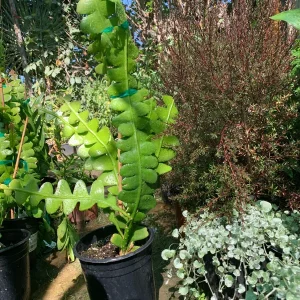
Ric Rac Orchid Cactus Live Plant – Epiphyllum Anguliger – 1-2ft Tall in 6 inch Pot – Indoor/Outdoor
Sold 88 products
Original price was: $147.16.$73.58Current price is: $73.58.
Sold 75 products
Original price was: $59.88.$29.94Current price is: $29.94.
Sold 80 products
Original price was: $143.80.$71.90Current price is: $71.90.
Sold 78 products
Original price was: $62.00.$31.00Current price is: $31.00.
Sold 86 products
From $54.00
Sold 65 products
Original price was: $49.98.$24.99Current price is: $24.99.
Sold 83 products
Original price was: $45.98.$22.99Current price is: $22.99.
Sold 77 products
$72.58
Sold 51 products
From $8.38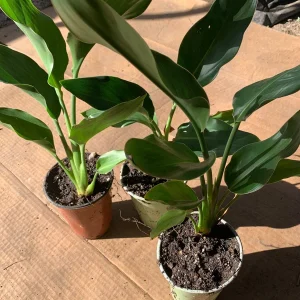
HousePlants
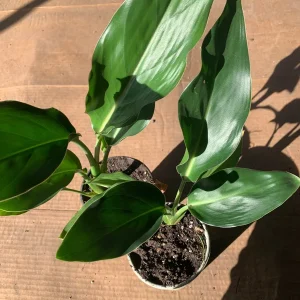
Bird of Paradise Live Plant (Strelitzia Regina) – 6 inch Cup – 5-8″ Tall Tropical Indoor/Outdoor
Sold 91 products
Original price was: $147.16.$73.58Current price is: $73.58.
Sold 58 products
Original price was: $36.00.$28.80Current price is: $28.80.
HousePlants
Dwarf Banana Plant Musa acuminata ‘Super Dwarf Cavendish’ Live Plant 4-6 inches tall Indoor/Outdoor
Sold 76 products
From $67.80
Sold 82 products
Original price was: $77.06.$38.53Current price is: $38.53.
Sold 73 products
Original price was: $60.00.$48.00Current price is: $48.00.

Sold 58 products
Original price was: $50.00.$40.00Current price is: $40.00.
Sold 83 products
$41.78


Reviews
There are no reviews yet.