
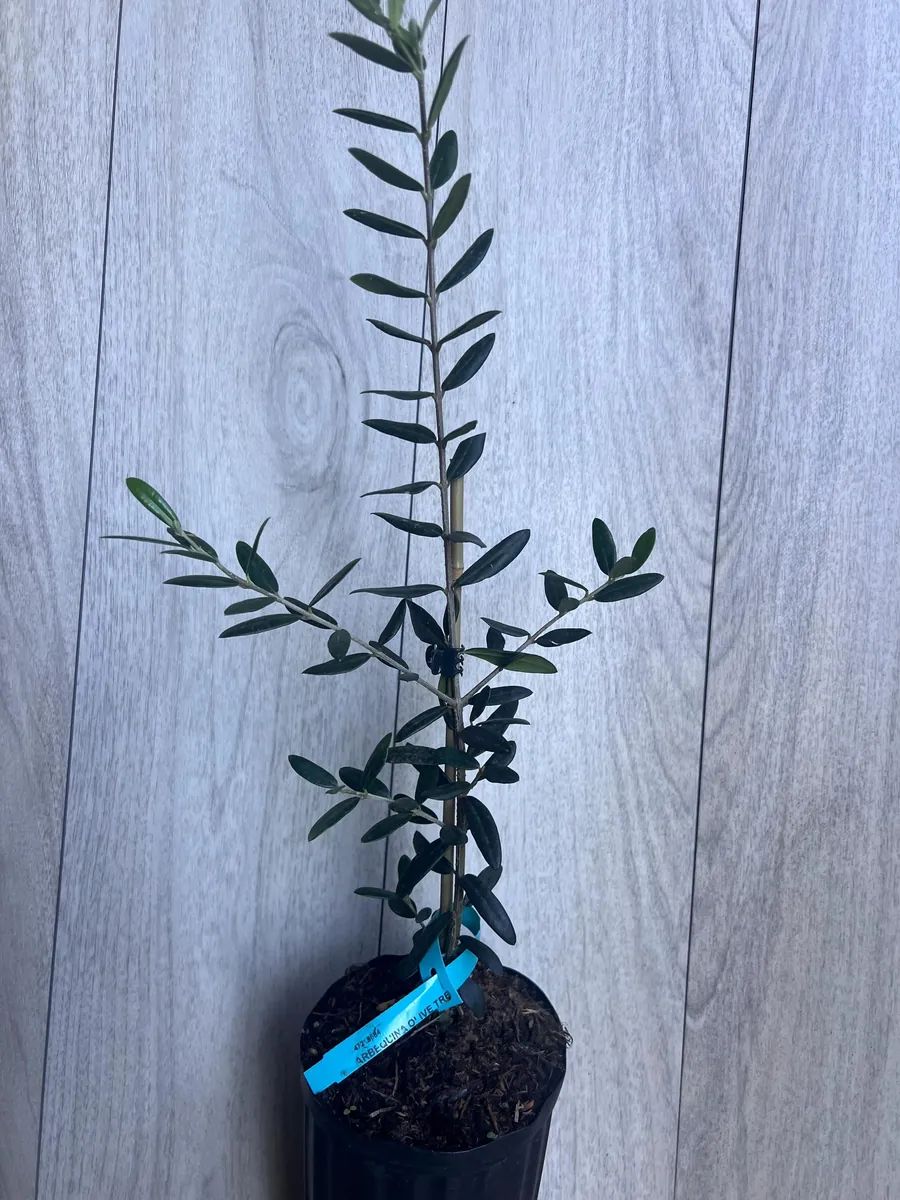
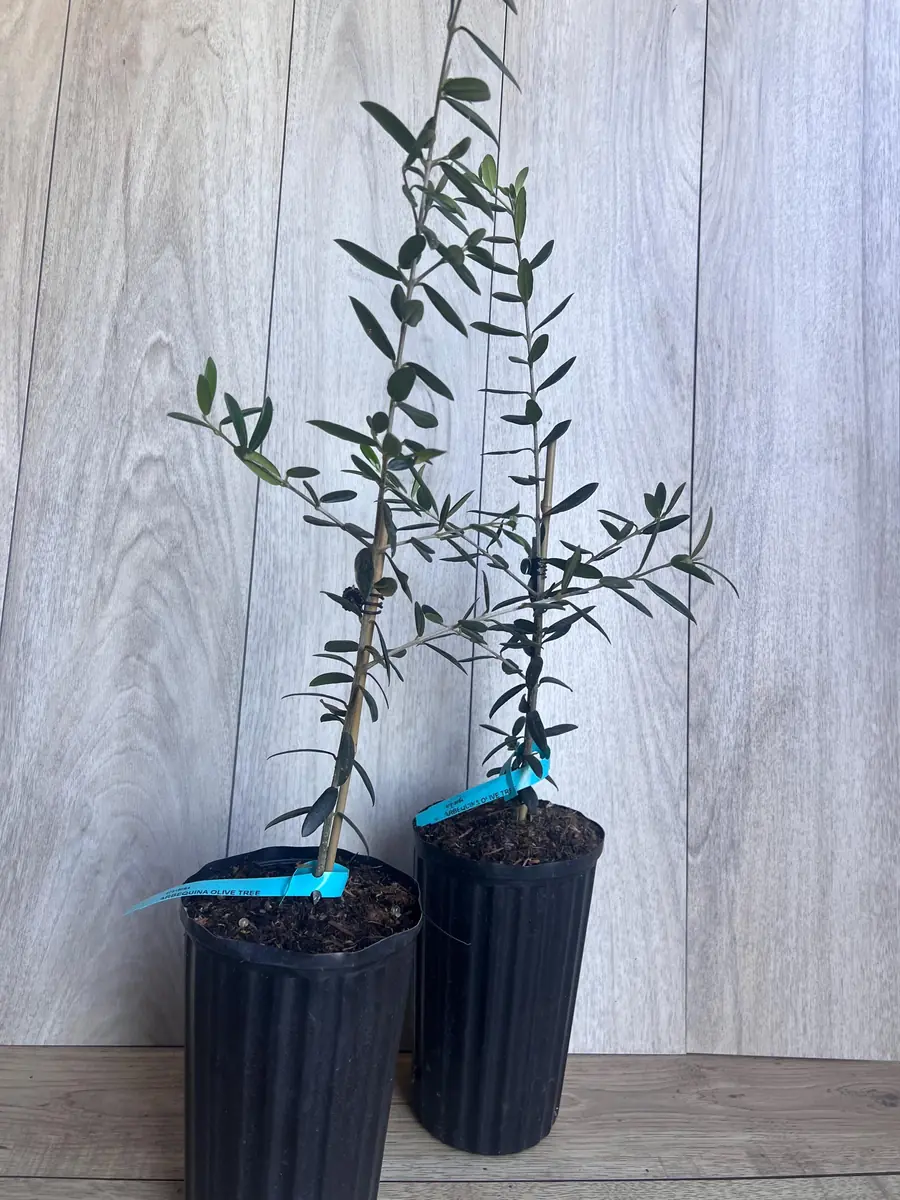
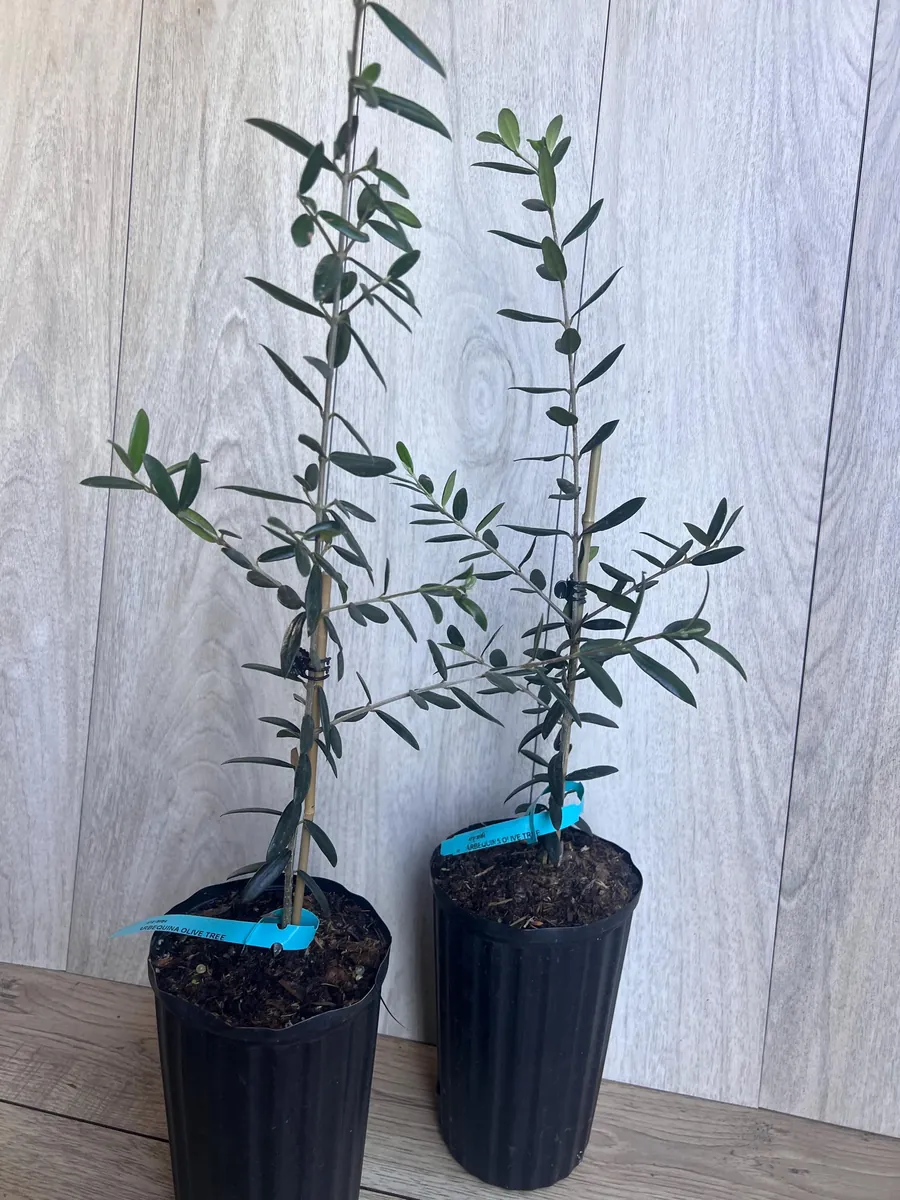
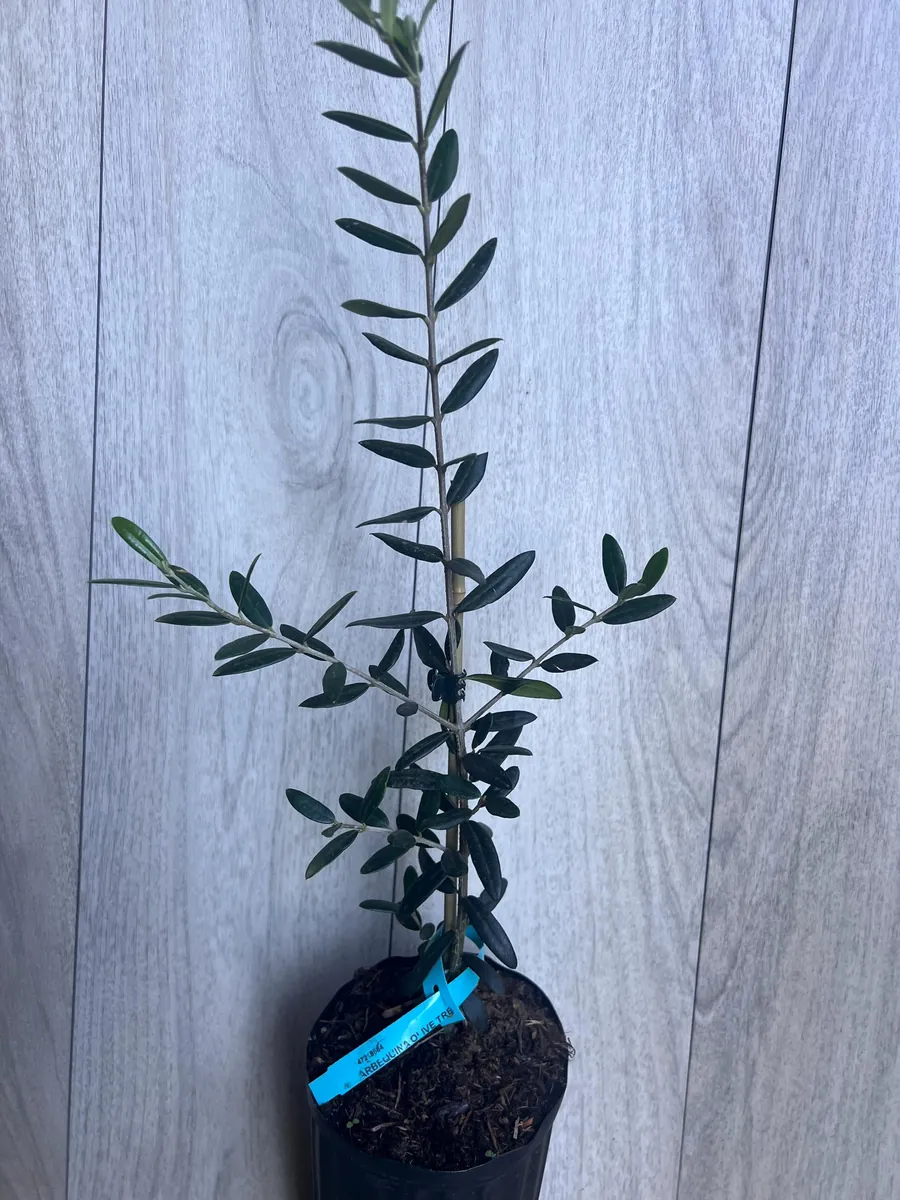
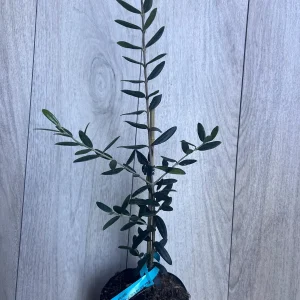
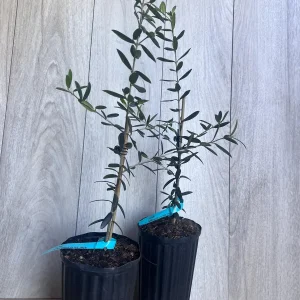
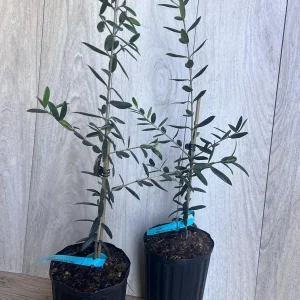
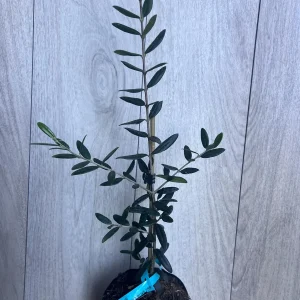
Arbequina Olive Tree Live Plant – Half Gallon Pot – Indoor/Outdoor
Original price was: $79.90.$47.94Current price is: $47.94.
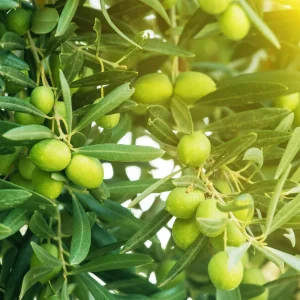
Bring Mediterranean charm to your home with the Arbequina Olive Tree live plant. This beautiful variety is ideal for container growing, featuring attractive silvery-green leaves and the potential to produce small, flavorful olives. Perfect as an indoor accent or an outdoor patio plant.
-
USDA Hardiness Zone
USDA zones 8-11 (outdoors) -
Soil Type
Well-draining soil -
Sunlight Exposure
Full sun -
Expected Planting Period
Year-round indoors, spring to early summer outdoors

You can track your order HERE
Mar 02
Mar 07 - Mar 09
Mar 12 - Mar 16
Shipping and return policies: Our Alive & Thrive Guarantee covers issues with your plants within the first 30 days. Reach out to us. Our team will answer your questions and help you find the plants that are truly suitable for your environment, climate, and personal preferences.

Overview
The Arbequina Olive Tree live plant is a highly sought-after variety, renowned for its ornamental beauty and potential for producing high-quality olives. This versatile tree is perfect for both experienced gardeners and beginners, adapting well to container growing, making it an excellent choice for patios, balconies, or even as an indoor houseplant in suitable climates. The Arbequina olive is celebrated for its unique attributes, including its attractive silvery-green foliage that adds a touch of Mediterranean elegance to any setting. Growing an Arbequina Olive Tree live plant allows you to enjoy the process of nurturing a beautiful fruit-bearing tree, offering both aesthetic pleasure and the potential for a homegrown harvest. This particular offering provides a healthy young plant in a half-gallon pot, ready to thrive in its new home. The Arbequina variety is also known for its adaptability, making container olive tree cultivation a rewarding experience.
Key Benefits
Cultivating an Arbequina Olive Tree live plant offers a multitude of benefits, from its aesthetic appeal to its potential for producing delicious olives. This makes it a fantastic addition to any garden or indoor space.
- Ornamental Beauty: The distinctive silvery-green leaves and graceful form of the Arbequina olive tree provide year-round visual interest, enhancing any landscape or interior design. Its elegant appearance makes it a popular choice for decorative purposes.
- Container Adaptability: Arbequina olive trees are naturally smaller and have a spreading habit, making them exceptionally well-suited for container growing. This allows for flexibility in placement and makes it an ideal indoor olive plant in colder regions or for those with limited garden space.
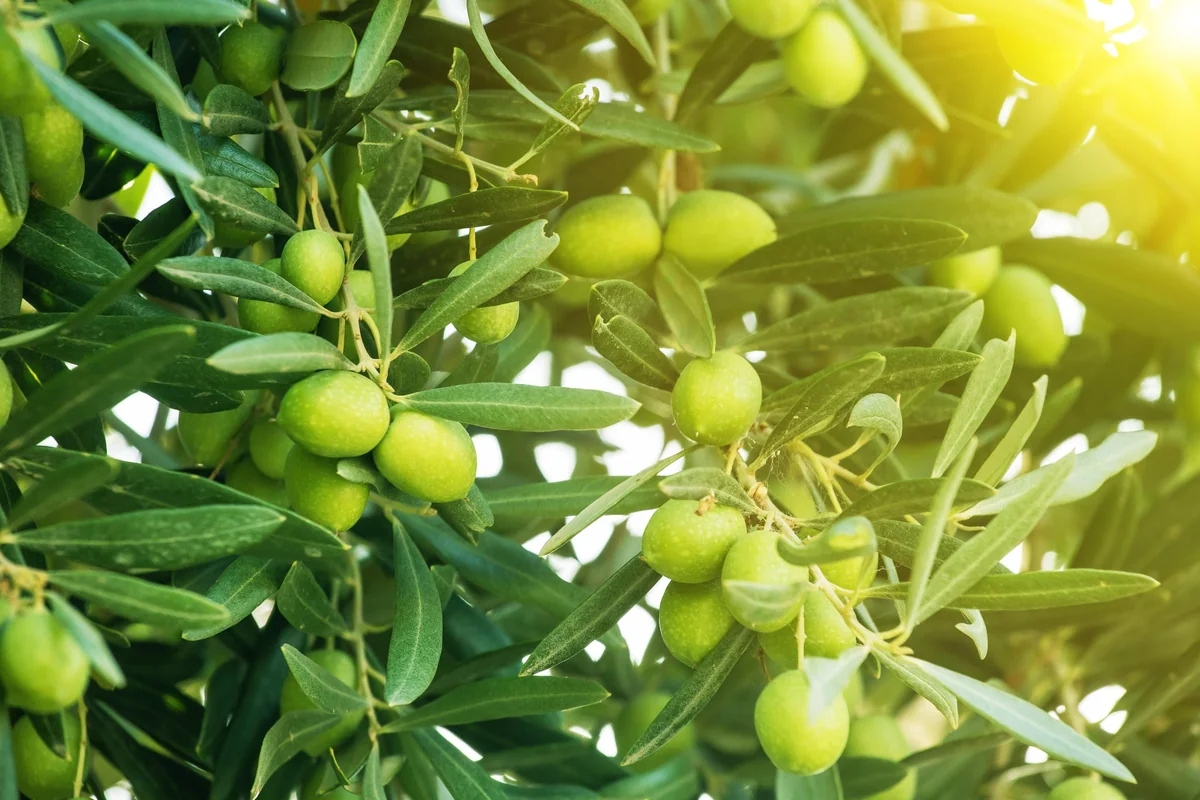
- Potential for Olive Production: While primarily grown for oil, the Arbequina variety produces small, dark brown olives with a smooth, rounded surface. These olives are famous for yielding a highly aromatic oil with a fruity, slightly peppery flavor, offering a delicate balance of sweetness and bitterness.
- Drought Tolerance: Once established, the Arbequina olive tree is known for its resilience and drought-tolerant nature, requiring less frequent watering compared to many other fruit-bearing trees. This reduces maintenance efforts and water consumption.
- Mediterranean Charm: Introduce a touch of the Mediterranean to your home or garden. The presence of an Arbequina Olive Tree live plant can evoke a sense of tranquility and exotic beauty, creating a serene and inviting atmosphere.
- Long Lifespan: Olive trees are known for their longevity, often living for hundreds of years. Investing in an Arbequina olive tree means enjoying its beauty and benefits for many decades to come, potentially even for generations.
- Low Maintenance: With proper initial care, the Arbequina olive tree is relatively low maintenance, requiring consistent watering in its early stages and annual pruning to encourage healthy growth and fruiting. This makes Arbequina olive care manageable for many growers.
Plant Care & Growing Tips
Proper care is essential for ensuring your Arbequina Olive Tree live plant thrives and reaches its full potential, whether you choose to grow it as an indoor olive plant or outdoors. Providing the right conditions will lead to a healthy and productive tree. This guide covers key aspects of Arbequina olive care.
Sunlight Requirements: Arbequina olive trees are sun-lovers and thrive in full sunlight, ideally receiving around 6 to 8 hours of direct sunlight daily. When growing indoors, place your container olive tree in the brightest south-facing window possible, or supplement with grow lights. Outdoors, choose a location that receives ample direct sun throughout the day.
Watering Needs: Consistency is key, especially for young plants. Keep the soil consistently moist but never waterlogged. Water when the top inch of soil feels dry to the touch. It’s better to underwater slightly than to overwater, as root rot can be a significant issue. Once established, they become more drought-tolerant and can withstand periods of less frequent watering, but regular moisture promotes better health and fruit production. Ensure good drainage to prevent standing water.
Soil Requirements: Use a well-draining soil mix to prevent water from accumulating around the roots. A good quality potting mix for trees or succulents, amended with perlite, sand, or small rocks, can create the ideal drainage. For outdoor planting, ensure your garden soil is well-draining; if not, amend it with organic matter to improve structure. The ideal pH for olive trees is slightly alkaline to neutral (pH 6.5-8.0).
Temperature and Humidity: Arbequina olive trees prefer warm temperatures, ideally between 60°F and 75°F (16°C to 24°C), and can tolerate some humidity. They are hardy in USDA zones 8-11, thriving in Mediterranean-like climates with hot, dry summers and mild, wet winters. If growing outdoors in colder zones, consider bringing your container olive tree indoors during winter months to protect it from frost. Protect young trees from temperatures below 20°F (-6°C).
Fertilization: Fertilize your Arbequina olive tree once or twice a year, typically in spring and fall, using a balanced fertilizer such as a 10-10-10 formula. This provides essential nutrients for growth and fruit development. Follow the product instructions for application rates to avoid over-fertilization, which can harm the plant. Reduce fertilization during the dormant winter months.
Pruning: Annual pruning is beneficial to encourage new growth, maintain shape, and improve air circulation, which can aid in fruit production. Remove any dead, diseased, or crossing branches. Light pruning can also help manage the size of your indoor olive plant or outdoor specimen. The best time for pruning is usually in late winter or early spring before new growth begins.
Harvesting: Olives are typically ready for harvest in the fall. The fruits will transition from green to pink and finally to a glossy black when they are fully ripe and ready to be picked. For oil production, olives are usually harvested when they are still greenish-purple, while for table olives, they are often picked when fully black. Enjoy the fruits of your Mediterranean plant!
Size & Details
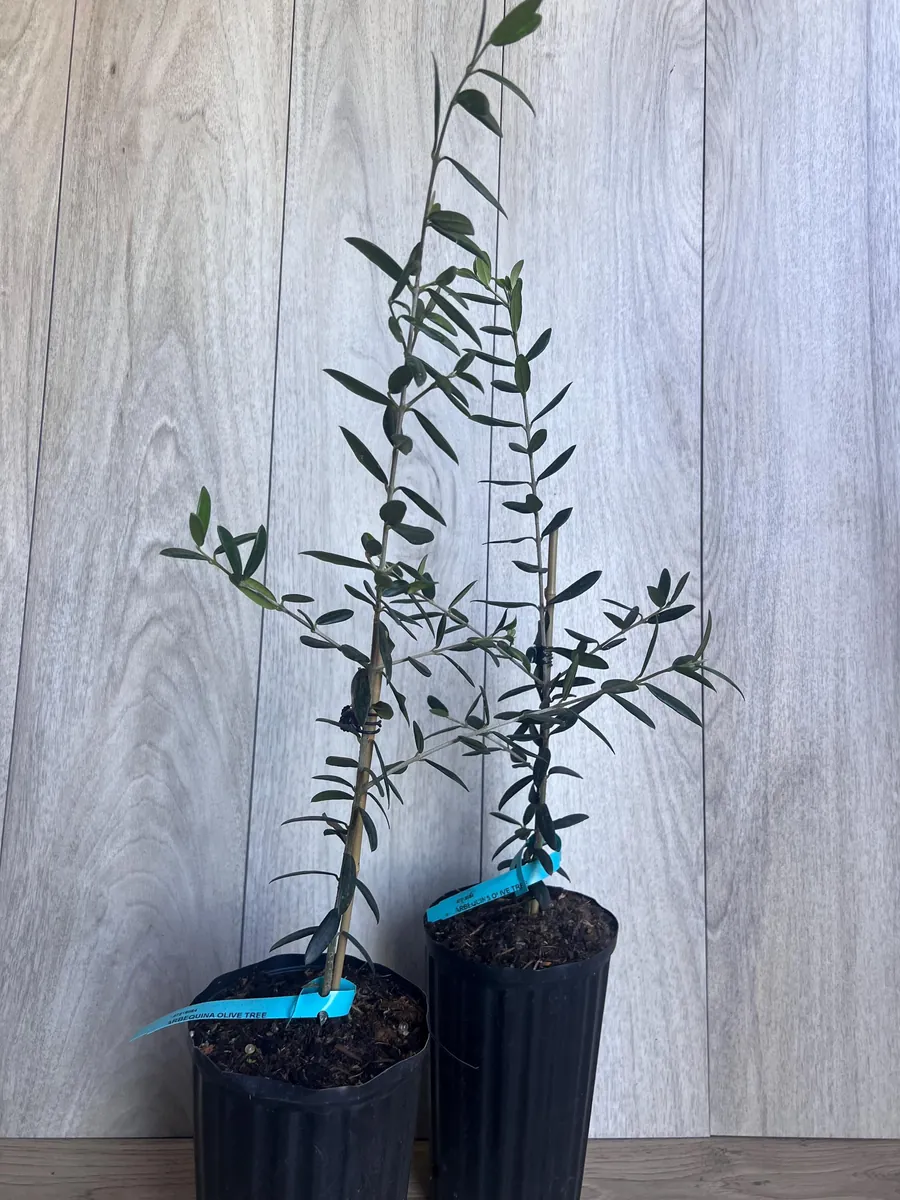
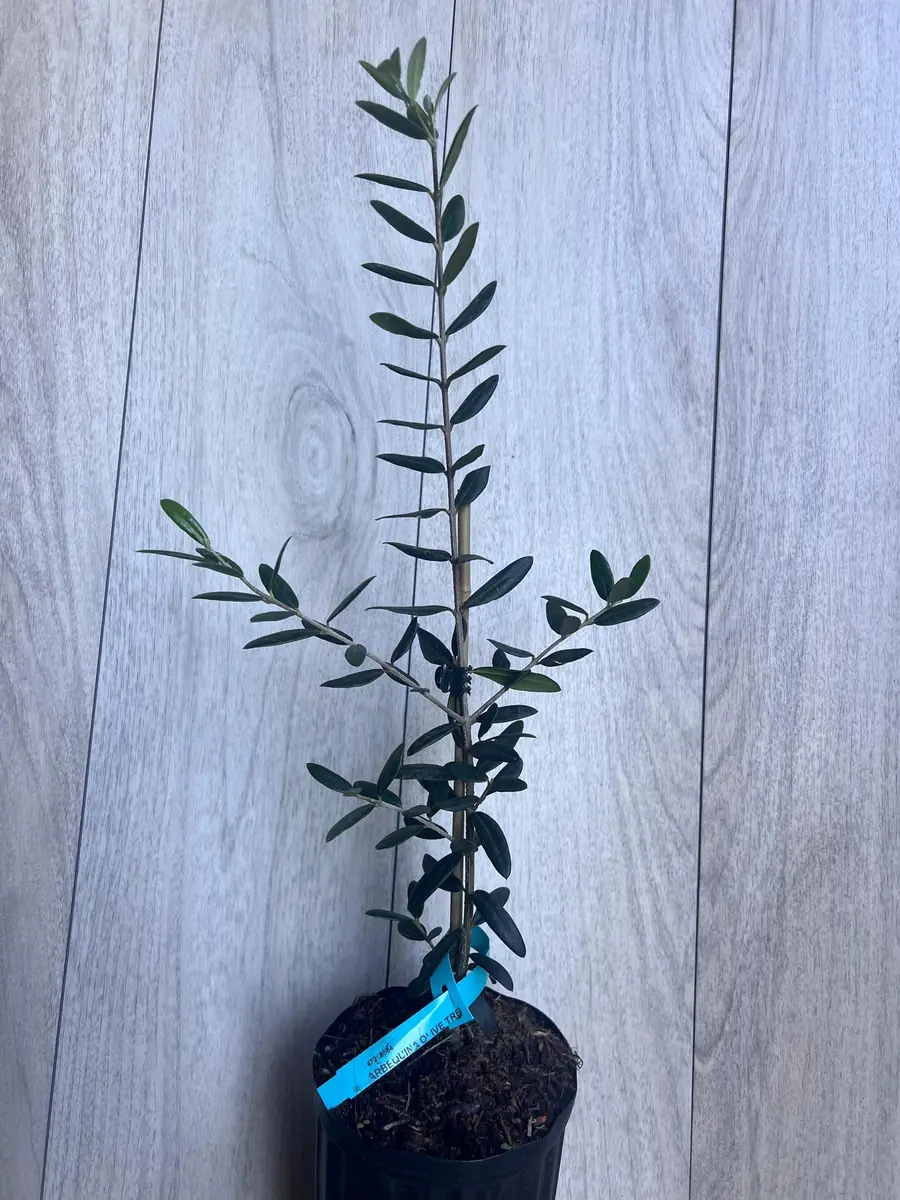
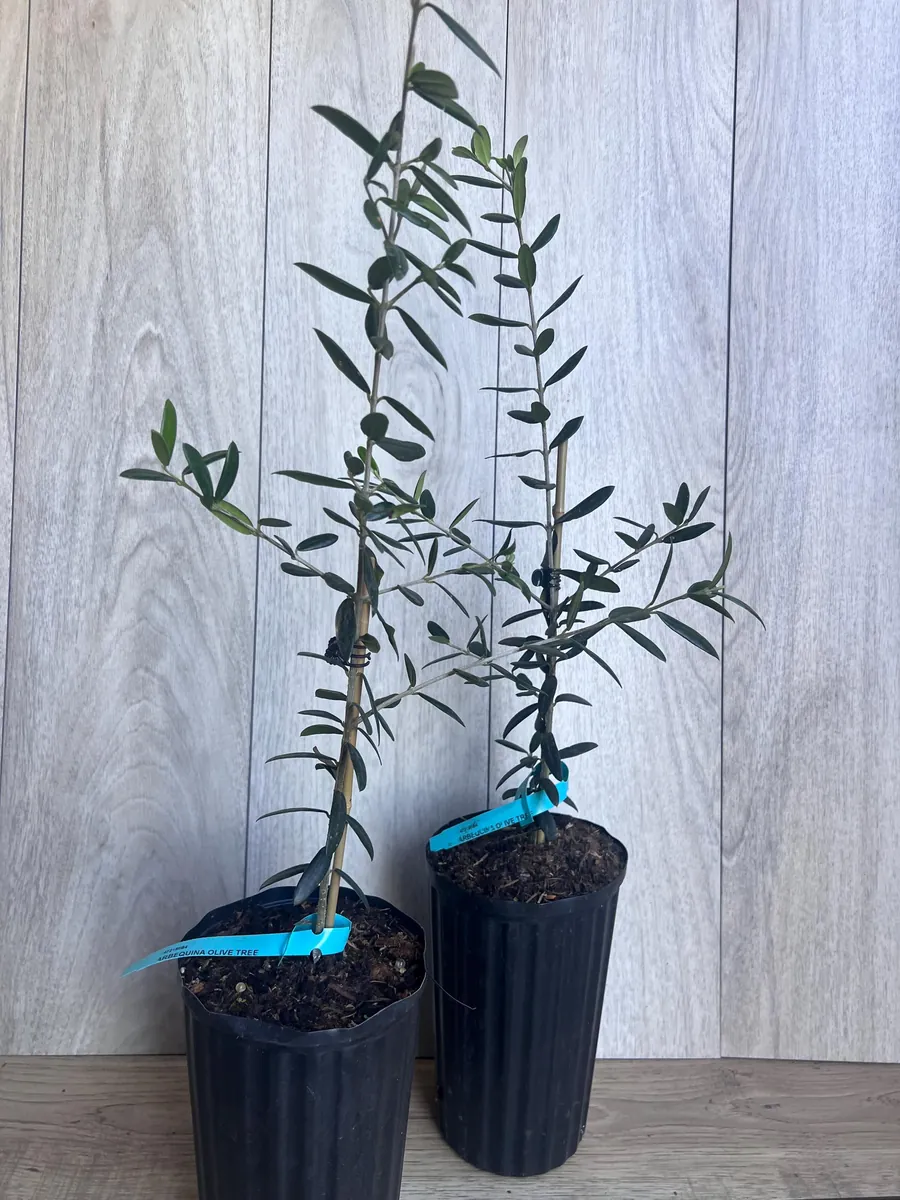
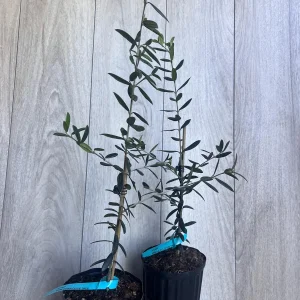
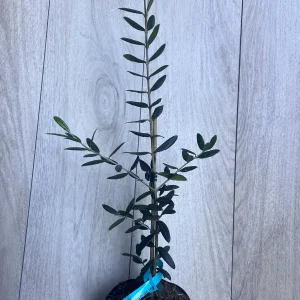
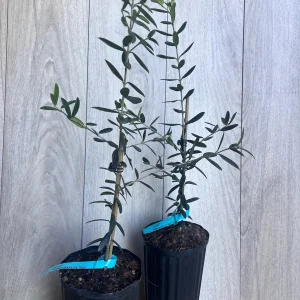
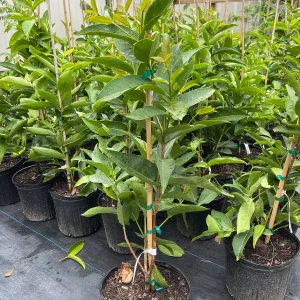
This offering is for one healthy Arbequina Olive Tree live plant, shipped in a convenient half-gallon nursery pot. At the time of shipment, the plant will be similar to the pictures, featuring established roots and vibrant foliage. Arbequina olive trees are relatively compact compared to other olive varieties, typically reaching a mature height of 15 to 20 feet and a width of 10 to 15 feet when planted in the ground. However, when grown as a container olive tree, its size can be effectively managed through pruning, often staying much smaller, making it an excellent choice for patios or indoor environments. This slower growth rate makes it a perfect long-term addition to your home or garden. The plant will arrive ready for transplanting into a larger pot or directly into your garden, depending on your climate and preference for an indoor olive plant or outdoor specimen.
Frequently Asked Questions
- Q: How big does this Arbequina Olive Tree get? A: When planted in the ground, an Arbequina Olive Tree live plant can reach 15-20 feet tall and 10-15 feet wide. However, when grown in a container, its size is much more manageable and can be controlled with regular pruning, often staying significantly smaller.
- Q: What size pot does it come in? A: The Arbequina Olive Tree live plant is shipped in a half-gallon nursery pot, providing a good start for its journey to your home. You will want to transplant it into a larger container or the ground shortly after arrival.
- Q: Is this an indoor or outdoor plant? A: The Arbequina olive tree is very versatile. It thrives outdoors in warm climates (USDA zones 8-11). In colder regions, it makes an excellent indoor olive plant for a sunny spot or can be kept outdoors in summer and brought inside for winter.
- Q: How much sunlight does it need? A: This Mediterranean plant requires full sun, ideally 6 to 8 hours of direct sunlight daily. If grown indoors, place it in the brightest available window, preferably south-facing, or use supplemental grow lights.
- Q: Is this plant easy to care for? A: Yes, with proper initial setup and consistent watering, Arbequina olive care is relatively straightforward. Once established, they are quite resilient and drought-tolerant, making them a good choice for various gardening levels.
- Q: What condition will it arrive in? A: Your Arbequina Olive Tree live plant will arrive carefully packaged, with established roots and healthy foliage, ready for planting. We take great care to ensure the plant’s safe journey.
- Q: Can I harvest olives from this tree? A: Yes, under proper growing conditions and with maturity, your Arbequina olive tree has the potential to produce olives. The Arbequina variety is known for its small, flavorful olives, often used for oil production.
- Q: When is the best time to plant? A: The best time to plant your container olive tree is in spring or early summer after the last frost, allowing it ample time to establish before cooler weather. If growing indoors, planting can be done year-round.
- Q: Will it survive winter in my zone? A: Arbequina olive trees are hardy in USDA zones 8-11. If you live in a colder zone, you will need to protect your plant from freezing temperatures, either by bringing your indoor olive plant inside or providing adequate winter protection outdoors.
- Q: What type of soil does it prefer? A: The Arbequina olive tree prefers well-draining soil. A mix of regular potting soil with perlite or sand to enhance drainage is ideal for Arbequina olive care, whether in containers or in the ground.
Be the first to review “Arbequina Olive Tree Live Plant – Half Gallon Pot – Indoor/Outdoor”
People Also Viewed
Sold 81 products
Original price was: $79.06.$39.53Current price is: $39.53.
Sold 82 products
Original price was: $30.76.$15.38Current price is: $15.38.
Sold 79 products
Original price was: $115.80.$57.90Current price is: $57.90.
Sold 82 products
Original price was: $30.76.$15.38Current price is: $15.38.
Sold 96 products
Original price was: $69.98.$34.99Current price is: $34.99.
Sold 93 products
Original price was: $55.96.$27.98Current price is: $27.98.
Sold 60 products
Original price was: $56.00.$44.80Current price is: $44.80.
Sold 79 products
Original price was: $155.80.$77.90Current price is: $77.90.
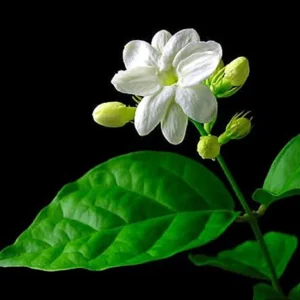
HousePlants
Arabian & Common Jasmine Live Plant Set, 10″ Height, Fragrant White Flowers, Indoor/Outdoor
Sold 87 products
Original price was: $171.80.$85.90Current price is: $85.90.
Sold 80 products
From $61.58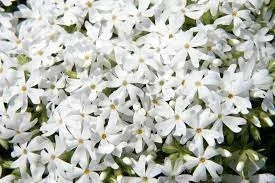
Flower Plants
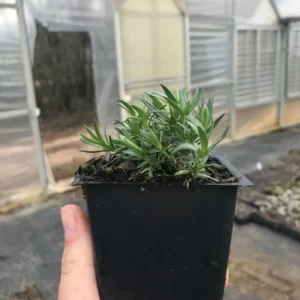
Snowflake Creeping Phlox Live Plant – 3.5in Pot, Deer Resistant Groundcover, Attracts Pollinators
Sold 50 products
From $67.80
Sold 57 products
Original price was: $154.36.$77.18Current price is: $77.18.
HousePlants
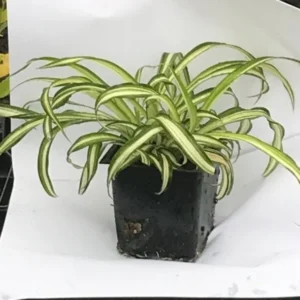
Curly Spider Plant Live – Easy Care Houseplant, 4 inch Pot, Chlorophytum comosum ‘Bonnie’
Sold 82 products
Original price was: $39.80.$19.90Current price is: $19.90.
Sold 62 products
From $20.98
Sold 86 products
Original price was: $24.35.$7.74Current price is: $7.74.
Sold 88 products
Original price was: $13.92.$6.96Current price is: $6.96.
Flower Plants
Coreopsis Solar Eclipse Live Plant – Bicolor Red/Yellow, 3.5 inch Pot, Outdoor Perennial
Sold 82 products
From $43.80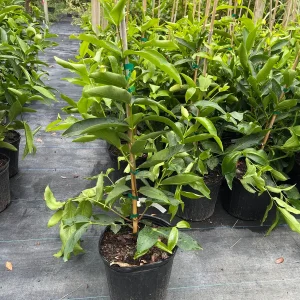
Sold 100 products
Original price was: $420.00.$156.99Current price is: $156.99.


Reviews
There are no reviews yet.