
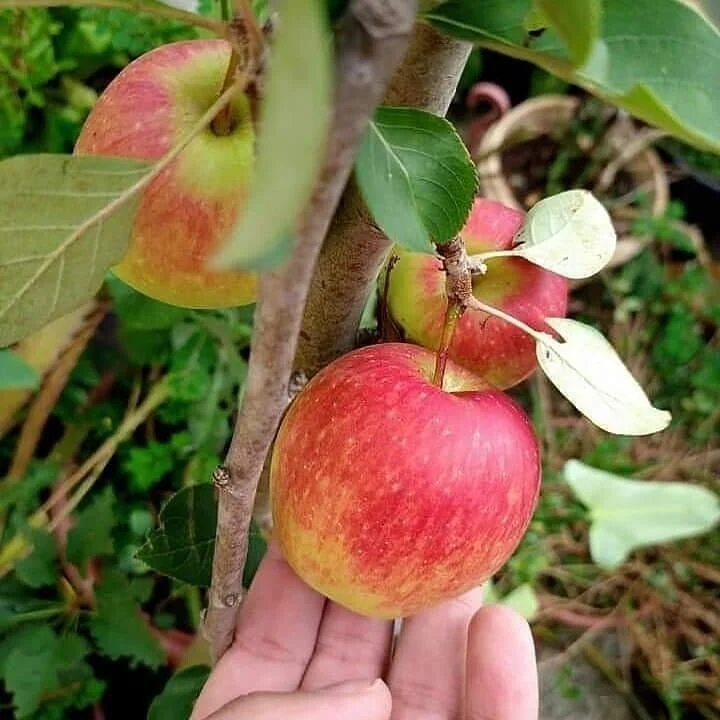
Anna Apple Tree – Low Chill Live Plant – 3-4 Feet Tall – Ships in 3 Gallon Pot
Original price was: $355.96.$177.98Current price is: $177.98.
Cultivate your own sweet and crisp apples with this Anna Apple tree. This low chill apple plant is perfect for mild winter regions, thriving in USDA Zones 5-10. Shipped as a healthy 3-4 feet tall live plant in a 3-gallon pot, ready for planting.
-
USDA Hardiness Zone
USDA Zones 5-10 -
Soil Type
Well-draining loamy soil -
Sunlight Exposure
Full sun -
Expected Planting Period
Late winter to early spring

You can track your order HERE
Mar 13
Mar 18 - Mar 20
Mar 23 - Mar 27
Shipping and return policies: Our Alive & Thrive Guarantee covers issues with your plants within the first 30 days. Reach out to us. Our team will answer your questions and help you find the plants that are truly suitable for your environment, climate, and personal preferences.

Overview
Introduce the joy of homegrown fruit to your garden with the exceptional Anna Apple tree. This remarkable low chill apple plant is specifically celebrated for its ability to produce abundant crops of sweet, crisp, and flavorful apples even in mild winter climates, making it an ideal choice for regions like Southern California and Southern Arizona. Unlike many apple varieties that require extended periods of cold weather, the Anna Apple needs only about 200 chill hours, opening up apple growing to a wider range of gardeners. This live plant arrives healthy and robust, typically measuring 3 to 4 feet tall and shipped in a 3-gallon pot, ensuring a strong start in your orchard or backyard. Whether you’re an experienced fruit grower or a budding enthusiast, the Anna Apple offers a rewarding and delicious harvest.
The Anna Apple (Malus domestica ‘Anna’) is a self-fruitful variety, though its yields can be significantly enhanced when cross-pollinated with other low-chill varieties such as Dorsett Golden or Einshemer. Its adaptability and prolific fruiting habit make it a favorite among those seeking reliable apple production in warmer zones. The apples themselves are medium-sized, with a pale green to yellow skin often blushed with red. Their flesh is firm, juicy, and possesses a delightful balance of sweetness and tartness, making them excellent for fresh eating, baking, and cooking. With proper care, your Anna Apple tree will become a cherished centerpiece of your edible landscape, providing a bounty of fresh fruit for years to come.
Key Benefits
The Anna Apple tree offers a multitude of benefits for gardeners and fruit lovers alike, making it a highly desirable addition to any suitable landscape. Its unique characteristics ensure a successful and satisfying growing experience.
- Reliable Production in Mild Climates: This low chill apple plant thrives in areas with minimal winter cold, making fresh apple cultivation possible in USDA Zones 5-10 where traditional apple varieties struggle.
- Sweet and Crisp Fruit: Enjoy a heavy crop of delicious apples with a perfect balance of sweetness and tartness, ideal for eating fresh straight from the tree.
- Versatile Culinary Use: The apples are excellent for a variety of culinary applications, including baking pies, making applesauce, and cooking, adding a homemade touch to your meals.
- Extended Storage Life: Harvested Anna apples can be stored in the refrigerator for up to two months, allowing you to enjoy your bounty long after the picking season.
- Self-Fruitful (Enhanced with Pollinators): While the Anna Apple tree is self-fruitful, planting it near other low-chill varieties like Dorsett Golden or Einshemer will significantly increase fruit set and yield.
- Established Live Plant: Shipped as a robust 3-4 feet tall specimen in a 3-gallon pot, this tree provides a head start, establishing quicker than smaller plants or bare roots.
- Attractive Landscape Addition: Beyond its fruit, the Anna Apple tree offers beautiful spring blossoms and lush green foliage, enhancing the aesthetic appeal of your garden.
Plant Care & Growing Tips
Caring for your Anna Apple tree is straightforward, especially when you understand its specific needs. To ensure a healthy and productive tree, focus on proper planting, watering, and pruning techniques. This fruit tree for mild climates prefers a location that receives full sun, meaning at least 6-8 hours of direct sunlight per day. Good air circulation is also important to prevent fungal diseases. Dig a hole twice as wide as the root ball and just as deep, ensuring the graft union (the swollen part where the scion meets the rootstock) remains above the soil line. Backfill with the excavated soil, gently tamping down to remove air pockets, and water thoroughly.
Watering is crucial, especially during the first few years of establishment and during dry spells. Aim for deep, infrequent watering to encourage a strong root system. The soil should be consistently moist but never waterlogged. Once established, the Anna Apple tree is moderately drought-tolerant but will produce better fruit with regular irrigation. Fertilize in early spring with a balanced fruit tree fertilizer, following the product’s instructions. Pruning should be done in late winter while the tree is dormant. Focus on removing dead, diseased, or crossing branches, and thin out overcrowded areas to improve light penetration and air circulation, which helps fruit development and reduces disease risk. Monitor for common apple pests and diseases, addressing any issues promptly with appropriate organic or conventional treatments.
The Anna apple care routine also includes monitoring for chill hours. While it’s a low-chill variety, understanding your local climate helps ensure optimal fruit set. Protecting young trees from harsh winds or extreme temperature fluctuations can also be beneficial in their early years. With consistent attention to these care guidelines, your 3 gallon apple tree will flourish and reward you with abundant harvests.
Size & Details
This Anna Apple tree is a robust live plant, typically standing between 3 to 4 feet tall at the time of shipment, providing you with a substantial specimen ready for planting. It is carefully grown and shipped in a 3-gallon nursery pot, ensuring its root system is well-established and healthy, which aids in quicker adaptation to its new environment. The mature size of an Anna Apple tree can vary depending on the rootstock and pruning practices, but it generally grows to a manageable height of 15-20 feet with a similar spread. The growth rate is moderate, allowing you to enjoy fruit within a few years of planting.
The Anna apple is celebrated for its early ripening, often maturing in late spring to early summer, even in warm climates. This early harvest is a significant advantage for those in regions where other apple varieties struggle to produce. The tree will arrive with healthy foliage, ready to be transplanted into your garden or a larger container if preferred. With proper care, this low chill apple plant will continue to grow and develop into a productive fruit-bearing tree, providing delicious apples for many seasons.
Frequently Asked Questions
- Q: How big does this Anna Apple tree get? A: This Anna Apple tree is shipped at 3-4 feet tall in a 3-gallon pot. When mature, it typically reaches 15-20 feet tall and wide, depending on the rootstock and how it’s pruned.
- Q: What size pot does it come in? A: The low chill apple plant is shipped in a 3-gallon nursery pot, providing a well-established root system for successful transplanting.
- Q: Is this an indoor or outdoor plant? A: The Anna Apple tree is an outdoor fruit tree, requiring full sun and space to grow. It is not suitable for indoor cultivation.
- Q: How much sunlight does it need? A: This apple tree thrives in full sun, needing at least 6-8 hours of direct sunlight per day for optimal growth and fruit production.
- Q: Is this plant easy to care for? A: Anna Apple trees are relatively easy to care for, especially for those in suitable climates. Basic Anna apple care involves regular watering, annual fertilization, and dormant season pruning.
- Q: Is it good for beginners? A: Yes, due to its low chill requirement and self-fruitful nature (though pollination helps), it’s a good choice for beginner fruit tree growers in appropriate USDA zones.
- Q: What condition will it arrive in? A: Your 3 gallon apple tree will arrive as a healthy, live plant, carefully packaged to ensure minimal stress during transit, with a robust root system in its nursery pot.
- Q: Is it shipped in soil? A: Yes, the tree is shipped in its original 3-gallon nursery pot with soil, ensuring its roots remain protected and hydrated.
- Q: Can I use Anna apples in cooking? A: Absolutely! Anna apples are excellent for both fresh eating and various culinary uses, including pies, applesauce, and other cooked dishes.
- Q: Is it pet-safe? A: While the fruit is safe for humans, apple seeds contain small amounts of cyanide and should not be consumed by pets. The plant itself is generally not considered toxic in small amounts, but ingestion of large quantities of leaves or stems could cause digestive upset.
- Q: How long until it blooms? A: Anna Apple trees typically begin to bloom and produce fruit within 2-4 years after planting, especially when starting with a 3-4 feet tall specimen.
- Q: When is the best time to plant? A: The best time to plant your fruit tree for mild climates is in late winter or early spring, after the danger of hard frost has passed, but before the tree breaks dormancy.
- Q: Will it survive winter in my zone? A: The Anna Apple tree is hardy in USDA Zones 5-10. If your zone falls within this range, it should survive winter. Protection for young trees in the lower end of this range may be beneficial.
- Q: What’s the minimum temperature it can tolerate? A: Anna apple trees are generally tolerant of temperatures down to -10°F to -20°F in USDA Zone 5, provided they are well-established.
Be the first to review “Anna Apple Tree – Low Chill Live Plant – 3-4 Feet Tall – Ships in 3 Gallon Pot”
People Also Viewed
Sold 99 products
Original price was: $100.36.$50.18Current price is: $50.18.
Sold 90 products
Original price was: $47.98.$23.99Current price is: $23.99.
Sold 80 products
Original price was: $37.35.$12.94Current price is: $12.94.
Sold 70 products
Original price was: $1,470.00.$735.00Current price is: $735.00.
Sold 86 products
From $19.98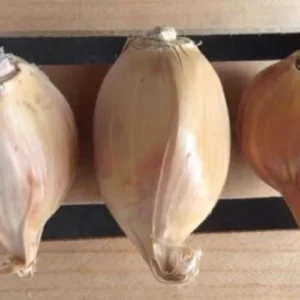
Vegetable Seeds
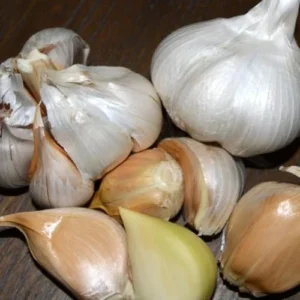
Giant Elephant Garlic Bulbs – 1 Pound – Planting Garlic Outdoors
Sold 68 products
Original price was: $69.56.$34.78Current price is: $34.78.
Sold 83 products
Original price was: $43.98.$21.99Current price is: $21.99.
Sold 100 products
From $15.38
Sold 60 products
Original price was: $23.96.$11.98Current price is: $11.98.
Sold 57 products
Original price was: $11.92.$5.96Current price is: $5.96.
Sold 91 products
Original price was: $26.76.$13.38Current price is: $13.38.
Sold 61 products
Original price was: $12.92.$7.76Current price is: $7.76.
Sold 76 products
Original price was: $47.96.$23.98Current price is: $23.98.

Sold 94 products
Original price was: $23.96.$11.98Current price is: $11.98.
Sold 77 products
Original price was: $55.80.$27.90Current price is: $27.90.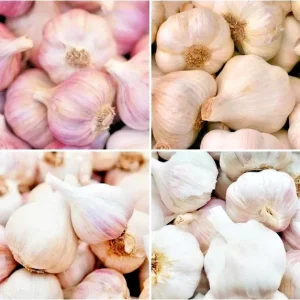
Flower Bulbs
Organic Garlic Bulbs Mix 8 oz – Multi-Variety Selection for Planting, Hardneck & Softneck, Allium
Sold 77 products
Original price was: $38.76.$19.38Current price is: $19.38.
Sold 100 products
Original price was: $34.74.$17.37Current price is: $17.37.
Sold 71 products
Original price was: $147.16.$73.58Current price is: $73.58.



Reviews
There are no reviews yet.