
American Persimmon Tree – Diospyros Virginiana Live Bare-Root Plant 6-12 inches
From $123.96
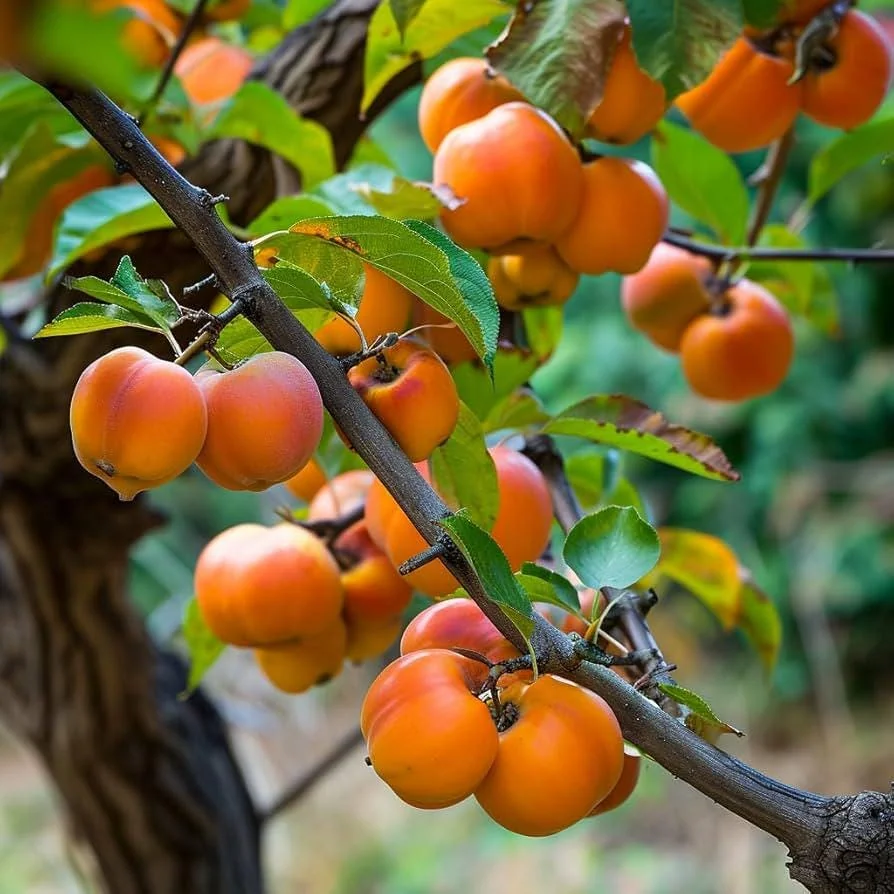
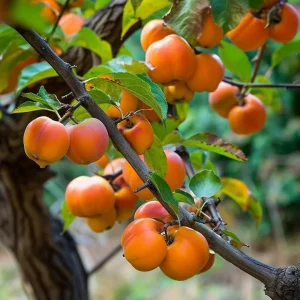
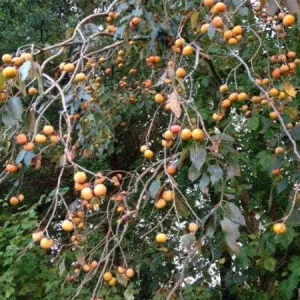
Cultivate your own delicious fruit with this American persimmon tree (Diospyros virginiana). This native persimmon fruit tree is shipped as a bare root plant, measuring 6-12 inches, perfect for establishing in your garden. Enjoy beautiful fall color and eventual sweet fruit production.
-
USDA Hardiness Zone
4-9 -
Soil Type
Well-draining soil (clay, sand, or loam tolerant) -
Sunlight Exposure
Full sun -
Expected Planting Period
Spring or Fall

You can track your order HERE
Mar 12
Mar 17 - Mar 19
Mar 22 - Mar 26
Shipping and return policies: Our Alive & Thrive Guarantee covers issues with your plants within the first 30 days. Reach out to us. Our team will answer your questions and help you find the plants that are truly suitable for your environment, climate, and personal preferences.

Overview
Step into the rewarding world of growing your own fruit with the American persimmon tree. This offering is for a live bare root plant of the native North American species, Diospyros virginiana, measuring 6-12 inches. Known for its delicious fruit and striking autumnal display, the American persimmon is a versatile and resilient deciduous tree that can transform any garden or landscape into a vibrant and productive haven. Unlike its Asian counterpart, Diospyros kaki, the American persimmon tree is exceptionally hardy and adaptable, thriving in a wide range of climates and soil conditions across the United States. Its leaves provide beautiful blue-green hues during the summer, transitioning to brilliant yellows and oranges in the fall, adding significant ornamental value.
Choosing to plant a Diospyros virginiana bare root means investing in a piece of natural heritage. These trees are known for their longevity and ability to provide a consistent harvest of sweet, flavorful fruit once mature. The bare-root format ensures a strong start, allowing the plant to establish its root system efficiently when planted at the right time. This particular species, also known as the common persimmon, is a robust choice for those looking to add a low-maintenance, fruit-bearing tree to their property. Experience the joy of harvesting your own native persimmons, a truly unique and delicious treat.
Key Benefits
The American persimmon tree offers a multitude of benefits for both the gardener and the environment. From its aesthetic appeal to its practical fruit production, it’s a valuable addition to any landscape.
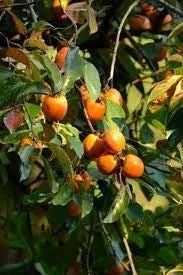
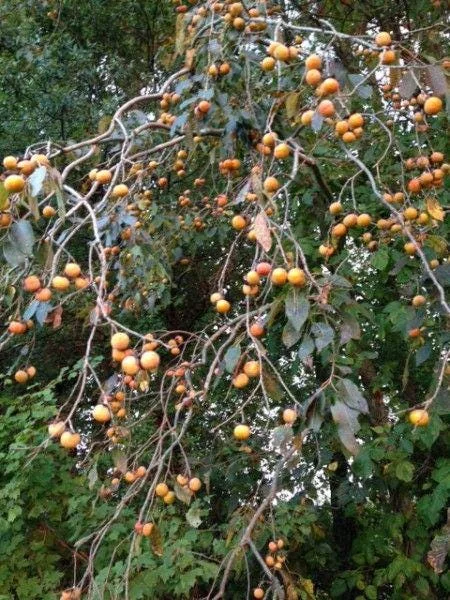
- Delicious Native Fruit: This tree produces sweet, seedless to few-seeded fruit that is a favorite for fresh eating, baking, and preserves. Enjoy a unique flavor profile that is distinct from Asian persimmons.
- Stunning Fall Foliage: Witness a spectacular display of blue-green leaves transforming into brilliant shades of yellow and orange in autumn, adding significant seasonal interest to your garden. The native persimmon fruit tree becomes a focal point of fall color.
- Hardy & Adaptable: The Diospyros virginiana bare root is incredibly resilient, tolerating a wide range of climates (USDA zones 4-9) and diverse soil conditions, including clay, sand, and loam. This makes it an easy-care option for many regions.
- Wildlife Attractor: The fruit is a valuable food source for local wildlife, including birds, deer, and other mammals, contributing to local biodiversity and creating a lively garden ecosystem.
- Low Maintenance: Once established, growing persimmon trees requires minimal care. They are generally disease and pest resistant, making them a hassle-free addition to your garden.
- Long-Lived Tree: American persimmon trees are known for their longevity, providing many years of beauty and fruit production for generations to enjoy. Proper persimmon tree care ensures a healthy, long-lasting specimen.
Plant Care & Growing Tips
Successful establishment and growth of your American persimmon tree begin with proper planting and ongoing care. These trees are relatively low-maintenance but benefit from specific conditions to thrive and produce abundant fruit. Begin by selecting a site that receives ample sunlight, ideally 6-8 hours of direct sun per day. Well-drained soil is crucial, though the American persimmon is tolerant of various soil types, including clay, sand, and loam. Ensure there is plenty of room for the tree’s mature size, as it can grow up to 33 feet tall.
The best time for planting your Diospyros virginiana bare root is during the spring or fall. This timing allows the tree to establish a healthy root system before the stress of summer heat or winter cold. Dig a hole wide enough to accommodate the spread of the roots and deep enough so that the crown (where the roots meet the stem) is at soil level. Backfill with native soil, gently tamping to remove air pockets, and water thoroughly. Consistent watering is vital during the first year of establishment, especially during dry periods. While the American persimmon is drought-tolerant once mature, young trees need regular moisture to develop strong roots. Fertilization is generally not necessary in the first year but can be applied in subsequent years with a balanced, slow-release fertilizer in early spring.
Pruning should focus on developing a strong central leader and an open canopy to allow for good air circulation and light penetration, which is important for fruit production. Remove any dead, damaged, or crossing branches. The American persimmon tree is hardy in USDA zones 4 through 9, making it suitable for a wide range of temperate climates. Keep an eye out for common pests and diseases, though these are generally not a major issue for this resilient native species. Understanding growing persimmon trees and their specific needs will ensure a healthy and productive plant for years to come.
Size & Details
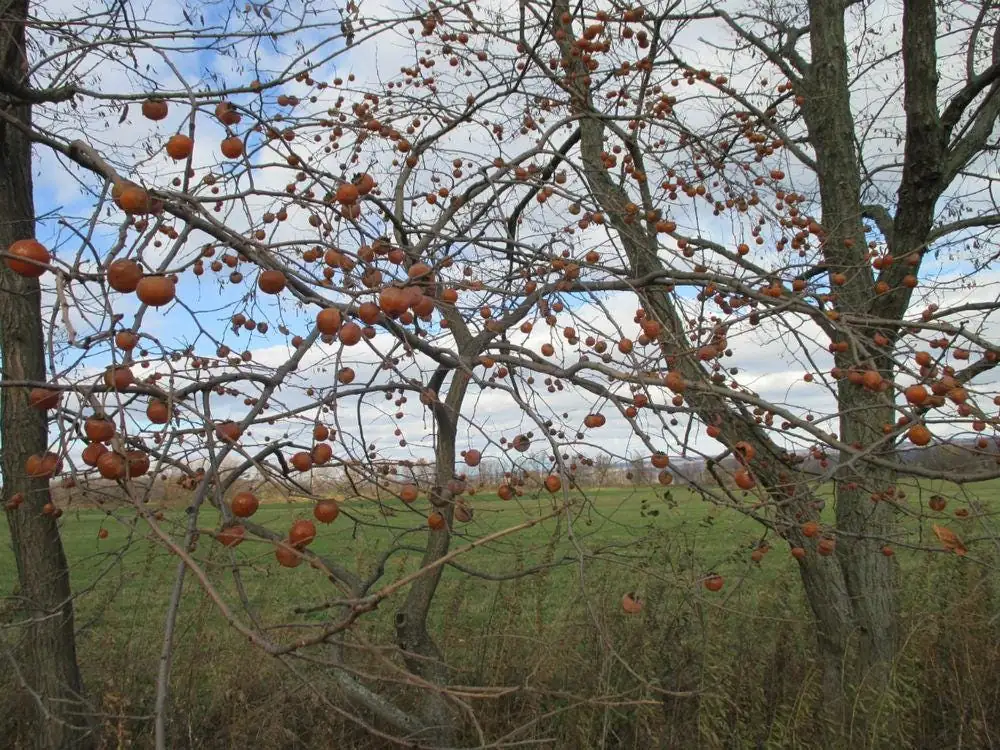
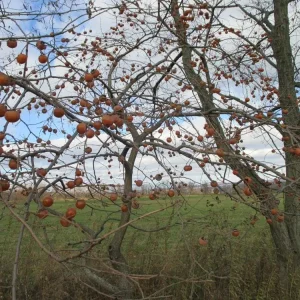
This offering is for one American persimmon tree (Diospyros virginiana) supplied as a bare root plant. The plant measures approximately 6-12 inches in height from the root collar to the tip. Bare-root plants are dormant when shipped, making them ideal for planting during their resting period. Once established, the American persimmon can grow up to 10 meters (approximately 33 feet) tall with a rounded-topped canopy, though specific growth rates depend on climate, soil, and care. You can expect your tree to begin producing fruit within 3-5 years of planting, with increasing yields as it matures. The fruit typically ripens in the fall, after the first frost, making it exceptionally sweet. This native persimmon fruit tree is a long-term investment for your garden.
Frequently Asked Questions
- Q: How big does this American persimmon tree get? A: The American persimmon tree (Diospyros virginiana) can reach heights of up to 10 meters (about 33 feet) at maturity, with a spread almost as wide, forming a round-topped canopy.
- Q: What condition will the plant arrive in? A: Your Diospyros virginiana bare root will arrive in a dormant, bare-root state, meaning it will not have leaves or soil attached to its roots. This is the ideal and safest way to ship and plant dormant trees.
- Q: How much sunlight does the American persimmon tree need? A: For optimal growth and fruit production, the American persimmon tree requires a location that receives full sun, meaning at least 6-8 hours of direct sunlight per day.
- Q: Is this tree suitable for beginners? A: Yes, growing persimmon trees of the American variety is relatively easy for beginners due to their hardiness and adaptability to various conditions once established.
- Q: When is the best time to plant this bare root tree? A: The best time to plant a bare root plant like the American persimmon is in the early spring or late fall, when the tree is dormant. This allows the roots to establish before extreme weather.
- Q: What USDA hardiness zones can this tree survive in? A: The American persimmon tree is very hardy and can survive in USDA hardiness zones 4 through 9, making it suitable for a wide range of climates.
- Q: How long until the tree starts producing fruit? A: Typically, you can expect your native persimmon fruit tree to start producing fruit within 3 to 5 years after planting, with full production increasing as the tree matures.
- Q: What kind of soil does this tree prefer? A: While tolerant of various soil types, the American persimmon thrives in well-drained soil. It can adapt to clay, sand, or loam, but good drainage is key for healthy root development.
- Q: What kind of care does a young persimmon tree need? A: Young trees, especially bare roots, need consistent watering during their first year to establish. Protection from extreme weather and occasional pruning for shape is also part of good persimmon tree care.
- Q: Are the fruits from Diospyros virginiana edible? A: Yes, the fruits of Diospyros virginiana are edible and delicious, especially after they have softened and often after the first frost, which enhances their sweetness.
| Chose QTY | 10, 100, 20, 30, 50 |
|---|
Be the first to review “American Persimmon Tree – Diospyros Virginiana Live Bare-Root Plant 6-12 inches”
People Also Viewed
Sold 95 products
Original price was: $300.00.$150.00Current price is: $150.00.
Sold 82 products
From $43.80
Sold 72 products
Original price was: $107.98.$53.99Current price is: $53.99.
Sold 72 products
Original price was: $59.70.$29.85Current price is: $29.85.
Sold 86 products
From $6.84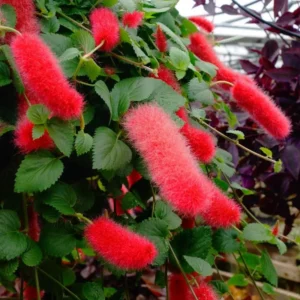
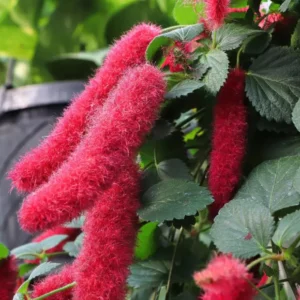
Shrubs
Set of 2 Chenille Copper Plant Starter Plants – 3-6″ Tall Tropical Shrub for Outdoor Gardening
Sold 51 products
Original price was: $37.47.$12.49Current price is: $12.49.
Sold 66 products
Original price was: $39.96.$19.98Current price is: $19.98.
Sold 53 products
Original price was: $59.97.$19.99Current price is: $19.99.
Sold 88 products
Original price was: $120.00.$60.00Current price is: $60.00.
Sold 77 products
Original price was: $39.98.$19.99Current price is: $19.99.
Sold 88 products
Original price was: $391.96.$195.98Current price is: $195.98.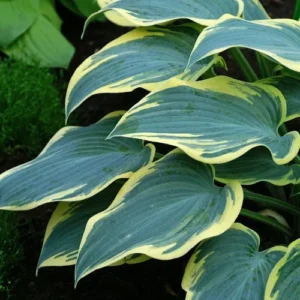
Flower Plants
First Frost Hosta Bare Root Plant – Blue-Green & Cream Variegated Foliage, Outdoor Perennial
Sold 68 products
From $71.80
Sold 70 products
Original price was: $220.00.$110.00Current price is: $110.00.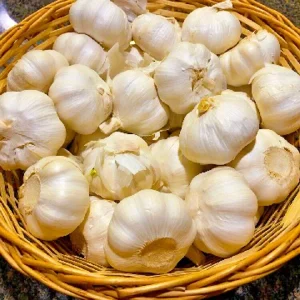
Vegetables
German Red Hardneck Garlic Bulbs – Organic Heirloom for Planting & Cooking – 1/2 lb to 10 lbs
Sold 78 products
From $25.28
Sold 76 products
Original price was: $39.98.$19.99Current price is: $19.99.
Sold 63 products
Original price was: $19.96.$9.98Current price is: $9.98.
Sold 54 products
Original price was: $28.76.$14.38Current price is: $14.38.
Fruits
Cotton Candy Grape Vine Cuttings – 2 Fresh Cuttings, 8 Inches, Vitis Vinifera, Outdoor Fruit Plant
Sold 58 products
Original price was: $112.00.$56.00Current price is: $56.00.



Reviews
There are no reviews yet.