
American Persimmon Tree Bareroot Live Plant 18-30 inches Tall, Outdoor
From $95.80
Bring delicious, homegrown fruit to your landscape with the American Persimmon Tree. This fruit tree bareroot plant, 18-30 inches tall, is a hardy and low-maintenance choice for gardeners. Enjoy sweet persimmons and beautiful fall foliage from this versatile outdoor tree. Learn persimmon tree care for a thriving plant.
-
USDA Hardiness Zone
USDA Zones 4-9 -
Soil Type
Moist, well-drained soil (pH 5.5-7.0) -
Sunlight Exposure
Full sun (6-8 hours direct sunlight) -
Expected Planting Period
Early spring

You can track your order HERE
Apr 12
Apr 17 - Apr 19
Apr 22 - Apr 26
Shipping and return policies: Our Alive & Thrive Guarantee covers issues with your plants within the first 30 days. Reach out to us. Our team will answer your questions and help you find the plants that are truly suitable for your environment, climate, and personal preferences.

Overview
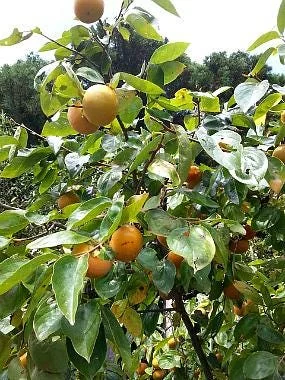
Introduce the joy of homegrown fruit to your garden with the American Persimmon Tree (Diospyros virginiana). This hardy, fruit-bearing live plant is renowned for its luscious, sweet orange persimmons, which mature in the fall. Beyond its delectable fruit, the American Persimmon Tree is also cherished for its significant ornamental appeal, featuring large, glossy green leaves that transform into a brilliant yellow in autumn, and distinctive bark that adds character to any setting. As a low-maintenance tree, it adapts well to various soil conditions, making it an excellent and versatile choice for home orchards, wildlife gardens, or as a striking specimen tree in your yard. Investing in this species means you’re not just planting a tree, but cultivating a long-term source of natural produce and a beautiful landscape feature. Understanding how to grow persimmon tree will ensure years of enjoyment.
The American Persimmon Tree is a deciduous species native to the eastern United States, known for its robust nature and aesthetic qualities. It’s an ecological asset, providing sustenance for local wildlife and enhancing biodiversity in your backyard. Gardeners looking for both beauty and bounty will find this tree an ideal selection. This offering provides a strong foundation for a long-lived and productive tree in your garden, a true fruit tree bareroot that promises rewarding harvests.
Key Benefits
The American Persimmon Tree offers a wealth of advantages for any gardener or homeowner, combining aesthetic appeal with practical benefits, making persimmon tree care a worthwhile endeavor:
- Delicious Fruit Production: This tree is celebrated for producing an abundance of sweet, flavorful orange persimmons that ripen in late fall. These versatile fruits are ideal for fresh eating, baking into pies and breads, or making preserves and jellies, offering a unique taste experience directly from your garden.
- Low Maintenance & Adaptability: The American Persimmon Tree is remarkably resilient and adaptable. It thrives in a wide range of soil types and climates within its hardiness zones, making it an easy-to-care-for option for both novice and experienced gardeners. Its robust nature means less fuss and more enjoyment, simplifying persimmon tree care.
- Stunning Ornamental Value: Beyond its fruit, the tree provides significant beauty to your landscape. It features large, glossy green leaves that put on a spectacular show of yellow and orange in the fall. In spring, it produces small, fragrant white flowers that add delicate charm and attract pollinators.
- Wildlife Attraction: The sweet persimmons are a favorite food source for various wildlife, including birds, deer, and other small mammals. Planting an American Persimmon Tree can help create a thriving ecosystem in your backyard, supporting local fauna and enhancing biodiversity.
- Versatile Landscape Use: Whether you’re planning a dedicated home orchard, designing a wildlife-friendly garden, or seeking a unique specimen tree to anchor your landscape, this tree fits perfectly. Its upright, rounded growth habit and strong, straight trunk make it an attractive focal point.
- Hardy & Long-Lived: Known for its hardiness in USDA Zones 4-9, the Diospyros virginiana is a long-lived tree that will provide fruit and beauty for many years to come. Its resistance to many common pests and diseases further adds to its appeal.
Plant Care & Growing Tips
Caring for your American Persimmon Tree is straightforward, ensuring a healthy plant and bountiful harvests. For optimal fruit production, this tree prefers full sun, meaning it needs at least 6-8 hours of direct sunlight per day. Choose a planting site that receives ample sun exposure throughout the day. While adaptable to various soil types, the American Persimmon Tree thrives best in moist, well-drained soils with a pH level between 5.5 and 7.0 (slightly acidic to neutral). Avoid excessively wet or poorly draining areas, as this can lead to root issues. If your soil is heavy clay, consider amending it with organic matter to improve drainage. Proper soil conditions are key to how to grow persimmon tree successfully.
Consistent moisture is crucial, especially during dry periods and for newly planted trees. Water deeply and regularly, allowing the top few inches of soil to dry out slightly between waterings. Once established, the tree becomes more drought-tolerant but will still benefit from irrigation during extended dry spells. The Diospyros virginiana is a dioecious species, meaning individual trees bear either male or female flowers. For fruit production, you will need at least one male tree to pollinate female trees. Pruning should be done in late winter while the tree is dormant. Focus on removing any dead, damaged, or crossing branches to maintain a healthy structure and good air circulation. You can also lightly shape the tree to your desired form. Generally pest-resistant, the tree may occasionally encounter scale or leaf spot, which can typically be managed with appropriate horticultural practices. Effective persimmon tree care ensures a thriving plant.
Size & Details
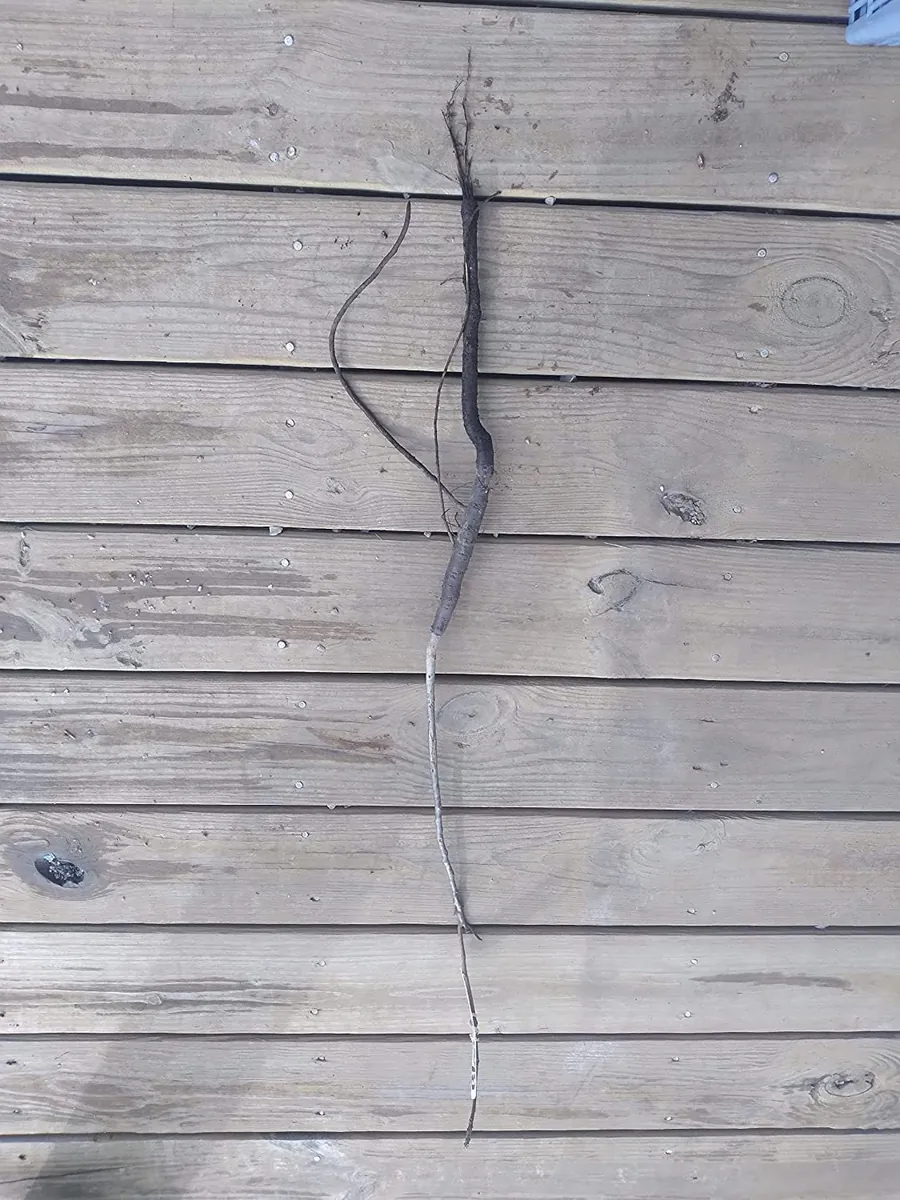
This offering is for an American Persimmon Tree supplied as a bareroot plant, typically measuring between 18-30 inches in height. Bareroot plants are dormant trees shipped without soil around their roots, which helps them establish quickly once planted in their permanent location. The Diospyros virginiana is a moderate-growing tree, reaching maturity in 10-20 years. At maturity, it can attain an impressive height of 35-60 feet with a spread of 20-35 feet, forming an upright, rounded growth habit with a strong, straight trunk. It is hardy in USDA Zones 4-9, making it suitable for a wide range of climates across the United States. This fruit tree bareroot specimen provides a strong foundation for a long-lived and productive tree in your garden, offering both delicious fruit and significant aesthetic appeal. When considering how to grow persimmon tree, its potential size is an important factor.
The foliage consists of large, glossy green leaves, which provide lush summer cover and then transition to a vibrant yellow in the fall, adding seasonal interest. Small, fragrant white flowers appear in spring, attracting pollinators and preceding the development of the sweet orange fruits that ripen in late fall. This plant is a fantastic choice for those looking for a substantial, long-term addition to their landscape.
Frequently Asked Questions
- Q: How big does this American Persimmon Tree get? A: The American Persimmon Tree is a moderate-growing tree that can reach a mature height of 35-60 feet with a spread of 20-35 feet. Its upright, rounded growth habit makes it a stately addition to any landscape.
- Q: Is this an indoor or outdoor plant? A: The American Persimmon Tree is an outdoor tree that requires ample space to grow and thrive. It is best suited for planting in a garden, orchard, or as a specimen tree in your yard.
- Q: How much sunlight does the American Persimmon Tree need? A: For optimal fruit production and overall health, the Diospyros virginiana prefers full sun, meaning it needs at least 6-8 hours of direct sunlight per day.
- Q: What condition will the bareroot Persimmon Tree arrive in? A: Your American Persimmon Tree will arrive as a dormant fruit tree bareroot plant, typically 18-30 inches tall, without soil around its roots. This is a common and effective way to ship deciduous trees for successful planting.
- Q: Is this plant easy to care for? A: Yes, the American Persimmon Tree is considered low-maintenance and adaptable. It tolerates a variety of soil conditions and is generally pest-resistant, making persimmon tree care relatively simple.
- Q: When is the best time to plant a bareroot American Persimmon Tree? A: The best time to plant a fruit tree bareroot like the American Persimmon Tree is in early spring, after the danger of hard frost has passed, and before the tree begins to break dormancy. This allows it to establish its root system before the summer heat.
- Q: Will it survive winter in my zone? A: The American Persimmon Tree is hardy in USDA Zones 4-9. If your region falls within these zones, your tree should be able to withstand winter conditions. Always check your specific USDA hardiness zone to ensure successful growth.
- Q: Do I need more than one American Persimmon Tree for fruit? A: Yes, the Diospyros virginiana is dioecious, meaning you’ll need at least one male tree to pollinate a female tree for fruit production. If you only plant one, fruit is unlikely without a nearby pollinator.
- Q: What kind of soil does this tree prefer? A: The American Persimmon Tree prefers moist, well-drained soils. While it’s adaptable, it performs best in slightly acidic to neutral soils (pH 5.5 to 7.0).
- Q: How long until my American Persimmon Tree produces fruit? A: Typically, an American Persimmon Tree can start producing fruit within 3-5 years after planting, though it may take longer for significant yields. Knowing how to grow persimmon tree effectively can encourage earlier fruiting.
| Amount | 2, 3, 4, 5 |
|---|
Be the first to review “American Persimmon Tree Bareroot Live Plant 18-30 inches Tall, Outdoor”
People Also Viewed

Sold 50 products
Original price was: $63.00.$31.50Current price is: $31.50.
Sold 89 products
Original price was: $30.78.$15.39Current price is: $15.39.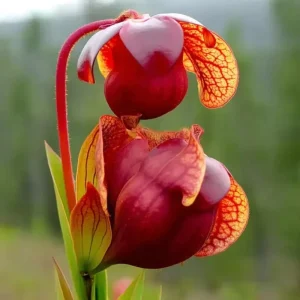
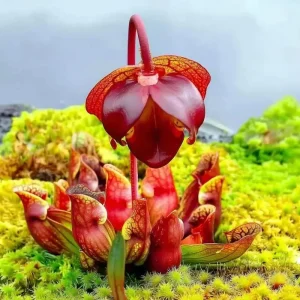
Aquatic Plant Seeds
Sarracenia Purpurea Seeds – Purple Pitcher Plant Seeds, 30 Count for Carnivorous Bog Blooms
Sold 91 products
Original price was: $30.99.$10.99Current price is: $10.99.
Sold 52 products
Original price was: $63.38.$31.69Current price is: $31.69.
Sold 54 products
Original price was: $16.00.$12.80Current price is: $12.80.
Sold 82 products
Original price was: $37.98.$18.99Current price is: $18.99.
Sold 63 products
Original price was: $60.00.$48.00Current price is: $48.00.
Sold 68 products
Original price was: $67.96.$33.98Current price is: $33.98.
Sold 95 products
Original price was: $53.98.$26.99Current price is: $26.99.
Sold 84 products
Original price was: $39.68.$19.84Current price is: $19.84.
Sold 85 products
Original price was: $27.98.$22.38Current price is: $22.38.
Sold 82 products
From $14.98
Sold 66 products
Original price was: $36.38.$18.19Current price is: $18.19.
Sold 93 products
From $43.80
Sold 82 products
Original price was: $39.98.$19.99Current price is: $19.99.
Sold 82 products
Original price was: $47.98.$23.99Current price is: $23.99.
Sold 72 products
Original price was: $33.98.$27.18Current price is: $27.18.
Sold 94 products
Original price was: $39.98.$19.99Current price is: $19.99.


%20–%20Bare%20Root%20Shrub,%202%20ft%20Tall,%20Outdoor&url=https://gardennursery.net/product/red-weigela-live-plant-weigela-florida-bare-root-shrub-2-ft-tall-outdoor/&media=https://img.gardennursery.net/2026/01/red-weigela-live-plant-weigela-florida-bare-root-s.webp)


%20–%204-6″%20Tall%20–%20Fragrant%20Perennial%20Flowers%20–%20Indoor%20&%20Outdoor&url=https://gardennursery.net/product/otto-quast-lavender-live-plants-set-of-2-4-6-tall-fragrant-perennial-flowers-indoor-outdoor/&media=https://img.gardennursery.net/2026/03/otto-quast-lavender-live-plants-set-of-2-4-6-tall-debc2564.webp)


Reviews
There are no reviews yet.