
American Hornbeam Live Tree – 4″ Container Carpinus Caroliniana, Outdoor Shade
Original price was: $46.80.$23.40Current price is: $23.40.
Bring home a beautiful American Hornbeam live tree, also known as Carpinus Caroliniana plant. This 4-inch container plant is ideal for creating shade, privacy screens, or as a stunning specimen tree. Enjoy its vibrant seasonal foliage and distinctive bark.
-
USDA Hardiness Zone
USDA Zones 3-9 -
Soil Type
Well-draining, moist, acidic to neutral soil -
Sunlight Exposure
Partial shade to full sun -
Expected Planting Period
Spring to early fall

You can track your order HERE
Feb 27
Mar 04 - Mar 06
Mar 09 - Mar 13
Shipping and return policies: Our Alive & Thrive Guarantee covers issues with your plants within the first 30 days. Reach out to us. Our team will answer your questions and help you find the plants that are truly suitable for your environment, climate, and personal preferences.

Overview
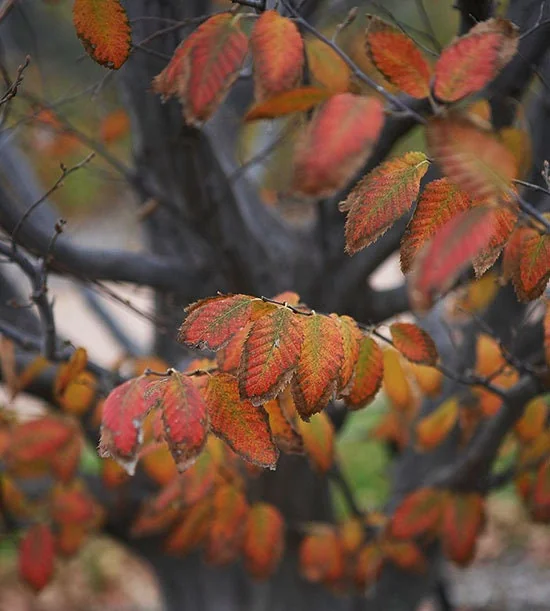
Introduce a touch of native elegance to your landscape with the American Hornbeam live tree. This stunning deciduous tree, scientifically known as Carpinus Caroliniana plant, is a fantastic choice for gardeners seeking both beauty and resilience. Often referred to as ‘muscle wood’ due to its distinctively fluted trunk and strong, sinewy branches, or ‘blue beech’ for its smooth, blue-gray bark, this tree offers year-round visual interest. Growing to a moderate size, the American Hornbeam live tree is perfect for a variety of uses, from creating naturalized woodland gardens to serving as a stately specimen tree. Its adaptability to various soil types and climates makes it a reliable addition to many American gardens, providing dense shade and a vibrant display of fall colors that transform from reddish-purple to dark green, then to brilliant yellow and orange-red.
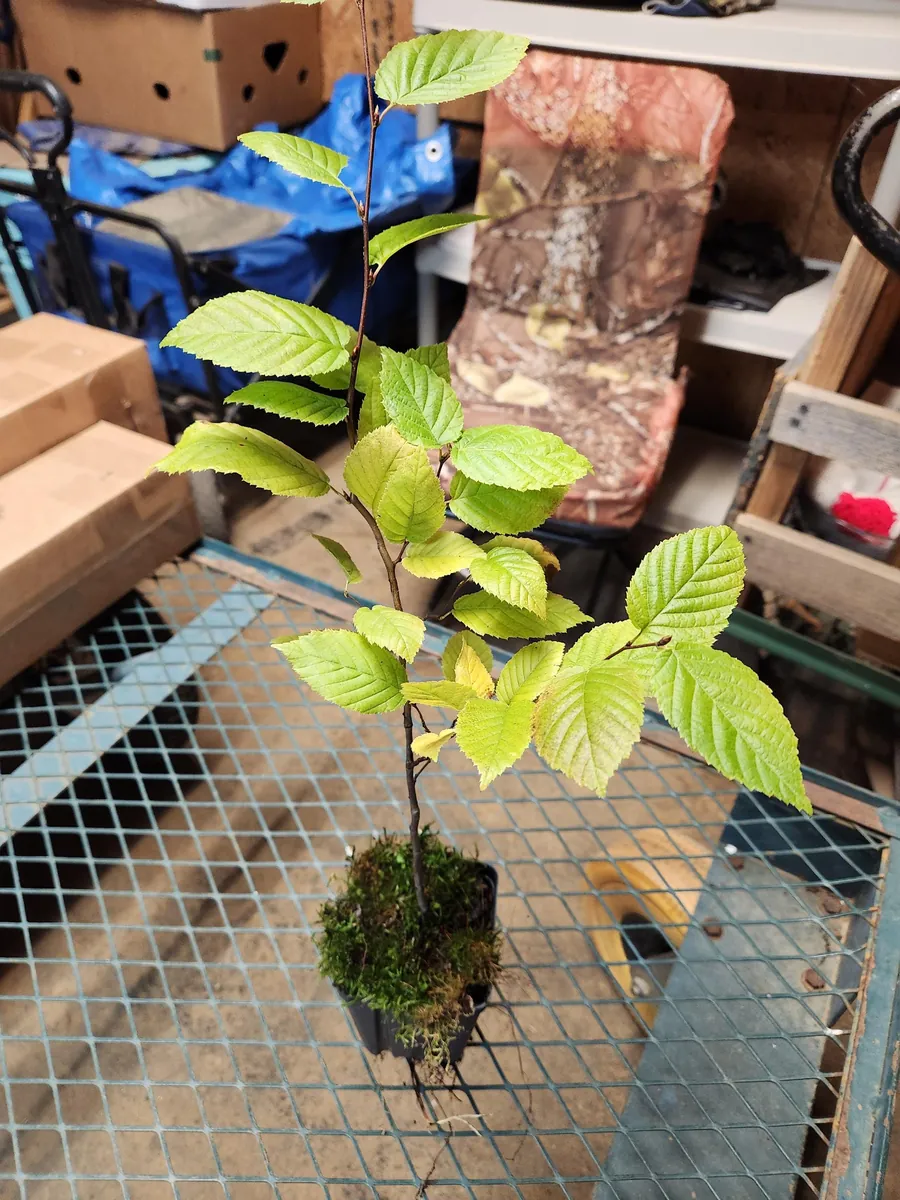
This particular offering is for a live American Hornbeam tree, approximately 12 inches in height, supplied in a 4-inch container, ready for planting. The unique texture of its bark and the kaleidoscope of leaf colors make it a focal point in any garden design. Whether you’re planning a shady retreat or enhancing a naturalized area, the Carpinus Caroliniana plant is a superb choice. It thrives in a range of conditions and contributes significantly to local ecosystems, providing habitat and food for wildlife.
Key Benefits
The American Hornbeam live tree offers a multitude of benefits, making it an excellent investment for your garden or landscape. Its robust nature and aesthetic appeal ensure long-term enjoyment and ecological value.
- Stunning Seasonal Interest: Enjoy a dynamic display of color throughout the year. New leaves emerge reddish-purple, mature to dark green, and then burst into brilliant yellow to orange-red in the fall, providing a spectacular autumn show.
- Unique Bark Texture: Even in winter, the tree remains captivating with its fluted blue-gray bark, featuring long, sinewy ridges that resemble flexed muscles, hence the common name muscle wood tree. This distinctive bark adds architectural interest to the dormant landscape.
- Versatile Landscaping Uses: This tree is incredibly versatile, suitable for mass plantings, creating effective privacy screens, providing excellent shade, or serving as a magnificent specimen tree. It integrates beautifully into naturalized or woodland garden settings.
- Adaptable & Hardy: The American Hornbeam live tree is remarkably hardy, thriving in USDA Zones 3-9. It tolerates a wide range of soil conditions and can adapt to various light exposures, although it prefers partial shade to full sun.
- Wildlife Habitat: As a native tree, it provides valuable habitat and food sources for local wildlife, contributing to biodiversity in your garden. Its dense canopy offers shelter, and its seeds are consumed by birds and small mammals.
- Low Maintenance: Once established, the Carpinus Caroliniana plant requires minimal care, making it a great choice for both experienced and novice gardeners. It’s generally resistant to most pests and diseases.
- Excellent Shade Provider: With a mature size of 20-30 feet in height and width, this tree develops a dense canopy, offering substantial shade for cooling your home or creating comfortable outdoor living spaces.
Plant Care & Growing Tips
Caring for your American Hornbeam live tree is relatively straightforward, ensuring it establishes well and thrives for years to come. This hardy tree is quite forgiving, but providing optimal conditions will encourage vigorous growth and the most vibrant displays.
Sunlight Requirements: The Carpinus Caroliniana plant is quite adaptable regarding light. It performs best in partial shade, especially in hotter climates where afternoon sun can be intense. However, it can also tolerate full sun conditions, particularly in northern regions, and quite a bit of shade, though fall color may be less vibrant in deeper shade. Aim for at least 4-6 hours of direct sunlight for optimal health and fall foliage.
Watering Schedule and Soil Moisture: During its establishment period (the first year or two after planting), consistent moisture is crucial. Water deeply 1-2 times per week, especially during dry spells, ensuring the soil remains evenly moist but not waterlogged. Once established, the muscle wood tree is moderately drought-tolerant but will benefit from supplemental watering during prolonged dry periods. Avoid excessively wet conditions, as this can lead to root rot.
Soil Type and Drainage Requirements: This native shade tree prefers well-draining, moist, acidic to neutral soil. It tolerates a range of soil types, including clay, loam, and sand, as long as drainage is adequate. Amending heavy clay soils with compost before planting can improve drainage and provide essential nutrients. Ensure the planting site does not have standing water after rain.
Temperature Range and USDA Hardiness Zone: The American Hornbeam live tree is incredibly cold-hardy, thriving in USDA Hardiness Zones 3 through 9. This wide range means it can withstand very cold winters and adapt to warmer temperate climates. It’s important to select a variety suitable for your specific zone to ensure long-term success.
Fertilization Schedule and Type: Generally, the blue beech tree does not require heavy fertilization. If your soil is poor or you want to encourage faster growth, a balanced, slow-release granular fertilizer applied in early spring before new growth emerges can be beneficial. Follow product instructions carefully to avoid over-fertilization, which can harm the tree. Compost worked into the soil around the base of the tree annually can also provide a gentle, steady supply of nutrients.
Size & Details
This offering is for one American Hornbeam live tree, approximately 12 inches in height, and supplied in a 4-inch nursery container. This size is ideal for planting and allows the tree to establish its root system quickly in its new environment. At maturity, the Carpinus Caroliniana plant typically reaches a height of 20-30 feet with a similar spread of 20-30 feet, forming a dense, rounded to oval crown. It exhibits a moderate growth rate, adding about 1-2 feet per year once established. The tree is shipped as a potted plant, ensuring the root ball is intact and minimizing transplant shock.
The distinctive fluted trunk and dense branching structure make it an excellent choice for a variety of landscape applications. Expect its vibrant fall colors to appear from late September through October, adding significant aesthetic value to your garden. The unique bark provides winter interest, making it a four-season tree. This native shade tree is a long-lived species, providing many decades of beauty and ecological benefits.
Frequently Asked Questions
- Q: How big does this American Hornbeam live tree get? A: This particular American Hornbeam live tree is about 12 inches tall in a 4-inch container. At maturity, it will typically reach heights of 20-30 feet and widths of 20-30 feet, forming a lovely shade tree.
- Q: Is this an indoor or outdoor plant? A: The Carpinus Caroliniana plant is an outdoor tree, well-suited for temperate climates. It is not intended for indoor cultivation and requires seasonal changes to thrive.
- Q: How much sunlight does the muscle wood tree need? A: The muscle wood tree prefers partial shade to full sun. It can tolerate more shade than many other trees, but for the best growth and fall color, aim for at least 4-6 hours of direct sunlight daily.
- Q: Is this tree easy to care for? A: Yes, the American Hornbeam live tree is considered a relatively low-maintenance tree once established. It’s quite hardy and adaptable, making it a good choice for gardeners of varying experience levels.
- Q: What condition will the blue beech tree arrive in? A: Your blue beech tree will arrive as a live, potted plant in a 4-inch container, carefully packaged to ensure its health during transit. It will be approximately 12 inches tall and ready for planting.
- Q: When is the best time to plant the American Hornbeam? A: The best time to plant the American Hornbeam live tree is in spring or early fall. This allows the tree to establish its root system before the stress of summer heat or winter cold.
- Q: What USDA zones is the Carpinus Caroliniana plant suitable for? A: The Carpinus Caroliniana plant is hardy in USDA Zones 3 through 9, making it suitable for a wide range of climates across the United States.
- Q: Does this native shade tree have good fall color? A: Absolutely! The native shade tree is highly prized for its spectacular fall foliage, which transitions from dark green to brilliant shades of yellow, orange, and red, providing a stunning seasonal display.
- Q: What kind of soil does the American Hornbeam prefer? A: This tree prefers well-draining, moist soil that is acidic to neutral. It can tolerate various soil types, including clay, loam, and sand, as long as there is good drainage.
- Q: Does the American Hornbeam attract wildlife? A: Yes, as a native species, the American Hornbeam live tree provides valuable ecological benefits. Its seeds are a food source for birds and small mammals, and its dense canopy offers shelter and nesting sites.
Be the first to review “American Hornbeam Live Tree – 4″ Container Carpinus Caroliniana, Outdoor Shade”
People Also Viewed
Sold 76 products
Original price was: $239.98.$119.99Current price is: $119.99.
Sold 63 products
Original price was: $39.98.$19.99Current price is: $19.99.
Sold 83 products
Original price was: $39.60.$19.80Current price is: $19.80.
Sold 77 products
Original price was: $108.00.$54.00Current price is: $54.00.
Sold 69 products
From $55.80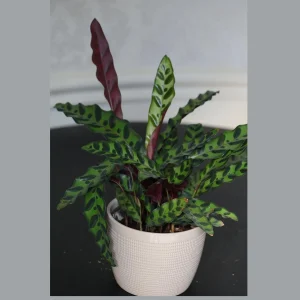
HousePlants
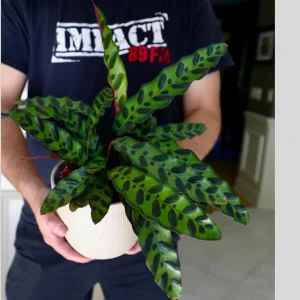
Calathea Lancifolia Live Plant – Rattlesnake Plant – 6 inch Nursery Pot – Indoor Air Purifier
Sold 67 products
Original price was: $65.96.$32.98Current price is: $32.98.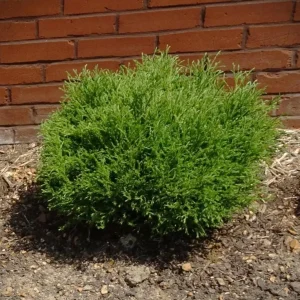
Shrubs
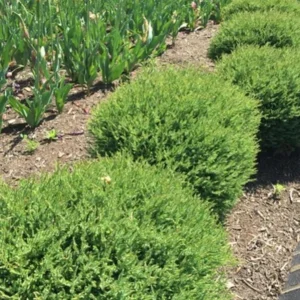
Mr. Bowling Ball Arborvitae Live Plant – 4-6″ Tall – 1 Quart Pot – Compact Globe Evergreen Shrub
Sold 64 products
Original price was: $49.98.$34.98Current price is: $34.98.
Sold 66 products
Original price was: $79.98.$39.99Current price is: $39.99.

Sold 60 products
Original price was: $31.16.$15.58Current price is: $15.58.
Sold 53 products
Original price was: $108.00.$54.00Current price is: $54.00.
Sold 93 products
Original price was: $57.96.$28.98Current price is: $28.98.
Sold 91 products
Original price was: $45.98.$32.18Current price is: $32.18.
Sold 82 products
Original price was: $25.98.$20.78Current price is: $20.78.
Sold 88 products
Original price was: $38.36.$19.18Current price is: $19.18.
Sold 81 products
Original price was: $89.98.$44.99Current price is: $44.99.
HousePlants
Philodendron Pink Princess Live Plant – 3″ Grow Pot – Variegated Pink Foliage – Indoor Houseplant
Sold 69 products
Original price was: $77.60.$38.80Current price is: $38.80.
Sold 77 products
From $63.80
Sold 72 products
Original price was: $23.96.$11.98Current price is: $11.98.



Reviews
There are no reviews yet.