
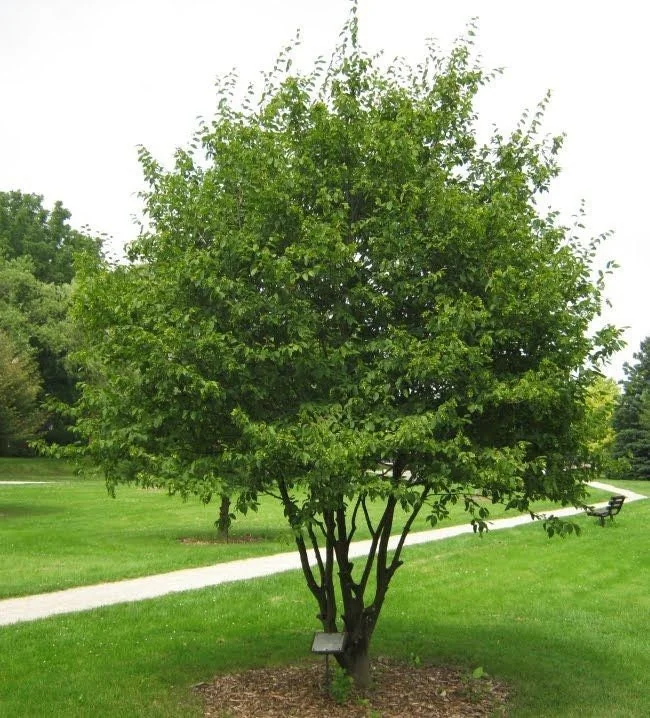
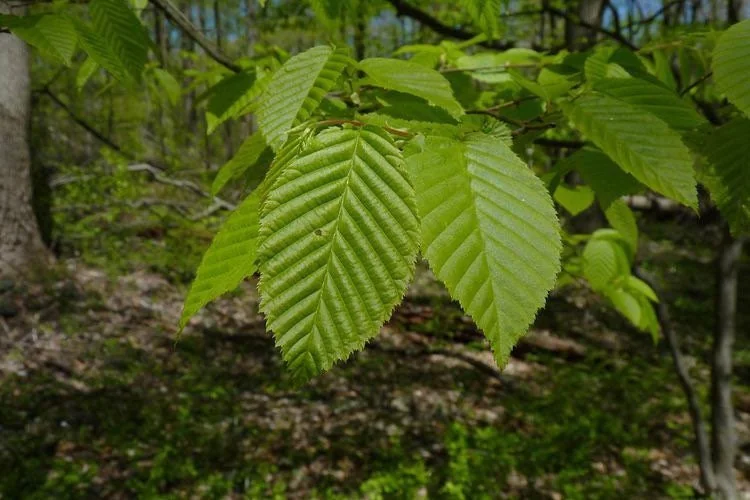
American Hornbeam Bare Root Seedling, 1-2 ft Tall, 2 Pack, Outdoor Tree
Original price was: $67.96.$33.98Current price is: $33.98.
Introduce natural elegance with two American Hornbeam bare root seedlings. These 1-2 ft tall Carpinus caroliniana seedling trees, also known as Ironwood tree or Musclewood tree, are perfect for adding year-round beauty and ecological value to your outdoor space. Known for their fluted trunks and vibrant fall foliage, they are adaptable and low-maintenance.
-
USDA Hardiness Zone
USDA Zones 3-9 -
Soil Type
Well-draining soil (tolerates clay and sandy soils) -
Sunlight Exposure
Full sun to partial shade -
Expected Planting Period
Late fall or early spring

You can track your order HERE
Mar 01
Mar 06 - Mar 08
Mar 11 - Mar 15
Shipping and return policies: Our Alive & Thrive Guarantee covers issues with your plants within the first 30 days. Reach out to us. Our team will answer your questions and help you find the plants that are truly suitable for your environment, climate, and personal preferences.

Overview
Introduce a touch of natural elegance to your landscape with our premium American Hornbeam bare root seedlings. This offering includes two healthy 1-2 ft bare root specimens of Carpinus caroliniana, also commonly known as Ironwood tree, Musclewood tree, or Blue Beech tree. The American Hornbeam bare root is renowned for its attractive, fluted trunk and dense, corrugated foliage, making it a favorite for both ornamental and ecological purposes. As a native North American species, it is well-adapted to various climates and soil conditions, providing a robust and low-maintenance addition to any garden or naturalized area. These bare root seedlings offer an economical and effective way to establish this beautiful tree, allowing them to acclimate quickly to their new environment and thrive.
The Carpinus caroliniana seedling is a small to medium-sized deciduous tree, typically reaching heights of 35-50 feet. Its smooth, grayish-green bark and distinctive leaf texture add year-round interest. In autumn, the leaves turn vibrant shades of orange and red, providing a spectacular display before dropping. This tree is an excellent choice for woodland gardens, streambanks, or as an understory tree. Planting American Hornbeam bare root seedlings is an environmentally friendly choice, contributing to local biodiversity and providing habitat for wildlife.
Key Benefits
The American Hornbeam bare root offers numerous advantages for both the gardener and the environment. Its unique characteristics and hardiness make it a valuable addition to diverse landscapes.
- Distinctive Ornamental Value: The fluted, muscular-looking trunk and attractive, deeply veined leaves give the American Hornbeam bare root a unique aesthetic appeal throughout the year. Its vibrant fall foliage adds a seasonal splash of color to any setting.
- Ecological Importance: As a native species, Carpinus caroliniana supports local ecosystems by providing food and shelter for various birds and small mammals, making it a great choice for wildlife gardens. This Carpinus caroliniana seedling plays a vital role in local biodiversity.
- Adaptability and Hardiness: This tree is incredibly versatile, thriving in a wide range of soil types and light conditions, from full sun to partial shade. It is also hardy in USDA Zones 3-9, tolerating cold winters and warm summers. The resilience of the Ironwood tree is truly remarkable.
- Low Maintenance: Once established, the American Hornbeam bare root is relatively low-maintenance, requiring minimal pruning and care. It is naturally resistant to many common pests and diseases.
- Soil Stabilization: Its fibrous root system helps prevent soil erosion, making it an excellent choice for planting on slopes or near water bodies to help stabilize the soil.
- Versatile Landscape Use: Perfect for use as a specimen tree, in naturalized areas, woodland gardens, or even as a unique hedge or screen due to its dense growth habit when young. The versatility of the Musclewood tree is unmatched.
- Long Lifespan: With proper care, an American Hornbeam bare root tree can live for many decades, providing enduring beauty and environmental benefits to your property. The enduring charm of the Blue Beech tree will enhance your space for years.
Plant Care & Growing Tips
To successfully grow American Hornbeam bare root, especially from bare root seedlings, understanding its specific needs is crucial. These trees are quite resilient but benefit from proper initial care. Upon arrival, soak the bare roots in water for a few hours, but no more than 24 hours, before planting. Choose a site with well-draining soil, although American Hornbeam can tolerate a range of soil types, including clay and sandy soils. It prefers acidic to neutral pH. Dig a hole wide enough to accommodate the spread of the roots without bending them, and deep enough so that the root collar (where the roots meet the trunk) is at or slightly above ground level.
For sunlight, American Hornbeam bare root care suggests planting in full sun to partial shade. While it can tolerate full shade, it will have a more open habit and less vibrant fall color. Water thoroughly after planting, ensuring the soil settles around the roots. During the first growing season, consistent moisture is key. Water regularly, especially during dry periods, to help the root system establish. Once established, it is fairly drought-tolerant but will benefit from supplemental watering during extended dry spells. Mulch around the base of the tree with organic material to conserve soil moisture, regulate soil temperature, and suppress weeds, keeping the mulch a few inches away from the trunk. The Carpinus caroliniana seedling thrives with proper hydration during establishment.
Fertilization is generally not necessary in rich soils, but in poorer soils, a balanced, slow-release fertilizer can be applied in early spring. Avoid over-fertilizing young trees. Pruning should be done in late winter or early spring before new growth emerges, focusing on removing dead, damaged, or crossing branches. The American Hornbeam bare root is relatively straightforward, making it a great choice for various gardeners. While generally pest and disease resistant, monitor for common issues like aphids or powdery mildew and treat as needed with appropriate organic or chemical solutions. Ensuring good air circulation and proper watering practices will help prevent many problems. These tips will help you successfully grow American Hornbeam bare root into a magnificent tree.
Size & Details
This offering includes two American Hornbeam bare root seedlings, each measuring approximately 1-2 feet in height. These seedlings are shipped in their dormant state, which is ideal for successful transplanting and establishment. The bare root form allows the plant to focus its energy on root development once planted, leading to stronger growth. The mature size of an American Hornbeam bare root tree typically ranges from 35 to 50 feet tall with a spread of 20 to 30 feet, though it can occasionally reach 65 feet. It has a moderate growth rate, establishing well within the first few years and then growing steadily.
The tree develops a distinctive fluted trunk and a rounded crown. The leaves are alternate, 3-12 centimeters long, with prominent veins giving a corrugated texture and serrated margins. The fruit is a small nut, maturing in autumn. It is hardy in USDA Zones 3-9, making it suitable for a wide range of climates across the United States. When you invest in an American Hornbeam bare root, you are investing in a long-term landscape asset that will provide beauty and ecological benefits for decades.
Frequently Asked Questions
- Q: How big does this plant get? A: The American Hornbeam bare root seedlings typically grow into a tree that reaches 35-50 feet tall with a spread of 20-30 feet at maturity, though some can grow taller under ideal conditions. This makes the Ironwood tree a substantial landscape feature.
- Q: What size pot does it come in? A: This product consists of two 1-2 ft American Hornbeam bare root seedlings, meaning they are shipped without soil or a pot. This is a common and effective method for transplanting dormant trees, allowing the Carpinus caroliniana seedling to acclimate to its new environment.
- Q: Is this an indoor or outdoor plant? A: The American Hornbeam bare root is an outdoor deciduous tree, best suited for landscaping in gardens, parks, or naturalized areas where it can reach its full potential. It is not suitable as an indoor plant.
- Q: How much sunlight does it need? A: This tree thrives in full sun to partial shade. While it can tolerate full shade, its growth may be less vigorous, and fall color less intense. For best results with your Musclewood tree, aim for at least 4-6 hours of direct sunlight.
- Q: Is this plant easy to care for? A: Yes, once established, the American Hornbeam bare root is considered a low-maintenance tree. Its hardiness and adaptability make caring for a Blue Beech tree relatively easy for most gardeners.
- Q: What condition will it arrive in? A: Your purchase includes two dormant American Hornbeam bare root seedlings, which means they will arrive without leaves and soil, ready for immediate planting. This dormant state is ideal for successful transplanting.
- Q: When is the best time to plant American Hornbeam bare root seedlings? A: The best time to plant bare root trees is typically in late fall after the leaves have dropped or in early spring before new growth begins, when the tree is dormant.
- Q: Will it survive winter in my zone? A: The Carpinus caroliniana seedling is hardy in USDA Zones 3-9, meaning it is well-equipped to survive the winters within these specified climate zones.
- Q: What are some common names for this tree? A: Besides American Hornbeam, it’s also known as Ironwood tree, Musclewood tree, and Blue Beech tree, all referring to its distinctive hard wood and fluted trunk.
- Q: What kind of soil does it prefer? A: The American Hornbeam is quite adaptable but prefers well-draining soil. It can tolerate a range from sandy to clay soils and prefers acidic to neutral pH.
Be the first to review “American Hornbeam Bare Root Seedling, 1-2 ft Tall, 2 Pack, Outdoor Tree”
People Also Viewed

Sold 81 products
Original price was: $51.80.$25.90Current price is: $25.90.
Sold 80 products
Original price was: $41.96.$20.98Current price is: $20.98.

Sold 66 products
Original price was: $8.60.$4.30Current price is: $4.30.

Trees
Sold 59 products
Original price was: $59.80.$29.90Current price is: $29.90.
Sold 96 products
Original price was: $62.42.$37.46Current price is: $37.46.
Sold 73 products
Original price was: $139.96.$69.98Current price is: $69.98.
Sold 74 products
$63.78
Sold 99 products
Original price was: $99.96.$49.98Current price is: $49.98.
Trees
Sold 50 products
From $4.26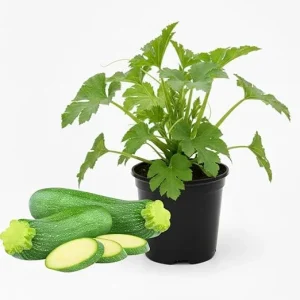
Vegetables
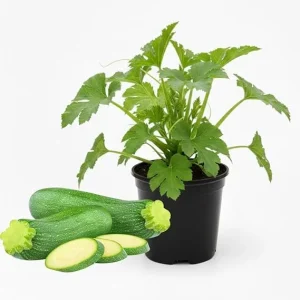
Green Zucchini Live Plants – 2 Pack, 4 Inch Potted, Fast Growing Squash Vegetable for Garden
Sold 50 products
$57.18
Sold 96 products
From $18.32
Sold 73 products
Original price was: $54.56.$27.28Current price is: $27.28.
Sold 56 products
Original price was: $33.56.$16.78Current price is: $16.78.
Sold 72 products
Original price was: $107.80.$53.90Current price is: $53.90.
Sold 72 products
Original price was: $70.36.$35.18Current price is: $35.18.
Sold 100 products
$41.78
Sold 72 products
From $14.98
Sold 59 products
Original price was: $36.36.$18.18Current price is: $18.18.



Reviews
There are no reviews yet.