
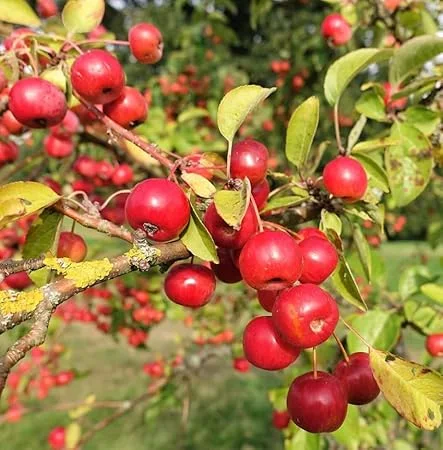
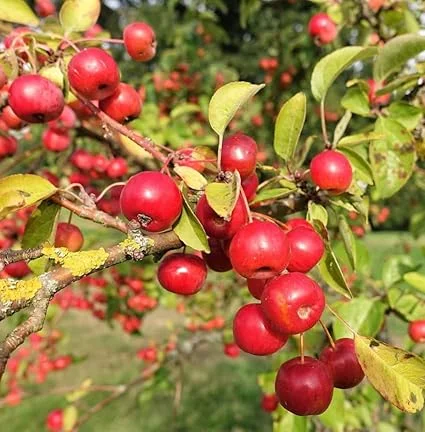
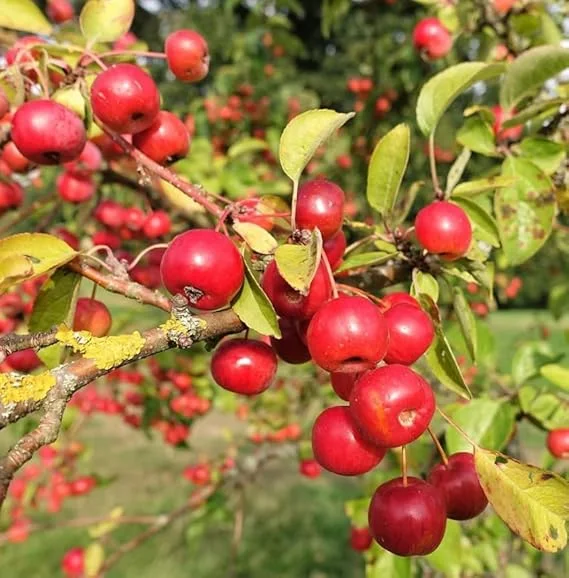
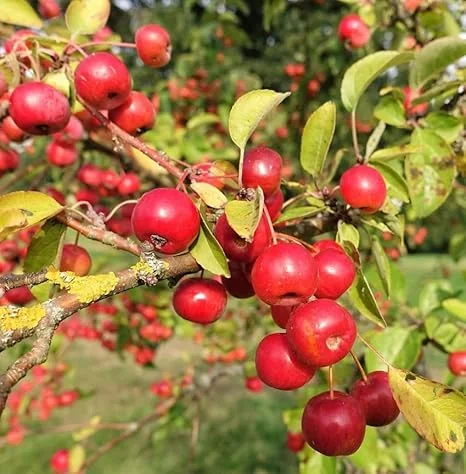
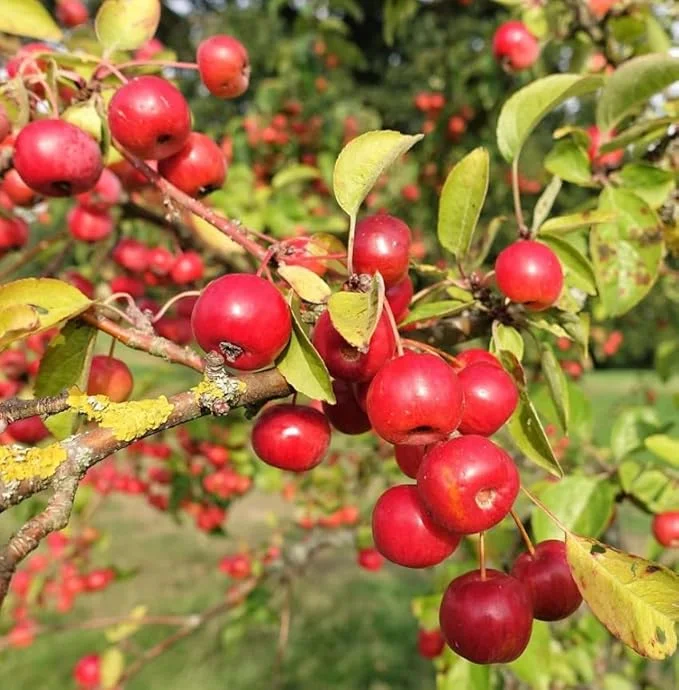
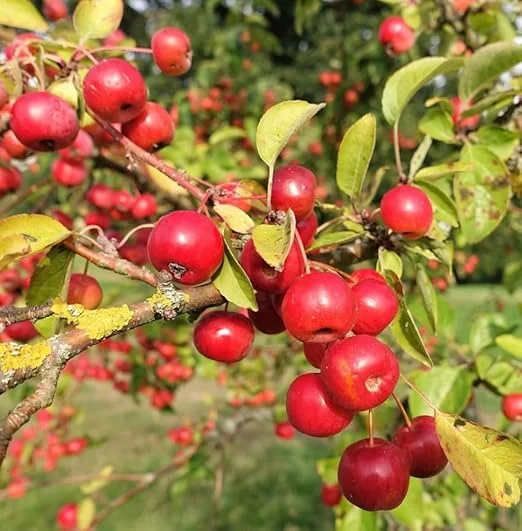
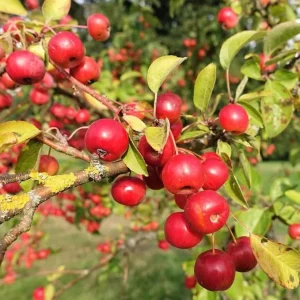
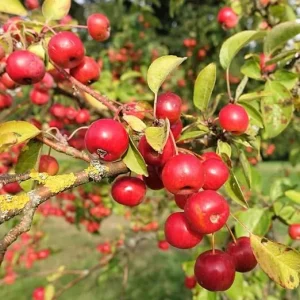
American Crabapple Trees Live Plants 1 ft Tall – Pink/White Flowers, Zone 5-9
Original price was: $217.60.$108.80Current price is: $108.80.
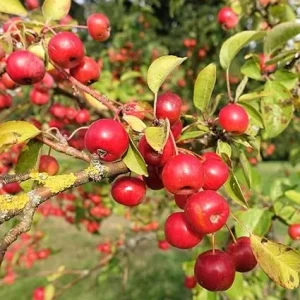
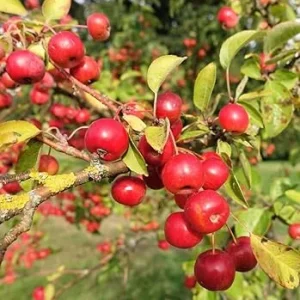
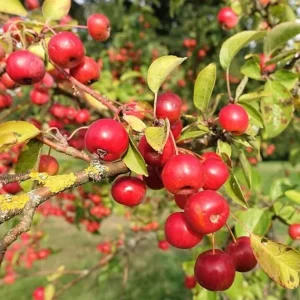
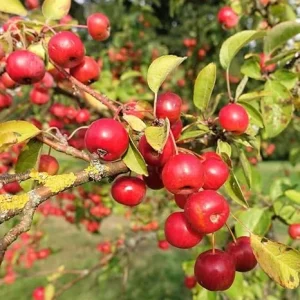
Enhance your landscape with American Crabapple Trees, growing to 1 ft tall. These beautiful live plants offer fragrant pink and white blossoms in spring, thriving in USDA Zones 5-9. Perfect for adding seasonal color and charm.
-
USDA Hardiness Zone
5-9 -
Soil Type
Loam Soil -
Sunlight Exposure
Full Sun -
Expected Planting Period
Spring to Fall

You can track your order HERE
Mar 24
Mar 29 - Mar 31
Apr 03 - Apr 07
Shipping and return policies: Our Alive & Thrive Guarantee covers issues with your plants within the first 30 days. Reach out to us. Our team will answer your questions and help you find the plants that are truly suitable for your environment, climate, and personal preferences.

Overview
Introduce a touch of classic American beauty to your garden with our exquisite American Crabapple Trees. These live plants are cherished for their vibrant spring blooms and attractive form, making them a popular choice for home gardeners and landscape enthusiasts alike. Each tree arrives at approximately 1 ft tall, ready to establish and grow into a magnificent specimen. The American Crabapple Trees (Malus coronaria) are native to North America and are renowned for their hardiness and adaptability. They provide not only visual interest with their delicate pink and white flowers but also offer small, tart crabapples that are a favorite food source for wildlife and can be used for jellies or preserves. Cultivating a sweet crab apple tree adds an ecological benefit to your property, supporting local biodiversity and contributing to a healthy ecosystem.
Our live crabapple plants are carefully nurtured to ensure they are robust and healthy upon arrival, giving them the best start in their new environment. These trees are known for their resilience and relatively low maintenance once established, making them an excellent investment for both experienced gardeners and those new to tree planting. The charm of a pink crabapple flowers display in spring is truly unparalleled, transforming your yard into a picturesque haven. Consider integrating these stunning trees into your landscape design for year-round interest, from the initial burst of spring color to the subtle beauty of their fall foliage and persistent fruit.
Key Benefits
Planting American Crabapple Trees offers a multitude of advantages for your garden and local environment. These trees are not just ornamental; they contribute significantly to the aesthetic and ecological value of any space.
-
Stunning Spring Blooms: Enjoy a breathtaking display of fragrant white or pink blossoms each spring, typically from April through May. These flowers are a visual delight and add a romantic touch to any garden setting, making your American Crabapple Trees a focal point.
-
Wildlife Attraction: The small, sweet crab apples produced by these trees are a vital food source for birds and other wildlife, especially in late fall and winter. Planting a sweet crab apple tree helps support local ecosystems and biodiversity.
-
Hardy & Adaptable: These trees are incredibly resilient, thriving across a wide range of climates in USDA Hardiness Zones 5-9. Their robust nature means they can withstand various environmental conditions, making them a reliable choice for many regions.
-
Year-Round Interest: Beyond their spectacular spring flowers, live crabapple plants offer attractive foliage throughout the growing season, and their persistent small fruits provide interest long after the leaves have fallen, adding curb appeal even in winter.
-
Low Maintenance: Once established, crabapple tree care is relatively straightforward. They require minimal pruning and are generally disease-resistant, allowing you to enjoy their beauty without extensive effort.
-
Compact Size: The American Crabapple is a small to medium-sized tree, typically growing 10 to 30 feet tall at maturity. This makes it an excellent choice for smaller yards or as an understory tree in larger landscapes.
-
Fragrant Flowers: The delicate pink crabapple flowers not only look beautiful but also emit a lovely fragrance, enhancing the sensory experience of your garden during their blooming period.
Plant Care & Growing Tips
Proper crabapple tree care is essential for ensuring your American Crabapple Trees flourish and provide years of beauty. These trees are generally robust, but a good start and ongoing attention will maximize their health and blooming potential. When planting, choose a location with full sun exposure, meaning at least 6 hours of direct sunlight per day. Adequate sunlight is crucial for abundant flowering and healthy fruit production. Ensure the planting site has well-draining soil; American Crabapples prefer loam soil but can tolerate various soil types as long as they are not waterlogged. Dig a hole twice as wide as the root ball and just as deep, ensuring the top of the root ball is level with the surrounding soil. Water thoroughly after planting.
For watering, young live crabapple plants require consistent moisture, especially during dry spells in their first few years. Aim for moderate watering, keeping the soil evenly moist but not saturated. Once established, these trees become more drought-tolerant but will benefit from supplemental watering during prolonged dry periods. Fertilization is typically not necessary annually if your soil is rich, but a balanced slow-release fertilizer can be applied in early spring if growth appears slow. Pruning should be done in late winter or early spring while the tree is dormant, focusing on removing dead, damaged, or crossing branches to maintain a strong structure and open canopy. Monitor for common pests and diseases, though the American Crabapple is known for its good disease resistance. These trees are hardy in USDA Hardiness Zones 5-9, requiring protection only in the most extreme cold conditions when young.
Size & Details
Our American Crabapple Trees are supplied as healthy live plants, approximately 1 ft tall upon shipment, providing a strong foundation for future growth. At maturity, these trees typically reach a height of 10 to 30 feet, with a similar spread, forming a beautiful, rounded canopy. The growth rate is moderate, allowing you to enjoy their development over several seasons. They are shipped in a nursery container to protect the root system and ensure a successful transplant into your garden. The expected blooming period for the fragrant white or pink crabapple flowers is from early spring through May, depending on your specific climate zone. These trees are well-suited for a variety of landscape applications, including as a specimen tree, part of a mixed border, or even in a naturalized area. With proper crabapple tree care, your tree will grow to its full potential, providing shade, beauty, and ecological benefits for decades.
Frequently Asked Questions
-
Q: How big does this American Crabapple Trees get? A: The American Crabapple typically grows to a height of 10 to 30 feet at maturity, with a similar spread, creating a lovely rounded form in your landscape.
-
Q: Is this an indoor or outdoor plant? A: The American Crabapple Trees are outdoor plants, best suited for planting directly in the ground where they can establish a strong root system and reach their full size.
-
Q: How much sunlight does my sweet crab apple tree need? A: These trees thrive in full sun, requiring at least 6 hours of direct sunlight per day to produce the most abundant flowers and fruit. Partial sun can be tolerated but may result in fewer blooms.
-
Q: Is this plant easy to care for? A: Yes, once established, live crabapple plants are relatively low-maintenance. They are known for their hardiness and disease resistance, making crabapple tree care straightforward for most gardeners.
-
Q: What condition will the plant arrive in? A: Your American Crabapple Trees will arrive as a healthy, approximately 1 ft tall live plant, carefully packaged in a nursery container to protect its root system during transit.
-
Q: How long until it blooms? A: Depending on planting time and growing conditions, your American Crabapple Trees may produce its first fragrant flowers within 1-3 years after planting, with more abundant blooms as it matures.
-
Q: Will it survive winter in my zone? A: These trees are very hardy and are suitable for USDA Hardiness Zones 5 through 9, meaning they are well-equipped to survive typical winter conditions in these regions.
-
Q: What type of soil is best for pink crabapple flowers? A: While adaptable, American Crabapples prefer well-draining loam soil. They can tolerate a range of soil types as long as there is good drainage.
-
Q: Can the fruit from the sweet crab apple tree be eaten? A: Yes, the small, tart crab apples are edible and are commonly used to make jellies, preserves, or sauces. They are also a favorite food source for birds and wildlife.
-
Q: When is the best time to plant live crabapple plants? A: The ideal time to plant is in early spring or fall when temperatures are moderate, allowing the tree to establish its root system before extreme weather sets in.
Be the first to review “American Crabapple Trees Live Plants 1 ft Tall – Pink/White Flowers, Zone 5-9”
People Also Viewed
HousePlants
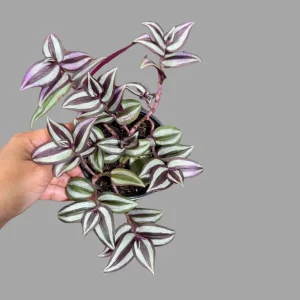
Pink Silver Wandering Jew Live Plant – Tradescantia in 3″ Nursery Pot – Easy Care Indoor Houseplant
Sold 92 products
Original price was: $55.96.$27.98Current price is: $27.98.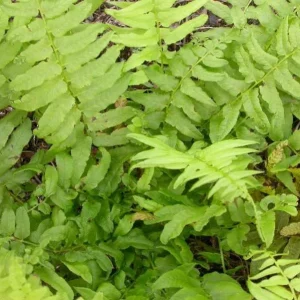
Flower Bulbs
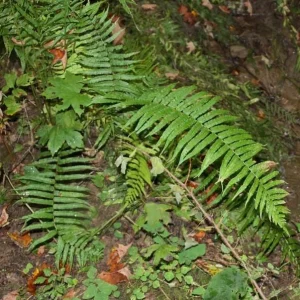
40 Glade Fern Bulbs – Diplazium Pycnocarpon – Deciduous Fern – 2-3′ Tall – Part to Full Shade
Sold 100 products
Original price was: $180.00.$90.00Current price is: $90.00.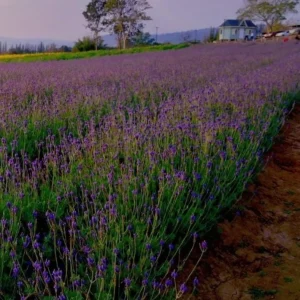
Flowers
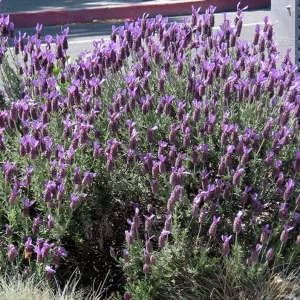
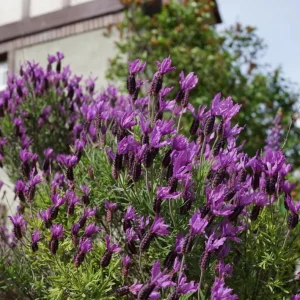
Set of 2 Spanish Eyes Lavender Live Plants – 4-6″ Tall – Fragrant Perennial Flowers – Indoor/Outdoor
Sold 67 products
Original price was: $36.38.$18.19Current price is: $18.19.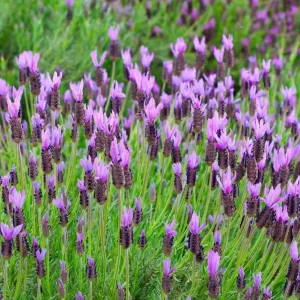
Sold 61 products
Original price was: $36.38.$18.19Current price is: $18.19.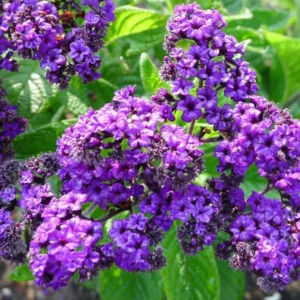
Flower Plants
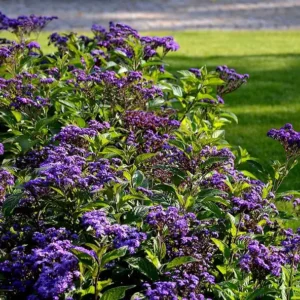
Heliotrope Fragrant Delight Live Plants – Set of 2, 3-6″ Tall, Violet Fragrant Flowers
Sold 73 products
Original price was: $41.97.$13.99Current price is: $13.99.
Sold 57 products
Original price was: $39.60.$19.80Current price is: $19.80.
Sold 67 products
Original price was: $79.98.$39.99Current price is: $39.99.
Sold 97 products
Original price was: $43.20.$21.60Current price is: $21.60.
Sold 69 products
Original price was: $97.98.$48.99Current price is: $48.99.
Sold 57 products
Original price was: $85.98.$42.99Current price is: $42.99.
Sold 86 products
Original price was: $30.78.$15.39Current price is: $15.39.
Sold 53 products
Original price was: $339.96.$169.98Current price is: $169.98.
Sold 71 products
Original price was: $200.00.$160.00Current price is: $160.00.
Sold 84 products
Original price was: $32.18.$16.09Current price is: $16.09.
Flower Plants
Fire and Ice Hosta Bare Root Live Plant – Variegated Perennial for Shade Gardens, Zones 3-9
Sold 73 products
From $83.80
Sold 59 products
Original price was: $49.98.$24.99Current price is: $24.99.
Sold 53 products
Original price was: $231.92.$115.99Current price is: $115.99.
Flower Plants
Sold 73 products
Original price was: $47.58.$23.79Current price is: $23.79.


Reviews
There are no reviews yet.