
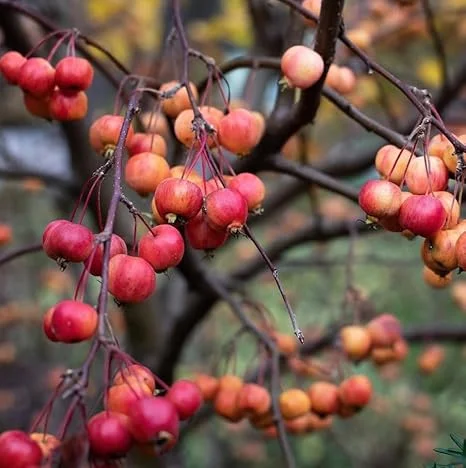
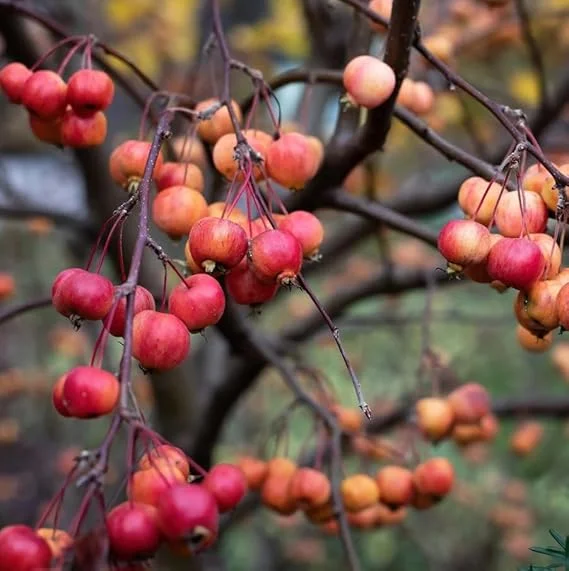
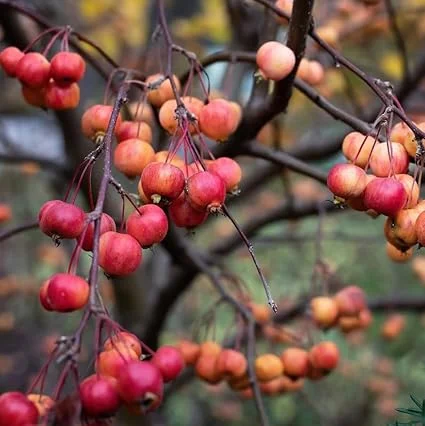
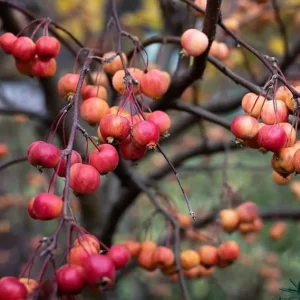
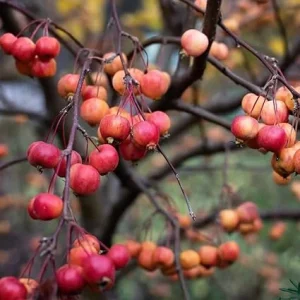
American Crabapple Tree Live Plant – 1 ft Tall, Pink/White Flowers, Zones 5-9
Original price was: $77.60.$38.80Current price is: $38.80.
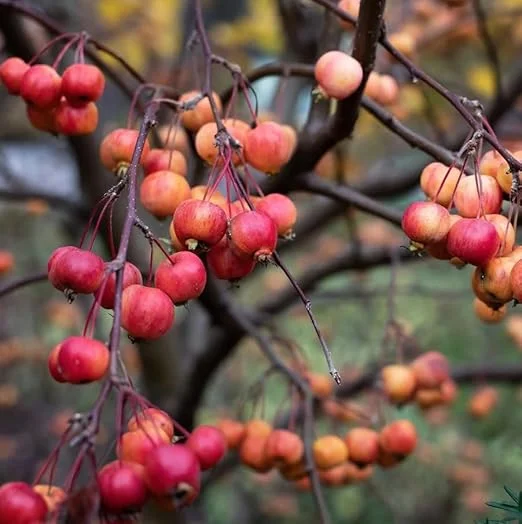
Bring natural beauty to your landscape with an American Crabapple Tree live plant. This 1 ft tall sapling promises fragrant pink and white blossoms in spring, followed by small, sweet crabapples. Perfect for attracting pollinators and adding ornamental value to your garden.
-
USDA Hardiness Zone
5-9 -
Soil Type
Loam soil, well-draining -
Sunlight Exposure
Full Sun -
Expected Planting Period
Spring to Fall

You can track your order HERE
Mar 24
Mar 29 - Mar 31
Apr 03 - Apr 07
Shipping and return policies: Our Alive & Thrive Guarantee covers issues with your plants within the first 30 days. Reach out to us. Our team will answer your questions and help you find the plants that are truly suitable for your environment, climate, and personal preferences.

Overview
Introduce a touch of classic American charm to your outdoor space with this beautiful American Crabapple Tree live plant. Known for its stunning spring display and delightful fruits, the American Crabapple (Malus coronaria) is a beloved deciduous tree that offers year-round interest. This 1 ft tall sapling is ready to establish itself in your garden, growing into a mature tree that typically reaches 10 to 30 feet in height. Its fragrant pink and white blossoms appear in abundance from early spring through May, creating a breathtaking spectacle. Beyond its ornamental appeal, the American Crabapple produces small, tart yet sweet fruits that are excellent for jellies, preserves, or as a food source for local wildlife. Choosing an American Crabapple Tree live plant means investing in a resilient and rewarding addition to any landscape, providing both aesthetic beauty and ecological benefits.
The American Crabapple is a hardy and adaptable species, making it a popular choice for diverse climates. It thrives in a range of soil conditions and is relatively low-maintenance once established. Its compact size at maturity makes it suitable for various garden designs, from specimen planting to inclusion in mixed borders or as part of a naturalized area. With its vibrant spring bloom and attractive autumn foliage, this tree ensures a dynamic presence throughout the seasons. If you’re looking for a robust and beautiful tree, a young American Crabapple Tree live plant is an excellent starting point for creating a lasting impact in your garden.
Key Benefits
The American Crabapple Tree live plant offers numerous advantages for both the gardener and the environment. Its multi-season appeal and ecological contributions make it a highly desirable landscape choice:
- Stunning Spring Blooms: Enjoy a spectacular display of fragrant pink and white flowers from early spring through May, transforming your garden into a vibrant haven. These blossoms are not only beautiful but also attract beneficial pollinators like bees and butterflies.
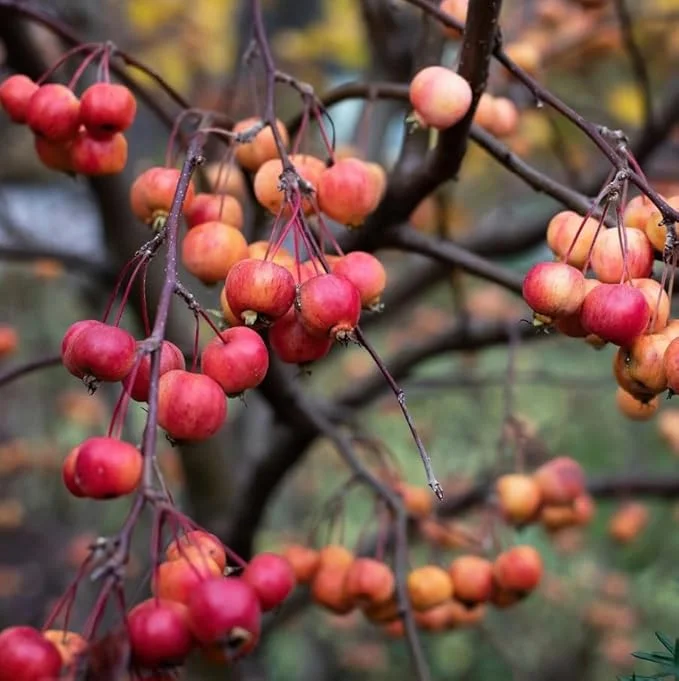
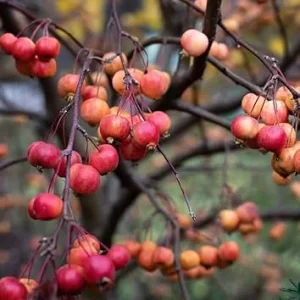
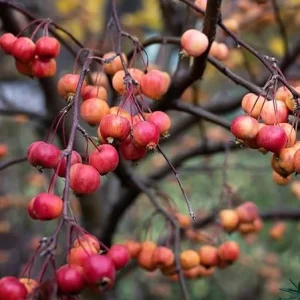
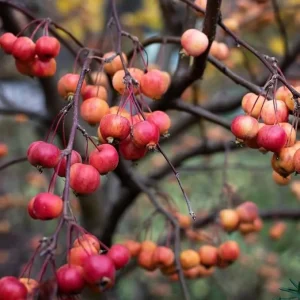
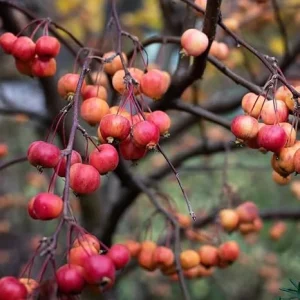
- Attractive Fruits: Following the bloom, the tree produces small, sweet crabapples. These fruits are ideal for making delicious jellies, jams, and ciders, or can be left on the tree to provide a natural food source for birds and other wildlife, enhancing biodiversity in your garden.
- Hardy and Adaptable: This resilient tree thrives in USDA Hardiness Zones 5-9, showcasing excellent tolerance to various environmental conditions. Its robust nature means it can withstand different weather patterns, making it a reliable choice for many regions.
- Compact Mature Size: Reaching a mature height of 10-30 feet, the American Crabapple is a moderately sized tree that fits well into both small and large landscapes. It’s perfect as a focal point or integrated into a larger planting scheme without overwhelming the space.
- Low Maintenance: Once established, the American Crabapple Tree live plant requires minimal care, making it an ideal option for gardeners seeking beauty without extensive upkeep. Regular watering during dry spells and occasional pruning are generally sufficient.
- Ecological Value: Beyond its beauty, the American Crabapple provides significant ecological benefits. Its flowers support pollinators, and its fruits offer sustenance to wildlife, contributing to a healthy and thriving ecosystem in your backyard.
- Year-Round Interest: From fragrant spring flowers to small summer fruits and often vibrant fall foliage, this tree offers visual appeal throughout the growing seasons, adding continuous interest to your garden.
Plant Care & Growing Tips
Caring for your American Crabapple Tree live plant is straightforward, ensuring it grows into a healthy and productive specimen. These trees are known for their resilience, but providing optimal conditions will lead to the best results. Start by selecting a site that receives full sun, meaning at least six hours of direct sunlight per day. Adequate sunlight is crucial for robust growth and abundant flowering and fruiting. The American Crabapple thrives in USDA Hardiness Zones 5-9, indicating its ability to withstand a range of winter temperatures. When it comes to soil, this tree prefers well-draining loam soil. While adaptable, avoid excessively heavy clay or sandy soils; amending with organic matter can improve soil structure and fertility. Proper drainage is key to prevent root rot, ensuring the longevity of your sweet crabapple tree.
Watering is particularly important during the first few years after planting to help the tree establish a strong root system. Provide moderate watering, ensuring the soil remains consistently moist but not waterlogged. Once established, the American Crabapple is relatively drought-tolerant but will benefit from supplemental watering during prolonged dry periods. Fertilize annually in early spring with a balanced, slow-release fertilizer designed for trees and shrubs. Pruning should be done in late winter or early spring while the tree is dormant. Focus on removing any dead, diseased, or crossing branches to maintain good air circulation and shape. Training the tree to have a strong central leader is also beneficial. Watch out for common issues like scab or powdery mildew, which can be managed with proper air circulation and, if necessary, appropriate fungicides. Understanding crabapple tree care will help you cultivate a thriving and beautiful tree for many years.
Size & Details
This offering is for a American Crabapple Tree live plant, typically shipped as a 1 ft tall sapling, ready for planting. At maturity, this tree can reach an impressive height of 10 to 30 feet, with a spread that often matches its height, creating a beautiful, rounded canopy. The growth rate is considered moderate, meaning it will establish itself and show noticeable growth within a few years. It is best suited for USDA Hardiness Zones 5 through 9, indicating its ability to tolerate winter temperatures down to -20°F. The tree is known for its fragrant pink and white blossoms that appear in spring, followed by small, sweet red crabapples in late summer to fall.
The young tree is typically shipped in a nursery pot, ensuring its root system is protected and ready for transplanting. Upon arrival, it’s recommended to plant it as soon as possible to minimize transplant shock. The mature tree will require ample space for its root system and canopy development. Expect the first significant blooms and fruits to appear within 3-5 years after planting, as the tree establishes itself. This robust and beautiful tree offers long-term aesthetic and ecological benefits to your landscape, making it a valuable investment for any gardener looking for a resilient and attractive deciduous tree. Consider the long-term size when you are planting crabapple tree.
Frequently Asked Questions
- Q: How big does this American Crabapple Tree live plant get? A: This American Crabapple Tree is shipped as a 1 ft tall sapling. At maturity, it typically grows to a height of 10 to 30 feet with a similar spread, forming a beautiful rounded canopy.
- Q: Is this an indoor or outdoor plant? A: The American Crabapple Tree live plant is an outdoor deciduous tree, designed to thrive in garden landscapes. It requires full sun exposure and is not suitable for indoor cultivation.
- Q: How much sunlight does it need? A: This tree requires full sun exposure, meaning it needs at least 6 hours of direct sunlight per day to ensure healthy growth, abundant flowering, and good fruit production.
- Q: Is this plant easy to care for? A: Yes, once established, the American Crabapple Tree is considered relatively low-maintenance. It requires moderate watering, especially during dry spells, and occasional pruning to maintain shape and health. Proper crabapple tree care is simple to learn.
- Q: What condition will it arrive in? A: Your American Crabapple Tree live plant will arrive as a healthy 1 ft tall sapling, typically shipped in a nursery pot with its root system intact and protected, ready for planting.
- Q: How long until it blooms and fruits? A: You can typically expect the first significant blooms and fruits to appear within 3-5 years after planting, as the tree establishes its root system and grows to a more mature size.
- Q: What’s the best time for planting crabapple tree? A: The best time to plant an American Crabapple Tree is in early spring or fall when temperatures are moderate. This allows the tree to establish its roots before the stress of extreme summer heat or winter cold.
- Q: Will it survive winter in my zone? A: This American Crabapple Tree is hardy in USDA Zones 5-9, meaning it can tolerate winter temperatures down to -20°F. If you are within these zones, it should survive winter without special protection.
- Q: Can I eat the crabapples? A: Yes, the American Crabapple produces small, tart yet sweet fruits that are excellent for making jellies, jams, and ciders. They are also a favorite food source for birds and other wildlife.
- Q: What kind of soil does it prefer? A: The American Crabapple prefers well-draining loam soil. While adaptable, it’s best to avoid excessively heavy clay or very sandy soils. Amending with organic matter can improve soil quality.
Be the first to review “American Crabapple Tree Live Plant – 1 ft Tall, Pink/White Flowers, Zones 5-9”
People Also Viewed
Sold 85 products
Original price was: $31.96.$15.98Current price is: $15.98.
Sold 63 products
Original price was: $39.98.$19.99Current price is: $19.99.
Sold 63 products
Original price was: $27.98.$13.99Current price is: $13.99.
Sold 88 products
Original price was: $79.98.$39.99Current price is: $39.99.

Sold 68 products
Original price was: $28.76.$14.38Current price is: $14.38.

Sold 99 products
Original price was: $31.16.$15.58Current price is: $15.58.
Sold 87 products
Original price was: $47.96.$23.98Current price is: $23.98.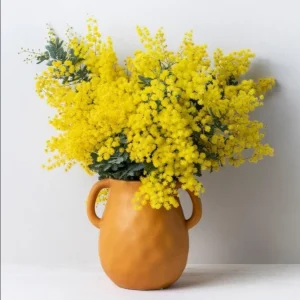
Trees
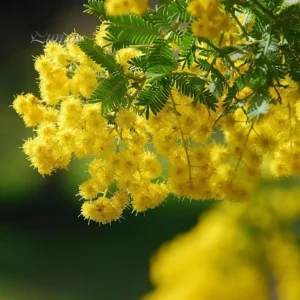
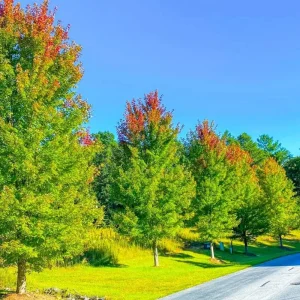
Mimosa Wattle Seedling Live Plant – Acacia Baileyana Yellow Flower Tree 3-5 Inch Tall 4 Inch Pot
Sold 82 products
Original price was: $37.99.$27.99Current price is: $27.99.
Sold 54 products
Original price was: $59.98.$41.98Current price is: $41.98.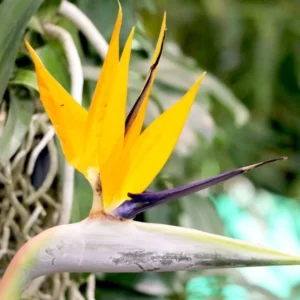
Flower Plants
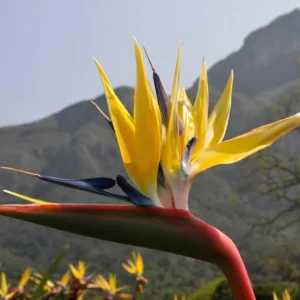
Yellow Bird of Paradise Live Plant – 5-10 Inch Tropical Outdoor Plant Strelitzia Reginae
Sold 63 products
Original price was: $69.98.$34.99Current price is: $34.99.
Sold 75 products
Original price was: $31.96.$15.98Current price is: $15.98.
Sold 78 products
Original price was: $133.60.$66.80Current price is: $66.80.
Sold 75 products
Original price was: $111.96.$55.98Current price is: $55.98.
Sold 87 products
Original price was: $28.76.$14.38Current price is: $14.38.
Sold 94 products
Original price was: $47.96.$23.98Current price is: $23.98.
Sold 66 products
Original price was: $177.60.$88.80Current price is: $88.80.
Sold 57 products
Original price was: $50.98.$25.49Current price is: $25.49.
Sold 83 products
Original price was: $59.98.$41.98Current price is: $41.98.


Reviews
There are no reviews yet.