
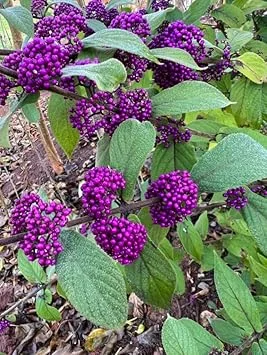
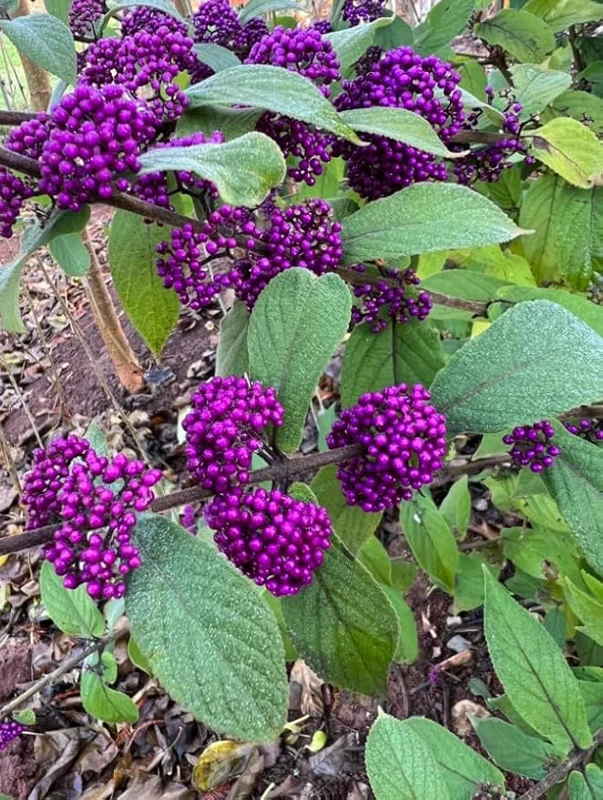
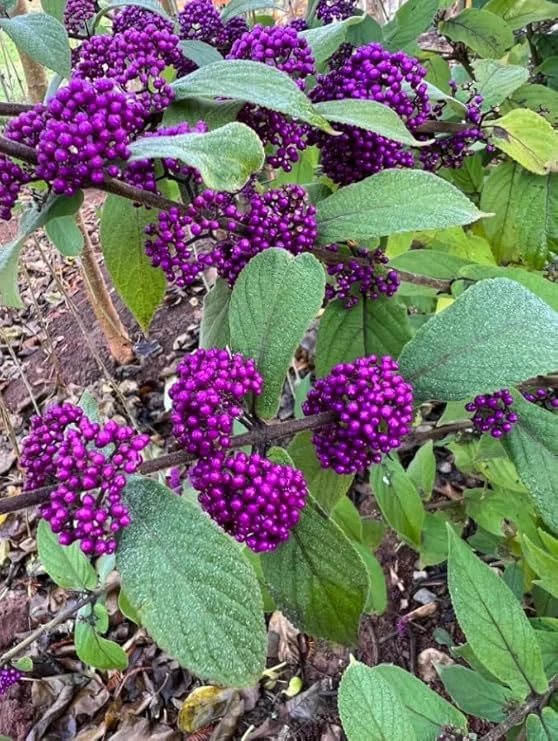
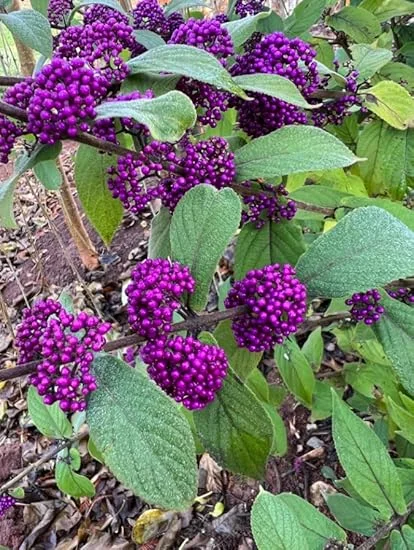
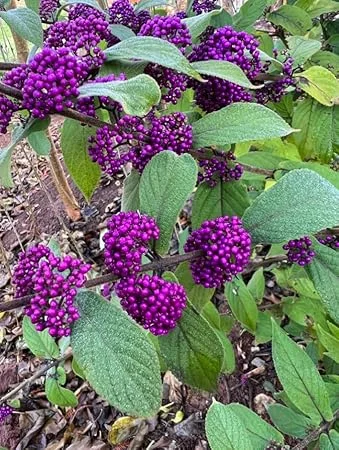
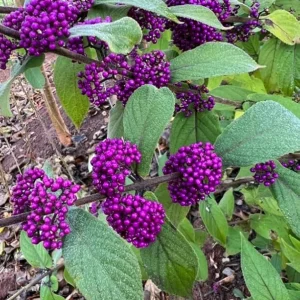
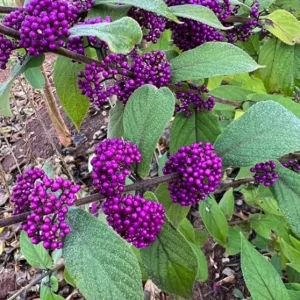
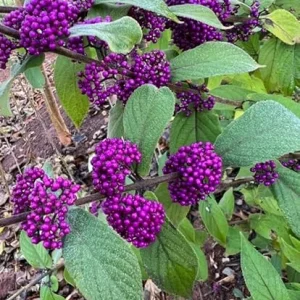
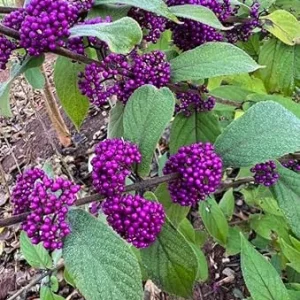
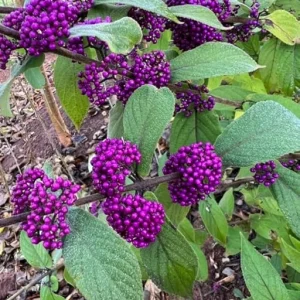
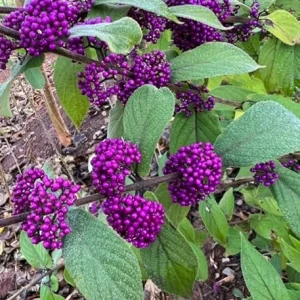
American Beautyberry Live Plant – Callicarpa Bush – 8-18 Inch Tall – Outdoor
Original price was: $25.60.$12.80Current price is: $12.80.
Discover the charm of the American Beautyberry live plant, a stunning addition to any landscape. This Callicarpa bush offers vibrant purple berries in fall, attracting birds and adding seasonal interest. Hardy in USDA Zones 3-9, it’s easy to grow and thrives in partial shade to full sun.
-
USDA Hardiness Zone
3-9 -
Soil Type
Loam Soil, adaptable to well-drained sandy or clay soils -
Sunlight Exposure
Partial Shade to Full Sun -
Expected Planting Period
Spring to Fall

You can track your order HERE
Mar 23
Mar 28 - Mar 30
Apr 02 - Apr 06
Shipping and return policies: Our Alive & Thrive Guarantee covers issues with your plants within the first 30 days. Reach out to us. Our team will answer your questions and help you find the plants that are truly suitable for your environment, climate, and personal preferences.

Overview
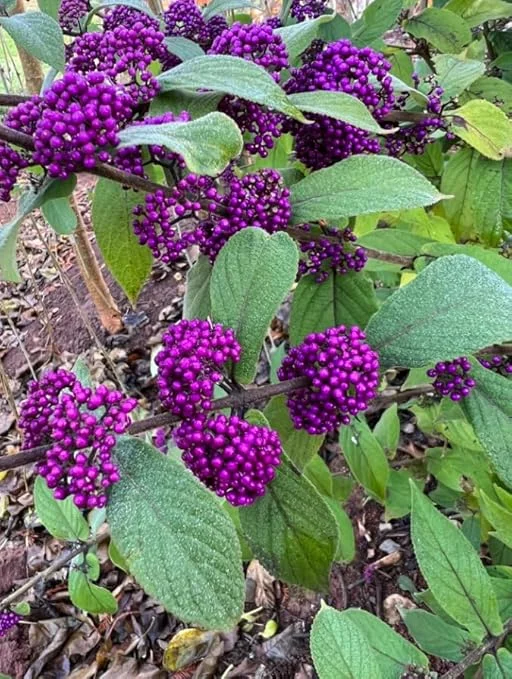
Introduce a splash of vibrant color to your garden with the captivating American Beautyberry live plant. This deciduous shrub, scientifically known as Callicarpa americana, is celebrated for its truly spectacular clusters of metallic, glossy, violet-purple berries that cling to the stems long after the leaves have fallen. A true showstopper in the late season, this Callicarpa bush provides essential food for birds and unparalleled visual interest when most other plants are fading. Growing typically 3-5 feet tall and wide, it can reach up to 9 feet in ideal conditions, making it a versatile choice for various garden designs. The American Beautyberry is a native berry bush, making it an excellent choice for supporting local wildlife and ecosystems.
This resilient shrub is exceptionally adaptable, thriving across a wide range of climates and soil types. Its low-maintenance nature makes it a favorite among both seasoned gardeners and beginners. Beyond its striking fall display, the American Beautyberry also produces delicate white to pink flowers in late spring to early summer, adding subtle beauty before its main show begins. If you’re looking for an impactful, easy-to-grow plant that delivers stunning seasonal interest, the American Beautyberry live plant is an outstanding choice that will transform your outdoor space.
Key Benefits
The American Beautyberry live plant offers a multitude of benefits, making it an invaluable addition to your garden or landscape. Its unique characteristics provide both aesthetic appeal and ecological advantages.
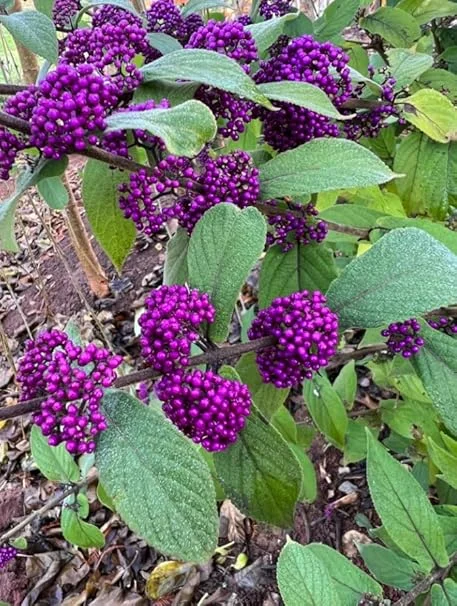
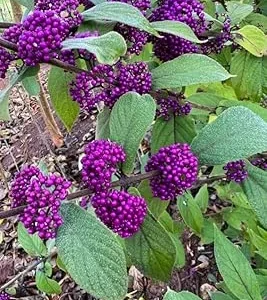
- Stunning Fall Display: The most prominent feature of this shrub is its brilliant clusters of iridescent purple berries that appear in late summer and persist through fall, creating a breathtaking visual spectacle. These berries are unlike any other, offering a unique color palette to your autumn garden.
- Wildlife Attractor: The abundance of berries serves as a vital food source for many bird species, especially during the colder months when other food is scarce. Planting an American Beautyberry live plant helps support local bird populations and brings lively activity to your yard.
- Adaptable and Hardy: This tough shrub is highly adaptable to various soil conditions and can tolerate both full sun and partial shade, making it suitable for many garden settings. It’s hardy in USDA Zones 3-9, ensuring its resilience in diverse climates.
- Low Maintenance: Once established, the Callicarpa bush requires minimal care. It’s relatively drought-tolerant and disease-resistant, making it an excellent choice for gardeners seeking effortless beauty. Pruning is primarily for shaping or rejuvenating, not a constant necessity.
- Year-Round Interest: From its delicate spring flowers to its lush green foliage in summer, and finally, its show-stopping purple berries in fall and winter, the American Beautyberry provides continuous interest throughout the seasons.
- Native Plant: As a native species, the native berry bush is perfectly suited to local conditions and contributes positively to the ecological balance, requiring less water and fewer resources than non-native alternatives.
- Erosion Control: Its robust root system can help stabilize soil, making it useful for planting on slopes or in areas prone to erosion.
Plant Care & Growing Tips
Caring for your American Beautyberry live plant is straightforward, ensuring a vibrant and healthy shrub with minimal effort. This resilient plant thrives in a variety of conditions, making it a forgiving choice for gardeners. For optimal berry production, plant your Beautyberry in a location that receives full sun to partial shade. While it can tolerate full shade, berry set will be significantly reduced in such conditions. Aim for at least 4-6 hours of direct sunlight daily to encourage a prolific display of its characteristic purple fruit.
When it comes to soil, the Callicarpa bush is not overly particular. It prefers moist, well-drained soils but is highly adaptable to a range of soil types, including sandy, loamy, and even clay soils, as long as drainage is adequate. Good drainage is crucial to prevent root rot. Once established, the American Beautyberry has low water needs and is considerably drought-tolerant. During its first growing season, ensure consistent moisture to help it establish a strong root system. After that, water only during prolonged dry spells. Fertilization is generally not necessary in rich soils; however, if your soil is poor, a balanced slow-release fertilizer in early spring can promote vigorous growth and berry production. Pruning can be done in late winter or early spring before new growth emerges. You can prune to shape the plant, remove dead or damaged branches, or cut it back hard (to about 6-12 inches from the ground) every few years to encourage more vigorous new growth and larger berries, as berries form on new wood. This practice is often referred to as coppicing. Keep an eye out for common pests like spider mites or diseases like powdery mildew, though the American Beautyberry live plant is generally quite resistant.
Size & Details
This offering is for one American Beautyberry live plant, typically ranging from 8-18 inches tall at the time of shipment. Please note that as a dormant plant in winter, it may arrive without leaves, which is normal for its growth cycle and ensures a healthy start in your garden. The plant is shipped ready for planting, allowing it to quickly establish itself and begin producing its stunning berries. The mature size of an American Beautyberry live plant usually reaches 3-5 feet in height and width, although it can grow up to 9 feet tall in exceptionally favorable conditions with ample moisture and rich soil. It is a moderate to fast grower, quickly filling out a space in your landscape.
The purple berries are the main attraction, following small white to pink blooms in late spring. This native berry bush is suitable for USDA Hardiness Zones 3-9, making it a versatile choice for many regions across the United States. It adapts well to various garden roles, from a standalone specimen to a hedge or part of a mixed border. With proper care, your American Beautyberry will provide years of vibrant color and ecological benefit to your outdoor environment.
Frequently Asked Questions
- Q: How big does this plant get? A: The American Beautyberry live plant typically grows to 3-5 feet tall and wide, but it can reach up to 9 feet in height under ideal growing conditions.
- Q: Is this an indoor or outdoor plant? A: The American Beautyberry is primarily an outdoor shrub, perfectly suited for garden beds, borders, and naturalized areas. It is not recommended for indoor cultivation.
- Q: How much sunlight does it need? A: For the best berry production, the Callicarpa bush thrives in full sun to partial shade, ideally receiving at least 4-6 hours of direct sunlight daily.
- Q: Is this plant easy to care for? A: Yes, the American Beautyberry live plant is known for its low-maintenance nature. Once established, it is drought-tolerant and generally resistant to pests and diseases, making it an excellent choice for beginners.
- Q: What condition will it arrive in? A: Your American Beautyberry live plant will arrive as a healthy, young plant, typically 8-18 inches tall. If ordered during winter, it will be dormant and may not have leaves, which is completely normal.
- Q: How long until it blooms and produces berries? A: This shrub typically blooms in late spring to early summer, with the iconic purple berries forming in late summer and persisting through fall and into winter. You can expect berries within the first few years of planting.
- Q: Will it survive winter in my zone? A: The native berry bush is hardy in USDA Zones 3-9, meaning it can tolerate winter temperatures down to -40°F (-40°C) in Zone 3, making it very resilient across most of the US.
- Q: What kind of soil does the American Beautyberry prefer? A: It prefers moist, well-drained soil but is highly adaptable to a variety of soil types, including loam, sand, and clay, as long as good drainage is provided.
- Q: Is the American Beautyberry plant deer resistant? A: While no plant is entirely deer-proof, American Beautyberry is generally considered to be deer resistant, making it a good choice for areas with deer pressure.
- Q: When is the best time to prune this Callicarpa bush? A: The best time to prune your Callicarpa bush is in late winter or early spring before new growth begins. This encourages strong new growth and abundant berry production.
Be the first to review “American Beautyberry Live Plant – Callicarpa Bush – 8-18 Inch Tall – Outdoor”
People Also Viewed
Flowers
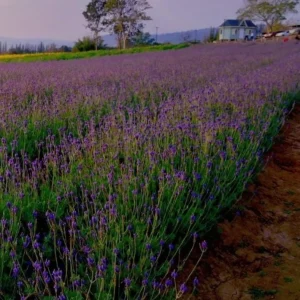
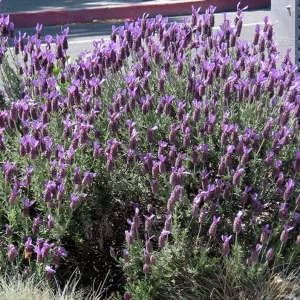
Set of 2 Spanish Eyes Lavender Live Plants – 4-6″ Tall – Fragrant Perennial Flowers – Indoor/Outdoor
Sold 72 products
Original price was: $36.38.$18.19Current price is: $18.19.
Sold 56 products
Original price was: $27.98.$13.99Current price is: $13.99.
Flower Plants
Lantana Salsa Live Plants – Set of 2, 4-6″ Tall, Butterfly & Pollinator Friendly Outdoor Flower
Sold 100 products
Original price was: $61.56.$30.78Current price is: $30.78.
Sold 78 products
From $22.88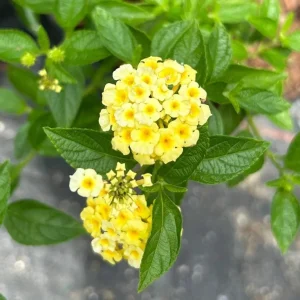
Sold 82 products
Original price was: $32.18.$16.09Current price is: $16.09.
Flower Plants
Sold 59 products
Original price was: $47.58.$23.79Current price is: $23.79.
Sold 87 products
Original price was: $150.00.$120.00Current price is: $120.00.
Sold 80 products
From $63.80
Sold 86 products
Original price was: $68.64.$34.32Current price is: $34.32.
Sold 56 products
Original price was: $39.98.$19.99Current price is: $19.99.
Sold 51 products
Original price was: $49.98.$24.99Current price is: $24.99.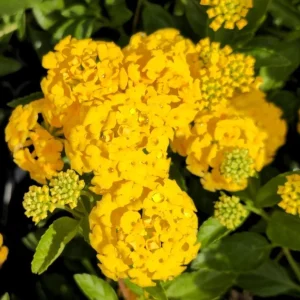
Flowers
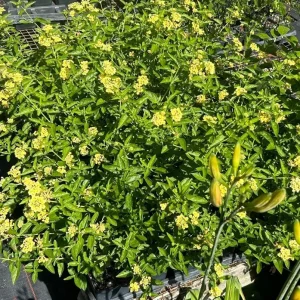
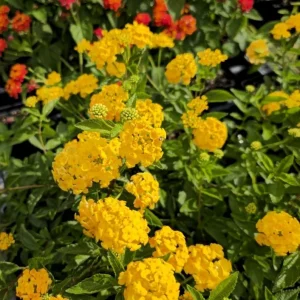
Set of 2 New Gold Lantana Live Plants – 4-6″ Tall – Yellow Flowers – Attracts Pollinators – Outdoor
Sold 91 products
Original price was: $32.18.$16.09Current price is: $16.09.
Sold 52 products
Original price was: $65.98.$32.99Current price is: $32.99.
Sold 54 products
Original price was: $79.78.$39.89Current price is: $39.89.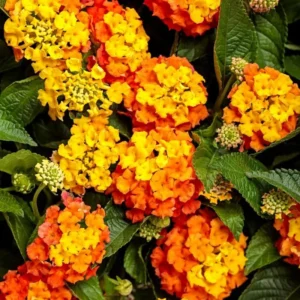
Flower Plants
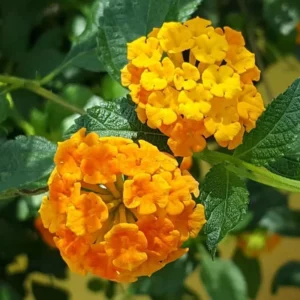
Orange Lantana Plant Live – 6-9 Inch Tall – Fragrant Outdoor Butterfly Perennial Flowers
Sold 92 products
Original price was: $37.98.$18.99Current price is: $18.99.
Sold 85 products
Original price was: $39.98.$19.99Current price is: $19.99.
Sold 99 products
Original price was: $45.98.$22.99Current price is: $22.99.
Sold 75 products
Original price was: $77.08.$38.54Current price is: $38.54.



Reviews
There are no reviews yet.