
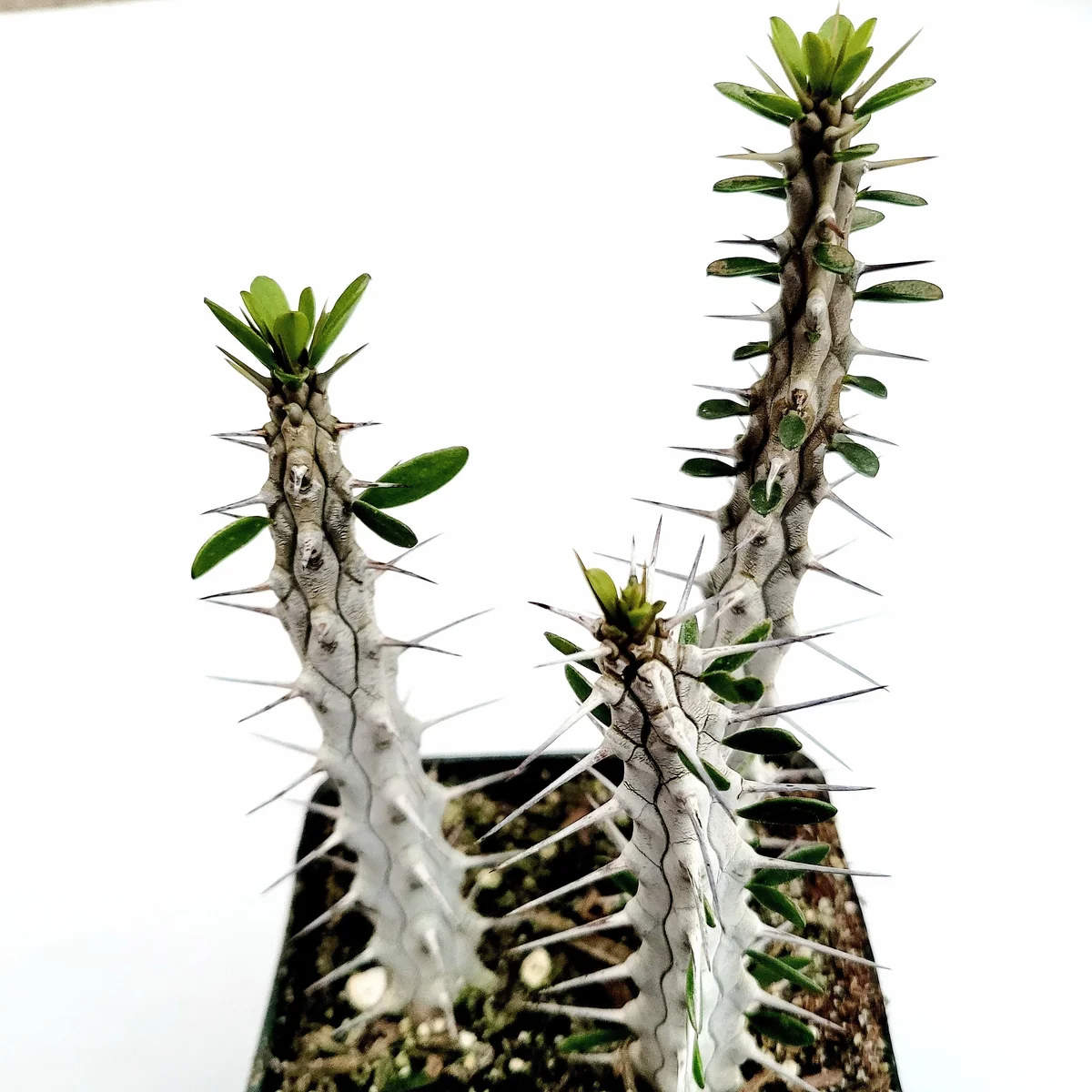
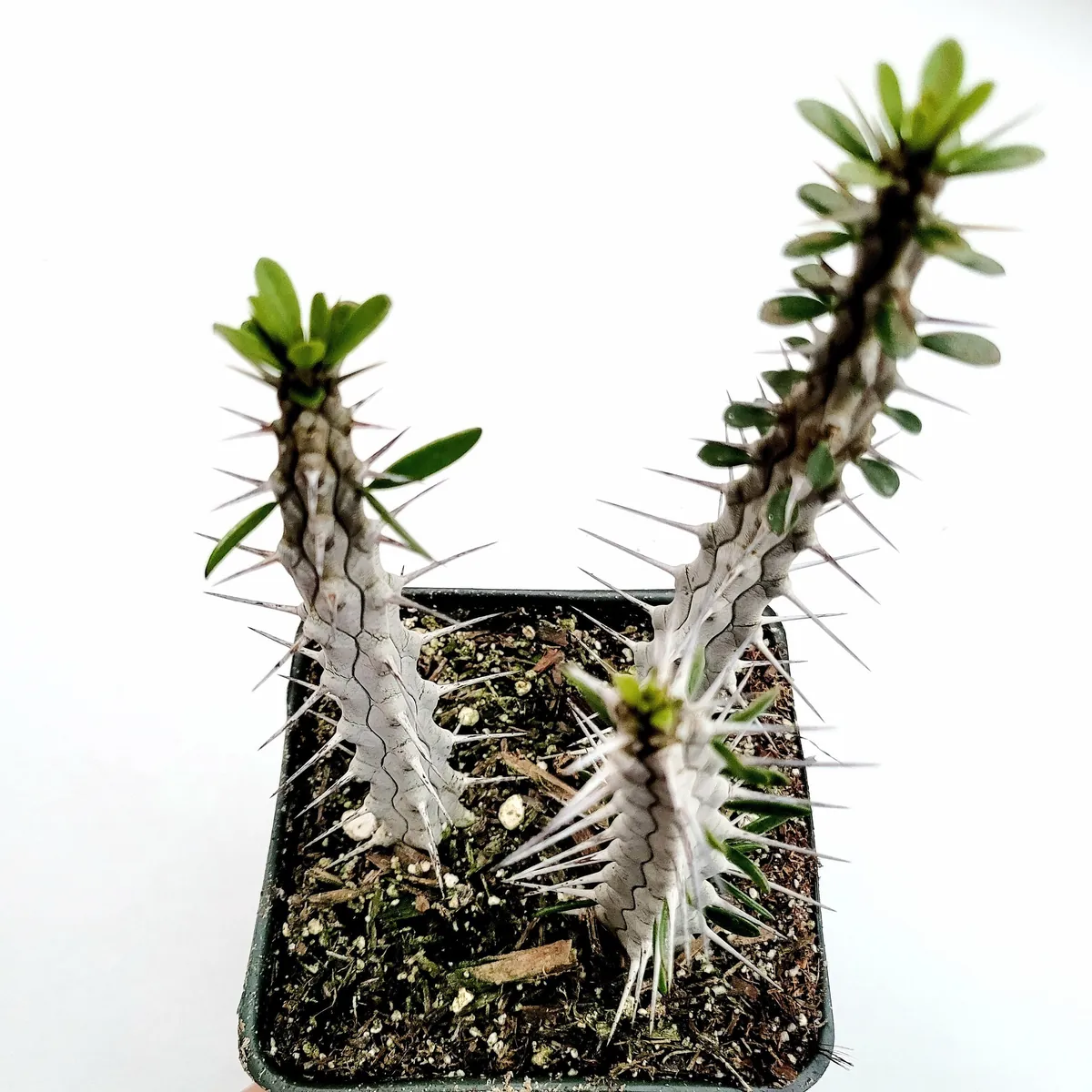
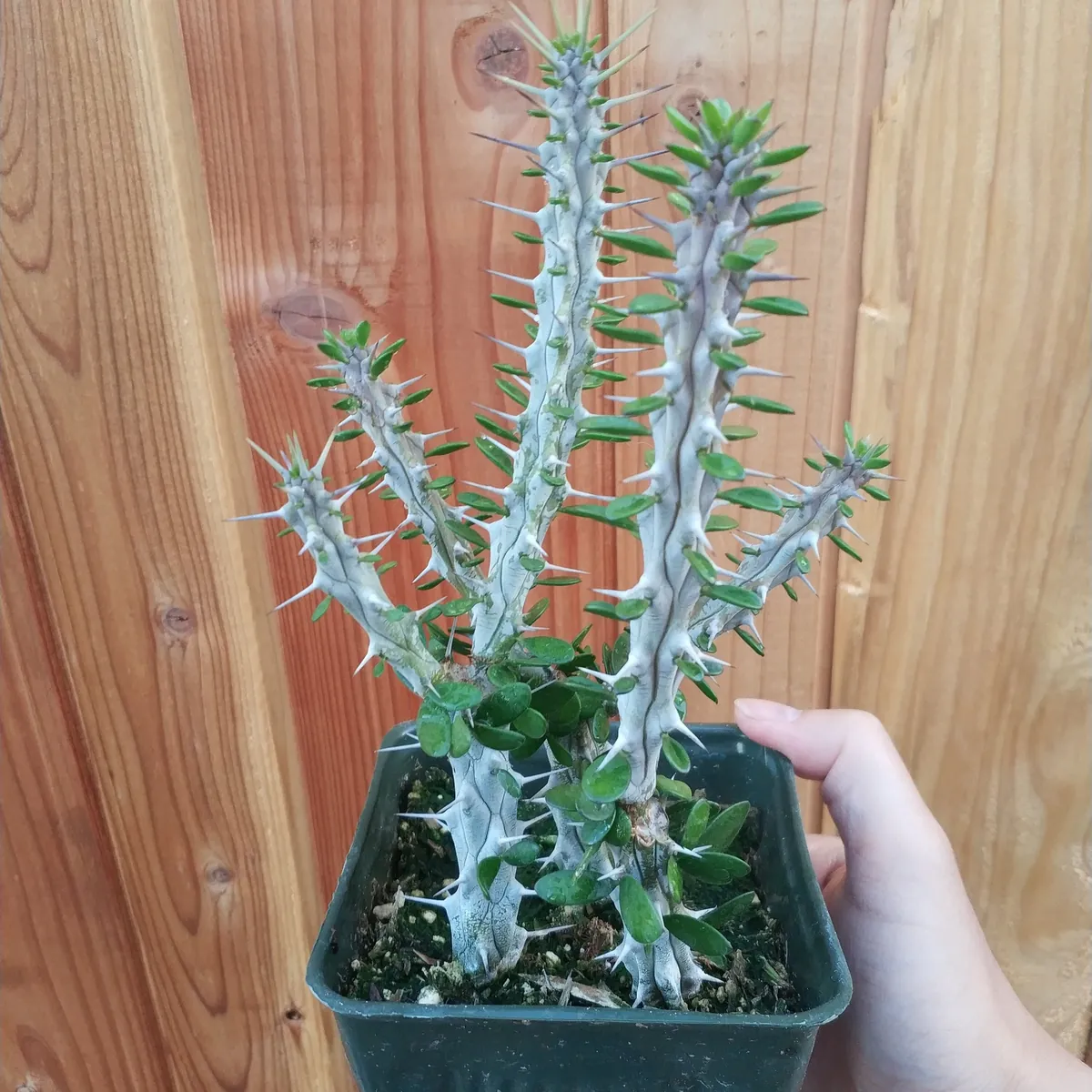
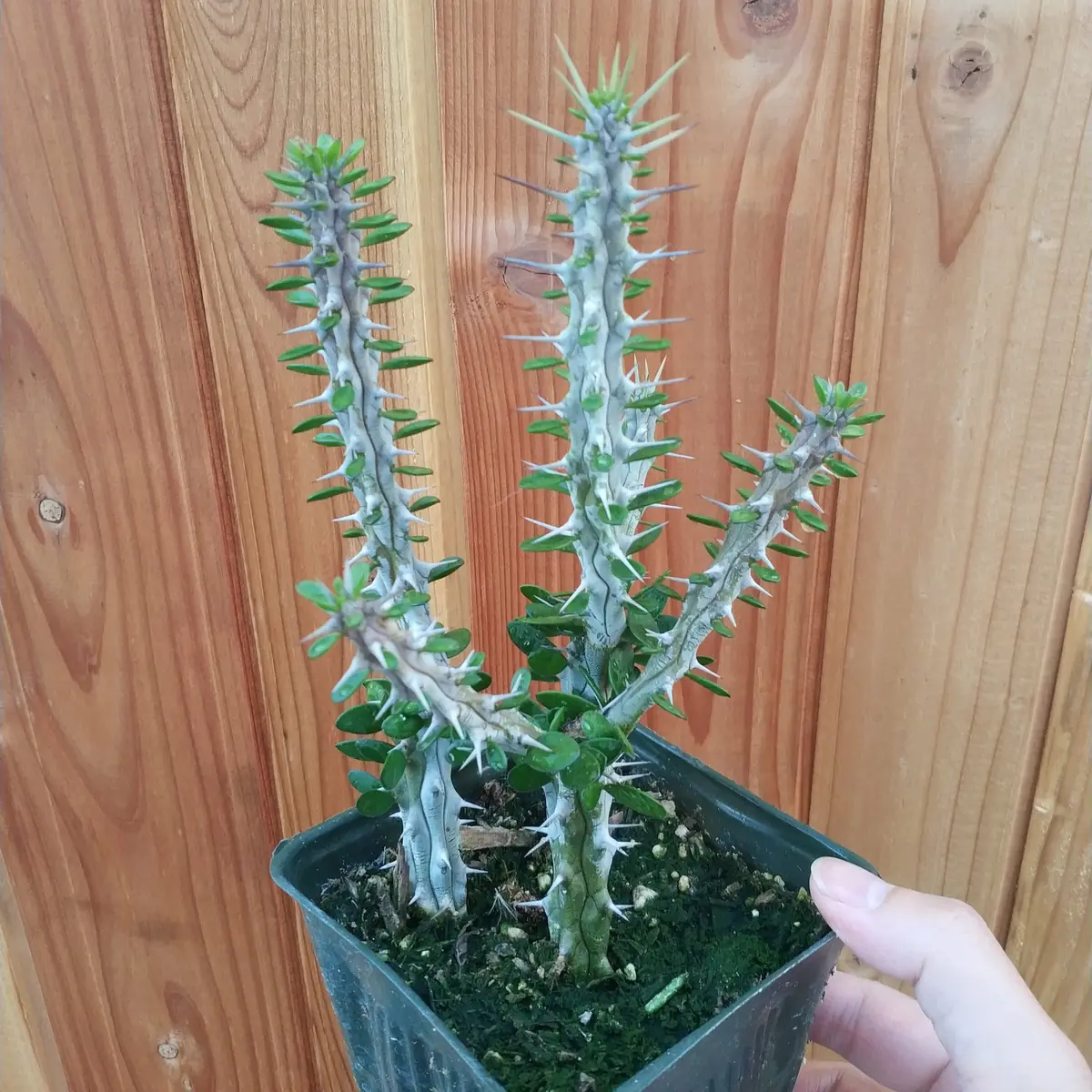
Alluaudia procera ‘Madagascar Ocotillo’ Succulent Live Plant – Drought Tolerant
Original price was: $68.68.$34.34Current price is: $34.34.
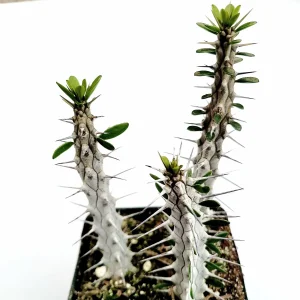
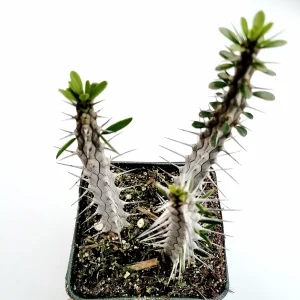
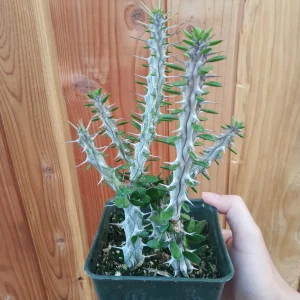
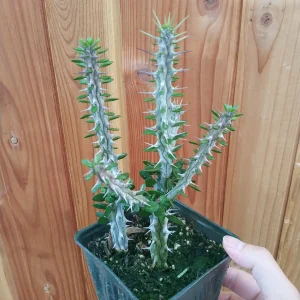
Bring the exotic beauty of the Alluaudia procera live plant into your home or garden. Also known as the Madagascar Ocotillo succulent, this striking plant features upright, thorny stems and small leaves, creating a unique architectural statement. It is highly drought tolerant succulent, making it an excellent choice for low-maintenance landscaping or as a distinctive houseplant.
-
USDA Hardiness Zone
USDA zones 9-11 (outdoors), otherwise indoors -
Soil Type
Porous, well-draining succulent or cactus mix -
Sunlight Exposure
Full sun (6-8+ hours direct sun) -
Expected Planting Period
Year-round indoors; Spring to early summer outdoors in suitable climates

You can track your order HERE
Feb 27
Mar 04 - Mar 06
Mar 09 - Mar 13
Shipping and return policies: Our Alive & Thrive Guarantee covers issues with your plants within the first 30 days. Reach out to us. Our team will answer your questions and help you find the plants that are truly suitable for your environment, climate, and personal preferences.

Overview
Introduce a touch of the extraordinary to your plant collection with the Alluaudia procera live plant. Often referred to as the Madagascar Ocotillo succulent due to its resemblance to the American Ocotillo, this fascinating species is native to the arid regions of Madagascar. It’s a member of the Didiereaceae family, known for its unique growth habit and remarkable drought tolerance. This living sculpture features upright, woody stems densely covered with sharp spines and small, deciduous leaves that appear during the growing season. An excellent choice for collectors, xeriscaping, or as a striking potted specimen, the Alluaudia procera live plant adds dramatic vertical interest and an exotic flair to any setting. Its resilience and striking form make it a truly unique succulent plant for both novice and experienced plant enthusiasts.
As a succulent, Alluaudia procera is perfectly adapted to survive in harsh, dry conditions by storing water in its stems. It can grow quite tall in its natural habitat, developing into a tree-like form over many years, though it remains more compact in cultivation. The plant’s intriguing appearance, with its distinctive spiny branches and sparse foliage, makes it a conversation starter. Whether displayed as a standalone specimen or integrated into a succulent garden, the Madagascar Ocotillo succulent offers a captivating visual appeal that stands apart from more common succulents.
Key Benefits
The Alluaudia procera live plant offers a range of benefits that make it a highly desirable addition to any plant collection. Its unique characteristics contribute to both aesthetic appeal and ease of care. Enjoy these advantages:
- Striking Architectural Form: The upright, spiny stems of the Alluaudia procera live plant create a dramatic, sculptural silhouette, adding significant visual interest and a modern aesthetic to any space, whether indoors or outdoors.
- Exceptional Drought Tolerance: As a natural desert dweller, this drought tolerant succulent requires minimal watering, making it an ideal choice for busy individuals or those in arid climates looking for a low-maintenance plant.
- Unique and Exotic Appearance: With its distinctive spiny branches and small leaves, the Madagascar Ocotillo succulent stands out from typical houseplants, offering an exotic and unusual focal point that will capture attention.
- Low Maintenance Requirements: Beyond its minimal watering needs, the Alluaudia procera care routine is straightforward, thriving on neglect rather than constant attention, perfect for beginners or those with limited gardening time.
- Adaptable to Various Settings: While it enjoys full sun, it can be grown as an intriguing houseplant in bright locations or become a stunning feature in rock gardens and xeriscapes in warmer climates.
- Pest and Disease Resistant: Its hardy nature and thick skin make it naturally resistant to many common plant pests and diseases, ensuring a healthier and more robust plant with less intervention.
- Long-Lived Specimen: With proper care, this unique succulent plant can live for many years, growing slowly but steadily, becoming a cherished part of your garden or indoor display for decades.
Plant Care & Growing Tips
Caring for your Alluaudia procera live plant is relatively straightforward, thanks to its hardy and drought-tolerant nature. The key to success lies in replicating its native arid environment as closely as possible. It thrives in abundant sunlight; a south-facing window indoors or a full sun location outdoors (at least 6-8 hours of direct sun daily) is highly recommended. Insufficient light can lead to etiolation, where the plant stretches and becomes spindly. During its active growing season (spring and summer), ensure it receives maximum light exposure. In winter, when it may go dormant and shed some leaves, it still appreciates bright conditions, though direct sun may be less critical.
Watering is perhaps the most crucial aspect of Alluaudia procera care. As a drought tolerant succulent, it prefers infrequent but thorough watering. Allow the soil to dry out completely between waterings, then water deeply until it drains from the bottom of the pot. Overwatering is the quickest way to kill this plant, especially in cooler temperatures. During winter dormancy, reduce watering significantly, perhaps once every few weeks or even once a month, depending on your climate. Use a highly porous, well-draining soil mix designed for cacti and succulents, often a blend of potting soil, perlite, pumice, or coarse sand. This ensures excellent drainage and prevents root rot. The ideal temperature range for Alluaudia procera is between 60-90°F (15-32°C), and it is not frost-tolerant, so protect it from temperatures below 40°F (4°C). Fertilize sparingly during the growing season with a diluted, balanced succulent fertilizer, typically once a month. This unique succulent plant rarely experiences significant pest issues, but watch for mealybugs or spider mites, treating them promptly if they appear.
Size & Details
The Alluaudia procera live plant typically ships as a young, rooted specimen, ready for transplanting into its new home. While it can eventually grow into a large, tree-like structure in its natural environment, reaching heights of 30 feet or more, cultivated plants usually remain much smaller, especially when grown in pots. In containers, it generally grows at a moderate rate, adding several inches of height each year, often reaching 3-6 feet tall over many years, depending on pot size and growing conditions. The stems are usually upright, with a diameter that increases with age. This offering is for one bare root plant, which means it will be shipped without soil or a pot to ensure safe transit and reduce shipping stress. Upon arrival, plant it in a well-draining succulent mix in a pot with drainage holes. Expect the plant to establish itself and begin showing new growth within a few weeks, adapting to its new environment as a resilient and drought tolerant succulent.
Frequently Asked Questions
- Q: How big will my Alluaudia procera get? A: While Alluaudia procera live plant can grow very tall in its native habitat, in cultivation, especially in pots, it typically remains much smaller, often reaching 3-6 feet over many years. Its growth rate is moderate.
- Q: Is this an indoor or outdoor plant? A: The Madagascar Ocotillo succulent can thrive both indoors in a very bright, sunny location (like a south-facing window) or outdoors in warm climates (USDA zones 9-11) where it receives full sun. It is not frost-tolerant.
- Q: How much sunlight does the Alluaudia procera need? A: This unique succulent plant requires ample sunlight, ideally 6-8 hours of direct sun per day. The more light it receives, the better it will grow and maintain its compact form.
- Q: Is this plant easy to care for? A: Yes, the Alluaudia procera care is considered easy due to its drought-tolerant nature and minimal needs. The main challenge is avoiding overwatering, which can lead to root rot.
- Q: What condition will it arrive in? A: Your Alluaudia procera live plant will typically arrive bare root, meaning it will be shipped without soil or a pot. This method ensures healthier transit and reduces the risk of damage.
- Q: What kind of soil is best for this succulent? A: A well-draining soil mix is crucial. Use a specialized cactus and succulent mix, or amend regular potting soil with perlite, pumice, or coarse sand to improve drainage for your drought tolerant succulent.
- Q: How often should I water my Madagascar Ocotillo? A: Water thoroughly only when the soil has completely dried out. Reduce watering significantly during the cooler, dormant winter months to prevent root issues.
- Q: Can I grow Alluaudia procera in a container? A: Absolutely! This plant is well-suited for container growing, which also allows you to move it indoors during colder weather to protect it from frost.
- Q: What is the minimum temperature this plant can tolerate? A: The Alluaudia procera live plant is highly sensitive to cold and should not be exposed to temperatures below 40°F (4°C). Bring it indoors or provide protection if temperatures drop.
- Q: Will it lose its leaves? A: Yes, the Alluaudia procera is deciduous and may shed its small leaves during periods of stress, drought, or dormancy, especially in winter. This is a natural adaptation and not a sign of poor health.
Be the first to review “Alluaudia procera ‘Madagascar Ocotillo’ Succulent Live Plant – Drought Tolerant”
People Also Viewed
Sold 97 products
Original price was: $45.90.$22.95Current price is: $22.95.

Sold 95 products
Original price was: $89.98.$44.99Current price is: $44.99.
Sold 51 products
Original price was: $273.60.$136.80Current price is: $136.80.
Sold 71 products
Original price was: $125.60.$62.80Current price is: $62.80.
Sold 78 products
$81.38
Sold 76 products
$43.98
Sold 82 products
Original price was: $45.98.$22.99Current price is: $22.99.
Sold 61 products
Original price was: $59.98.$29.99Current price is: $29.99.
Sold 64 products
Original price was: $46.00.$36.80Current price is: $36.80.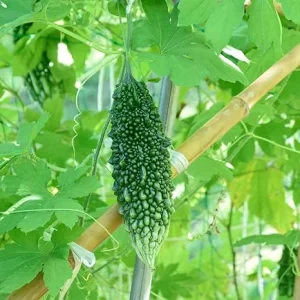
Vegetables
Bitter Melon Live Plants – Set of 2 – 4 to 6 Inch Tall in 4 Inch Pot – Outdoor Vegetable Garden
Sold 98 products
Original price was: $53.98.$26.99Current price is: $26.99.
Sold 72 products
Original price was: $113.60.$56.80Current price is: $56.80.
Sold 63 products
Original price was: $45.98.$22.99Current price is: $22.99.
Sold 58 products
Original price was: $38.99.$18.99Current price is: $18.99.

Sold 73 products
Original price was: $8.36.$4.18Current price is: $4.18.
Sold 53 products
$57.18

Vegetable Seeds
Sugar Pie Pumpkin Seeds – Non-GMO Heirloom Fresh Garden Seeds, Vegetable Type, Full Sun
Sold 83 products
Original price was: $9.16.$4.58Current price is: $4.58.
Sold 100 products
$61.58
Sold 96 products
Original price was: $43.20.$21.60Current price is: $21.60.



Reviews
There are no reviews yet.