
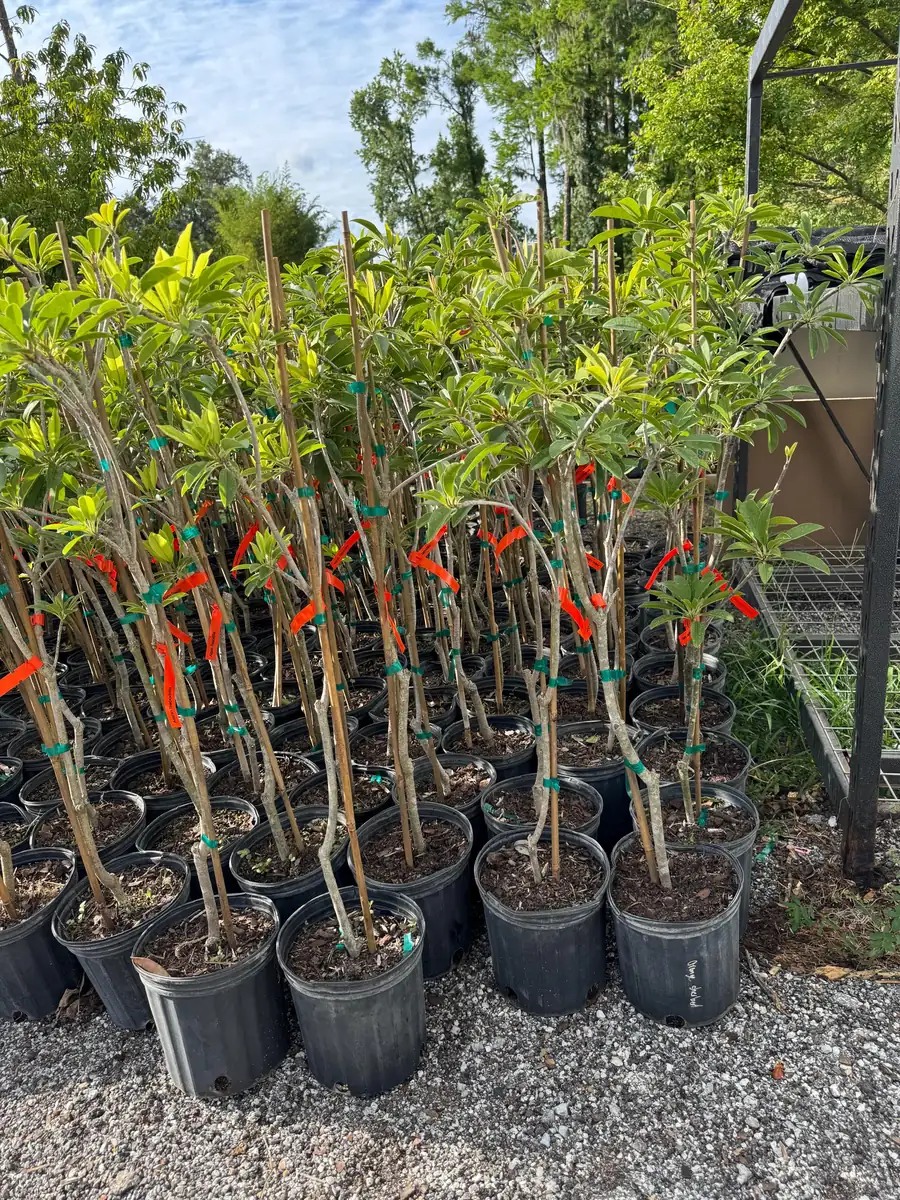
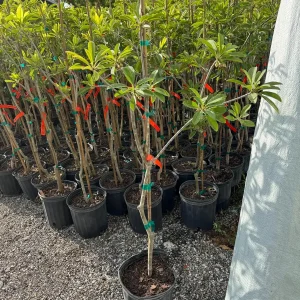
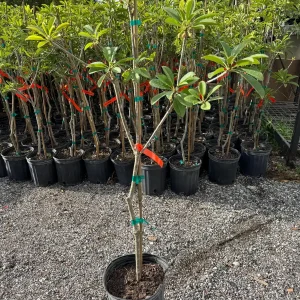
Alano Sapodilla Live Tree – 3 Gallon, 3-4 Feet Tall – Tropical Fruit Plant
Original price was: $230.00.$172.50Current price is: $172.50.
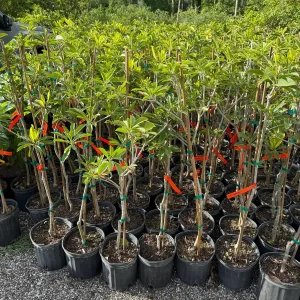
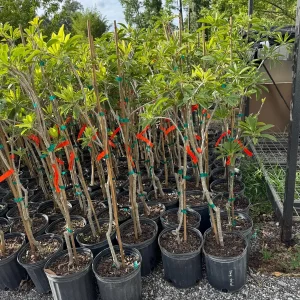
Bring the taste of the tropics to your garden with an Alano Sapodilla live plant. This robust 3-gallon tree, standing 3-4 feet tall, is ready to establish and produce sweet, caramel-flavored fruit. Ideal for warm climates or container growing.
-
USDA Hardiness Zone
USDA Zones 9-11 (or container in colder zones) -
Soil Type
Well-draining, slightly acidic to neutral soil -
Sunlight Exposure
Full sun (6-8+ hours daily) -
Expected Planting Period
Spring to early summer (after last frost)

You can track your order HERE
Mar 01
Mar 06 - Mar 08
Mar 11 - Mar 15
Shipping and return policies: Our Alive & Thrive Guarantee covers issues with your plants within the first 30 days. Reach out to us. Our team will answer your questions and help you find the plants that are truly suitable for your environment, climate, and personal preferences.

Overview
Cultivate a taste of paradise right in your own backyard with this magnificent Alano Sapodilla live plant. Renowned for its exceptionally sweet, pear-shaped fruit with a rich, caramel-like flavor, the Alano Sapodilla (scientifically known as Manilkara zapota ‘Alano’) is a prized tropical fruit tree. This offering is a thriving 3-gallon specimen, standing an impressive 3-4 feet tall, making it a substantial addition to your burgeoning home orchard or a striking feature in a large container. The Alano variety is particularly celebrated for its smooth texture and consistent quality, making it a favorite among tropical fruit connoisseurs. When you choose an Alano Sapodilla live plant, you’re not just buying a tree; you’re investing in years of delicious, homegrown fruit and the unique beauty of a tropical evergreen.
The Sapodilla tree is a beautiful, slow-growing evergreen that can reach considerable heights in its native tropical habitat, but it is also well-suited for container cultivation in cooler climates, allowing you to move it indoors during colder months. Its attractive foliage and highly sought-after fruit make it a rewarding plant for both experienced gardeners and those new to tropical fruit growing. This 3-gallon plant is air-layered, ensuring it retains the desirable characteristics of the parent plant and typically begins fruiting sooner than trees grown from seed.
Key Benefits
Owning an Alano Sapodilla live plant offers a multitude of benefits, from the sheer joy of harvesting your own exotic fruit to enhancing your landscape with its unique beauty. This remarkable tree provides a sustainable source of delicious and nutritious produce, right at your fingertips. Here are some compelling reasons to add this tropical gem to your collection:
- Exceptional Fruit Quality: The ‘Alano’ variety is celebrated for its superior fruit, boasting a uniquely sweet, malty, and caramel-like flavor with a smooth, non-gritty texture. Each fruit is a delightful culinary experience, perfect for eating fresh or incorporating into desserts.
- Homegrown Tropical Delicacy: Enjoy the satisfaction of cultivating your own exotic fruit. Freshly picked Alano Sapodilla live plant fruit often surpasses store-bought varieties in flavor and ripeness, providing a truly gourmet experience.
- Beautiful Evergreen Foliage: Beyond its fruit, the Sapodilla tree is an attractive ornamental plant with glossy, dark green leaves that provide year-round visual appeal. It serves as an excellent focal point in a garden or patio.
- Container-Friendly: For those in cooler climates, the Alano Sapodilla live plant adapts well to container growing, allowing you to protect it from frost while still enjoying its fruits. This flexibility makes tropical fruit cultivation accessible to a wider range of gardeners.
- Nutrient-Rich Fruit: Sapodilla fruit is a good source of dietary fiber, vitamins (like Vitamin C and A), and minerals, contributing to a healthy diet. Growing your own ensures you have access to fresh, chemical-free produce.
- Low Maintenance Once Established: While young trees require some attention, mature Sapodilla tree care is relatively straightforward, making it a rewarding choice for busy gardeners. Its resilience to various conditions makes it a robust addition.
- Unique Garden Addition: Stand out from typical garden plants by adding a tropical flair. The Alano Sapodilla live plant sparks conversation and brings an exotic touch to any outdoor or indoor space.
Plant Care & Growing Tips
Proper Sapodilla tree care is essential for ensuring your Alano Sapodilla live plant thrives and produces abundant, delicious fruit. Sapodillas prefer warm, tropical to subtropical climates and can be sensitive to frost, especially when young. If you live in USDA zones 9-11, you can generally plant your tree directly in the ground. For colder regions, container growing is highly recommended, allowing you to bring the tree indoors during winter months. Choose a location that receives full sun for at least 6-8 hours a day, as adequate sunlight is crucial for fruit development and overall plant health. Well-draining soil is paramount; sapodillas do not tolerate soggy roots. A slightly acidic to neutral pH (6.0-7.0) is ideal. When planting in a container, use a large pot with drainage holes and a high-quality potting mix formulated for tropical plants.
Watering should be consistent, especially during dry periods and when the tree is young. Allow the top few inches of soil to dry out between waterings to prevent root rot, but do not let the tree become completely dry for extended periods. Once established, sapodillas are relatively drought-tolerant, but regular watering will promote better fruit production. Fertilize your Manilkara zapota tree with a balanced slow-release fertilizer designed for fruit trees, following the manufacturer’s instructions. Young trees benefit from more frequent, lighter applications, while mature trees can be fertilized 2-3 times per year. Protect young trees from strong winds and stake them if necessary to ensure straight growth.
Pruning is generally minimal, focused on shaping the tree, removing dead or diseased branches, and maintaining a manageable size, especially for container-grown plants. Light pruning can also encourage bushier growth and improve air circulation. Keep an eye out for common pests, though sapodillas are generally quite hardy. Regular inspection can help you catch any issues early. Understanding proper growing tropical fruit techniques will ensure your Alano Sapodilla flourishes and provides a bountiful harvest for years to come.
Size & Details
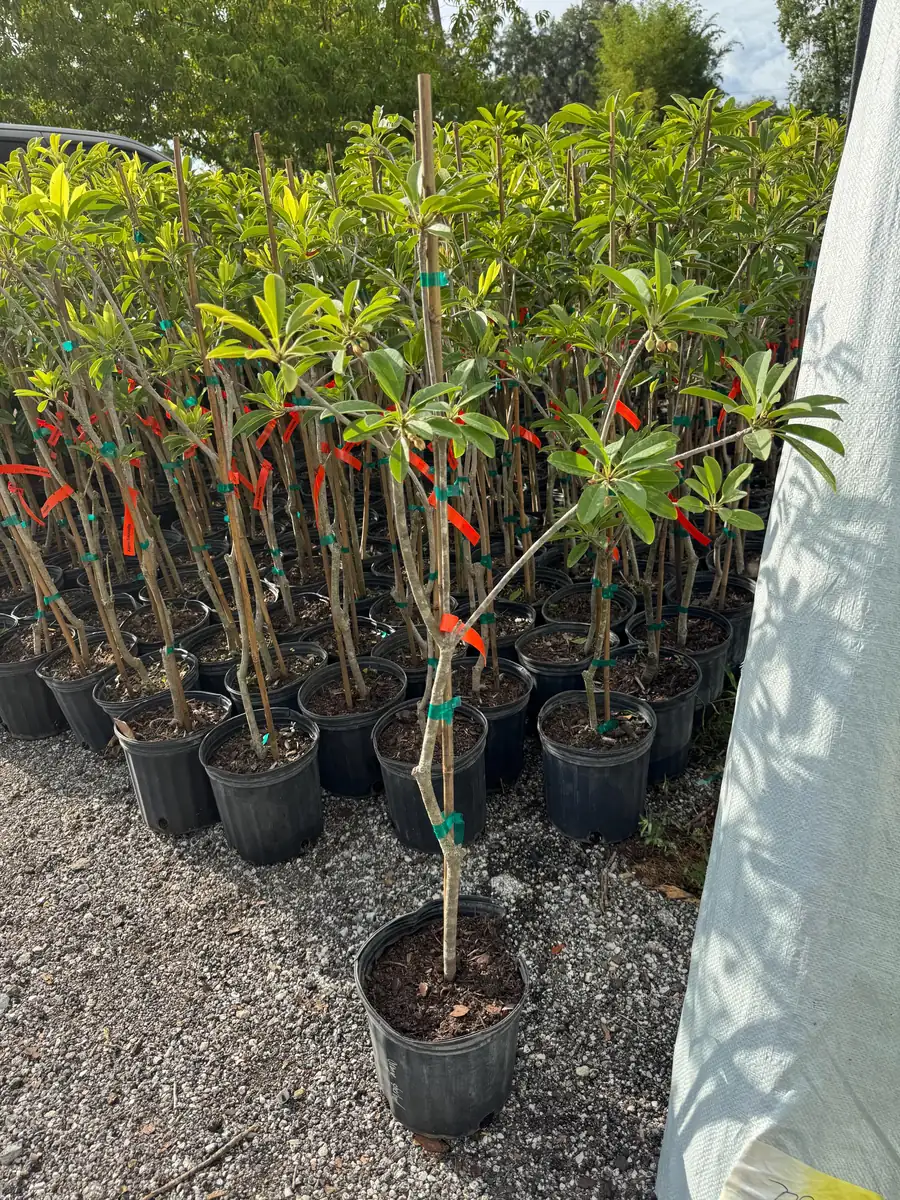
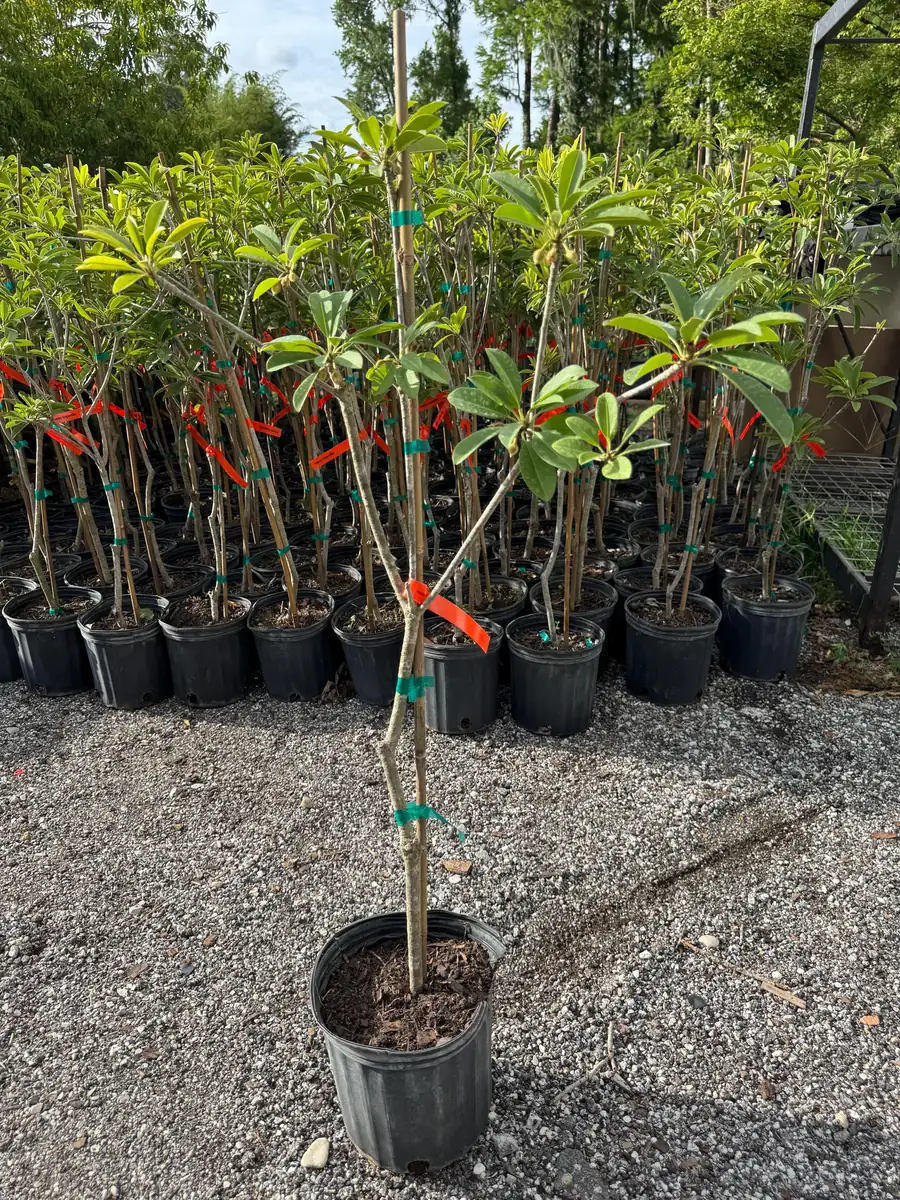
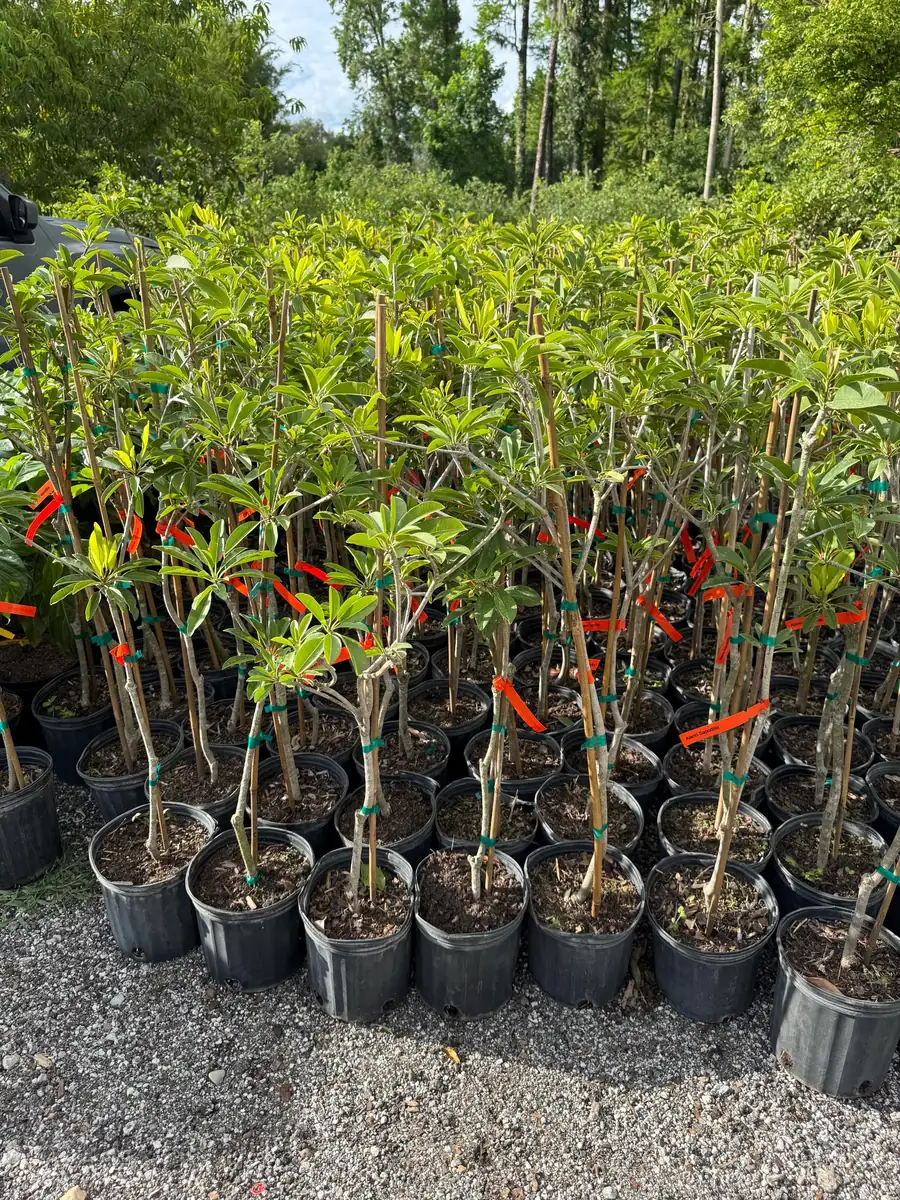
This offering is a healthy and vigorous Alano Sapodilla live plant, approximately 3-4 feet tall, supplied in a 3-gallon nursery pot. This size indicates a well-established root system, providing a robust start for your tropical fruit cultivation. The ‘Alano’ variety is known for its moderate growth rate, eventually reaching heights of 20-30 feet in ideal conditions when planted in the ground, though it can be kept smaller with pruning or when grown in containers. The fruit typically matures 4-6 months after flowering, with trees often producing fruit within 2-4 years of planting from an air-layered specimen. The dense, evergreen foliage provides a lush, tropical aesthetic, making it an attractive specimen even when not fruiting. This tree is air-layered, ensuring it is true to type and will produce the prized ‘Alano’ fruit.
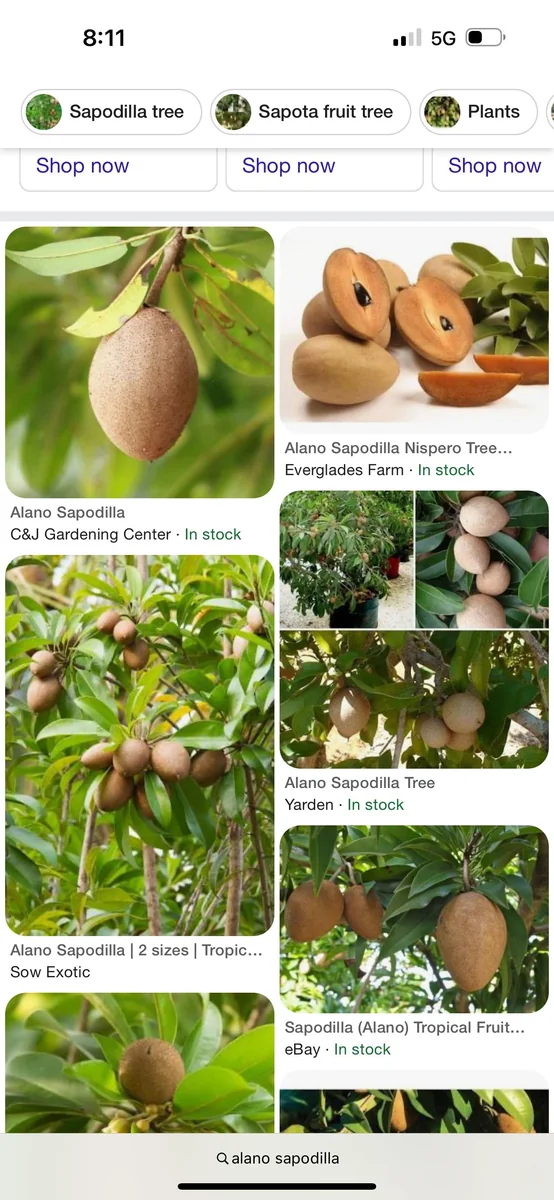
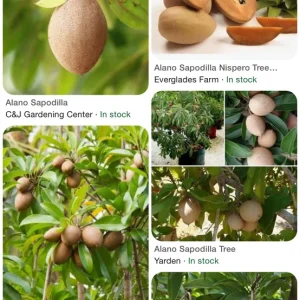
The 3-gallon pot size provides ample space for initial growth, allowing the tree to acclimate to its new environment before needing a larger container or being transplanted into the ground. When considering Alano Sapodilla fruit production, expect a significant yield once the tree reaches maturity, with peak season typically occurring during warmer months. The mature fruit has a brown, somewhat rough skin and a soft, sweet, reddish-brown flesh with a few black seeds.
Frequently Asked Questions
- Q: How big does this Alano Sapodilla live plant get? A: This particular plant is 3-4 feet tall and comes in a 3-gallon pot. When planted in the ground, an Alano Sapodilla tree can eventually reach 20-30 feet tall, but it can be maintained at a smaller size with regular pruning or by growing it in a large container.
- Q: What size pot does it come in? A: The Alano Sapodilla live plant is shipped in a 3-gallon nursery pot, providing a good foundation for its initial growth in your home or garden.
- Q: Is this an indoor or outdoor plant? A: Sapodillas are tropical trees best suited for outdoor planting in USDA Zones 9-11. In colder climates, they can be grown outdoors during warm months and brought indoors as a container plant when temperatures drop. This makes growing tropical fruit possible for many enthusiasts.
- Q: How much sunlight does it need? A: The Alano Sapodilla tree requires full sun, meaning at least 6-8 hours of direct sunlight per day, to thrive and produce the best quality fruit.
- Q: Is this plant easy to care for? A: Once established, Sapodilla tree care is relatively low-maintenance. Young trees require consistent watering and protection from frost, but they are quite resilient and rewarding to grow.
- Q: What condition will it arrive in? A: Your Alano Sapodilla live plant will arrive as a healthy, well-rooted specimen, carefully packaged to ensure its safety during transit. It will be in its 3-gallon nursery pot.
- Q: How long until it blooms and produces Alano Sapodilla fruit? A: Since this is an air-layered tree, it typically starts blooming and fruiting much sooner than a seedling, often within 2-4 years of planting. Fruit maturation takes about 4-6 months after flowering.
- Q: When is the best time to plant? A: The best time to plant your Alano Sapodilla is in the spring or early summer after all danger of frost has passed, allowing it ample time to establish before cooler weather.
- Q: Will it survive winter in my zone? A: If you are in USDA Zones 9-11, it can survive winter outdoors. In colder zones, it must be protected from frost by bringing it indoors or providing adequate winter protection. This is crucial for successful Manilkara zapota tree cultivation in non-tropical regions.
- Q: What type of soil does this tree prefer? A: The Alano Sapodilla thrives in well-draining soil with a slightly acidic to neutral pH (6.0-7.0). Avoid heavy, waterlogged soils.
Be the first to review “Alano Sapodilla Live Tree – 3 Gallon, 3-4 Feet Tall – Tropical Fruit Plant”
People Also Viewed
Sold 53 products
Original price was: $39.98.$19.99Current price is: $19.99.
Sold 84 products
Original price was: $34.00.$27.20Current price is: $27.20.
Sold 93 products
Original price was: $84.00.$67.20Current price is: $67.20.
Sold 86 products
$43.98
Sold 57 products
Original price was: $103.60.$51.80Current price is: $51.80.
Sold 92 products
Original price was: $39.98.$19.99Current price is: $19.99.
Sold 83 products
Original price was: $25.80.$20.64Current price is: $20.64.
Sold 90 products
$35.18
Sold 74 products
Original price was: $22.00.$17.60Current price is: $17.60.
Sold 66 products
Original price was: $500.00.$250.00Current price is: $250.00.
Sold 67 products
Original price was: $39.98.$19.99Current price is: $19.99.
Flower Plants
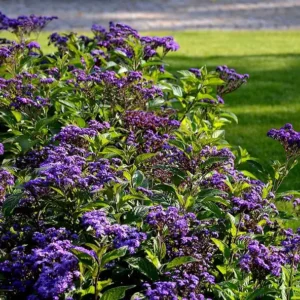
Heliotrope Fragrant Delight Live Plants – Set of 2, 3-6″ Tall, Violet Fragrant Flowers
Sold 52 products
Original price was: $41.97.$13.99Current price is: $13.99.
Sold 65 products
Original price was: $25.56.$12.78Current price is: $12.78.
Sold 85 products
$48.38
Sold 68 products
Original price was: $52.58.$26.29Current price is: $26.29.
Sold 53 products
Original price was: $35.98.$17.99Current price is: $17.99.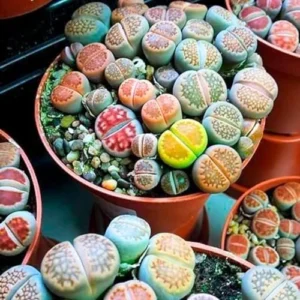
HousePlants
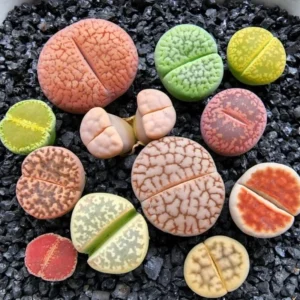
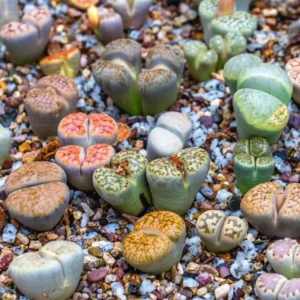
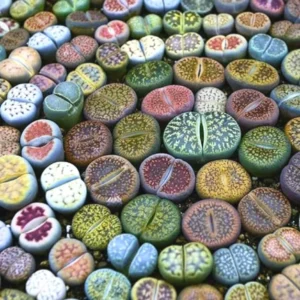
Lithops Live Plants Mix – 30 Colorful Succulents – Living Stones for Indoor/Outdoor Planting
Sold 82 products
Original price was: $65.98.$32.99Current price is: $32.99.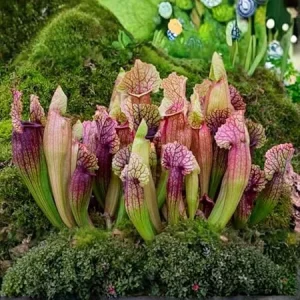
HousePlants
Purple Nepenthes Pitcher Plant Live – Exotic Tropical Houseplant for Indoor/Outdoor Décor
Sold 100 products
$65.98



Reviews
There are no reviews yet.