
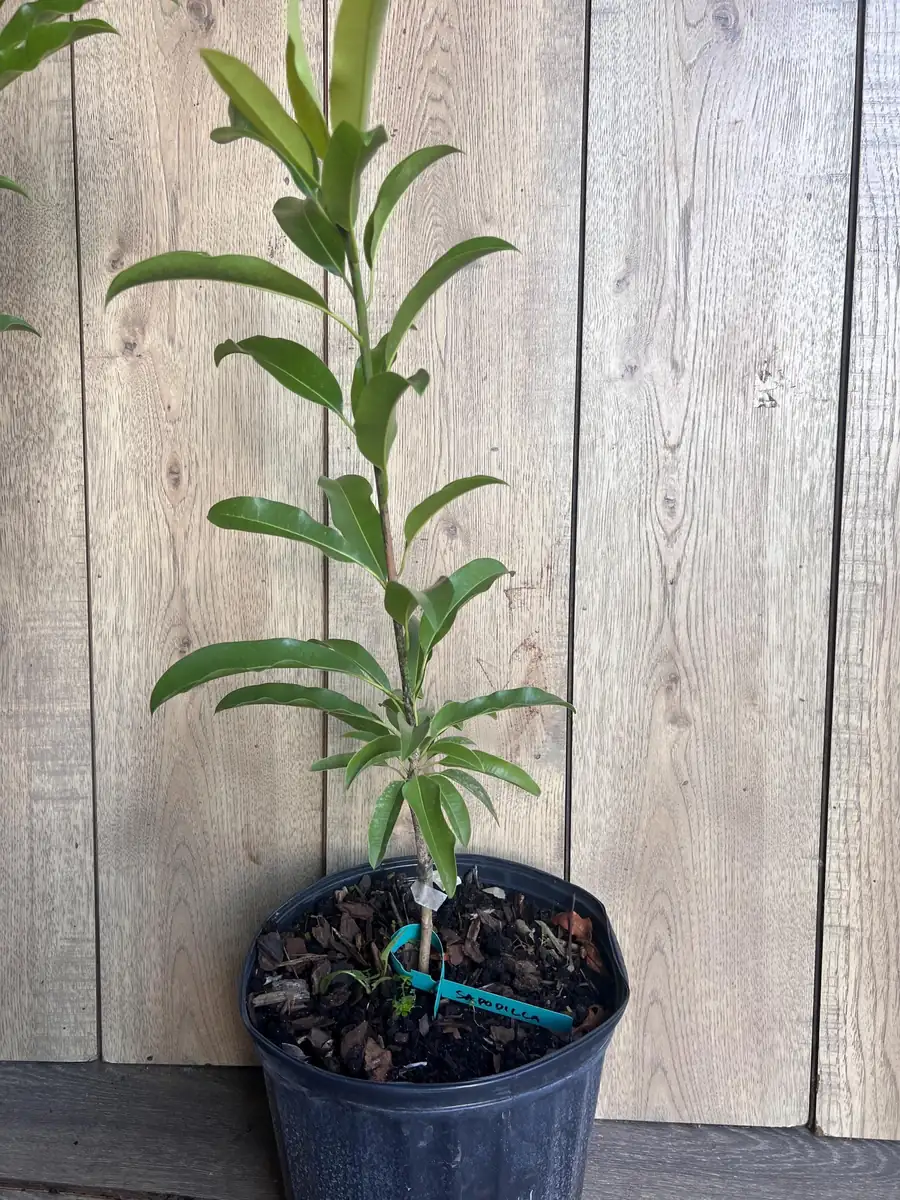
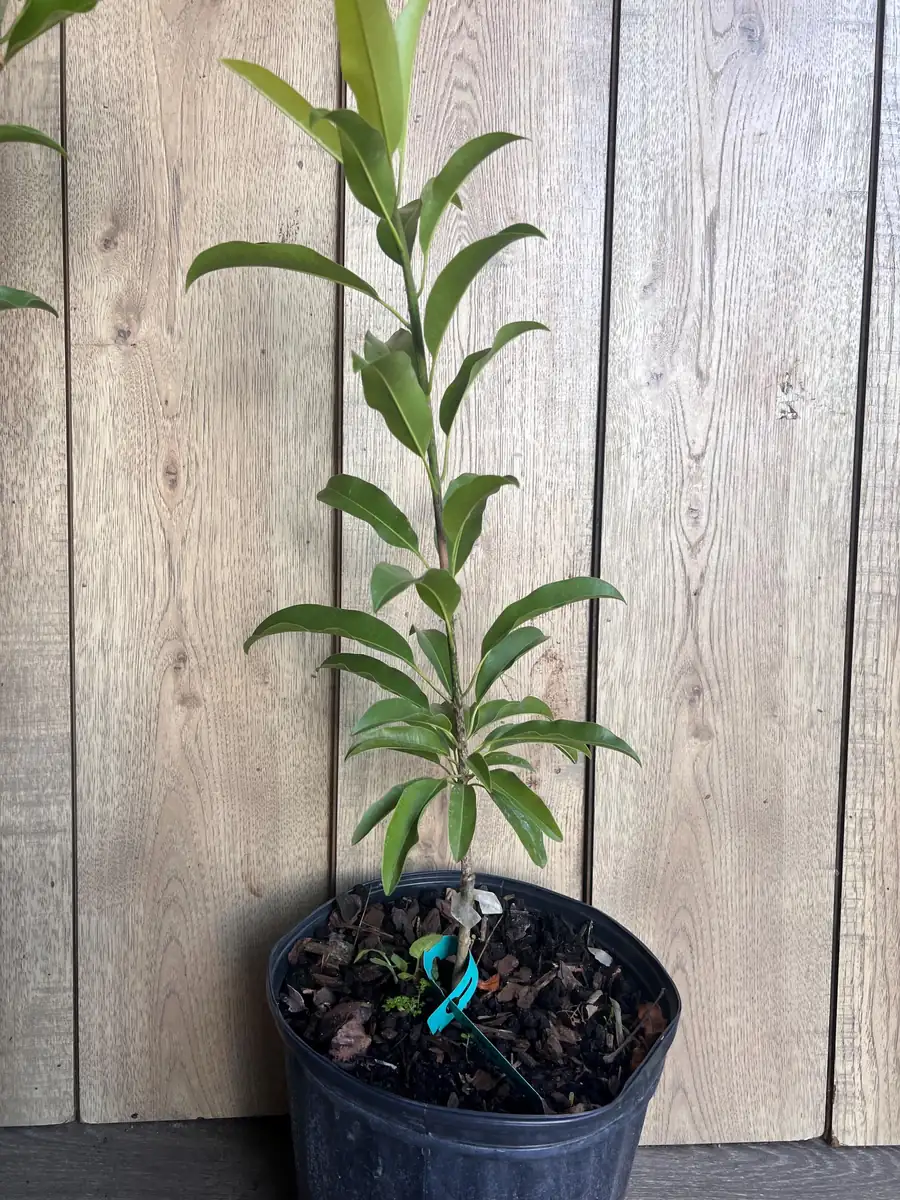
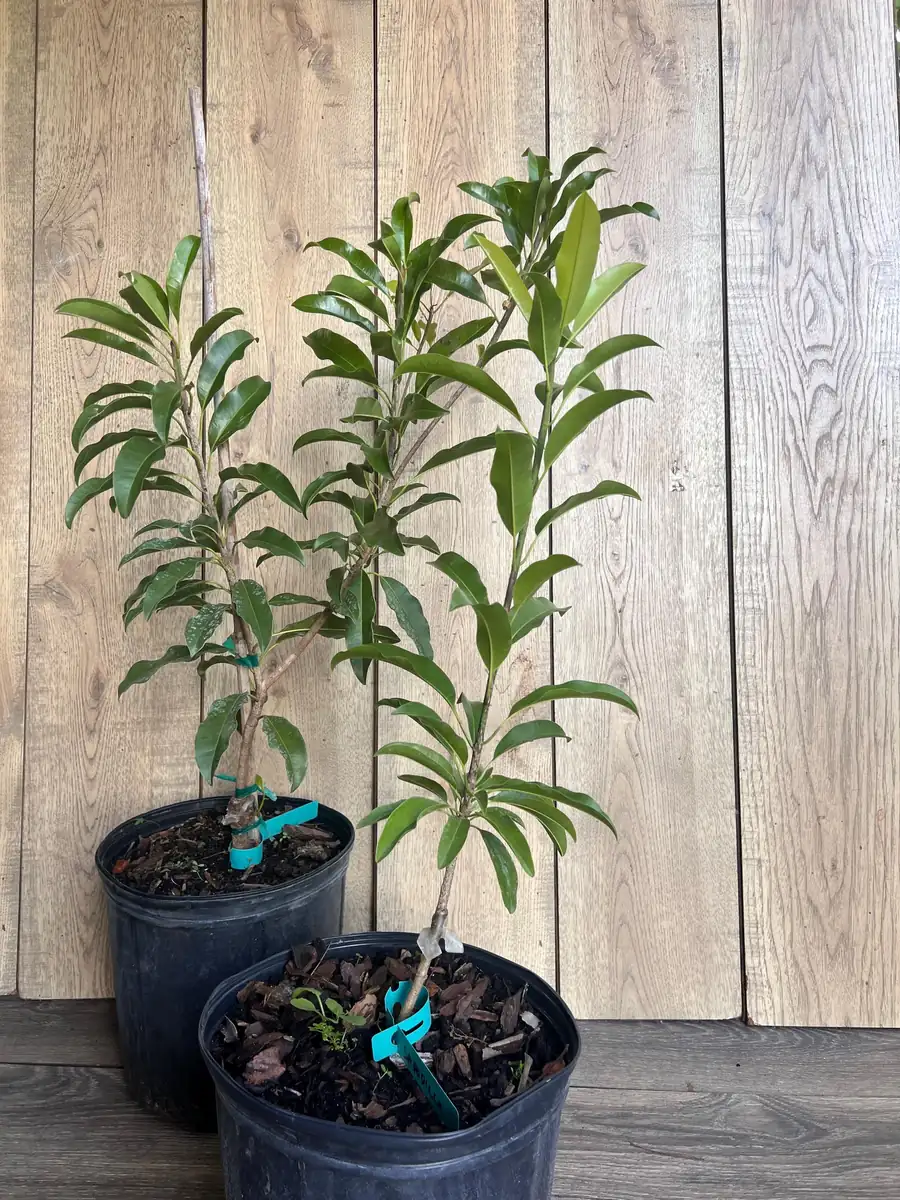
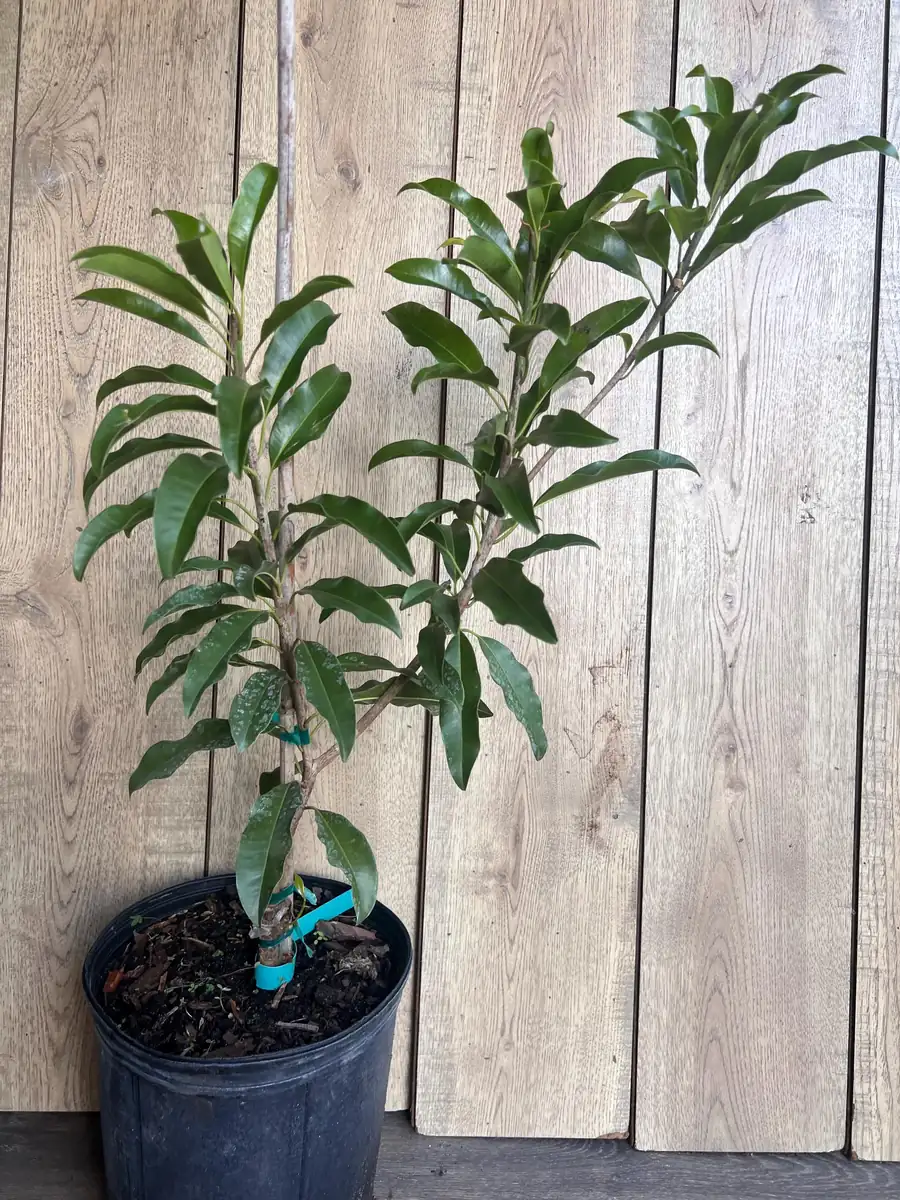
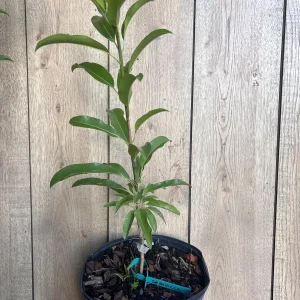
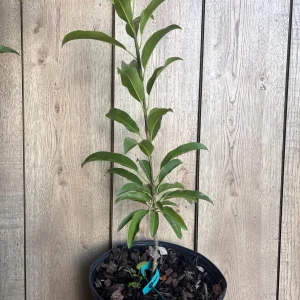
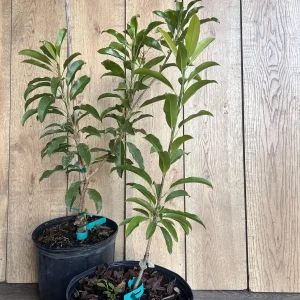
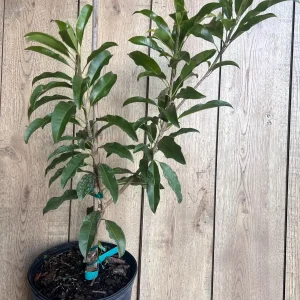
Alano Brown Sugar Sapodilla Live Plant – Grafted, 3 Gallon Pot, Fruiting Tree
Original price was: $213.58.$128.14Current price is: $128.14.
Cultivate your own delicious tropical fruit with this Alano Sapodilla live plant. This grafted brown sugar sapodilla tree comes in a 3 gallon pot, ready to thrive in your garden. Known for its exceptionally sweet, pear-like flavor, it’s perfect for fresh eating or desserts. Enjoy homegrown tropical goodness.
-
USDA Hardiness Zone
USDA zones 9-11 -
Soil Type
Well-draining soil with organic matter -
Sunlight Exposure
Full sun (6-8 hours daily) -
Expected Planting Period
Year-round in warm climates; spring to summer in cooler regions (container growing)

You can track your order HERE
Mar 02
Mar 07 - Mar 09
Mar 12 - Mar 16
Shipping and return policies: Our Alive & Thrive Guarantee covers issues with your plants within the first 30 days. Reach out to us. Our team will answer your questions and help you find the plants that are truly suitable for your environment, climate, and personal preferences.

Overview
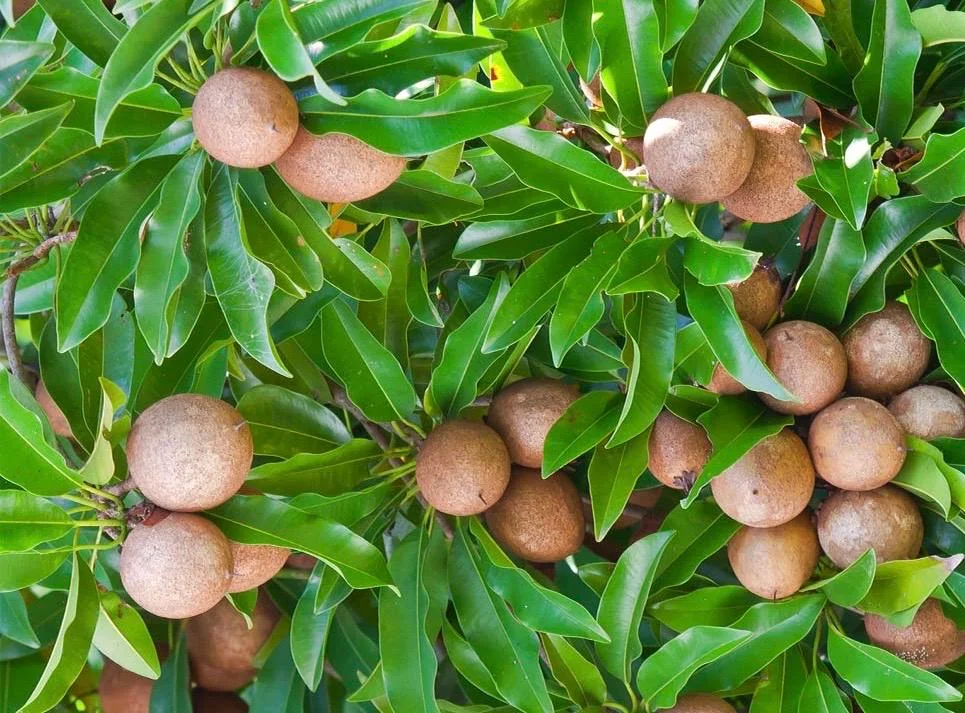
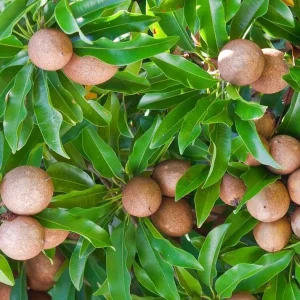
Bring the taste of the tropics to your home with the exquisite Alano Sapodilla live plant. This particular variety, known as Alano Brown Sugar Sapodilla, is highly prized for its incredibly sweet, juicy flesh that truly lives up to its name, offering notes reminiscent of brown sugar and pear. Our plants are grafted, which means you can look forward to earlier fruiting compared to seed-grown trees, allowing you to enjoy your harvest sooner. This beautiful tropical fruit tree is not only a source of delicious produce but also adds a lush, exotic touch to any landscape or large container garden. It’s a fantastic choice for enthusiasts looking to grow unique and flavorful fruits.
The Sapodilla, also known as Sawo, Cheeku, or Lamut in various parts of the world, is a resilient and rewarding tree to grow. Its round, pale brown fruits are a delightful treat, perfect for enjoying fresh, in smoothies, or incorporated into various desserts. Whether you’re an experienced gardener or new to tropical fruit cultivation, this grafted sapodilla plant offers a rewarding experience with its relatively straightforward care requirements and bountiful yield.
Key Benefits
Growing your own Alano Brown Sugar Sapodilla offers a wealth of benefits, from the sheer joy of fresh, homegrown fruit to enhancing your garden’s aesthetic and biodiversity. This tropical fruit tree is a fantastic addition for anyone seeking unique flavors and a touch of the exotic.
- Exceptional Flavor Profile: The Alano variety is renowned for its incredibly sweet, rich, and juicy flesh, often compared to brown sugar with subtle pear undertones. Enjoy a unique taste experience directly from your garden.
- Grafted for Early Fruiting: Our sapodilla plants are expertly grafted, ensuring they establish quickly and begin producing fruit much sooner than trees grown from seed. This means a quicker path to enjoying your harvest.
- High Nutritional Value: Sapodilla fruits are a good source of dietary fiber, vitamins A and C, and various minerals, contributing to a healthy diet.
- Versatile Culinary Use: Perfect for fresh eating, these fruits also excel in smoothies, desserts, jams, and other culinary creations, adding a tropical flair to your recipes.
- Beautiful Ornamental Tree: Beyond its delicious fruit, the brown sugar sapodilla tree features attractive evergreen foliage, providing year-round beauty and shade in your landscape.
- Relatively Low Maintenance: Once established, the sapodilla tree is quite hardy and requires moderate care, making it a rewarding choice for various gardening skill levels.
- Adaptable Growth: While preferring warm climates, this tree can be grown in large containers in cooler regions, allowing you to bring it indoors during colder months.
Plant Care & Growing Tips
Caring for your Alano Sapodilla live plant is crucial for ensuring a healthy tree and abundant fruit production. With proper attention to its basic needs, your tropical fruit tree will thrive. The Alano variety is generally robust, but understanding its specific requirements will lead to the best results.
Sunlight Requirements
The Alano Sapodilla tree thrives in full sun, requiring at least 6-8 hours of direct sunlight daily to produce the sweetest fruits and maintain vigorous growth. For optimal health and fruit development, choose a location in your garden that receives ample sunlight throughout the day. If growing in a container, place it in the sunniest spot available, moving it indoors to a bright, south-facing window or under grow lights if you live in a region with cold winters.
Soil & Watering
Sapodilla care guide emphasizes well-draining soil. This tree prefers a rich, well-draining soil with a pH between 6.0 and 8.0. Enriching your soil with organic matter like compost before planting will provide essential nutrients and improve drainage. When it comes to watering, newly planted trees need consistent moisture; water every other day for the first week, then reduce to once or twice a week as they establish. Mature trees are more drought-tolerant but benefit from deep, infrequent watering, especially during dry spells and fruit development. Avoid waterlogging, as this can lead to root rot.
Temperature & Fertilization
Sapodilla trees are tropical and prefer warm temperatures, ideally between 65-95°F (18-35°C). They are sensitive to frost, so protection is necessary in cooler climates. For USDA zones, they typically thrive in USDA zones 9-11. Fertilize your brown sugar sapodilla tree three times a year: in spring, mid-summer, and fall, using a balanced fertilizer such as a 10-10-10 NPK formula. Follow package instructions for application rates. Pruning should focus on removing dead or diseased branches and shaping the canopy to encourage airflow and fruit production. Leave scaffold branches in pairs for structural support. Mulching around the base of the tree helps retain soil moisture, regulate temperature, and suppress weeds, further aiding in effective sapodilla care guide practices. Monitor for common pests and diseases, addressing any issues promptly, although sapodilla trees are generally quite hardy.
Size & Details
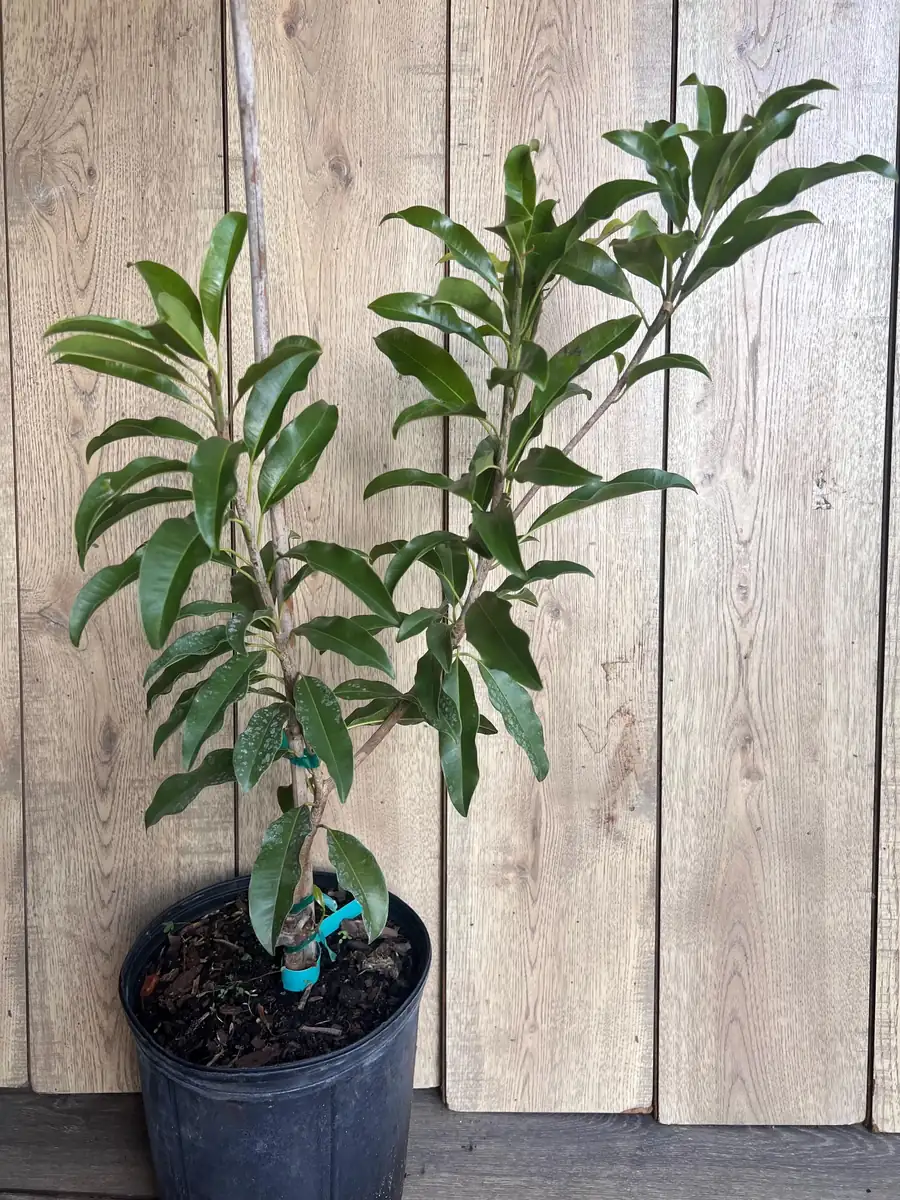
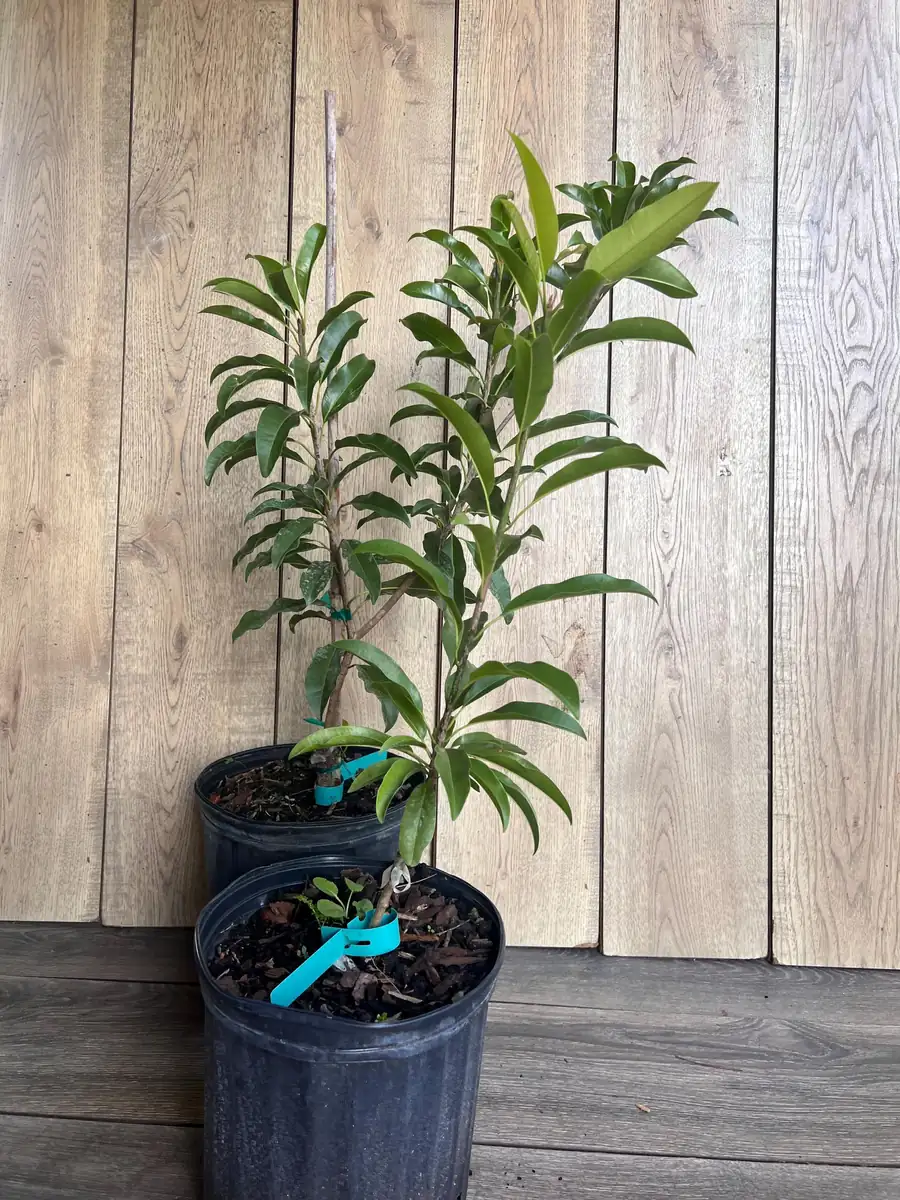
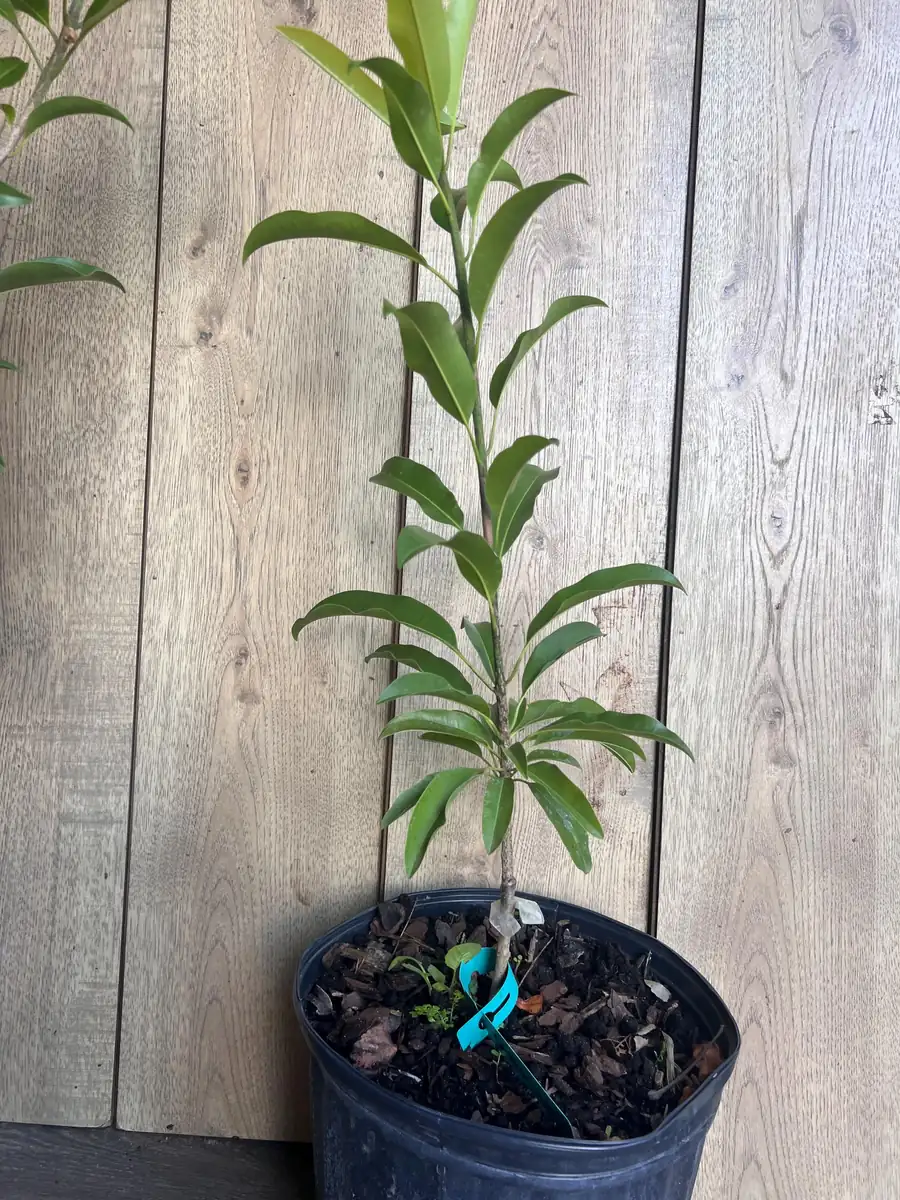
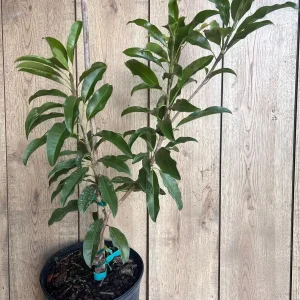
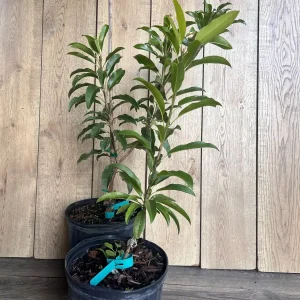
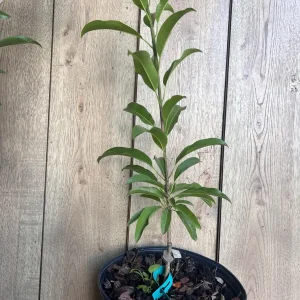
This Alano Sapodilla live plant is a grafted specimen, provided in a 3 gallon pot, ensuring it has a robust root system and a head start on growth. At the time of shipping, the plant typically stands between 2 to 4 feet tall, depending on current growth and pruning. Sapodilla trees are moderate growers, reaching mature heights of 20-30 feet in ideal conditions, though they can be kept smaller with regular pruning or by growing in containers. Grafted trees like this one can begin bearing fruit within 2-4 years after planting, much faster than seed-grown trees which can take 7 years or more. This plant is shipped as a live, actively growing tree, carefully packaged to ensure its safe arrival at your doorstep, ready for planting in your garden or a larger container.
Frequently Asked Questions
- Q: How big does this Alano Sapodilla live plant get? A: In optimal conditions, a mature Alano Sapodilla tree can reach heights of 20-30 feet. However, it can be maintained at a smaller, more manageable size through regular pruning, especially when grown in a large container.
- Q: What size pot does it come in? A: Your grafted sapodilla plant will arrive in a 3 gallon nursery pot, providing a healthy root system and a good start for its growth journey.
- Q: Is this an indoor or outdoor plant? A: The Alano Sapodilla is a tropical fruit tree best suited for outdoor planting in warm climates (USDA Zones 9-11). In cooler regions, it can be grown outdoors during warm months and brought indoors as a container plant during winter.
- Q: How much sunlight does it need? A: This tropical fruit tree requires full sun exposure, meaning at least 6-8 hours of direct sunlight daily, to ensure healthy growth and optimal fruit production.
- Q: Is this plant easy to care for? A: Once established, the Alano Sapodilla is considered relatively easy to care for, requiring consistent watering, well-draining soil, and periodic fertilization. Our sapodilla care guide in the description provides detailed instructions.
- Q: What condition will it arrive in? A: Your plant will arrive as a healthy, actively growing tree in its 3 gallon pot, carefully packaged to minimize stress during transit. Some leaf drop may occur due to shipping shock, but the plant will recover quickly.
- Q: How long until it blooms and produces fruit? A: Since this is a grafted brown sugar sapodilla tree, you can expect it to begin blooming and producing fruit within 2-4 years after planting, significantly faster than seed-grown sapodillas.
- Q: What’s the minimum temperature this tree can tolerate? A: Sapodilla trees are very sensitive to frost. They thrive in temperatures above 60°F (15°C) and can be damaged or killed by temperatures below 30°F (-1°C). Protection or indoor relocation is necessary in areas with cold winters.
- Q: Can I grow this grafted sapodilla plant in a large container? A: Yes, the Alano Sapodilla can be successfully grown in a large container (20+ gallons recommended for mature trees) if you wish to move it indoors during colder months or manage its size.
- Q: What kind of soil does it prefer? A: This tree prefers well-draining soil rich in organic matter, with a pH ranging from 6.0 to 8.0.
Be the first to review “Alano Brown Sugar Sapodilla Live Plant – Grafted, 3 Gallon Pot, Fruiting Tree”
People Also Viewed
HousePlants
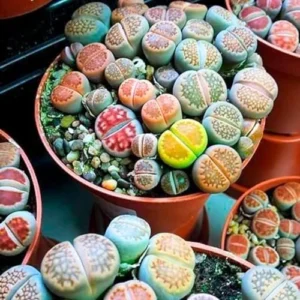
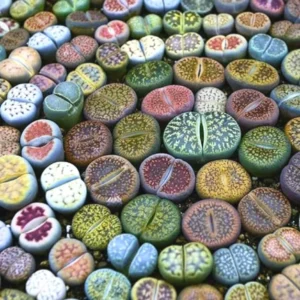
Lithops Live Plants Mix – 30 Colorful Succulents – Living Stones for Indoor/Outdoor Planting
Sold 92 products
Original price was: $65.98.$32.99Current price is: $32.99.
Sold 60 products
Original price was: $29.30.$17.58Current price is: $17.58.
Sold 73 products
Original price was: $107.98.$53.99Current price is: $53.99.
Sold 64 products
Original price was: $31.96.$15.98Current price is: $15.98.
Sold 80 products
From $53.56
Sold 86 products
Original price was: $48.08.$24.04Current price is: $24.04.
Sold 75 products
Original price was: $63.96.$31.98Current price is: $31.98.
Sold 71 products
Original price was: $210.00.$157.50Current price is: $157.50.
Sold 62 products
Original price was: $24.35.$7.74Current price is: $7.74.
Sold 69 products
Original price was: $47.98.$23.99Current price is: $23.99.
Sold 88 products
Original price was: $71.80.$35.90Current price is: $35.90.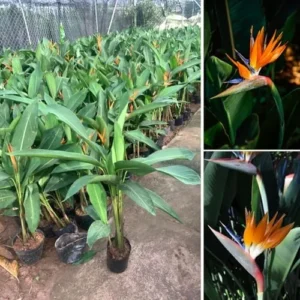
Flower Plants
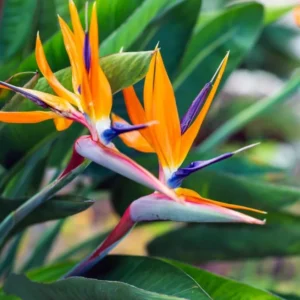
Orange Bird of Paradise Live Plant – 5-10 Inch Tropical Strelitzia Reginae Outdoor Plant
Sold 89 products
Original price was: $35.98.$17.99Current price is: $17.99.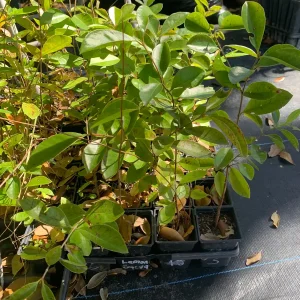
Sold 60 products
Original price was: $116.00.$58.00Current price is: $58.00.
Sold 58 products
Original price was: $39.98.$31.98Current price is: $31.98.

Sold 56 products
Original price was: $44.76.$22.38Current price is: $22.38.
Sold 99 products
Original price was: $43.98.$30.78Current price is: $30.78.
Sold 100 products
Original price was: $51.96.$25.98Current price is: $25.98.
Sold 90 products
Original price was: $59.98.$41.98Current price is: $41.98.


Reviews
There are no reviews yet.