
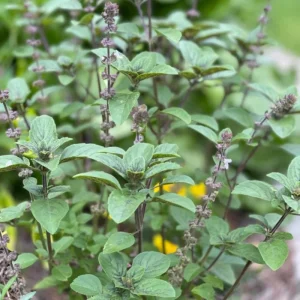
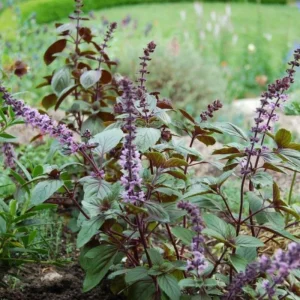
African Blue Basil Live Plant – Hardy Perennial Herb in 4 Inch Pot
Original price was: $37.98.$20.49Current price is: $20.49.
Bring home a vibrant African Blue Basil live plant, a unique and flavorful herb. This hardy perennial basil thrives in gardens and containers, offering aromatic leaves perfect for culinary and ornamental use. Arrives in a 4 inch pot, ready to grow.
-
USDA Hardiness Zone
USDA Zones 9–11 (Perennial), Annual (Cooler Climates) -
Soil Type
Well-draining soil -
Sunlight Exposure
Full sun to partial shade -
Expected Planting Period
Spring to early summer (outdoors), Year-round (indoors)

You can track your order HERE
Mar 16
Mar 21 - Mar 23
Mar 26 - Mar 30
Shipping and return policies: Our Alive & Thrive Guarantee covers issues with your plants within the first 30 days. Reach out to us. Our team will answer your questions and help you find the plants that are truly suitable for your environment, climate, and personal preferences.

Overview
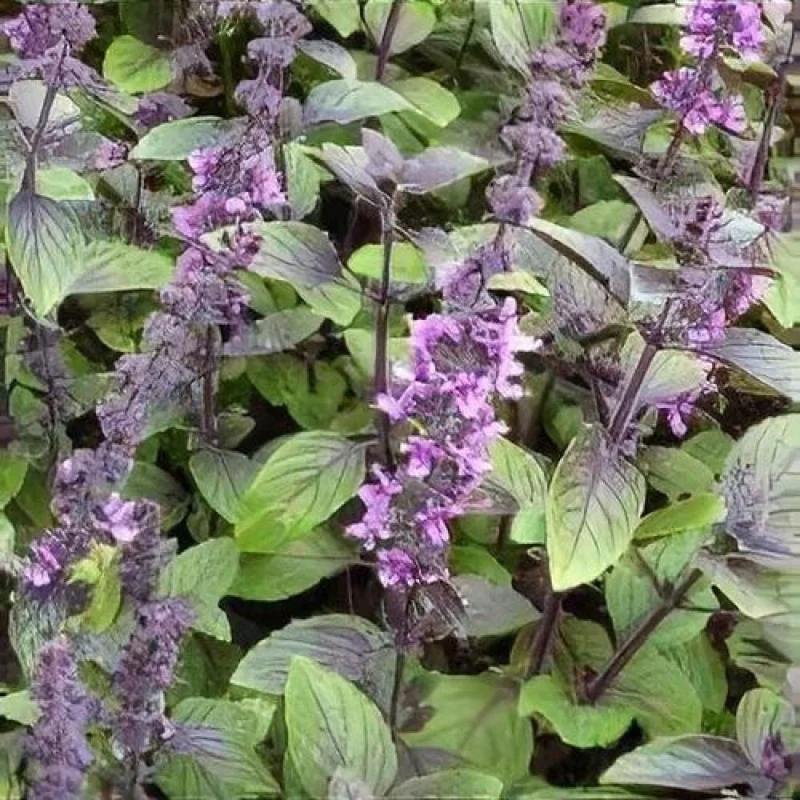
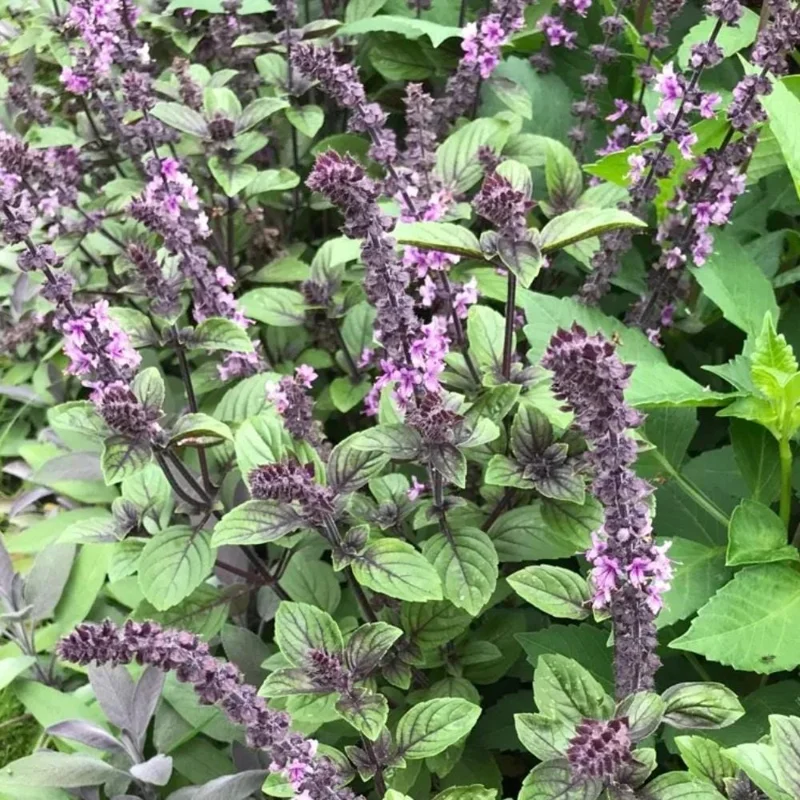
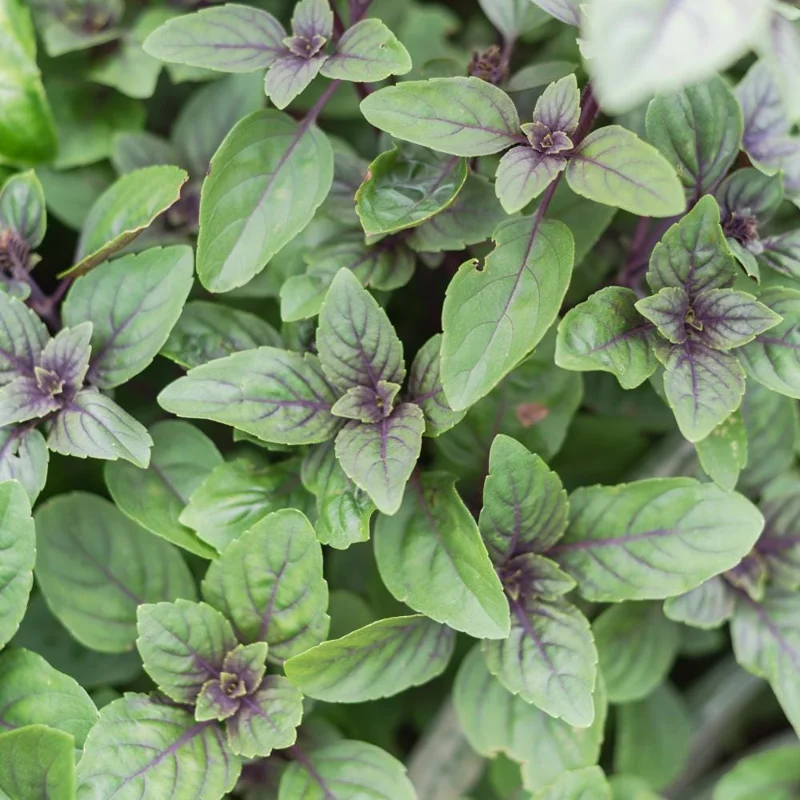
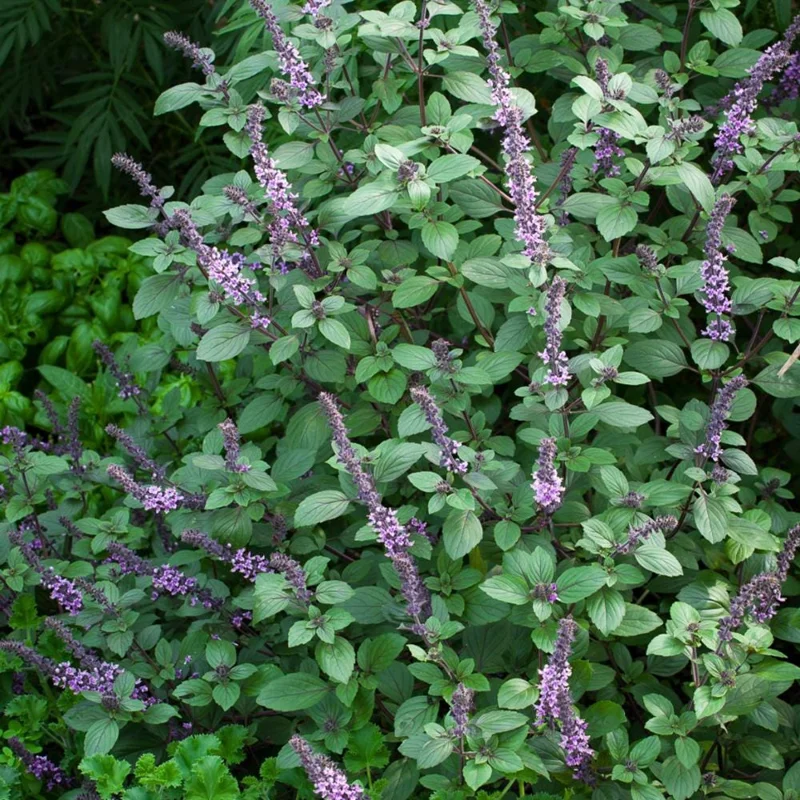
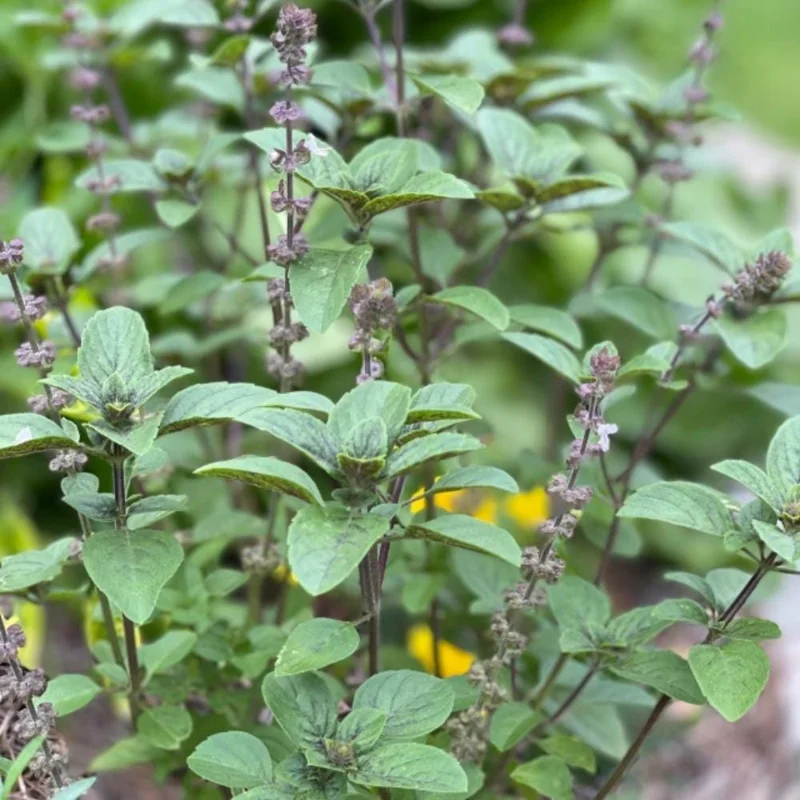
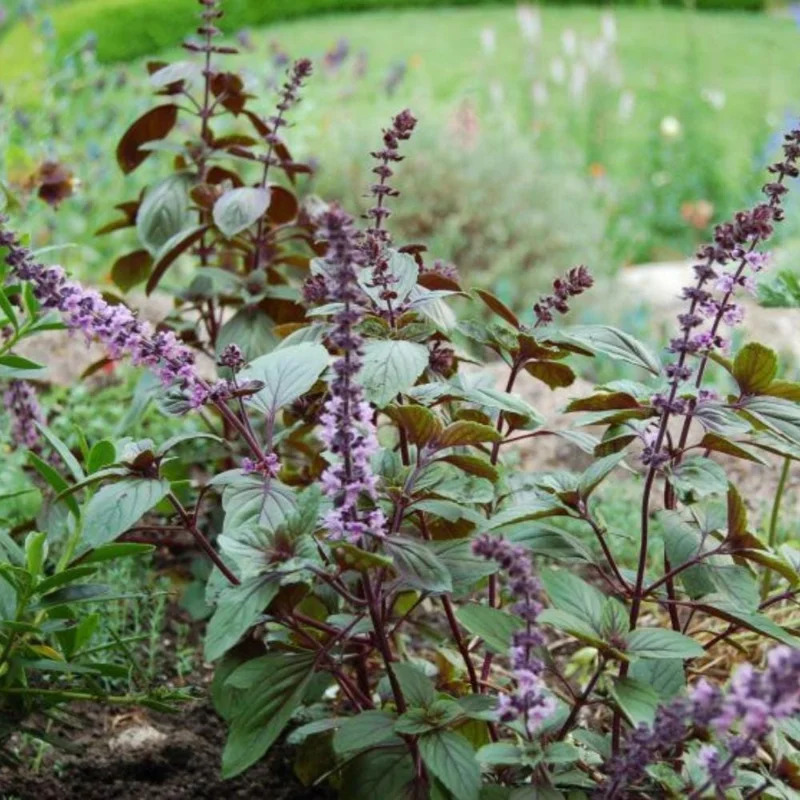
Discover the joy of growing your own African Blue Basil live plant, a distinctive and highly aromatic herb that stands apart from common basil varieties. This particular basil is a naturally occurring hybrid, cherished for its robust flavor, beautiful purple-veined green leaves, and its ability to grow as a hardy perennial basil in warmer climates. Unlike annual basils that fade with the first frost, this long-lived plant continues to produce its fragrant foliage, making it a valuable addition to any herb garden. Your starter plant arrives well-rooted in a 4-inch pot, ready to be transplanted and flourish in your garden, raised bed, or favorite container. It’s an excellent choice for both culinary enthusiasts and those looking to add an ornamental yet edible plant to their landscape.
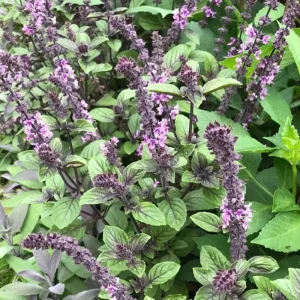
The African Blue Basil live plant is renowned for its strong, spicy basil aroma, which is often described as a blend of traditional basil, mint, and camphor. This unique scent makes it a fantastic culinary herb for teas, pestos, salads, and more. Beyond the kitchen, its attractive appearance with dark stems and occasional lavender flowers adds significant aesthetic value. It’s a low-maintenance herb that adapts well to various growing conditions, providing a continuous harvest of fresh, aromatic leaves. Whether you’re an experienced gardener or just starting, this resilient and rewarding plant is sure to become a favorite.
Key Benefits
The African Blue Basil live plant offers a multitude of benefits that make it a standout choice for home gardeners:
- Continuous Harvest: Unlike annual basil varieties, this is a hardy perennial basil in USDA Zones 9–11, meaning it can provide fresh leaves year after year, significantly extending your harvesting season. Even in cooler climates, it performs exceptionally well as a vigorous annual.
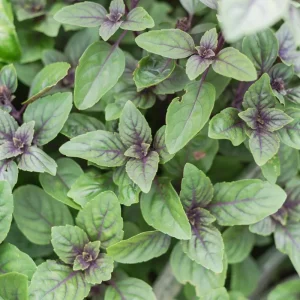
- Exceptional Flavor & Aroma: Known for its strong, spicy, and slightly camphor-like aroma, its deep green-purple leaves are perfect for enhancing a wide range of dishes, from pestos and sauces to salads and herbal teas.
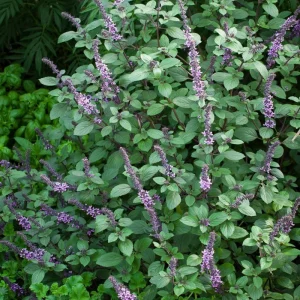
- Beautiful Ornamental Value: With its striking dark stems, purple-tinged leaves, and attractive lavender flower spikes, the blue basil herb adds a beautiful visual element to herb gardens, mixed borders, and container arrangements. It can also attract beneficial pollinators.
- Easy to Grow & Low Maintenance: This robust plant is remarkably forgiving and requires minimal fuss. It thrives with basic care, making it an excellent option for beginner gardeners or those seeking a resilient, productive herb.
- Versatile Culinary Use: The unique flavor profile of African Blue Basil live plant makes it incredibly versatile. Use it fresh in salads, muddle it into drinks, infuse oils, or dry it for long-term storage to enjoy its distinct taste all year round.
- Pollinator Magnet: Its continuous flowering attracts bees and other beneficial insects to your garden, contributing to a healthier ecosystem and potentially improving yields for other fruiting plants.
Plant Care & Growing Tips
Caring for your African Blue Basil live plant is straightforward, ensuring a bountiful harvest of aromatic leaves. This herb thrives in conditions that mimic its warm, sunny origins. For optimal growth, plant your basil in a location that receives full sun, meaning at least 6-8 hours of direct sunlight per day. While it can tolerate partial shade, especially in hotter climates, too little sun will result in leggy growth and reduced flavor intensity. When considering growing African Blue Basil, ensure good air circulation around the plant to prevent fungal issues.
Watering is crucial for healthy basil. Keep the soil consistently moist but never waterlogged. Allow the top inch of soil to dry slightly between waterings, then water deeply until it drains from the bottom of the pot or soaks into the garden bed. Overwatering can lead to root rot, while underwatering can cause wilting and stress. Well-draining soil is essential; a good quality potting mix for containers or amended garden soil with organic matter will provide the ideal environment. The plant is a hardy perennial basil in USDA Zones 9–11, but in cooler zones, it’s best grown as an annual or brought indoors before the first frost. Pinching back the growing tips regularly not only encourages a bushier habit but also delays flowering, which helps channel the plant’s energy into leaf production, enhancing the flavor of your blue basil herb. Fertilize sparingly with a balanced liquid fertilizer every 4-6 weeks during the growing season, or incorporate slow-release granules into the soil at planting time. Watch out for common pests like aphids or spider mites, and treat them with organic insecticidal soap if necessary.
Size & Details
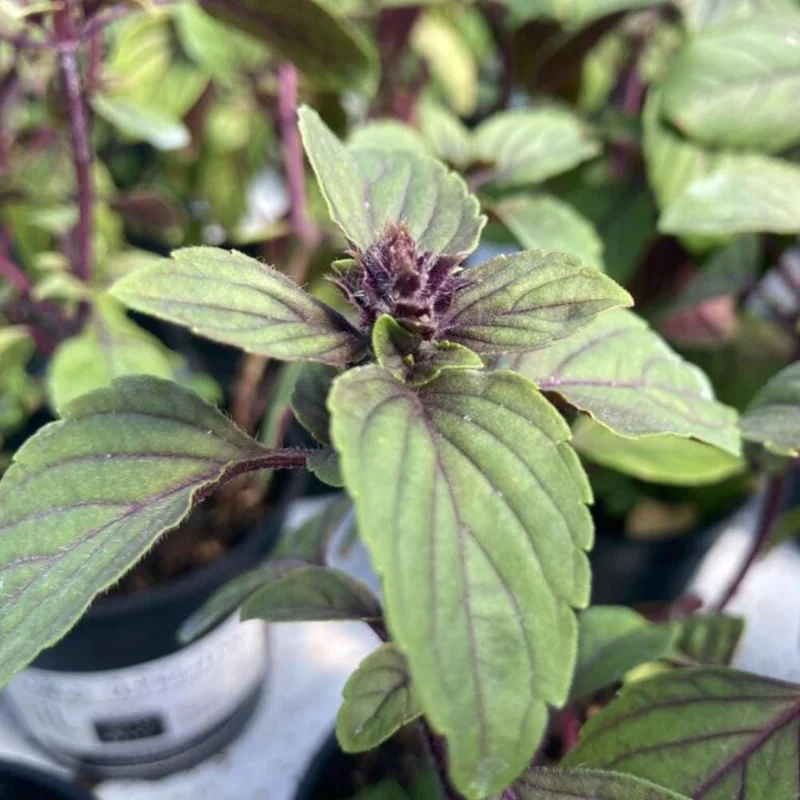
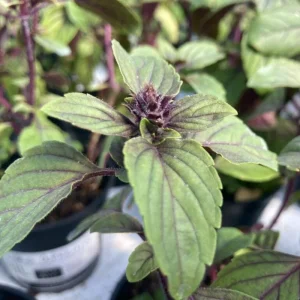
This offering is for a vibrant African Blue Basil live plant, which arrives as a well-rooted starter plant in a 4 inch pot. Upon arrival, you can expect the plant to be approximately 5 to 8 inches tall, with a bushy, upright growth habit, ready for transplanting into a larger container or directly into your garden. As a hardy perennial basil in warmer climates (USDA Zones 9–11), it can grow quite large, reaching up to 3-4 feet tall and wide if left unpruned. In cooler climates, it’s typically grown as a vigorous annual that can still achieve significant size during the growing season. This plant is known for its relatively fast growth rate under ideal conditions, providing a quick return on your gardening efforts. It will develop its characteristic deep green-purple leaves and eventually produce attractive lavender flower spikes, which are also edible and attractive to pollinators. The robust root system ensures a strong start for your new herb. For anyone interested in growing African Blue Basil, this starter size provides an excellent foundation.
Frequently Asked Questions
- Q: How big does this African Blue Basil live plant get? A: When grown as a perennial in USDA Zones 9-11, it can reach 3-4 feet in height and width. As an annual in cooler climates, it typically grows to 1.5-2 feet tall and wide during the growing season.
- Q: What size pot does it come in? A: The African Blue Basil live plant is shipped in a 4 inch pot, providing a healthy root system for easy transplanting into your garden or a larger container.
- Q: Is this an indoor or outdoor plant? A: It can be grown both indoors and outdoors. It thrives outdoors in full sun during warm months. In regions colder than USDA Zone 9, it’s best grown as an annual outdoors or brought inside during winter as a houseplant.
- Q: How much sunlight does it need? A: This plant requires at least 6-8 hours of direct sunlight per day for optimal growth and flavor. It can tolerate partial shade, especially in very hot climates, but full sun is preferred.
- Q: Is this plant easy to care for? A: Yes, African Blue Basil care is relatively easy. It’s a low-maintenance herb that is robust and forgiving, making it suitable for gardeners of all experience levels. Regular watering and pinching are the main requirements.
- Q: What condition will it arrive in? A: Your plant will arrive as a well-rooted starter plant, typically 5-8 inches tall, in its 4-inch nursery pot, ready for you to plant. We ensure it’s packed securely for safe transit.
- Q: Can I use this blue basil herb in cooking? A: Absolutely! African Blue Basil live plant has a strong, spicy, and distinct flavor profile that is excellent for teas, pestos, salads, and various other culinary applications where you want a bold basil taste.
- Q: Will it survive winter in my zone? A: It is a hardy perennial basil in USDA Zones 9–11. In zones colder than 9, it will not survive outdoor winter temperatures and should be grown as an annual or overwintered indoors.
- Q: When is the best time to plant? A: For outdoor planting, the best time is after all danger of frost has passed in spring. If growing indoors, it can be planted year-round.
- Q: Is it good for beginners? A: Yes, its resilience and straightforward care requirements make growing African Blue Basil a highly rewarding experience for beginner gardeners.
Be the first to review “African Blue Basil Live Plant – Hardy Perennial Herb in 4 Inch Pot”
People Also Viewed
Sold 51 products
Original price was: $64.80.$32.40Current price is: $32.40.
Sold 100 products
Original price was: $39.96.$19.98Current price is: $19.98.
Sold 59 products
Original price was: $47.96.$23.98Current price is: $23.98.
Sold 84 products
Original price was: $44.99.$24.99Current price is: $24.99.
Sold 77 products
From $41.99
Sold 61 products
$43.98
Sold 51 products
Original price was: $66.00.$52.80Current price is: $52.80.
Sold 61 products
Original price was: $391.96.$195.98Current price is: $195.98.
Sold 77 products
Original price was: $38.36.$19.18Current price is: $19.18.
Sold 70 products
From $43.80
Flower Plants
African Violet Live Plant – White Flower Houseplant – 4 Inch Pot – Ready to Grow Indoor
Sold 54 products
Original price was: $79.98.$39.99Current price is: $39.99.
Sold 57 products
$65.98
Sold 76 products
Original price was: $18.76.$9.38Current price is: $9.38.
Sold 84 products
Original price was: $70.36.$35.18Current price is: $35.18.
Sold 73 products
From $71.80
Sold 78 products
Original price was: $391.96.$195.98Current price is: $195.98.
Sold 77 products
Original price was: $47.58.$23.79Current price is: $23.79.
Sold 72 products
Original price was: $130.00.$104.00Current price is: $104.00.


Reviews
There are no reviews yet.