
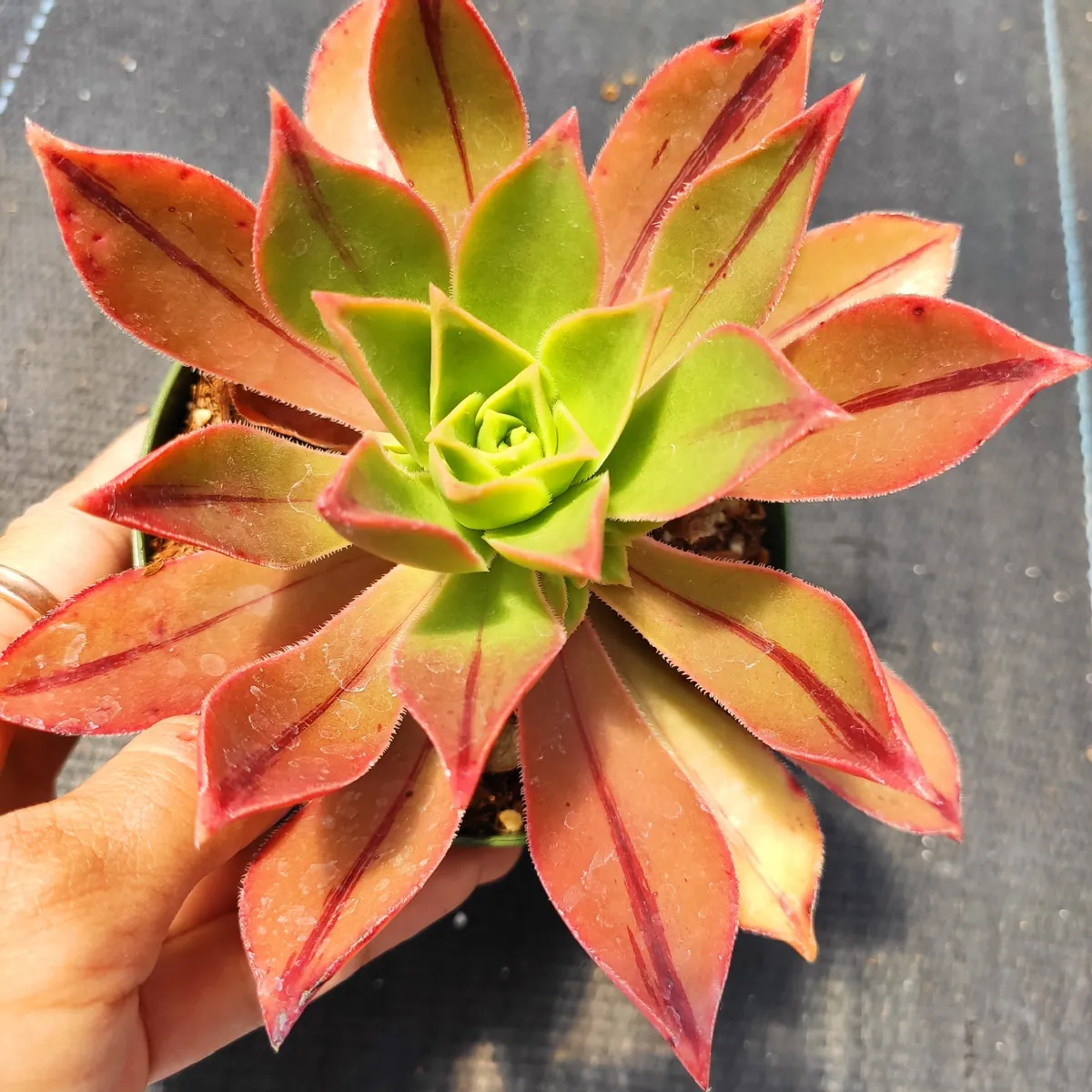
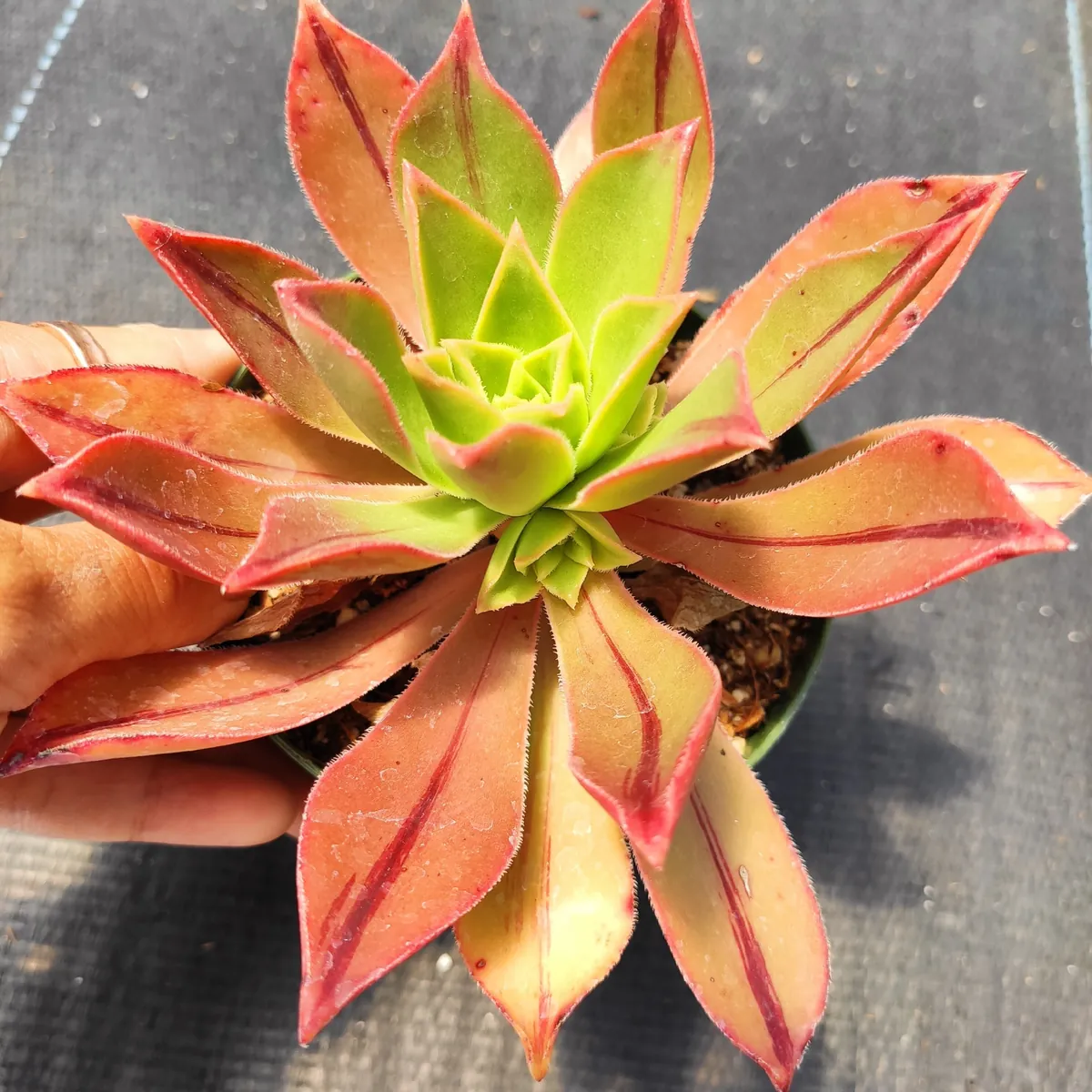
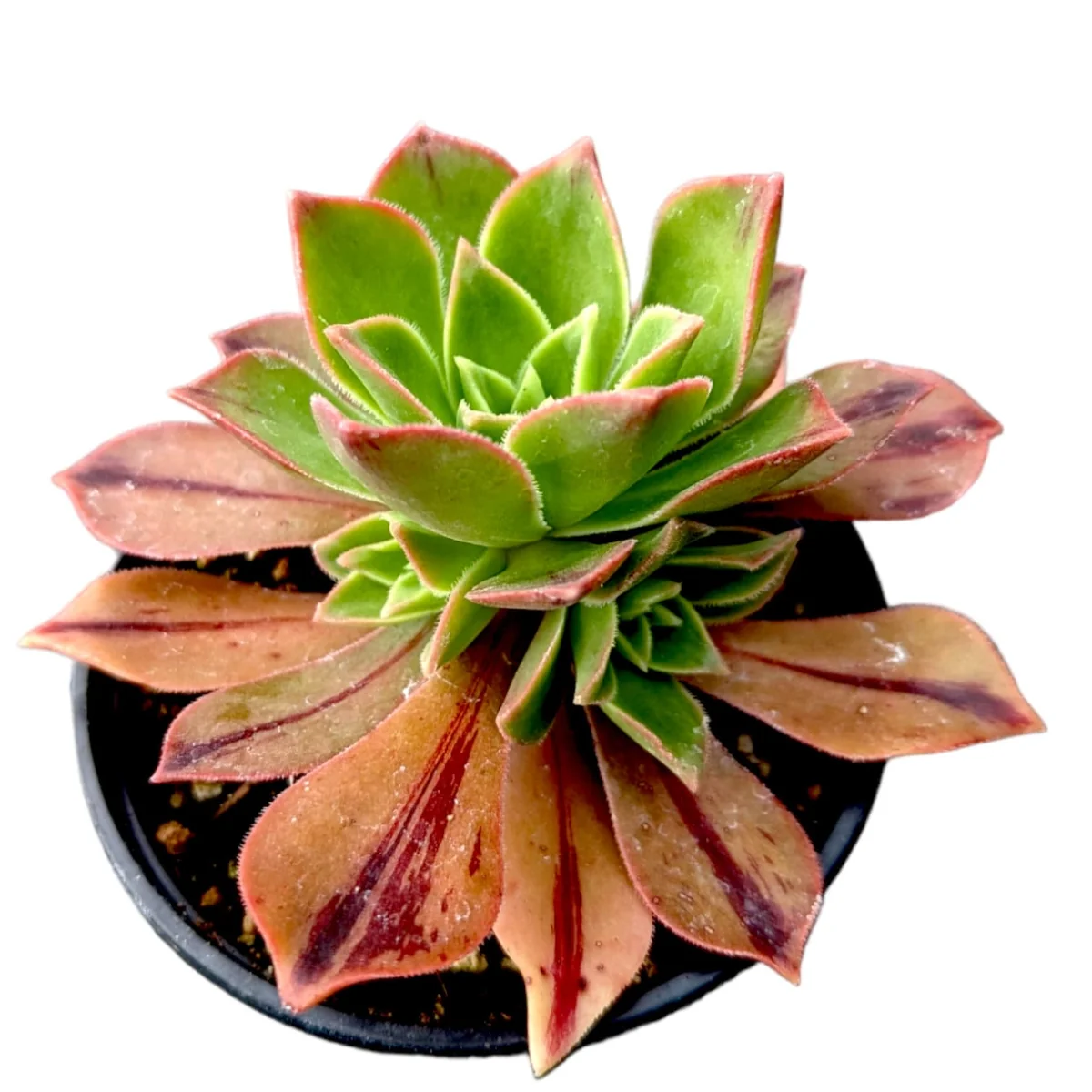
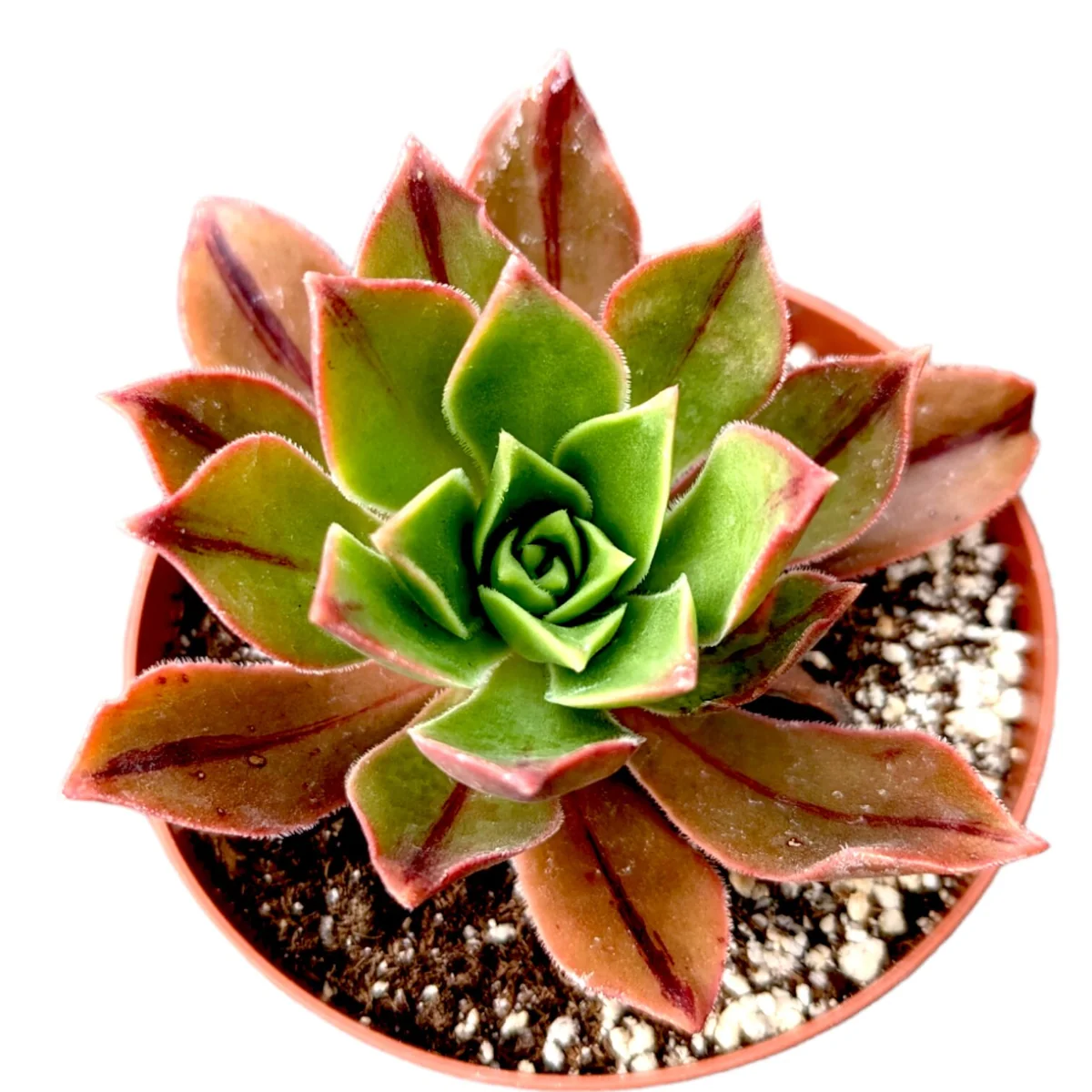
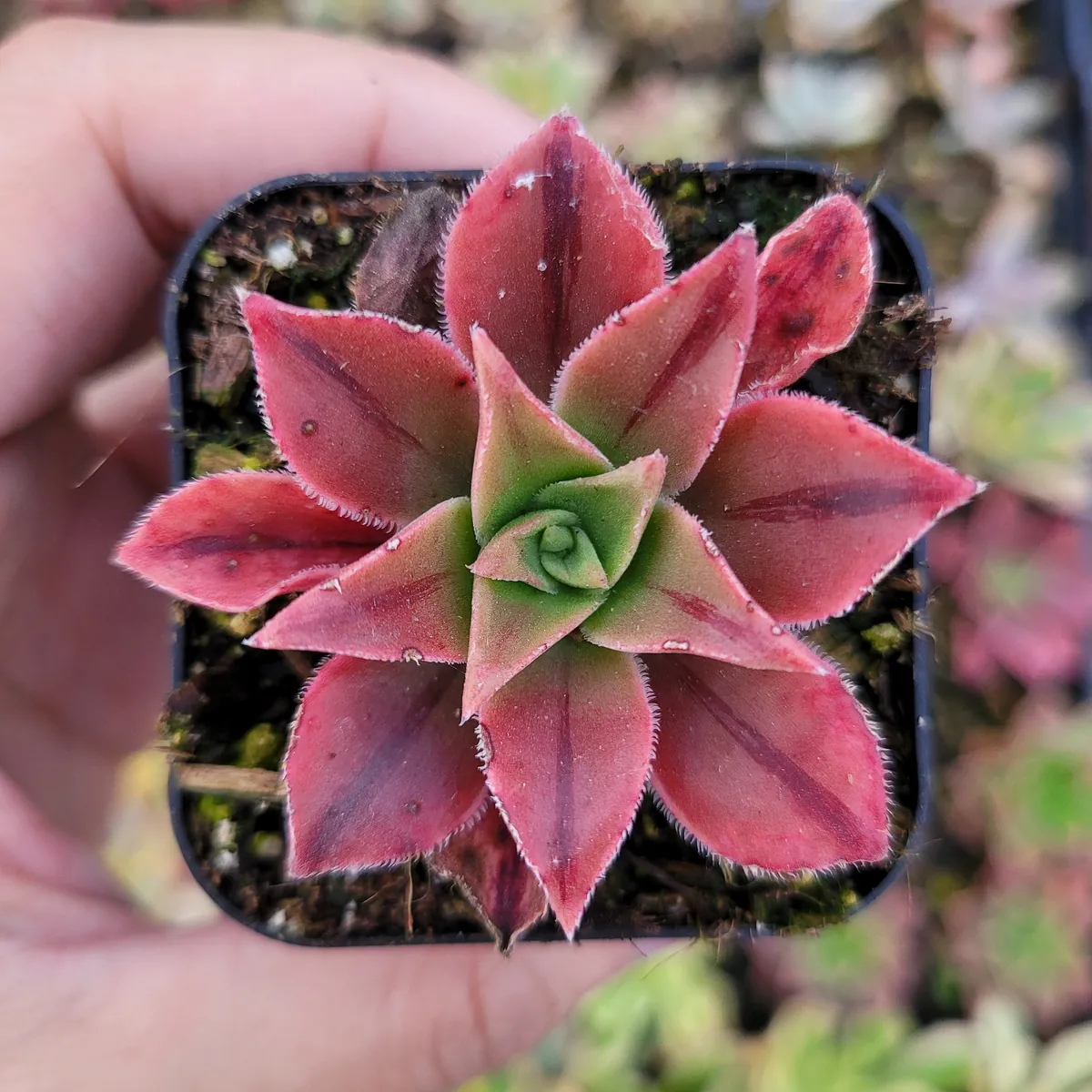
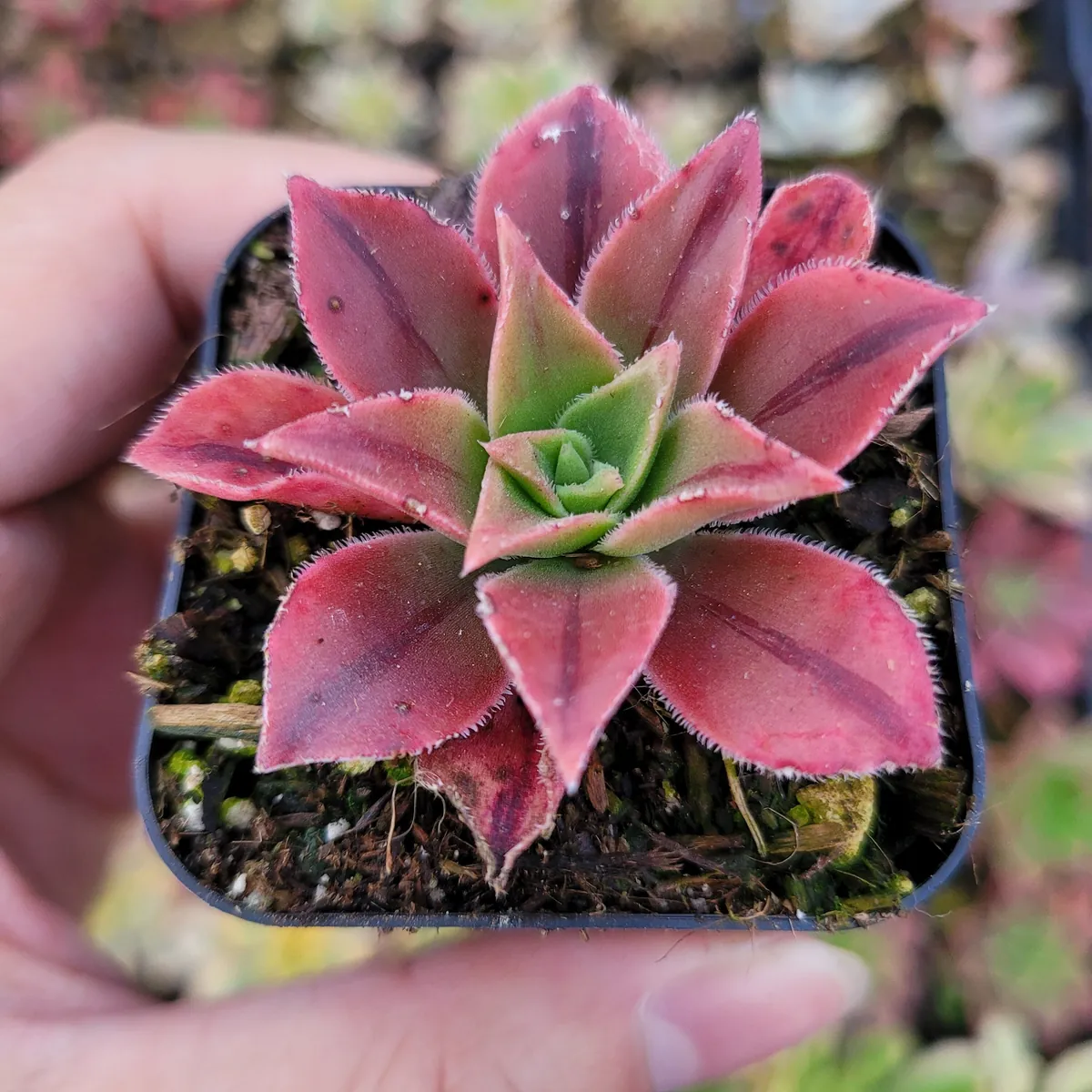
Aeonium Leucoblepharum Live Succulent Plant – Drought Tolerant Houseplant
From $24.28
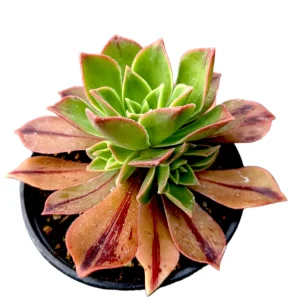
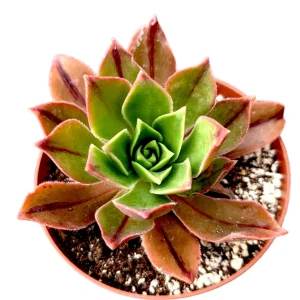
Add a touch of natural beauty with the Aeonium Leucoblepharum succulent plant. This beautiful, drought-tolerant succulent is known for its distinctive rosettes and ease of care. Perfect for bright, sunny locations, it makes an excellent addition to any indoor plant collection or rock garden. Enjoy a low-maintenance plant that thrives with minimal watering.
-
USDA Hardiness Zone
USDA zones 9-11 (outdoors), suitable for year-round indoor growth -
Soil Type
Well-draining succulent or cactus mix -
Sunlight Exposure
Full sun to bright indirect light (at least 6 hours daily) -
Expected Planting Period
Year-round indoors; spring to early summer outdoors in suitable climates

You can track your order HERE
Feb 27
Mar 04 - Mar 06
Mar 09 - Mar 13
Shipping and return policies: Our Alive & Thrive Guarantee covers issues with your plants within the first 30 days. Reach out to us. Our team will answer your questions and help you find the plants that are truly suitable for your environment, climate, and personal preferences.

Overview
Introduce a unique and resilient botanical specimen to your home or garden with the Aeonium Leucoblepharum succulent plant. This captivating succulent, often referred to simply as Aeonium, is celebrated for its striking rosette formations and vibrant green to reddish-bronze hues, which can intensify with sun exposure. Native to the Canary Islands, this particular species brings an exotic flair and robust nature to any plant collection. As a live plant, it arrives ready to be integrated into your space, offering instant aesthetic appeal and the enduring charm of a succulent that requires minimal fuss. It’s an ideal choice for both seasoned succulent enthusiasts and those new to gardening, promising a rewarding growing experience.
The Aeonium Leucoblepharum succulent plant is a fantastic choice for adding texture and visual interest. Its architectural form and ability to thrive in bright conditions make it a versatile plant for various settings. Whether nestled in a decorative pot on a sunny windowsill or as part of a larger succulent arrangement, this plant stands out. Its natural hardiness and drought-tolerant characteristics align perfectly with sustainable gardening practices, reducing the need for frequent watering and extensive care.
Key Benefits
The Aeonium Leucoblepharum succulent plant offers a multitude of benefits, making it a highly desirable choice for plant lovers. Its inherent resilience and striking appearance contribute to its popularity:
- Low Maintenance: This succulent is incredibly forgiving and requires minimal attention, making it perfect for busy individuals or beginner gardeners. Its ability to tolerate periods of neglect without suffering is a major advantage.
- Drought Tolerance: Adapted to arid conditions, the Aeonium Leucoblepharum succulent plant stores water in its leaves, significantly reducing the need for frequent watering. This makes it an eco-friendly choice and ideal for xeriscaping.
- Striking Appearance: Featuring beautiful rosette patterns and potential color variations from green to reddish tones, it serves as a stunning focal point or an attractive accent in any plant display. The coloration can deepen with ample sunlight.
- Versatile Placement: Thrives equally well as an indoor potted plant on a south-facing window or as an outdoor addition in frost-free climates, enhancing patios, rock gardens, or succulent beds.
- Air Purification: Like many plants, succulents contribute to a healthier indoor environment by absorbing toxins and releasing oxygen, albeit in smaller quantities compared to larger foliage plants.
- Easy Propagation: Hardy succulent varieties like Aeonium Leucoblepharum are often easy to propagate from cuttings, allowing you to expand your collection or share with friends.
- Long Lifespan: With proper Aeonium Leucoblepharum care, these plants can live for many years, providing lasting beauty and enjoyment.
Plant Care & Growing Tips
Proper Aeonium Leucoblepharum care is straightforward, ensuring your plant remains healthy and vibrant. These succulents thrive on neglect rather than over-attention. They require ample sunlight; a south-facing window indoors or a location with at least 6 hours of direct sun outdoors is ideal. Insufficient light can lead to leggy growth and dull coloration. While they love sun, protect them from intense, scorching afternoon sun in very hot climates, especially during summer dormancy.
Watering should be infrequent but thorough. Allow the soil to dry out completely between waterings to prevent root rot, a common issue for succulents. During its active growing season (typically fall to spring), water more regularly. During summer dormancy, reduce watering significantly, only offering a drink if the leaves start to shrivel. When you do water, soak the soil until water drains from the bottom of the pot. The right soil is crucial for a drought-tolerant succulent. Use a well-draining succulent or cactus mix, or create your own by amending regular potting soil with perlite, pumice, or coarse sand to ensure excellent drainage. This prevents water from sitting around the roots.
Aeoniums prefer mild temperatures, ideally between 65-75°F (18-24°C). They are not frost-tolerant, so if you live in an area where temperatures drop below 40°F (4°C), it’s best to bring outdoor plants inside or provide protection. Fertilize sparingly, if at all. A diluted balanced liquid fertilizer once or twice during the active growing season is sufficient. Repotting is only necessary when the plant outgrows its container, typically every 2-3 years. Look out for common pests like mealybugs or aphids, treating them with insecticidal soap if spotted. Providing good air circulation also helps prevent fungal issues.
Size & Details
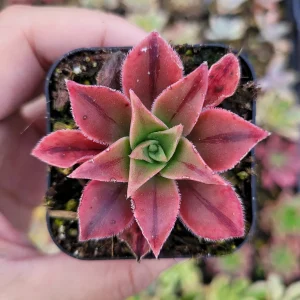
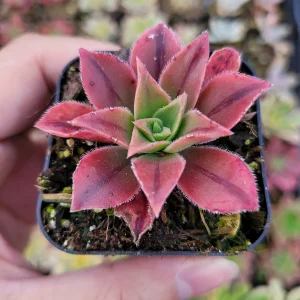
The Aeonium Leucoblepharum succulent plant typically forms compact to medium-sized rosettes, generally reaching a diameter of 4-6 inches. As it matures, it can develop short stems, potentially growing up to 12 inches tall, though often remaining more compact depending on growing conditions and pot size. When shipped, plants are usually well-rooted and established, ready for planting. You will receive a healthy, similar plant to those depicted, though natural variations in shape and color are expected. This succulent plant for sale is delivered bare-root to ensure optimal health during transit and to facilitate easy planting upon arrival. Expect a moderate growth rate, with visible development during its active growing season from fall to spring.
Frequently Asked Questions
- Q: How big does this Aeonium Leucoblepharum succulent plant get? A: This succulent typically forms rosettes that are 4-6 inches in diameter. Over time, with mature growth, it can develop stems reaching up to 12 inches in height, though its overall size can vary based on growing conditions and container size.
- Q: Is this an indoor or outdoor plant? A: The Aeonium Leucoblepharum succulent plant is versatile and can thrive both indoors in a sunny location, such as a south-facing window, or outdoors in frost-free climates (USDA Zones 9-11). If outdoor temperatures drop below 40°F, it should be brought inside.
- Q: How much sunlight does it need? A: It requires ample bright, direct sunlight, ideally at least 6 hours per day, to maintain its vibrant color and compact form. In very hot climates, some afternoon shade can prevent scorching.
- Q: Is this plant easy to care for? A: Yes, the Aeonium Leucoblepharum succulent plant is considered very easy to care for, making it an excellent choice for beginners. Its drought-tolerant nature and minimal watering requirements contribute to its low-maintenance appeal.
- Q: What condition will it arrive in? A: Your succulent plant for sale will typically arrive as a healthy, bare-root specimen, carefully packaged to ensure its safety during transit. This method helps prevent rot and prepares the plant for easy potting upon arrival.
- Q: What type of soil is best for this hardy succulent? A: This succulent thrives in a very well-draining soil mix. A specialized cactus or succulent potting mix is recommended, or you can amend regular potting soil with perlite, pumice, or coarse sand to improve drainage.
- Q: How often should I water my Aeonium Leucoblepharum succulent plant? A: Water thoroughly only when the soil has completely dried out. Reduce watering significantly during its summer dormancy period, watering only if the leaves show signs of shriveling. Overwatering is the most common cause of issues.
- Q: When is the best time to plant this succulent? A: You can plant the Aeonium Leucoblepharum succulent plant any time of year if grown indoors. If planting outdoors in suitable climates, spring or early fall are ideal to allow it to establish before extreme temperatures.
- Q: Does this plant need fertilizer? A: Fertilization is generally not essential for this drought-tolerant succulent. If you choose to fertilize, use a diluted, balanced liquid fertilizer once or twice during its active growing season (fall to spring), but avoid over-fertilizing.
- Q: Is this plant pet-safe? A: While many succulents are considered non-toxic, it’s always best to keep plants out of reach of pets to prevent any potential mild digestive upset. Consult a veterinarian or a reliable plant toxicity database for definitive information.
| Size | 2 Inch, 4 Inch #A, 4 Inch #B |
|---|
Be the first to review “Aeonium Leucoblepharum Live Succulent Plant – Drought Tolerant Houseplant”
People Also Viewed
Sold 58 products
Original price was: $80.00.$64.00Current price is: $64.00.

Fruits
3 Cascade Delight Red Raspberry Starter Plug – Rubus idaeus – Live Bare Root Plant – Zones 4-9
Sold 92 products
Original price was: $64.00.$51.20Current price is: $51.20.
Sold 60 products
Original price was: $46.80.$23.40Current price is: $23.40.
Sold 56 products
Original price was: $35.98.$17.99Current price is: $17.99.
Sold 80 products
Original price was: $60.00.$30.00Current price is: $30.00.
Sold 65 products
Original price was: $59.78.$29.89Current price is: $29.89.
Sold 96 products
From $71.60
Trees
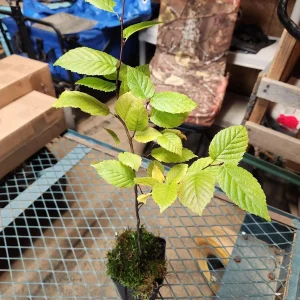
2 American Hornbeam Trees – Carpinus Caroliniana Live Plants – 12″ Tall – 4″ Container – Outdoor
Sold 59 products
Original price was: $61.20.$30.60Current price is: $30.60.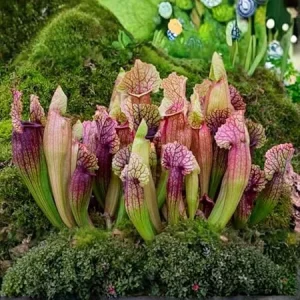
HousePlants
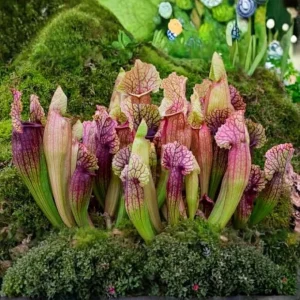
Purple Nepenthes Pitcher Plant Live – Exotic Tropical Houseplant for Indoor/Outdoor Décor
Sold 81 products
$65.98
Sold 58 products
From $99.80
Sold 83 products
Original price was: $39.98.$19.99Current price is: $19.99.
Sold 72 products
From $47.80
Sold 65 products
Original price was: $41.56.$20.78Current price is: $20.78.
Sold 92 products
Original price was: $213.58.$128.14Current price is: $128.14.
Sold 65 products
Original price was: $34.00.$27.20Current price is: $27.20.
Sold 83 products
Original price was: $355.96.$177.98Current price is: $177.98.
Aquatic Plants
Red Mangrove Live Plant – Rhizophora mangle for Aquarium, Pond, Terrarium – 6-12 inches tall
Sold 72 products
From $107.80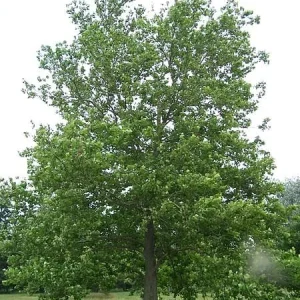
Trees
American Plane Tree (Sycamore) Live Plant – 2 Bare Root Trees, 6-12 inches tall, Outdoor Shade Tree
Sold 71 products
Original price was: $72.00.$36.00Current price is: $36.00.


Reviews
There are no reviews yet.