
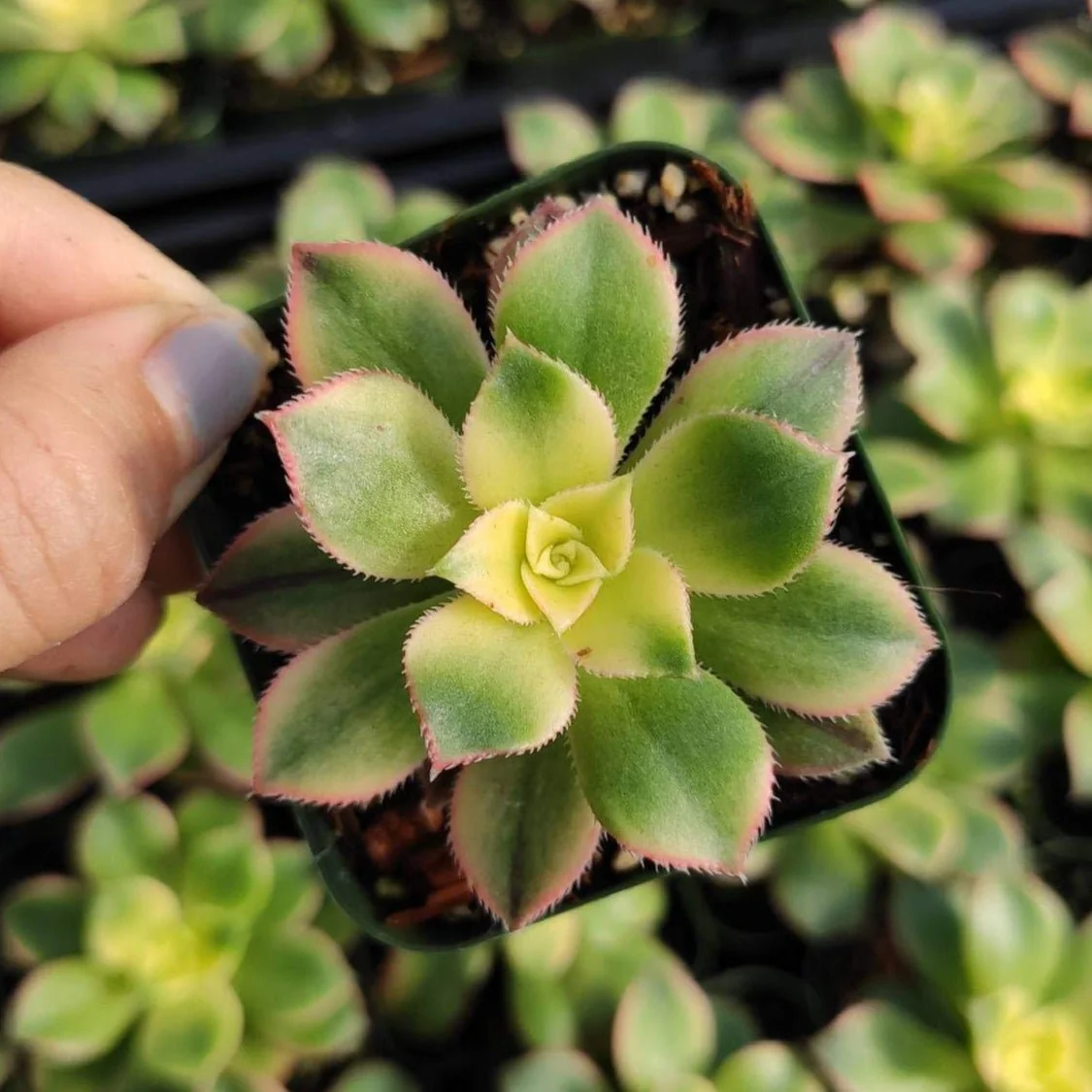
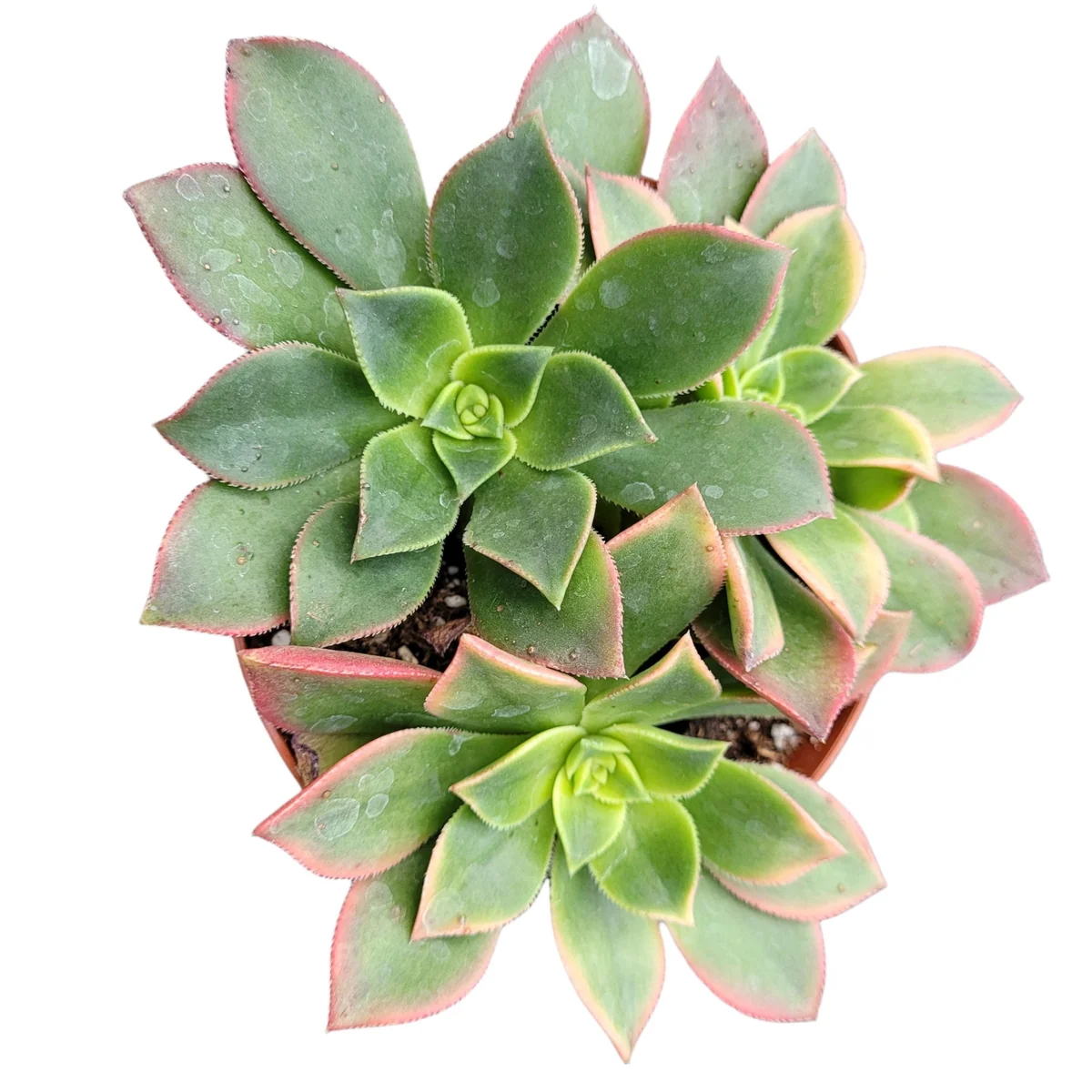
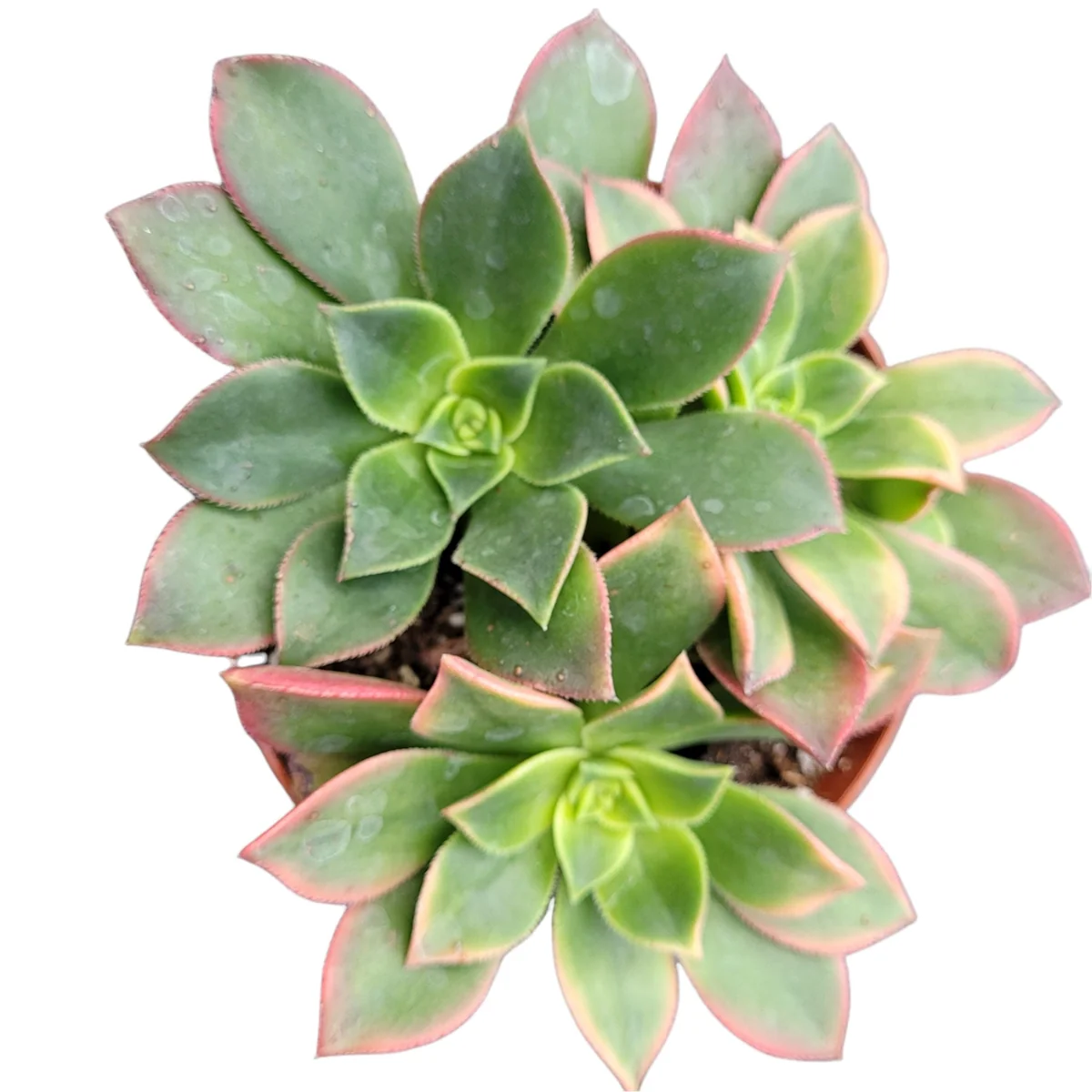
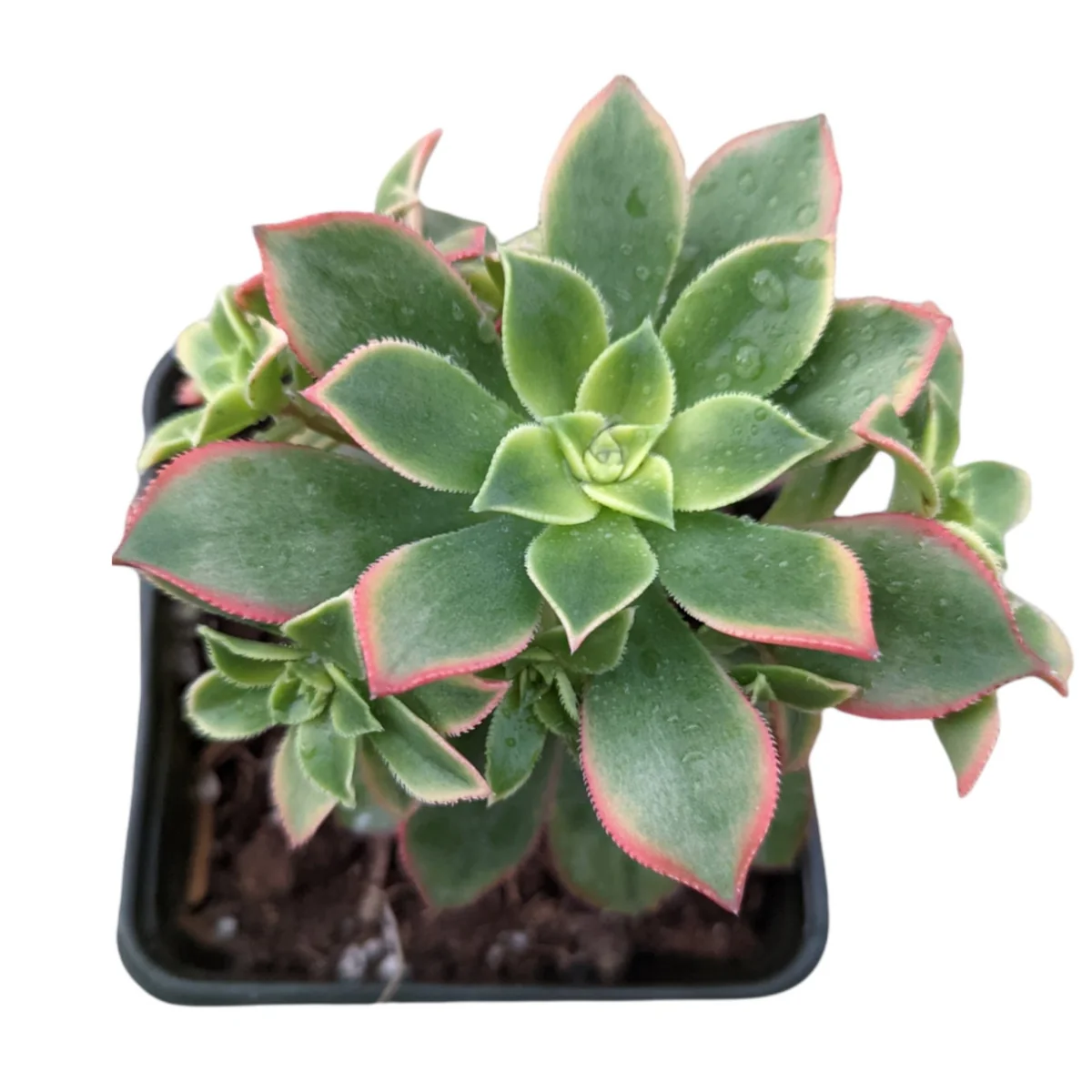
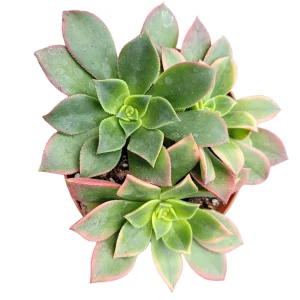
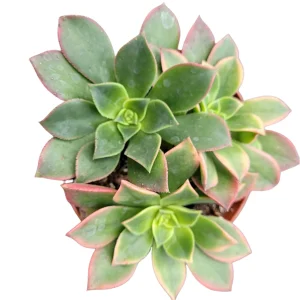
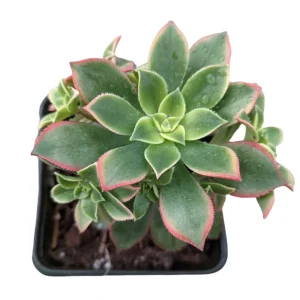
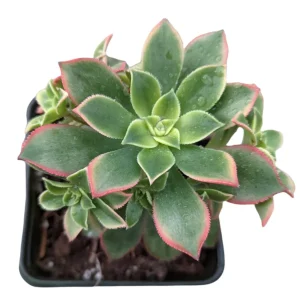
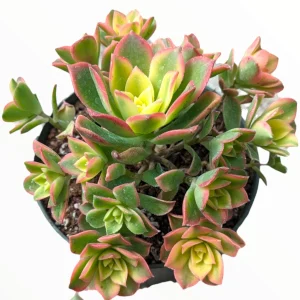
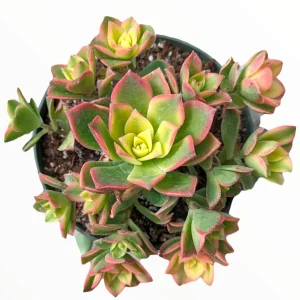
Aeonium Kiwi Succulent Live Plant – Green Yellow Pink Rosettes
From $19.00
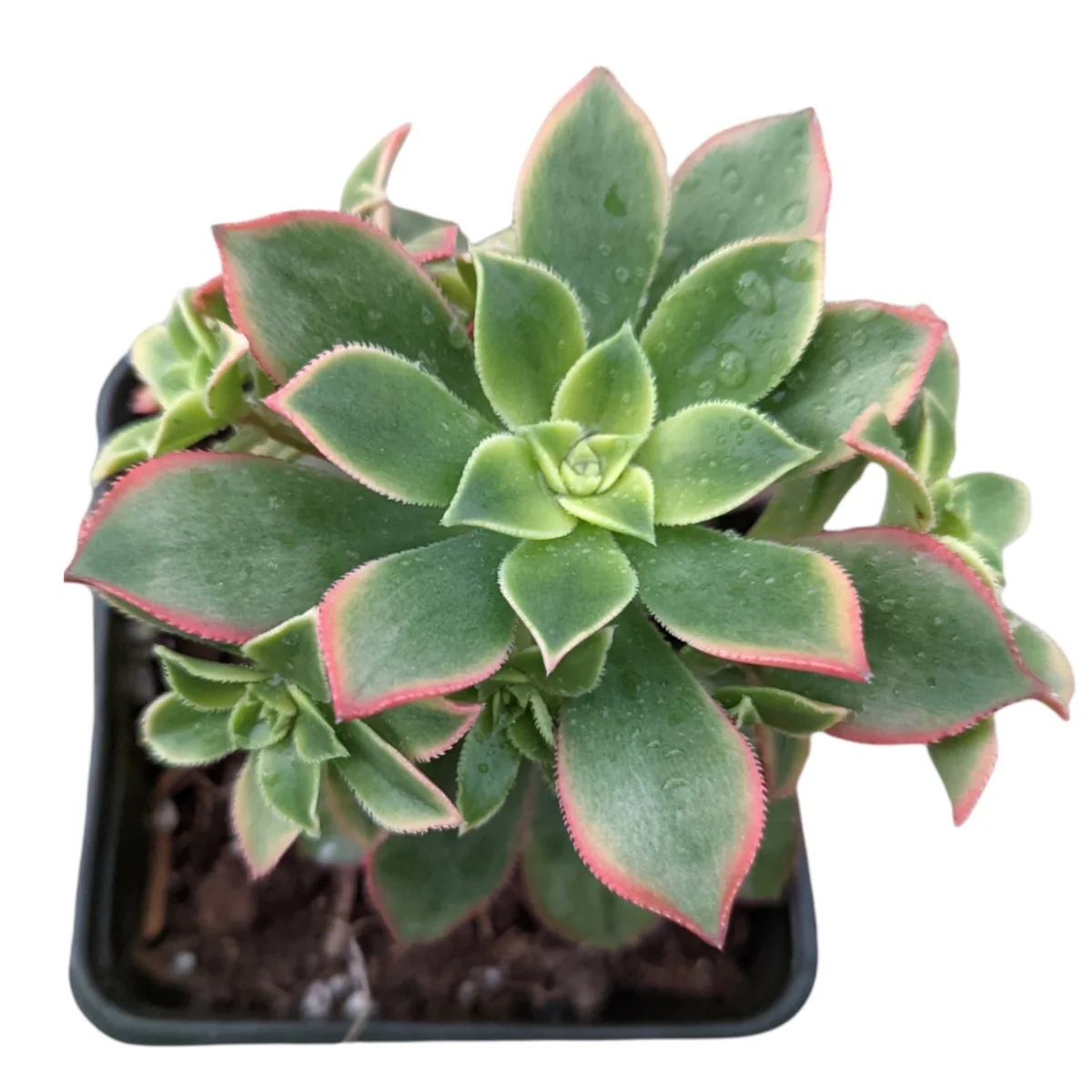
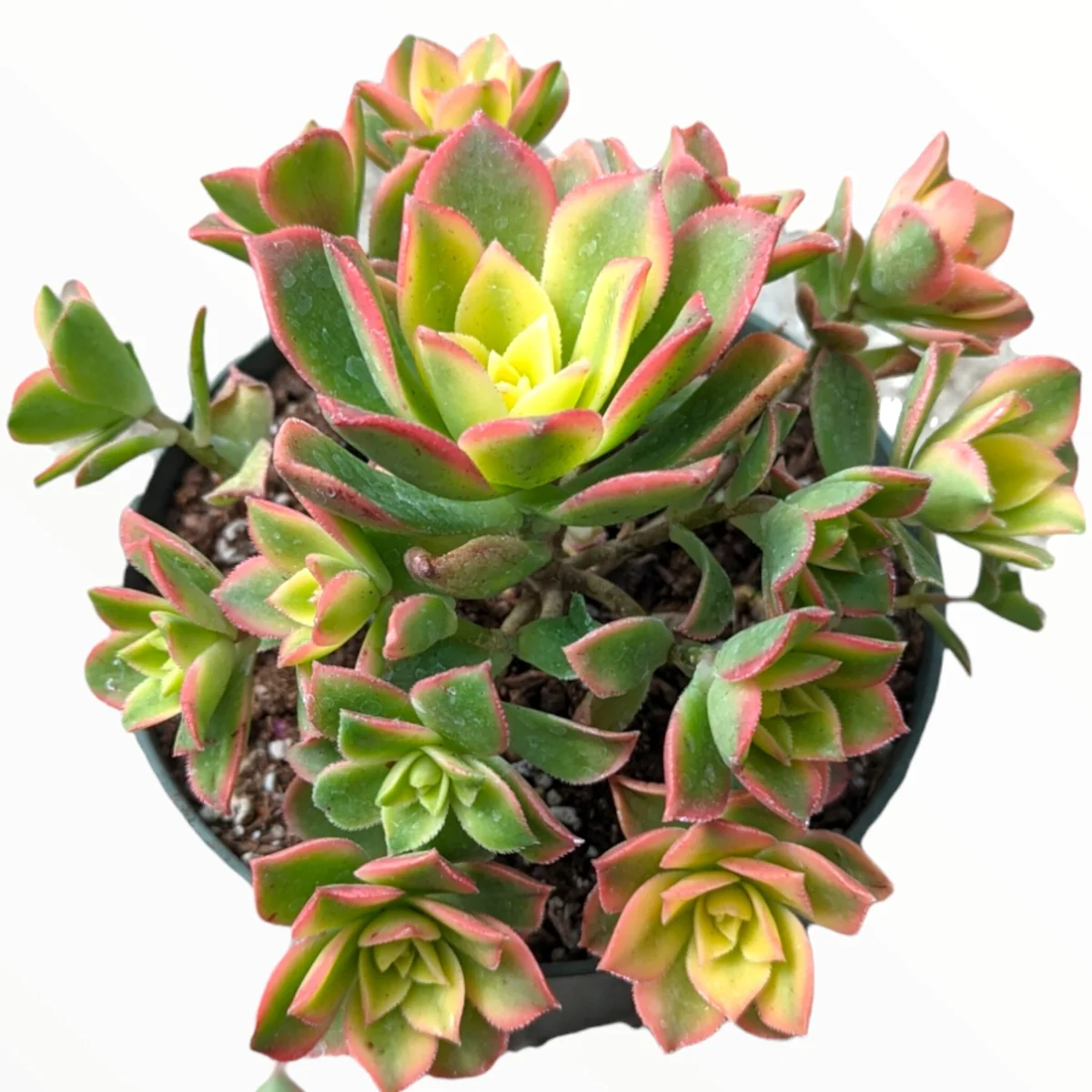
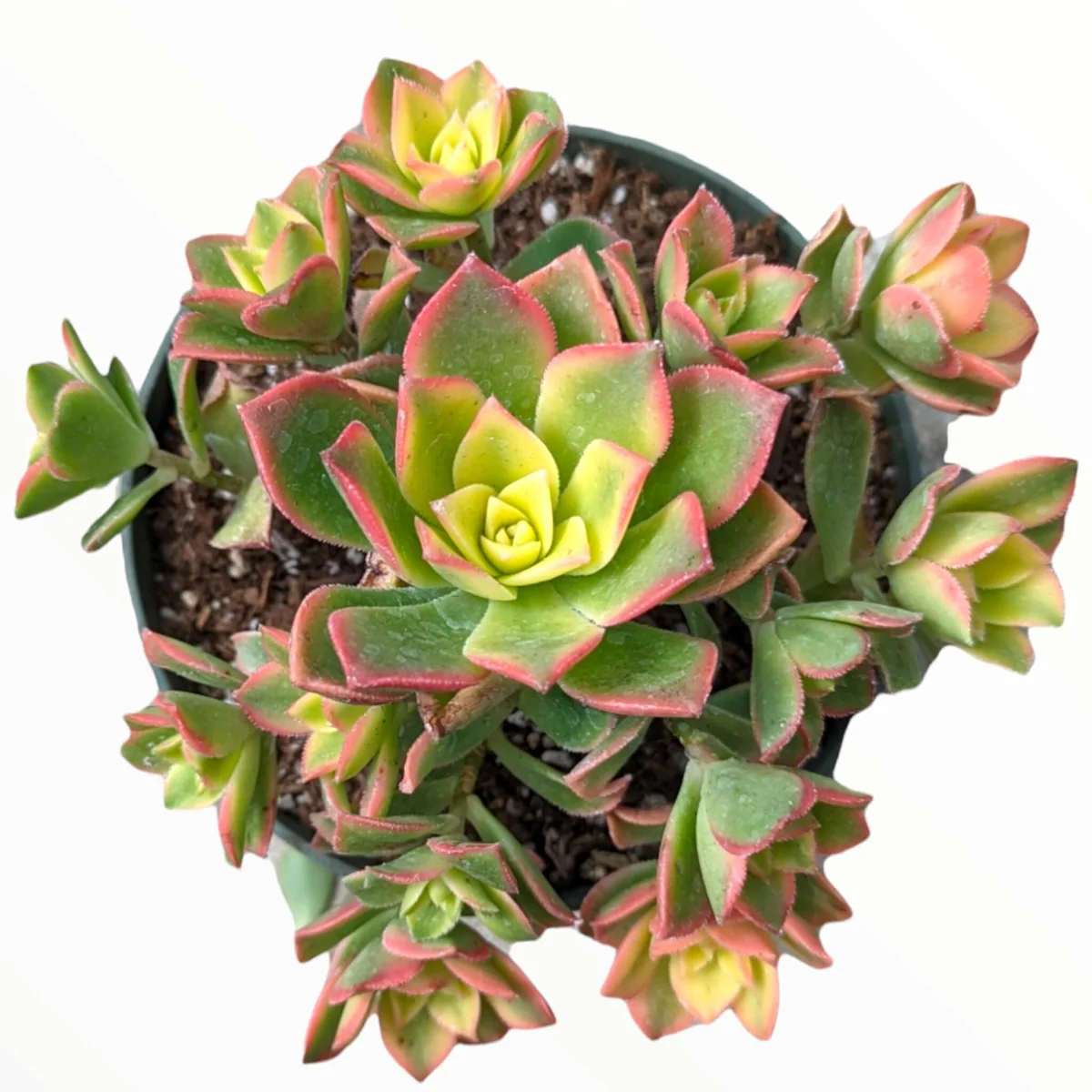
Add a splash of vibrant color to your collection with the stunning Aeonium Kiwi succulent plant. This beautiful live plant features striking rosettes of green and yellow, edged with delicate pink. Ideal for indoor display, it’s a perfect choice for both seasoned collectors and those new to succulent care.
-
USDA Hardiness Zone
USDA zones 9-11 (outdoor); year-round indoors -
Soil Type
Porous, well-draining succulent or cactus mix -
Sunlight Exposure
Full to partial sun -
Expected Planting Period
Year-round indoors; spring to summer outdoors in suitable climates

You can track your order HERE
Feb 28
Mar 05 - Mar 07
Mar 10 - Mar 14
Shipping and return policies: Our Alive & Thrive Guarantee covers issues with your plants within the first 30 days. Reach out to us. Our team will answer your questions and help you find the plants that are truly suitable for your environment, climate, and personal preferences.

Overview
Bring home the captivating beauty of the Aeonium Kiwi succulent plant, a truly remarkable specimen known for its vibrant and ever-changing coloration. This live plant, scientifically known as Aeonium haworthii ‘Kiwi’, is a cultivar prized for its stunning rosettes. Each rosette presents a delightful palette of green and yellow, gracefully transitioning to a soft pink or reddish hue along the leaf margins, especially when exposed to ample sunlight. This unique succulent creates a visually striking display, making it a fantastic focal point in any indoor or outdoor succulent arrangement. Originally native to the Canary Islands, Aeoniums are known for their distinctive growth habits and relatively easy care, making the Aeonium Kiwi succulent plant a rewarding addition to any plant enthusiast’s collection.
The ‘Kiwi’ variety stands out with its intricate color patterns, resembling a blooming flower. As the plant matures, it can develop into an impressive specimen, potentially reaching up to 3 feet in height under optimal conditions. While primarily admired for its foliage, mature plants may also produce cheerful yellow flowers during the summer months, adding another layer of charm. Whether you’re an experienced gardener looking for a rare succulent or a beginner seeking an easy-to-care-for yet visually impactful plant, the Aeonium Kiwi succulent plant offers both aesthetic appeal and a straightforward care routine.
Key Benefits
The Aeonium Kiwi succulent plant offers a multitude of benefits, making it a highly sought-after choice for plant lovers. Its unique appearance and resilient nature contribute to its popularity. Here are some of the key advantages of incorporating this beautiful succulent into your home or garden:
- Vibrant Aesthetic Appeal: The striking green, yellow, and pink rosettes of the Aeonium Kiwi succulent plant provide continuous visual interest and a pop of color, enhancing any decor. Its dynamic coloration intensifies with more sunlight.
- Low Maintenance: Like most succulents, the ‘Kiwi’ Aeonium is incredibly forgiving and requires minimal care. It’s an excellent option for busy individuals or those new to plant ownership.
- Drought Tolerant: This succulent is adapted to arid conditions, meaning it can withstand periods of drought. This reduces the frequency of watering, making it a water-wise choice.
- Unique Growth Habit: The way its rosettes grow and branch creates an attractive architectural form, providing a sculptural element to your plant collection.
- Adaptable to Various Settings: While often grown indoors, the Kiwi Aeonium care allows it to thrive outdoors in warmer climates, such as USDA zones 9-11, making it versatile for different environments.
- Rare and Collectible: Its distinctive coloring and relatively unique status make it a desirable find for succulent collectors looking for a rare succulent for home.
- Potential for Yellow Blooms: In summer, mature plants may produce lovely yellow flowers, adding an unexpected bonus to its already beautiful foliage.
Plant Care & Growing Tips
Providing proper Kiwi Aeonium care ensures a healthy and thriving plant. These succulents are relatively easy to maintain, but understanding their specific needs will help them reach their full potential. Light is paramount for the Aeonium Kiwi succulent plant; they thrive in bright conditions. Aim for full to partial sun exposure. If growing indoors, place it near a south-facing window where it can receive several hours of direct sunlight. Insufficient light can lead to leggy growth and duller coloration, so ensure it gets enough sun for those vibrant pink edges to develop.
When it comes to watering, the ‘soak and dry’ method is ideal. Water thoroughly until water drains from the bottom of the pot, then allow the soil to dry out completely before watering again. Overwatering is the most common cause of succulent demise, so err on the side of underwatering. The soil plays a crucial role in preventing root rot. Use a porous, well-draining succulent or cactus mix. Adding perlite or pumice can further enhance drainage. For potting, always choose a container with a drainage hole. The ideal temperature range for this colorful succulent plant is between 60°-75°F (15.6-23.9℃). While they can tolerate slightly cooler temperatures, they are sensitive to frost and should be protected from freezing conditions. Humidity levels around 40-60% are generally suitable. Fertilize sparingly, perhaps once or twice during the growing season (spring and summer) with a diluted succulent fertilizer. This approach to Kiwi Aeonium care will keep your plant robust and beautiful.
Size & Details
The Aeonium Kiwi succulent plant is typically offered in various sizes, ranging from small starter plants to more established specimens. Smaller plants, such as 2-inch sizes, are often shipped with their pot and soil, providing a stable environment for transit and immediate display. Larger plants, typically 4 inches and above, may be shipped bare root without soil or a pot. This method is often preferred for larger succulents as it reduces shipping weight and prevents damage to the plant during transit, allowing for healthier arrival and quicker acclimation to its new home.
Upon arrival, your Aeonium Kiwi succulent plant will be ready for potting or integration into your existing succulent garden. These plants are known for their moderate growth rate, and with proper care, they can form impressive clusters of rosettes. While individual rosettes can reach several inches in diameter, the plant as a whole can develop into a multi-branched specimen up to 3 feet tall over several years. The exact shape and color may vary slightly from photographs due to natural plant variations and growing conditions, but each plant will be a beautiful and healthy representation of this popular succulent. This makes the Aeonium for beginners a great choice, offering both beauty and resilience.
Frequently Asked Questions
- Q: How big does the Aeonium Kiwi succulent plant get? A: The Aeonium Kiwi succulent plant can grow up to 3 feet tall over several years, forming multiple rosettes. Individual rosettes typically reach several inches in diameter.
- Q: Is this an indoor or outdoor plant? A: The Aeonium Kiwi can thrive both indoors and outdoors. If grown outdoors, it prefers warmer climates (USDA zones 9-11) and should be protected from frost. Indoors, it needs a bright, sunny location.
- Q: How much sunlight does the Colorful Succulent Plant need? A: This colorful succulent plant requires a lot of light, ideally full to partial sun. For the best coloration, aim for several hours of direct sunlight daily, especially if grown indoors.
- Q: Is the Aeonium for beginners easy to care for? A: Yes, the Aeonium for beginners is considered relatively easy to care for due to its drought tolerance and minimal watering needs, making it suitable for new plant enthusiasts.
- Q: What condition will the Kiwi Aeonium arrive in? A: Smaller plants (2-inch) typically ship with their pot and soil, while larger plants (4-inch and up) are often shipped bare root to ensure their health and safety during transit.
- Q: How do I ensure the pink edges on my Aeonium Kiwi? A: The vibrant pink edges on your Kiwi Aeonium care are best achieved with ample sunlight. Provide strong, direct light exposure to encourage this beautiful stress coloration.
- Q: What kind of soil is best for this rare succulent for home? A: A well-draining succulent or cactus mix is essential for this rare succulent for home. You can enhance drainage by adding perlite or pumice to regular potting soil.
- Q: Does the Aeonium Kiwi produce flowers? A: Yes, mature Aeonium Kiwi succulent plant specimens can produce cheerful yellow flowers, typically during the summer months, adding to their ornamental value.
- Q: What is the ideal temperature for my Aeonium Kiwi? A: The ideal temperature range for the Aeonium Kiwi is between 60°-75°F (15.6-23.9℃). It is sensitive to cold and should be kept above 40°F (4.4°C).
- Q: How often should I water my Kiwi Aeonium? A: Follow the ‘soak and dry’ method for Kiwi Aeonium care. Water thoroughly until it drains, then allow the soil to dry out completely before watering again to prevent overwatering.
| Size | 2 Inch, 4 Inch #A, 4 Inch #B, 6 Inch |
|---|
Be the first to review “Aeonium Kiwi Succulent Live Plant – Green Yellow Pink Rosettes”
People Also Viewed
Sold 64 products
Original price was: $69.08.$34.54Current price is: $34.54.
Sold 75 products
From $61.58

Sold 100 products
Original price was: $14.76.$7.38Current price is: $7.38.
Sold 55 products
From $19.00

Sold 54 products
Original price was: $22.76.$11.38Current price is: $11.38.
Sold 81 products
Original price was: $47.98.$23.99Current price is: $23.99.

Sold 96 products
Original price was: $89.98.$44.99Current price is: $44.99.
Sold 60 products
From $43.80
Sold 94 products
Original price was: $39.98.$19.99Current price is: $19.99.
Sold 75 products
Original price was: $24.35.$7.74Current price is: $7.74.
Sold 70 products
Original price was: $36.16.$18.08Current price is: $18.08.
Sold 60 products
Original price was: $77.06.$38.53Current price is: $38.53.
Sold 66 products
Original price was: $68.78.$41.26Current price is: $41.26.
Sold 79 products
Original price was: $71.80.$35.90Current price is: $35.90.
Sold 53 products
Original price was: $31.96.$15.98Current price is: $15.98.
Sold 66 products
Original price was: $147.16.$73.58Current price is: $73.58.
Sold 95 products
From $197.96
HousePlants
Lithops Live Plants Mix – 10 Large Colorful Living Stones Succulents for Indoor/Outdoor Growing
Sold 58 products
Original price was: $27.98.$13.99Current price is: $13.99.



Reviews
There are no reviews yet.