
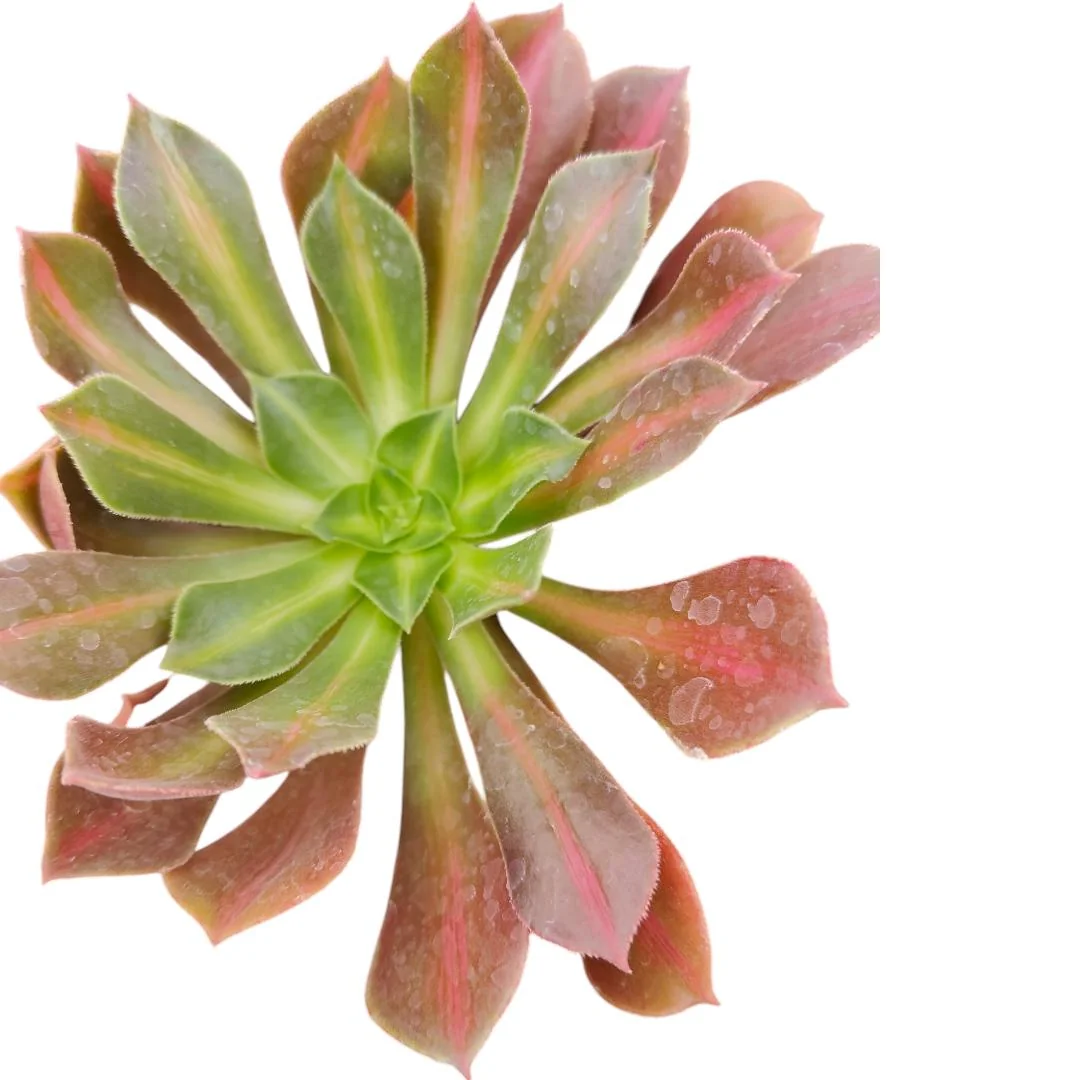
Aeonium ‘Kilimanjaro’ Succulent Live Plant – Easy Care Potted Houseplant
Original price was: $54.92.$27.46Current price is: $27.46.
Bring home a stunning Aeonium Kilimanjaro succulent, a captivating live plant known for its beautiful rosette form and vibrant foliage. This resilient succulent is an excellent choice for both beginner and experienced plant enthusiasts, thriving in bright conditions with minimal watering. Perfect for adding a touch of natural elegance to any indoor space.
-
USDA Hardiness Zone
USDA zones 9-11 -
Soil Type
Porous, well-draining succulent/cactus mix -
Sunlight Exposure
Full to partial sun -
Expected Planting Period
Year-round indoors

You can track your order HERE
Mar 01
Mar 06 - Mar 08
Mar 11 - Mar 15
Shipping and return policies: Our Alive & Thrive Guarantee covers issues with your plants within the first 30 days. Reach out to us. Our team will answer your questions and help you find the plants that are truly suitable for your environment, climate, and personal preferences.

Overview
The Aeonium Kilimanjaro succulent is a magnificent live plant prized for its intricate, layered rosettes and robust nature. Originating from the Canary Islands, this particular Aeonium cultivar, ‘Kilimanjaro’, stands out with its unique coloration and growth habit, making it a highly sought-after addition to any succulent collection. As a type of indoor succulent, it adapts well to container living and brings a touch of exotic beauty to windowsills, desks, or living areas. Its striking appearance and relatively straightforward care requirements make it an appealing choice for both novice gardeners and seasoned succulent aficionados looking for a distinctive specimen.
This live plant forms dense rosettes that can vary in color depending on light exposure, often displaying shades of green, red, and sometimes even purplish hues along the leaf margins. The ‘Kilimanjaro’ variety is known for its ability to produce offsets, creating a fuller, more impressive display over time. It’s a fantastic way to introduce architectural interest and vibrant texture to your indoor plant arrangements, offering year-round visual appeal with its evergreen foliage.
Key Benefits
The Aeonium Kilimanjaro succulent offers numerous advantages, making it a popular choice for plant lovers. Its unique aesthetic and adaptability contribute to a delightful gardening experience.
- Stunning Visual Appeal: The ‘Kilimanjaro’ succulent boasts intricate rosettes with potential for varied coloration, providing a captivating focal point in any room. Its sculptural form adds a modern and natural touch to home decor.
- Low Maintenance Care: This succulent plant care is notably easy, requiring infrequent watering and thriving on neglect, which makes it ideal for busy individuals or those new to plant ownership. It’s a resilient plant that can forgive occasional lapses in care.
- Drought Tolerant: Like most succulents, the Aeonium ‘Kilimanjaro’ stores water in its leaves, allowing it to withstand periods of dryness. This characteristic makes it very forgiving and suitable for arid climates or infrequent watering schedules.
- Excellent for Containers: Its moderate size and striking form make it perfect for growing in pots and decorative containers, allowing for versatile placement indoors or on sheltered patios. It’s an ideal indoor succulent.
- Air Purifying Qualities: While not as prominent as some other houseplants, succulents contribute to better indoor air quality by absorbing toxins and releasing oxygen, creating a healthier living environment.
- Propagates Easily: The ‘Kilimanjaro’ variety readily produces offsets, allowing enthusiasts to easily propagate new plants from their existing one, expanding their collection or sharing with friends.
- Adaptable to Various Light Conditions: While it prefers bright light, it can tolerate some partial sun, making it adaptable to different spots in your home. Understanding Aeonium care for light is crucial for best coloration.
Plant Care & Growing Tips
Proper Aeonium care is essential for the health and vibrant appearance of your ‘Kilimanjaro’ succulent. These plants are relatively forgiving, but understanding their specific needs will ensure they thrive. They require a lot of light to maintain their compact form and rich coloration. For optimal growth, provide full to partial sun, ideally 6-8 hours of bright, indirect sunlight daily. If grown indoors, a south-facing window is often ideal. Insufficient light can lead to etiolation, where the plant stretches and loses its characteristic tight rosette shape.
When it comes to watering, the soak and dry method is best. Completely soak the soil and then allow it to dry out entirely before watering again. Overwatering is the most common cause of succulent demise, leading to root rot. During its dormant period (typically summer for Aeoniums), reduce watering significantly. Use a porous, well-draining soil mix specifically formulated for succulents or cacti. Good drainage is crucial, so ensure your pot has a drainage hole to prevent water from accumulating at the bottom. The ideal temperature range for the Aeonium Kilimanjaro succulent is between 60°-75°F (15.6-23.9℃), and it prefers humidity levels around 40-60%. Protect it from frost, as living succulents can be damaged by cold temperatures below 40°F.
Fertilization is generally not heavily required. A diluted liquid succulent fertilizer can be applied sparingly during the growing season (fall to spring), about once a month. Repotting should only be done when the plant outgrows its current container, typically every 2-3 years. Be gentle with the roots during this process. Keeping an eye on signs like wilting or discoloration can help identify issues early, ensuring your succulent plant care routine is effective.
Size & Details
The Aeonium Kilimanjaro succulent is typically shipped as a live plant, ready for immediate enjoyment. Smaller 2-inch plants are usually shipped in their pot with soil, ensuring minimal shock upon arrival. Larger 4-inch and greater plants may be shipped bare-root, a method that promotes healthier root development and reduces shipping weight, requiring prompt potting upon receipt. The exact size and color of the plant you receive may vary slightly from the photos, as living organisms naturally differ in appearance based on growing conditions and maturity. This succulent typically forms rosettes that can reach several inches in diameter, with the plant potentially growing up to 1-2 feet tall over several years, especially when mature and producing offsets. Its growth rate is moderate, allowing you to enjoy its development without it quickly outgrowing its space.
Frequently Asked Questions
- Q: How big does this plant get? A: The Aeonium Kilimanjaro succulent typically forms rosettes that can reach several inches in diameter. With optimal care, it can grow up to 1-2 feet tall over a few years, forming an impressive clump.
- Q: What size pot does it come in? A: Smaller plants, such as 2-inch sizes, are generally shipped with their pot and soil. Larger plants (4-inch and above) are often shipped bare-root, requiring you to pot them upon arrival.
- Q: Is this an indoor or outdoor plant? A: The Aeonium Kilimanjaro succulent can thrive both indoors and outdoors in suitable climates. It’s an excellent indoor succulent, especially in areas with cold winters, but can be grown outdoors in USDA zones 9-11.
- Q: How much sunlight does it need? A: This succulent requires a lot of light, ideally full to partial sun for 6-8 hours daily, to maintain its vibrant color and compact shape. Bright, indirect light is best when grown indoors.
- Q: Is this plant easy to care for? A: Yes, the Aeonium Kilimanjaro succulent is considered easy to care for, making it suitable for beginners. Its drought tolerance and minimal watering needs simplify its maintenance.
- Q: What condition will it arrive in? A: The plant will arrive in a similar condition to the photos, though natural variations in shape and color are expected. Smaller plants are potted, while larger ones may be bare-root.
- Q: Is it pet-safe? A: While most succulents are not highly toxic, it’s always best to keep plants out of reach of pets to prevent any potential irritation or upset stomach if ingested.
- Q: When is the best time to plant? A: For indoor planting, you can plant year-round. If planting outdoors in suitable climates, spring or early fall are generally the best times to allow the plant to establish before extreme temperatures.
- Q: What’s the minimum temperature this succulent can tolerate? A: The Aeonium Kilimanjaro succulent prefers warmer temperatures, ideally above 40°F (4°C). It is not frost-hardy and should be protected from freezing conditions.
- Q: What kind of soil is best for this succulent? A: A porous, well-draining soil mix formulated for succulents or cacti is ideal. This ensures proper drainage and prevents waterlogging, which is crucial for healthy root development in Aeonium care.
Be the first to review “Aeonium ‘Kilimanjaro’ Succulent Live Plant – Easy Care Potted Houseplant”
People Also Viewed
Sold 75 products
Original price was: $540.00.$270.00Current price is: $270.00.
Sold 68 products
Original price was: $36.00.$28.80Current price is: $28.80.
Sold 65 products
Original price was: $39.98.$19.99Current price is: $19.99.
Sold 50 products
Original price was: $43.98.$35.18Current price is: $35.18.
Sold 73 products
Original price was: $30.76.$15.38Current price is: $15.38.
Sold 68 products
Original price was: $103.80.$51.90Current price is: $51.90.
Sold 57 products
Original price was: $91.80.$45.90Current price is: $45.90.
Sold 99 products
Original price was: $130.00.$104.00Current price is: $104.00.

Sold 64 products
Original price was: $67.80.$33.90Current price is: $33.90.
Sold 86 products
From $54.92
Sold 87 products
Original price was: $80.00.$64.00Current price is: $64.00.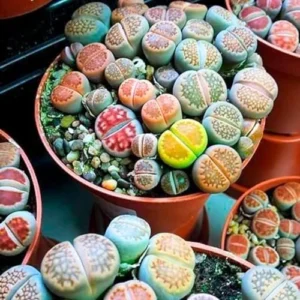
HousePlants
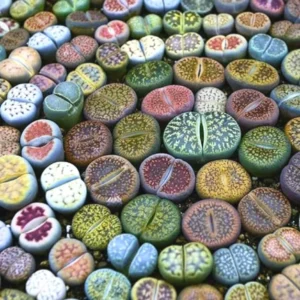
Lithops Live Plants Mix – 30 Colorful Succulents – Living Stones for Indoor/Outdoor Planting
Sold 68 products
Original price was: $65.98.$32.99Current price is: $32.99.
Sold 75 products
Original price was: $218.76.$109.38Current price is: $109.38.
Sold 96 products
Original price was: $1,035.80.$517.90Current price is: $517.90.
Sold 56 products
Original price was: $44.00.$35.20Current price is: $35.20.
Sold 76 products
Original price was: $63.96.$31.98Current price is: $31.98.
Sold 72 products
Original price was: $97.60.$48.80Current price is: $48.80.
Sold 51 products
Original price was: $79.98.$39.99Current price is: $39.99.



Reviews
There are no reviews yet.