
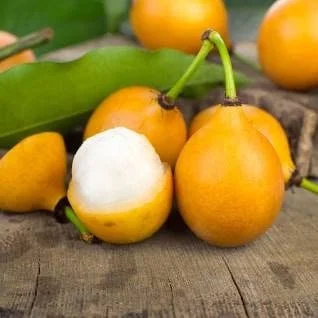
Achacha Live Plant – 1 to 2 Feet Tall Tropical Fruit Tree – Ship 3 Gal Pot
Original price was: $391.96.$195.98Current price is: $195.98.
Grow your own exotic fruit with this achacha live plant, also known as the bolivian mangosteen plant. This tropical tree, 1 to 2 feet tall and shipped in a 3-gallon pot, brings unique flavor to your garden or patio.
-
USDA Hardiness Zone
USDA Zones 10-11 (outdoors), adaptable to containers indoors in cooler zones -
Soil Type
Rich, well-draining, slightly acidic to neutral soil -
Sunlight Exposure
Full sun to partial shade -
Expected Planting Period
Year-round in tropical climates; spring to early summer in temperate zones, or year-round indoors

You can track your order HERE
Mar 03
Mar 08 - Mar 10
Mar 13 - Mar 17
Shipping and return policies: Our Alive & Thrive Guarantee covers issues with your plants within the first 30 days. Reach out to us. Our team will answer your questions and help you find the plants that are truly suitable for your environment, climate, and personal preferences.

Overview
Introduce an exotic flair to your garden or patio with the remarkable achacha live plant. Often referred to as the bolivian mangosteen plant due to its close botanical relationship and similar fruit characteristics, this tropical gem is scientifically known as Garcinia humilis. Originating from the Amazon basin, the Achacha offers a refreshing, tangy-sweet fruit that is gaining popularity worldwide. This live plant arrives ready to thrive, standing approximately 1 to 2 feet tall and shipped securely in a 3-gallon pot, providing a strong foundation for future growth. Cultivating an achacha fruit tree allows you to enjoy its unique produce directly from your own backyard, making it a truly rewarding addition for any fruit enthusiast or adventurous gardener.
The Achacha is a relative of the mangosteen, sharing its genus and some of its desirable traits, including a delicious, juicy pulp. Its distinctive appearance and delectable flavor make it a conversation starter and a highly sought-after specimen. Whether you’re an experienced tropical fruit grower or just beginning your journey into exotic horticulture, this garcinia humilis tree promises a unique and flavorful harvest. Its robust nature and manageable size make it suitable for various growing environments, especially in warmer climates or as a potted specimen in cooler regions.
Key Benefits
Growing an Achacha offers numerous benefits, from its unique fruit to its aesthetic appeal. This tropical fruit tree is more than just a source of food; it’s a statement piece for your garden.
- Exotic Fruit Production: Enjoy the unique, tangy-sweet flavor of fresh Achacha fruit, often compared to a lychee or mangosteen. Harvesting your own achacha live plant ensures the freshest taste and highest quality.
- Ornamental Value: With its glossy green foliage and attractive form, the bolivian mangosteen plant makes a beautiful addition to any landscape, patio, or conservatory. It adds a lush, tropical ambiance wherever it’s placed.
- Nutrient-Rich Harvest: Achacha fruit is known for being a good source of vitamins, minerals, and antioxidants, contributing to a healthy diet. Growing your own guarantees organic and fresh produce.
- Unique Conversation Starter: As a relatively uncommon fruit in many regions, the achacha fruit tree is sure to intrigue guests and spark conversations about its origins and delightful flavor.
- Adaptable Growth: While preferring warm climates, this garcinia humilis tree can be successfully grown in containers in cooler zones, allowing it to be moved indoors during colder months.
- Sustainable Gardening: Cultivating your own fruit trees reduces reliance on store-bought produce and supports sustainable, home-based food production.
- Educational Experience: Ideal for gardeners who enjoy learning about and cultivating unique plants, offering insight into tropical horticulture and fruit development.
Plant Care & Growing Tips
Caring for your achacha live plant involves understanding its tropical origins and providing conditions that mimic its natural habitat. This includes proper sunlight, watering, and soil management to ensure a healthy and productive tree. For optimal growth, provide your Achacha with plenty of warmth and humidity.
Sunlight Requirements: The Achacha thrives in full sun to partial shade. In its juvenile stages, it can benefit from some afternoon shade in extremely hot climates to prevent leaf scorch. Once established, a mature achacha fruit tree prefers at least 6-8 hours of direct sunlight per day to encourage robust growth and fruit production. If grown indoors, place it near a south-facing window or under grow lights to ensure it receives adequate light.
Watering Schedule & Soil Moisture: Consistent moisture is crucial for the Achacha. Water regularly, especially during dry periods and when the plant is actively growing or fruiting. The soil should remain consistently moist but never waterlogged, as this can lead to root rot. Allow the top inch or two of soil to dry out slightly between waterings. Reduce watering frequency during cooler, dormant periods. A drip irrigation system can be beneficial for maintaining even moisture.
Soil Type & Drainage: This bolivian mangosteen plant prefers rich, well-draining soil with a slightly acidic to neutral pH (5.5-7.0). A mix of loamy soil amended with organic matter like compost or aged manure is ideal. Good drainage is paramount to prevent waterlogging and root issues. If planting in a pot, use a high-quality potting mix designed for tropical fruits or general container planting, ensuring the pot has ample drainage holes. Heavy clay soils should be amended to improve permeability.
Temperature Range & USDA Hardiness Zone: Achacha is a tropical plant and is sensitive to cold. It thrives in temperatures between 65°F and 90°F (18°C-32°C). It is generally suited for USDA Hardiness Zones 10-11 for outdoor planting. In cooler zones, it must be grown in a container and brought indoors before temperatures drop below 40°F (4°C). Protect it from frost, as young plants are particularly vulnerable. High humidity is also beneficial for this garcinia humilis tree.
Fertilization: Fertilize your Achacha regularly during the growing season (spring and summer) with a balanced, slow-release fertilizer formulated for tropical fruit trees. Alternatively, use a liquid fertilizer every 2-4 weeks. Reduce fertilization in fall and winter. Follow product instructions carefully to avoid over-fertilization, which can harm the plant. Organic options like fish emulsion or compost tea can also be beneficial.
Common Problems: Watch out for common pests like aphids, mealybugs, and scale insects, especially if grown indoors. Treat with insecticidal soap or neem oil as needed. Fungal issues can arise from overwatering or poor air circulation, so ensure good drainage and airflow. Providing consistent care and monitoring your achacha live plant regularly will help prevent most problems.
Size & Details
This achacha live plant is typically shipped at a height of 1 to 2 feet tall, measured from the soil line. It comes securely planted in a 3-gallon nursery pot, providing a substantial root ball for successful transplanting and continued growth. The plant is well-established and ready to be placed in its permanent location, whether in the ground in suitable climates or into a larger container for patio or indoor cultivation. Achacha trees have a moderate growth rate and, under ideal conditions, can reach mature heights of 15-20 feet in the ground, though they can be kept smaller with pruning in containers.
Expect your bolivian mangosteen plant to begin fruiting within 3-5 years from planting, depending on growing conditions and care. The fruit typically matures in the late spring to early summer, offering a delightful harvest. The plant’s canopy can spread similarly to its height, creating an attractive, rounded form. The robust root system in the 3-gallon pot ensures a strong start for your new tropical fruit plant, making it easier to adapt to its new environment.
Frequently Asked Questions
- Q: How big does this Achacha plant get? A: This achacha live plant is shipped 1 to 2 feet tall in a 3-gallon pot. In ideal conditions, it can grow up to 15-20 feet tall when planted in the ground, but can be maintained at a smaller size with regular pruning in containers.
- Q: Is this an indoor or outdoor plant? A: The Achacha is a tropical plant. It can be grown outdoors year-round in USDA Zones 10-11. In cooler climates, it should be grown in a container and brought indoors when temperatures drop below 40°F (4°C), making it a versatile tropical fruit plant.
- Q: How much sunlight does it need? A: This garcinia humilis tree thrives in full sun to partial shade, requiring at least 6-8 hours of direct sunlight daily for best fruit production. Young plants may benefit from afternoon shade in very hot areas.
- Q: Is this plant easy to care for? A: While it has specific tropical requirements, the Achacha is moderately easy to care for if its needs for warmth, consistent moisture, and good drainage are met. It’s a rewarding plant for those interested in growing exotic fruits.
- Q: What condition will the plant arrive in? A: Your achacha live plant will arrive safely planted in a 3-gallon nursery pot, well-packaged to ensure its health and vitality during transit. It will be a healthy, established plant ready for its new home.
- Q: How long until it starts producing fruit? A: Under optimal growing conditions, you can typically expect your achacha fruit tree to begin bearing fruit within 3-5 years after planting.
- Q: What’s the minimum temperature this plant can tolerate? A: As a tropical species, the Achacha is sensitive to cold. It should be protected from temperatures below 40°F (4°C) and cannot tolerate frost.
- Q: What type of soil is best for a Bolivian mangosteen plant? A: The bolivian mangosteen plant prefers rich, well-draining soil with a slightly acidic to neutral pH (5.5-7.0). Amending with organic matter is highly beneficial for its growth.
- Q: Can I grow this plant in a large pot on my patio? A: Yes, the Achacha is an excellent candidate for container growing, especially in regions outside its native hardiness zone. Just ensure the pot is large enough and has good drainage.
- Q: Is the Achacha fruit edible? A: Absolutely! The Achacha fruit is highly prized for its delicious, tangy-sweet flavor and refreshing pulp. It’s enjoyed fresh and can be used in various culinary applications.
Be the first to review “Achacha Live Plant – 1 to 2 Feet Tall Tropical Fruit Tree – Ship 3 Gal Pot”
People Also Viewed
Sold 67 products
Original price was: $79.98.$39.99Current price is: $39.99.
Sold 86 products
$35.18
Sold 61 products
Original price was: $99.80.$49.90Current price is: $49.90.
Sold 97 products
Original price was: $43.20.$21.60Current price is: $21.60.
Sold 58 products
Original price was: $43.20.$21.60Current price is: $21.60.
Sold 93 products
$48.38
Sold 63 products
From $79.96
Sold 93 products
Original price was: $161.56.$80.78Current price is: $80.78.
Sold 53 products
Original price was: $51.98.$25.99Current price is: $25.99.
Sold 63 products
Original price was: $39.98.$31.98Current price is: $31.98.
Sold 92 products
Original price was: $28.76.$14.38Current price is: $14.38.
Sold 97 products
Original price was: $77.98.$38.99Current price is: $38.99.
Sold 63 products
Original price was: $150.00.$120.00Current price is: $120.00.

Sold 95 products
Original price was: $89.98.$44.99Current price is: $44.99.
Sold 94 products
Original price was: $64.80.$32.40Current price is: $32.40.
HousePlants
Lithops Live Plants Mix – 10 Large Colorful Living Stones Succulents for Indoor/Outdoor Growing
Sold 67 products
Original price was: $27.98.$13.99Current price is: $13.99.
Sold 54 products
From $79.96
Sold 75 products
Original price was: $339.80.$169.90Current price is: $169.90.


Reviews
There are no reviews yet.