
50 Sequoia Strawberry Bare Roots – Fragaria x ananassa – Sweet, Prolific Fruiting Plants
Original price was: $112.00.$89.60Current price is: $89.60.
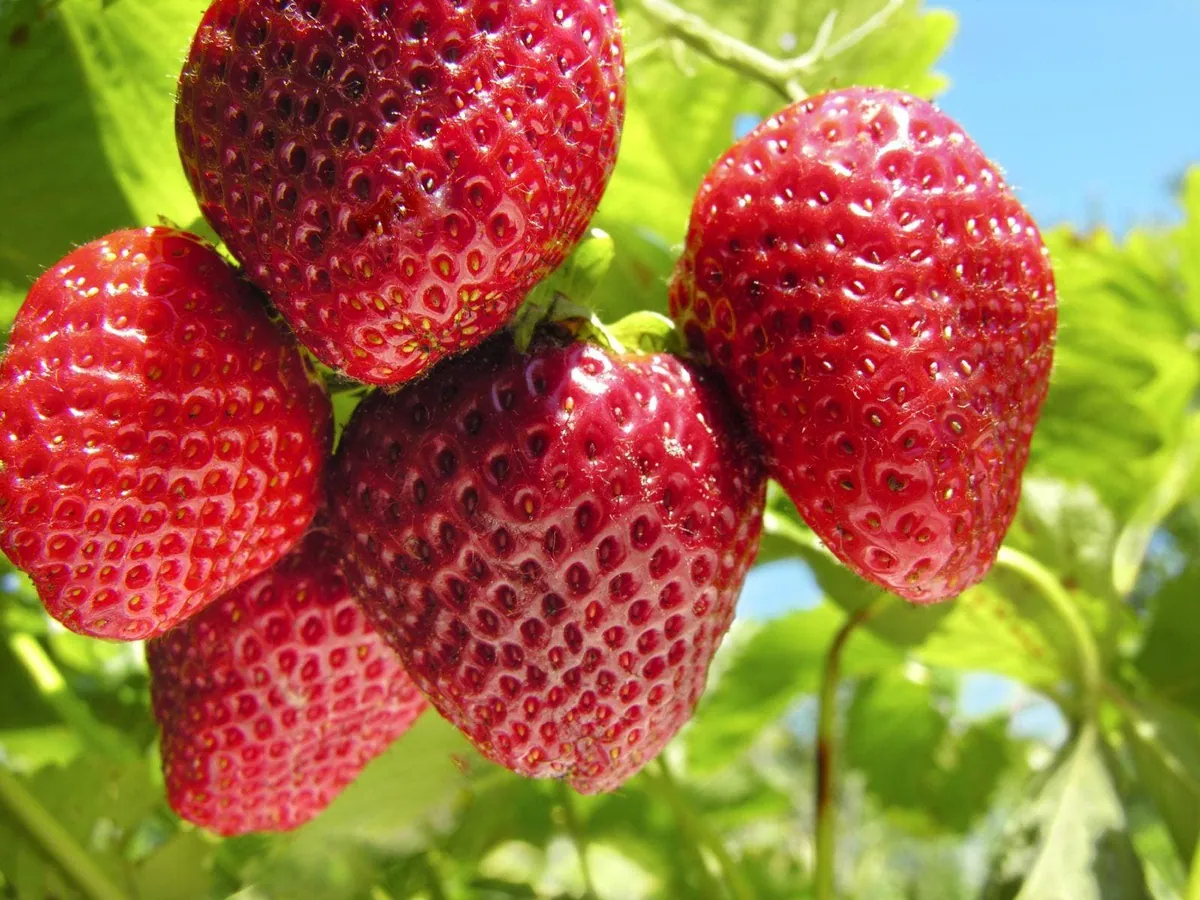
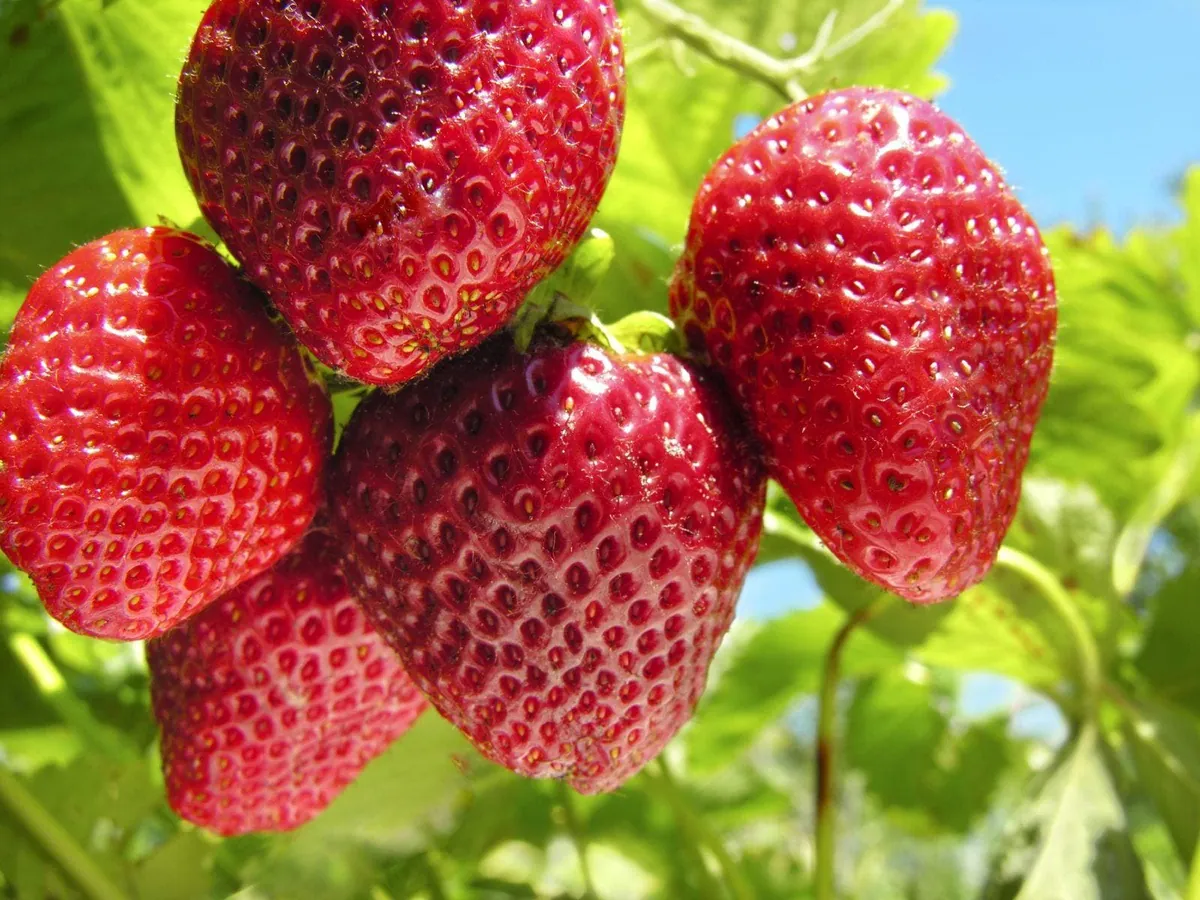
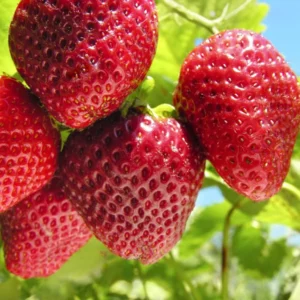
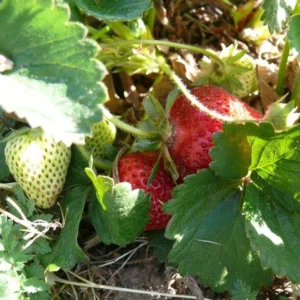
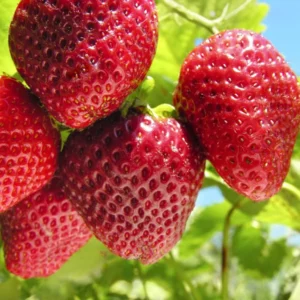
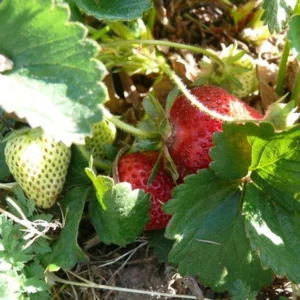
Cultivate delicious, large ‘Sequoia’ strawberries with this pack of 50 Sequoia Strawberry Bare Roots. Known for their sweet flavor and continuous fruiting in mild climates, these everbearing strawberry plants are perfect for home gardeners seeking a bountiful harvest from late spring through fall.
-
USDA Hardiness Zone
USDA zones 6-9 -
Soil Type
Well-draining, loamy soil with organic matter -
Sunlight Exposure
Full sun (6-8+ hours daily) -
Expected Planting Period
Early spring or late fall

You can track your order HERE
Feb 26
Mar 03 - Mar 05
Mar 08 - Mar 12
Shipping and return policies: Our Alive & Thrive Guarantee covers issues with your plants within the first 30 days. Reach out to us. Our team will answer your questions and help you find the plants that are truly suitable for your environment, climate, and personal preferences.

Overview
Bring the joy of fresh, homegrown fruit to your garden with our 50 Sequoia Strawberry Bare Roots. This popular variety, botanically known as Fragaria × ananassa ‘Sequoia’, is celebrated for its exceptionally large, sweet, and flavorful berries. Ideal for home gardeners, these bare root plants establish quickly and promise a prolific harvest. The ‘Sequoia’ strawberry is a fantastic choice for those looking to enjoy a continuous supply of fruit throughout the growing season, transforming your backyard into a productive edible landscape.
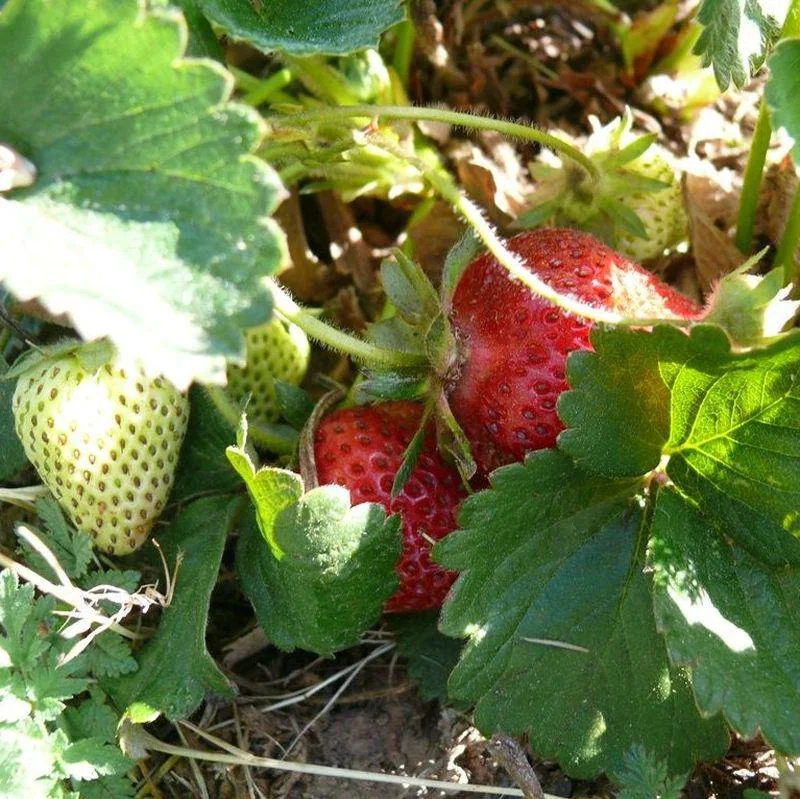
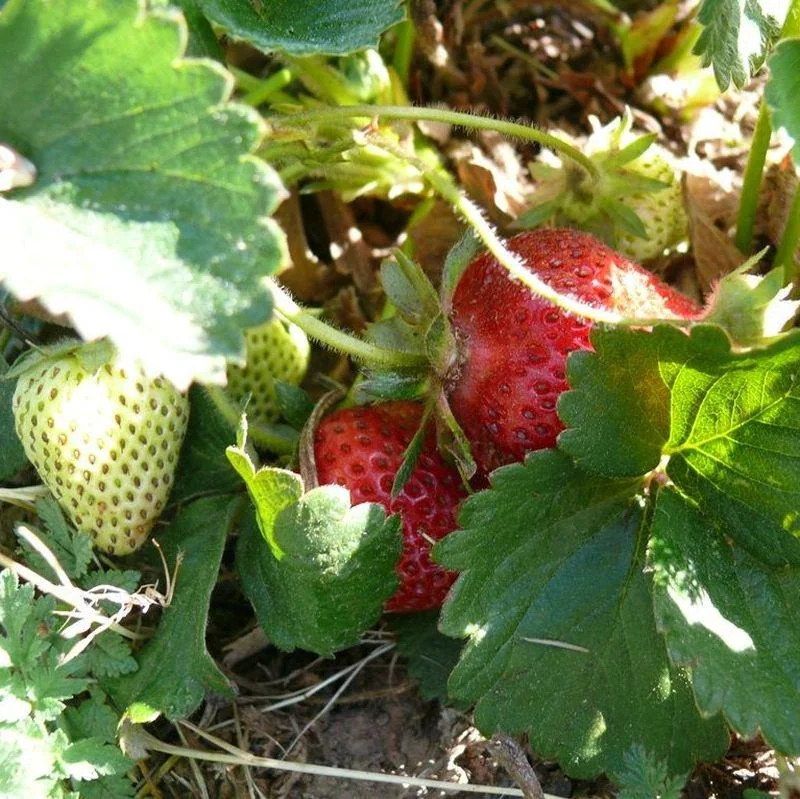
Often described as producing like an everbearing strawberry plants in warmer, milder climates, the ‘Sequoia’ delivers sweet berries from late spring right through to the first autumn frost. Even in cooler regions, you can expect a substantial early summer crop. These robust plants are renowned for their vigor and ability to produce runners after fruiting, ensuring your strawberry patch expands and yields increase year after year. Learning how to grow strawberries at home has never been easier with this reliable and rewarding variety.
Key Benefits
The ‘Sequoia’ strawberry offers numerous advantages for both novice and experienced gardeners, making it a stellar addition to any edible garden. Its easy-to-grow nature combined with its high yield makes it a favorite among fruit enthusiasts.
- Prolific Fruiting: Enjoy a continuous supply of large, sweet berries from late spring through autumn, especially in mild climates, making it an excellent choice for a prolonged harvest. This continuous yield is a hallmark of good everbearing strawberry plants.
- Exceptional Flavor: The ‘Sequoia’ variety is highly prized for its delicious, juicy, and sweet strawberries, perfect for fresh eating, desserts, jams, and preserves. Experience the superior taste of homegrown produce.
- Adaptable Growth: While technically June-bearing, these plants perform like everbearing varieties in USDA zones 6-9, adapting well to various garden conditions and rewarding gardeners with abundant fruit.
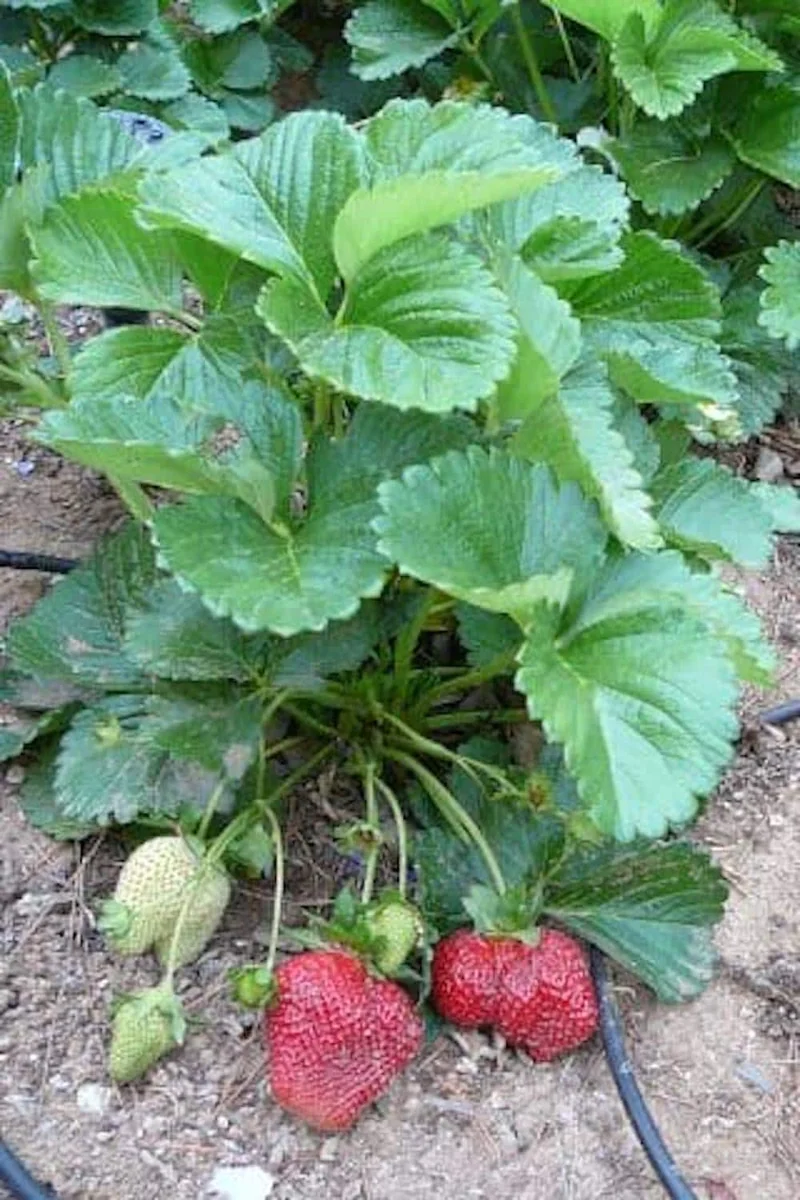
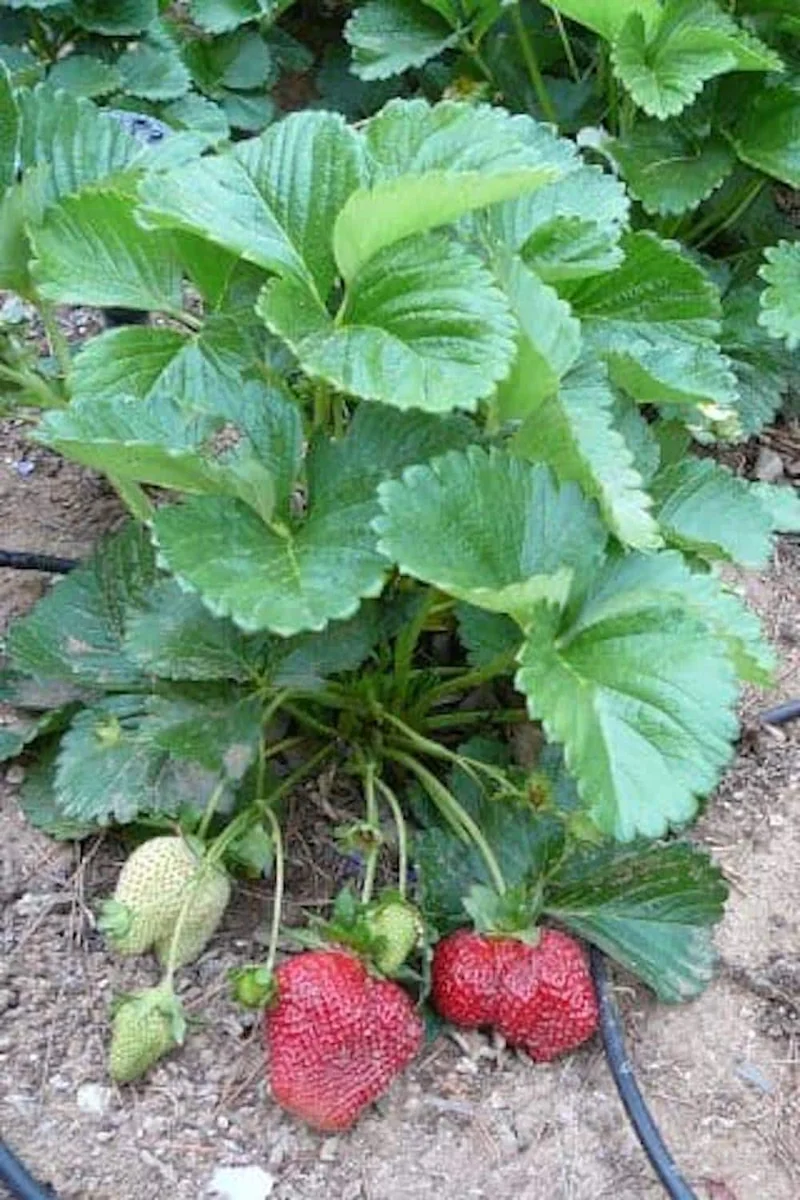
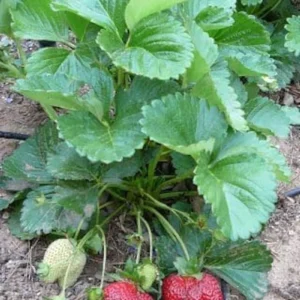
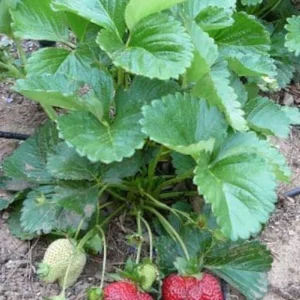
- Robust Plant Health: These medium-height plants (8-10 inches tall, 18 inches wide) are known for their strong growth and ability to produce vigorous runners, which naturally helps increase your annual yield.
- Home Garden Favorite: A popular and reliable choice for home gardeners looking to successfully grow strawberries at home, offering both ease of cultivation and a rewarding harvest.
- Versatile Use: The berries are ideal for a multitude of culinary applications, from fresh snacks and fruit salads to baking and preserving, ensuring you can enjoy your harvest in many ways.
- Enhanced Garden Aesthetics: Beyond their edible bounty, strawberry plants add attractive green foliage to your garden beds or containers, and their white blossoms are a lovely sight before the fruit appears.
Plant Care & Growing Tips
Cultivating Sequoia Strawberry Bare Roots successfully requires attention to a few key environmental factors and consistent care. These plants are relatively low-maintenance but thrive with proper attention. Begin by selecting a site that receives ample sunlight to ensure optimal fruit production.
Sunlight Requirements: ‘Sequoia’ strawberries perform best in full sun, meaning at least 6-8 hours of direct sunlight per day. While they can tolerate partial shade, fruit production will be significantly reduced. Ensure they are not overshadowed by taller plants or structures throughout the day. Watering & Soil: Consistent moisture is crucial, especially during flowering and fruiting. Water deeply when the top inch of soil feels dry, but avoid waterlogging, which can lead to root rot. Well-draining soil is paramount. A loamy soil rich in organic matter with a slightly acidic to neutral pH (5.5-7.0) is ideal. Amend heavy clay soils with compost to improve drainage and sandy soils to enhance water retention. These everbearing strawberry plants appreciate a consistent water supply.
Temperature & Hardiness: The ‘Sequoia’ strawberry is well-suited for USDA zones 6-9, where it behaves like an everbearing variety. In cooler zones, it will typically produce one large crop in early summer. Protect plants from extreme heat with partial shade during the hottest part of the day, and mulch to regulate soil temperature and moisture. Fertilization: Fertilize in early spring with a balanced slow-release fertilizer or one formulated for fruiting plants. Avoid excessive nitrogen, which can promote foliage growth at the expense of fruit. A second application after the main fruiting period can support runner development. Pest & Disease Management: Monitor for common strawberry pests like slugs, birds, and aphids. Use netting to deter birds and organic pest controls as needed. Ensure good air circulation to prevent fungal diseases. Proper spacing of your sweet strawberry variety also helps prevent disease.
Size & Details
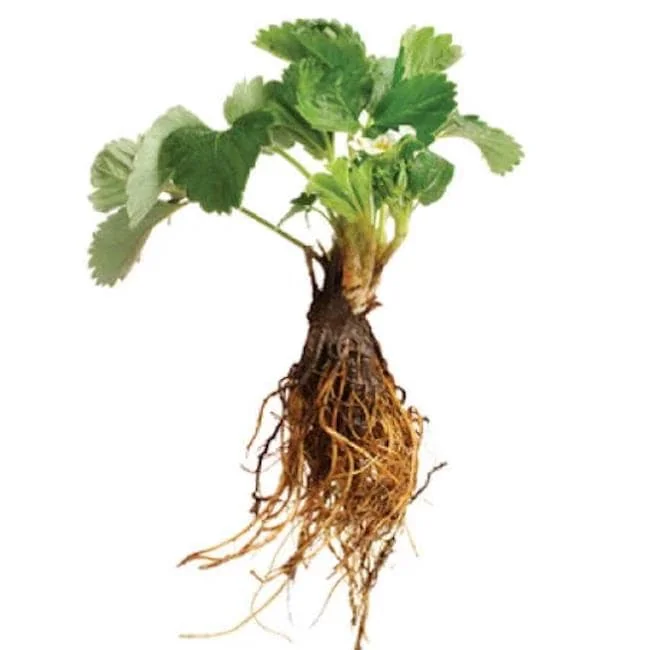
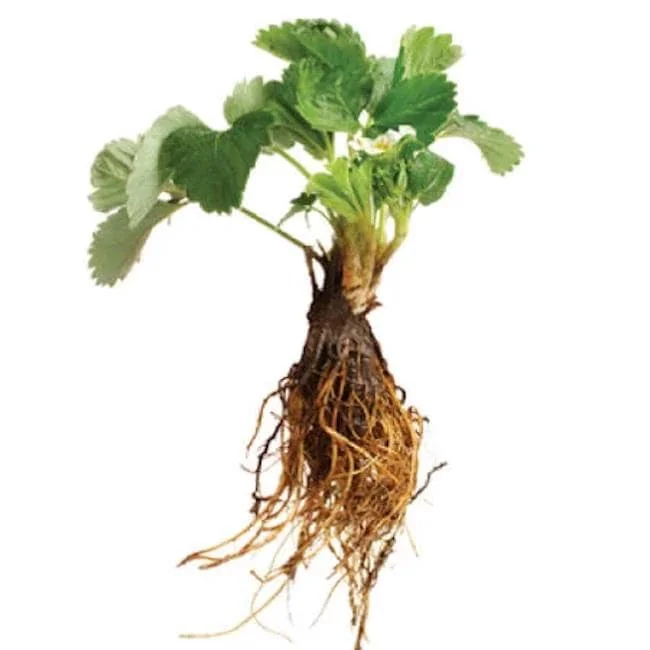
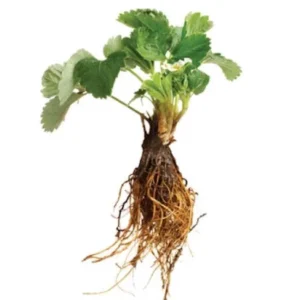
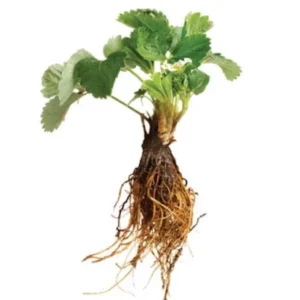
This offering includes 50 Sequoia Strawberry Bare Roots, ready for planting. Each bare root is a dormant plant without soil, allowing for easy and efficient establishment in your garden. Upon planting, these plants will quickly develop foliage and begin to grow. Mature ‘Sequoia’ strawberry plants typically reach a height of about 8-10 inches and spread approximately 18 inches wide, creating a lush groundcover or attractive container plant. They are known for their robust runner production after fruiting, allowing for natural propagation and expansion of your strawberry patch.
Expect your Sequoia Strawberry Bare Roots to begin fruiting in the first year after planting, with peak production occurring in subsequent years. The exact timing and yield will depend on your local climate and care practices. In ideal conditions within USDA zones 6-9, you can anticipate a continuous supply of berries from late spring until the first frost, truly showcasing their everbearing potential. These are an excellent choice for anyone looking to grow strawberries at home.
Frequently Asked Questions
- Q: How big do these strawberry plants get? A: Sequoia Strawberry Bare Roots typically grow into plants that are about 8-10 inches tall and spread up to 18 inches wide. They produce numerous runners that can expand the patch.
- Q: Is this an indoor or outdoor plant? A: The ‘Sequoia’ strawberry is primarily an outdoor plant, thriving in garden beds, raised beds, or containers where it can receive full sun. While possible, growing indoors is challenging due to light and pollination needs.
- Q: How much sunlight does the ‘Sequoia’ strawberry need? A: For optimal fruit production and plant health, these everbearing strawberry plants require full sun, meaning at least 6-8 hours of direct sunlight daily.
- Q: Is this plant easy to care for? A: Yes, the ‘Sequoia’ strawberry is considered relatively easy to care for, making it a great choice for beginner gardeners looking to grow strawberries at home. Consistent watering and adequate sunlight are key.
- Q: What condition will the bare roots arrive in? A: Your Sequoia Strawberry Bare Roots will arrive dormant and without soil, ready for immediate planting. They are carefully packaged to ensure freshness during transit.
- Q: When is the best time to plant these bare roots? A: The best time to plant strawberry bare roots is in early spring after the last frost, or in late fall in milder climates, to allow them to establish before extreme temperatures.
- Q: How long until these plants produce fruit? A: You can typically expect your ‘Sequoia’ strawberry plants to begin producing fruit in their first year after planting, with a more abundant harvest in their second year and beyond.
- Q: What’s the minimum temperature these strawberry plants can tolerate? A: These plants are hardy in USDA zones 6-9. In colder zones, they may require winter protection like mulching to survive the freezing temperatures.
- Q: What makes ‘Sequoia’ a good sweet strawberry variety? A: The ‘Sequoia’ strawberry is renowned for its large, exceptionally sweet, and juicy berries, making it a favorite for fresh eating and various culinary uses.
- Q: Will these plants produce runners? A: Yes, ‘Sequoia’ strawberry plants are known to produce robust runners after fruiting, which helps propagate new plants and increase the overall yield of your strawberry patch annually.
Be the first to review “50 Sequoia Strawberry Bare Roots – Fragaria x ananassa – Sweet, Prolific Fruiting Plants”
People Also Viewed
Sold 65 products
$35.18
Sold 60 products
Original price was: $37.98.$18.99Current price is: $18.99.
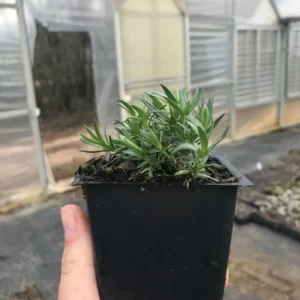
Flower Plants
Snowflake Creeping Phlox Live Plant – 3.5in Pot, Deer Resistant Groundcover, Attracts Pollinators
Sold 86 products
From $67.80
Sold 71 products
From $71.96
Sold 93 products
Original price was: $35.98.$17.99Current price is: $17.99.
Sold 71 products
Original price was: $97.60.$48.80Current price is: $48.80.
Sold 89 products
From $51.80
Sold 97 products
Original price was: $47.96.$23.98Current price is: $23.98.
Sold 90 products
Original price was: $191.60.$95.80Current price is: $95.80.
Sold 80 products
From $24.98
Sold 69 products
Original price was: $29.98.$14.99Current price is: $14.99.
Sold 63 products
Original price was: $47.99.$27.99Current price is: $27.99.

Succulents
Variegated String of Hearts Live Plant, Ceropegia Woodii, Trailing Succulent, 2.5-inch Pot, Indoor
Sold 55 products
Original price was: $37.96.$18.98Current price is: $18.98.
Sold 86 products
Original price was: $22.76.$11.38Current price is: $11.38.
Sold 95 products
Original price was: $58.58.$29.29Current price is: $29.29.
Sold 88 products
Original price was: $51.98.$25.99Current price is: $25.99.
Sold 62 products
$50.58
Sold 90 products
From $79.64



Reviews
There are no reviews yet.