
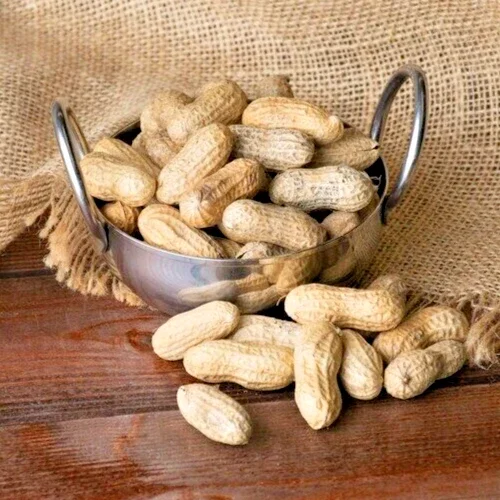
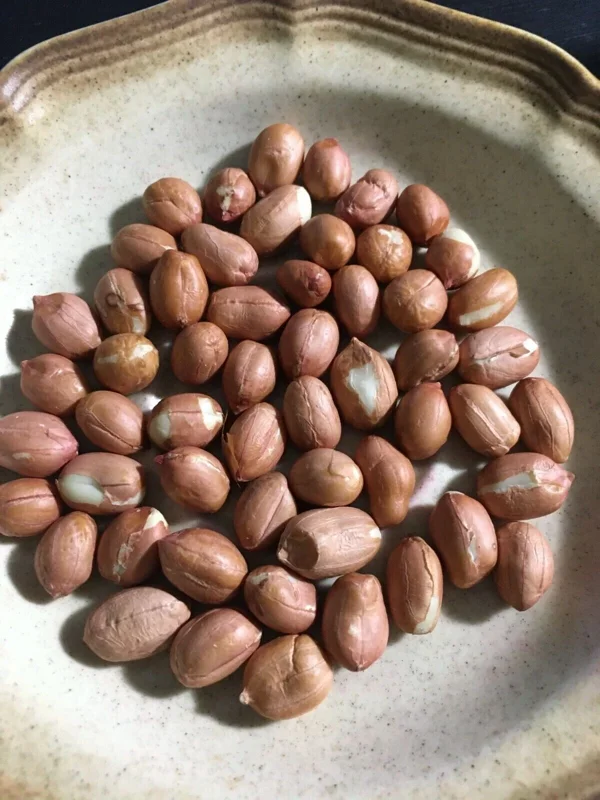


50 Heirloom Tennessee Red Peanut Seeds – Skin Off – Vegetable Seeds Outdoor
Original price was: $22.76.$11.38Current price is: $11.38.
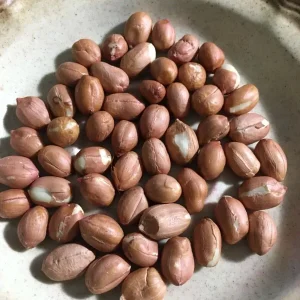
Start your own peanut patch with these heirloom peanut seeds. This pack contains 50 Tennessee Red Peanut Seeds, ready for planting. Enjoy fresh, flavorful peanuts grown right in your backyard. These easy grow vegetable seeds are ideal for outdoor gardens.
-
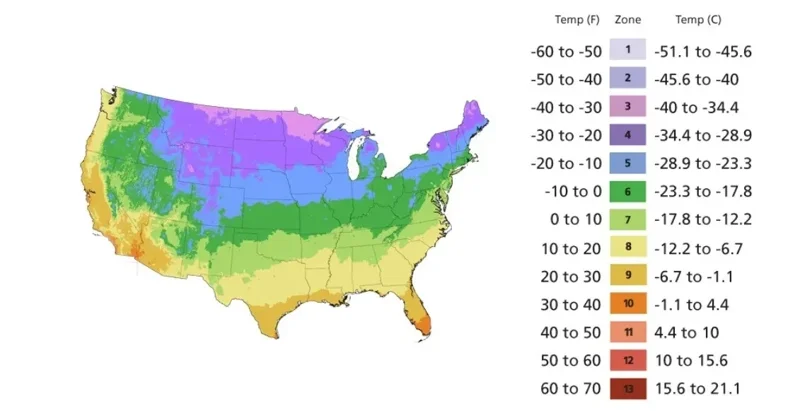
USDA Hardiness Zone
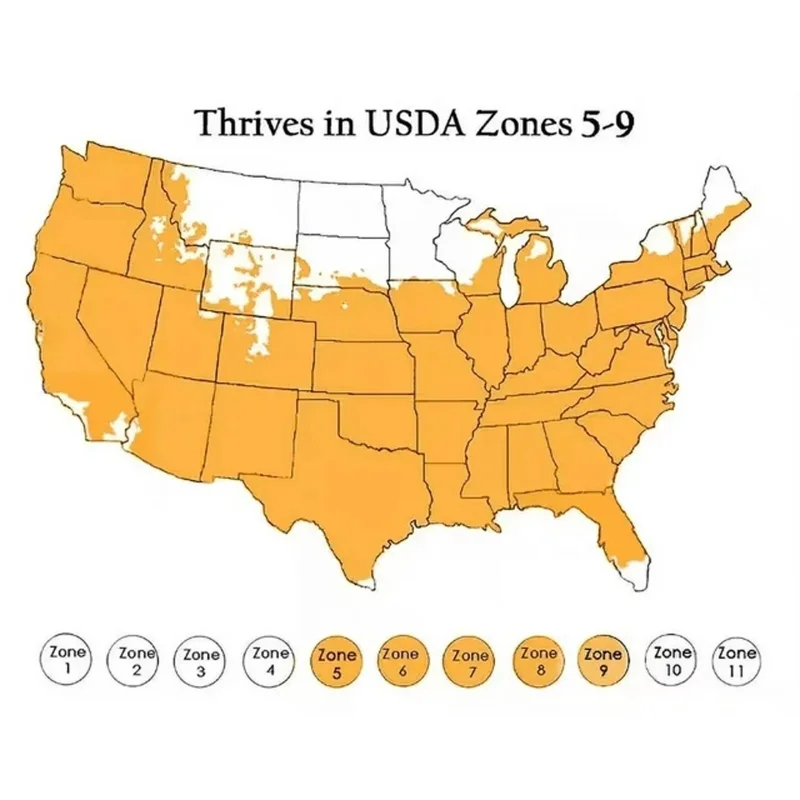
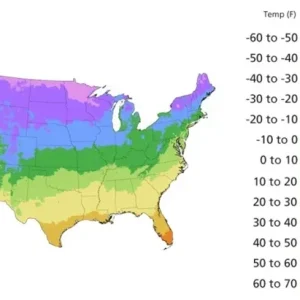
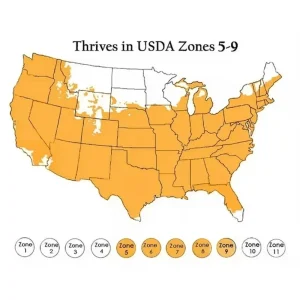
USDA zones 7-11 -
Soil Type
Well-draining, loose, sandy loam soil -
Sunlight Exposure
Full sun -
Expected Planting Period
Spring after last frost

You can track your order HERE
Mar 20
Mar 25 - Mar 27
Mar 30 - Apr 03
Shipping and return policies: Our Alive & Thrive Guarantee covers issues with your plants within the first 30 days. Reach out to us. Our team will answer your questions and help you find the plants that are truly suitable for your environment, climate, and personal preferences.

Overview
Embark on a rewarding gardening journey with these premium Tennessee Red Peanut Seeds. This offering includes 50 fresh, heirloom peanut seeds, carefully prepared with the skin removed for easier planting and germination. Cultivating your own peanuts is a unique and satisfying experience, providing a fresh, nutritious snack right from your garden. The Tennessee Red variety is renowned for its robust flavor and adaptability, making it a favorite among home gardeners. These heirloom peanut seeds ensure you’re planting a time-tested variety that has been passed down through generations, known for its consistent quality and delicious yield. Perfect for those looking to expand their edible garden, these seeds promise a bountiful harvest of vibrant red peanuts.
Growing peanuts can be an exciting project for gardeners of all skill levels. These skin off peanut seeds are specifically selected to give you the best start, removing one of the initial hurdles of peanut cultivation. Whether you’re a seasoned gardener or just starting out, the prospect of harvesting your own peanuts is incredibly appealing. The Tennessee Red variety thrives in various climates, making it a versatile choice for many regions across the US. Prepare to enjoy the satisfaction of growing your own food with these high-quality, reliable peanut seeds.
Key Benefits
Discover the numerous advantages of planting Tennessee Red Peanut Seeds in your garden:
-
Exceptional Flavor Profile: The Tennessee Red Peanut Seeds produce peanuts known for their distinct, rich, and sweet flavor. They are excellent for roasting, boiling, or making homemade peanut butter, offering a superior taste compared to store-bought varieties.
-
Heirloom Quality: As heirloom peanut seeds, this variety offers genetic stability and true-to-type characteristics, ensuring that the delicious traits have been preserved over time. You’re planting a piece of agricultural heritage.
-
High Yield Potential: These plants are known for their productivity, providing a generous harvest of peanuts from each plant. This makes them a cost-effective way to enjoy fresh peanuts throughout the season.
-
Easy to Grow: Considered easy grow vegetable seeds, these peanuts are relatively low-maintenance once established. They are forgiving and adaptable, making them suitable for beginners and experienced gardeners alike who want to grow red peanuts.
-
Nutritional Value: Homegrown peanuts are a fantastic source of protein, healthy fats, and essential vitamins and minerals. Enjoy a healthy snack that you cultivated yourself, knowing exactly how it was grown.
-
Versatile Culinary Use: From fresh roasted snacks to ingredients in various dishes, these peanuts offer immense culinary flexibility. Their unique flavor enhances both sweet and savory recipes.
-
Educational Experience: Growing peanuts, especially from skin off peanut seeds, provides an excellent educational opportunity for children and adults to learn about plant life cycles and food production.
Plant Care & Growing Tips
To successfully grow red peanuts from your Tennessee Red Peanut Seeds, proper care and attention to their specific needs are essential. Peanuts thrive in warm climates and require a long growing season. Ensure your planting area receives full sun, meaning at least 6-8 hours of direct sunlight per day. Well-draining, loose, sandy loam soil is ideal, as it allows the ‘pegs’ (the part of the plant that forms the peanut pods) to easily penetrate the soil. Avoid heavy clay soils, which can hinder peg development. Before planting, amend your soil with compost to improve fertility and drainage, but avoid high-nitrogen fertilizers, which can promote leafy growth at the expense of peanut production.
Water your peanut plants regularly, especially during flowering and pegging, to keep the soil consistently moist but not waterlogged. Once the peanuts begin to form underground, reduce watering slightly to prevent rot. Peanuts are annuals and typically require about 120-150 days to mature. Plant your heirloom peanut seeds after the last frost when soil temperatures are consistently above 65°F (18°C). Spacing seeds about 6 inches apart in rows 2-3 feet apart will give them adequate room to grow and develop. Minimal weeding is necessary, but be careful not to disturb the developing pegs. These easy grow vegetable seeds will reward you with a hearty crop if these guidelines are followed.
Size & Details
This package contains 50 high-quality Tennessee Red Peanut Seeds, ready for planting. The seeds are provided with the skin off, which can aid in faster germination by eliminating the need for the seed to break through the outer layer. Each seed has the potential to grow into a robust peanut plant, typically reaching a height of 12-18 inches and spreading about 18-24 inches wide, forming a clumping growth habit. Peanuts are an annual crop, meaning they complete their life cycle within one growing season. From planting to harvest, you can expect a maturity period of approximately 16 weeks, allowing you to enjoy your fresh peanuts in the late summer or early fall. These heirloom peanut seeds are selected for their viability and genetic integrity, ensuring a strong start for your garden.
Frequently Asked Questions
-
Q: How many peanuts will I get from 50 seeds? A: The yield can vary depending on growing conditions and care, but each healthy plant grown from these Tennessee Red Peanut Seeds can produce a significant number of pods, typically yielding several dozen peanuts. With 50 seeds, you can expect a substantial harvest.
-
Q: Are these peanut seeds suitable for growing in containers? A: While peanuts are traditionally grown in the ground, they can be grown in large containers (at least 15-gallon size) with good drainage. Ensure the container is wide enough to allow the pegs to penetrate the soil and form peanuts. These easy grow vegetable seeds can adapt to container life with proper care.
-
Q: What is the best time to plant Tennessee Red Peanut Seeds? A: The ideal time to plant your heirloom peanut seeds is after the last spring frost, once the soil has warmed up and all danger of cold weather has passed. Soil temperatures should be consistently above 65°F (18°C) for optimal germination and growth.
-
Q: Do these peanuts need a lot of water? A: Peanut plants require consistent moisture, especially during their flowering and pegging stages. Keep the soil evenly moist but not waterlogged. Reduce watering slightly as harvest approaches to prevent fungal issues and promote curing of the peanuts.
-
Q: How do I know when the peanuts are ready for harvest? A: Peanuts are typically ready for harvest when the foliage begins to yellow and wilt, usually in late summer or early fall. Dig up a test plant to check if the pods are fully formed and the inner shells are darkened. This indicates your skin off peanut seeds have successfully produced a crop.
-
Q: Can I save seeds from my harvest to plant next year? A: Yes, as these are heirloom peanut seeds, you can save seeds from your healthy, mature plants to replant in subsequent seasons, maintaining the genetic purity and characteristics of the Tennessee Red variety. This is a great way to ensure you always have seeds to grow red peanuts.
-
Q: Do I need to shell the peanuts before planting? A: These skin off peanut seeds are already shelled and prepared for planting. If you were to use unshelled peanuts, you would need to crack them open and plant the individual kernels.
-
Q: What kind of soil is best for Tennessee Red Peanuts? A: Peanuts prefer loose, well-draining, sandy loam soil. This type of soil allows the developing pegs to easily penetrate and form pods. Good drainage is crucial to prevent root rot and ensure a successful harvest.
-
Q: Are these peanuts organic? A: The listing does not specify if these seeds are certified organic. However, they are heirloom seeds, meaning they are open-pollinated and non-GMO. You can cultivate them organically in your garden. These are great easy grow vegetable seeds for any garden.
-
Q: Are these suitable for all climates in the US? A: Peanuts thrive in warm climates with a long growing season. They are best suited for USDA Zones 7-11. In cooler zones, you may need to start them indoors or use season extenders to ensure they have enough time to mature before the first frost.
Be the first to review “50 Heirloom Tennessee Red Peanut Seeds – Skin Off – Vegetable Seeds Outdoor”
People Also Viewed
Sold 69 products
Original price was: $67.98.$33.99Current price is: $33.99.
Sold 76 products
$41.78
Sold 73 products
Original price was: $78.00.$39.00Current price is: $39.00.
Sold 59 products
Original price was: $79.98.$63.98Current price is: $63.98.
Sold 82 products
Original price was: $29.92.$14.96Current price is: $14.96.
Sold 91 products
Original price was: $31.50.$25.20Current price is: $25.20.
Sold 75 products
From $47.80
HousePlants
Sold 53 products
Original price was: $59.96.$29.98Current price is: $29.98.
Sold 62 products
Original price was: $22.00.$17.60Current price is: $17.60.
Sold 77 products
Original price was: $89.98.$44.99Current price is: $44.99.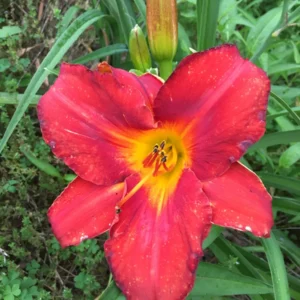
Flower Plants
Pardon Me Daylily Bare Root Plant – Fragrant Red Reblooming Hemerocallis, 1-2 Fans, Outdoor
Sold 88 products
From $119.80
Sold 84 products
From $75.80
Sold 72 products
Original price was: $59.92.$29.96Current price is: $29.96.
Sold 93 products
Original price was: $39.60.$19.80Current price is: $19.80.
Sold 94 products
Original price was: $111.96.$55.98Current price is: $55.98.
Sold 82 products
Original price was: $59.98.$47.98Current price is: $47.98.
Sold 62 products
From $19.99
Sold 63 products
Original price was: $57.98.$28.99Current price is: $28.99.



Reviews
There are no reviews yet.