
50 Fort Laramie Strawberry Bare Roots – Everbearing, Cold Hardy Fruit Plants
Original price was: $112.00.$89.60Current price is: $89.60.
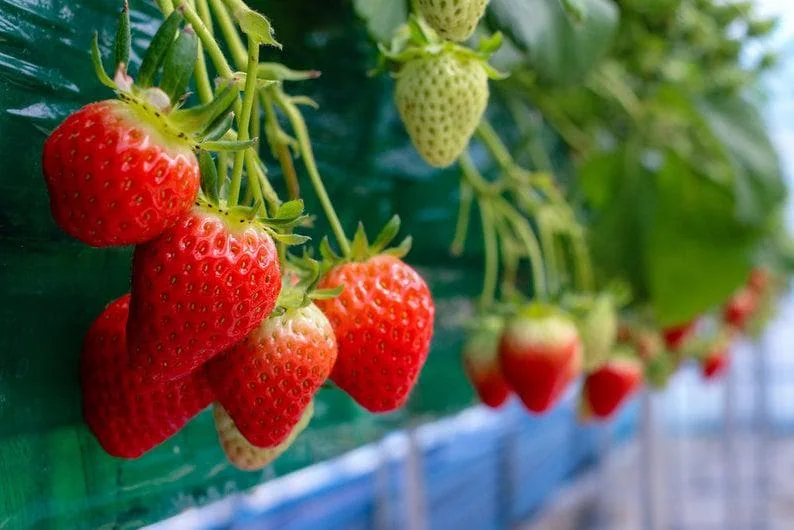
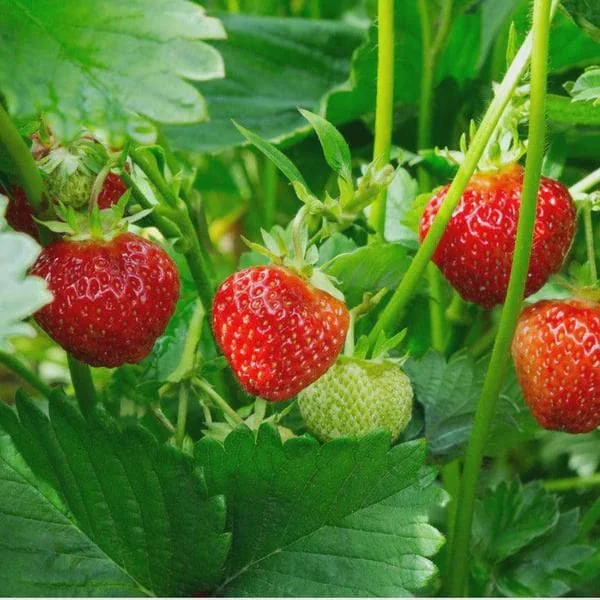
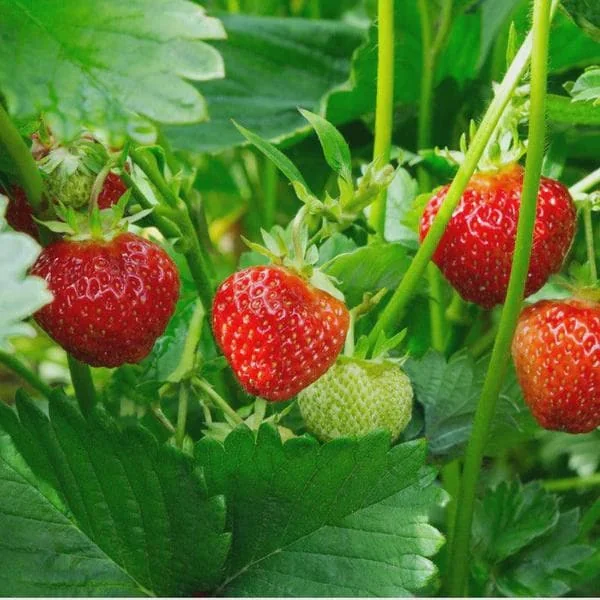
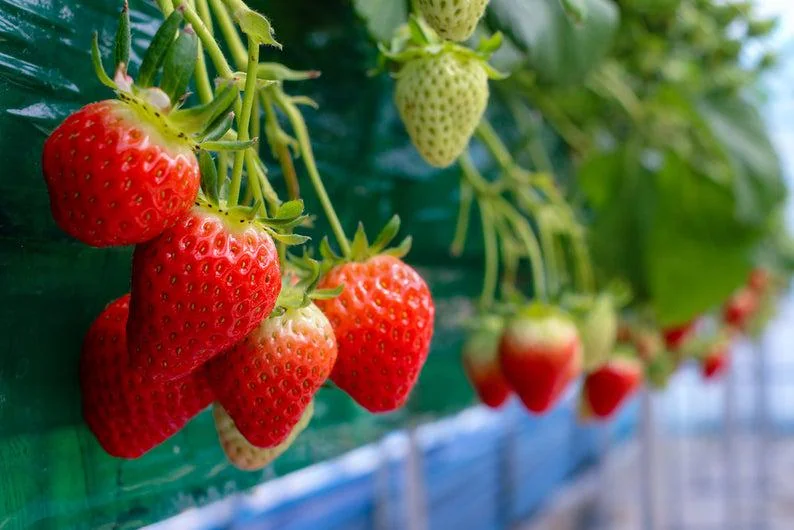
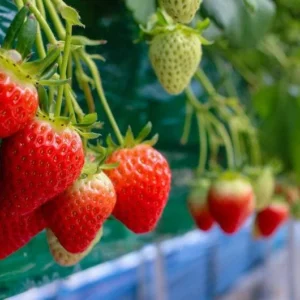
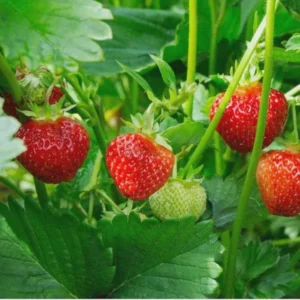
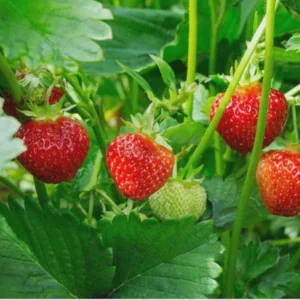
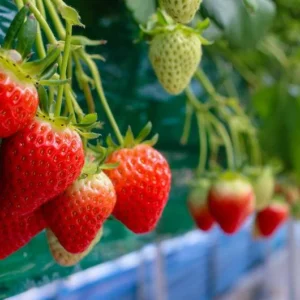
Cultivate delicious fruit with 50 Fort Laramie Strawberry bare roots. This exceptional, everbearing strawberry variety is renowned for its extreme cold hardiness, making it ideal for challenging northern climates. Enjoy sweet, firm, and juicy strawberries throughout the season.
-
USDA Hardiness Zone
3-9 -
Soil Type
Well-draining, rich in organic matter -
Sunlight Exposure
Full sun -
Expected Planting Period
Early spring

You can track your order HERE
Mar 03
Mar 08 - Mar 10
Mar 13 - Mar 17
Shipping and return policies: Our Alive & Thrive Guarantee covers issues with your plants within the first 30 days. Reach out to us. Our team will answer your questions and help you find the plants that are truly suitable for your environment, climate, and personal preferences.

Overview
Transform your garden into a berry haven with 50 Fort Laramie Strawberry bare roots. This remarkable strawberry variety, scientifically known as Fragaria × ananassa ‘Fort Laramie’, is celebrated for its unparalleled cold hardiness and everbearing nature. Developed by the USDA Cheyenne Experiment Station in Wyoming, it was specifically bred to thrive in challenging, cold, and dry climates, making it a perfect choice for gardeners in northern regions. The Fort Laramie Strawberry bare roots offer a resilient foundation for a bountiful harvest, producing sweet, juicy, and firm fruit that can be enjoyed fresh, in preserves, or desserts.
Planting these cold hardy strawberry plants means investing in a reliable and productive addition to your garden. Unlike many other varieties, Fort Laramie excels in cooler temperatures, ensuring a consistent yield even when other strawberries falter. Its robust nature and delicious fruit make it a favorite among home gardeners looking for a dependable and flavorful berry for their landscape.
Key Benefits
The Fort Laramie Strawberry bare roots offer a multitude of advantages for any gardener, especially those in cooler climates. This outstanding everbearing strawberry variety provides continuous harvests and robust growth with minimal fuss.
- Exceptional Cold Hardiness: Thrives in USDA Zones 3-7, and can even perform well up to Zone 9 with proper care, making it one of the most resilient strawberry varieties available for colder regions. These cold hardy strawberry plants are designed to withstand harsh winters.
- Everbearing Production: Enjoy a continuous supply of fresh strawberries from spring until the first frost. This prolonged fruiting period means more berries for fresh eating and preserving throughout the growing season.
- Delicious Fruit Quality: Produces sweet, juicy, and firm strawberries that are perfect for eating fresh, baking, jams, or freezing. The flavor profile is consistently excellent.
- Drought & Disease Resistance: Bred for resilience, Fort Laramie strawberries show good resistance to common strawberry diseases and can tolerate drier conditions once established, reducing the need for intensive care.
- Developed for Tough Climates: Originating from the USDA Cheyenne Experiment Station, this variety is specifically engineered to perform in challenging environmental conditions, ensuring success where other strawberries might fail.
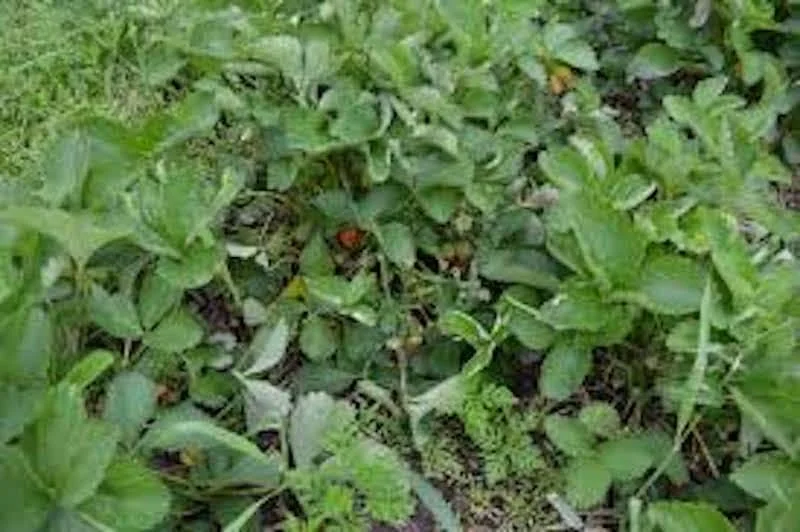
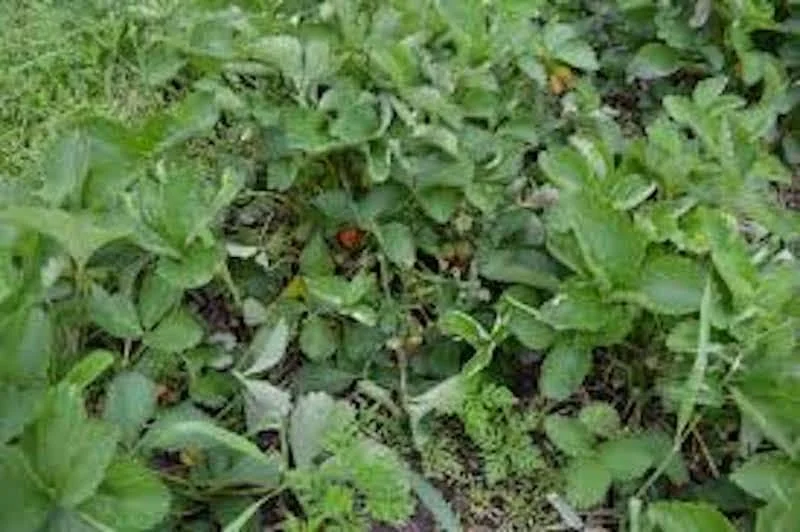
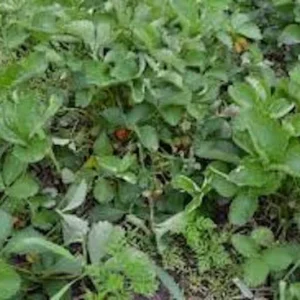
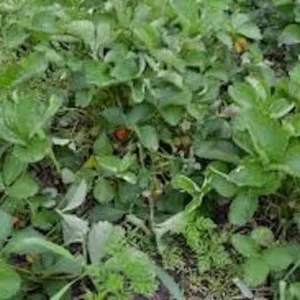
- Versatile Use: Ideal for garden beds, raised beds, containers, or as an attractive groundcover. Its adaptability makes it suitable for various garden designs.
- Easy to Grow: Even novice gardeners can achieve success with these vigorous Fort Laramie Strawberry bare roots. Their robust nature simplifies the growing process, leading to rewarding yields.
Plant Care & Growing Tips
Cultivating Fort Laramie Strawberry bare roots is straightforward, especially given their inherent resilience. For optimal growth and fruit production, understanding their specific needs is crucial. These cold hardy strawberry plants prefer a location that receives full sun, meaning at least 6-8 hours of direct sunlight per day. Adequate sunlight is essential for maximizing fruit yield and sweetness. Prepare your planting site with well-draining soil, rich in organic matter. A slightly acidic to neutral pH (5.5-6.8) is ideal. Amending heavy clay soils with compost or peat moss can significantly improve drainage and aeration, which is vital for bare root establishment.
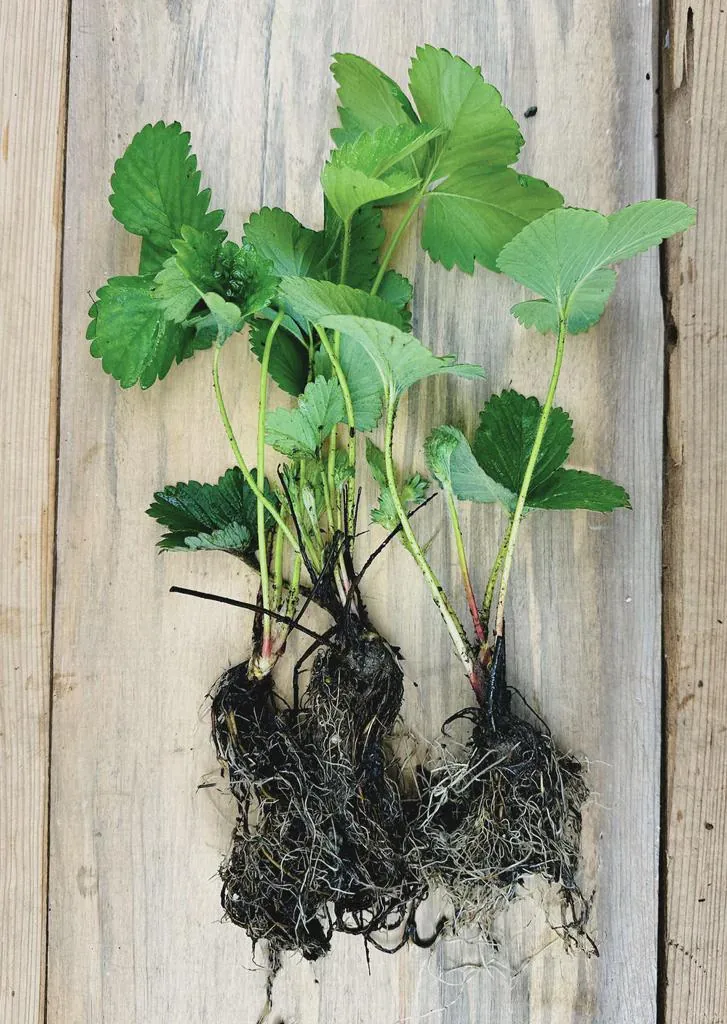
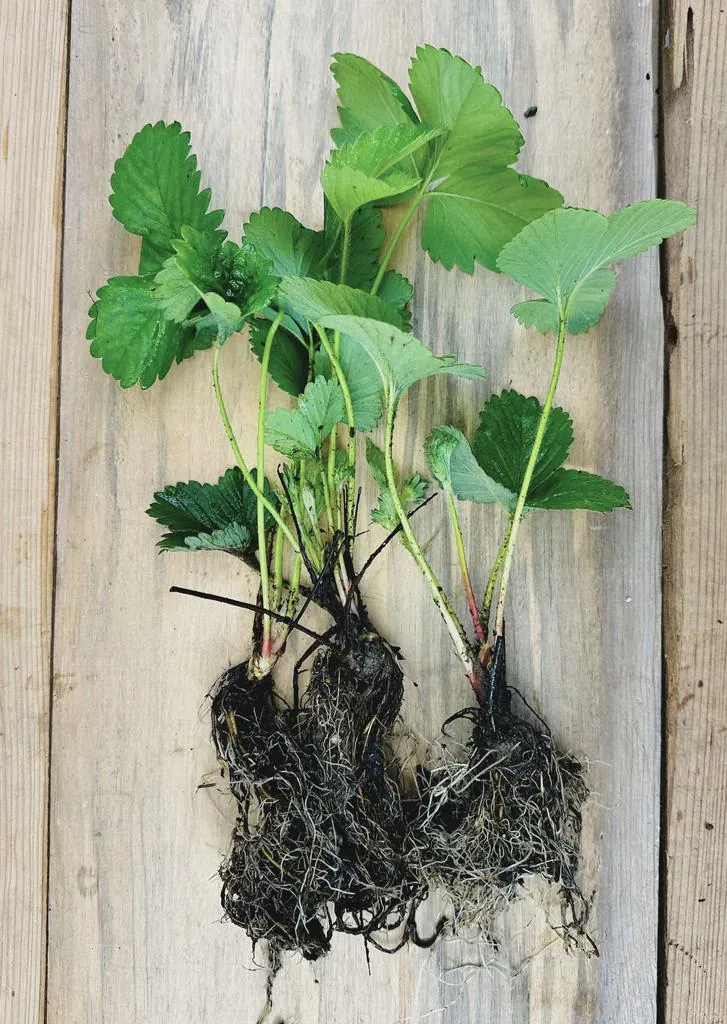
When planting your Fort Laramie Strawberry bare roots, ensure the crown (the point where the roots meet the leaves) is level with the soil surface. Do not bury the crown too deeply or leave too much of the root system exposed. Space plants about 12-18 inches apart in rows, with rows 3 feet apart to allow for runner development and air circulation. Water thoroughly after planting and maintain consistent moisture, especially during flowering and fruiting periods. Strawberries prefer consistently moist, but not waterlogged, soil. Fertilize with a balanced fertilizer in early spring and again after the first flush of fruit for this everbearing strawberry variety. Mulching with straw around the plants helps retain soil moisture, suppress weeds, and keep berries clean.
While known for its hardiness, providing winter protection in the coldest zones (USDA 3-4) with a layer of straw or pine needles can further safeguard your Fort Laramie Strawberry bare roots. Watch out for common pests like slugs and birds, and consider netting to protect your ripening fruit. Regular removal of older leaves can help prevent fungal diseases and encourage new growth. Proper care will ensure a thriving patch of Fragaria x ananassa, providing delicious berries for years.
Size & Details
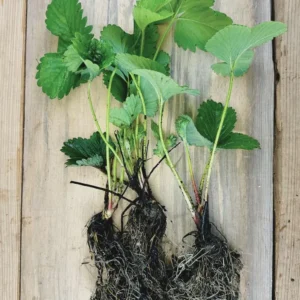
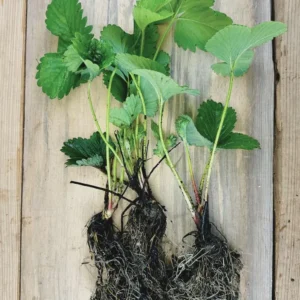
This offering includes 50 Fort Laramie Strawberry bare roots, providing a substantial start for a productive strawberry patch. Each bare root is a dormant plant, carefully harvested without soil, ready for immediate planting upon arrival. These plants are known for their vigorous growth, typically reaching a height of 6-12 inches with a similar spread once established. As an everbearing strawberry variety, they will begin producing fruit in their first year, with peak production in subsequent years. Expect a medium growth rate, quickly filling out their allocated space with lush foliage and abundant runners.
The Fort Laramie Strawberry bare roots are shipped dormant, ensuring they transplant easily and adapt well to their new environment. Upon planting, they will quickly awaken from dormancy, producing leaves and then flowers, followed by fruit. This specific variety is an excellent choice for a productive and resilient garden, offering a generous yield of sweet berries. These are an ideal choice for those interested in growing strawberries in cold climates.
Frequently Asked Questions
- Q: How large will the Fort Laramie Strawberry plants get? A: Once established, Fort Laramie Strawberry bare roots typically grow to about 6-12 inches tall and spread about 12-18 inches wide. They produce runners that will expand the patch over time.
- Q: Is this an indoor or outdoor plant? A: The Fort Laramie Strawberry is an outdoor plant, specifically bred for garden beds and outdoor cultivation. It thrives in full sun and is known for its cold hardiness.
- Q: How much sunlight do these strawberry plants need? A: These cold hardy strawberry plants require at least 6-8 hours of direct sunlight per day to produce the best fruit yield and flavor. Full sun is essential for optimal growth.
- Q: Is this strawberry variety easy to care for? A: Yes, the Fort Laramie is considered an easy-to-care-for strawberry, especially given its resilience to cold and dry conditions. It’s an excellent choice for beginner gardeners interested in growing strawberries in cold climates.
- Q: What condition will the bare roots arrive in? A: The 50 Fort Laramie Strawberry bare roots will arrive dormant, typically wrapped to keep them moist. They will not have leaves or soil but are ready for immediate planting.
- Q: When is the best time to plant Fort Laramie Strawberry bare roots? A: The best time to plant Fort Laramie Strawberry bare roots is in early spring, after the danger of hard frost has passed, or in late fall in milder climates.
- Q: Will this everbearing strawberry variety survive winter in my zone? A: Yes, the Fort Laramie is incredibly winter hardy, performing well in USDA Zones 3-7 and even up to Zone 9 in some areas with proper care. It’s specifically developed for cold climates, making it a reliable everbearing strawberry variety for northern regions.
- Q: What kind of soil is best for these strawberry plants? A: These plants prefer well-draining soil that is rich in organic matter, with a slightly acidic to neutral pH (5.5-6.8). Good drainage is key to preventing root rot.
- Q: Do I need to fertilize my Fort Laramie strawberries? A: Yes, fertilize in early spring with a balanced fertilizer and again after the first major flush of fruit to support continuous production from this everbearing strawberry variety.
- Q: How long until I get fruit from these bare roots? A: As an everbearing variety, you can expect to get some fruit in the first year after planting, with a more substantial harvest in the second year and beyond.
Be the first to review “50 Fort Laramie Strawberry Bare Roots – Everbearing, Cold Hardy Fruit Plants”
People Also Viewed
Sold 82 products
Original price was: $39.98.$19.99Current price is: $19.99.
Sold 56 products
Original price was: $41.56.$20.78Current price is: $20.78.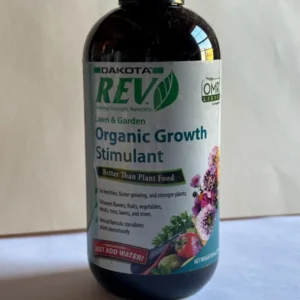
Gardening Supplies
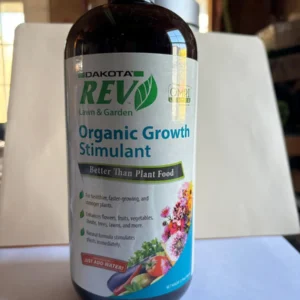
Organic Plant Food 16oz – Liquid Concentrate for Vegetables, Flowers, Trees, Grasses
Sold 64 products
Original price was: $91.80.$45.90Current price is: $45.90.
Sold 74 products
Original price was: $340.00.$170.00Current price is: $170.00.
Sold 90 products
From $12.58
Sold 86 products
Original price was: $49.98.$24.99Current price is: $24.99.
Sold 89 products
Original price was: $48.00.$24.00Current price is: $24.00.
Sold 86 products
From $47.80
Sold 75 products
Original price was: $35.00.$28.00Current price is: $28.00.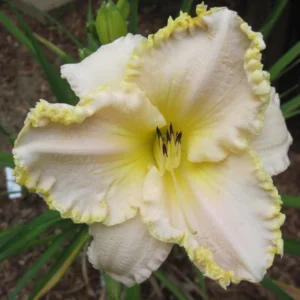
Flower Plants
Marquee Moon Daylily Live Plant – Creamy White Flowers, Gold Edge – 1 Gallon Pot – Outdoor Perennial
Sold 88 products
From $95.80
Sold 75 products
From $43.98
Sold 63 products
Original price was: $1,596.00.$798.00Current price is: $798.00.
Sold 58 products
Original price was: $87.92.$43.96Current price is: $43.96.
Sold 73 products
Original price was: $39.98.$19.99Current price is: $19.99.
Sold 85 products
Original price was: $18.76.$9.38Current price is: $9.38.
Sold 82 products
From $16.04
Sold 61 products
$43.98
Sold 86 products
Original price was: $57.82.$28.91Current price is: $28.91.


Reviews
There are no reviews yet.