
-
×
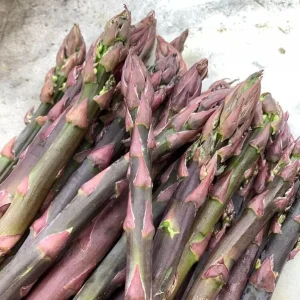 Purple Passion Asparagus Crowns - 75 Bare Root Plants - 2 Year - Zones 3-8
1 × $139.90
Purple Passion Asparagus Crowns - 75 Bare Root Plants - 2 Year - Zones 3-8
1 × $139.90 -
×
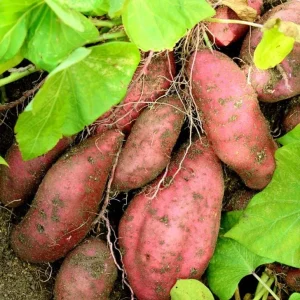 5 Beauregard Sweet Potato Live Plants – Rooted Slips – Easy Grow Vine – Ready to Plant – Outdoor
1 × $26.59
5 Beauregard Sweet Potato Live Plants – Rooted Slips – Easy Grow Vine – Ready to Plant – Outdoor
1 × $26.59 -
×
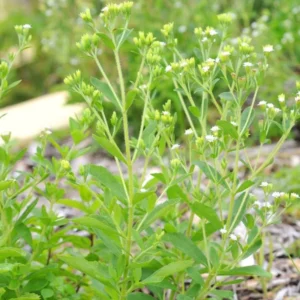 Live Stevia Plant 4-Pack - Sweetleaf Stevia Seedlings - 4 Inch Pot
1 × $34.48
Live Stevia Plant 4-Pack - Sweetleaf Stevia Seedlings - 4 Inch Pot
1 × $34.48 -
×
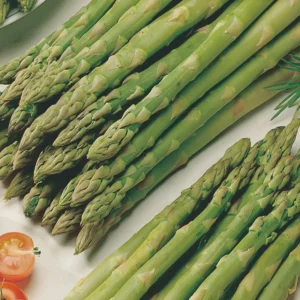 10 Viking KB3 Asparagus Bare Roots - Hardy Heirloom Asparagus officinalis - USDA Zones 3-9
1 × $28.80
10 Viking KB3 Asparagus Bare Roots - Hardy Heirloom Asparagus officinalis - USDA Zones 3-9
1 × $28.80 -
×
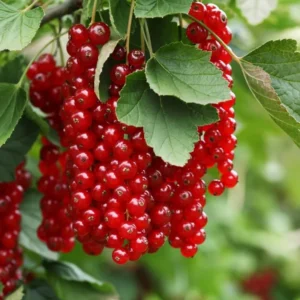 Red Currant Tree Live Plant - 2 Year Old Bareroot - Grow Your Own Currant Berries
1 × $42.99
Red Currant Tree Live Plant - 2 Year Old Bareroot - Grow Your Own Currant Berries
1 × $42.99 -
×
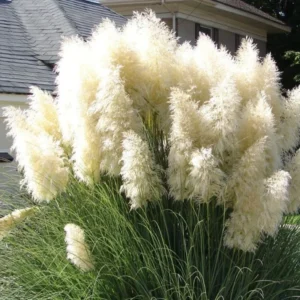 White Pampas Grass Plant Live - 5-8 Inch Fully Rooted Ornamental Grass Perennial
2 × $29.99
White Pampas Grass Plant Live - 5-8 Inch Fully Rooted Ornamental Grass Perennial
2 × $29.99 -
×
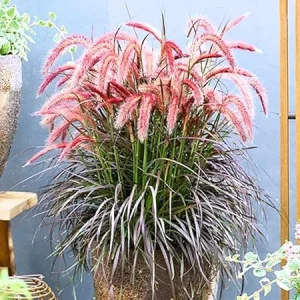 Red Fountain Grass Live Plants - 2 Pack, Deep Burgundy, 4-7" Tall, Outdoor
1 × $21.99
Red Fountain Grass Live Plants - 2 Pack, Deep Burgundy, 4-7" Tall, Outdoor
1 × $21.99 -
×
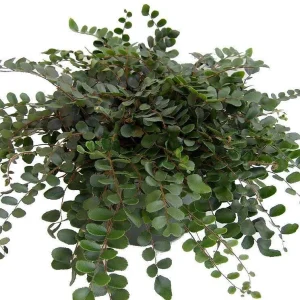 Button Fern Live Plant - Pellaea rotundifolia - 4 inch Pot - Indoor Houseplant
1 × $17.58
Button Fern Live Plant - Pellaea rotundifolia - 4 inch Pot - Indoor Houseplant
1 × $17.58 -
×
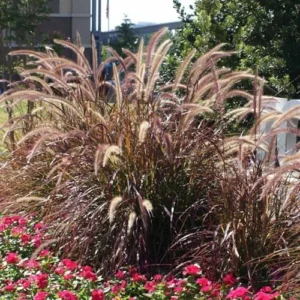 Purple Fountain Grass Live Plants - Set of 3 Ornamental Grass Clumps Perennial
1 × $37.99
Purple Fountain Grass Live Plants - Set of 3 Ornamental Grass Clumps Perennial
1 × $37.99 -
×
 3 Okinawa Purple Sweet Potato Plants - Organic Slips for Planting, Full Sun
1 × $30.00
3 Okinawa Purple Sweet Potato Plants - Organic Slips for Planting, Full Sun
1 × $30.00 -
×
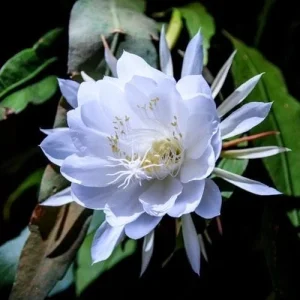 Epiphyllum oxypetalum Night Blooming Cactus Live Plant, Queen of the Night, 4 inch Pot
1 × $30.88
Epiphyllum oxypetalum Night Blooming Cactus Live Plant, Queen of the Night, 4 inch Pot
1 × $30.88
-50%
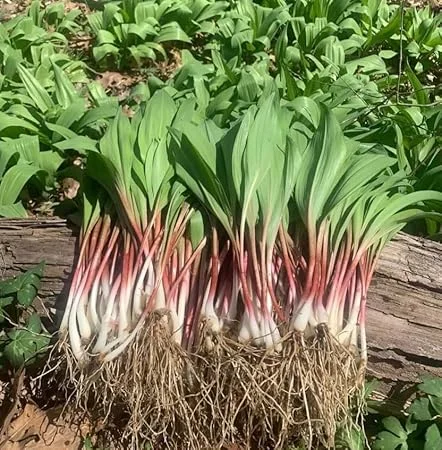
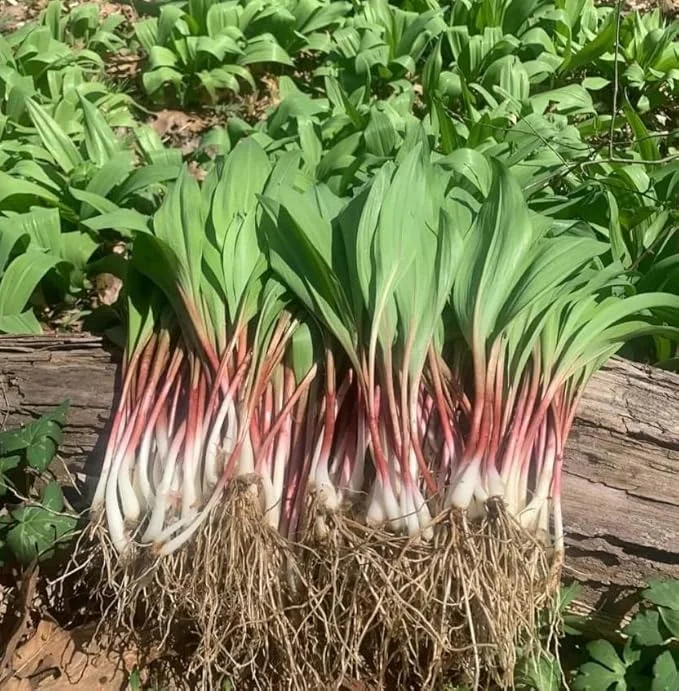
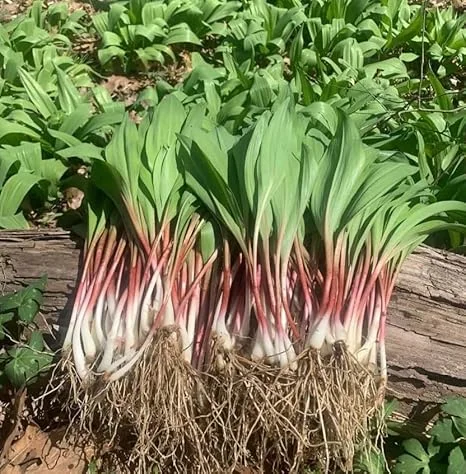
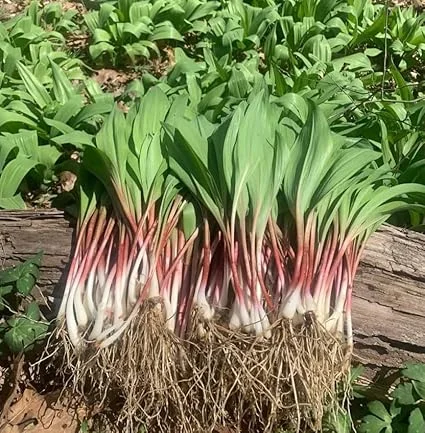
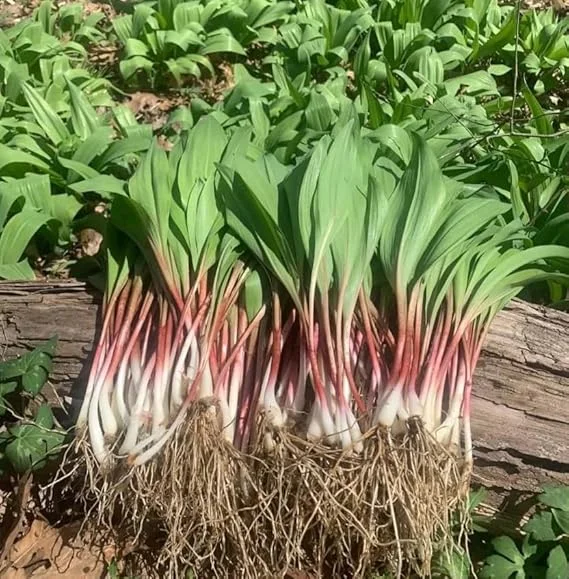
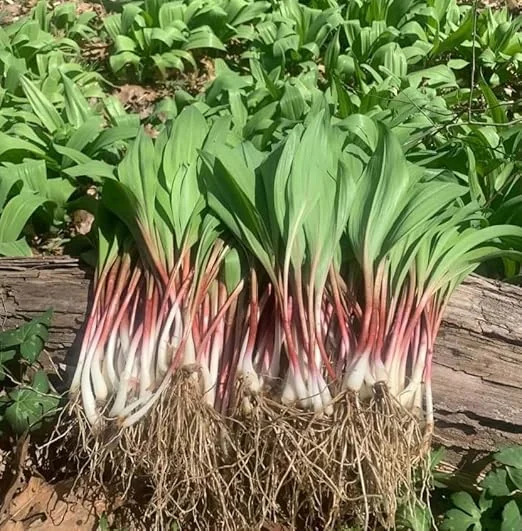
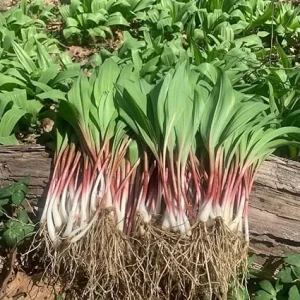
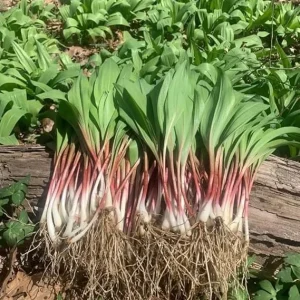
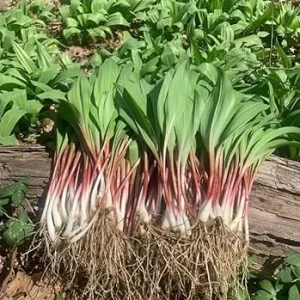
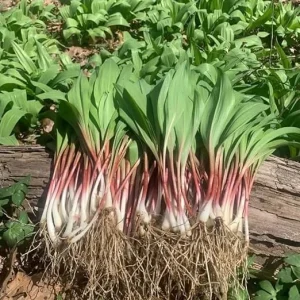
5 Wild Ramp Bulbs for Planting – Perennial Edible Allium
Original price was: $13.60.$6.80Current price is: $6.80.
Start your own patch of gourmet wild ramp bulbs for planting. This pack of 5 bulbs is ideal for cultivating delicious, perennial edible ramps in your garden. Enjoy the unique flavor of edible wild ramps right from your backyard, perfect for partial to full shade areas.
Item Details
-
USDA Hardiness Zone
3-9 -
Soil Type
Rich, moist, well-drained loam soil -
Sunlight Exposure
Partial to full shade -
Expected Planting Period
Fall to early spring

You can track your order HERE
Mar 23
Mar 28 - Mar 30
Apr 02 - Apr 06
Shipping and return policies: Our Alive & Thrive Guarantee covers issues with your plants within the first 30 days. Reach out to us. Our team will answer your questions and help you find the plants that are truly suitable for your environment, climate, and personal preferences.

Overview
Discover the joy of cultivating your own gourmet greens with these wild ramp bulbs for planting. Wild ramps, scientifically known as Allium tricoccum, are highly sought-after perennial wild onions known for their distinctive garlicky-onion flavor. This offering includes 5 healthy bulbs, ready to establish a thriving patch in your garden. Often one of the first greens to emerge in spring, ramps are a seasonal delicacy cherished by chefs and home cooks alike. By planting these bulbs, you’ll be able to enjoy fresh, flavorful ramps year after year. These bulbs are an excellent choice for gardeners looking to add unique, edible native plants to their landscape, thriving in conditions that mimic their natural woodland habitat.
These wild ramp bulbs for planting provide a sustainable way to enjoy this coveted ingredient without foraging pressure on wild populations. They are relatively easy to grow once established and will multiply over time, offering a continuous harvest. Whether you’re an experienced gardener or just starting, growing your own wild ramps is a rewarding experience that connects you with nature’s bounty and enhances your culinary endeavors.
Key Benefits
Growing your own wild ramps offers a multitude of advantages, from culinary delight to ecological contribution. These benefits make the wild ramp bulbs for planting an excellent addition to any garden:
- Gourmet Culinary Ingredient: Ramps offer a unique, pungent flavor profile that combines garlic and onion. They are incredibly versatile in the kitchen, perfect for pestos, sautés, pickling, and adding a gourmet touch to almost any dish. Having a fresh supply means you can experiment with their distinct taste.
- Perennial and Self-Propagating: Once established, these wild ramp plants will return year after year, and their patches will slowly expand. This means your initial investment in these wild ramp bulbs for planting provides a lasting source of fresh ramps with minimal ongoing effort.
- Early Spring Harvest: Ramps are among the first edible plants to emerge in spring, providing fresh greens when other garden produce is still dormant. This early harvest is a welcome sign of the growing season and a fantastic way to kick off spring cooking.
- Shade-Loving Plant: Unlike many edible plants that require full sun, ramps thrive in partial to full shade. This makes them ideal for planting under deciduous trees, in woodland gardens, or in other shaded areas where other vegetables might struggle.
- Low Maintenance: After proper initial planting and establishment, wild ramp care is relatively simple. They require consistently moist soil and thrive in their preferred shaded environment, making them a low-effort addition to your edible landscape.
- Ecological Benefit: Growing native plants like ramps supports local ecosystems and biodiversity. They can help stabilize soil and provide early season ground cover in woodland settings.
- Sustainable Foraging Alternative: By learning how to plant wild ramps, you contribute to the conservation of wild ramp populations. Cultivating your own supply reduces pressure on wild habitats, allowing natural populations to thrive.
Plant Care & Growing Tips
Successful cultivation of wild ramp bulbs for planting requires understanding their specific needs, which mimic their natural woodland environment. Ramps are hardy perennials but appreciate consistent conditions to thrive. The key to successful wild ramp care lies in providing the right light, soil, moisture, and climate.
Sunlight Requirements
Ramps prefer partial to full shade. In their natural habitat, they grow under deciduous trees, emerging and completing much of their growth cycle before the tree canopy fully leafs out. This means they can tolerate more light in early spring but require significant shade as the season progresses. Aim for locations that receive dappled sunlight or shade throughout the day, especially during the warmer months.
Watering & Soil Moisture
Consistently moist, but not waterlogged, soil is crucial for ramps. Mimic the damp conditions of a forest floor. During dry spells, especially in their active growth phase (early spring), supplemental watering may be necessary. Ensure good drainage to prevent bulb rot, as standing water is detrimental. The soil should feel cool and damp to the touch.
Soil Type & Drainage
Ramps thrive in rich, well-drained loam soil with plenty of organic matter. A soil pH between 6.0 and 7.0 is ideal. Amend heavy clay soils with compost or peat moss to improve drainage and aeration. For sandy soils, adding organic matter will help retain moisture and nutrients. When learning how to plant wild ramps, preparing the soil well is paramount for establishment.
Temperature & USDA Hardiness Zone
These plants are hardy perennials suited for USDA Hardiness Zones 3-9. They prefer cool temperate climates. Ramps are dormant during the hot summer months and require a cold dormancy period in winter to regenerate in spring. They are very tolerant of cold temperatures once established.
Fertilization
If your soil is rich in organic matter, additional fertilization may not be necessary. However, if growth seems slow or leaves appear pale, a light application of a balanced, organic slow-release fertilizer in early spring can be beneficial. Avoid over-fertilizing, as this can harm the delicate bulbs. Focus on enriching the soil with compost annually.
Common Problems
Ramps are generally pest and disease-resistant. The most common issues arise from improper growing conditions, such as overly dry or waterlogged soil, which can lead to bulb rot or stunted growth. Ensure proper drainage and consistent moisture to prevent these problems. Deer and other wildlife generally leave ramps alone due to their strong flavor.
Size & Details
This offering includes 5 individual wild ramp bulbs for planting, ready to be placed directly into your garden. Each bulb is typically 0.5 to 1 inch in diameter, ensuring a healthy start for your ramp patch. Once planted, these bulbs will develop into plants that typically reach an expected plant height of about 1 foot (12 inches) when mature, though some may grow slightly taller. The foliage consists of broad, flat, green leaves that emerge in early spring and usually die back by late spring or early summer as temperatures rise.
These bulbs are shipped in a dormant state, ideal for planting upon arrival. With proper care, you can expect the first leaves to emerge the following spring. Ramps are known for their slow growth and establishment, often taking a few years to form a dense patch. However, once established, they are long-lived and will multiply, providing a sustainable harvest of edible wild ramps for many years to come. The product dimensions for shipping are approximately 6 x 6 x 6 inches, ensuring the bulbs are protected during transit.
Frequently Asked Questions
- Q: How big do these wild ramp plants get? A: Once mature, wild ramp bulbs for planting typically produce plants that reach an expected plant height of about 1 foot (12 inches). The broad leaves emerge in early spring and provide a lush ground cover before dying back in early summer.
- Q: Is this an indoor or outdoor plant? A: Wild ramps are primarily an outdoor plant, thriving in woodland garden settings. While they can be grown in containers, they require specific conditions, including a cold dormancy period, making them challenging for typical indoor environments.
- Q: How much sunlight do wild ramp bulbs need? A: Ramps prefer partial to full shade. They are adapted to growing under deciduous trees, where they receive early spring sun before the tree canopy fills out, then transition to full shade during the warmer months.
- Q: Is this plant easy to care for? A: Once established, wild ramp care is relatively low-maintenance. The most critical factors are providing rich, consistently moist, well-draining soil and appropriate shade. Initial establishment can take a season or two.
- Q: What condition will the bulbs arrive in? A: The wild ramp bulbs for planting will arrive dormant, which is the ideal state for planting. They will be carefully packaged to ensure they are healthy and ready for immediate planting upon receipt.
- Q: When is the best time to plant wild ramp bulbs? A: The best time to plant wild ramp bulbs is in the fall or very early spring, mimicking their natural growth cycle. This allows them to establish roots before their active growth phase or before the ground freezes for winter dormancy.
- Q: What’s the minimum temperature these plants can survive? A: Wild ramps are very hardy and can survive winter temperatures down to USDA Hardiness Zone 3, which can experience temperatures as low as -40°F (-40°C). They require a cold period for proper dormancy and regrowth.
- Q: Can I harvest all the leaves from my wild ramp plants? A: To ensure your ramp patch continues to thrive and expand, it’s recommended to harvest sustainably. Take only one leaf per plant, or harvest no more than 10-20% of the plants in a patch in any given year. This allows the bulbs to store enough energy for future growth and propagation.
- Q: What soil type is best for growing wild ramps? A: Ramps prefer rich, well-drained loam soil that is high in organic matter. They thrive in conditions similar to a forest floor, so amending your soil with compost or leaf mold is highly beneficial for grow wild ramps successfully.
- Q: Are these bulbs good for beginners? A: Yes, with proper site selection and soil preparation, even beginner gardeners can successfully grow wild ramps. Their resilience and relatively low maintenance once established make them a rewarding plant for those new to edible gardening.
Be the first to review “5 Wild Ramp Bulbs for Planting – Perennial Edible Allium”
People Also Viewed
-20%
Sold 92 products
Original price was: $19.98.$15.98Current price is: $15.98.-20%
Sold 89 products
Original price was: $15.98.$12.78Current price is: $12.78.-20%
Sold 99 products
Original price was: $46.00.$36.80Current price is: $36.80.-50%

Sold 57 products
From $71.80-50%
Sold 98 products
Original price was: $29.96.$14.98Current price is: $14.98.-50%
Sold 99 products
Original price was: $63.38.$31.69Current price is: $31.69.-13%
Sold 70 products
Original price was: $39.99.$34.99Current price is: $34.99.-50%
Sold 97 products
From $71.80

Sold 85 products
$48.00-50%
Sold 76 products
Original price was: $91.80.$45.90Current price is: $45.90.-20%
Sold 51 products
Original price was: $98.00.$78.40Current price is: $78.40.-50%
Sold 61 products
Original price was: $97.98.$48.99Current price is: $48.99.-50%

Flower Seeds
Madagascar Hibiscus Moscheutos Seeds – Rose of Sharon Starter Seeds – Pink Flowers – Indoor/Outdoor
Sold 81 products
Original price was: $14.76.$7.38Current price is: $7.38.-50%
Sold 94 products
Original price was: $57.98.$28.99Current price is: $28.99.-50%
Sold 88 products
Original price was: $48.00.$24.00Current price is: $24.00.-50%

Sold 62 products
Original price was: $18.76.$9.38Current price is: $9.38.-50%

Sold 78 products
From $8.38
Sold 70 products
$72.58


Reviews
There are no reviews yet.