
5 Vitex Chaste Tree Bareroot Plants – Purple Flowers – 10″ Height – Zones 6-11
Original price was: $57.60.$28.80Current price is: $28.80.
Add elegance to your landscape with 5 Vitex plant bareroot specimens, also known as Chaste Tree plant. These 10-inch tall bare roots are ready for planting and will grow into beautiful, multi-trunked shrubs with stunning purple flowers. Perfect for zones 6-11, they are drought-tolerant and evergreen.
-
USDA Hardiness Zone
6-11 -
Soil Type
Well-draining, sandy loam -
Sunlight Exposure
Full sun -
Expected Planting Period
Early spring to early summer

You can track your order HERE
Mar 09
Mar 14 - Mar 16
Mar 19 - Mar 23
Shipping and return policies: Our Alive & Thrive Guarantee covers issues with your plants within the first 30 days. Reach out to us. Our team will answer your questions and help you find the plants that are truly suitable for your environment, climate, and personal preferences.

Overview
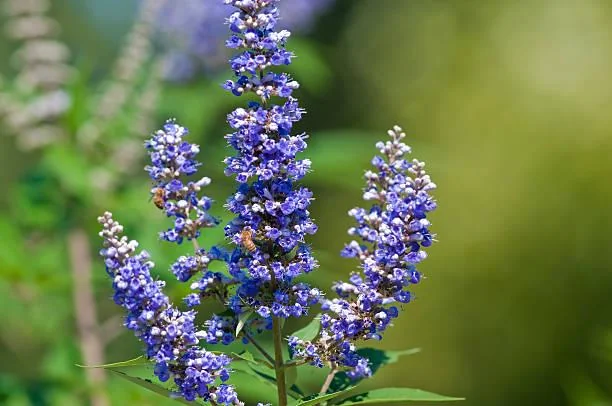
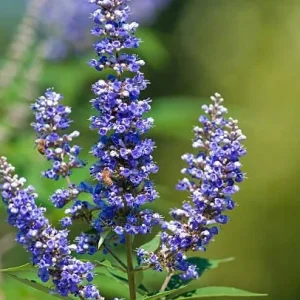
Transform your outdoor space with this exceptional offering of 5 Vitex plant bareroot specimens. Also widely known as the Chaste Tree plant, or by its botanical name, Vitex agnus-castus, these bare root plants represent an excellent foundation for establishing a magnificent shrub or small tree in your garden. Each plant arrives at approximately 10 inches in height, ready to be planted and nurtured into a mature, show-stopping feature. The Vitex is celebrated for its striking aesthetic appeal, particularly its prolific display of grape-colored, purple flowers that emerge in summer, creating a spectacular cascade of color. This live plant is a fantastic choice for gardeners seeking both beauty and resilience, offering an evergreen presence in warmer climates and a robust, water-conserving nature.
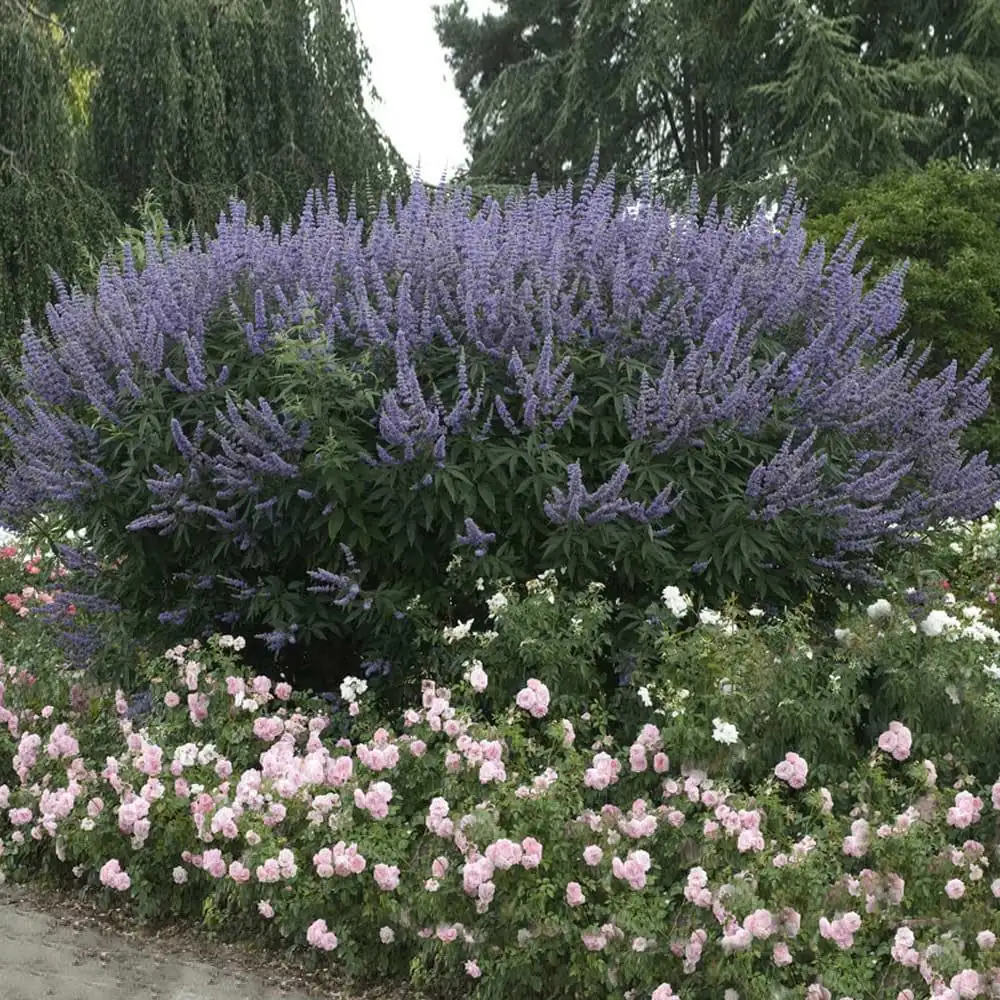
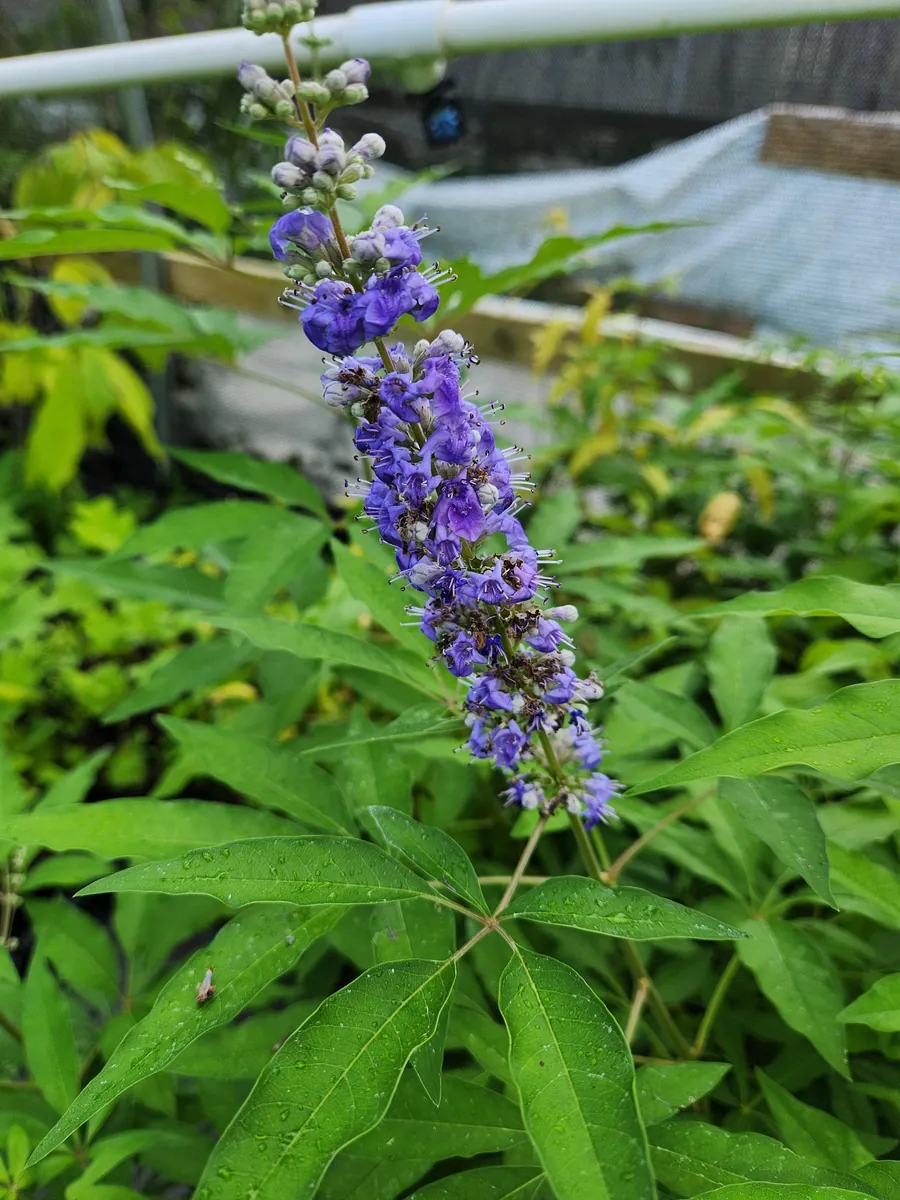
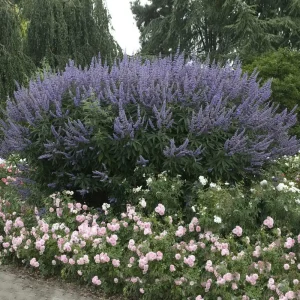
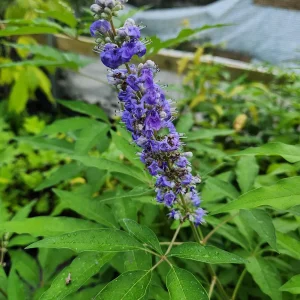
These Vitex plant bareroot plants are ideal for creating a vibrant, low-maintenance garden. They are particularly well-suited for a variety of landscape designs, from accent plants to hedges, providing structural interest and a burst of color. The distinctive leaves, resembling a hand with five to seven dark green fingers and silvery undersides, add textural contrast even when not in bloom. As summer transitions, these flowers give way to small, dark purple berries, adding further visual interest and providing a food source for local wildlife. With proper care, these bare roots will quickly establish themselves, growing into mature plants that can reach 10-15 feet tall, offering years of enjoyment and beauty.
Key Benefits
The Vitex plant bareroot offers a multitude of benefits for any gardener, making it a highly desirable addition to diverse landscapes. Its unique characteristics contribute to both aesthetic appeal and environmental resilience.
- Stunning Floral Display: Enjoy a prolonged summer bloom of beautiful purple flowers. These grape-colored inflorescences create a dramatic visual impact, attracting pollinators like bees and butterflies to your garden. The cascading nature of the mature plant’s flowers makes it a true centerpiece.
- Drought Tolerance: Once established, the Chaste Tree plant is remarkably water-conserving, making it an excellent choice for xeriscaping or gardens in drier climates. This reduces the need for frequent watering, saving both time and resources.
- Versatile Landscape Use: This multi-trunked shrub can be trained as a small tree or allowed to grow as a large, bushy shrub. Its adaptability allows it to fit into various garden designs, from formal landscapes to more naturalized settings.
- Extended Seasonal Interest: Beyond its vibrant summer flowers, the Vitex provides interest with its unique foliage and, as summer fades, develops small dark purple berries that add another layer of visual appeal into the autumn months.
- Low Maintenance: The purple flowering shrub is known for its hardiness and relatively slow growth rate, requiring minimal pruning and care once established. This makes it an ideal plant for both experienced and novice gardeners.
- Attracts Pollinators: The fragrant flowers are a magnet for beneficial insects, including bees, butterflies, and hummingbirds, contributing to a healthy and vibrant garden ecosystem.
- Adaptable to Various Zones: Thriving in USDA hardiness zones 6-11, the Vitex is suitable for a wide range of climates, demonstrating its robust nature and broad appeal.
Plant Care & Growing Tips
Caring for your Vitex plant bareroot is straightforward, ensuring its successful establishment and vibrant growth for years to come. These plants prefer a location with full sun exposure, meaning at least 6-8 hours of direct sunlight daily. While they can tolerate some partial shade, optimal flowering and growth occur in full sun. When planting, ensure the soil is well-draining, as Vitex does not like to sit in waterlogged conditions. A sandy loam or loamy soil enriched with organic matter is ideal. Dig a hole wide enough to accommodate the spread of the bare roots and deep enough so that the crown of the plant (where roots meet stem) is level with the soil surface.
Watering is crucial during the establishment phase. After planting your Chaste Tree plant, water thoroughly and consistently for the first growing season to encourage strong root development. Once established, the Vitex is highly drought-tolerant and will require less frequent watering, typically only during prolonged dry spells. Fertilization is generally not heavily needed, especially in fertile soils. If your soil is poor, a balanced slow-release granular fertilizer applied in early spring can be beneficial. Pruning can be done in late winter or early spring to shape the plant, remove any dead or crossing branches, and encourage more prolific flowering. The Vitex agnus-castus is generally resistant to most pests and diseases, making it a robust and reliable choice for your garden. Protect young plants from extreme winter conditions in the colder parts of its hardiness range.
Size & Details
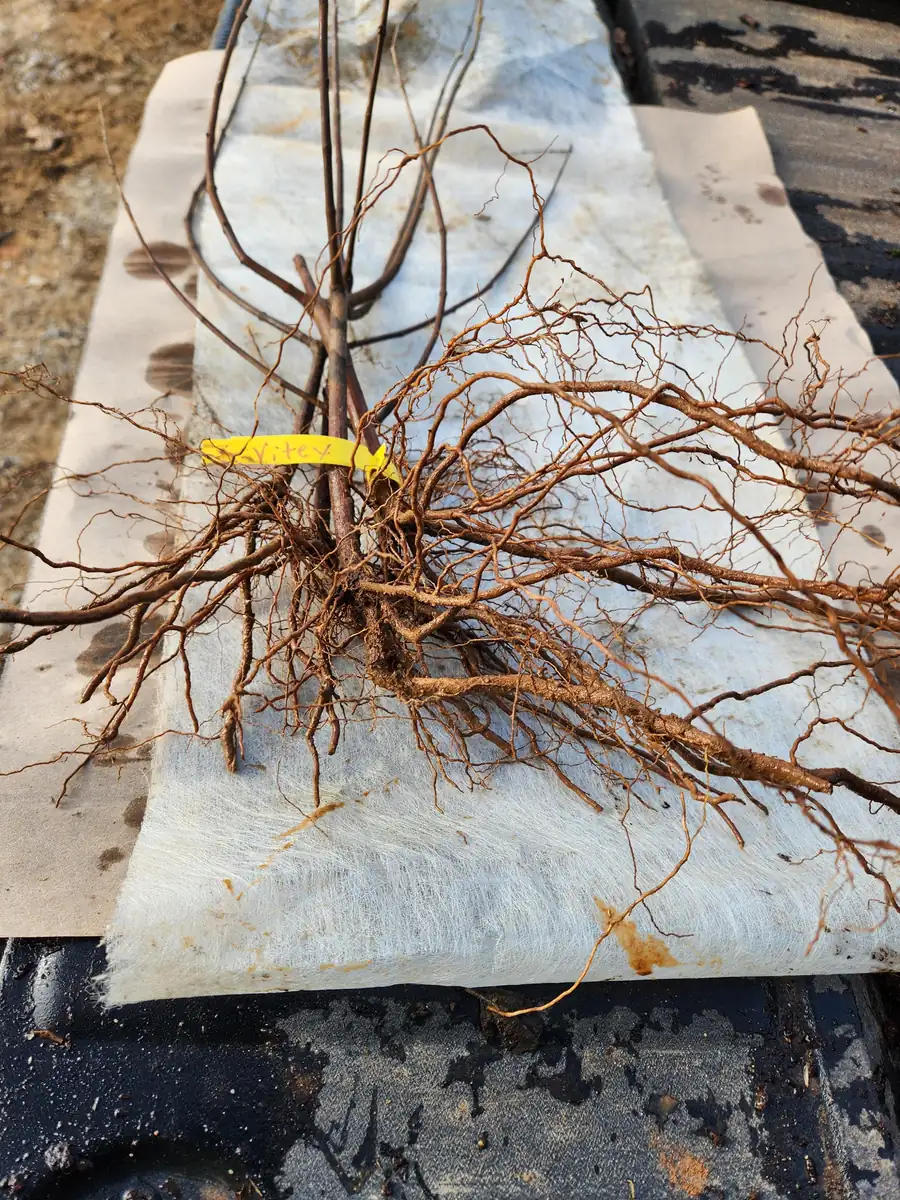
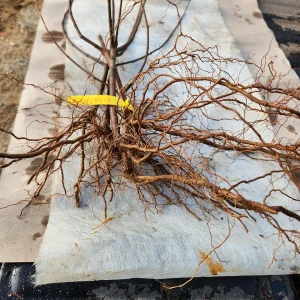
This offering includes 5 Vitex plant bareroot specimens, each carefully prepared for planting. Upon arrival, these bare root plants will measure approximately 10 inches in height, providing a solid starting point for growth. As a multi-trunked shrub, the Vitex will develop into a substantial woody plant, with mature specimens typically reaching a height of 10-15 feet and a similar spread. The growth rate is generally considered slow to moderate, allowing for controlled development in the landscape. These plants are shipped in a bare root condition, meaning they are dormant and without soil around their roots, which is an ideal method for transplanting hardy deciduous shrubs and trees. This ensures they are ready to burst into growth once planted in your garden. The purple flowering shrub will begin to establish its root system and foliage during its first growing season, with significant flowering typically occurring in subsequent years as it matures.
The distinctive hand-sized leaves, composed of five to seven fingers, are a dark green on top and silvery underneath, contributing to the plant’s ornamental value even when not in bloom. The grape-colored flowers are a highlight of the summer garden, and as summer fades, these are followed by small, dark purple berries. These plants are hardy in USDA zones 6-11, making them suitable for a wide range of climates across the United States. Planting instructions are included with each purchase to guide you through the successful establishment of your drought tolerant plant. Expect a magnificent show every summer as your Vitex matures and cascades with its vibrant blooms.
Frequently Asked Questions
- Q: How big does this plant get? A: A mature Chaste Tree plant can reach a height of 10-15 feet and a similar spread, forming a beautiful multi-trunked shrub or small tree. Its slow to moderate growth rate allows for good control in the landscape.
- Q: What size are the plants shipped in? A: These are 5 Vitex plant bareroot specimens, each approximately 10 inches in height upon arrival. They are shipped dormant and without soil, ready for immediate planting.
- Q: Is this an indoor or outdoor plant? A: The Vitex (Vitex agnus-castus) is primarily an outdoor plant, suited for garden landscapes. While young plants might be temporarily housed indoors in very cold climates, they thrive best when planted directly in the ground.
- Q: How much sunlight does it need? A: This purple flowering shrub requires full sun exposure, meaning at least 6-8 hours of direct sunlight daily, to produce the most abundant flowers and ensure vigorous growth.
- Q: Is this plant easy to care for? A: Yes, the Vitex is considered a relatively low-maintenance plant once established. It is drought-tolerant and generally resistant to pests and diseases, making it a good choice for gardeners of all experience levels.
- Q: What condition will it arrive in? A: Your plants will arrive as bare roots, which is a common and effective way to ship dormant plants. They will be carefully packaged to ensure they are healthy and ready for planting.
- Q: When is the best time to plant Vitex bareroot? A: The ideal time to plant Vitex plant bareroot is in early spring, after the danger of hard frosts has passed, or in early fall. This allows the plant to establish its root system before the onset of extreme temperatures.
- Q: Will it survive winter in my zone? A: The Vitex is hardy in USDA zones 6-11. In zone 6, it may die back to the ground in winter but will typically regrow from the roots in spring. In warmer zones, it behaves as an evergreen.
- Q: What type of soil does it prefer? A: The drought tolerant plant prefers well-draining soil, such as a sandy loam or loamy soil. Good drainage is crucial to prevent root rot.
- Q: How long until it blooms? A: While the plants will begin to establish foliage in the first year, significant flowering typically occurs in the second or third year after planting, as the plant matures and develops a stronger root system.
Be the first to review “5 Vitex Chaste Tree Bareroot Plants – Purple Flowers – 10″ Height – Zones 6-11”
People Also Viewed
Sold 65 products
Original price was: $31.96.$15.98Current price is: $15.98.
Sold 83 products
Original price was: $19.96.$9.98Current price is: $9.98.
Sold 89 products
Original price was: $147.16.$73.58Current price is: $73.58.
Sold 79 products
Original price was: $39.98.$19.99Current price is: $19.99.
Sold 69 products
Original price was: $41.98.$20.99Current price is: $20.99.

Sold 52 products
Original price was: $319.96.$159.98Current price is: $159.98.
Sold 86 products
Original price was: $74.00.$37.00Current price is: $37.00.
Sold 89 products
Original price was: $45.98.$22.99Current price is: $22.99.
Sold 95 products
Original price was: $36.00.$18.00Current price is: $18.00.
Sold 64 products
Original price was: $21.98.$17.58Current price is: $17.58.
Sold 50 products
Original price was: $40.00.$20.00Current price is: $20.00.
Sold 50 products
From $99.80
Sold 83 products
Original price was: $147.16.$73.58Current price is: $73.58.
Sold 77 products
Original price was: $39.98.$19.99Current price is: $19.99.
Sold 68 products
Original price was: $319.96.$159.98Current price is: $159.98.
Sold 78 products
Original price was: $62.00.$49.60Current price is: $49.60.
Sold 85 products
Original price was: $147.16.$73.58Current price is: $73.58.
Sold 58 products
Original price was: $80.00.$64.00Current price is: $64.00.



Reviews
There are no reviews yet.