
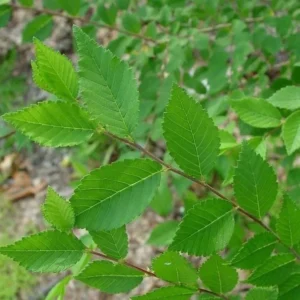
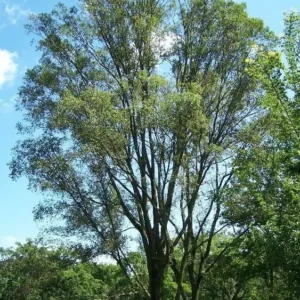
5 Siberian Elm Bare Root Seedlings – 12-18 Inch Fast Growing Shade Tree
Original price was: $47.96.$23.98Current price is: $23.98.
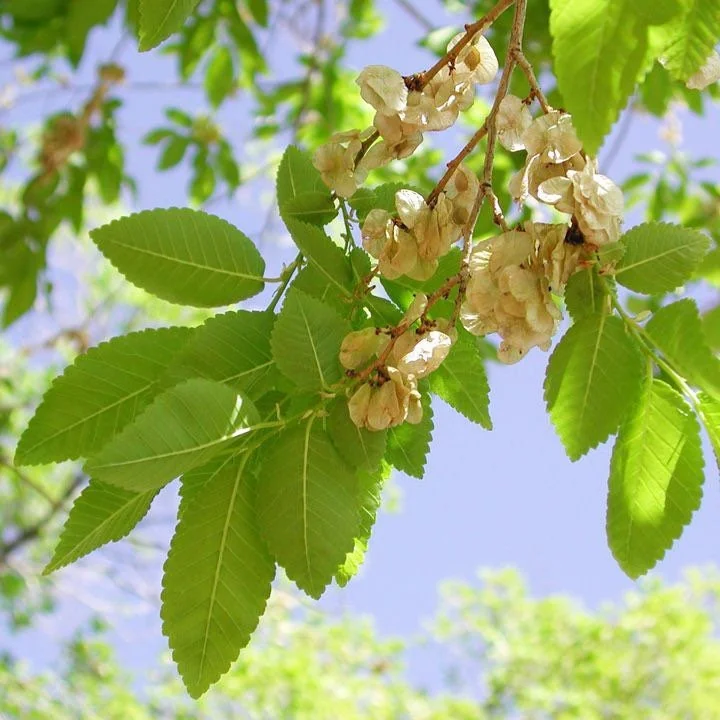
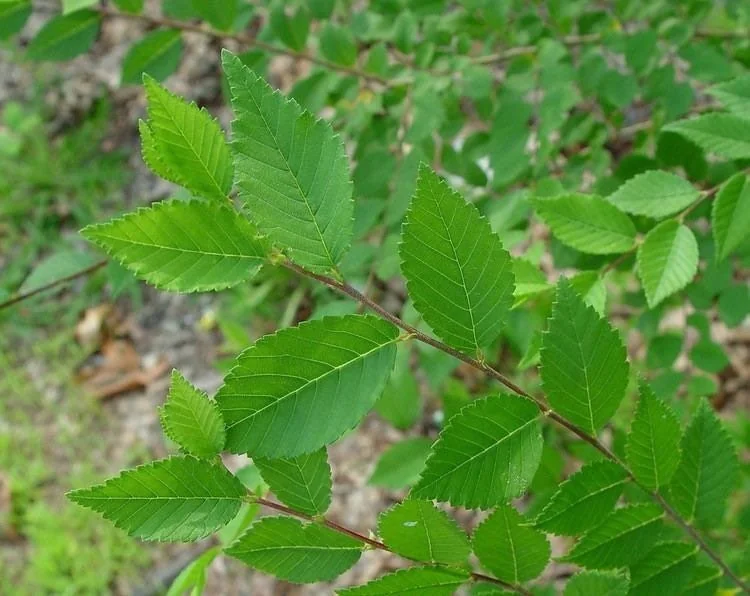
Cultivate a resilient landscape with 5 Siberian Elm bare root seedlings, each 12-18 inches tall. These fast growing elm tree specimens (Ulmus pumila) are ideal for creating dense shade, windbreaks, and erosion control. Enjoy a hardy shade tree that thrives in USDA Zones 3-9 with minimal elm tree care.
-
USDA Hardiness Zone
3-9 -
Soil Type
Well-draining soil, adaptable to various types -
Sunlight Exposure
Full sun (6-8 hours direct sunlight daily) -
Expected Planting Period
Early spring

You can track your order HERE
Feb 27
Mar 04 - Mar 06
Mar 09 - Mar 13
Shipping and return policies: Our Alive & Thrive Guarantee covers issues with your plants within the first 30 days. Reach out to us. Our team will answer your questions and help you find the plants that are truly suitable for your environment, climate, and personal preferences.

Overview
Transform your outdoor space with our premium selection of Siberian Elm bare root seedlings. This offering includes five robust 12-18 inch bare root plants, ready to establish and flourish in your garden. The Siberian Elm, scientifically known as Ulmus pumila, is celebrated for its rapid growth rate and exceptional adaptability, making it an excellent choice for a variety of landscaping needs. These deciduous trees quickly develop into magnificent specimens, providing dense shade and a strong visual presence. Originating from Central Asia and Siberia, the Siberian Elm bare root seedlings are renowned for their hardiness and ability to thrive in challenging environments, enduring both cold winters and hot, dry summers. They are particularly favored for their ability to establish quickly, making them perfect for those looking to create an impact in a relatively short period. Whether you’re planning a large-scale reforestation project, designing a shelterbelt, or simply adding a beautiful, resilient tree to your backyard, these Ulmus pumila seedlings offer a sustainable and effective solution.
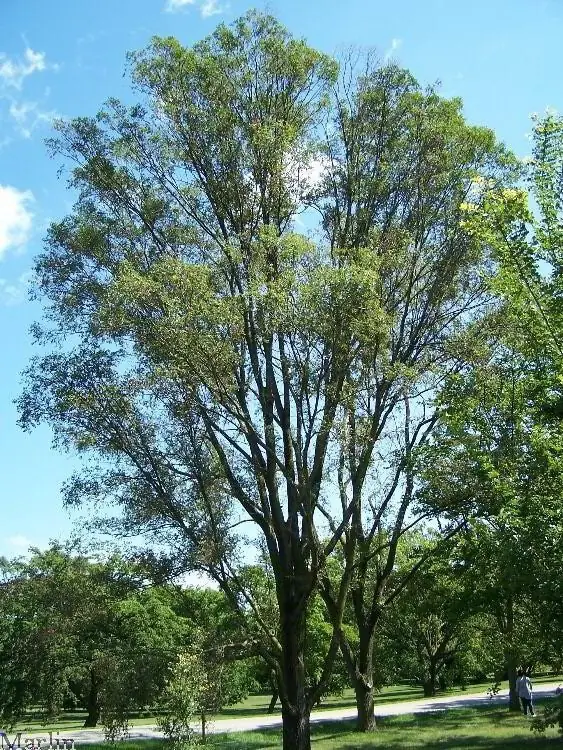
Our Siberian Elm bare root seedlings are carefully prepared to ensure optimal health and vigor upon arrival. Bare root plants are an economical and efficient way to plant a large number of trees, as they are shipped without soil, allowing for easier handling and reduced shipping costs. These young trees are at an ideal stage for transplanting, allowing them to adapt quickly to their new environment and begin their rapid growth cycle. The Siberian Elm is a versatile tree that can reach impressive heights, developing a broad, rounded canopy that provides significant shade and contributes to local biodiversity. Invest in these Siberian Elm bare root seedlings today and watch your landscape evolve with the beauty and resilience of the Siberian Elm.
Key Benefits
The Siberian Elm bare root seedlings offer numerous advantages for both novice and experienced gardeners, delivering significant ecological and aesthetic value to any landscape. Their remarkable characteristics make them an excellent investment for long-term outdoor enhancements, providing a superior hardy shade tree solution.
- Rapid Growth and Shade Provision: These seedlings are known for their incredibly fast growth rate, quickly developing into mature trees that provide extensive shade. A fast growing elm tree is invaluable for reducing energy costs in summer and creating comfortable outdoor living spaces, establishing a mature look in less time.
- Exceptional Hardiness: The Siberian Elm is remarkably resilient, thriving in a wide range of climates and soil conditions. It is particularly tolerant of drought, strong winds, and urban pollution, making it a robust choice for challenging sites where other trees might struggle, making it an excellent hardy shade tree.
- Erosion Control: With a strong and extensive root system, Ulmus pumila seedlings are highly effective in stabilizing soil and preventing erosion, especially on slopes or in areas prone to runoff, protecting your property naturally.
- Windbreak and Shelterbelt Formation: Due to their dense foliage and strong structure, these trees are excellent for creating natural windbreaks and shelterbelts, protecting homes, crops, and livestock from harsh winds, enhancing comfort and productivity.
- Wildlife Habitat: The mature Siberian Elm provides shelter and nesting sites for various bird species, contributing to local biodiversity and supporting a healthy ecosystem, attracting beneficial wildlife to your garden.
- Low Maintenance: Once established, this hardy shade tree requires minimal elm tree care, making it a perfect option for those seeking a beautiful yet undemanding addition to their garden. Its inherent resilience means less time spent on pest control or disease management.
- Adaptability to Soil Types: While preferring well-draining soil, the Siberian Elm can tolerate a wide array of soil conditions, including poor or compacted soils, which expands its utility in diverse planting scenarios, ensuring success in various landscapes.
Plant Care & Growing Tips
Proper elm tree care is essential for ensuring your Siberian Elm bare root seedlings establish successfully and grow into strong, healthy trees. Though known for their resilience, a good start will significantly improve their long-term vigor. Upon receiving your bare root seedlings, it’s crucial to plant them as soon as possible. If immediate planting isn’t feasible, store them in a cool, dark place, keeping the roots moist by wrapping them in damp newspaper or peat moss. Before planting, soak the roots in water for a few hours to rehydrate them, ensuring they are ready for their new home.
The Siberian Elm thrives in full sun, requiring at least 6-8 hours of direct sunlight per day for optimal growth. It is highly adaptable to various soil types but prefers well-draining soil. While it can tolerate poor soil, amending heavy clay or sandy soils with organic matter can improve drainage and nutrient availability, promoting faster establishment. Dig a hole wide enough to accommodate the spread of the roots and deep enough so that the root collar (the point where the roots meet the stem) is at ground level. Spread the roots out naturally, backfill with soil, and gently tamp down to remove air pockets. Water thoroughly immediately after planting. These trees are hardy in USDA Zone 3-9, demonstrating excellent cold tolerance, making them suitable for many regions.
During the first growing season, consistent watering is vital. Keep the soil consistently moist but not waterlogged to encourage deep root growth. Once established, the Siberian Elm bare root seedlings are quite drought-tolerant, but occasional deep watering during prolonged dry spells will benefit their health and growth significantly. Fertilization is generally not necessary during the first year, as the focus is on root establishment. In subsequent years, a balanced slow-release fertilizer can be applied in early spring if soil nutrients are deficient. Pruning should focus on removing any dead, damaged, or crossing branches to maintain a strong structure and promote air circulation. Regular monitoring for common pests and diseases, and addressing them promptly, will contribute to the overall health of your fast growing elm tree.
Size & Details
This offering provides 5 Siberian Elm bare root seedlings, each measuring approximately 12-18 inches in height. These young trees represent a significant starting point for developing a robust landscape, quickly establishing themselves. The Siberian Elm is characterized by its rapid growth, typically adding several feet of height per year under ideal conditions, quickly developing into a medium to large-sized deciduous tree. Mature specimens can reach impressive heights of 50-70 feet with a spread of 40-60 feet, creating a broad, rounded canopy that offers substantial shade and aesthetic appeal. The bark is dark gray and irregularly fissured, adding textured interest to the trunk as the tree matures, and its relatively small leaves turn a lovely yellow in autumn.
As bare root plants, these seedlings are shipped dormant, without soil, which is the most efficient and cost-effective way to transport young trees. This method also allows for easier root inspection and encourages rapid root establishment once planted. The provided size of 12-18 inches ensures they are at a manageable stage for planting while still being robust enough to withstand transplanting shock. Expect these Ulmus pumila seedlings to begin leafing out in spring, showcasing their vibrant green foliage. While flowers are inconspicuous, appearing in early spring before the leaves emerge, the tree’s primary appeal lies in its rapid growth, strong structure, and ecological benefits. With proper care, these seedlings will quickly mature into impressive, long-lived trees, providing a reliable and hardy shade tree for years to come.
Frequently Asked Questions
- Q: How tall will these Siberian Elm bare root seedlings grow? A: These Siberian Elm bare root seedlings typically grow to a mature height of 50-70 feet, with some specimens reaching up to 80 feet under optimal conditions. Their rapid growth means they will gain significant height each year, providing quick impact.
- Q: Are these suitable for a beginner gardener? A: Yes, the Siberian Elm is an excellent choice for beginner gardeners due to its exceptional hardiness and low maintenance requirements. Once established, it is very forgiving and resilient, making elm tree care straightforward.
- Q: What kind of soil do these trees prefer? A: While adaptable to many soil types, these Ulmus pumila seedlings prefer well-draining soil. They can tolerate sandy, loamy, or clay soils, but good drainage is key for optimal health and establishment.
- Q: How much sunlight do Siberian Elms need? A: Siberian Elms thrive in full sun, requiring at least 6-8 hours of direct sunlight daily. This ensures vigorous growth and a healthy canopy, essential for a strong fast growing elm tree.
- Q: When is the best time to plant bare root seedlings? A: The best time to plant Siberian Elm bare root seedlings is in early spring, after the last frost but before the trees begin to leaf out. This allows them to establish their root system before the stress of summer heat.
- Q: What condition will the bare root seedlings arrive in? A: Your Siberian Elm bare root seedlings will arrive dormant, meaning they will not have leaves and their roots will be carefully packaged to retain moisture. This is normal and ensures a successful transplant and quick establishment.
- Q: How often should I water my newly planted Siberian Elm? A: For the first year after planting, water regularly to keep the soil consistently moist but not waterlogged. This encourages strong root development for your hardy shade tree. Once established, they are quite drought-tolerant.
- Q: Are Siberian Elms susceptible to Dutch Elm Disease? A: While related to other elms, the Siberian Elm (Ulmus pumila) is generally more resistant to Dutch Elm Disease compared to American Elms. However, no tree is completely immune, and good horticultural practices are always recommended.
- Q: Can these trees be used for privacy screens or windbreaks? A: Absolutely! Their rapid growth and dense canopy make them an excellent choice for creating effective privacy screens, shelterbelts, and natural windbreaks, providing both function and beauty to your landscape.
- Q: What USDA zones are these Siberian Elms hardy in? A: These Siberian Elm bare root seedlings are extremely hardy and suitable for planting in USDA Zones 3 through 9, making them adaptable to a wide range of climates across the US, from cold northern regions to warmer southern areas.
Be the first to review “5 Siberian Elm Bare Root Seedlings – 12-18 Inch Fast Growing Shade Tree”
People Also Viewed
Sold 88 products
Original price was: $39.98.$19.99Current price is: $19.99.
Sold 95 products
Original price was: $18.76.$9.38Current price is: $9.38.
Sold 92 products
From $118.00

Sold 69 products
Original price was: $8.36.$4.18Current price is: $4.18.
Sold 74 products
Original price was: $480.00.$240.00Current price is: $240.00.
Sold 92 products
$81.38
Sold 55 products
Original price was: $59.98.$29.99Current price is: $29.99.
Sold 83 products
Original price was: $30.76.$15.38Current price is: $15.38.

Sold 50 products
Original price was: $8.36.$4.18Current price is: $4.18.

Sold 79 products
Original price was: $67.96.$33.98Current price is: $33.98.
Sold 98 products
Original price was: $89.98.$44.99Current price is: $44.99.
Sold 50 products
Original price was: $59.98.$29.99Current price is: $29.99.
Flower Plants
Sold 50 products
Original price was: $52.99.$32.99Current price is: $32.99.
Sold 81 products
Original price was: $25.98.$22.08Current price is: $22.08.
Sold 83 products
From $79.40
Sold 71 products
Original price was: $355.96.$177.98Current price is: $177.98.
Sold 87 products
Original price was: $27.96.$13.98Current price is: $13.98.
Sold 93 products
Original price was: $259.80.$129.90Current price is: $129.90.



Reviews
There are no reviews yet.