
5 Pawpaw Tree Seeds – Organic Asimina triloba Native American Fruit Tree
Original price was: $18.00.$14.40Current price is: $14.40.
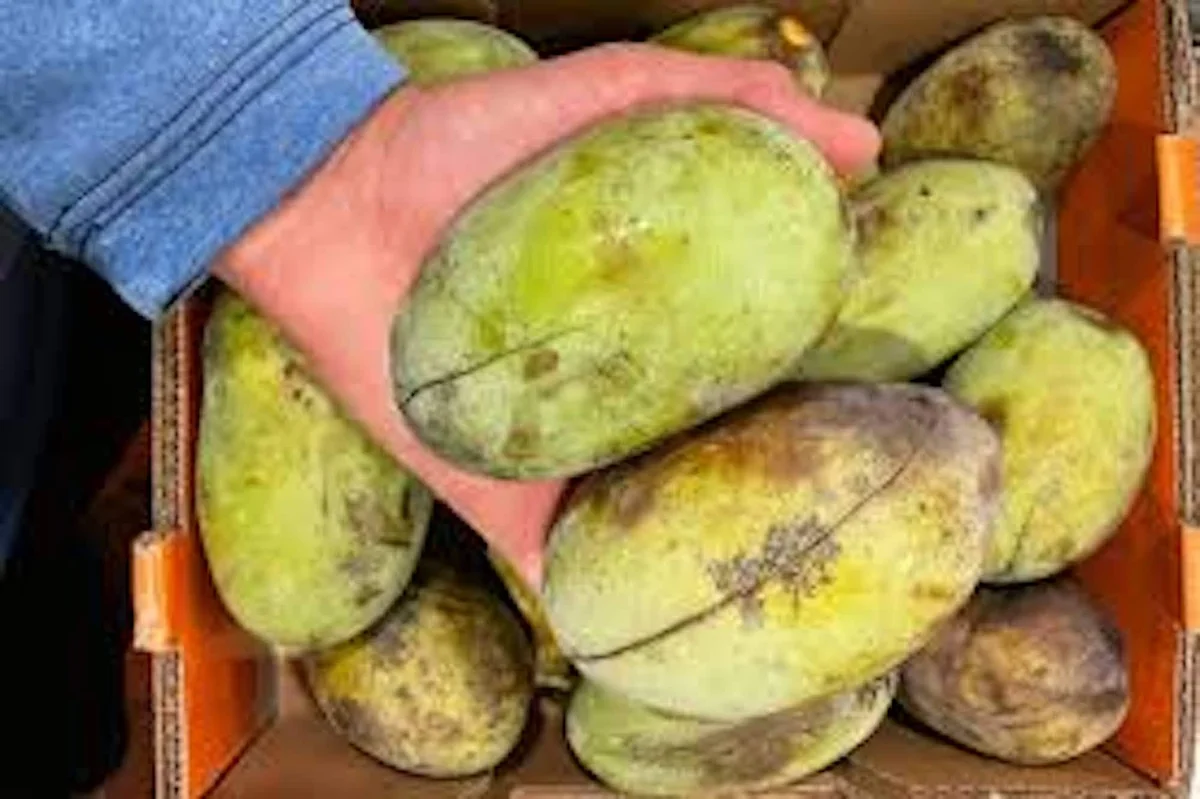
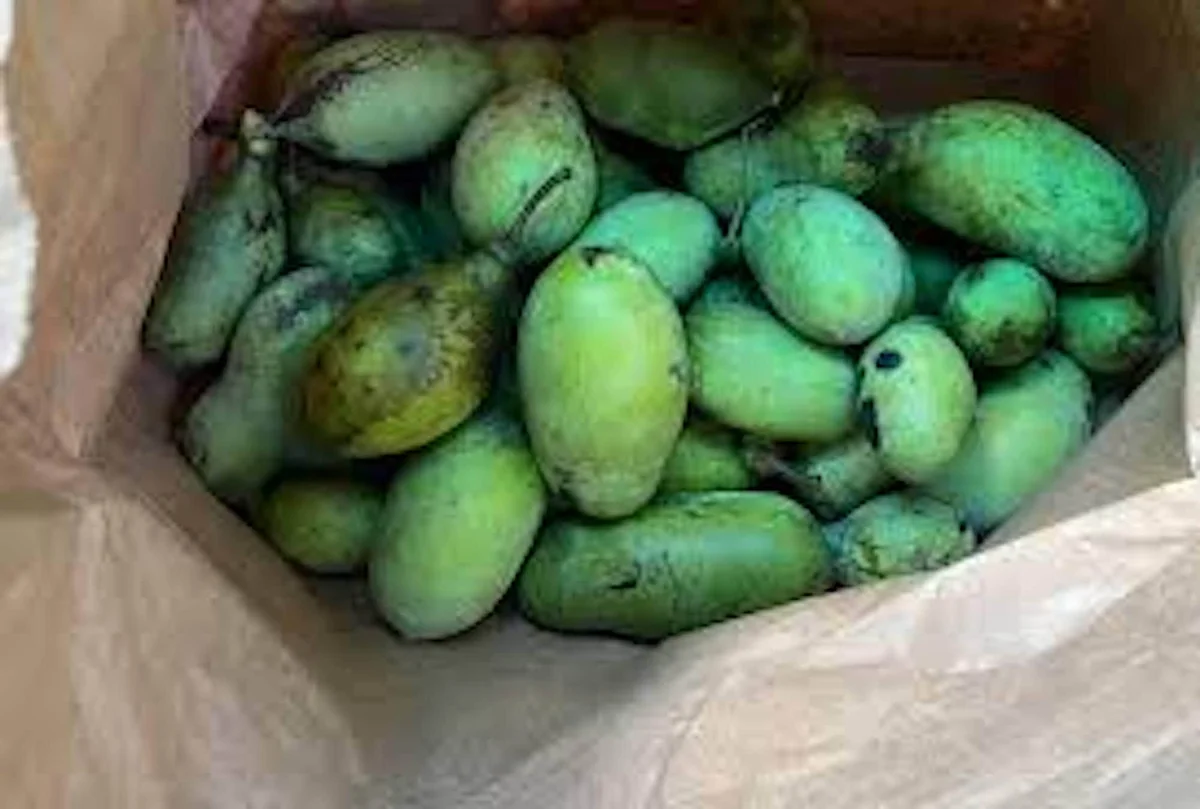
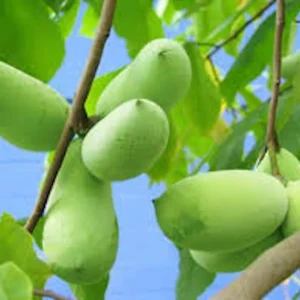
Start your own orchard with Pawpaw tree seeds (Asimina triloba). These organic heirloom seeds allow you to grow Pawpaw fruit, a delicious native American fruit tree with a unique tropical flavor. Perfect for home gardens.
-
USDA Hardiness Zone
USDA Zones 5-8 -
Soil Type
Well-drained, loamy soil rich in organic matter -
Sunlight Exposure
Full sun to partial shade (partial shade for young trees) -
Expected Planting Period
Early spring

You can track your order HERE
Apr 12
Apr 17 - Apr 19
Apr 22 - Apr 26
Shipping and return policies: Our Alive & Thrive Guarantee covers issues with your plants within the first 30 days. Reach out to us. Our team will answer your questions and help you find the plants that are truly suitable for your environment, climate, and personal preferences.

Overview
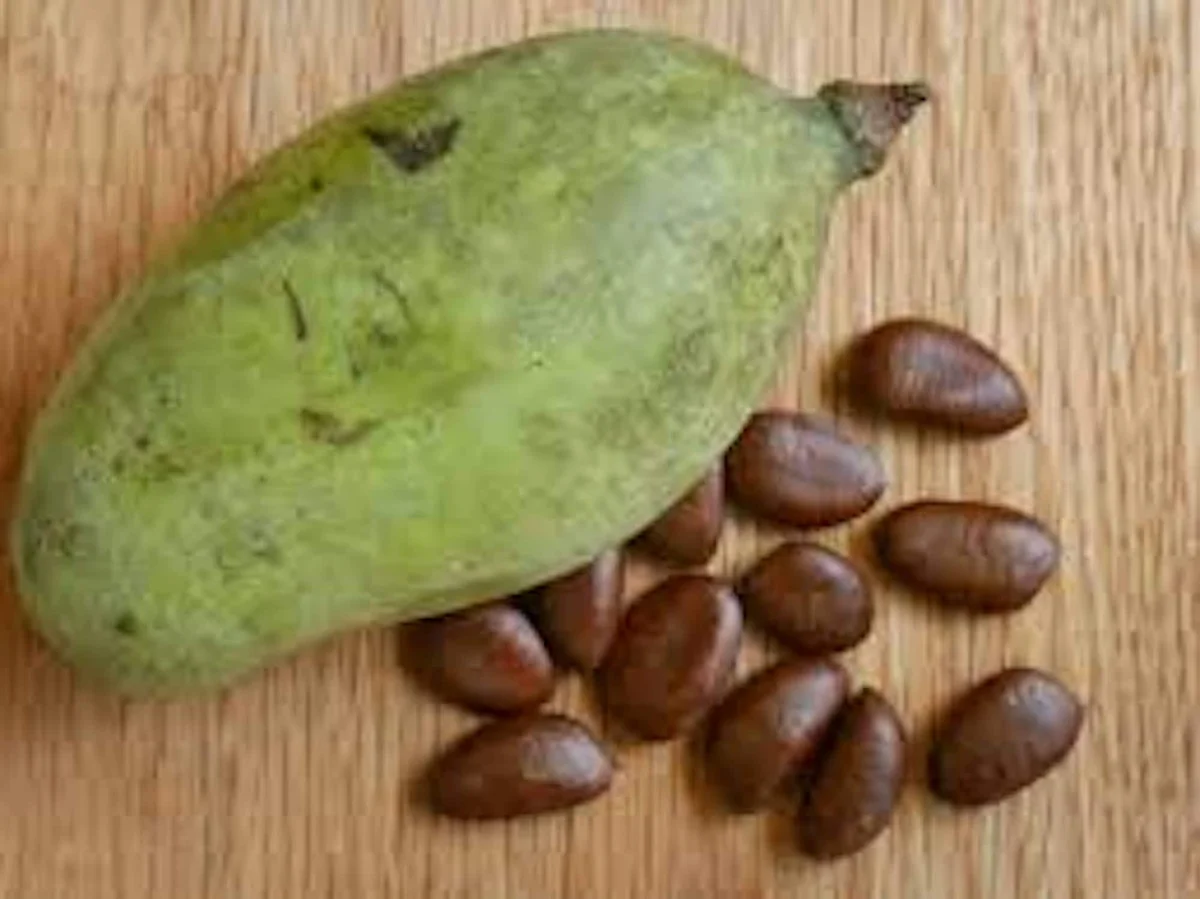
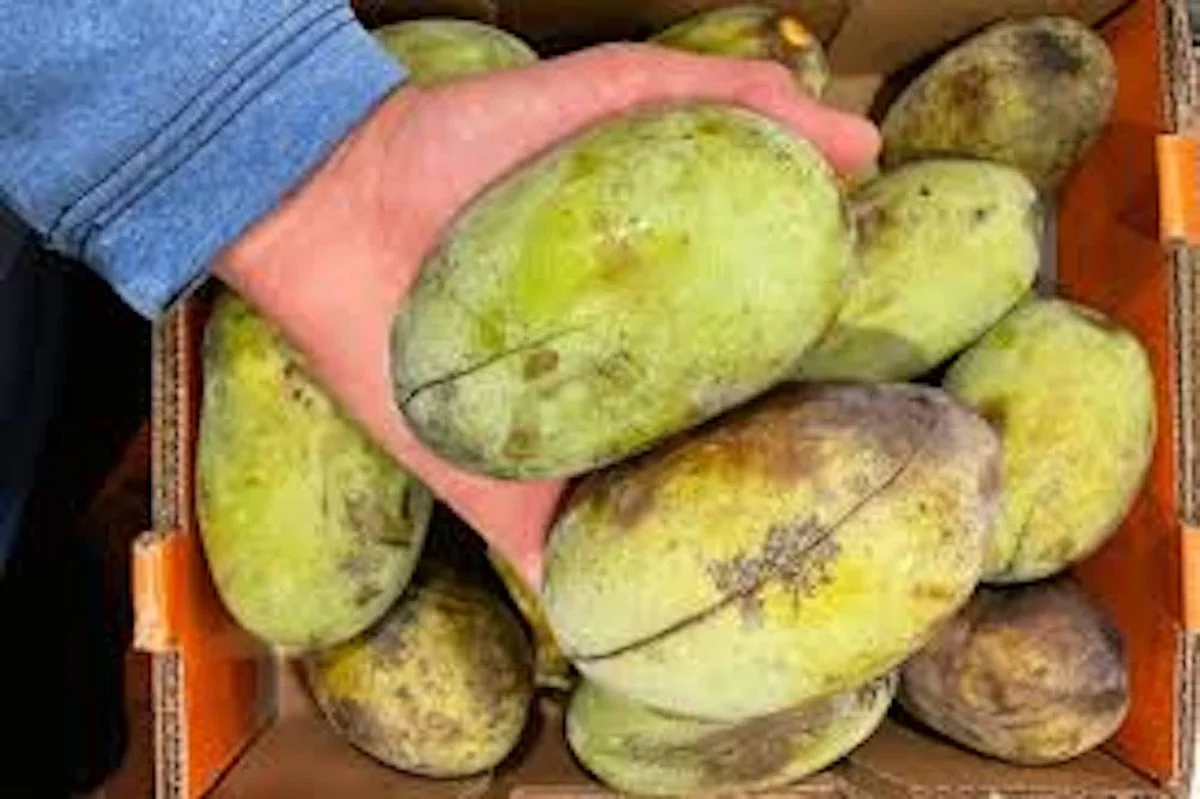
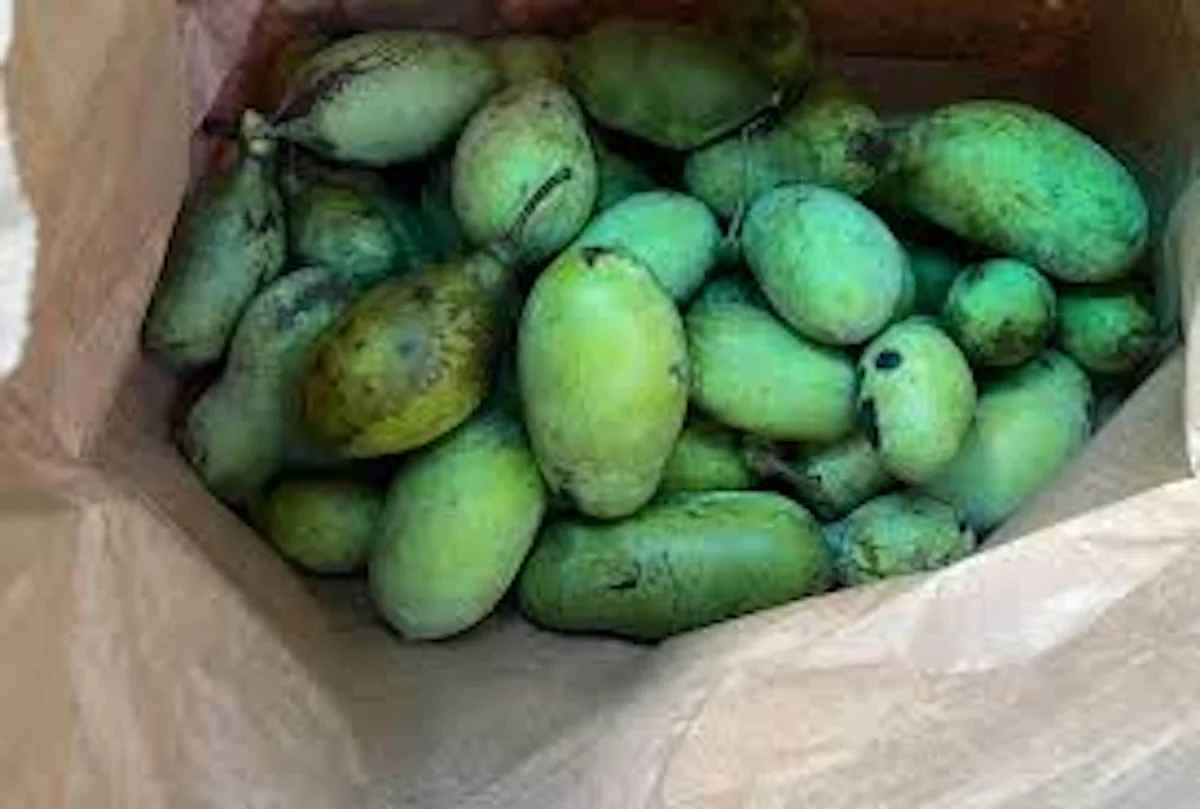
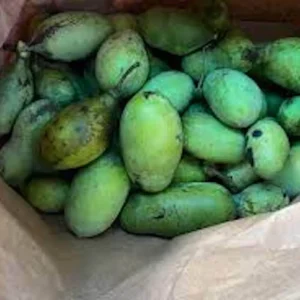
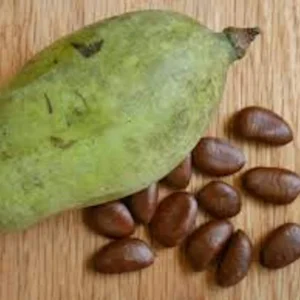
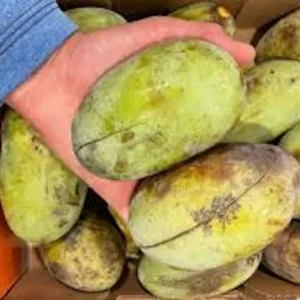
Embark on a rewarding gardening journey by cultivating your very own Pawpaw tree seeds. These 5 high-quality, organic Asimina triloba seeds offer the chance to grow the largest native fruit in North America. Known for its unique, tropical flavor reminiscent of banana, mango, and melon, the Pawpaw fruit is a true delight for any gardener or food enthusiast. Our organic heirloom seeds are carefully selected to ensure you receive the best possible start for your new fruit trees. Growing Pawpaws from seed is an exciting process that connects you with nature and provides a sustainable source of delicious, nutrient-rich fruit for years to come. Discover the joy of nurturing this remarkable native American fruit tree from a small seed to a fruit-bearing specimen.
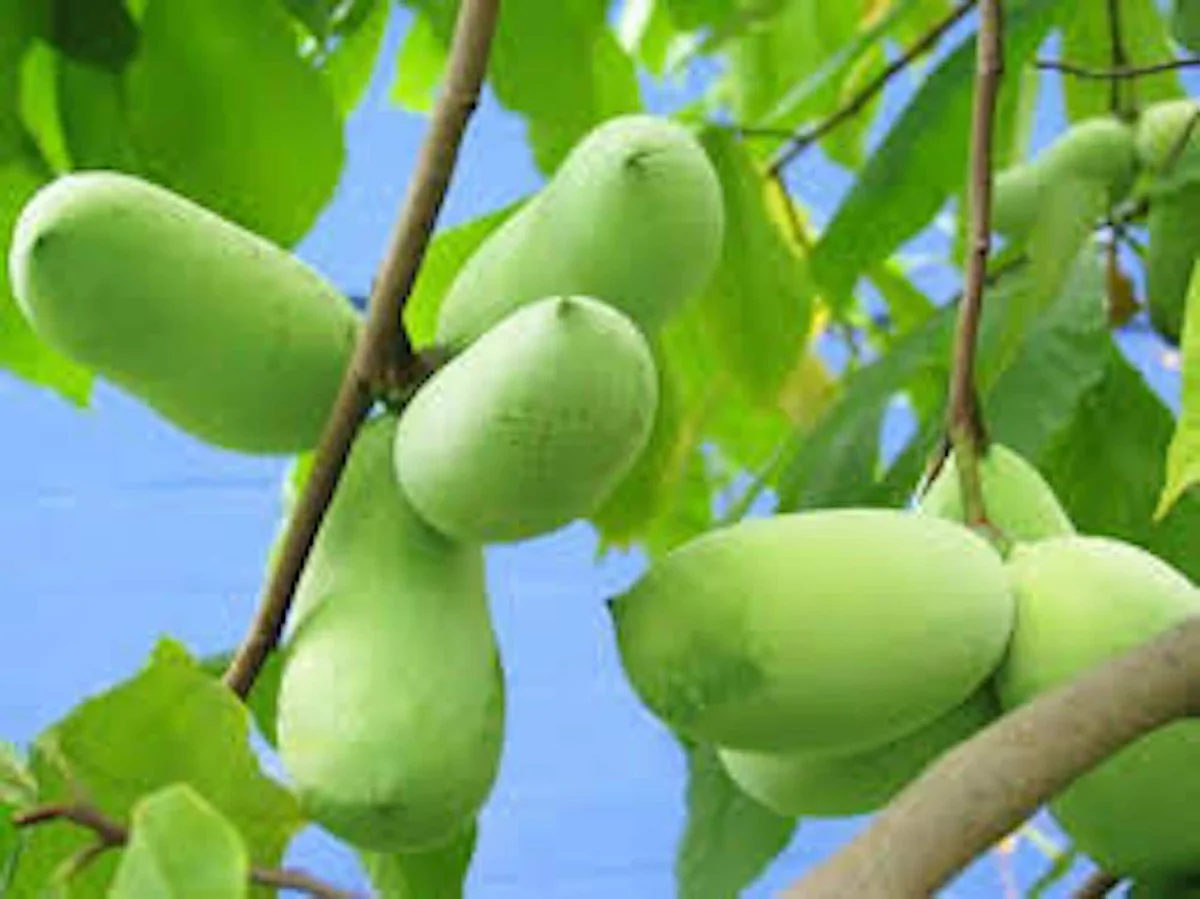
The Pawpaw (Asimina triloba) is a deciduous tree native to the eastern United States and Canada, celebrated for its distinctive fruit and attractive foliage. By planting these Asimina triloba seeds, you’re not just growing a tree; you’re contributing to local biodiversity and enjoying a taste of American heritage. These seeds are stratified, meaning they have undergone a cold treatment to prepare them for germination, increasing your chances of success. Whether you’re an experienced horticulturist or a beginner eager to try your hand at growing fruit, these Pawpaw seeds provide an accessible entry point into the world of native fruit cultivation. Get ready to experience the satisfaction of harvesting your own homegrown Pawpaws.
Key Benefits
Cultivating Pawpaw trees from seed offers a multitude of advantages, from the unique culinary experience to the ecological benefits they bring to your garden. These trees are not only a source of delicious fruit but also contribute to a healthier, more vibrant ecosystem. By choosing to grow Pawpaw fruit, you are investing in a sustainable and rewarding gardening project.
- Unique Tropical Flavor: Enjoy the creamy, custard-like texture and exotic taste of Pawpaw fruit, a blend of banana, mango, and pineapple that is unlike any other. This distinctive flavor makes it a prized addition to any home orchard or garden.
- Nutrient-Rich Harvest: Pawpaw fruits are packed with vitamins, minerals, and antioxidants, offering a healthy and delicious snack directly from your garden. Growing your own ensures fresh, organic produce.
- Native American Heritage: Support local ecosystems by planting a native American fruit tree. Pawpaws are well-adapted to North American climates and require less intervention than many non-native species.
- Pollinator Attraction: The unique maroon flowers of the Pawpaw tree attract various pollinators, including flies and beetles, contributing to the biodiversity and health of your garden. This makes them an excellent choice for a pollinator-friendly landscape.
- Easy to Grow from Seed: While requiring patience, these Pawpaw tree seeds are suitable for both novice and experienced gardeners. With proper stratification and care, you can successfully germinate and grow these resilient trees.
- Low Maintenance Once Established: After the initial establishment phase, Pawpaw trees are relatively low maintenance, making them an ideal choice for a hands-off approach to fruit cultivation.
- Stunning Ornamental Value: Beyond their fruit, Pawpaw trees offer attractive foliage and a unique growth habit, adding aesthetic appeal to your landscape throughout the seasons.
Plant Care & Growing Tips
Successful germination and growth of your Pawpaw tree seeds require attention to specific environmental conditions. These seeds come pre-stratified, but understanding their needs for light, soil, and water is crucial for healthy development into a thriving native American fruit tree. Pawpaws prefer a slightly acidic to neutral soil pH (5.5-7.0). Ensure the planting site has good drainage, as waterlogged conditions can be detrimental to young seedlings. Incorporating organic matter into the soil will provide essential nutrients and improve structure, helping your seedlings establish strong root systems. While mature Pawpaws can tolerate full sun, young seedlings benefit from partial shade for their first year or two, protecting them from intense direct sunlight.
When you grow Pawpaw fruit from these Asimina triloba seeds, consistent moisture is vital, especially during the germination and early growth stages. Keep the soil consistently moist but never soggy. Once established, Pawpaw trees are relatively drought-tolerant but will benefit from supplemental watering during dry spells. Fertilize sparingly in the first year with a balanced, slow-release fertilizer, gradually increasing as the tree matures. Pawpaws are generally hardy in USDA Zones 5-8, tolerating cold winters and hot summers. Protection from deer browsing can be beneficial for young trees. Patience is key when growing Pawpaws from seed, as germination can be slow and erratic, and it may take several years for the trees to reach fruit-bearing age.
For optimal growth and fruit production, plant your Pawpaw trees 10-15 feet apart. This spacing allows for adequate air circulation and sunlight penetration as the trees mature. Consider planting at least two genetically different trees to ensure cross-pollination and a good fruit set, as most Pawpaw varieties are not self-fertile. Regular pruning is generally not required, but you can remove dead or diseased branches to maintain tree health and shape. Protecting young trees from strong winds can also help them establish more quickly. With proper care and attention to these guidelines, you’ll be well on your way to enjoying a bountiful harvest from your own Pawpaw tree seeds.
Size & Details
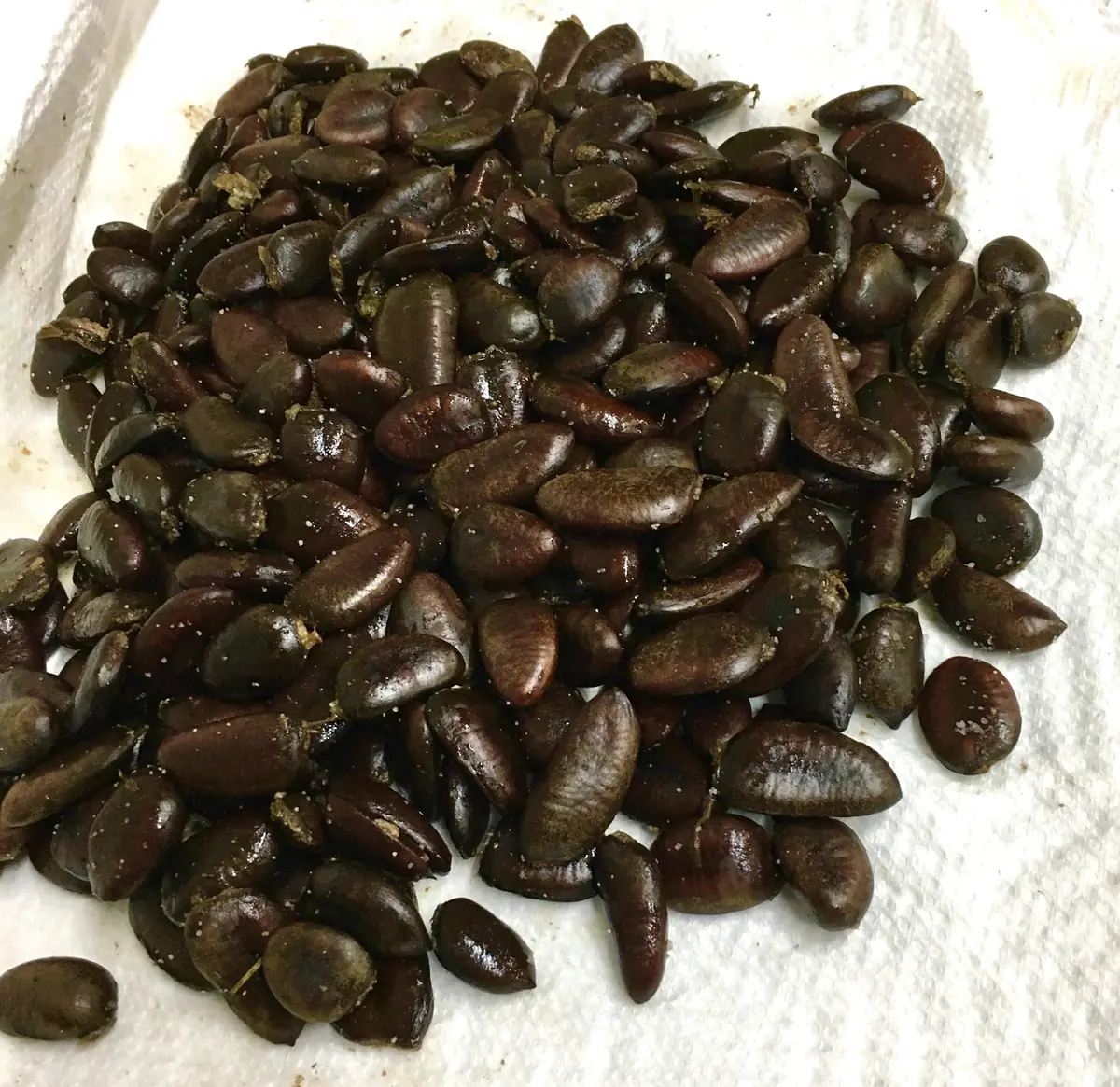
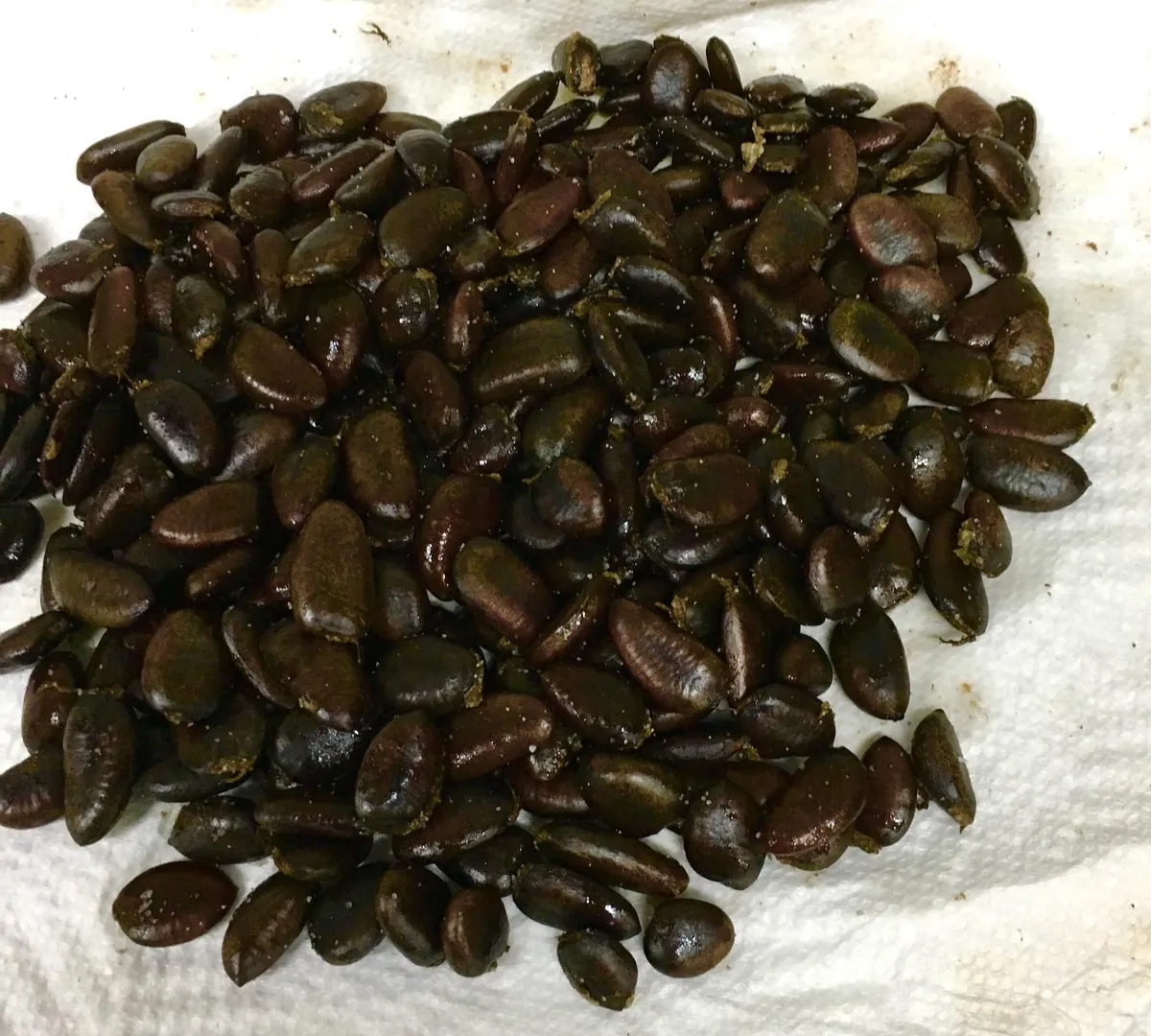
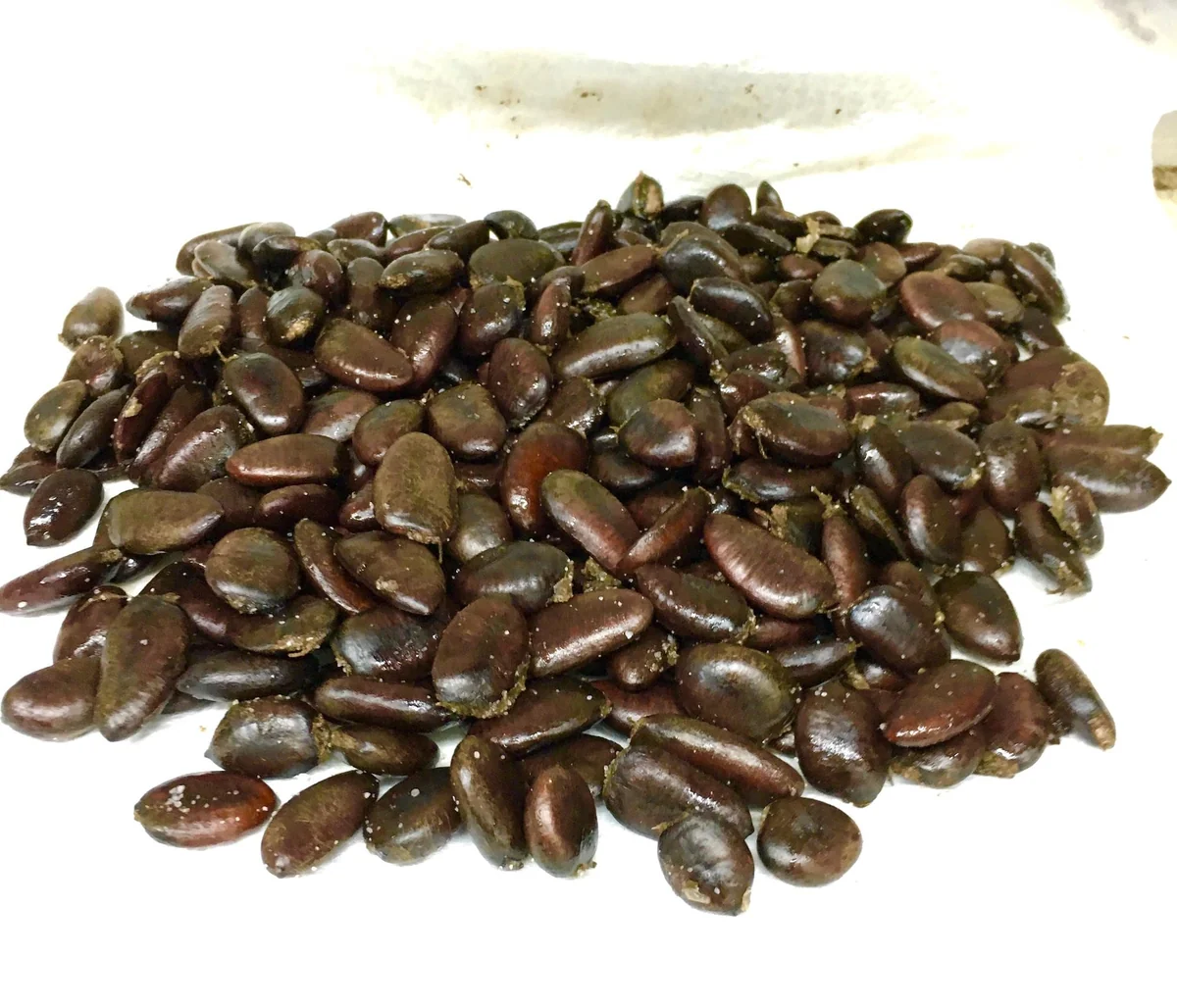
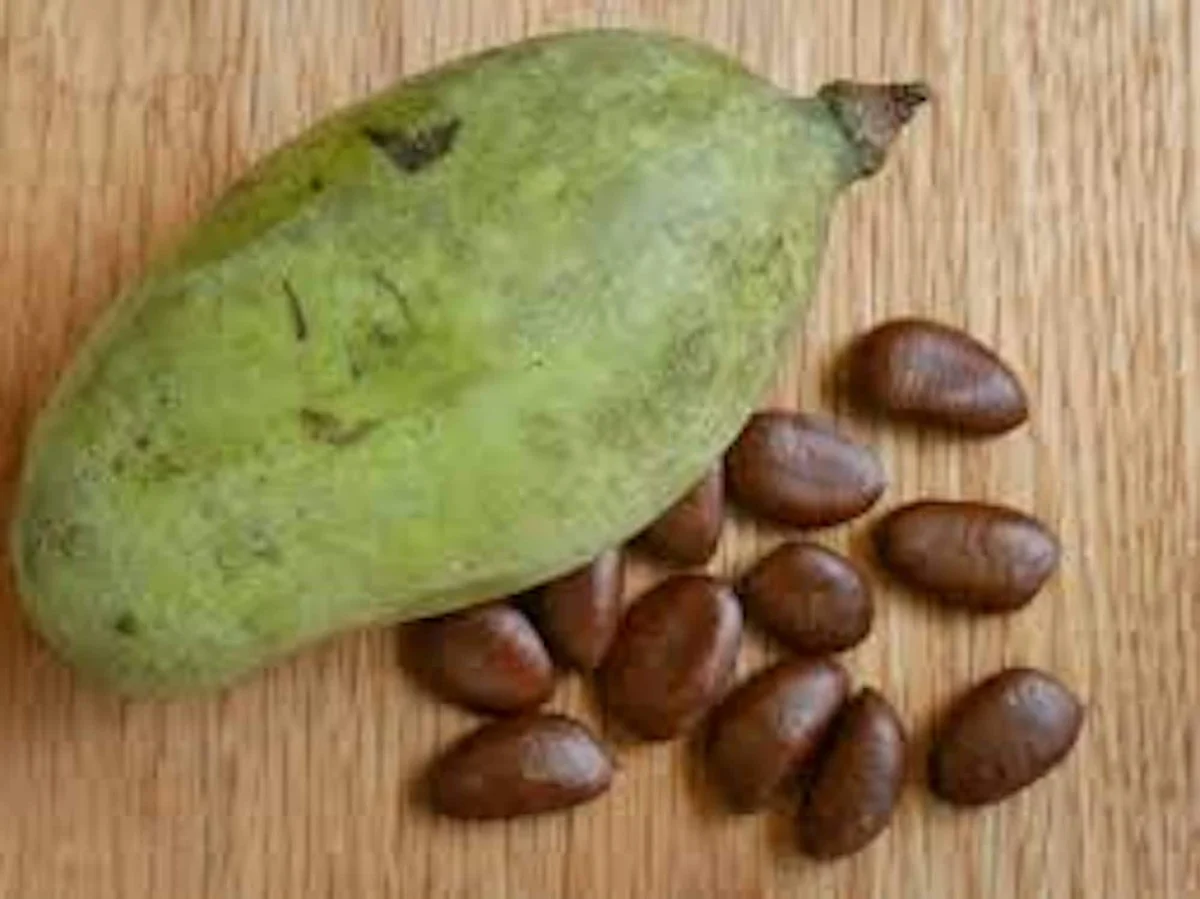
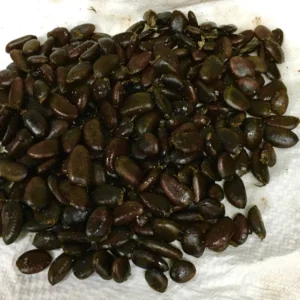
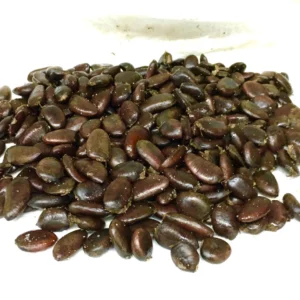
This offering includes 5 Pawpaw tree seeds (Asimina triloba), carefully selected and stratified for optimal germination potential. Each seed carries the genetic blueprint to grow into a medium-sized deciduous tree, typically reaching heights of 15-30 feet at maturity, with a spread of 10-20 feet. The growth rate is moderate, and it can take several years for the trees to begin bearing fruit, usually within 5-7 years after germination, though some may fruit sooner or later. These organic heirloom seeds are intended for planting directly into suitable garden soil or pots for initial seedling development before transplanting. They are shipped as bare seeds, ready for planting according to your local climate and growing conditions. Expect a rewarding long-term project as you watch these seeds transform into productive fruit trees.
Frequently Asked Questions
- Q: How long does it take for Pawpaw tree seeds to germinate? A: Germination can be slow and erratic, often taking several months to a year, even with pre-stratified seeds. Patience and consistent moisture are key for these Asimina triloba seeds.
- Q: Do I need more than one Pawpaw tree to get fruit? A: Yes, most Pawpaw varieties are not self-pollinating. To ensure a good fruit set, it is recommended to plant at least two genetically different Pawpaw trees for cross-pollination. This is crucial when you grow Pawpaw fruit.
- Q: What kind of soil do Pawpaw trees prefer? A: Pawpaw trees thrive in well-drained, fertile, slightly acidic to neutral soil (pH 5.5-7.0) rich in organic matter. Avoid heavy, waterlogged soils.
- Q: How much sunlight do young Pawpaw trees need? A: Young Pawpaw seedlings benefit from partial shade for their first year or two to protect them from intense sun. Mature trees prefer full sun for best fruit production.
- Q: Are these Pawpaw tree seeds organic? A: Yes, these are organic heirloom seeds, sourced from high-quality, naturally grown Pawpaw varieties.
- Q: When is the best time to plant Pawpaw tree seeds? A: After receiving your stratified seeds, they can typically be planted in early spring once the danger of hard frost has passed, allowing them to germinate as temperatures rise.
- Q: What USDA Hardiness Zones are suitable for Pawpaw trees? A: Pawpaw trees are generally hardy in USDA Zones 5-8, but some varieties can extend into Zone 4 or 9 with proper care. This makes them a versatile native American fruit tree.
- Q: How can I protect young Pawpaw trees from pests? A: Young Pawpaw trees are generally resistant to most serious pests. However, physical barriers like tree tubes can protect them from deer and other browsing animals.
- Q: Can I grow Pawpaw trees in containers? A: While possible, Pawpaws develop a deep taproot, making them challenging to grow long-term in containers. If attempting, choose a very large pot and plan to transplant eventually.
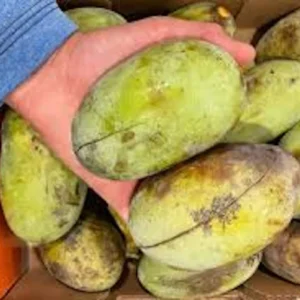
- Q: What does Pawpaw fruit taste like? A: The fruit has a creamy, custard-like texture with a unique flavor often described as a blend of banana, mango, and pineapple, making it a truly special treat.
Be the first to review “5 Pawpaw Tree Seeds – Organic Asimina triloba Native American Fruit Tree”
People Also Viewed
Sold 96 products
Original price was: $59.98.$41.98Current price is: $41.98.
Sold 74 products
Original price was: $28.76.$14.38Current price is: $14.38.
Sold 85 products
Original price was: $47.58.$23.79Current price is: $23.79.
Sold 84 products
From $99.80
Sold 75 products
Original price was: $77.98.$38.99Current price is: $38.99.
Sold 94 products
Original price was: $43.85.$15.54Current price is: $15.54.
Sold 67 products
From $34.12
Sold 78 products
Original price was: $49.98.$24.99Current price is: $24.99.
Sold 62 products
Original price was: $59.96.$29.98Current price is: $29.98.
Sold 95 products
Original price was: $147.16.$73.58Current price is: $73.58.
Sold 86 products
Original price was: $35.00.$28.00Current price is: $28.00.
Sold 89 products
Original price was: $79.08.$39.54Current price is: $39.54.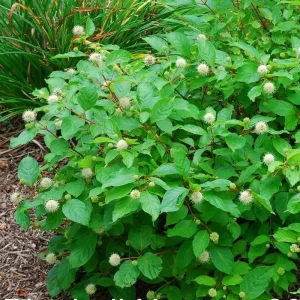
Shrubs
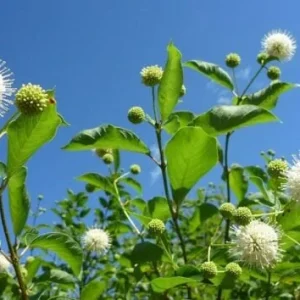
Buttonbush Shrub (Cephalanthus occidentalis) – 3 Bare-root Live Plants – Attracts Pollinators
Sold 89 products
From $71.96
Sold 93 products
Original price was: $55.96.$27.98Current price is: $27.98.
Sold 81 products
From $99.80
Sold 64 products
Original price was: $28.76.$14.38Current price is: $14.38.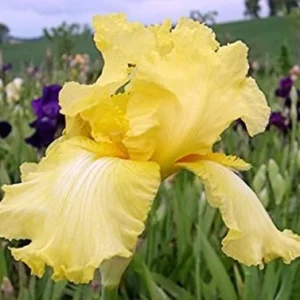
Flower Plants
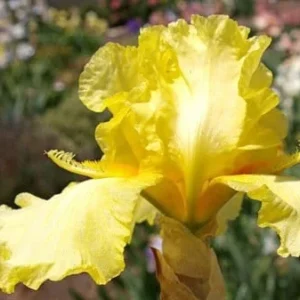
Summer Olympics Bearded Iris – Iris germanica Live Plant, Creamy Yellow, Reblooming, Zone 3-9
Sold 78 products
Original price was: $59.80.$29.90Current price is: $29.90.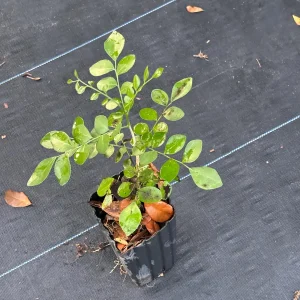
Shrubs
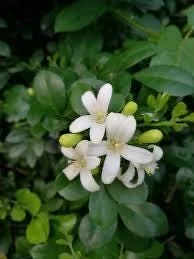
Orange Jasmine Live Plant – Murraya paniculata – 6 Inch Tall in 4 Inch Pot – Fragrant Tropical Shrub
Sold 61 products
From $54.00




%20–%203%20Bare-root%20Live%20Plants%20–%20Attracts%20Pollinators&url=https://gardennursery.net/product/buttonbush-shrub-cephalanthus-occidentalis-3-bare-root-live-plants-attracts-pollinators/&media=https://img.gardennursery.net/2026/01/buttonbush-shrub-cephalanthus-occidentalis-3-bare.webp)


Reviews
There are no reviews yet.