
5 lbs Cassava Root – Edible Yuca Manioc – Manihot esculenta for Cooking
Original price was: $159.96.$79.98Current price is: $79.98.
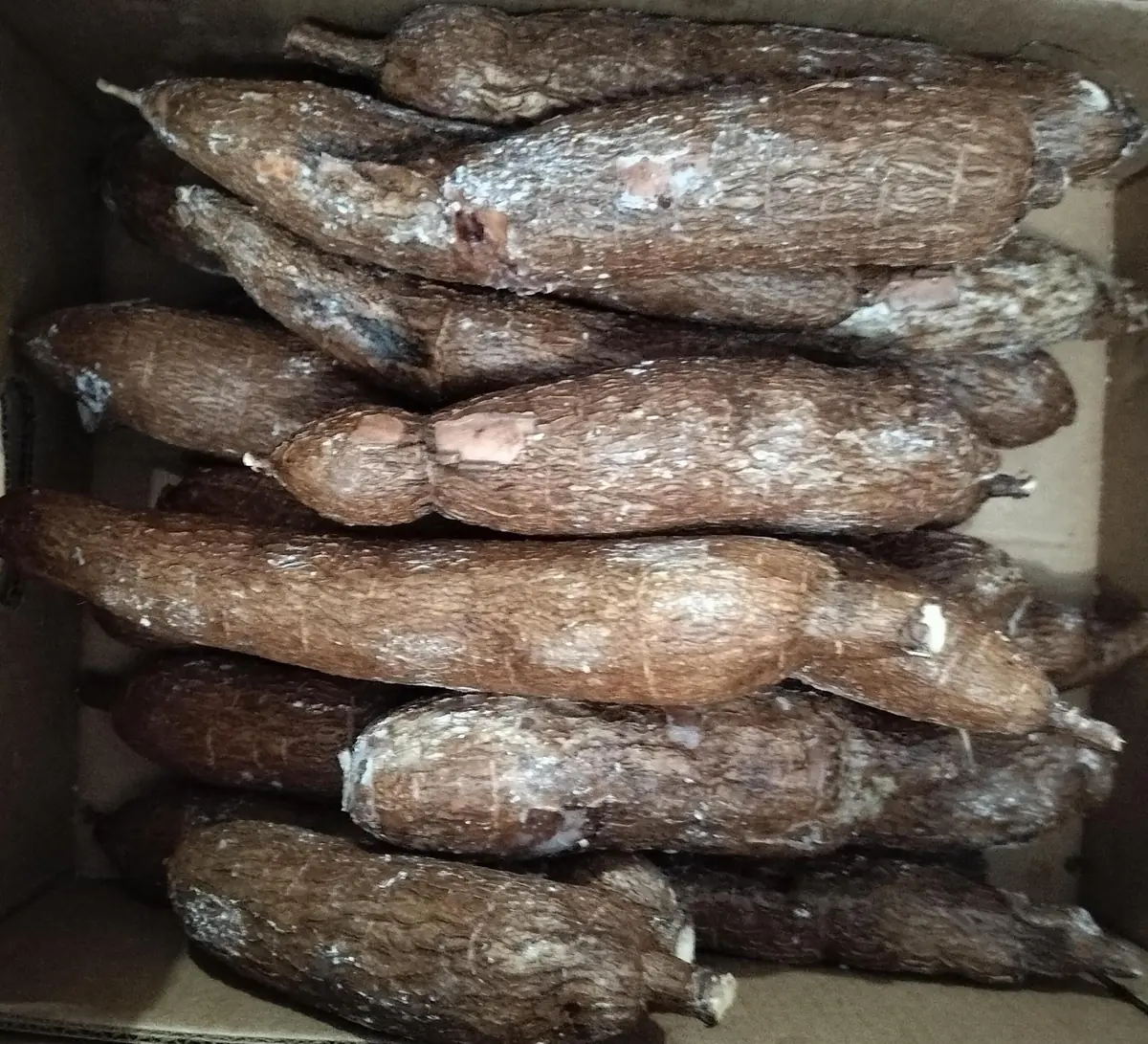
Receive 5 lbs cassava root, a versatile and starchy tuber known as yuca or manioc. Ideal for cooking, this edible root is a staple in many cuisines worldwide.
-
USDA Hardiness Zone
unknown -
Soil Type
unknown -
Sunlight Exposure
unknown -
Expected Planting Period
year-round for culinary use

You can track your order HERE
Mar 18
Mar 23 - Mar 25
Mar 28 - Apr 01
Shipping and return policies: Our Alive & Thrive Guarantee covers issues with your plants within the first 30 days. Reach out to us. Our team will answer your questions and help you find the plants that are truly suitable for your environment, climate, and personal preferences.

Overview
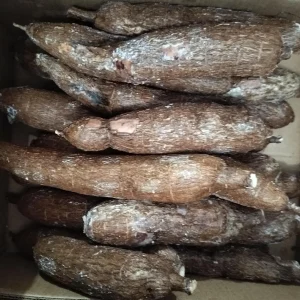
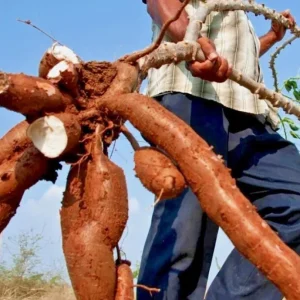
Bring the taste of the tropics to your kitchen with cassava root, a highly versatile and nutritious starchy tuber. This offering provides 5 pounds of fresh, edible cassava root, also widely recognized by its other common names, yuca root or manioc root. Scientifically known as Manihot esculenta, cassava is a fundamental food source in tropical and subtropical regions globally, serving as a primary carbohydrate. Its robust flavor and starchy texture make it an excellent substitute for potatoes, rice, or pasta in a variety of dishes. Whether you’re preparing a traditional stew, creating tapioca, or making savory fries, this edible cassava is a culinary essential.
Our fresh cassava root is carefully selected to ensure you receive a quality product ready for your culinary adventures. While these roots are alive, it’s important to note they are intended for eating only and will not grow into new plants. Cassava is typically propagated from stem cuttings, not from the root itself. This fresh manioc root provides a dense, energy-rich ingredient that can be boiled, fried, baked, or processed into flour, offering endless possibilities for delicious and satisfying meals.
Key Benefits
Incorporating cassava root into your diet offers numerous culinary and nutritional advantages. This staple food is not only delicious but also incredibly versatile, making it a valuable addition to any kitchen. The cassava root is known for its ability to transform into a wide array of dishes.
- Versatile Culinary Ingredient: Cassava root can be used in countless ways, from boiling and frying to baking and mashing. It serves as an excellent base for stews, soups, and curries, and can be processed into flour for baking or tapioca.
- Rich in Carbohydrates: As a significant source of food carbohydrates, yuca root provides sustained energy, making it a fantastic staple for active lifestyles. It’s a hearty alternative to common starches.
- Naturally Gluten-Free: For those with gluten sensitivities or following a gluten-free diet, manioc root is a superb option. Its flour (tapioca) is a popular gluten-free thickener and baking ingredient.
- Dietary Fiber Content: Cassava contains dietary fiber, which is beneficial for digestive health. Including this edible cassava can contribute to a balanced diet.
- Adaptable to Many Cuisines: From South American and Caribbean dishes to African and Asian cooking, fresh cassava is a beloved ingredient that seamlessly integrates into diverse culinary traditions.
- Nutrient-Dense: Beyond carbohydrates, cassava root also provides some vitamins and minerals, contributing to overall well-being when consumed as part of a varied diet.
- Unique Flavor and Texture: When properly prepared, yuca root offers a subtly sweet, nutty flavor and a satisfyingly starchy, slightly waxy texture that is distinct and enjoyable.
Plant Care & Growing Tips
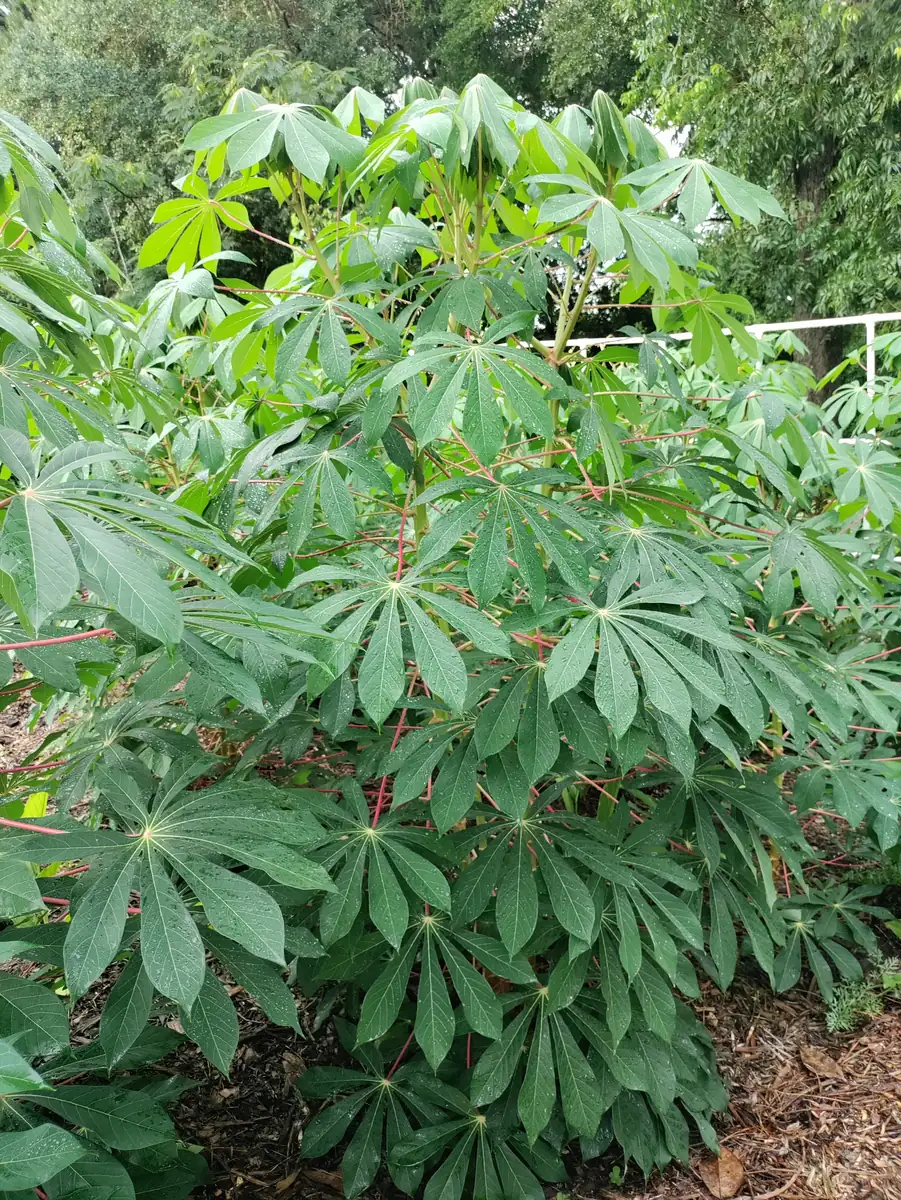
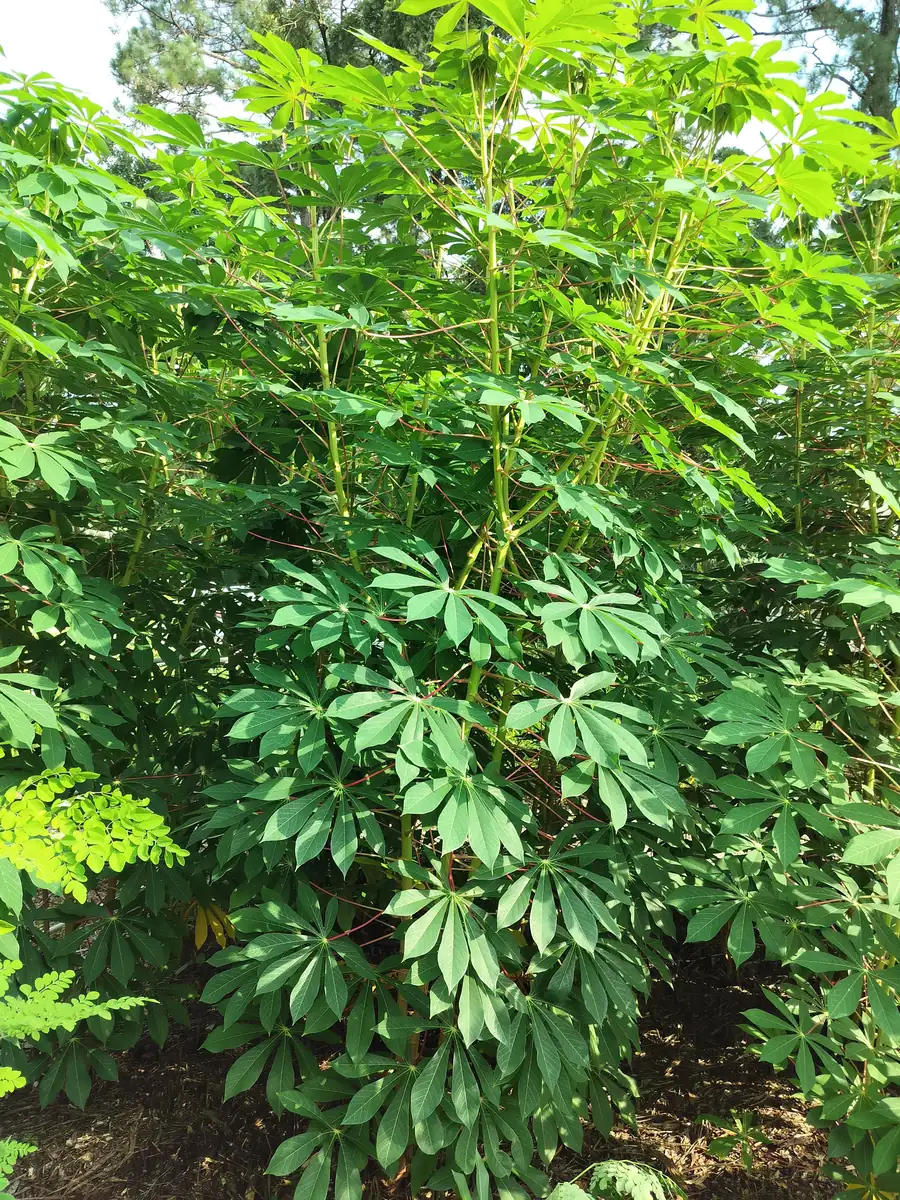
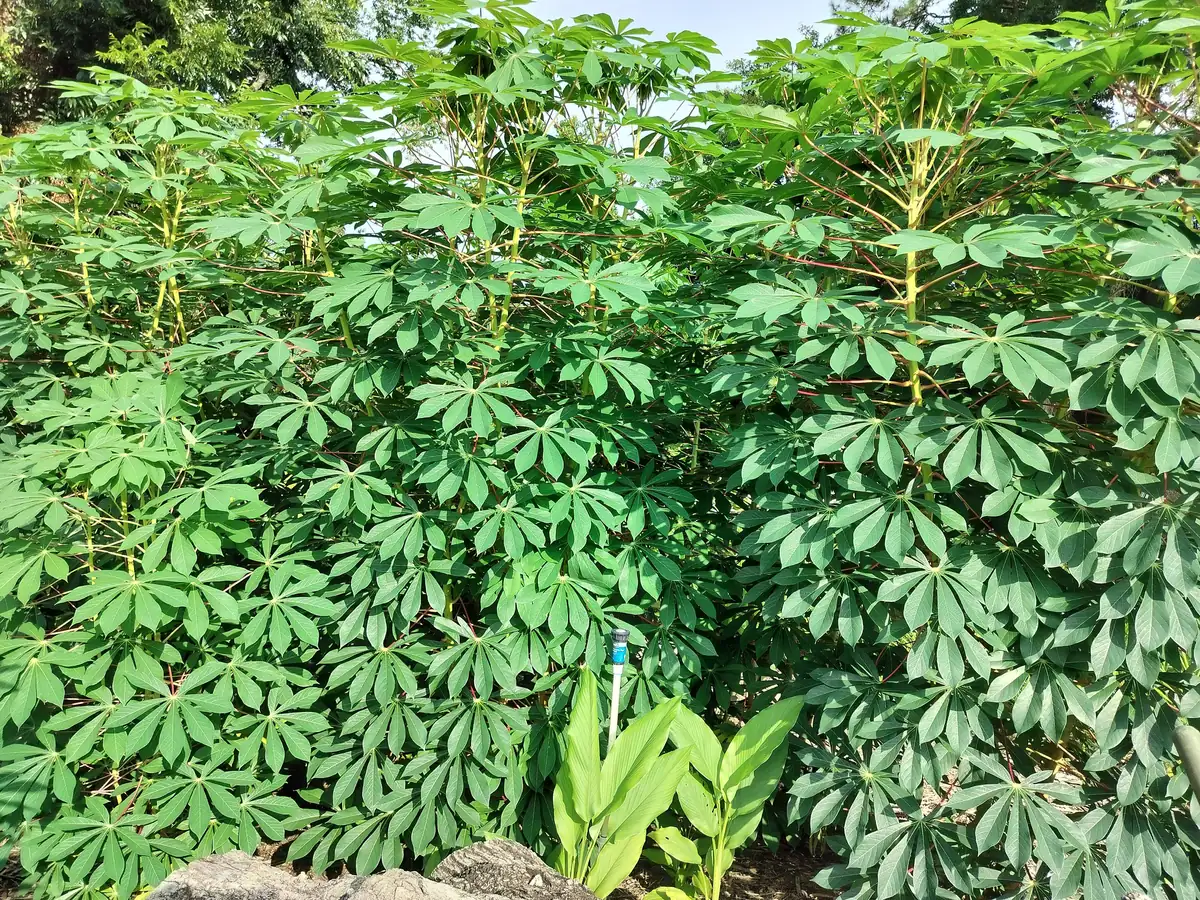
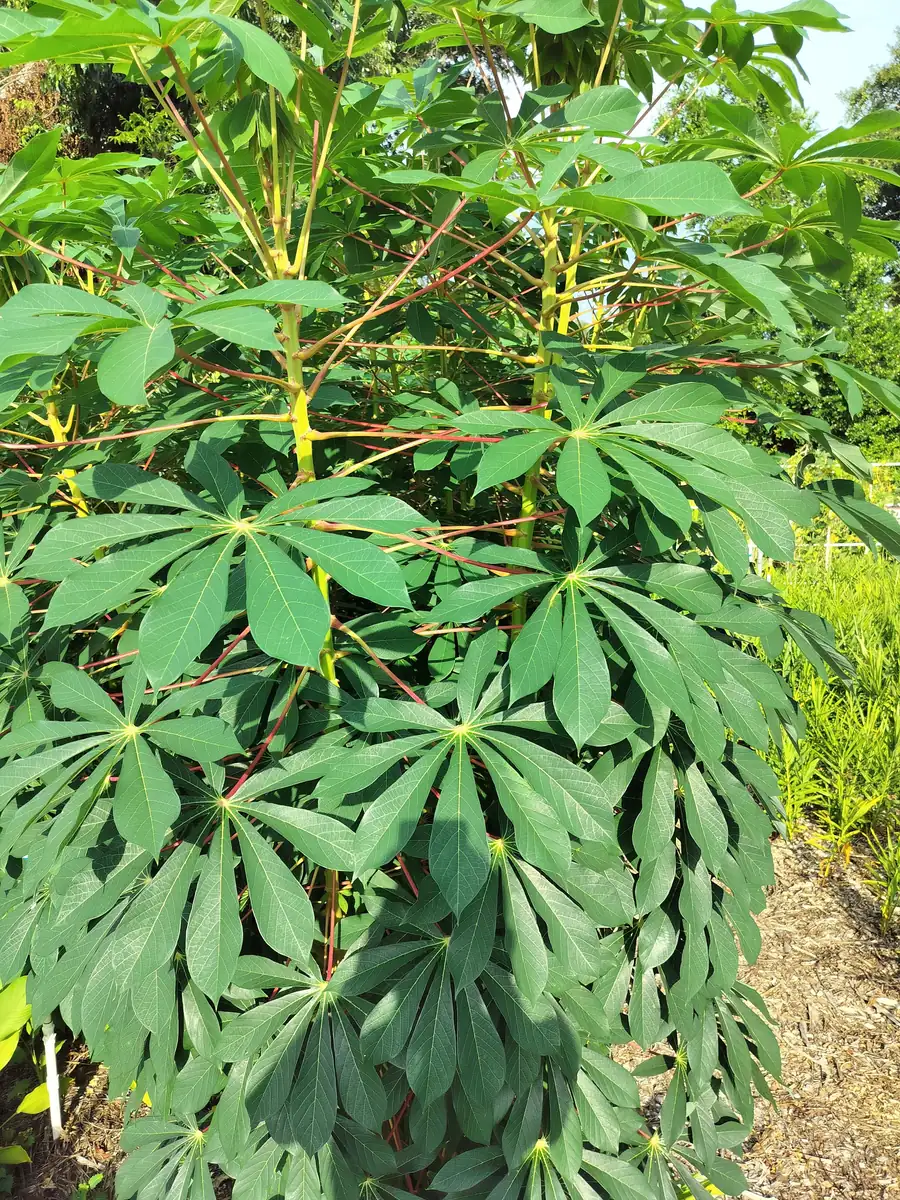
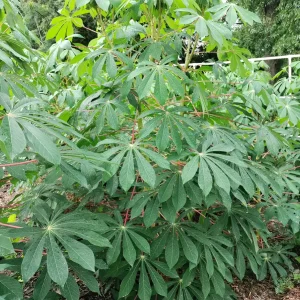
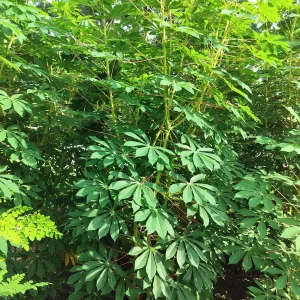
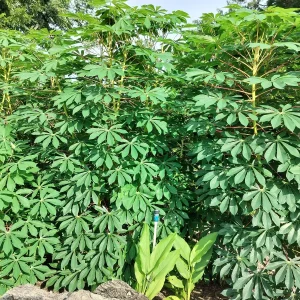
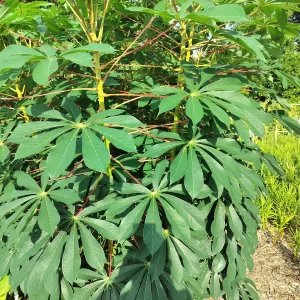
While these cassava root are intended for consumption and not for planting, understanding a bit about their origin can enhance appreciation for this incredible food. Cassava, or Manihot esculenta, thrives in tropical and subtropical climates, preferring warm temperatures and consistent moisture. It is typically grown as an annual crop, harvested for its starchy tuberous roots. The plant itself is a woody shrub that can reach several feet in height.
For culinary preparation, it’s crucial to understand that cassava root must be properly prepared before consumption due to the presence of cyanogenic glycosides. This is why thorough cooking, such as boiling, is essential. Most edible cassava is peeled, chopped, and then boiled until tender, which helps to eliminate any residual cyanide compounds, making it safe to eat. The water used for boiling should be discarded. After boiling, the manioc root can be further prepared by frying, mashing, or incorporating into various recipes. Always ensure the root is fully cooked to enjoy its delicious flavor safely.
The leaves of the cassava plant are also edible and highly nutritious, often used in various dishes across Africa, South America, and the Caribbean. However, this listing is specifically for the roots. When handling fresh yuca root, store it in a cool, dark place or refrigerate to maintain freshness until ready for use. Proper storage and preparation are key to making the most of your fresh cassava.
Size & Details
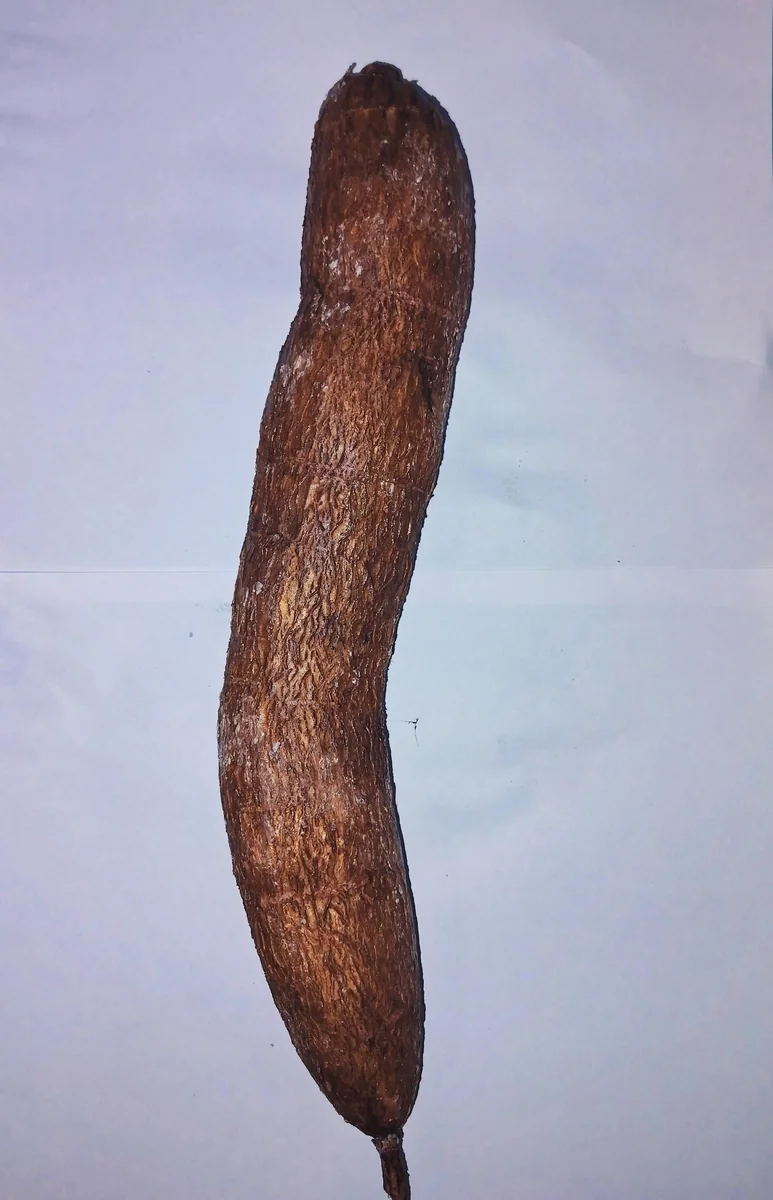
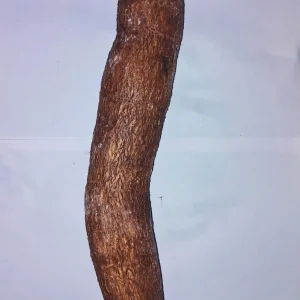
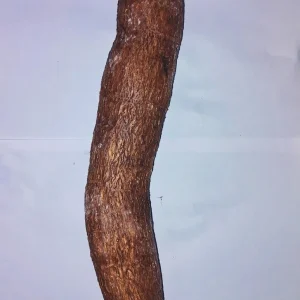
This product includes 5 lbs cassava root, ensuring you have a generous supply for multiple meals or culinary experiments. Each order provides a combined weight of approximately 5 pounds of fresh cassava root, ready for your kitchen. The individual roots will vary in size and shape, typical of naturally grown tubers, but the total weight will meet the specified quantity. This edible cassava is harvested for its substantial starchy content, making it a filling and nutritious ingredient. It is delivered as raw, unprocessed roots, requiring peeling and cooking before consumption. The quality is maintained to provide you with the best possible manioc root for your cooking needs.
As a staple food, yuca root is known for its long shelf life when stored correctly. Once cooked, it can be kept in the refrigerator for several days or frozen for longer storage, allowing you to enjoy its benefits over time. This quantity is ideal for families, meal preppers, or anyone looking to explore the diverse culinary applications of fresh cassava.
Frequently Asked Questions
- Q: How much cassava root will I receive? A: You will receive 5 lbs cassava root, which is a combined weight of fresh edible roots. The number of individual roots will vary based on their size.
- Q: Is this yuca root for planting or eating? A: These yuca root are specifically for eating only. They are not intended for propagation and will not grow into new plants.
- Q: How should I prepare manioc root for consumption? A: It is crucial to peel and thoroughly cook manioc root before eating, typically by boiling, to remove natural toxins. Discard the cooking water.
- Q: Can I use this edible cassava in different cuisines? A: Absolutely! Edible cassava is a versatile staple used in a wide range of global cuisines, including South American, Caribbean, African, and Asian dishes.
- Q: What is the best way to store fresh cassava? A: Store fresh cassava in a cool, dark place, or refrigerate it to maintain its freshness. Once cooked, it can be refrigerated or frozen.
- Q: Is cassava root gluten-free? A: Yes, cassava root is naturally gluten-free, making it an excellent alternative for those with gluten sensitivities or celiac disease.
- Q: What are some common uses for yuca root? A: Yuca root can be boiled, fried, baked, or mashed. It’s great in stews, made into fries, or processed into flour for tapioca.
- Q: What is the texture and flavor of cooked cassava root? A: When cooked, cassava root has a starchy, slightly waxy texture similar to a potato, with a mild, subtly sweet, and nutty flavor.
- Q: Does fresh cassava need to be peeled? A: Yes, the outer skin of fresh cassava must be peeled before cooking and consumption.
- Q: Can cassava root be frozen after cooking? A: Yes, cooked cassava root can be frozen for longer storage. It’s best to cut it into pieces before freezing.
Be the first to review “5 lbs Cassava Root – Edible Yuca Manioc – Manihot esculenta for Cooking”
People Also Viewed
Sold 51 products
Original price was: $37.98.$18.99Current price is: $18.99.
Sold 99 products
Original price was: $45.98.$22.99Current price is: $22.99.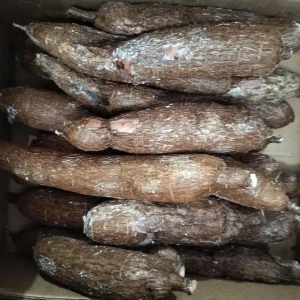
Sold 54 products
Original price was: $39.96.$19.98Current price is: $19.98.
Sold 91 products
Original price was: $39.99.$27.99Current price is: $27.99.
Sold 72 products
Original price was: $28.99.$18.99Current price is: $18.99.

Sold 62 products
From $9.98
Sold 55 products
Original price was: $147.16.$73.58Current price is: $73.58.
Sold 92 products
Original price was: $89.56.$44.78Current price is: $44.78.
Sold 68 products
Original price was: $44.99.$31.49Current price is: $31.49.
Sold 86 products
Original price was: $27.98.$13.99Current price is: $13.99.

Vegetables
Organic Jerusalem Artichoke Tubers – Early Dwarf Sunray Sunchoke – 1 Lb for Planting or Eating
Sold 100 products
Original price was: $91.96.$45.98Current price is: $45.98.
Sold 51 products
Original price was: $31.98.$15.99Current price is: $15.99.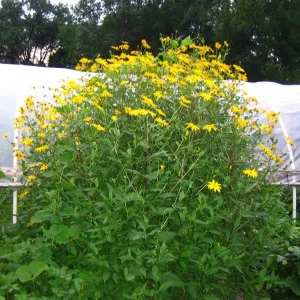
Sold 76 products
Original price was: $87.96.$43.98Current price is: $43.98.
Sold 58 products
Original price was: $74.76.$37.38Current price is: $37.38.
Sold 75 products
Original price was: $139.96.$69.98Current price is: $69.98.
Sold 53 products
Original price was: $89.56.$44.78Current price is: $44.78.
Herbs
Bay Leaf Live Plant 8-12″ Tall – Sweet Bay Laurel, Laurus Nobilis, 4″ Pot, Indoor/Outdoor Herb Tree
Sold 91 products
Original price was: $39.98.$19.99Current price is: $19.99.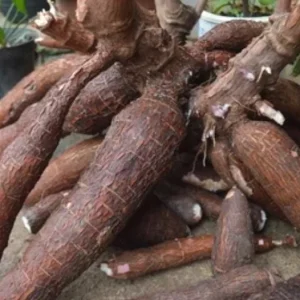
Sold 92 products
Original price was: $39.99.$27.99Current price is: $27.99.


Reviews
There are no reviews yet.