
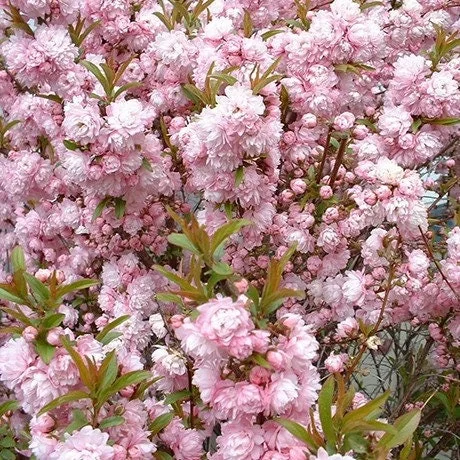
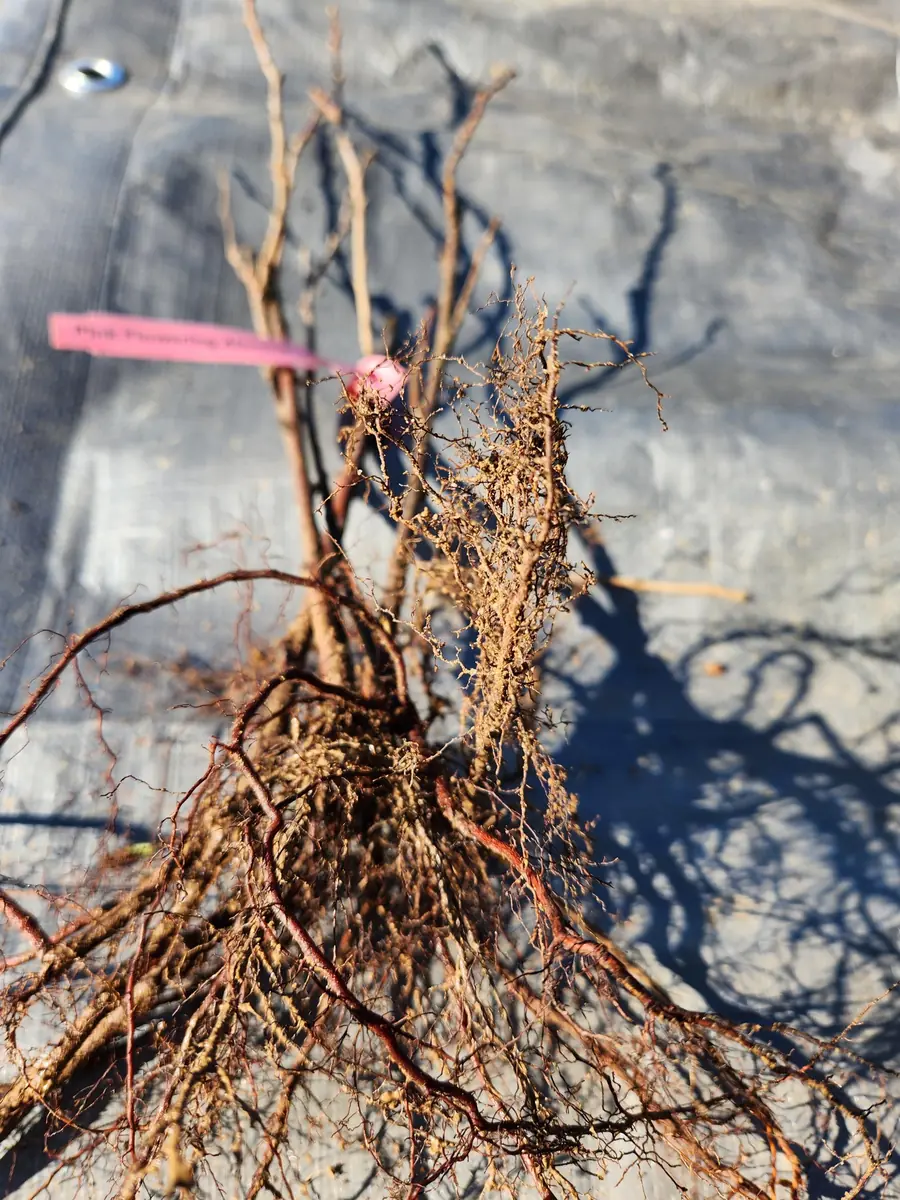
5 Flowering Almond Bare Root Plants – 6-12″ Tall Pink Blooms Outdoor Shrub
Original price was: $72.00.$36.00Current price is: $36.00.
Bring early spring color to your landscape with these beautiful flowering almond bare root plants. This pack includes 5 vibrant shrubs, each 6-12 inches in height, ready to establish. Enjoy the stunning display of pink flowers and their adaptability to various climates.
-
USDA Hardiness Zone
USDA Zones 3-7 -
Soil Type
Well-draining soil -
Sunlight Exposure
Full sun to partial shade -
Expected Planting Period
Early spring

You can track your order HERE
Feb 26
Mar 03 - Mar 05
Mar 08 - Mar 12
Shipping and return policies: Our Alive & Thrive Guarantee covers issues with your plants within the first 30 days. Reach out to us. Our team will answer your questions and help you find the plants that are truly suitable for your environment, climate, and personal preferences.

Overview
Introduce a burst of early spring color and elegance to your garden with our flowering almond bare root plants. This offering includes 5 young Prunus triloba shrubs, each measuring between 6-12 inches in height, shipped as bare roots ready for planting. The Flowering Almond, also known by its botanical name Prunus triloba, is a deciduous shrub celebrated for its spectacular display of delicate pink, double flowers that densely cover its branches before foliage emerges. These hardy plants are a true harbinger of spring, creating an unmatched visual impact in any landscape. Ideal for gardeners seeking a low-maintenance yet high-impact ornamental plant, the pink flowering almond adds charm and a touch of sophistication to borders, mixed shrub plantings, or as a standalone specimen.
The flowering almond bare root form ensures a robust start, as these plants focus their energy on developing strong root systems once planted. This method is often preferred for its cost-effectiveness and ease of shipping. Prunus triloba is a resilient plant, adaptable to a wide range of climates and soil conditions, making it a versatile choice for many regions. Its compact to medium size at maturity makes it suitable for various garden designs, from small urban spaces to larger rural estates. Prepare to be enchanted by the profusion of rosy blooms that transform your garden each spring.
Key Benefits
The Flowering Almond offers numerous advantages for both novice and experienced gardeners, making it a highly desirable addition to any outdoor space. Its exceptional qualities contribute to a beautiful and thriving garden.
- Spectacular Spring Blooms: Enjoy an unparalleled display of dense, double pink flowers that emerge in early spring, often before other plants begin to leaf out. This provides a crucial early season color pop.
- Hardy and Adaptable: These shrubs are remarkably resilient, thriving in a wide range of climates and soil types, making them suitable for many USDA hardiness zones. They are known for their ability to withstand colder temperatures.
- Low Maintenance: Once established, the flowering almond bare root plant requires minimal care, making it an excellent choice for busy gardeners. Basic pruning and watering are typically sufficient.
- Compact to Medium Size: Maturing to a manageable size of 3-4 feet in height and spread, these shrubs fit well into various garden designs without overwhelming smaller spaces.
- Versatile Landscape Use: Perfect for mixed shrub borders, foundation plantings, specimen plants, or even informal hedges. Their charming appearance enhances any garden setting.
- Attracts Early Pollinators: While primarily ornamental, the early blooms can provide a nectar source for early emerging pollinators, contributing to local biodiversity.
- Bare Root Advantage: Shipping as bare root plants reduces transplant shock and encourages rapid establishment of a strong root system, leading to healthier growth.
Plant Care & Growing Tips
Caring for your flowering almond bare root plants is straightforward, ensuring years of beautiful spring blooms. Proper planting and ongoing care will help these shrubs flourish in your garden. Upon arrival, soak the bare roots in water for a few hours before planting to rehydrate them. Dig a hole wide enough to spread the roots comfortably and deep enough so that the crown of the plant (where roots meet stem) is at soil level. Backfill with soil, gently firming around the roots, and water thoroughly.
The pink flowering almond thrives in locations that receive full sun to partial shade. For the most abundant flower production, aim for at least 6 hours of direct sunlight per day. While adaptable, well-draining soil is crucial to prevent root rot. Amend heavy clay soils with organic matter to improve drainage. A slightly acidic to neutral pH is generally preferred. Water regularly during the first growing season to help establish a strong root system. Once established, they are moderately drought-tolerant but will benefit from supplemental watering during prolonged dry spells.
Fertilize in early spring with a balanced, slow-release granular fertilizer formulated for flowering shrubs. Prune your Flowering Almond immediately after flowering to maintain shape, encourage new growth, and promote more blooms for the following year. Remove any dead, damaged, or crossing branches. The growth rate is typically slow to moderate. While generally robust, keep an eye out for common shrub pests or diseases and treat as necessary. Understanding flowering almond care is key to a thriving plant.
Size & Details
This purchase includes 5 individual flowering almond bare root plants. Each plant measures approximately 6-12 inches in height at the time of shipment, providing a great foundation for healthy growth. At maturity, these deciduous shrubs typically reach a height of 3-4 feet with a similar spread of 3-4 feet, creating a lovely rounded or vase-shaped form. The bare root format means the plants are shipped without soil around their roots, which is an economical and efficient way to transport dormant plants.
The pink flowering almond is a slow-growing shrub, meaning it will gradually reach its mature size over several years, providing a consistent and reliable display each spring. It is known for its dense branching structure that becomes completely covered in pink blooms. Planting instructions will be included to guide you through the process of establishing these beautiful shrubs in your garden. Expect to see a significant increase in growth and bloom production in the second season after planting, leading to the full, vibrant display these shrubs are famous for.
Frequently Asked Questions
- Q: How big do these flowering almond plants get? A: At maturity, these pink flowering almond shrubs typically reach a height and spread of 3-4 feet. They are considered slow-growing, developing into a beautiful, dense form over several years.
- Q: What size are the plants when they arrive? A: The flowering almond bare root plants you receive will be approximately 6-12 inches in height. They are shipped dormant, without soil around their roots, ready for planting.
- Q: Is this an indoor or outdoor plant? A: The Flowering Almond (Prunus triloba) is an outdoor deciduous shrub, best suited for garden beds, borders, or as a specimen plant in your landscape.
- Q: How much sunlight does it need? A: For optimal flowering and health, these shrubs prefer full sun, meaning at least 6 hours of direct sunlight per day. They can tolerate partial shade, but blooming may be less prolific.
- Q: Is this plant easy to care for? A: Yes, the flowering almond bare root is considered relatively easy to care for once established. It requires well-draining soil, regular watering during its first year, and pruning after flowering.
- Q: What condition will it arrive in? A: Your plants will arrive as bare root specimens, meaning they are dormant and shipped without soil. This is a common and effective method for shipping deciduous plants, ensuring they establish well.
- Q: How long until it blooms? A: While they may produce some blooms in their first spring after planting, you can expect a more substantial and impressive display of the pink flowering almond in the second growing season and subsequent years as the plant matures.
- Q: When is the best time to plant flowering almond bare roots? A: The best time to plant bare root shrubs like the Flowering Almond is in early spring, as soon as the ground can be worked and before the plants break dormancy.
- Q: Will it survive winter in my zone? A: The Flowering Almond is a cold-hardy shrub, generally thriving in USDA Hardiness Zones 3-7. It is well-suited for regions with cold winters.
- Q: What’s the best soil for flowering almond care? A: These shrubs prefer well-draining soil. While adaptable, they do best in loamy soils with a slightly acidic to neutral pH. Avoid heavy, waterlogged clay soils.
- Q: Do I need to fertilize my Flowering Almond? A: Yes, a balanced, slow-release fertilizer applied in early spring before new growth appears can promote healthy growth and abundant blooms.
- Q: Can I buy flowering almond plants for colder climates? A: Absolutely! The Flowering Almond is an excellent choice for colder climates due to its robust hardiness, making it a great option if you want to buy flowering almond plants that can withstand winter.
Be the first to review “5 Flowering Almond Bare Root Plants – 6-12″ Tall Pink Blooms Outdoor Shrub”
People Also Viewed
Sold 91 products
Original price was: $47.98.$23.99Current price is: $23.99.
Sold 65 products
Original price was: $147.16.$73.58Current price is: $73.58.
Sold 72 products
Original price was: $39.98.$19.99Current price is: $19.99.
Sold 59 products
From $19.58
Sold 87 products
Original price was: $18.76.$9.38Current price is: $9.38.
Sold 100 products
Original price was: $8.52.$4.26Current price is: $4.26.
Sold 93 products
Original price was: $28.76.$14.38Current price is: $14.38.
Sold 66 products
$37.38

Sold 60 products
Original price was: $23.96.$11.98Current price is: $11.98.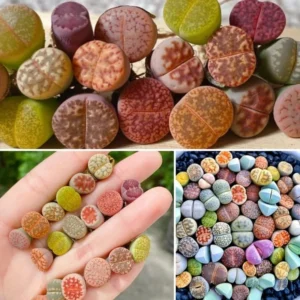
HousePlants
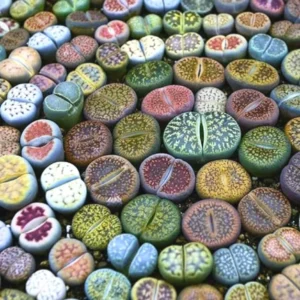
Lithops Live Plants Mix – 10 Large Colorful Living Stones Succulents for Indoor/Outdoor Growing
Sold 79 products
Original price was: $27.98.$13.99Current price is: $13.99.
Sold 78 products
Original price was: $43.98.$30.78Current price is: $30.78.

Sold 93 products
Original price was: $26.76.$13.38Current price is: $13.38.
Sold 96 products
Original price was: $67.96.$33.98Current price is: $33.98.
Sold 82 products
$35.18
Sold 69 products
Original price was: $50.99.$30.99Current price is: $30.99.
Sold 94 products
Original price was: $65.98.$32.99Current price is: $32.99.
Sold 81 products
Original price was: $71.80.$35.90Current price is: $35.90.
Sold 98 products
Original price was: $31.98.$15.99Current price is: $15.99.



Reviews
There are no reviews yet.