
5 Dwarf Crested Iris Plants – Iris Cristata Bare Root Wildflower for Shade Garden
Original price was: $21.98.$17.58Current price is: $17.58.
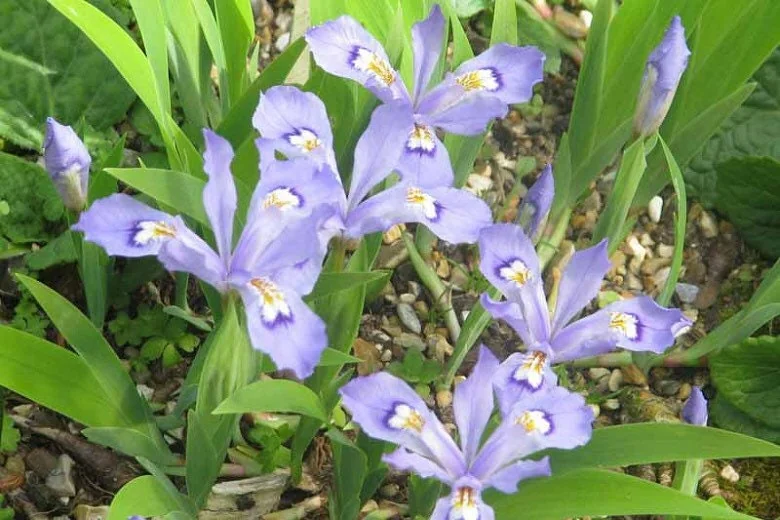
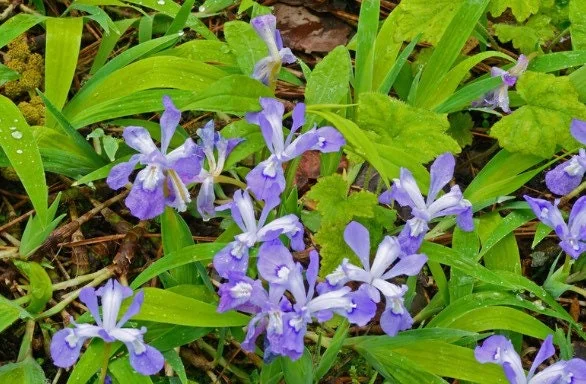
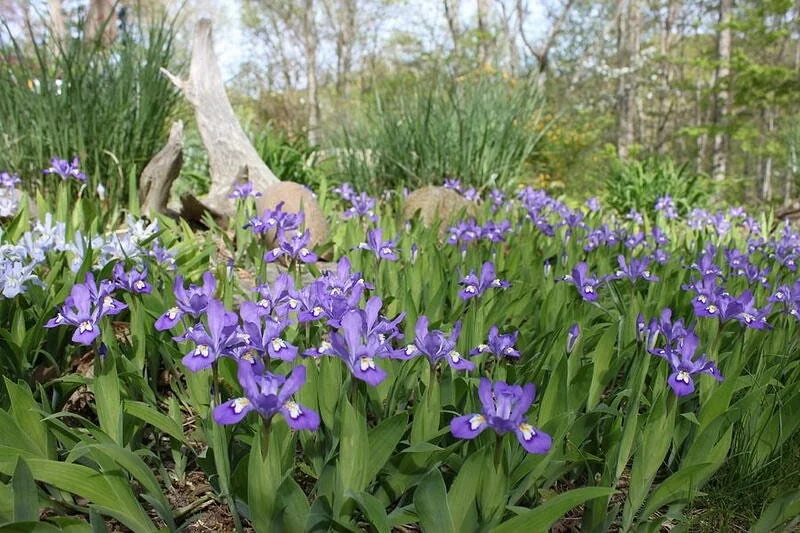
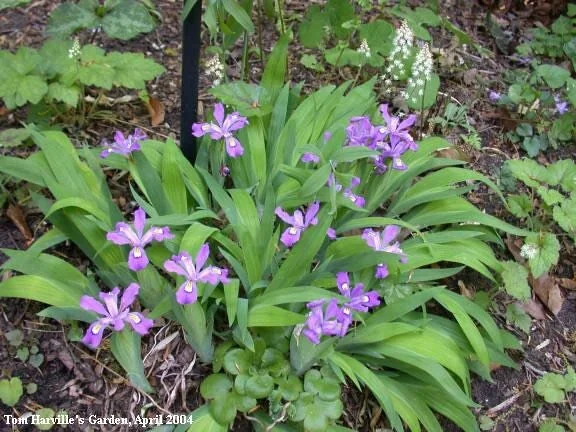
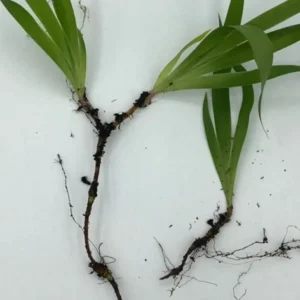
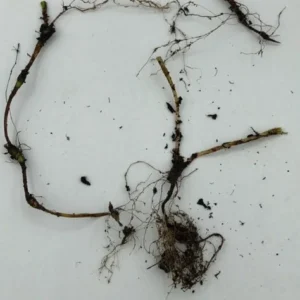
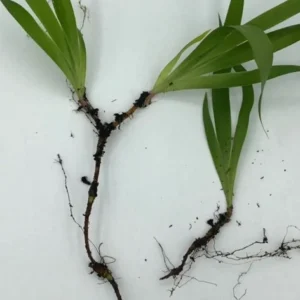
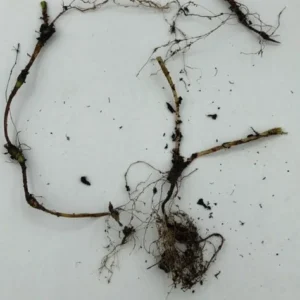
Receive 5 Dwarf Crested Iris Plants (Iris Cristata) as bare root specimens, perfect for naturalizing in your shade garden. These native wildflowers offer charming blooms and are easy to establish, enhancing woodland borders and shaded areas.
-
USDA Hardiness Zone
USDA Zones 3-9 -
Soil Type
Well-draining, humus-rich, slightly acidic to neutral soil -
Sunlight Exposure
Partial to full shade -
Expected Planting Period
Early spring to fall

You can track your order HERE
Apr 13
Apr 18 - Apr 20
Apr 23 - Apr 27
Shipping and return policies: Our Alive & Thrive Guarantee covers issues with your plants within the first 30 days. Reach out to us. Our team will answer your questions and help you find the plants that are truly suitable for your environment, climate, and personal preferences.

Overview
Transform your shaded landscape with our exquisite bundle of 5 Dwarf Crested Iris Plants. These captivating native wildflowers, scientifically known as Iris Cristata, are renowned for their delicate yet vibrant blooms and their ability to thrive in conditions where many other flowering plants struggle. Shipped as healthy bare root specimens, these plants are ready to establish themselves in your garden, bringing a touch of natural elegance to woodland settings, rock gardens, or shaded borders. The Dwarf Crested Iris is a true garden gem, offering early spring color and a low-maintenance solution for those challenging shady spots.
Each order includes 5 organically grown, robust bare root plants, carefully harvested and packaged to ensure they arrive in prime condition, ready for planting. Iris Cristata bare root plants are an excellent choice for gardeners looking to introduce resilient and beautiful native flora into their outdoor spaces. Their compact size makes them ideal for mass plantings or as an attractive groundcover, creating a stunning carpet of color when in bloom.
Key Benefits
The dwarf crested iris plants offer a multitude of benefits, making them a superb addition to almost any garden, especially those with shaded areas. Their natural beauty combined with their hardiness ensures a rewarding gardening experience.
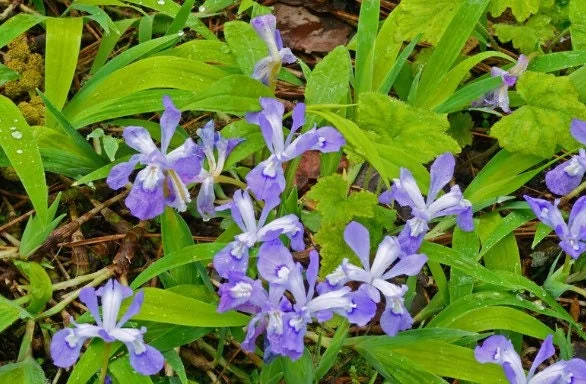
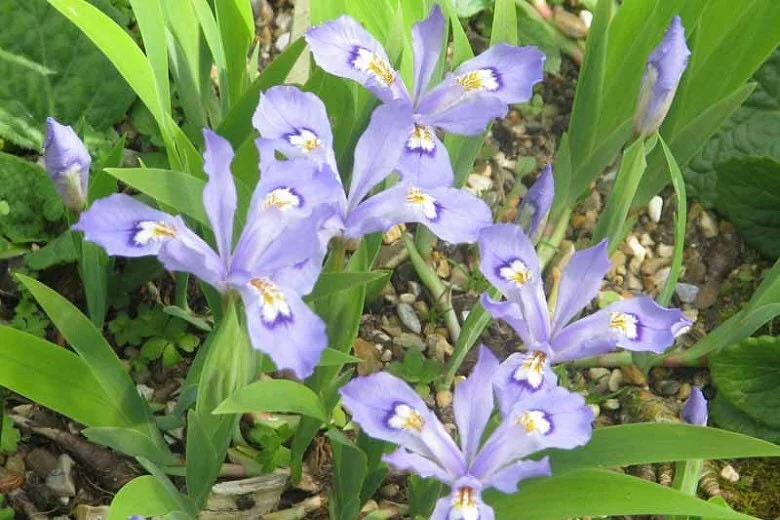
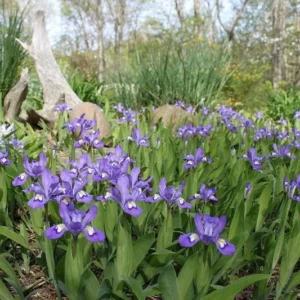
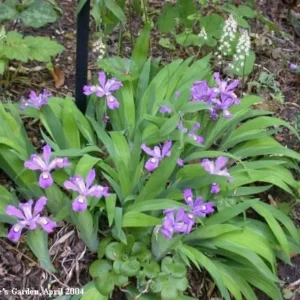
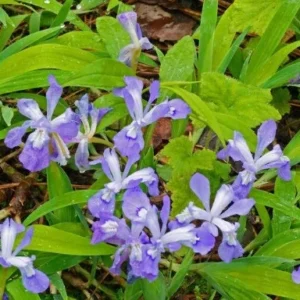
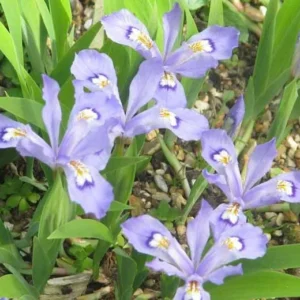
- Stunning Early Spring Blooms: Enjoy a burst of beautiful lavender-blue flowers, often with a distinctive white or yellow crest, signaling the arrival of spring. These charming blossoms provide essential early-season nectar for pollinators.
- Ideal for Shade Gardens: Unlike many flowering plants that demand full sun, the dwarf crested iris plants flourish in partial to full shade, making them perfect for under trees, along north-facing walls, or in woodland gardens.
- Low Maintenance & Drought Tolerant: Once established, these native wildflowers are incredibly resilient. They require minimal care, are quite drought-tolerant, and naturally resist pests and diseases, reducing the need for constant attention.
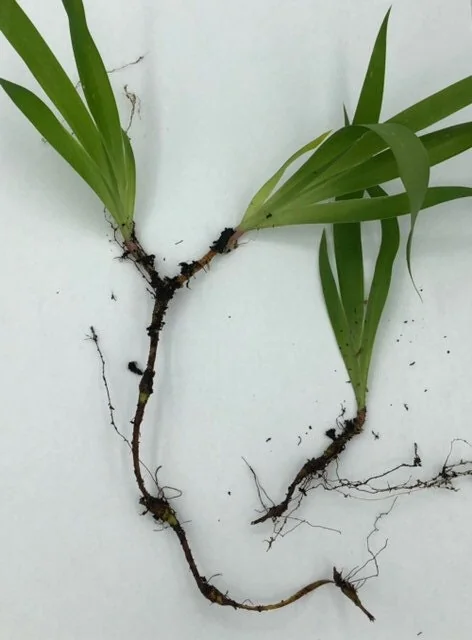
- Excellent Groundcover: With their spreading rhizomatous growth, Dwarf Crested Iris forms an attractive, dense groundcover, helping to suppress weeds and stabilize soil on slopes.
- Attracts Pollinators: The vibrant flowers are a magnet for bees and other beneficial pollinators, contributing to the biodiversity and health of your garden ecosystem.
- Deer Resistant: Generally, deer tend to leave Iris Cristata bare root plants alone, making them a suitable choice for gardens in areas where deer browsing is a concern.
- Native Wildflower Appeal: Incorporate authentic native beauty into your landscape, creating a more natural and sustainable garden environment that supports local wildlife.
Plant Care & Growing Tips
Caring for your dwarf crested iris plants is straightforward, especially when you understand their preferred growing conditions. These resilient wildflowers are well-adapted to their native habitats and will thrive with minimal intervention once established.
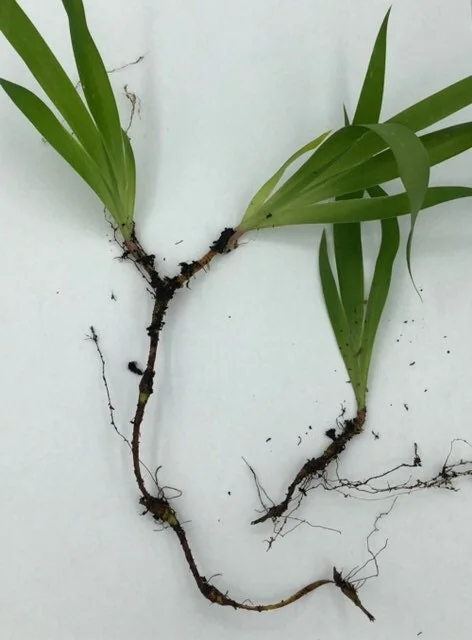
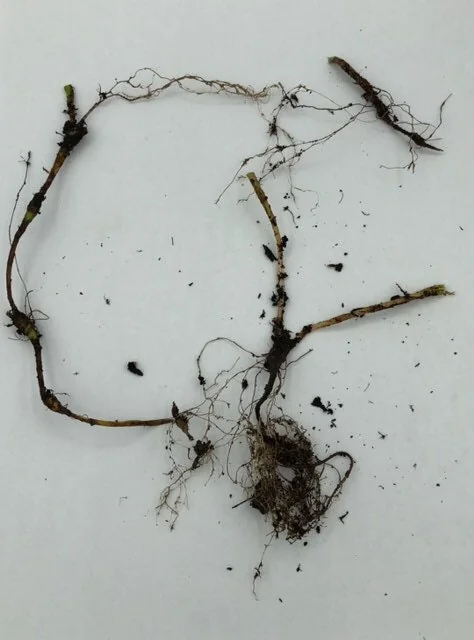
For optimal growth, plant your Iris Cristata bare root plants in a location that receives partial to full shade. While they can tolerate some morning sun, protection from intense afternoon sun is crucial, especially in warmer climates, as too much sun can scorch their leaves. The ideal soil for native shade garden plants like the Dwarf Crested Iris is well-draining, humus-rich, and slightly acidic to neutral. Amend heavy clay soils with organic matter like compost to improve drainage and aeration. When planting, spread the rhizomes just below the soil surface, ensuring the growing tips are pointing upwards. Space plants about 6-12 inches apart to allow for their natural spread.
Water newly planted bare roots regularly to keep the soil consistently moist but not waterlogged, until they are well-established. Once established, these plants are quite drought-tolerant, but they will appreciate occasional watering during prolonged dry spells, especially during their blooming period. Fertilization is generally not necessary, particularly if planted in rich, organic soil. If your soil is poor, a light application of a balanced, slow-release granular fertilizer in early spring can be beneficial. Deadheading spent blooms can improve the plant’s appearance and prevent self-seeding if desired, but it’s not strictly necessary. Division every 3-5 years can help rejuvenate clumps and maintain vigor. The crested iris care routine is minimal, making it an excellent choice for busy gardeners.
Size & Details
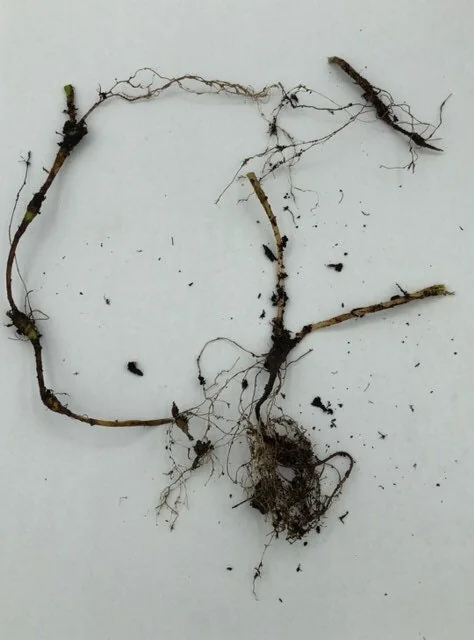
You will receive 5 Dwarf Crested Iris Plants, shipped as healthy bare root specimens. These plants are typically dormant or just beginning to show signs of growth upon arrival, ensuring they transplant easily and establish quickly. Once mature, Iris Cristata typically grows to a compact height of 6-10 inches (15-25 cm) and spreads to form attractive clumps up to 12 inches (30 cm) wide. The rhizomatous growth habit allows them to naturalize and create a beautiful carpet of foliage and flowers over time. Expect vibrant lavender-blue to white flowers, often with unique crests, to appear in early to mid-spring, typically from April to May, depending on your climate zone. The rapid establishment of these Iris Cristata bare root plants makes them a rewarding addition to any garden desiring quick impact.
Frequently Asked Questions
- Q: How big do these Dwarf Crested Iris Plants get? A: Dwarf Crested Iris Plants typically grow to a compact height of 6-10 inches (15-25 cm) tall and spread up to 12 inches (30 cm) wide, forming attractive clumps over time.
- Q: How much sunlight does Iris Cristata need? A: These native shade garden plants thrive in partial to full shade. They prefer protection from intense afternoon sun, which can scorch their delicate foliage.
- Q: Is this plant easy to care for? A: Yes, crested iris care is considered low maintenance. Once established, they are quite resilient, drought-tolerant, and generally pest and disease free, making them suitable for beginners.
- Q: What condition will the plants arrive in? A: The plants will arrive as healthy bare root specimens, meaning they are shipped without soil or a pot, ensuring optimal health for transplanting. Planting instructions are included.
- Q: When is the best time to plant Iris Cristata bare root? A: The best time to plant Iris Cristata bare root plants is in early spring or fall, allowing them sufficient time to establish their root system before extreme weather conditions.
- Q: Will this wildflower iris survive winter in my zone? A: Yes, Dwarf Crested Iris (wildflower iris) is hardy in USDA Zones 3-9, making it resilient to a wide range of winter temperatures across the US.
- Q: What type of soil is best for these plants? A: They prefer well-draining, humus-rich soil that is slightly acidic to neutral. Good drainage is key to preventing root rot.
- Q: Do these plants attract pollinators? A: Absolutely! The beautiful blooms of the dwarf crested iris plants are a wonderful source of early spring nectar for bees and other beneficial pollinators.
- Q: Can I use them as a groundcover? A: Yes, their spreading rhizomatous growth makes them an excellent choice for a naturalizing groundcover, especially in shaded areas where they can help suppress weeds.
- Q: Is the wildflower iris deer resistant? A: Generally, Dwarf Crested Iris is considered deer resistant, so you typically won’t have to worry about deer browsing on them.
Be the first to review “5 Dwarf Crested Iris Plants – Iris Cristata Bare Root Wildflower for Shade Garden”
People Also Viewed
Sold 90 products
Original price was: $112.96.$67.78Current price is: $67.78.
Sold 66 products
Original price was: $23.98.$19.18Current price is: $19.18.
Sold 64 products
Original price was: $38.76.$19.38Current price is: $19.38.
Sold 96 products
Original price was: $32.00.$16.00Current price is: $16.00.
Sold 65 products
Original price was: $19.98.$15.98Current price is: $15.98.
Sold 51 products
Original price was: $75.98.$37.99Current price is: $37.99.
Sold 60 products
Original price was: $130.00.$104.00Current price is: $104.00.
Sold 74 products
Original price was: $43.98.$21.99Current price is: $21.99.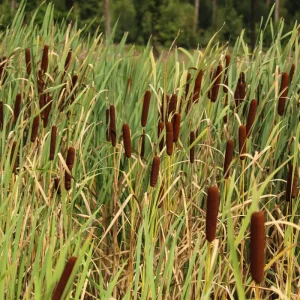
Aquatic Plants
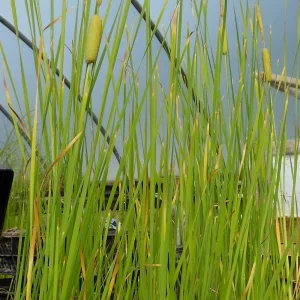
Cattail Plant Bare-root – Wetland Aquatic Grass for Ponds & Gardens – USDA Zones 3-10
Sold 64 products
From $59.96
Sold 78 products
Original price was: $147.16.$73.58Current price is: $73.58.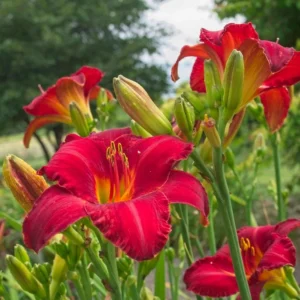
Flower Bulbs
Chicago Apache Daylily Bare Root – Scarlet Red Reblooming Perennial – 1-2 Fan Division – Outdoor
Sold 61 products
From $95.80
Sold 98 products
Original price was: $54.36.$27.18Current price is: $27.18.

Sold 71 products
Original price was: $23.96.$11.98Current price is: $11.98.
Sold 62 products
Original price was: $36.38.$18.19Current price is: $18.19.
Sold 59 products
Original price was: $77.98.$38.99Current price is: $38.99.
Sold 53 products
Original price was: $289.96.$144.98Current price is: $144.98.
Sold 93 products
Original price was: $3,439.80.$1,719.90Current price is: $1,719.90.





%20–%204-6″%20Tall%20–%20Fragrant%20Perennial%20Flowers%20–%20Indoor%20&%20Outdoor&url=https://gardennursery.net/product/otto-quast-lavender-live-plants-set-of-2-4-6-tall-fragrant-perennial-flowers-indoor-outdoor/&media=https://img.gardennursery.net/2026/03/otto-quast-lavender-live-plants-set-of-2-4-6-tall-debc2564.webp)


Reviews
There are no reviews yet.