
5 Buttonbush Plant 12-24in Tall Bare Root Shrub Cephalanthus occidentalis Outdoor
Original price was: $100.00.$80.00Current price is: $80.00.
Introduce the beautiful buttonbush bare root plant (Cephalanthus occidentalis) to your garden. This native deciduous shrub, shipped as 5 plants, grows 12-24 inches tall, offering unique spherical flowers that attract pollinators. Ideal for wetland areas and garden landscapes.
-
USDA Hardiness Zone
USDA Zones 4-10 -
Soil Type
Consistently moist to wet soil, adaptable to clay, loam, or sand -
Sunlight Exposure
Full sun to partial shade -
Expected Planting Period
Fall to early spring (dormant season)

You can track your order HERE
Feb 26
Mar 03 - Mar 05
Mar 08 - Mar 12
Shipping and return policies: Our Alive & Thrive Guarantee covers issues with your plants within the first 30 days. Reach out to us. Our team will answer your questions and help you find the plants that are truly suitable for your environment, climate, and personal preferences.

Overview
The buttonbush bare root plant (Cephalanthus occidentalis) is a truly captivating addition to any garden or landscape, especially those with wetland features. This offer includes 5 individual bare root plants, each measuring 12-24 inches tall, ready to establish and beautify your outdoor space. Known for its distinctive spherical flower clusters that resemble buttons, the buttonbush is a native deciduous shrub that thrives in moist to wet conditions. Its unique appearance and ecological benefits make it a standout choice for gardeners seeking both aesthetic appeal and environmental contribution. The Cephalanthus occidentalis is not only visually appealing but also a vital host for various pollinators.
As a native buttonbush plant, it is perfectly adapted to local ecosystems, requiring less intervention once established compared to non-native species. These plants are shipped bare root, meaning they are dormant and without soil, which is an ideal state for transplanting during fall and winter. When planted, they quickly develop roots and foliage, preparing for a spectacular display of flowers in the summer. This shrub is an excellent choice for creating a natural habitat, enhancing biodiversity, and adding a touch of wild elegance to your garden.
Key Benefits
The buttonbush bare root plant offers a multitude of benefits, making it a highly desirable choice for various landscape designs and ecological projects. Its unique characteristics contribute significantly to both the beauty and health of your garden.
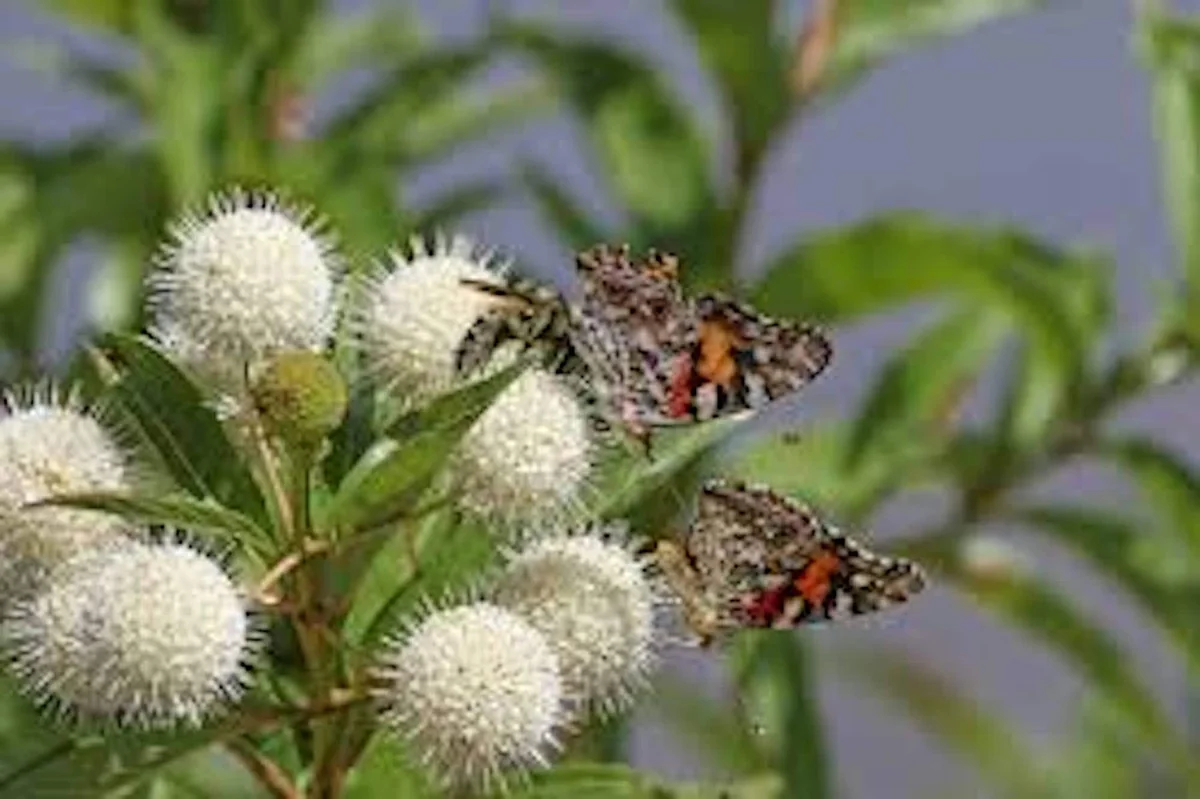
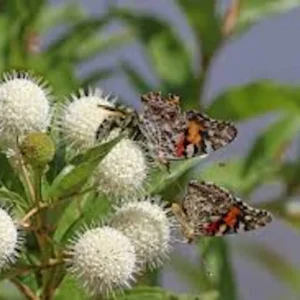
- Attracts Pollinators: The spherical, fragrant flowers are a magnet for bees, butterflies, and hummingbirds, supporting local pollinator populations and enhancing garden biodiversity. This makes the native buttonbush plant an ecological powerhouse.
- Unique Ornamental Value: Its distinctive button-like flowers and glossy green foliage provide an unusual and attractive focal point in any garden, offering visual interest from summer through fall.
- Wetland Thriving: Naturally adapted to moist and wet conditions, it’s perfect for rain gardens, pond edges, or areas with poor drainage where other plants might struggle. This makes it an excellent choice for a flowering wetland shrub.
- Low Maintenance: Once established, the buttonbush is remarkably resilient and requires minimal care, tolerating various soil types and conditions.
- Wildlife Habitat: Beyond pollinators, its dense foliage provides shelter and nesting sites for birds, and the seeds offer a food source for waterfowl.
- Erosion Control: Its robust root system helps to stabilize soil in wet areas, preventing erosion along banks and shorelines.
- Native Species Advantage: Being a native plant, it contributes to the local ecosystem’s health and requires fewer resources like water and fertilizer compared to non-native alternatives. Understanding buttonbush care ensures its longevity.
Plant Care & Growing Tips
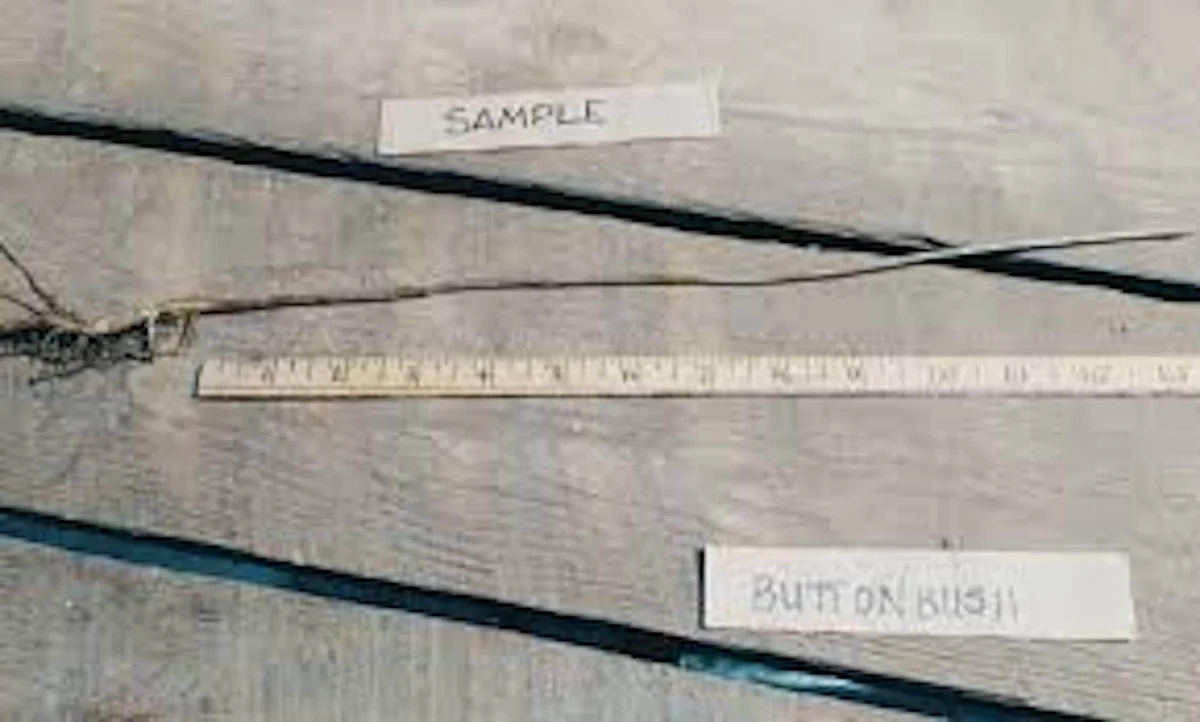
Successful cultivation of your buttonbush bare root plant begins with proper planting and understanding its specific needs. As a bare root specimen, it’s crucial to plant it as soon as possible after arrival, ideally during the dormant season (fall to early spring). Dig a hole wide enough to accommodate the roots without bending them, and deep enough so the crown (where the roots meet the stem) is at soil level. Spread the roots out, backfill with soil, and water thoroughly to settle the soil. Ensure the planting site mimics its natural habitat for optimal growth.
The Cephalanthus occidentalis shrub thrives in full sun to partial shade, meaning it prefers at least 4-6 hours of direct sunlight daily for the best flowering. While it tolerates a range of soil types, it performs best in consistently moist to wet soil. It is particularly well-suited for clay, loam, or sandy soils, as long as they retain moisture. Watering should be regular, especially during dry spells, to keep the soil consistently damp. Avoid letting the soil dry out completely. For fertilization, a balanced slow-release fertilizer can be applied in early spring, though native plants often require less feeding. Pruning can be done in late winter or early spring to maintain shape, remove dead or damaged branches, or to rejuvenate older plants.
This resilient flowering wetland shrub is generally pest and disease resistant. However, keep an eye out for common garden pests and address them promptly if they appear. The buttonbush is hardy in USDA zones 4-10, making it suitable for a wide range of climates across the US. Protecting young plants from deer browsing might be necessary in some areas. With proper buttonbush care, your plants will flourish, providing beauty and ecological benefits for years to come.
Size & Details
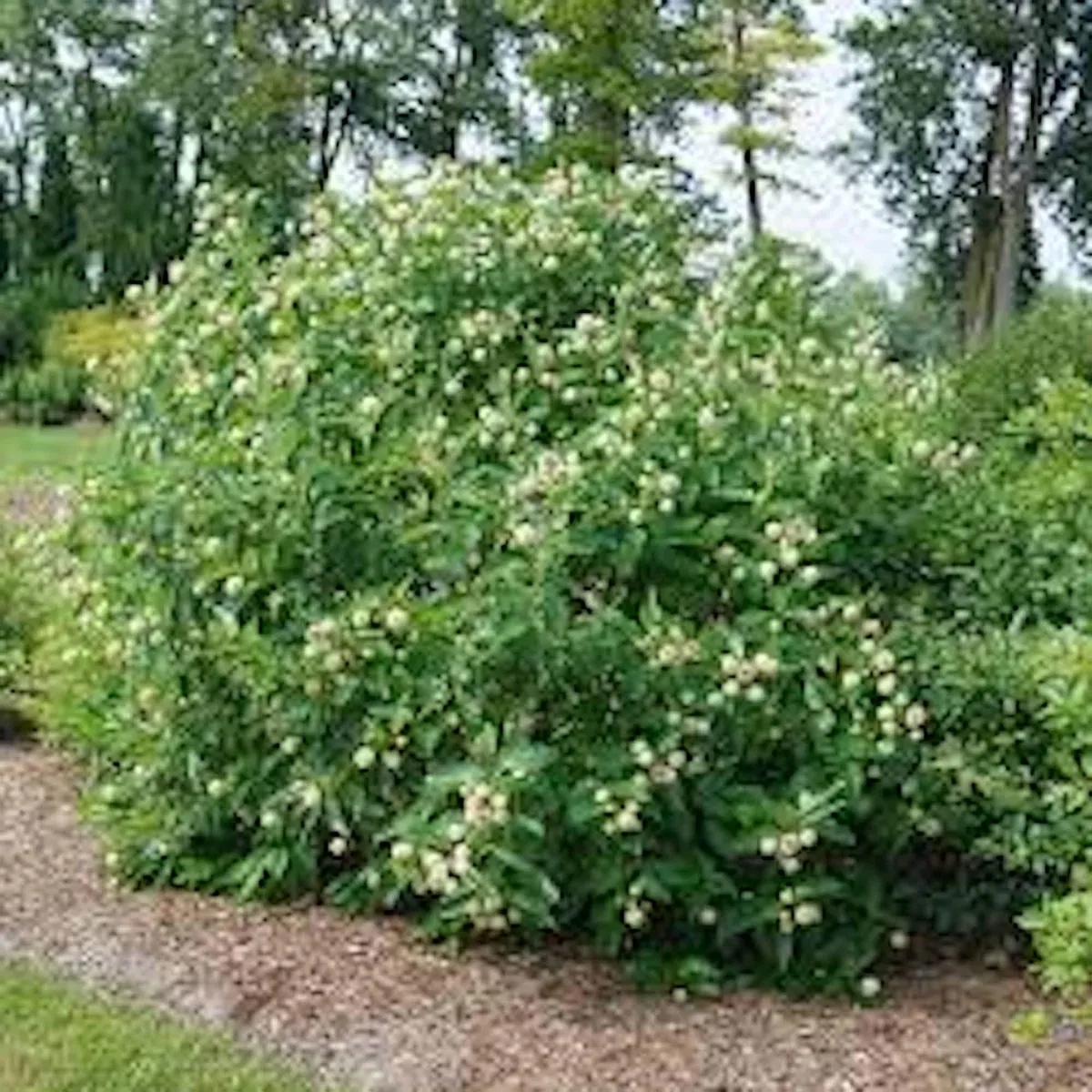
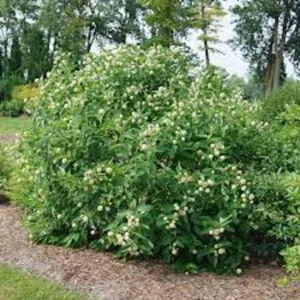
This offering includes 5 individual buttonbush bare root plant specimens, each measuring between 12 to 24 inches tall upon arrival. These bare root plants are typically shipped dormant, without soil or a pot, which is the traditional and most effective method for transplanting during the fall and winter months. During the active growing season, if available, these may ship in a small nursery pot. The Cephalanthus occidentalis is a fast-growing deciduous shrub that can reach a mature height of 5 to 12 feet and a similar spread, forming a rounded, multi-stemmed bush. Its growth rate allows for a noticeable impact on your landscape within a few seasons.
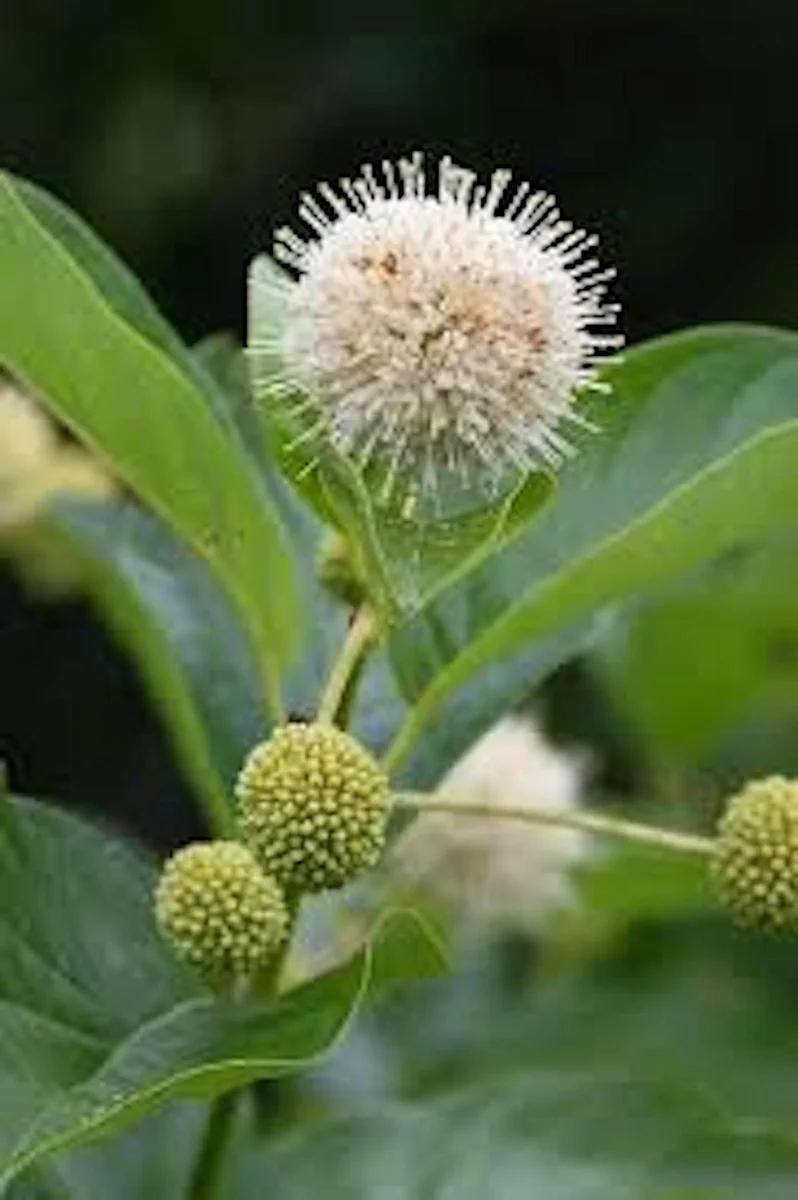
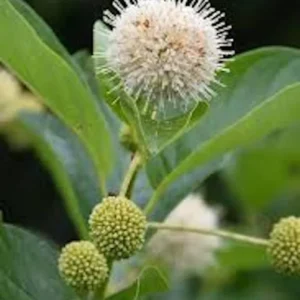
The plant produces unique, creamy-white, spherical flower clusters, approximately 1 inch in diameter, that bloom from early to late summer. These fragrant flowers are followed by equally interesting reddish-brown seed heads that persist into winter, providing continued visual interest and food for wildlife. Expect your native buttonbush plant to begin flowering within its first few years of establishment, bringing vibrant life and activity to your garden.
Frequently Asked Questions
- Q: How tall will the 5 Buttonbush plants grow? A: Each buttonbush bare root plant typically grows to a mature height of 5 to 12 feet, with a similar spread, creating a substantial shrub in your landscape.
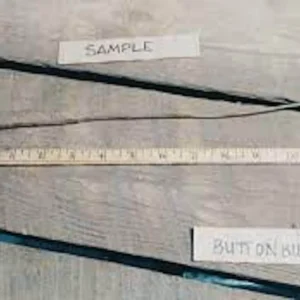
- Q: What condition will the plants arrive in? A: These plants will arrive as 5 bare root specimens, meaning they are dormant and without soil, packed to ensure their health during transit. During the growing season, they may ship in a small pot.
- Q: Is this an indoor or outdoor plant? A: The Cephalanthus occidentalis shrub is an outdoor plant, best suited for garden landscapes, especially in areas with moist soil or near water features.
- Q: How much sunlight does the Buttonbush need? A: Buttonbush thrives in full sun to partial shade, ideally receiving at least 4-6 hours of direct sunlight daily for optimal growth and flowering.
- Q: How often should I water my Buttonbush? A: This flowering wetland shrub prefers consistently moist to wet soil. Water regularly, especially after planting and during dry periods, to ensure the soil remains damp.
- Q: Is the Buttonbush attractive to pollinators? A: Yes, its unique spherical flowers are highly attractive to a variety of pollinators, including bees, butterflies, and hummingbirds, making it an excellent choice for a pollinator garden.
- Q: When is the best time to plant these bare root Buttonbush plants? A: The ideal time to plant bare root Buttonbush plants is during their dormant season, typically from fall to early spring, before new growth begins.
- Q: What kind of soil does the Buttonbush prefer? A: It is adaptable to various soil types, including clay, loam, and sand, but performs best in soil that retains moisture well. It’s an excellent choice for wet or boggy areas.
- Q: Is this plant easy to care for? A: Yes, once established, the native buttonbush plant is relatively low-maintenance, requiring consistent moisture and occasional pruning to maintain its shape.
- Q: What are the USDA hardiness zones for Buttonbush? A: Buttonbush is hardy in USDA Zones 4-10, making it suitable for a wide range of climates across the United States. Following good buttonbush care practices will ensure its success.
Be the first to review “5 Buttonbush Plant 12-24in Tall Bare Root Shrub Cephalanthus occidentalis Outdoor”
People Also Viewed
Sold 88 products
Original price was: $45.98.$22.99Current price is: $22.99.
Flower Plants
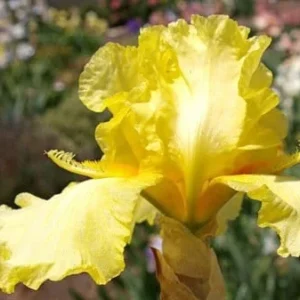
Summer Olympics Bearded Iris – Iris germanica Live Plant, Creamy Yellow, Reblooming, Zone 3-9
Sold 94 products
Original price was: $59.80.$29.90Current price is: $29.90.
HousePlants
Purple Nepenthes Pitcher Plant Live – Exotic Tropical Houseplant for Indoor/Outdoor Décor
Sold 50 products
$65.98
Sold 60 products
Original price was: $70.00.$42.00Current price is: $42.00.
Sold 66 products
Original price was: $89.98.$44.99Current price is: $44.99.
Sold 60 products
Original price was: $147.16.$73.58Current price is: $73.58.
Sold 72 products
Original price was: $57.98.$28.99Current price is: $28.99.
Sold 58 products
Original price was: $199.80.$99.90Current price is: $99.90.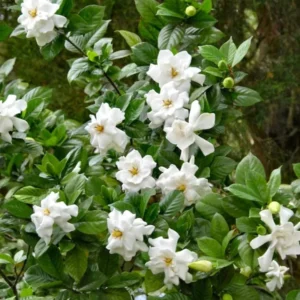
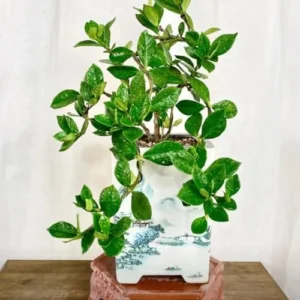
Flower Plants
Cape Jasmine Plants – 2 Live Gardenia Plants – 4-6 Inch – Blooming Indoor Outdoor Jasmine
Sold 51 products
Original price was: $59.96.$29.98Current price is: $29.98.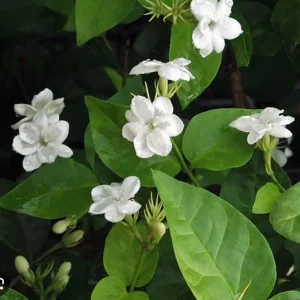
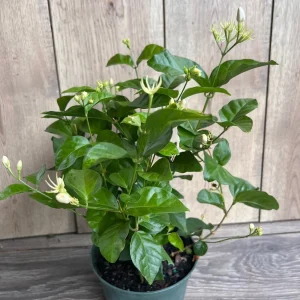
Flower Plants
Arabian Jasmine Plant – Live Sambac Jasmine, Fragrant White Flowers, 4-6 inch Pot, Indoor/Outdoor
Sold 86 products
From $57.72
Sold 85 products
Original price was: $39.98.$19.99Current price is: $19.99.
Sold 98 products
From $43.98
Sold 97 products
Original price was: $69.08.$34.54Current price is: $34.54.
Sold 97 products
From $55.96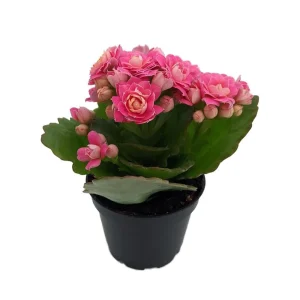
HousePlants
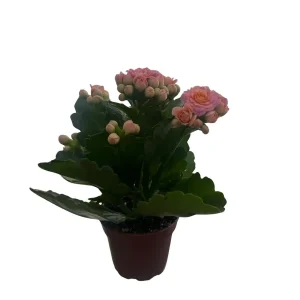
Pink Calandiva Live Plant – Kalanchoe – 2.5 Inch Pot – Double Pink Blooms – Indoor Plant
Sold 81 products
Original price was: $35.16.$17.58Current price is: $17.58.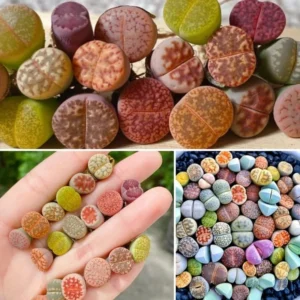
HousePlants
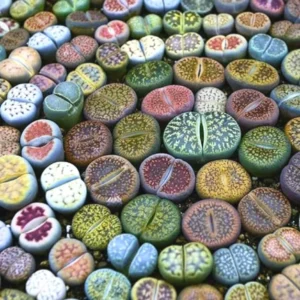
Lithops Live Plants Mix – 10 Large Colorful Living Stones Succulents for Indoor/Outdoor Growing
Sold 98 products
Original price was: $27.98.$13.99Current price is: $13.99.
Sold 56 products
Original price was: $57.98.$28.99Current price is: $28.99.
Sold 90 products
Original price was: $259.80.$129.90Current price is: $129.90.


Reviews
There are no reviews yet.