
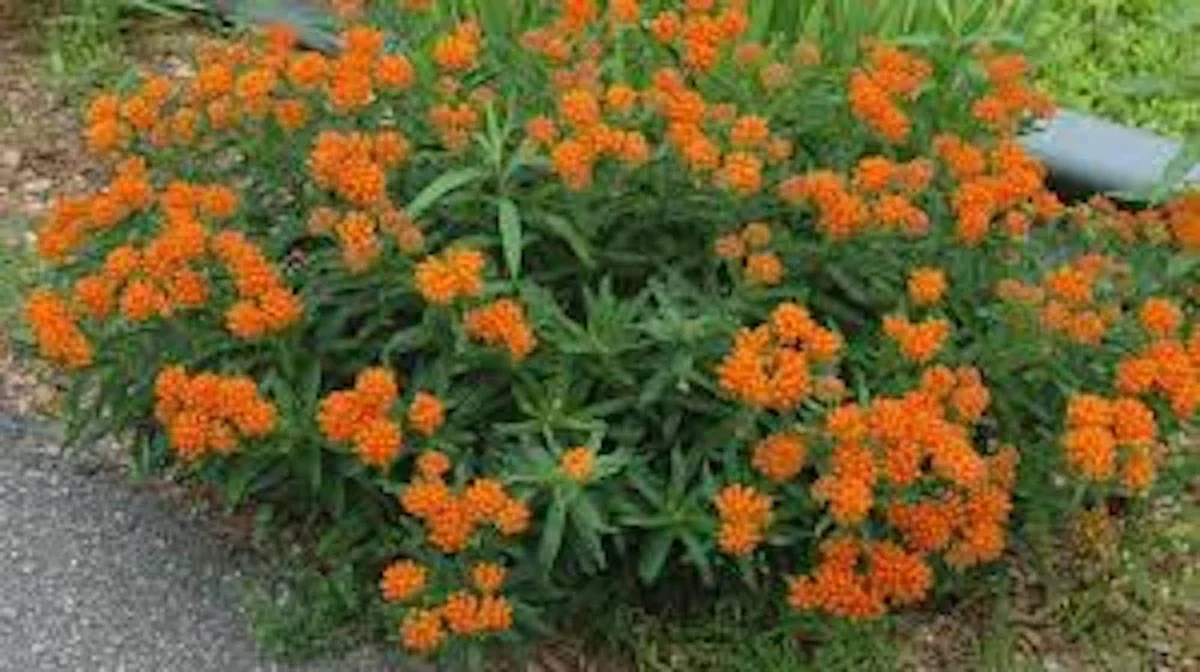
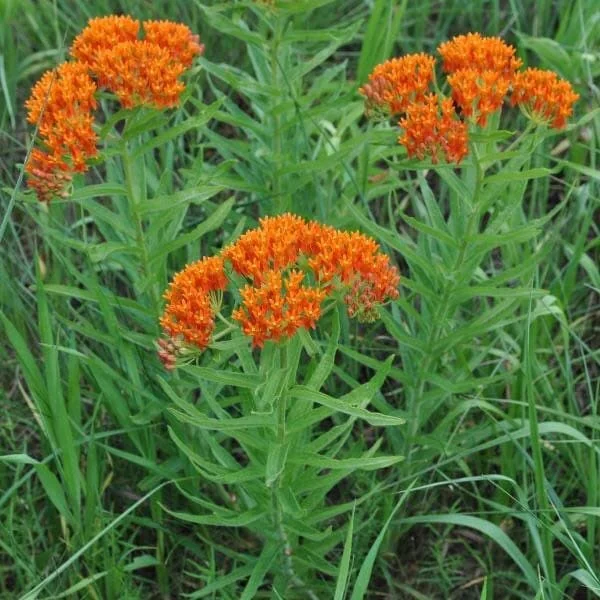
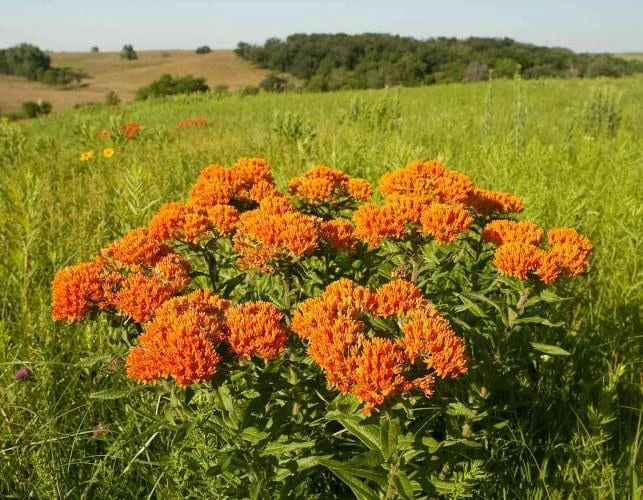
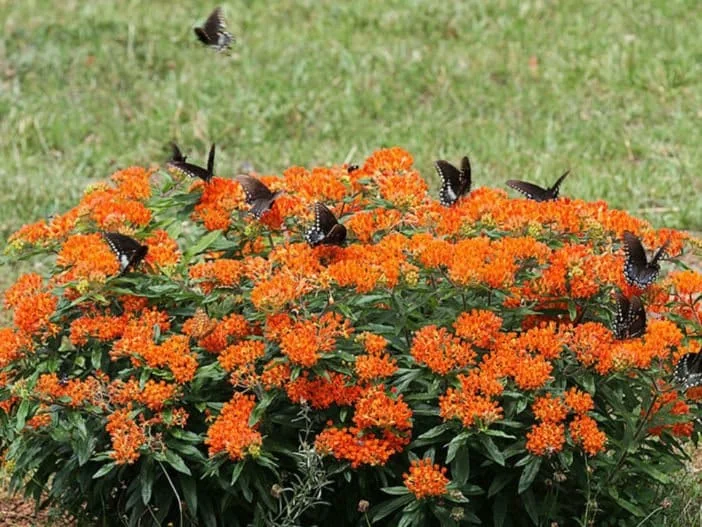
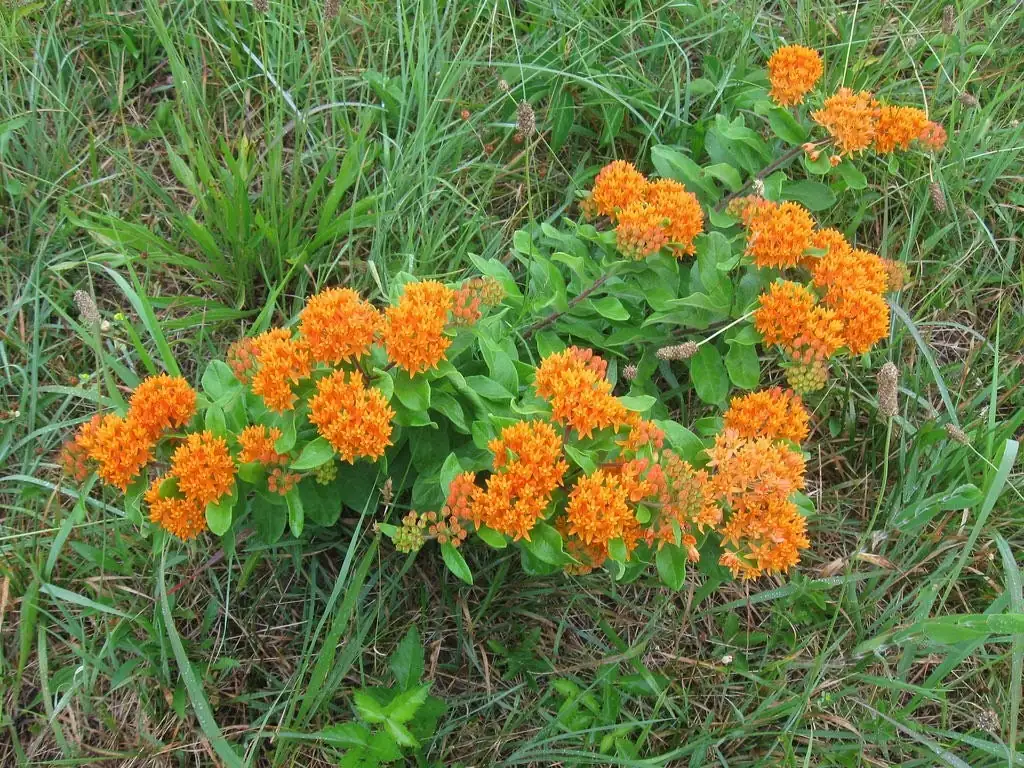
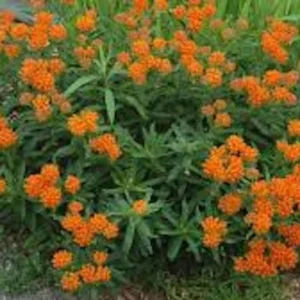
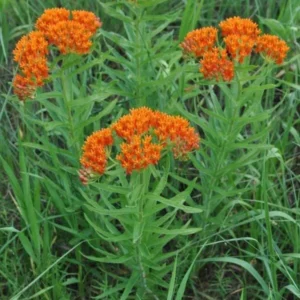
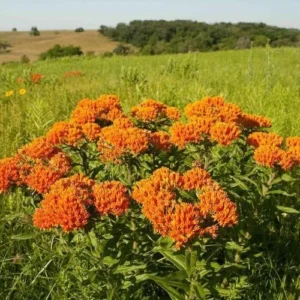
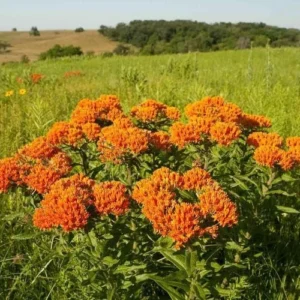
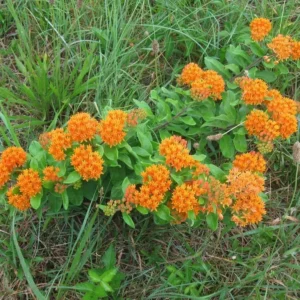
5 Butterfly Weed Plant Asclepias Tuberosa Bare Root Wildflower Organic Native
Original price was: $43.98.$35.18Current price is: $35.18.
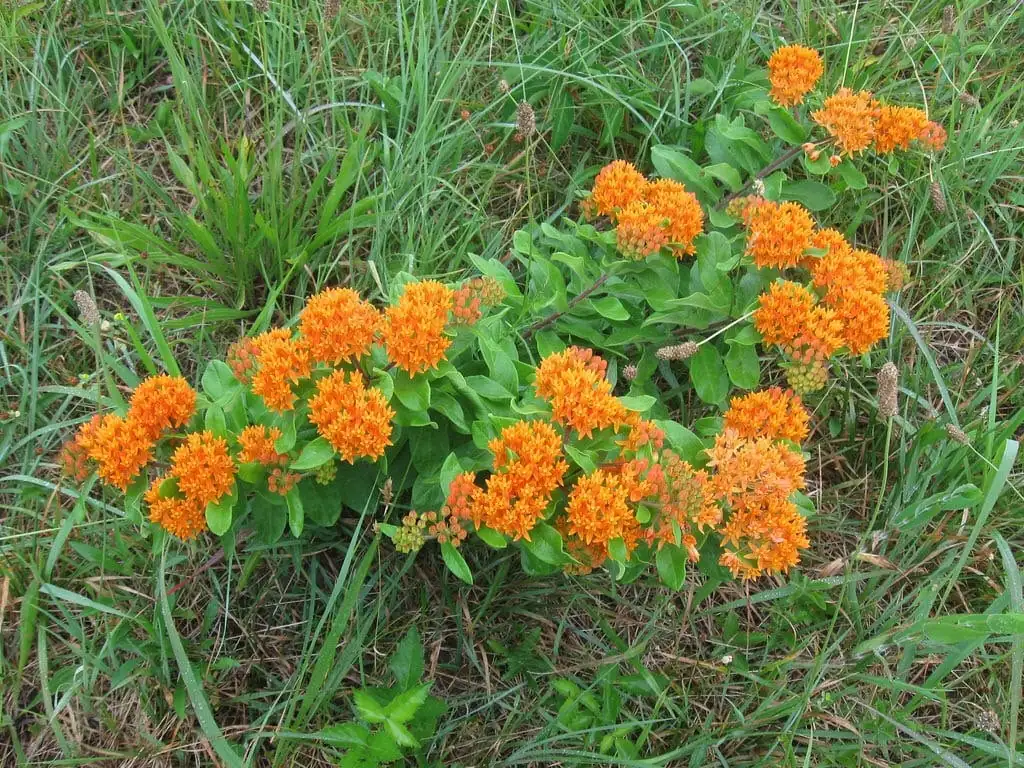
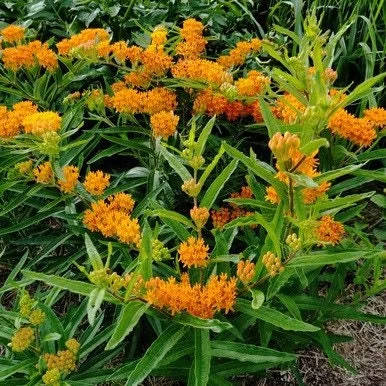
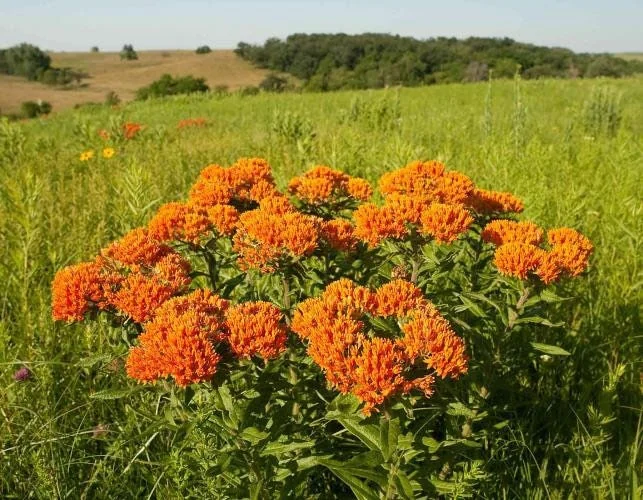
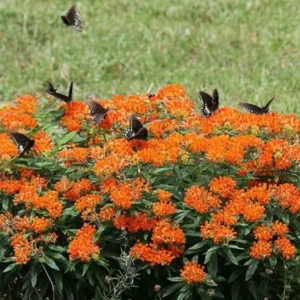
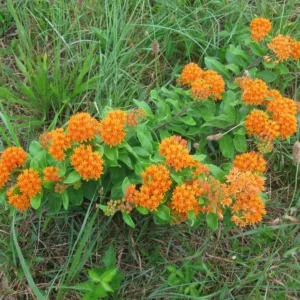
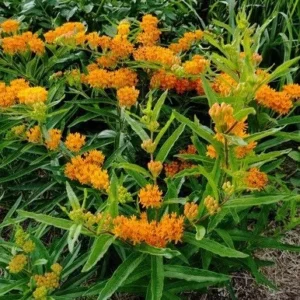
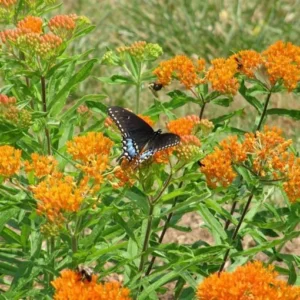
Attract monarch butterflies and other pollinators to your garden with this pack of 5 Butterfly Weed plants. These Asclepias Tuberosa milkweed bare root plants are organically grown, native wildflowers known for their vibrant orange blooms and ecological benefits. Perfect for outdoor planting, they are an essential addition to any pollinator-friendly landscape.
-
USDA Hardiness Zone
USDA Zones 3-9 -
Soil Type
Well-draining soil -
Sunlight Exposure
Full sun -
Expected Planting Period
Spring to early fall

You can track your order HERE
Feb 26
Mar 03 - Mar 05
Mar 08 - Mar 12
Shipping and return policies: Our Alive & Thrive Guarantee covers issues with your plants within the first 30 days. Reach out to us. Our team will answer your questions and help you find the plants that are truly suitable for your environment, climate, and personal preferences.

Overview
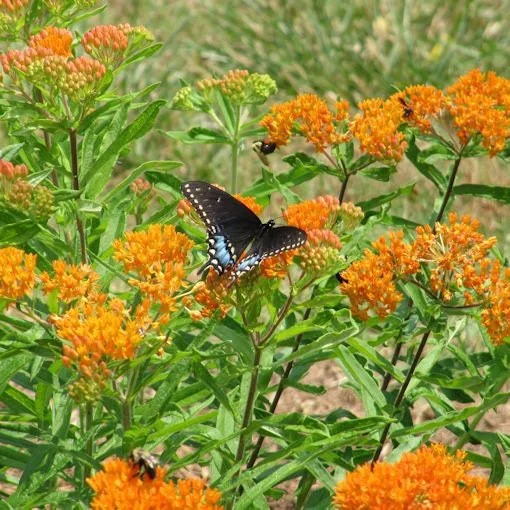
Transform your garden into a vibrant haven for pollinators with our 5 Butterfly Weed Plant bare roots. This offering includes five organically grown Asclepias Tuberosa milkweed bare root plants, also known as Pleurisy Root, a vital native wildflower. Butterfly Weed plant is renowned for its striking orange flowers that bloom from early summer to fall, providing a crucial nectar source for various butterflies, especially monarch butterflies, whose larvae feed exclusively on milkweed species. These robust, drought-tolerant plants are an excellent choice for gardeners looking to support local ecosystems and add a splash of radiant color to their outdoor spaces. Easily establish a thriving patch of this beautiful native plant, contributing to biodiversity while enjoying its natural charm.
Known by its scientific name, Asclepias Tuberosa, this particular species is a non-invasive milkweed, meaning it won’t spread aggressively through underground rhizomes like some other milkweed varieties. Instead, it forms a neat clump, making it a well-behaved perennial for garden beds, borders, and naturalized areas. The bare root form ensures a strong start, allowing the plant to establish its root system quickly once planted, leading to vigorous growth and abundant blooms in subsequent seasons. Embrace the beauty and ecological importance of this stunning native wildflower in your home landscape.
Key Benefits
Adding butterfly weed plant to your garden offers a multitude of advantages, enhancing both its aesthetic appeal and ecological value. These plants are not just beautiful; they are fundamental to supporting local wildlife. Discover the primary benefits:
- Pollinator Magnet: The vibrant orange flowers are irresistible to a wide array of pollinators, including monarch butterflies, bees, and other beneficial insects. Planting Asclepias Tuberosa is a direct way to contribute to pollinator conservation and foster a lively garden environment.
- Drought Tolerant: Once established, butterfly weed plant is remarkably drought-resistant, making it an excellent choice for xeriscaping or gardens in drier climates. This resilience means less watering and maintenance, saving you time and resources.
- Native Wildflower: As a native wildflower, Asclepias Tuberosa is perfectly adapted to local conditions, requiring minimal intervention to thrive. It supports the natural ecosystem and blends seamlessly into regional landscapes.
- Low Maintenance: Beyond its initial planting, this perennial requires very little care. It’s deer-resistant and generally free from serious pests or diseases, allowing you to enjoy its beauty without constant fuss.
- Long Blooming Season: Enjoy a prolonged period of color from early summer through fall. The continuous bloom cycle ensures a steady supply of nectar for pollinators throughout the warmer months, making your garden a consistent food source.
- Erosion Control: The strong root system of organic pleurisy root helps to stabilize soil, making it valuable for preventing erosion on slopes or in areas prone to soil displacement.
- Winter Interest: Even after the blooms fade, the attractive seed pods provide visual interest and can be harvested for future planting or left for birds.
Plant Care & Growing Tips
Caring for your butterfly weed plant (Asclepias Tuberosa) is straightforward, making it an ideal choice for both novice and experienced gardeners. These plants thrive with minimal fuss once established, provided they are given the right conditions from the start. Proper care ensures vigorous growth, abundant flowering, and a healthy habitat for pollinators. Understanding its specific needs will help you cultivate a robust and beautiful patch of this remarkable perennial.
Sunlight requirements: Asclepias Tuberosa absolutely loves the sun. It requires at least 6-8 hours of direct sunlight per day to flourish and produce its characteristic bright orange flowers. Plant it in a location that receives full sun exposure throughout the day. While it can tolerate partial shade, flowering will be significantly reduced, and the plant may become leggy. Watering schedule and soil moisture preferences: Once established, butterfly weed is very drought tolerant. During its first year, water regularly to help the bare roots establish. After that, water only during prolonged dry spells. It prefers well-draining soil and does not like to sit in wet conditions, which can lead to root rot. Soil type and drainage requirements: This plant is adaptable to a variety of soil types, including sandy, loamy, and even clay soils, as long as they are well-draining. It thrives in average to poor soil fertility, so avoid overly rich compost. Good drainage is crucial for the health of your butterfly weed plant. Temperature range and USDA hardiness zone: Butterfly weed is a robust perennial suitable for USDA Hardiness Zones 3-9. It is very cold-hardy and can withstand harsh winters, returning reliably each spring. Fertilization schedule and type: Asclepias Tuberosa generally does not require fertilization, especially in average garden soil. Over-fertilizing can lead to lush foliage but fewer flowers. If your soil is extremely poor, a light application of a balanced, slow-release granular fertilizer in spring can be beneficial. Common problems and solutions: This plant is relatively pest and disease-free. Aphids may occasionally appear on new growth, but they are usually not detrimental to the plant’s overall health and can be dislodged with a strong spray of water. Avoid using pesticides, as they can harm the beneficial insects that rely on the plant.
Size & Details
This offering provides 5 Butterfly Weed Plant bare roots, ready for planting to establish healthy, mature specimens in your garden. Each bare root is harvested per order to ensure maximum freshness and viability upon arrival. When mature, Asclepias Tuberosa typically grows to a height of 1-3 feet (30-90 cm) and spreads about 1-2 feet (30-60 cm) wide, forming an upright, bushy clump. The growth rate is moderate; plants typically establish well in the first year, with significant flowering beginning in the second year after planting. These bare roots are shipped dormant, without foliage or pots, which is the ideal way to transplant them for optimal establishment. Detailed planting instructions will be included with your order to guide you through the process, ensuring your organic pleurisy root has the best start.
Expect vibrant orange flowers to emerge from early summer through fall, providing continuous beauty and ecological benefit. These plants are known for their longevity in the garden, returning year after year with increasing vigor. The mature size makes them suitable for various garden applications, from mixed borders and perennial beds to naturalized areas and pollinator gardens. The ease of care combined with their ecological importance makes these native wildflower bare roots a rewarding addition to any landscape.
Frequently Asked Questions
- Q: How big does this plant get? A: Butterfly Weed plant typically grows to a height of 1 to 3 feet (30-90 cm) and spreads about 1 to 2 feet (30-60 cm) wide, forming a sturdy, upright clump. Its size makes it suitable for various garden settings.
- Q: Is this an indoor or outdoor plant? A: This is an outdoor plant, a native perennial wildflower. Asclepias Tuberosa thrives in full sun and is best suited for garden beds, borders, and naturalized areas.
- Q: How much sunlight does it need? A: Butterfly Weed plant requires at least 6-8 hours of direct sunlight per day to grow vigorously and produce abundant blooms. Plant it in the sunniest spot in your garden for best results.
- Q: Is this plant easy to care for? A: Yes, it is very easy to care for. Once established, butterfly weed plant is drought-tolerant, deer-resistant, and requires minimal maintenance, making it a great choice for beginners.
- Q: What condition will it arrive in? A: You will receive 5 Butterfly Weed Plan bare roots. They are shipped dormant, without foliage or a pot, as this is the best way to ensure successful transplantation.
- Q: How long until it blooms? A: While the bare roots will establish in their first year, significant flowering typically begins in the second year after planting. You can expect vibrant orange blooms from early summer through fall.
- Q: When is the best time to plant? A: The best time to plant milkweed bare root is in spring after the last frost, or in early fall. This allows the roots to establish before extreme temperatures.
- Q: Will it survive winter in my zone? A: Yes, Asclepias Tuberosa is very cold-hardy and is suitable for USDA Hardiness Zones 3-9. It will reliably return each spring, even after harsh winters.
- Q: Can I use this plant for medicinal purposes? A: While historically known as organic pleurisy root for its traditional uses, we recommend consulting a healthcare professional before using any plant for medicinal purposes. Our focus is on its ornamental and ecological benefits.
- Q: Why is planting milkweed important? A: Planting milkweed, especially native wildflower species like Asclepias Tuberosa, is crucial because it is the sole food source for monarch butterfly caterpillars. It helps support monarch populations and other pollinators.
Be the first to review “5 Butterfly Weed Plant Asclepias Tuberosa Bare Root Wildflower Organic Native”
People Also Viewed

Sold 97 products
Original price was: $39.98.$19.99Current price is: $19.99.
Flower Plants
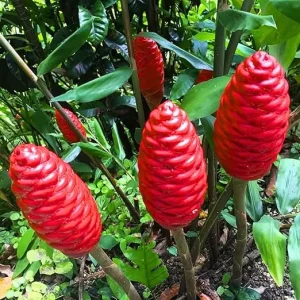
2 Pcs Awapuhi Shampoo Ginger Live Roots – Zingiber Zerumbet Rhizomes – Grow Your Own Pinecone Ginger
Sold 56 products
Original price was: $29.98.$14.99Current price is: $14.99.
Sold 74 products
Original price was: $60.00.$48.00Current price is: $48.00.
Sold 62 products
Original price was: $33.98.$23.78Current price is: $23.78.
Sold 51 products
Original price was: $87.92.$43.96Current price is: $43.96.
Sold 66 products
Original price was: $31.96.$15.98Current price is: $15.98.
Sold 68 products
From $41.99
HousePlants
Sold 86 products
Original price was: $28.76.$14.38Current price is: $14.38.
Sold 83 products
Original price was: $272.00.$136.00Current price is: $136.00.
Sold 88 products
Original price was: $79.98.$39.99Current price is: $39.99.
Sold 88 products
Original price was: $14.76.$7.38Current price is: $7.38.

Sold 57 products
Original price was: $50.76.$25.38Current price is: $25.38.
Sold 77 products
Original price was: $46.80.$23.40Current price is: $23.40.
Sold 79 products
Original price was: $49.96.$24.98Current price is: $24.98.

Sold 57 products
Original price was: $392.00.$196.00Current price is: $196.00.
Sold 80 products
Original price was: $99.96.$49.98Current price is: $49.98.
Sold 88 products
Original price was: $45.10.$27.06Current price is: $27.06.
Sold 70 products
$54.98



Reviews
There are no reviews yet.