
40 Hepatica Bulbs – Woodland Wildflower for Zones 4-9 – White, Pink, Purple
Original price was: $144.00.$72.00Current price is: $72.00.
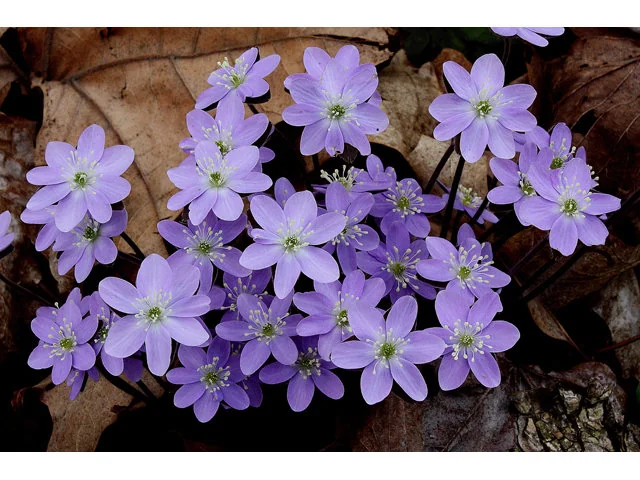
Introduce vibrant color to your early spring garden with this pack of 40 Hepatica bulbs. These beautiful woodland wildflowers produce dramatic blooms in shades of white, pink, lavender, and purple, thriving in partial shade and attracting bees. Perfect for USDA zones 4-9.
-
USDA Hardiness Zone
USDA zones 4-9 -
Soil Type
Well-draining, rich in organic matter -
Sunlight Exposure
Half sun/Half shade (Partial shade) -
Expected Planting Period
Early to mid-spring

You can track your order HERE
Feb 27
Mar 04 - Mar 06
Mar 09 - Mar 13
Shipping and return policies: Our Alive & Thrive Guarantee covers issues with your plants within the first 30 days. Reach out to us. Our team will answer your questions and help you find the plants that are truly suitable for your environment, climate, and personal preferences.

Overview
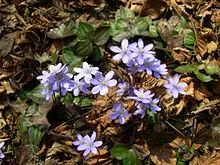
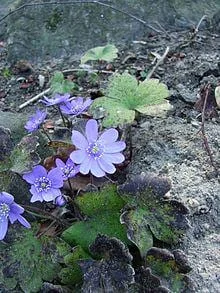
Welcome the earliest signs of spring with these exquisite Hepatica bulbs. This offering includes 40 Hepatica bulbs, specifically the highly sought-after Hepatica Acutiloba, also known as sharp-lobed hepatica. As one of the first woodland wildflowers to emerge, Hepatica is celebrated for its delicate yet incredibly vibrant blooms that appear even before many trees leaf out. These charming perennials are a true harbinger of spring, bringing a splash of color to shaded garden areas when little else is in flower. Their unique, three-lobed leaves add textural interest even when not in bloom, making them a delightful addition to any woodland or naturalized garden setting. Plant these bulbs to create a stunning carpet of color and enjoy the beauty of these resilient early bloomers.
The genus Hepatica is admired for its resilience and beauty, making it a favorite among garden enthusiasts who appreciate native and early-flowering species. Our 40 Hepatica bulbs provide an excellent opportunity to establish a significant patch of these lovely plants, ensuring a spectacular display year after year. These particular bulbs are from a variety known for its sharp-pointed leaf lobes, which gives it its specific epithet, Acutiloba. Embrace the natural beauty of the forest floor in your own backyard with these captivating plants, perfect for creating a serene and colorful early spring landscape.
Key Benefits
Planting Hepatica bulbs offers a multitude of benefits, transforming your garden into a haven of early spring beauty and ecological support. These woodland wildflowers are not only visually appealing but also contribute significantly to the local ecosystem. Here are some of the key advantages of growing Hepatica:
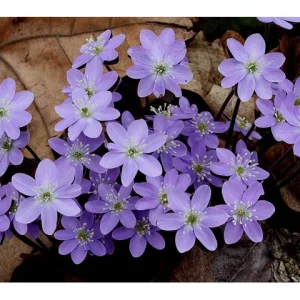
- Early Spring Color: Hepatica provides some of the first and most dramatic blooms of the spring season, offering a welcome burst of color when most other plants are still dormant. The flowers range from pure white to various shades of pink, lavender, and purple, creating a stunning visual display.
- Pollinator Friendly: These early blooms are a vital food source for emerging pollinators, particularly bees. Planting Hepatica Acutiloba helps support local bee populations, contributing to a healthier garden ecosystem.
- Low Maintenance: Once established, Hepatica is a relatively low-maintenance plant. It thrives in its preferred conditions of partial shade and well-draining soil, requiring minimal intervention to flourish.
- Deer Resistant: Hepatica is generally not favored by deer, making it an excellent choice for gardens in areas prone to deer browsing. This characteristic ensures your beautiful blooms remain untouched.
- Shade Tolerant: Perfectly suited for shaded or partially shaded areas, Hepatica is ideal for woodland gardens, under deciduous trees, or on the north side of buildings where many other flowering plants struggle.
- Long-Lived Perennial: These bulbs produce long-lived perennial plants that will return year after year, often spreading slowly to form beautiful colonies, providing enduring beauty for decades.
- Naturalized Appearance: Hepatica creates a natural, enchanting look, making it perfect for naturalizing in woodland settings or informal garden borders. The delicate flowers and unique foliage add an authentic touch to any garden.
Plant Care & Growing Tips
Caring for your Hepatica bulbs is straightforward, ensuring a vibrant display of early spring flowers year after year. These delightful woodland wildflowers thrive in conditions that mimic their natural forest habitat. When selecting a location, aim for an area with half sun to half shade. This typically means a spot that receives morning sun and afternoon shade, or dappled light throughout the day, especially from deciduous trees that will provide shade in summer and allow sun exposure in early spring. Avoid full, intense sun, which can scorch the delicate foliage and flowers, and also avoid deep, dense shade where they may not flower as prolifically.
For soil, Hepatica prefers rich, well-draining soil that is high in organic matter. Mimicking the leaf litter of a forest floor is ideal. Amend heavy clay soils with compost, peat moss, or leaf mold to improve drainage and fertility. Conversely, if your soil is too sandy, adding organic matter will help retain moisture. The ideal pH for Hepatica Acutiloba is slightly acidic to neutral. Once planted, consistent moisture is key, especially during their active growing and blooming period in spring. However, ensure the soil is not waterlogged, as this can lead to bulb rot. During summer dormancy, the plants can tolerate drier conditions, but a little moisture during prolonged dry spells is beneficial. Fertilization can be minimal; a light application of a balanced slow-release granular fertilizer in early spring or a top dressing of compost around the plants will suffice. Avoid over-fertilizing, which can promote lush foliage at the expense of flowers.
These resilient plants are hardy in USDA zones 4-9. In colder zones, a layer of mulch (such as shredded leaves) can provide extra winter protection, especially for newly planted bulbs. Pests and diseases are generally not a major issue for Hepatica, making them a relatively trouble-free addition to the garden. Watch out for slugs and snails, which may nibble on young foliage. Proper spacing, typically 6-9 inches apart, ensures good air circulation and reduces the risk of fungal issues. With these simple care guidelines, your Hepatica bulbs will flourish, providing a breathtaking spectacle of color each spring.
Size & Details
This offering includes 40 Hepatica bulbs, providing a substantial quantity to establish a beautiful patch of these woodland wildflowers. Once mature, individual Hepatica plants typically reach a height of 4-6 inches tall, creating a charming, low-growing carpet of blooms and foliage. Their spread is generally 6-9 inches wide, allowing them to form attractive clumps or naturalized drifts over time. These bulbs are shipped as a root system, ensuring they are ready for planting upon arrival. The bloom period for Hepatica is in early to mid-spring, making them one of the very first plants to flower in your garden. With proper care, these long-lived perennials will establish firmly and multiply slowly, enhancing your garden’s beauty for many years to come.
Frequently Asked Questions
- Q: How big do these Hepatica bulbs get once mature? A: Once established, each Hepatica plant typically grows to about 4-6 inches tall and spreads 6-9 inches wide. This creates a lovely, compact groundcover effect, perfect for naturalizing in shaded areas.
- Q: Is this an indoor or outdoor plant? A: Hepatica is primarily an outdoor plant, ideally suited for woodland gardens, rock gardens, or shaded borders. It thrives in the natural conditions found outdoors and is not typically grown as an indoor houseplant.
- Q: How much sunlight does Hepatica Acutiloba need? A: These woodland wildflowers prefer half sun to half shade. This means they do best with morning sun and afternoon shade, or dappled light throughout the day, especially from deciduous trees.
- Q: What condition will the Hepatica bulbs arrive in? A: The product includes 40 Hepatica bulbs, which will arrive as a root system. They are carefully prepared for planting, with instructions included to guide you through the process.
- Q: When is the best time to plant Hepatica bulbs? A: The best time to plant Hepatica bulbs is typically in the fall, allowing them to establish roots before winter and emerge vigorously in early spring. They can also be planted in early spring after the last frost.
- Q: Will these early spring flowers attract pollinators? A: Yes, Hepatica is known to be very bee-friendly. Its early blooms provide a crucial nectar source for bees and other emerging pollinators, making it an excellent choice for supporting local wildlife.
- Q: Is this plant easy to care for? A: Once established in the right conditions (partial shade, well-draining soil), Hepatica is a low-maintenance plant. It requires minimal care, making it suitable for both experienced and novice gardeners looking for beautiful, hardy shade garden plants.
- Q: What USDA hardiness zones are suitable for Hepatica Acutiloba? A: Hepatica thrives in USDA hardiness zones 4-9, making it a versatile choice for a wide range of climates across the United States.
Be the first to review “40 Hepatica Bulbs – Woodland Wildflower for Zones 4-9 – White, Pink, Purple”
People Also Viewed
Sold 63 products
Original price was: $39.98.$19.99Current price is: $19.99.
Sold 75 products
Original price was: $180.00.$90.00Current price is: $90.00.
Sold 60 products
Original price was: $77.08.$38.54Current price is: $38.54.
Sold 64 products
Original price was: $27.96.$13.98Current price is: $13.98.
Sold 68 products
From $14.98
Sold 79 products
From $71.80
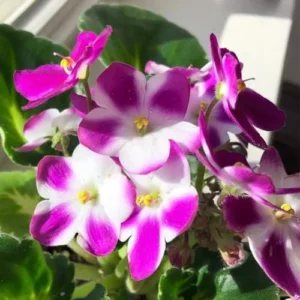
Flower Plants
African Violet Live Plant – Pink White Flower Houseplant 4 Inch Pot Indoor Ready to Grow
Sold 70 products
Original price was: $63.98.$31.99Current price is: $31.99.
Sold 65 products
Original price was: $38.00.$19.00Current price is: $19.00.
Sold 69 products
Original price was: $154.36.$77.18Current price is: $77.18.
Sold 50 products
Original price was: $340.00.$112.99Current price is: $112.99.
Sold 71 products
Original price was: $15.96.$7.98Current price is: $7.98.
Sold 53 products
Original price was: $38.00.$30.40Current price is: $30.40.
Sold 71 products
$109.90
Sold 88 products
From $47.80
Flower Plants
Purple Passion Plant Live – 2 Gynura Aurantiaca Plants, 4-9 Inch, Purple Velvet Royal Plant Indoor
Sold 59 products
Original price was: $49.98.$24.99Current price is: $24.99.
Sold 51 products
Original price was: $614.76.$307.38Current price is: $307.38.
Sold 73 products
From $83.80
Sold 65 products
Original price was: $355.96.$177.98Current price is: $177.98.


Reviews
There are no reviews yet.