
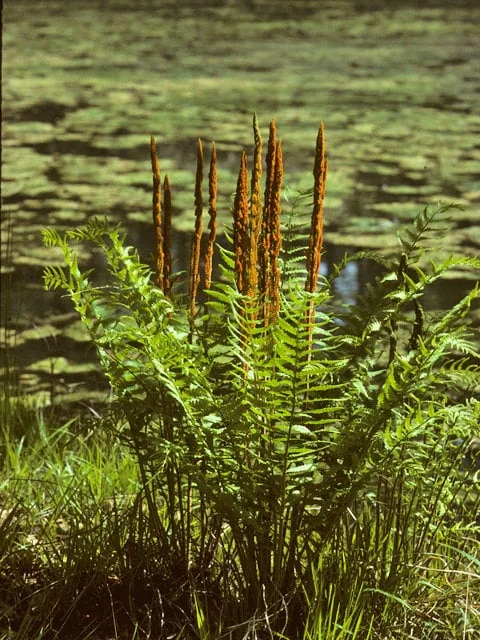
40 Cinnamon Fern Bulbs (Osmundastrum Cinnamomeum) – Deciduous Fern
Original price was: $200.00.$100.00Current price is: $100.00.
Transform your garden with 40 Cinnamon Fern Bulbs (Osmundastrum Cinnamomeum). These unique deciduous ferns are perfect for shade gardens, offering distinctive cinnamon-colored fertile fronds and lush sterile foliage.
-
USDA Hardiness Zone
USDA Zones 3-9 -
Soil Type
Rich, organic, acidic, well-draining soil -
Sunlight Exposure
Partial to full shade -
Expected Planting Period
Spring or early fall

You can track your order HERE
Apr 12
Apr 17 - Apr 19
Apr 22 - Apr 26
Shipping and return policies: Our Alive & Thrive Guarantee covers issues with your plants within the first 30 days. Reach out to us. Our team will answer your questions and help you find the plants that are truly suitable for your environment, climate, and personal preferences.

Overview
Introduce a touch of natural elegance to your shade garden with these 40 Cinnamon Fern Bulbs. Known scientifically as Osmundastrum cinnamomeum, the cinnamon fern plant is a striking deciduous herbaceous perennial that adds texture and year-round interest to any landscape. Each bulb contains a robust root system ready to establish itself and flourish. This fern is celebrated for its unique dual frond system: sterile fronds that form a lush green backdrop, and distinctive fertile fronds that emerge in a vibrant cinnamon color, giving the species its evocative name. As the season progresses, these fertile fronds deepen in color, eventually releasing spores and persisting through winter even after the sterile fronds have faded. Ideal for naturalizing in woodland settings or beside water features, the cinnamon fern plant provides a captivating display from spring through fall.
Key Benefits
The cinnamon fern bulbs offer numerous advantages for gardeners seeking to enhance their outdoor spaces. Their unique characteristics and robust nature make them a standout choice for various garden designs.
- Distinctive Ornamental Appeal: The most striking feature of the cinnamon fern plant is its two types of fronds. The sterile fronds are broad, deeply lobed, and create a beautiful green backdrop, while the fertile fronds emerge upright and bright cinnamon-colored, providing a unique contrast and visual interest.
- Year-Round Interest: While deciduous, the fertile spore-bearing fronds maintain their cinnamon color and structural integrity long after the sterile fronds die back with the first frost, ensuring your garden retains character even in colder months.
- Shade Garden Excellence: This fern thrives in shaded or partially shaded environments, making it an ideal choice for challenging areas under trees, along north-facing walls, or in woodland gardens where many other plants struggle.
- Low Maintenance & Hardy: Once established, Osmundastrum cinnamomeum is remarkably resilient and requires minimal care. It is tolerant of various soil conditions, provided they remain consistently moist, and is generally pest and disease resistant.
- Naturalizes Beautifully: Cinnamon ferns are excellent for naturalizing, spreading slowly to form dense clumps that can fill in large areas, creating a lush, forest-like feel in your garden. This makes them perfect for mass plantings or erosion control in damp, shady spots.
- Wildlife Friendly: These ferns can provide shelter for small wildlife and contribute to a biodiverse garden ecosystem.
- Easy to Plant: These cinnamon fern bulbs with their root systems are straightforward to plant, and with proper initial care, they will quickly establish themselves.
Plant Care & Growing Tips
Caring for your cinnamon fern plant is relatively simple, making it a rewarding addition for both novice and experienced gardeners. Understanding its specific needs will ensure a healthy and vibrant display. For optimal growth of your cinnamon fern bulbs, choose a location with partial to full shade. While it can tolerate some morning sun, intense afternoon sun can scorch its delicate fronds. Ensure the soil remains consistently moist but not waterlogged. These ferns naturally grow in boggy areas, along stream banks, or in damp woodlands, so replicating these conditions will yield the best results. Regular watering is crucial, especially during dry spells and in the first year after planting.
The ideal soil for Osmundastrum cinnamomeum is rich, organic, and acidic, with excellent drainage. Incorporating compost or leaf mold into the planting site will significantly improve soil structure and moisture retention. The deciduous fern is hardy in USDA zones 3-9, making it suitable for a wide range of climates. It prefers cool, temperate conditions and can tolerate occasional flooding. Fertilization is generally not necessary in rich soil, but if your soil is poor, a balanced, slow-release granular fertilizer formulated for acid-loving plants can be applied in early spring. Watch out for common garden pests, though cinnamon ferns are generally quite resistant. Any yellowing or browning of fronds often indicates insufficient moisture, so adjust your watering schedule accordingly. This fern for shade garden will thrive with consistent moisture and protection from harsh sun.
Size & Details
This offering includes 40 Cinnamon Fern Bulbs, each containing a healthy root system ready for planting. The sterile fronds of the cinnamon fern plant typically grow between 30-150 cm (approximately 12-60 inches) tall and 15-20 cm (6-8 inches) broad. The individual pinnae (leaflets) are about 5-10 cm long and 2-2.5 cm broad, creating a deeply lobed appearance. The fertile fronds, which give the plant its characteristic cinnamon color, emerge earlier in the season and stand upright, eventually turning brown as spores are released. These spore-bearing stems are quite persistent, often remaining visible through winter, adding structural interest. The deciduous fern has a moderate to fast growth rate, quickly establishing itself to form substantial clumps over time. Expect these bulbs to produce noticeable foliage within their first growing season, with full maturity reached in 2-3 years. They are shipped as bare root systems, ensuring they are dormant and ready for planting.
Frequently Asked Questions
- Q: How big does the cinnamon fern get? A: The sterile fronds typically reach heights of 1 to 5 feet (30-150 cm) and spread about 6-8 inches (15-20 cm) wide. The fertile fronds are generally similar in height. This makes it a substantial fern for shade garden areas.
- Q: Is this an indoor or outdoor plant? A: The cinnamon fern plant is an outdoor perennial. It thrives in shaded garden environments and is not typically grown as an indoor houseplant.
- Q: How much sunlight does the cinnamon fern need? A: This fern prefers partial to full shade. It can tolerate some morning sun but should be protected from intense afternoon sunlight, which can scorch its fronds.
- Q: What condition will the 40 Cinnamon Fern Bulbs arrive in? A: Your 40 Cinnamon Fern Bulbs will arrive as dormant root systems, carefully packaged to ensure their health during transit. They are ready for immediate planting upon arrival.
- Q: Is the cinnamon fern easy to care for? A: Yes, the deciduous fern is considered low-maintenance once established. Its primary requirements are consistent moisture and shade, making it a good choice for beginners or those seeking an easy-care garden addition.
- Q: When is the best time to plant cinnamon fern bulbs? A: The best time to plant cinnamon fern bulbs is in spring or early fall. This allows the root systems to establish themselves before extreme summer heat or winter cold.
- Q: What type of soil does Osmundastrum cinnamomeum prefer? A: It thrives in rich, organic, acidic, and consistently moist soil. Good drainage is also important to prevent waterlogging, although it tolerates damp conditions well.
- Q: What USDA hardiness zones are suitable for this fern? A: The cinnamon fern plant is hardy in USDA Zones 3 through 9, making it adaptable to a wide range of climates across the US.
- Q: Will the cinnamon fern spread aggressively? A: While it does spread, the cinnamon fern plant is not considered aggressively invasive. It spreads slowly by rhizomes to form clumps, which can be divided if you wish to control its size or propagate new plants.
- Q: What makes these ‘cinnamon’ ferns? A: The name comes from the distinctive, upright, spore-bearing fertile fronds that emerge in a vibrant cinnamon-brown color in spring, contrasting beautifully with the green sterile fronds. These fertile fronds persist into winter, adding unique color and texture.
Be the first to review “40 Cinnamon Fern Bulbs (Osmundastrum Cinnamomeum) – Deciduous Fern”
People Also Viewed
HousePlants
Lithops Live Plants Mix – 30 Colorful Succulents – Living Stones for Indoor/Outdoor Planting
Sold 61 products
Original price was: $65.98.$32.99Current price is: $32.99.
Flower Plants
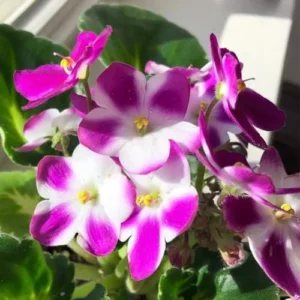
African Violet Live Plant – Pink White Flower Houseplant 4 Inch Pot Indoor Ready to Grow
Sold 82 products
Original price was: $63.98.$31.99Current price is: $31.99.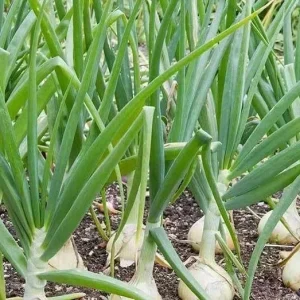

Vegetable Seeds
500 Vidalia Sweet Onion Seeds – Non-GMO Heirloom Vegetable Seeds
Sold 85 products
Original price was: $15.92.$7.96Current price is: $7.96.
Sold 51 products
Original price was: $58.86.$29.43Current price is: $29.43.
Sold 93 products
Original price was: $73.28.$36.64Current price is: $36.64.
Sold 91 products
Original price was: $25.98.$20.78Current price is: $20.78.
Flower Plants
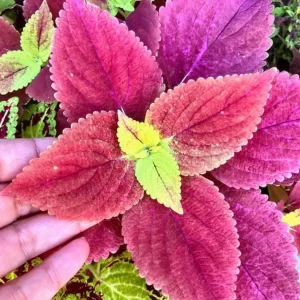
Alabama Sunset Coleus Live Plant – Set of 3 – 5-9″ Tall Starter Plants – Colorful Foliage Ornamental
Sold 53 products
Original price was: $35.18.$17.59Current price is: $17.59.
Sold 89 products
Original price was: $82.40.$41.20Current price is: $41.20.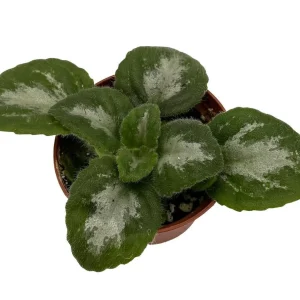
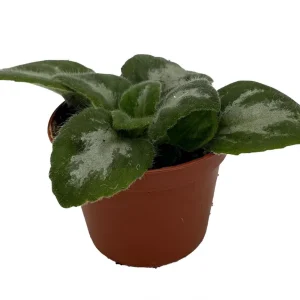
HousePlants
Primulina Asian Violet Live Plant – 2.5 inch Pot – Indoor Houseplant for Bright Indirect Light
Sold 88 products
Original price was: $38.36.$19.18Current price is: $19.18.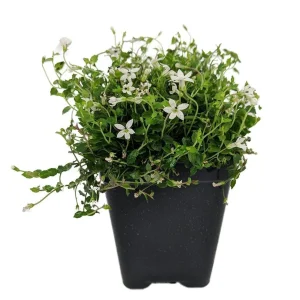
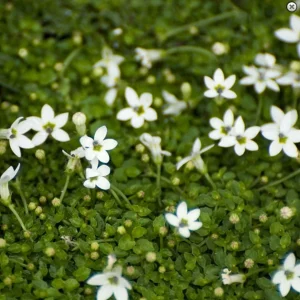
Sold 59 products
Original price was: $28.76.$14.38Current price is: $14.38.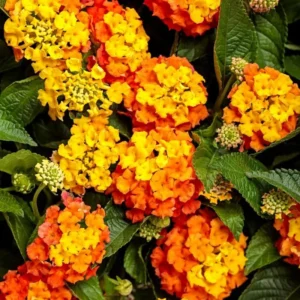
Flower Plants
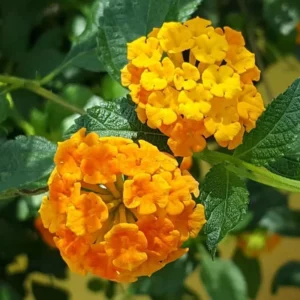
Orange Lantana Plant Live – 6-9 Inch Tall – Fragrant Outdoor Butterfly Perennial Flowers
Sold 77 products
Original price was: $37.98.$18.99Current price is: $18.99.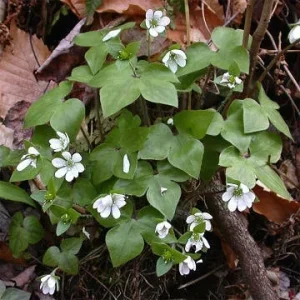
Flower Plants
Sharp-Lobed Hepatica Live Plant – Perennial, Bare Root, Zones 4-8, Partial to Full Shade
Sold 70 products
Original price was: $28.00.$14.00Current price is: $14.00.
Sold 53 products
Original price was: $8.12.$4.06Current price is: $4.06.
Sold 94 products
Original price was: $8.52.$4.26Current price is: $4.26.
Sold 64 products
Original price was: $36.38.$18.19Current price is: $18.19.

Flower Plants
Sold 97 products
Original price was: $66.72.$22.24Current price is: $22.24.

Sold 83 products
Original price was: $231.98.$115.99Current price is: $115.99.
Sold 94 products
Original price was: $63.98.$31.99Current price is: $31.99.





%20–%204-6″%20Tall%20–%20Fragrant%20Perennial%20Flowers%20–%20Indoor%20&%20Outdoor&url=https://gardennursery.net/product/otto-quast-lavender-live-plants-set-of-2-4-6-tall-fragrant-perennial-flowers-indoor-outdoor/&media=https://img.gardennursery.net/2026/03/otto-quast-lavender-live-plants-set-of-2-4-6-tall-debc2564.webp)


Reviews
There are no reviews yet.