
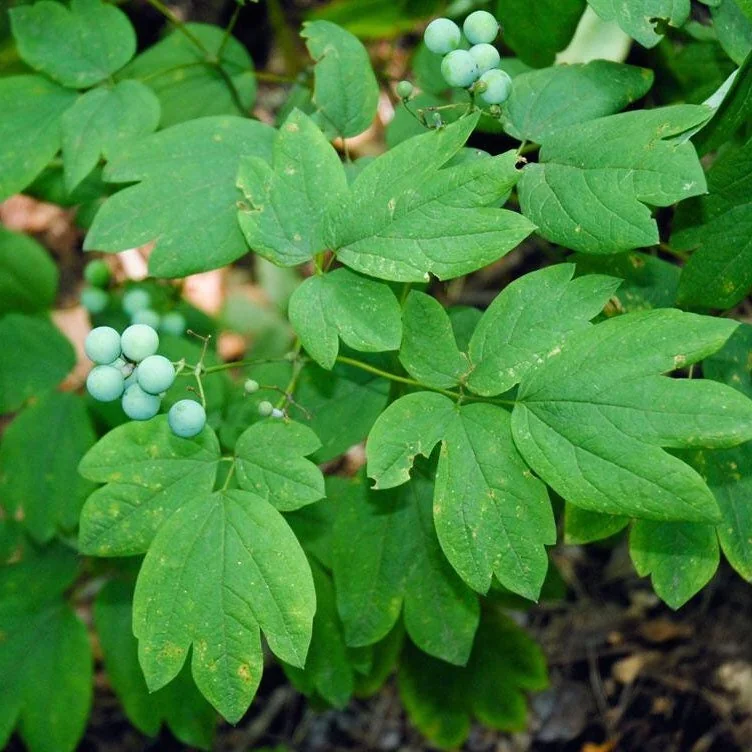
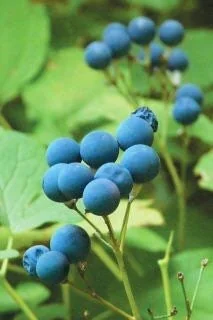
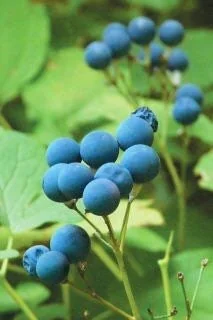
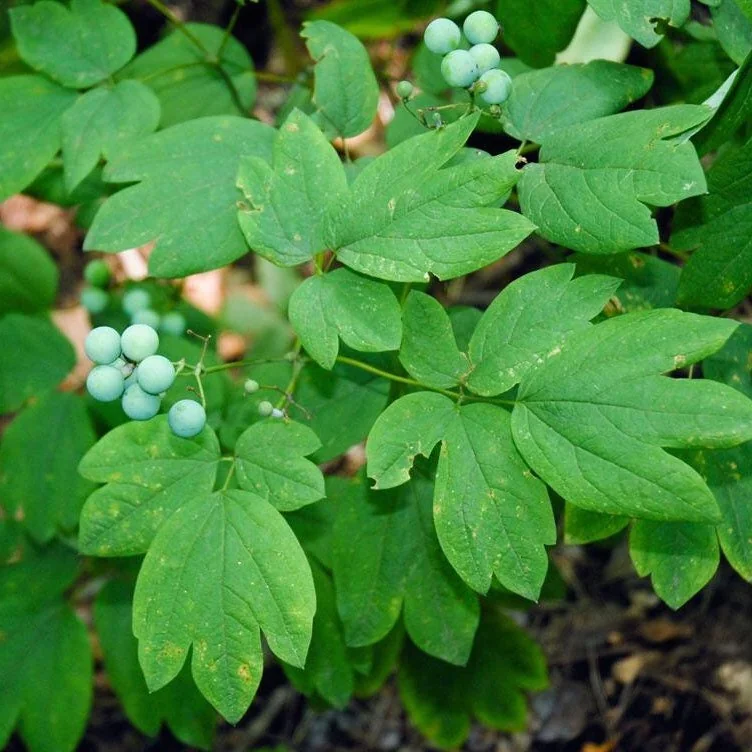


40 Blue Cohosh Plants Caulophyllum Thalictroides Bare Root Perennial
Original price was: $74.00.$59.20Current price is: $59.20.
Cultivate a beautiful shade garden with 40 Blue Cohosh Plants (Caulophyllum thalictroides). These blue cohosh bare root plants are organically grown native wildflower plants, perfect for naturalizing and adding unique texture to your landscape. Each order includes planting instructions for successful growth.
-
USDA Hardiness Zone
USDA Zones 3-8 -
Soil Type
Rich, moist, well-draining soil high in organic matter -
Sunlight Exposure
Partial to full shade -
Expected Planting Period
Early spring or fall

You can track your order HERE
Apr 12
Apr 17 - Apr 19
Apr 22 - Apr 26
Shipping and return policies: Our Alive & Thrive Guarantee covers issues with your plants within the first 30 days. Reach out to us. Our team will answer your questions and help you find the plants that are truly suitable for your environment, climate, and personal preferences.

Overview
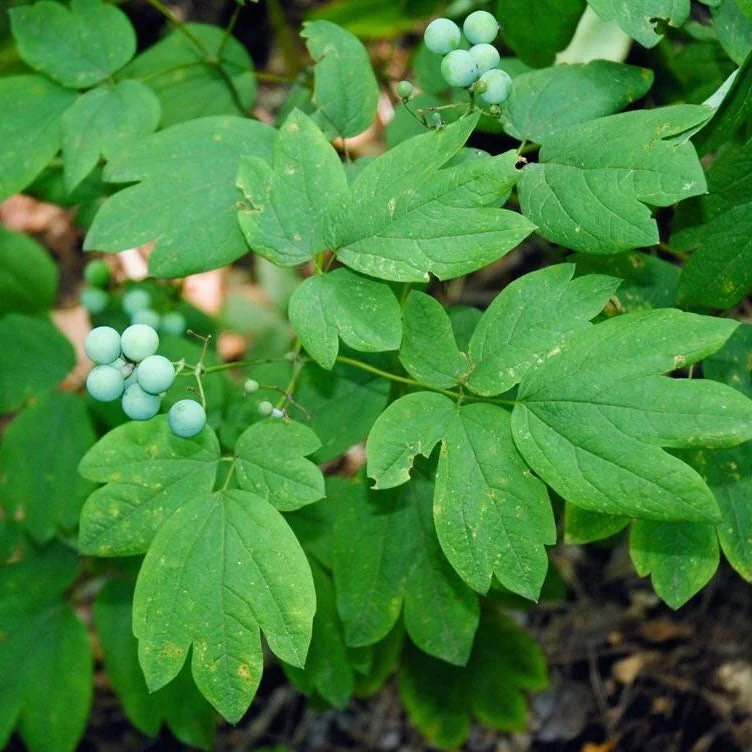
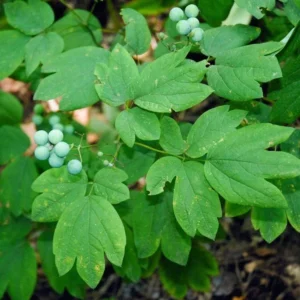
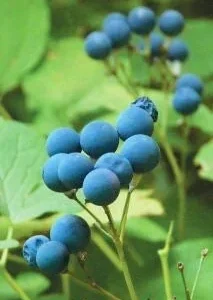
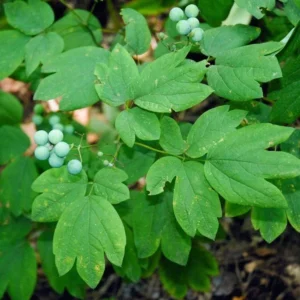
Introduce the captivating beauty of blue cohosh bare root plants to your garden. This offering includes 40 organic instances of Caulophyllum thalictroides, commonly known as Blue Cohosh, a remarkable native wildflower plant. Known for its striking blue berries that emerge in late summer, following delicate yellow-green flowers in spring, Blue Cohosh is a unique addition to any woodland or shade garden. These perennial plants are cherished for their distinctive, deeply lobed foliage and their ability to thrive in dappled light conditions. Perfect for naturalizing, these bare roots provide an excellent foundation for establishing a thriving population of this historically significant and visually appealing plant.
Our blue cohosh bare root plants are harvested to order, ensuring maximum freshness and viability upon arrival. As a truly organic product, they contribute to a healthy ecosystem and support biodiversity in your garden. Whether you’re an experienced gardener or just starting out, introducing Caulophyllum thalictroides will enhance your outdoor space with its subtle charm and ecological value. Each order comes complete with comprehensive planting instructions, making it easy to establish your new native plants successfully.
Key Benefits
Adding blue cohosh bare root plants to your garden offers a range of advantages beyond their aesthetic appeal. These robust plants are an excellent choice for creating a natural, low-maintenance landscape.
- Unique Ornamental Value: Blue Cohosh features attractive, three-parted leaves that create a lush, textured groundcover. Its unique yellow-green flowers in spring are followed by stunning blue berries in late summer, providing visual interest throughout multiple seasons. These berries are particularly striking against the fading green foliage.
- Native Ecosystem Support: As native wildflower plants, Blue Cohosh plays a vital role in supporting local wildlife. Its flowers attract early pollinators, and the berries provide a food source for birds, contributing to a balanced and thriving garden ecosystem.
- Shade Garden Solution: Thriving in partial to full shade, Caulophyllum thalictroides is an ideal choice for challenging shaded areas where other plants struggle. It helps fill out under trees and in woodland settings, creating a cohesive and natural look.
- Low Maintenance Perennial: Once established, blue cohosh bare root plants are incredibly resilient and require minimal care. They are drought-tolerant and disease-resistant, making them a superb option for gardeners seeking beauty without constant upkeep. This ease of care makes them suitable even for those new to gardening.
- Organic and Sustainable Choice: Our plants are organically grown, ensuring you receive a product free from harmful chemicals. This commitment to organic practices promotes healthier soil, water, and wildlife, aligning with sustainable gardening principles.
- Historically Significant: Blue Cohosh has a rich history of traditional use, adding an intriguing layer of historical and cultural significance to your garden. Understanding the background of plants like Caulophyllum thalictroides can deepen your appreciation for them.
- Erosion Control: In suitable woodland or sloped shade environments, the extensive root system of Blue Cohosh can help stabilize soil and prevent erosion, making it a functional as well as beautiful plant.
Plant Care & Growing Tips
Successful cultivation of your blue cohosh bare root plants begins with proper planting and ongoing care. These resilient native wildflower plants prefer conditions that mimic their natural woodland habitat. For optimal growth, choose a location with partial to full shade; direct afternoon sun can scorch their delicate foliage. Aim for a spot that receives morning sun and dappled light throughout the day, or consistent shade. When planting, ensure the soil is rich in organic matter, consistently moist, and well-draining. A slightly acidic to neutral pH (6.0-7.0) is ideal for Caulophyllum thalictroides. Incorporating compost or leaf mold into your planting hole will provide essential nutrients and improve soil structure.
Watering is crucial during the establishment phase, especially during dry spells. Keep the soil consistently moist but never waterlogged. Once established, blue cohosh bare root plants are fairly drought-tolerant but will benefit from supplemental watering during prolonged dry periods. They are hardy in USDA zones 3-8, tolerating cold winters and hot summers within this range. Fertilization is generally not necessary in rich, organic soil; however, a light application of a balanced, organic slow-release fertilizer in early spring can promote vigorous growth, especially if your soil is poor. Watch for common garden pests, though Blue Cohosh is generally pest-free. The biggest challenge is often ensuring consistent moisture and adequate shade. Understanding blue cohosh plant care will lead to a thriving display.
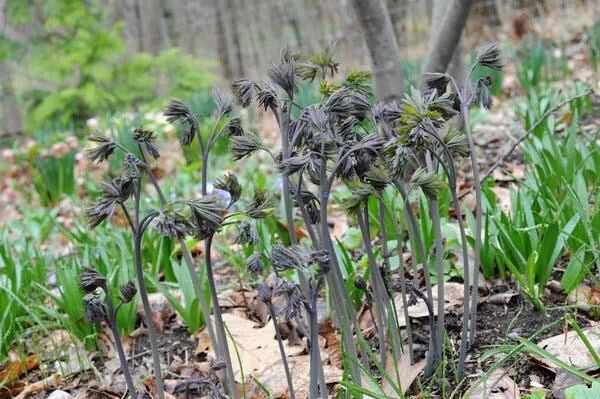
When considering blue cohosh plant care, remember that these plants emerge relatively early in spring and can quickly establish themselves. They are a fantastic understory plant, creating a lush groundcover. Mulching around the base of the plants with leaf litter or wood chips will help retain soil moisture, regulate soil temperature, and suppress weeds. This also mimics their natural environment and provides a slow release of nutrients as the mulch breaks down. Proper mulching is a key aspect of successful blue cohosh plant care. For those aiming for an organic garden, these practices align perfectly with sustainable cultivation methods.
Size & Details
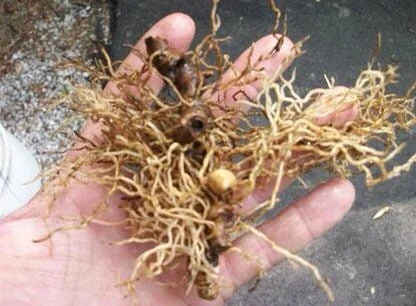
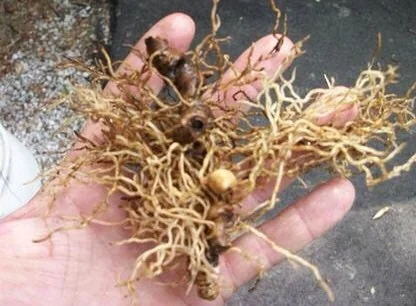
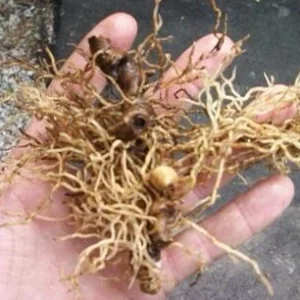
This offering includes 40 Blue Cohosh bare root plants (Caulophyllum thalictroides). Each bare root is carefully harvested and prepared for shipment to ensure viability. Upon arrival, these roots will be dormant and without foliage or pots, ready for immediate planting. When mature, Blue Cohosh typically grows to a height of 1-3 feet with a similar spread, forming attractive clumps. The growth rate is moderate, and plants will begin to establish foliage and flowers in their first growing season after planting. Expect the distinctive blue berries to appear in late summer to early fall. These plants are long-lived perennials, offering many years of beauty and ecological benefit in your garden. They are particularly well-suited for naturalizing in woodland settings or shaded borders, providing a lush, native groundcover.
Frequently Asked Questions
- Q: How large will my blue cohosh bare root plants get when mature? A: When mature, Blue Cohosh typically reaches a height of 1 to 3 feet and can spread similarly, forming attractive clumps. Its growth habit makes it an excellent choice for filling out shaded garden areas.
- Q: Is this an indoor or outdoor plant? How much sunlight does it need? A: Blue Cohosh is an outdoor native wildflower plant. It thrives in partial to full shade, preferring dappled sunlight or consistent shade, especially protected from harsh afternoon sun.
- Q: What condition will the plants arrive in? A: Your order will consist of 40 Blue Cohosh bare root plants. They will be shipped dormant, without foliage or pots, and are ready for immediate planting upon arrival.
- Q: What type of soil is best for blue cohosh plant care? A: Blue Cohosh prefers rich, consistently moist, and well-draining soil that is high in organic matter. A slightly acidic to neutral pH is ideal for optimal growth.
- Q: When is the best time to plant these bare roots? A: The best time to plant blue cohosh bare root plants is in early spring as soon as the soil can be worked, or in the fall before the ground freezes. This allows them to establish their root systems before extreme temperatures.
- Q: Are these plants considered easy to care for? A: Yes, once established, Blue Cohosh is a relatively low-maintenance perennial. It is quite resilient and tolerant of various conditions within its preferred shade and moisture requirements, making blue cohosh plant care straightforward.
- Q: What USDA Hardiness Zones are suitable for Caulophyllum thalictroides? A: Caulophyllum thalictroides is hardy in USDA Zones 3 through 8, making it suitable for a wide range of climates across the United States.
- Q: Will these native wildflower plants attract pollinators? A: Yes, the early spring flowers of Blue Cohosh attract various early pollinators, contributing to the biodiversity and health of your garden ecosystem.
- Q: Can I use these plants for erosion control? A: In appropriate woodland or sloped shade environments, the root systems of established Blue Cohosh plants can help stabilize soil and contribute to erosion prevention.
- Q: How long does it take for Blue Cohosh to produce berries? A: Blue Cohosh typically produces its distinctive blue berries in late summer to early fall, following the yellow-green flowers that appear in spring.
Be the first to review “40 Blue Cohosh Plants Caulophyllum Thalictroides Bare Root Perennial”
People Also Viewed
Flower Plants
Sold 82 products
Original price was: $64.48.$32.24Current price is: $32.24.
Sold 58 products
Original price was: $49.98.$39.98Current price is: $39.98.
Sold 93 products
Original price was: $115.80.$57.90Current price is: $57.90.
Sold 99 products
From $55.80
Sold 57 products
Original price was: $62.76.$31.38Current price is: $31.38.
Sold 83 products
Original price was: $8.12.$4.06Current price is: $4.06.
Sold 65 products
Original price was: $28.76.$14.38Current price is: $14.38.
Sold 85 products
From $71.96
Sold 67 products
Original price was: $316.00.$158.00Current price is: $158.00.
Sold 87 products
Original price was: $400.00.$200.00Current price is: $200.00.
Sold 80 products
Original price was: $33.98.$16.99Current price is: $16.99.
Sold 64 products
Original price was: $70.98.$35.49Current price is: $35.49.
Sold 53 products
Original price was: $41.98.$20.99Current price is: $20.99.
Sold 92 products
Original price was: $73.08.$36.54Current price is: $36.54.
Sold 52 products
Original price was: $96.74.$58.04Current price is: $58.04.
HousePlants
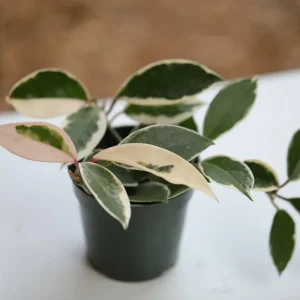
Hoya Krimson Queen Live Plant – Variegated Carnosa Wax Plant, 3 inch nursery pot, Indoor
Sold 73 products
Original price was: $64.00.$32.00Current price is: $32.00.
Sold 92 products
Original price was: $18.76.$9.38Current price is: $9.38.
Sold 89 products
From $47.80




Reviews
There are no reviews yet.