
30 Blue Cohosh Plants Bare Root – Native Wildflower Perennial Caulophyllum Thalictroides
Original price was: $56.00.$44.80Current price is: $44.80.
Cultivate a natural woodland garden with these 30 Blue Cohosh Plants bare root. This native perennial, Caulophyllum thalictroides, offers unique foliage and blue berries, thriving in shaded environments. Organically grown and ready for planting.
-
USDA Hardiness Zone
USDA Zones 3-8 -
Soil Type
Rich, organic, moist, well-draining soil -
Sunlight Exposure
Partial to full shade -
Expected Planting Period
Early spring

You can track your order HERE
Feb 27
Mar 04 - Mar 06
Mar 09 - Mar 13
Shipping and return policies: Our Alive & Thrive Guarantee covers issues with your plants within the first 30 days. Reach out to us. Our team will answer your questions and help you find the plants that are truly suitable for your environment, climate, and personal preferences.

Overview
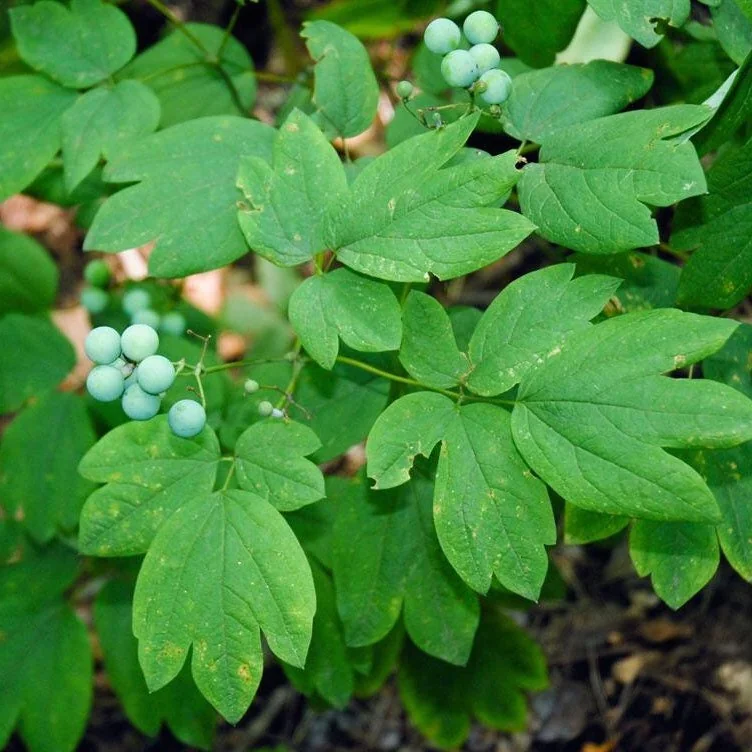
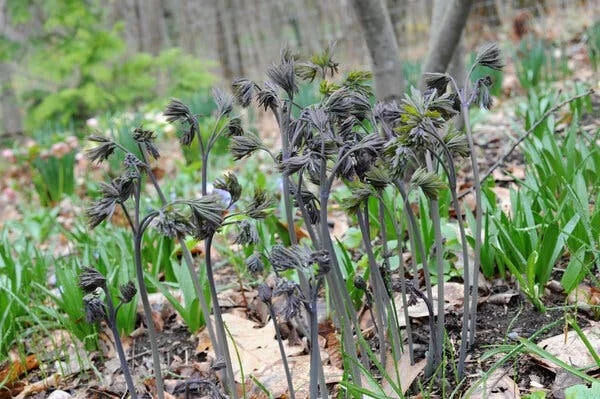
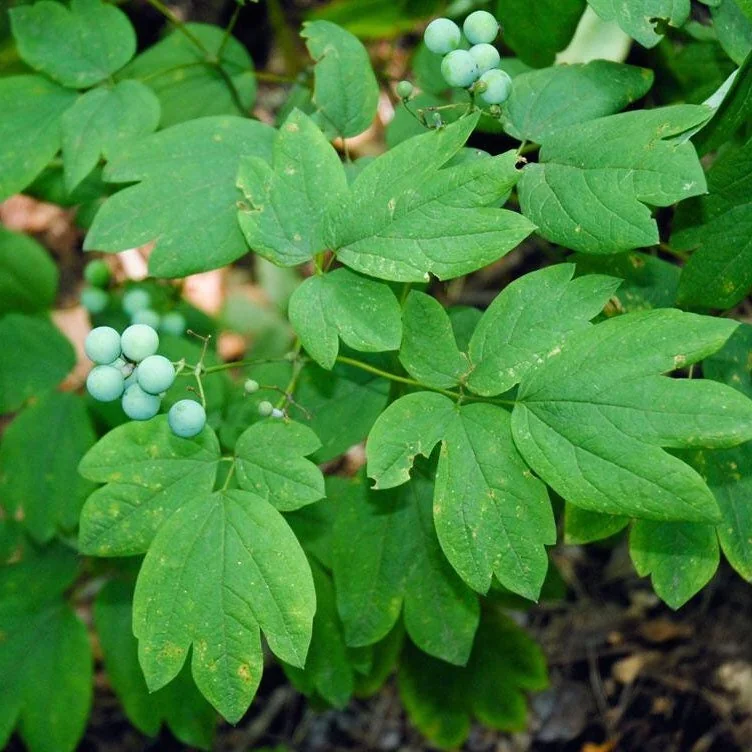
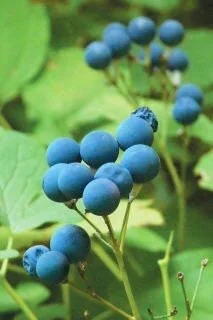
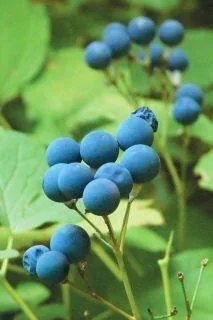
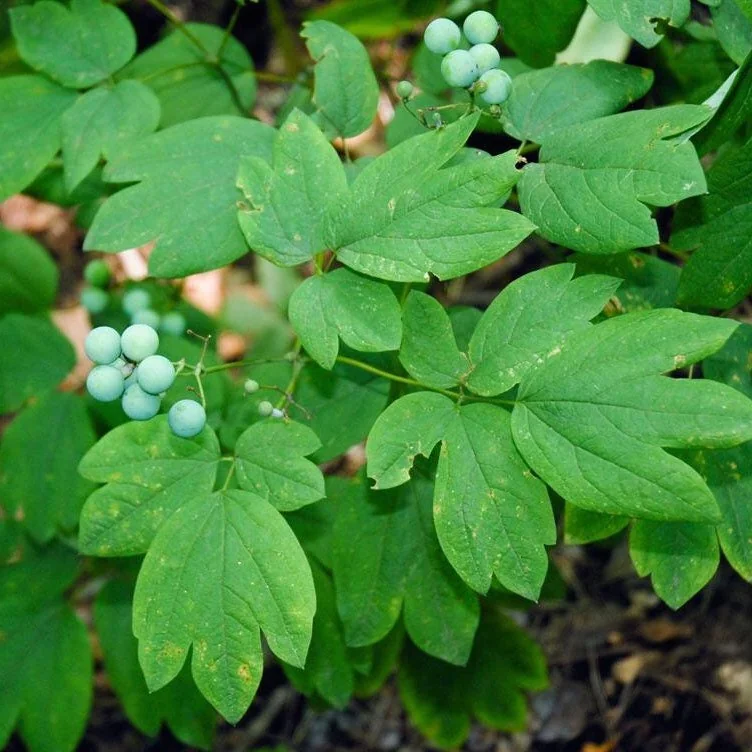
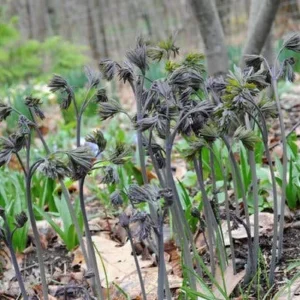
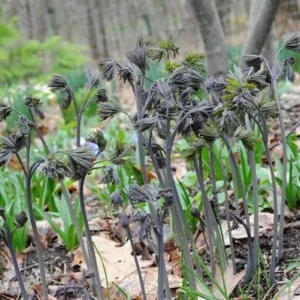
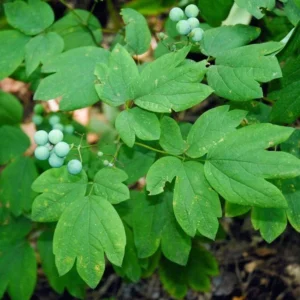
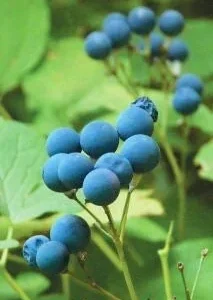
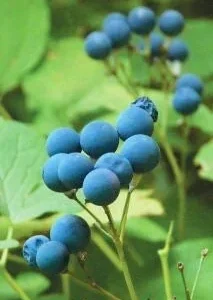
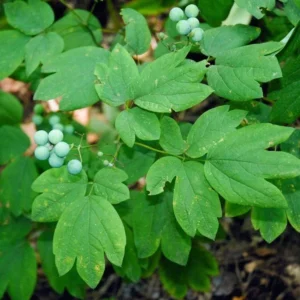
Introduce the captivating beauty of native flora to your garden with this offering of 30 Blue Cohosh Plants bare root. Blue Cohosh, scientifically known as Caulophyllum thalictroides, is a striking perennial wildflower prized for its distinctive blue-green foliage, delicate yellow-green flowers in spring, and vibrant blue berries in late summer. These bare root specimens are organically grown, ensuring a healthy start for your landscape. Ideal for woodland gardens, shaded borders, or naturalized areas, blue cohosh bare root plants establish easily and return year after year, providing ecological benefits and visual interest.
Blue Cohosh is a robust and resilient plant, making it an excellent choice for gardeners seeking low-maintenance native options. Its unique appearance and ability to thrive in dappled light make it a valuable addition to any shade garden design. Each order includes planting instructions to guide you in successfully cultivating this beautiful native wildflower. Embrace the charm of the forest understory with these vibrant and ecologically beneficial plants.
Key Benefits
Integrating blue cohosh bare root into your garden offers numerous advantages, from ecological enrichment to aesthetic appeal. This native perennial is not only beautiful but also contributes to biodiversity and creates a more sustainable garden environment.
-
Native Habitat Restoration: By planting blue cohosh bare root, you contribute to supporting local ecosystems and providing food and shelter for native wildlife, particularly birds that feed on its berries.
-
Shade Garden Excellence: Blue Cohosh thrives in partial to full shade, making it a perfect choice for those challenging areas under trees or on the north side of buildings where many other plants struggle.
-
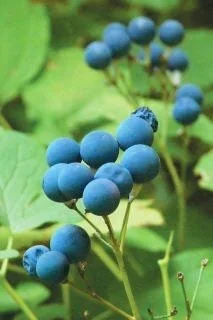
Unique Ornamental Appeal: Its distinctive blue-green, deeply lobed leaves, subtle flowers, and striking blue berries offer year-round interest and a unique texture to the garden landscape.
-
Low Maintenance: Once established, growing blue cohosh requires minimal care, being naturally resistant to many pests and diseases. It’s a fantastic option for gardeners looking for beautiful, hassle-free plants.
-
Organically Grown: These plants are cultivated without synthetic pesticides or fertilizers, ensuring they are healthy for your garden and the environment.
-
Perennial Longevity: As a perennial, Blue Cohosh returns each year, growing larger and more robust, saving you time and effort compared to annual plantings.
-
Erosion Control: Its fibrous root system helps stabilize soil, making it useful for slopes or areas prone to erosion in shaded environments.
Plant Care & Growing Tips
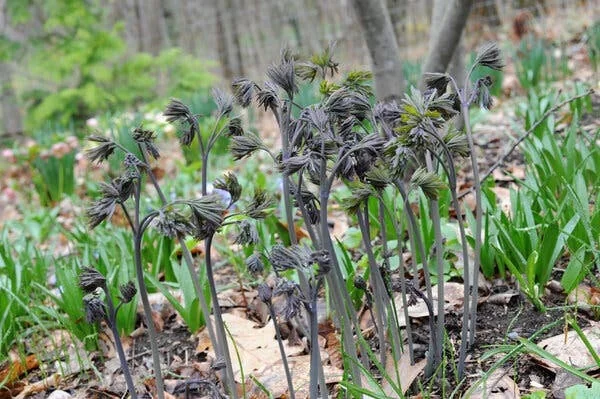
Successful cultivation of Caulophyllum thalictroides, or Blue Cohosh, largely depends on mimicking its natural woodland habitat. These plants prefer cool, moist, and shaded conditions. When planting your 30 Blue Cohosh Plants bare root, choose a location with dappled sunlight or full shade. Avoid direct, harsh afternoon sun, which can scorch the leaves. The ideal soil is rich in organic matter, consistently moist but well-draining, with a slightly acidic to neutral pH. Amending heavy clay soils with compost or leaf mold will improve drainage and fertility.
Watering is crucial, especially during dry periods in the first year after planting. Keep the soil consistently moist but never waterlogged. Once established, blue cohosh plant care becomes less intensive, though supplemental watering during prolonged droughts will be beneficial. Fertilization is generally not necessary in rich, organic soils. If your soil is poor, a light application of a balanced, slow-release organic fertilizer in early spring can be helpful. Blue Cohosh is hardy in USDA zones 3-8, tolerating cold winters and moderate summers. Propagation is typically by division in early spring or from seed, though seeds can take a long time to germinate. Watch out for slugs and snails in moist conditions, which can sometimes chew on young foliage.
Size & Details
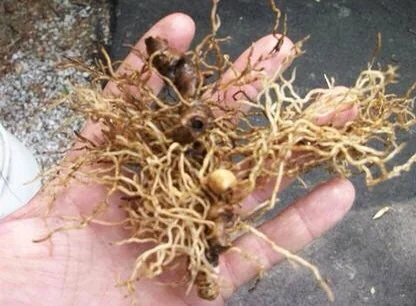
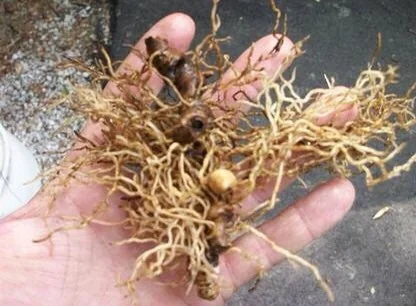
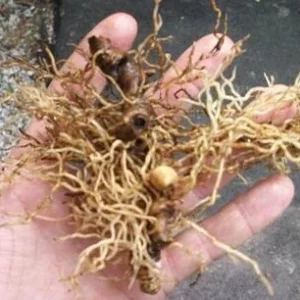
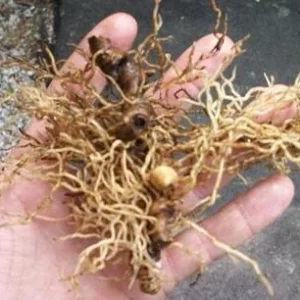
This offering includes 30 Blue Cohosh Plants bare root. Each bare root plant is carefully harvested per order to ensure maximum freshness and viability upon arrival. As bare root specimens, they will arrive without foliage or soil, ready for immediate planting. When established, Blue Cohosh typically grows to a height of 1-3 feet (30-90 cm) with a similar spread, forming attractive clumps. It has a moderate growth rate, establishing itself well within the first year and gradually expanding its presence in subsequent seasons. The unique blue berries typically appear in late summer to early fall, adding a splash of color to the autumn garden. Plant these native wildflowers for shade in groups for a naturalized effect.
Frequently Asked Questions
-
Q: How big does this plant get? A: Blue Cohosh typically grows to an average height of 1 to 3 feet (30-90 cm) with a similar spread. Its size can vary slightly depending on growing conditions and soil fertility.
-
Q: Is this an indoor or outdoor plant? A: Blue Cohosh is an outdoor perennial plant, ideally suited for woodland gardens, shaded borders, or naturalized areas. It is not suitable for indoor cultivation.
-
Q: How much sunlight does it need? A: Blue Cohosh thrives in partial to full shade. It prefers dappled sunlight, mimicking its natural habitat on the forest floor. Avoid direct, intense afternoon sun.
-
Q: What condition will it arrive in? A: Your 30 Blue Cohosh Plants bare root will arrive as dormant bare root plants, without foliage or soil. They are harvested fresh per order to ensure optimal health for planting.
-
Q: Is this plant easy to care for? A: Once established, blue cohosh plant care is relatively low maintenance. It requires consistent moisture in well-draining soil and a shaded location. It’s a great choice for gardeners seeking easy-care native plants.
-
Q: When is the best time to plant bare root Blue Cohosh? A: The best time to plant bare root Blue Cohosh is in early spring, as soon as the soil can be worked. This allows the roots to establish before the heat of summer.
-
Q: Will it survive winter in my zone? A: Yes, Blue Cohosh is a very hardy perennial, typically thriving in USDA Zones 3-8. It is well-adapted to cold winters and will re-emerge in spring.
-
Q: What kind of soil does Blue Cohosh prefer? A: Blue Cohosh prefers rich, organic, consistently moist, and well-draining soil. It thrives in loamy soils with a slightly acidic to neutral pH, often found in woodland settings.
-
Q: Are the berries on Blue Cohosh edible? A: While the blue berries are visually striking, they are generally considered mildly toxic if ingested in large quantities and are not recommended for consumption by humans. They are primarily for ornamental appeal and wildlife.
-
Q: What are the benefits of planting native wildflowers for shade? A: Planting native wildflowers for shade like Blue Cohosh supports local biodiversity, provides food and habitat for pollinators and wildlife, and often requires less maintenance once established than non-native plants.
Be the first to review “30 Blue Cohosh Plants Bare Root – Native Wildflower Perennial Caulophyllum Thalictroides”
People Also Viewed
Sold 62 products
From $61.58
Sold 64 products
Original price was: $73.99.$53.99Current price is: $53.99.
Sold 92 products
$87.98
Sold 78 products
Original price was: $33.99.$23.79Current price is: $23.79.
Sold 88 products
Original price was: $40.99.$28.69Current price is: $28.69.
Sold 100 products
Original price was: $37.98.$20.49Current price is: $20.49.
Sold 61 products
Original price was: $34.76.$17.38Current price is: $17.38.
Sold 88 products
Original price was: $33.98.$18.49Current price is: $18.49.
Sold 84 products
From $15.96
Herbs
Assorted Herb Plants – 3 Live Plants Mix (Basil, Rosemary, Peppermint, Lemon Balm) – 3-5 Inches Tall
Sold 99 products
Original price was: $44.00.$22.00Current price is: $22.00.
Sold 53 products
From $22.39
Sold 85 products
Original price was: $39.99.$27.99Current price is: $27.99.
Sold 73 products
Original price was: $8.48.$4.24Current price is: $4.24.
Sold 71 products
From $31.96
Sold 52 products
Original price was: $86.00.$43.00Current price is: $43.00.
Sold 87 products
Original price was: $33.98.$18.49Current price is: $18.49.
Sold 97 products
Original price was: $57.98.$28.99Current price is: $28.99.
Sold 92 products
Original price was: $69.08.$34.54Current price is: $34.54.


Reviews
There are no reviews yet.