
3 Pack Sweetshrub (Calycanthus Floridus) Bare-Root Plant – Fragrant Outdoor Shrub
From $67.96
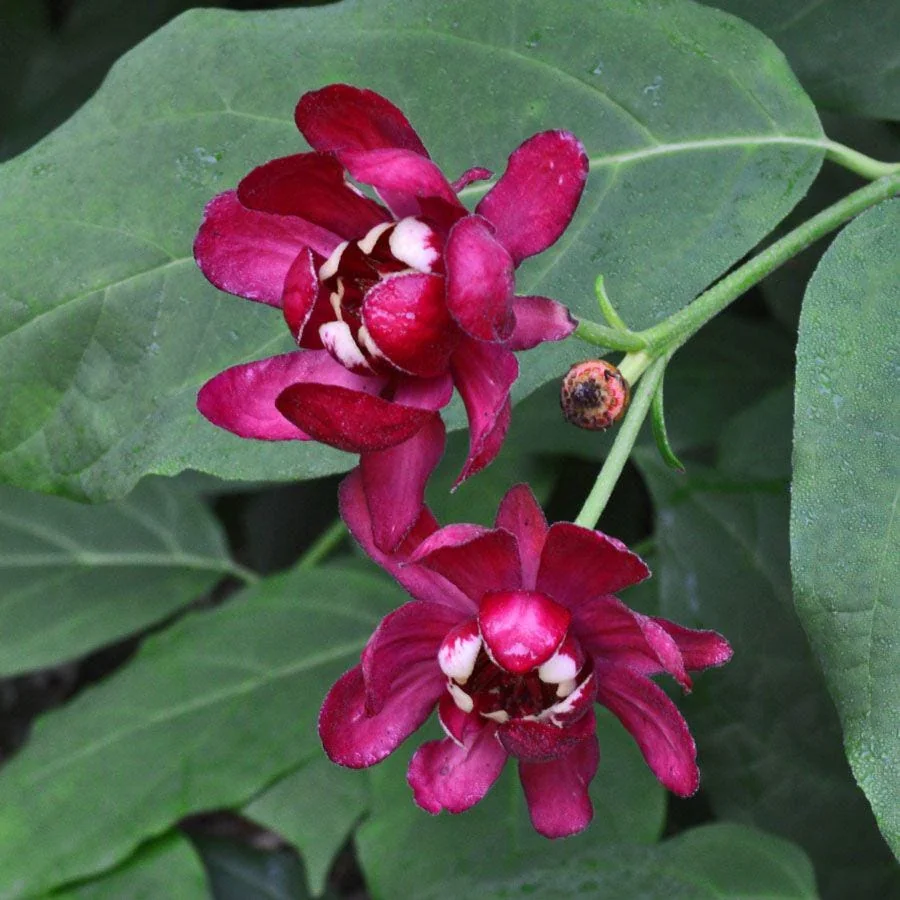
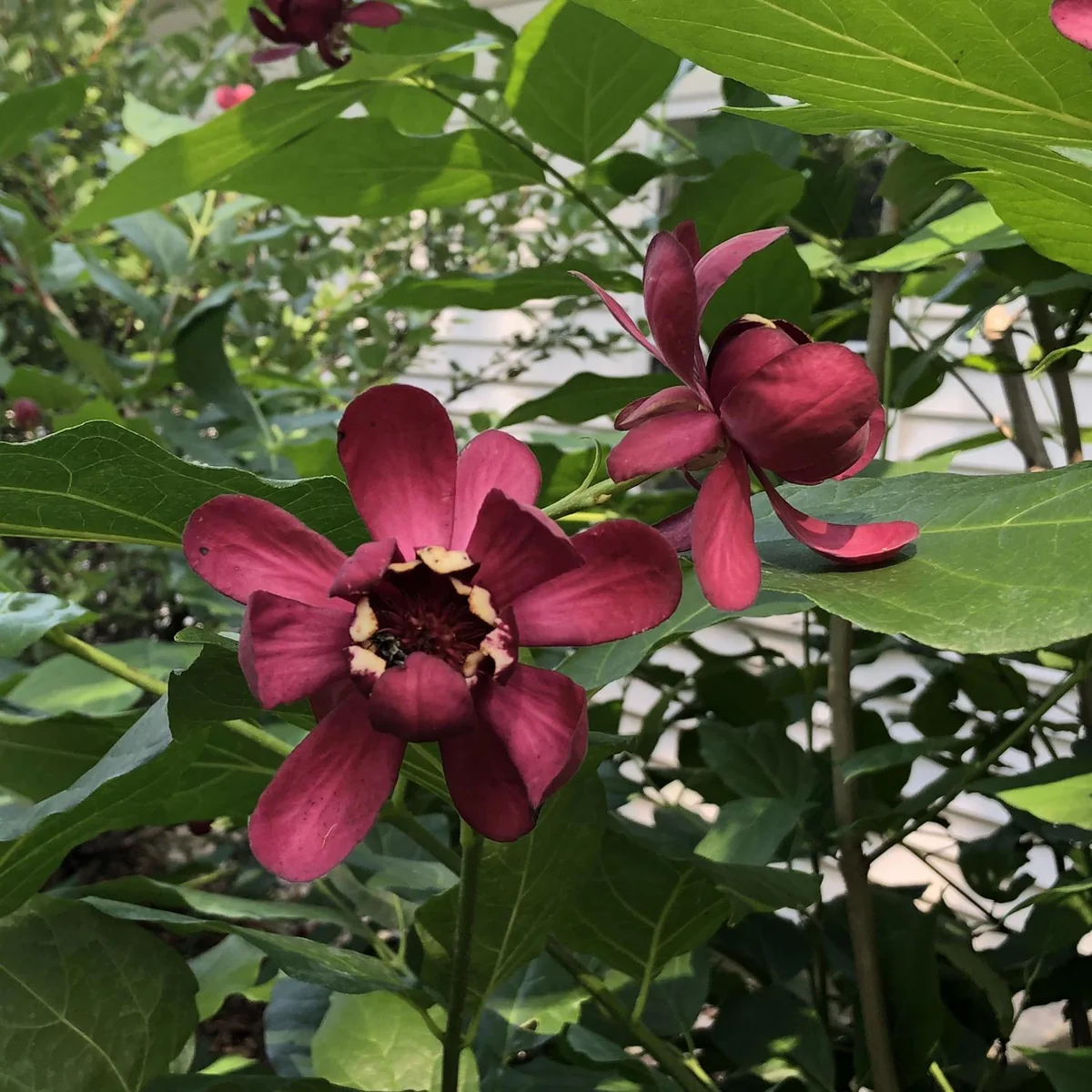
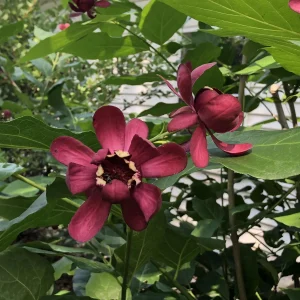
Enhance your garden with a 3 Pack Sweetshrub bare-root plant, also known as Calycanthus floridus or Carolina allspice. This native deciduous shrub offers uniquely fragrant blooms, described as combining hints of pineapple, strawberry, and banana. Ideal for sensory gardens, woodland settings, or as a privacy hedge, it thrives in a range of conditions and attracts pollinators.
-
USDA Hardiness Zone
USDA zones 4-9 -
Soil Type
Average to rich, well-draining loam -
Sunlight Exposure
Full sun to deep shade; prefers some afternoon shade -
Expected Planting Period
Late winter to early spring

You can track your order HERE
Mar 03
Mar 08 - Mar 10
Mar 13 - Mar 17
Shipping and return policies: Our Alive & Thrive Guarantee covers issues with your plants within the first 30 days. Reach out to us. Our team will answer your questions and help you find the plants that are truly suitable for your environment, climate, and personal preferences.

Overview
Introduce delightful fragrance and natural beauty to your landscape with this sweetshrub bare-root plant. Known scientifically as Calycanthus floridus, and commonly referred to as Carolina allspice or strawberry bush, this native deciduous shrub is a true garden gem. Originating from the southeastern United States, it thrives in shady woodlands and along streambanks, bringing a touch of wild elegance to your home. The most captivating feature of the sweetshrub is its unique, showy blooms, whose aroma has been famously described as a blend of pineapple, strawberry, and banana. These intriguing flowers make the Calycanthus floridus a must-have for any gardener looking to create a sensory experience. As a bare-root specimen, these plants are ready to establish quickly in your garden, promising years of fragrant enjoyment.
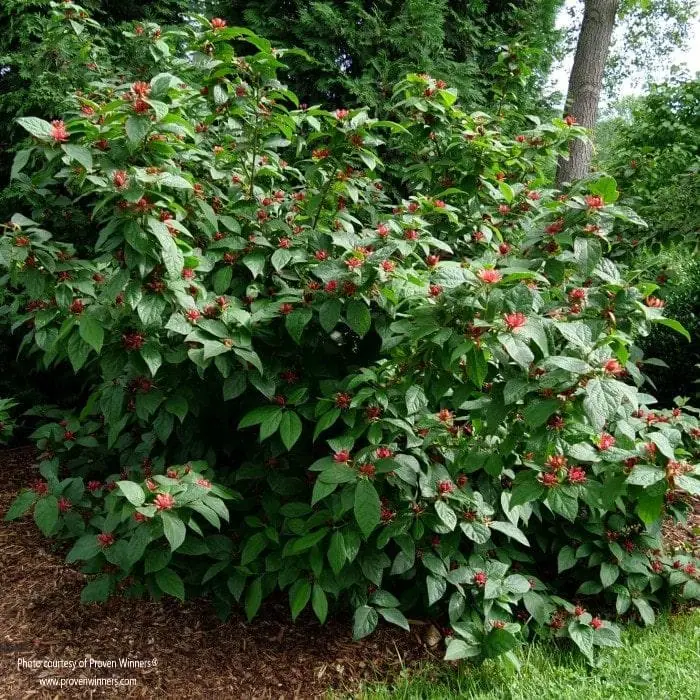
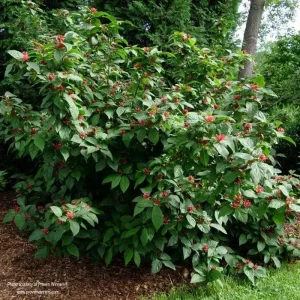
Growing to an impressive height of 6-12 feet with a similar or slightly greater spread, the sweetshrub bare-root plant provides excellent structure and naturalization potential. Its ability to adapt to various sun exposures and soil types makes it a versatile choice for many garden designs. Whether you’re aiming for a specimen plant, a fragrant border, or a natural screen, the Carolina allspice delivers. Its robust nature, coupled with its captivating scent, ensures it will be a focal point in your outdoor space, inviting both human admiration and beneficial wildlife.
Key Benefits
The sweetshrub bare-root plant offers a multitude of benefits, making it an excellent addition to almost any garden. From its captivating fragrance to its adaptability, this shrub is designed to impress and perform.
- Unique Fragrance Profile: The showy blooms of the Calycanthus floridus release a complex aroma often compared to a mix of pineapple, strawberry, and banana. This distinctive scent is stronger in warmer temperatures, creating a truly immersive sensory experience for gardeners and visitors alike.
- Native & Adaptable: As a native plant, Carolina allspice is well-suited to local ecosystems, requiring less intervention once established. It tolerates a wide range of soil textures and pH, from full sun to deep shade, making it highly adaptable to various garden conditions.
- Low Maintenance & Resilient: This shrub is known for its hardiness. It withstands cold and heat, is generally resistant to insect and disease pests, fire, and even deer browsing, making it an incredibly easy-care option for busy gardeners.
- Versatile Landscape Use: With its erect to rounded form, the sweetshrub bare-root plant is perfect as a specimen plant, a fragrant accent near patios or walkways, or as an effective screen or privacy hedge. It also fits beautifully into woodland, cutting, or sensory gardens.
- Early & Sporadic Blooms: Enjoy its unique flowers in early spring, often before the leaves emerge, and then sporadically throughout the season, providing extended periods of interest and fragrance in your garden.
- Attracts Pollinators: The fragrant blooms are not only a treat for humans but also attract various pollinators, contributing to the biodiversity and health of your garden ecosystem.
Plant Care & Growing Tips
Caring for your sweetshrub bare-root plant is relatively straightforward, thanks to its robust and adaptable nature. To ensure optimal growth and the most fragrant blooms from your Calycanthus floridus, consider the following guidelines for planting and ongoing care. This native shrub thrives in a variety of conditions, making it a rewarding choice for both novice and experienced gardeners.
For sunlight, the Carolina allspice is quite versatile, performing well in anything from full sun to deep shade. However, it generally prefers some afternoon shade, especially in hotter climates, to prevent scorching and maintain a more compact, dense growth habit. In shadier conditions, the plant may become lankier. When it comes to watering, ensure the soil remains consistently moist but well-drained. While it can tolerate brief periods of flooding, it struggles in overly sandy or drought-prone conditions. Established plants are more drought-tolerant but will benefit from supplemental watering during prolonged dry spells. The ideal soil type is average to rich, well-draining loam, although it is tolerant of a wide range of soil textures and pH levels. For best results, amend heavy clay or sandy soils with compost to improve drainage and nutrient retention. The sweetshrub is hardy across a good range of USDA zones, typically thriving in zones 4-9.
Pruning should be done immediately after flowering to shape the plant or maintain its compactness. Since next season’s flowers are produced on both new and old wood, timely pruning ensures you don’t sacrifice future blooms. The plant has a suckering habit, meaning it will produce new shoots from the base. These suckering branches should be maintained if you wish to control its spread or prevent it from naturalizing too much in your landscape. Fertilize in early spring with a balanced, slow-release granular fertilizer formulated for flowering shrubs, following product instructions. Overall, the fragrant shrubs are quite pest and disease resistant, making them a low-fuss addition to your garden. This resilience contributes to the overall appeal and ease of growing a native plant like the sweetshrub.
Size & Details
This offering includes a 3 Pack Sweetshrub bare-root plant, providing you with multiple specimens to establish a fragrant and beautiful presence in your garden. As bare-root plants, they are shipped without soil around their roots, which allows for easier transplanting and often results in quicker establishment once planted. Upon planting, these shrubs are expected to grow into substantial specimens, reaching a mature height of 6 to 12 feet with an equal or slightly greater spread. This makes them suitable for various garden roles, from individual specimen plantings to forming dense privacy screens.
The growth rate of the Calycanthus floridus is moderate, allowing you to enjoy its development over time. It typically blooms in early spring, often before its leaves fully emerge, and then continues to flower sporadically throughout the growing season. For optimal growth, ensure you plant each Carolina allspice 3 to 5 feet away from other shrubs to give them adequate room to expand their canopy and root system. The bare-root form is an economical and efficient way to introduce these wonderful fragrant shrubs to your landscape, promising robust growth and a captivating aroma for many years to come.
Frequently Asked Questions
- Q: How big does this sweetshrub bare-root plant get? A: The Calycanthus floridus typically grows to a height of 6-12 feet with a similar or slightly greater spread, forming a substantial and attractive shrub in your landscape.
- Q: Is this an indoor or outdoor plant? A: The Carolina allspice is an outdoor deciduous shrub, best suited for garden beds, borders, or naturalized areas where it can reach its full potential.
- Q: How much sunlight does the fragrant shrubs need? A: Sweetshrub is adaptable and can grow in full sun to deep shade. It prefers some afternoon shade in hot climates to prevent leaf scorch and maintain denser growth.
- Q: What condition will the native plants arrive in? A: These are shipped as bare-root plants, meaning they will arrive without soil around their roots, carefully packaged and ready for immediate planting upon arrival.
- Q: Is the sweetshrub deer resistant? A: Yes, the Calycanthus floridus is known to be resistant to deer browsing, making it a good choice for gardens where deer are a concern.
- Q: How long until this sweetshrub bare-root plant blooms? A: While bare-root plants need time to establish, you can expect blooms in early spring once the plant has settled into its new environment, usually within the first year or two after planting.
- Q: What’s the minimum temperature this plant can withstand? A: This shrub is quite cold hardy, typically thriving in USDA zones 4-9, meaning it can withstand significant winter cold.
- Q: What type of soil does Carolina allspice prefer? A: It prefers average to rich, well-drained soil, ideally a loamy texture. It tolerates a wide range of soil types and pH levels.
- Q: Is this plant easy to care for? A: Yes, sweetshrub is considered a low-maintenance plant due to its adaptability, resilience to pests and diseases, and tolerance of various growing conditions.
- Q: When is the best time to plant a sweetshrub bare-root plant? A: Bare-root plants are best planted in late winter or early spring, before new growth begins, allowing them to establish their root systems before the heat of summer.
| Sweet Shrub | 12-18'', 6-12'' |
|---|
Be the first to review “3 Pack Sweetshrub (Calycanthus Floridus) Bare-Root Plant – Fragrant Outdoor Shrub”
People Also Viewed
Sold 97 products
From $99.80
Flower Plants
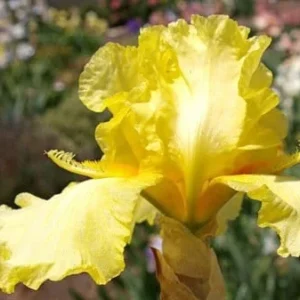
Summer Olympics Bearded Iris – Iris germanica Live Plant, Creamy Yellow, Reblooming, Zone 3-9
Sold 83 products
Original price was: $59.80.$29.90Current price is: $29.90.
Sold 55 products
Original price was: $47.96.$23.98Current price is: $23.98.
Sold 72 products
Original price was: $72.00.$36.00Current price is: $36.00.
Sold 80 products
Original price was: $23.00.$18.40Current price is: $18.40.
Sold 82 products
Original price was: $79.98.$63.98Current price is: $63.98.

Sold 66 products
Original price was: $131.96.$65.98Current price is: $65.98.
Sold 58 products
Original price was: $111.80.$55.90Current price is: $55.90.

Sold 64 products
Original price was: $63.96.$31.98Current price is: $31.98.
Sold 50 products
Original price was: $213.58.$128.14Current price is: $128.14.
Sold 52 products
Original price was: $120.44.$72.26Current price is: $72.26.
Sold 78 products
Original price was: $31.98.$15.99Current price is: $15.99.

Flower Bulbs
Butterfly Double Mixed Daffodil Bulbs – 5 Pack, Multicolor, Perennial, Full/Partial Sun
Sold 69 products
Original price was: $75.96.$37.98Current price is: $37.98.
Sold 76 products
Original price was: $47.96.$23.98Current price is: $23.98.
Sold 86 products
Original price was: $39.98.$19.99Current price is: $19.99.
Flower Plants
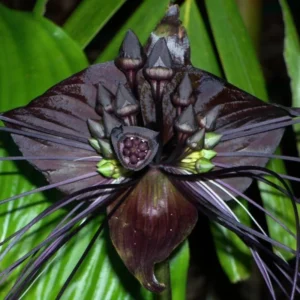
Black Bat Orchid Plant – Tacca Chantrieri Live Plant – Tall 4-6″ – Black Flower – Houseplant
Sold 81 products
Original price was: $39.98.$22.99Current price is: $22.99.
Sold 65 products
Original price was: $83.00.$41.50Current price is: $41.50.
Sold 64 products
From $17.98



Reviews
There are no reviews yet.