



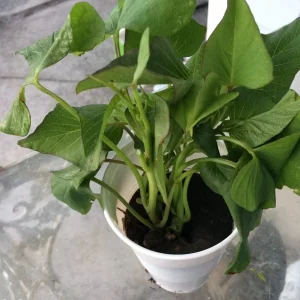
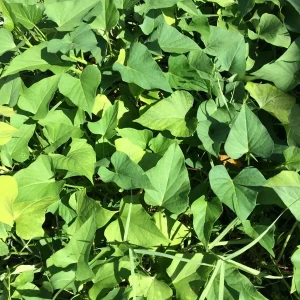

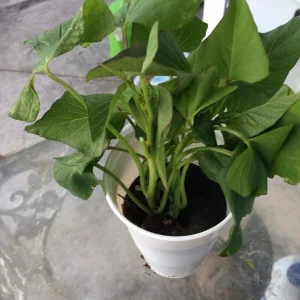
3 Okinawa Purple Sweet Potato Plants – Organic Slips for Planting, Full Sun
$30.00
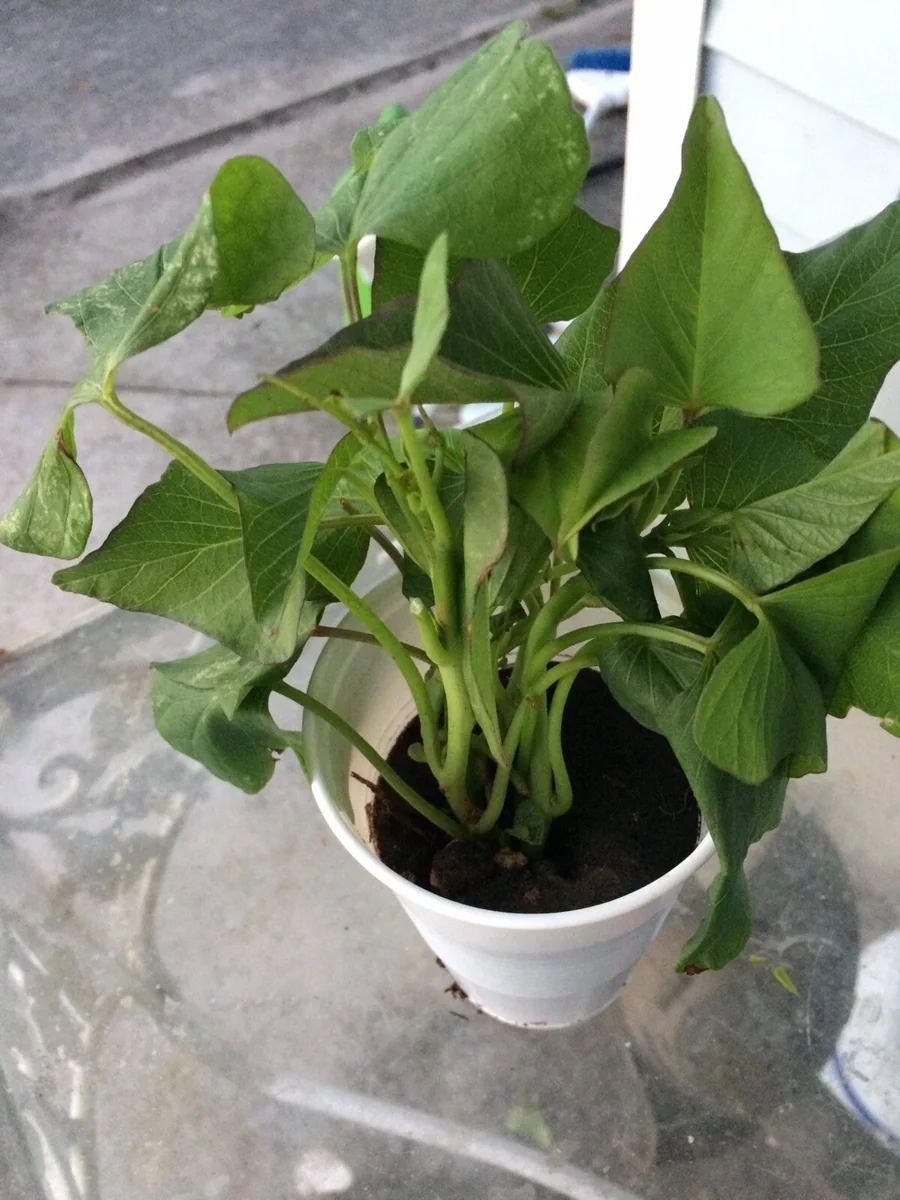
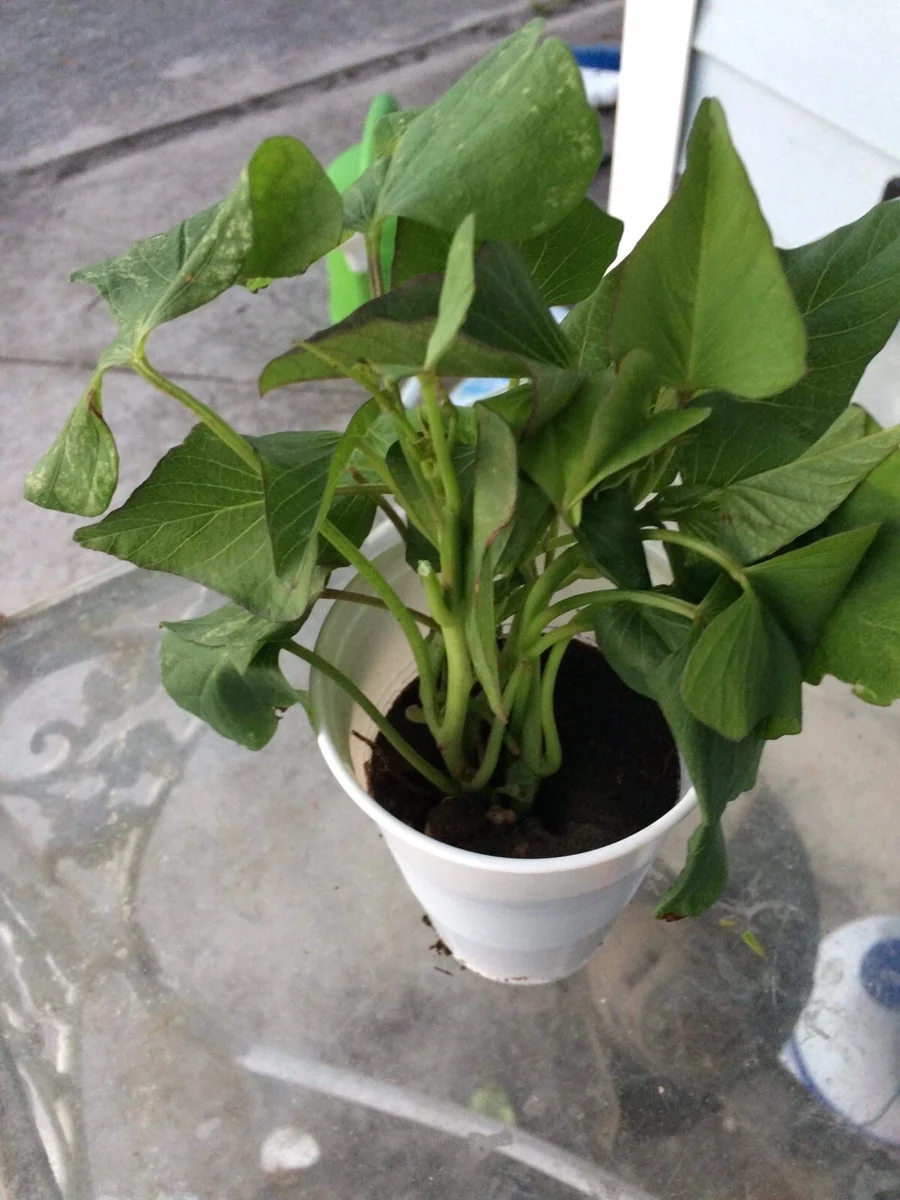
Cultivate a vibrant harvest with these 3 Okinawa Purple Sweet Potato Plants. These healthy, organic slips are ready for planting, offering a unique and nutritious addition to your garden. Enjoy the distinctive purple flesh and sweet flavor of this popular root vegetable, perfect for a full sun location.
-
USDA Hardiness Zone
USDA zones 9–11 (as annuals in most other zones) -
Soil Type
Well-draining, loose, sandy loam -
Sunlight Exposure
Full Sun -
Expected Planting Period
Late spring to early summer (after last frost)

You can track your order HERE
Feb 26
Mar 03 - Mar 05
Mar 08 - Mar 12
Shipping and return policies: Our Alive & Thrive Guarantee covers issues with your plants within the first 30 days. Reach out to us. Our team will answer your questions and help you find the plants that are truly suitable for your environment, climate, and personal preferences.

Overview
Embark on a rewarding gardening journey with our premium selection of 3 Okinawa Purple Sweet Potato Plants. These healthy, organically grown slips are an excellent choice for both experienced gardeners and enthusiastic beginners looking to cultivate a unique and nutritious root vegetable. The Okinawa sweet potato, known for its striking purple flesh and slightly sweeter, denser texture compared to common sweet potatoes, is a staple in many healthy diets. Originating from the Japanese island of Okinawa, these plants are celebrated not only for their delicious taste but also for their high antioxidant content, making them a fantastic addition to any home garden. Each order includes three robust slips, carefully prepared and ready for successful planting in your garden bed or large containers. Get ready to enjoy a bountiful harvest of these beautiful and beneficial sweet potatoes.
Growing your own okinawa purple sweet potato plants allows you to enjoy fresh, organic produce right from your backyard. These slips are specifically chosen for their vigor and ability to thrive, ensuring a higher chance of success for your planting efforts. With proper care, these plants will develop into lush vines, producing an abundance of nutrient-rich tubers. Discover the joy of harvesting your own vibrant purple sweet potatoes, perfect for a variety of culinary uses, from baking and roasting to making colorful and healthy side dishes.
Key Benefits
Adding okinawa purple sweet potato plants to your garden offers a wealth of advantages beyond just their unique color and taste. These plants are a powerhouse of nutrition and provide an engaging gardening experience.
- Nutritional Powerhouse: Okinawa purple sweet potatoes are renowned for their high levels of anthocyanins, the same antioxidants found in blueberries, which contribute to their vibrant purple hue and offer significant health benefits. They are also rich in vitamins A and C, fiber, and other essential minerals, making them a superfood for your diet.
- Distinctive Flavor and Texture: Experience a unique culinary delight with these sweet potatoes. Their flavor is often described as richer and sweeter than traditional sweet potatoes, with a slightly denser, creamier texture that holds up well in various cooking applications.
- Easy to Grow: These organic sweet potato slips are surprisingly easy to cultivate, making them an ideal choice for gardeners of all skill levels. They are tolerant of various soil conditions and thrive with minimal intervention once established, especially in warmer climates.
- Versatile Culinary Uses: From savory dishes to sweet desserts, the Okinawa purple sweet potato is incredibly versatile. Use them in stir-fries, roasts, mashes, pies, or even vibrant purple gnocchi. Their striking color adds visual appeal to any meal.
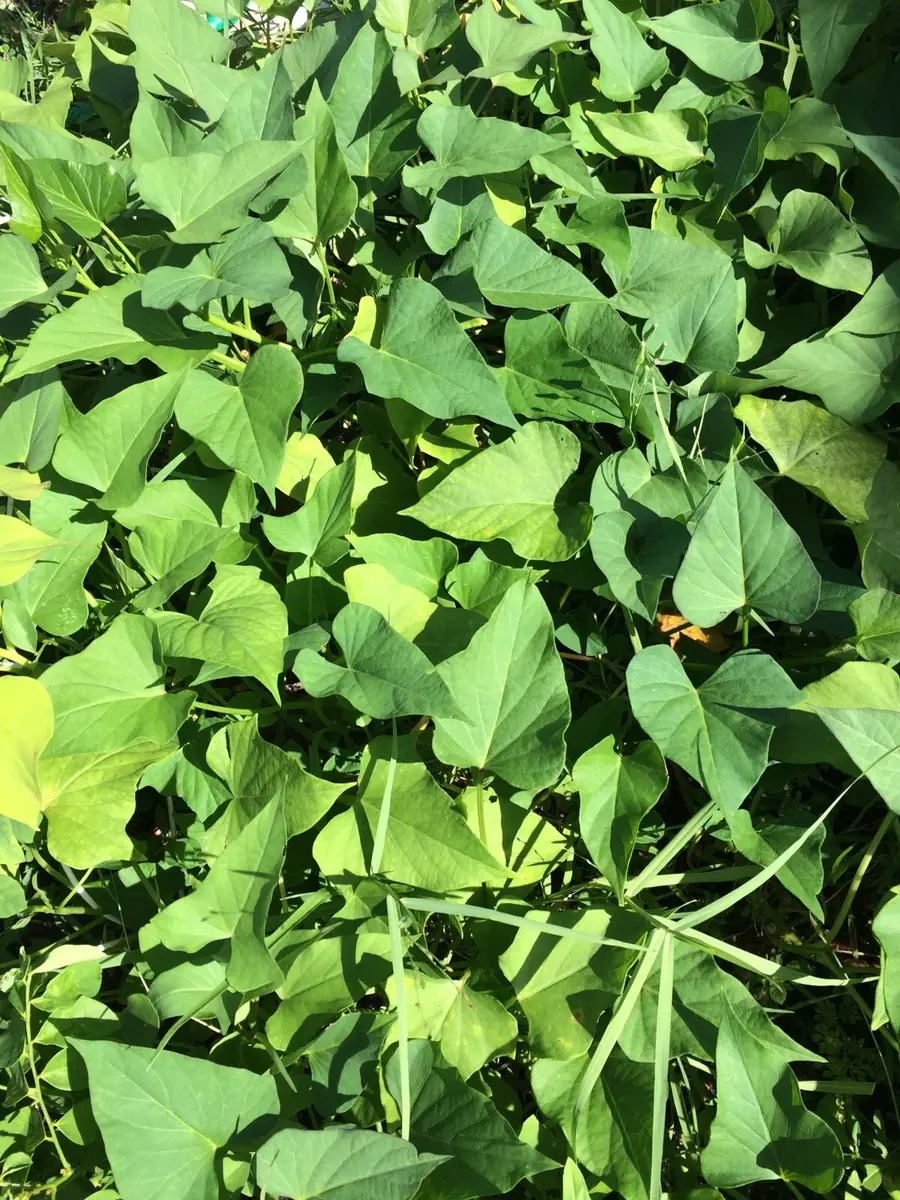
- Vigorous Growth: Once planted, these sweet potato slips will develop into strong, sprawling vines, providing attractive ground cover in your garden throughout the growing season. They are known for their robust growth and generous yields.
- Supports Healthy Living: By growing your own, you ensure a fresh, organic supply of these beneficial root vegetables, directly contributing to a healthier lifestyle for you and your family.
- Garden Aesthetics: The lush green foliage of the sweet potato vines adds a beautiful, tropical touch to your garden landscape, even before the harvest.
Plant Care & Growing Tips
To successfully grow purple sweet potatoes, understanding their specific care requirements is key. These plants thrive in conditions that mimic their tropical origins, favoring warmth and plenty of sunlight. For best results, plant your okinawa purple sweet potato plants after the last frost, when soil temperatures have consistently reached at least 65°F (18°C). They prefer a location that receives full sun, meaning at least 6-8 hours of direct sunlight daily. In hotter climates, some afternoon shade can be beneficial to prevent scorching, but generally, more sun equals more tubers.
The ideal soil for these sweet potatoes is well-draining, loose, and sandy loam with a pH between 5.8 and 6.2. Avoid heavy, compacted soils, as they can hinder tuber development. Amending your soil with compost or other organic matter will improve drainage and provide essential nutrients. Plant the slips about 12-18 inches apart in rows that are 3-4 feet apart. Ensure the bottom nodes of each slip are covered with soil, as roots and tubers will form from these points. Water thoroughly after planting. Consistent moisture is crucial during the initial growth phase, but once established, sweet potatoes are relatively drought-tolerant. Aim for about 1 inch of water per week, either from rainfall or irrigation. Fertilize sparingly; too much nitrogen can promote vine growth at the expense of tuber development. A balanced fertilizer or one slightly higher in phosphorus and potassium can be applied mid-season. Keep the area free of weeds, which can compete for nutrients and water. Watch out for common pests like sweet potato weevils, though these are less common in home gardens.
Harvesting usually occurs 90-120 days after planting, typically when the leaves begin to yellow. Carefully dig up the tubers, being mindful not to damage them. Cure the harvested sweet potatoes in a warm, humid environment for about a week to enhance their flavor and storage life. Proper curing is essential for the best taste and longevity of your japanese purple sweet potato harvest.
Size & Details
This offering includes 3 Okinawa Purple Sweet Potato Plants, provided as healthy, rooted slips. Each slip is typically 6-8 inches in length, ready to be transplanted directly into your garden or containers. When mature, the vines can sprawl up to 6-10 feet, providing excellent ground cover. The tubers themselves vary in size, generally ranging from 6-12 inches in length and 2-4 inches in diameter, depending on growing conditions and duration in the soil. These slips are shipped without a pot, carefully packaged to ensure their vitality upon arrival. Expect a productive harvest within 3-4 months after planting, providing a generous yield of these unique edible root vegetables. The plants are organic, ensuring you receive a natural and healthy start to your sweet potato crop.
Frequently Asked Questions
- Q: How big do these Okinawa Purple Sweet Potato Plants get? A: The vines of the okinawa purple sweet potato plants can spread quite extensively, often reaching 6 to 10 feet in length, making them excellent for ground cover. The tubers themselves typically grow to be 6-12 inches long and 2-4 inches in diameter, varying based on soil quality and growing season.
- Q: Is this an indoor or outdoor plant? A: While sweet potatoes are primarily outdoor plants that thrive in warm climates and full sun, they can be grown in large containers indoors in sufficiently warm and bright conditions, though yields might be smaller. They are best suited for outdoor garden beds.
- Q: How much sunlight does the Okinawa Purple Sweet Potato need? A: These plants require abundant sunlight to produce a good harvest. They flourish in full sun, needing at least 6-8 hours of direct sunlight per day. Adequate light is crucial for the development of healthy tubers.
- Q: Is this plant easy to care for? A: Yes, these organic sweet potato slips are considered relatively easy to care for once established. They are tolerant of various soil types and are quite forgiving, making them suitable for beginner gardeners interested in growing root vegetables.
- Q: What condition will the slips arrive in? A: The 3 Okinawa Purple Sweet Potato Plants will arrive as fresh, healthy slips, carefully packaged to maintain their moisture and vitality during transit. They will be ready for immediate planting upon arrival.
- Q: When is the best time to plant Okinawa Sweet Potatoes? A: The best time to plant these sweet potato slips is after the last danger of frost has passed in your region, typically in late spring or early summer, when soil temperatures are consistently warm (above 65°F or 18°C).
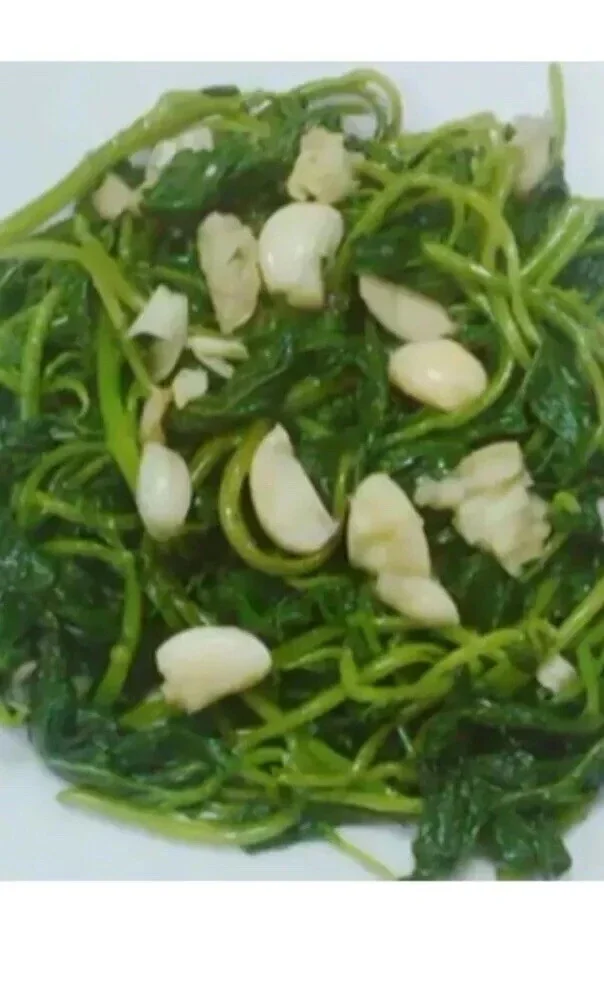
- Q: Can I use the leaves of the Okinawa Purple Sweet Potato in cooking? A: Yes, the young leaves of the japanese purple sweet potato are edible and are often used in Asian cuisine. They can be cooked like spinach or other greens, adding a nutritious element to stir-fries or soups.
- Q: What USDA hardiness zone are these sweet potatoes suitable for? A: Okinawa purple sweet potato plants are typically grown as annuals in most regions. However, they can be perennial in tropical or subtropical climates, generally thriving in USDA Zones 9-11, where they can survive mild winters.
- Q: How long until I can harvest the sweet potatoes? A: You can typically expect to harvest your edible root vegetables approximately 90 to 120 days after planting the slips. The exact timing depends on growing conditions and local climate.
- Q: Do I need to cure the sweet potatoes after harvesting? A: Yes, curing is highly recommended. After harvesting, cure the sweet potatoes in a warm (80-85°F), humid environment for about 5-7 days. This process enhances their sweetness and significantly extends their storage life.
Be the first to review “3 Okinawa Purple Sweet Potato Plants – Organic Slips for Planting, Full Sun”
People Also Viewed
Sold 89 products
$87.98
Sold 86 products
Original price was: $31.96.$15.98Current price is: $15.98.
Sold 76 products
From $44.00
Sold 58 products
$41.78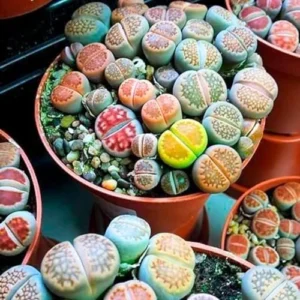
HousePlants
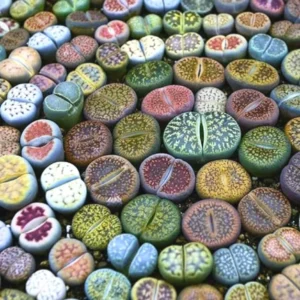
Lithops Live Plants Mix – 30 Colorful Succulents – Living Stones for Indoor/Outdoor Planting
Sold 55 products
Original price was: $65.98.$32.99Current price is: $32.99.
Sold 93 products
$48.38
Sold 61 products
Original price was: $39.98.$19.99Current price is: $19.99.
Sold 82 products
$39.58
Sold 64 products
Original price was: $42.76.$21.38Current price is: $21.38.
Sold 81 products
Original price was: $49.98.$39.98Current price is: $39.98.
Sold 95 products
$63.78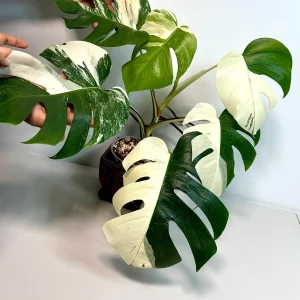
HousePlants
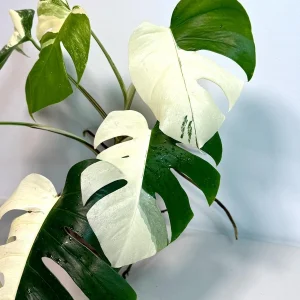
Variegated Monstera Albo Live Plant – Rare White Borsigiana Potted Houseplant – Large Form Indoor
Sold 87 products
Original price was: $1,192.00.$596.00Current price is: $596.00.
Fruits
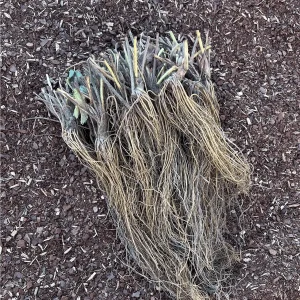
Cabot Strawberry Plants – Bare Root June-Bearing Variety – Extra Large Sweet Berries, Cold Hardy
Sold 94 products
From $51.80
Sold 100 products
Original price was: $76.00.$60.80Current price is: $60.80.
Sold 78 products
Original price was: $143.80.$71.90Current price is: $71.90.
Sold 69 products
From $43.80
Sold 81 products
From $13.98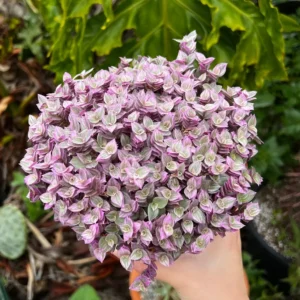
HousePlants
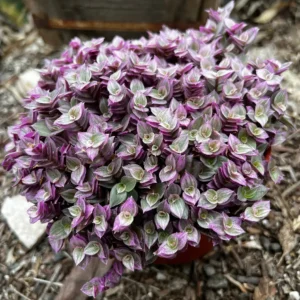
Callisia Repens Pink Lady Live Plant – Creeping Inch Plant – 2, 4, 6 inch pot – Indoor/Outdoor
Sold 70 products
From $9.78



Reviews
There are no reviews yet.