
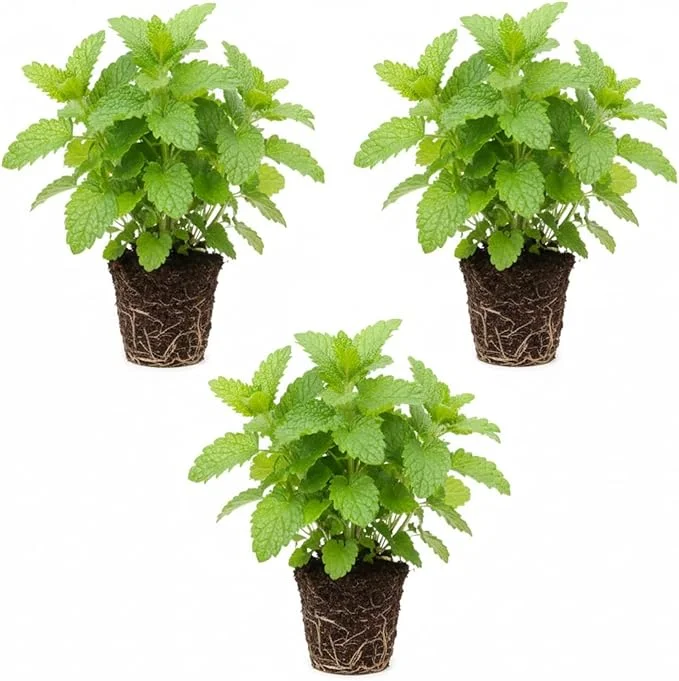
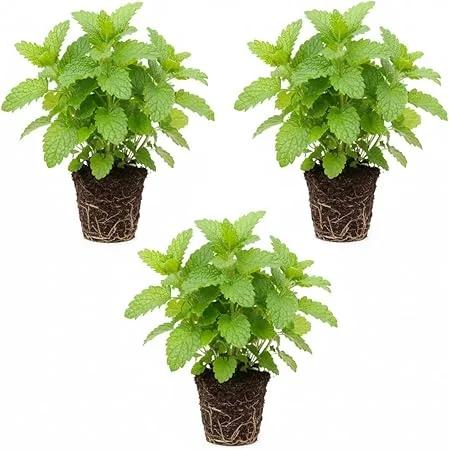
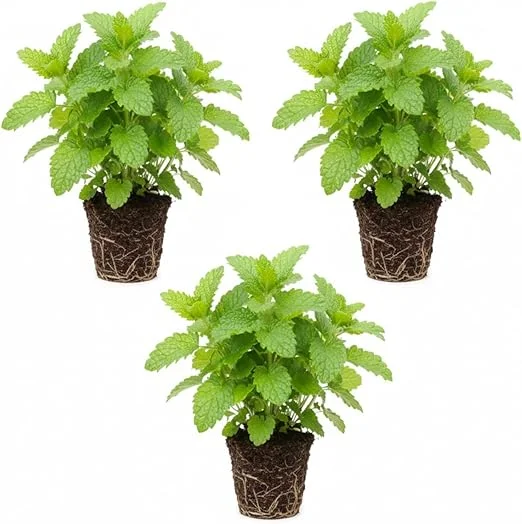
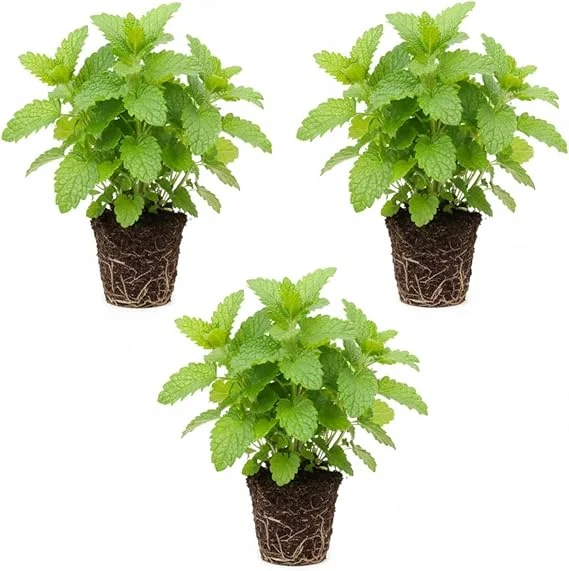
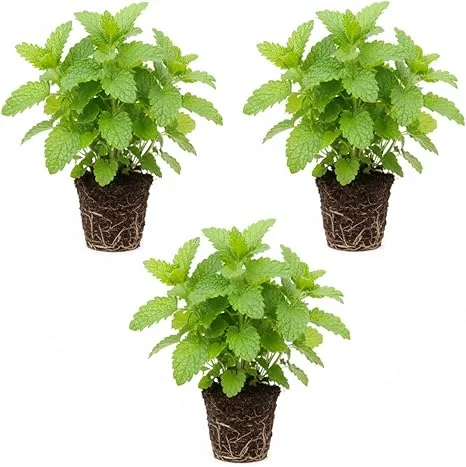
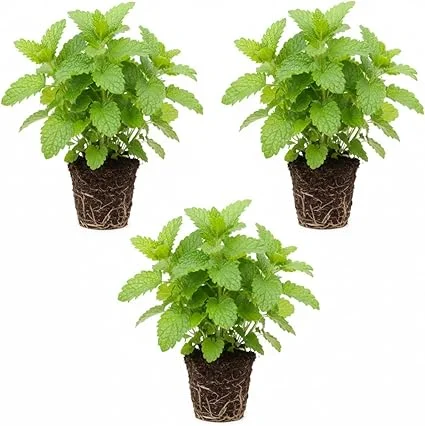
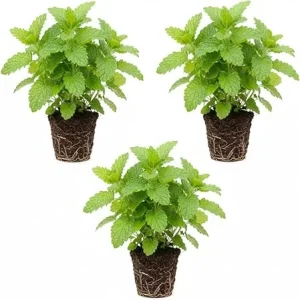
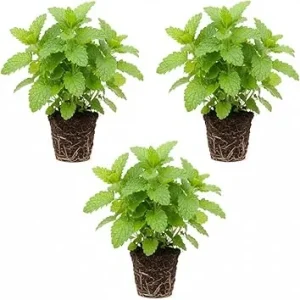
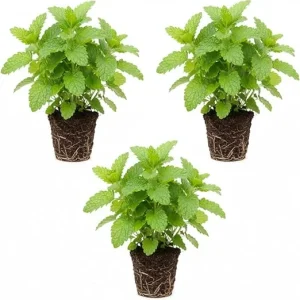
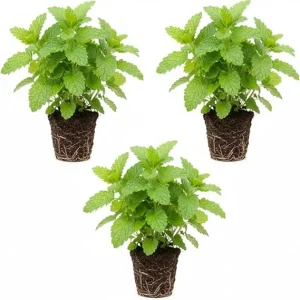
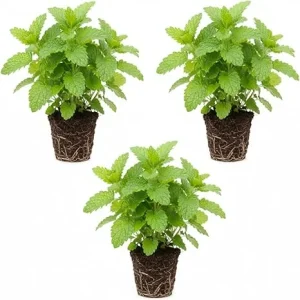
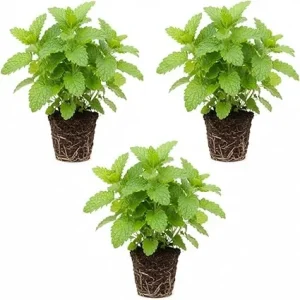
3 Lemon Balm Live Plants, 4-7” Tall, Easy Care Herb, Zones 4-9, Outdoor
$48.38
Cultivate your own aromatic garden with 3 vibrant lemon balm live plants. Perfect for culinary dishes, teas, or simply enjoying their refreshing lemon scent. These 4-7 inch tall, easy-care herbs are ideal for outdoor planting in USDA Zones 4-9.
- Refreshing lemon-scented foliage
- Hardy perennial for Zones 4-9
- Low-maintenance and vigorous growth
-
USDA Hardiness Zone
USDA Zones 4-9 -
Soil Type
Well-draining soil -
Sunlight Exposure
Full sun to partial shade -
Expected Planting Period
Spring to early summer

You can track your order HERE
Feb 14
Feb 19 - Feb 21
Feb 24 - Feb 28
Shipping and return policies: Our Alive & Thrive Guarantee covers issues with your plants within the first 30 days. Reach out to us. Our team will answer your questions and help you find the plants that are truly suitable for your environment, climate, and personal preferences.

Overview
Discover the joy of growing your own fragrant herbs with this set of 3 lemon balm live plants. Revered for centuries for its delightful citrusy aroma and versatile uses, lemon balm (Melissa officinalis) is a must-have for any garden, whether you’re a seasoned gardener or a beginner. These vigorous young plants arrive ready to thrive, typically standing 4-7 inches tall, offering a head start to establishing a lush, productive herb patch. Known for their bright green, crinkled leaves, these lemon balm live plants not only add beauty to your landscape but also provide fresh, lemon-scented foliage perfect for culinary creations, soothing teas, or as a natural air freshener. This hardy perennial will return year after year, offering a continuous supply of its charming leaves.
Originating from Southern Europe, the Mediterranean region, and Central Asia, lemon balm has a rich history of use in traditional medicine and aromatherapy. Its name ‘Melissa’ is Greek for ‘honey bee,’ reflecting its attractiveness to pollinators. These lemon balm live plants are incredibly adaptable, making them suitable for various garden settings, from dedicated herb beds to containers on a patio. Their compact yet vigorous growth habit ensures a bountiful harvest with minimal effort. Enjoy the simple pleasure of snipping fresh lemon balm leaves whenever inspiration strikes, knowing you’ve cultivated them yourself.
Key Benefits
Bringing lemon balm live plants into your home or garden offers a multitude of advantages, enhancing both your environment and your lifestyle. These resilient herbs are celebrated for their ease of care and abundant offerings.
- Delightful Lemon Scent: The primary allure of lemon balm live plants is their wonderfully refreshing, clean citrus-like scent. This aroma is released when the leaves are brushed or crushed, making them a perfect addition near pathways or seating areas.
- Culinary Versatility: Fresh lemon balm leaves can elevate a wide array of dishes. Use them in salads, fruit cups, desserts, or to infuse water, iced tea, and cocktails for a bright, zesty flavor. It’s an essential ingredient for many herbal remedies and culinary experiments.
- Attracts Pollinators: As its name suggests, lemon balm is a favorite among bees and other beneficial pollinators, contributing to the health and biodiversity of your garden ecosystem. Planting these lemon balm live plants can help support local bee populations.
- Low Maintenance: These are truly easy care herb plants. Once established, lemon balm requires minimal attention, making it an excellent choice for busy gardeners or those new to growing herbs. It tolerates a range of conditions and is generally pest-resistant.
- Hardy Perennial: Enjoy fresh lemon balm year after year! As a perennial lemon balm, it will reliably return each growing season in USDA Zones 4–9, saving you the effort and cost of replanting annually.
- Compact Growth Habit: Despite its vigorous nature, lemon balm maintains a manageable size, making it suitable for small gardens, raised beds, or even container gardening. Its tidy form adds a pleasant green texture wherever it’s placed.
- Aromatic & Therapeutic Qualities: Beyond its culinary uses, lemon balm is often used in aromatherapy for its calming properties. Its soothing scent can help create a relaxing atmosphere in your outdoor spaces.
Plant Care & Growing Tips
Caring for your lemon balm live plants is straightforward, ensuring a thriving and productive herb garden. These hardy plants are quite forgiving, making them ideal for both novice and experienced gardeners. For optimal growth, choose a location with full sun to partial shade. Full sun (6+ hours of direct sunlight) will encourage the most vigorous growth and strongest fragrance, while partial shade (4-6 hours of direct sunlight, especially afternoon shade in hot climates) can help prevent leaf scorch. When considering growing lemon balm, remember it’s adaptable to various conditions but truly flourishes with adequate light.
Lemon balm live plants prefer well-draining soil that is rich in organic matter. While they can tolerate average garden soil, amending heavy clay soils with compost will improve drainage and fertility. Ensure the planting site or container has good drainage to prevent root rot. Water regularly, especially during dry spells, keeping the soil consistently moist but not waterlogged. Allow the top inch or two of soil to dry out slightly between waterings. Overwatering is a common mistake, so always check soil moisture before adding more water. These easy care herb plants are quite resilient, but consistent moisture will yield the best results.
Lemon balm is a perennial lemon balm in USDA Hardiness Zones 4–9. In colder zones, it will die back to the ground in winter and re-emerge in spring. In warmer zones, it may remain evergreen. Fertilize sparingly; a balanced, all-purpose liquid fertilizer applied once or twice during the growing season is usually sufficient. Avoid excessive nitrogen, which can lead to lush foliage but weaker stems. Pruning is beneficial to encourage bushier growth and prevent the plant from becoming leggy. Pinch back stems regularly and trim back heavily after flowering to promote new growth and prevent self-seeding, which can be prolific. Keep an eye out for common garden pests, though lemon balm is generally quite resistant due to its strong scent.
Size & Details
This offering includes 3 healthy lemon balm live plants, each standing approximately 4-7 inches tall upon arrival. These young plants are carefully nurtured to ensure they are robust and ready for transplanting into your garden or containers. While their initial size is compact, lemon balm is known for its relatively fast and vigorous growth rate, quickly filling out its space. Mature plants typically reach a height and spread of 18-24 inches, forming an attractive, bushy mound of bright green foliage. The plants are shipped in a manner that protects their delicate roots and leaves, ensuring they arrive in optimal condition for successful planting.
These perennial lemon balm specimens are delivered as active, growing plants, not bare roots or seeds, providing an instant impact in your garden. With proper care, you can expect these plants to establish quickly and begin producing abundant lemon-scented leaves within their first growing season. They are well-suited for a variety of uses, from culinary and aromatic purposes to attracting beneficial insects to your garden. Their manageable size makes them an excellent choice for a wide range of gardening projects, whether you’re creating a dedicated herb garden, adding to a mixed border, or cultivating them in pots on a sunny windowsill or patio.
Frequently Asked Questions
- Q: How big do these lemon balm live plants get? A: Upon arrival, these lemon balm live plants are typically 4-7 inches tall. With proper care, mature plants can reach a height and spread of 18-24 inches, forming a lovely bushy herb.
- Q: Is this an indoor or outdoor plant? A: While lemon balm can temporarily be grown indoors in a bright, sunny spot, it thrives best as an outdoor plant. It is a hardy perennial, making it an excellent choice for garden beds or outdoor containers.
- Q: How much sunlight does lemon balm need? A: For optimal growth and strongest fragrance, lemon balm live plants prefer full sun (at least 6 hours of direct sunlight) but will also tolerate partial shade, especially in hotter climates where afternoon shade can prevent scorching.
- Q: Is this plant easy to care for? A: Yes, lemon balm is considered an easy care herb plant. It’s quite forgiving and requires minimal attention once established, making it perfect for beginners or those seeking low-maintenance herbs.
- Q: What condition will the plants arrive in? A: Your lemon balm live plants will arrive carefully packaged to protect their roots and foliage, ensuring they are healthy and ready for planting immediately upon delivery. They are actively growing plants, not bare roots or seeds.
- Q: Can I use lemon balm in cooking? A: Absolutely! Lemon balm is a fantastic culinary herb. Its fresh, citrusy flavor is excellent in teas, desserts, salads, cocktails, and to infuse water. It’s a key ingredient for many herbal recipes.
- Q: What’s the best time to plant lemon balm? A: The best time to plant these lemon balm live plants is in spring after the last frost, or in early fall. This allows the plants to establish themselves before extreme summer heat or winter cold.
- Q: Will it survive winter in my zone? A: Yes, as a perennial lemon balm, it is hardy in USDA Zones 4–9. In these zones, it will die back in winter and regrow from the roots in spring. In warmer zones, it may remain evergreen.
- Q: How often should I water my lemon balm? A: Water your lemon balm live plants regularly, keeping the soil consistently moist but not waterlogged. Allow the top inch or two of soil to dry out slightly between waterings, especially when growing lemon balm in containers.
- Q: Is lemon balm good for attracting pollinators? A: Yes, lemon balm is known to attract bees and other beneficial pollinators, making it an excellent addition to a pollinator garden. Its botanical name, ‘Melissa,’ even means ‘honey bee’ in Greek.
Be the first to review “3 Lemon Balm Live Plants, 4-7” Tall, Easy Care Herb, Zones 4-9, Outdoor”
People Also Viewed
Sold 90 products
Original price was: $17.98.$14.38Current price is: $14.38.
Sold 94 products
Original price was: $59.98.$29.99Current price is: $29.99.
Sold 86 products
Original price was: $76.00.$60.80Current price is: $60.80.
Sold 96 products
Original price was: $120.72.$40.24Current price is: $40.24.
Sold 97 products
Original price was: $197.60.$98.80Current price is: $98.80.
Sold 59 products
Original price was: $60.00.$48.00Current price is: $48.00.
Trees
Red Pride of Barbados Tree Live Plant – 6-10″ Tall Mexican Bird of Paradise Plant in Pot, Outdoor
Sold 80 products
Original price was: $59.98.$29.99Current price is: $29.99.
Sold 52 products
Original price was: $52.00.$41.60Current price is: $41.60.
Sold 97 products
Original price was: $191.80.$95.90Current price is: $95.90.
Sold 96 products
Original price was: $140.00.$112.00Current price is: $112.00.
Sold 78 products
Original price was: $201.60.$100.80Current price is: $100.80.
Sold 72 products
Original price was: $59.98.$41.98Current price is: $41.98.
Sold 50 products
Original price was: $71.00.$35.50Current price is: $35.50.
Sold 53 products
Original price was: $58.00.$46.40Current price is: $46.40.
Sold 59 products
Original price was: $355.96.$177.98Current price is: $177.98.
Sold 86 products
Original price was: $39.98.$31.98Current price is: $31.98.
Sold 68 products
Original price was: $36.00.$28.80Current price is: $28.80.
Sold 80 products
Original price was: $259.98.$129.99Current price is: $129.99.



Reviews
There are no reviews yet.