
3 Kadota Fig Tree Starter Plug Live Plants – Ficus carica ‘Kadota’ for Sweet Fruit
Original price was: $64.00.$51.20Current price is: $51.20.
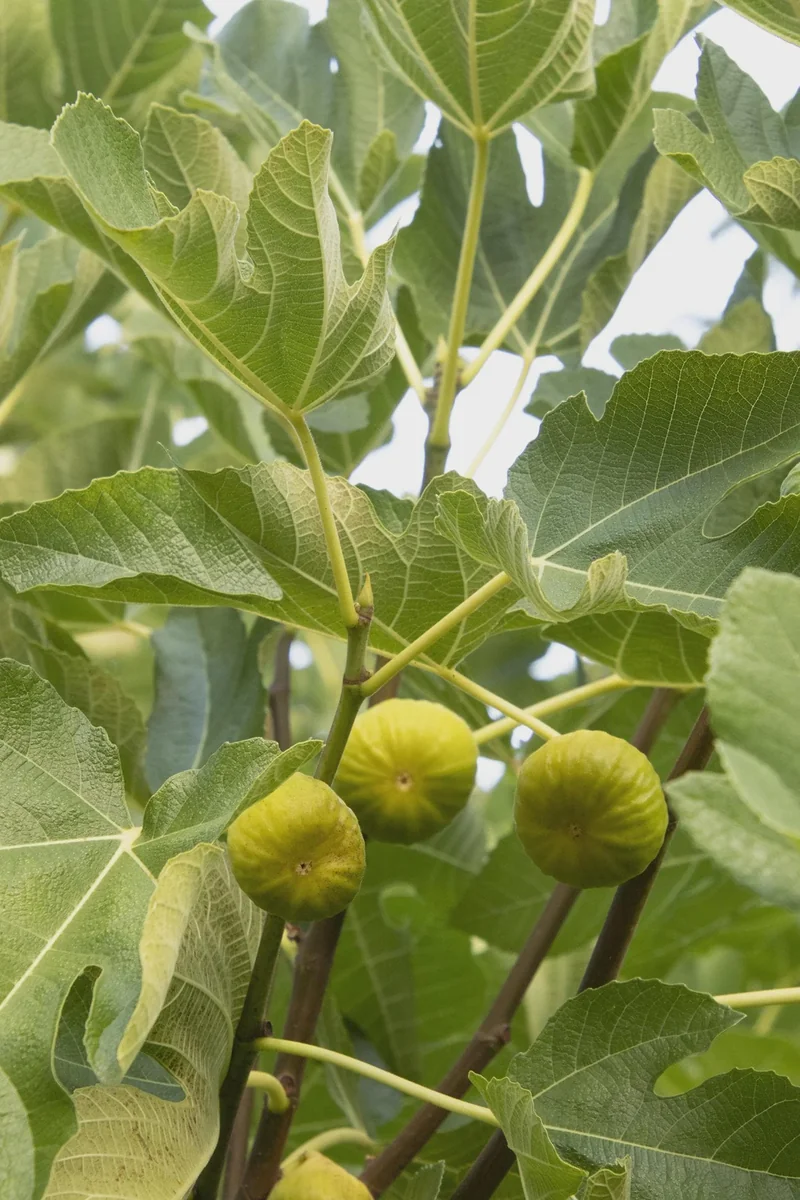
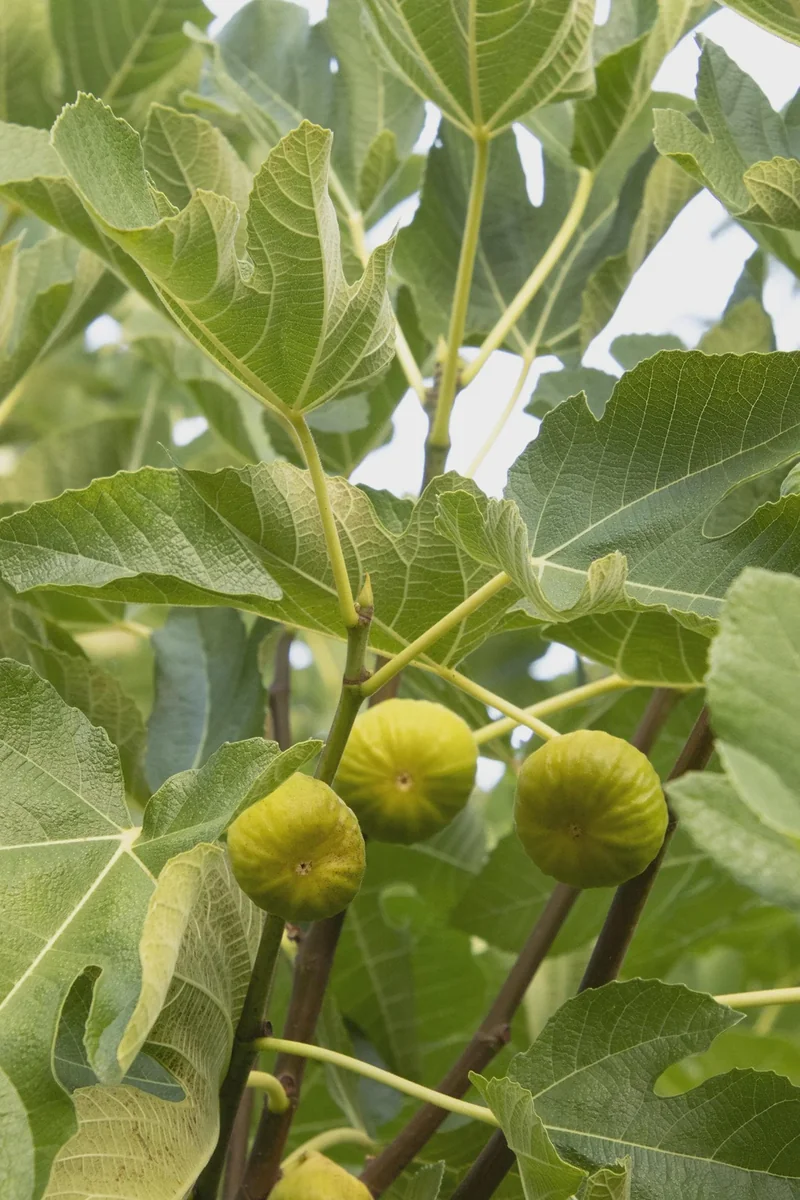
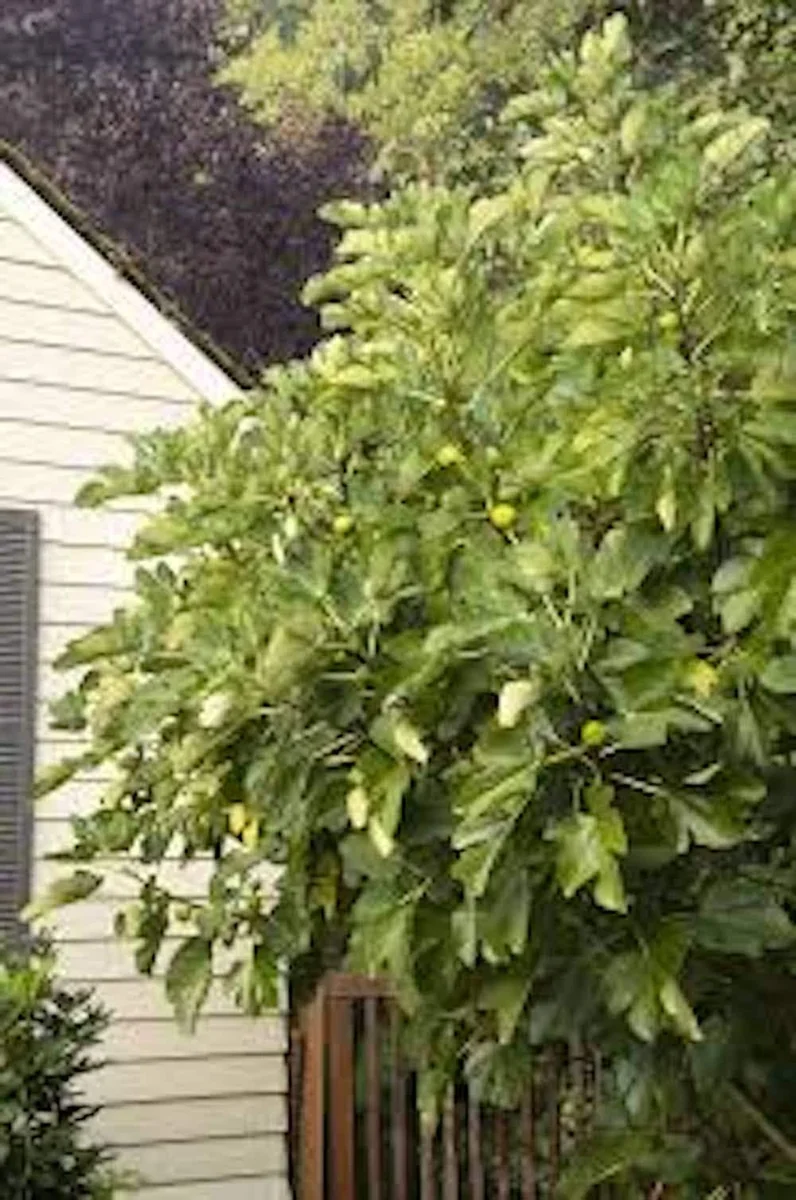
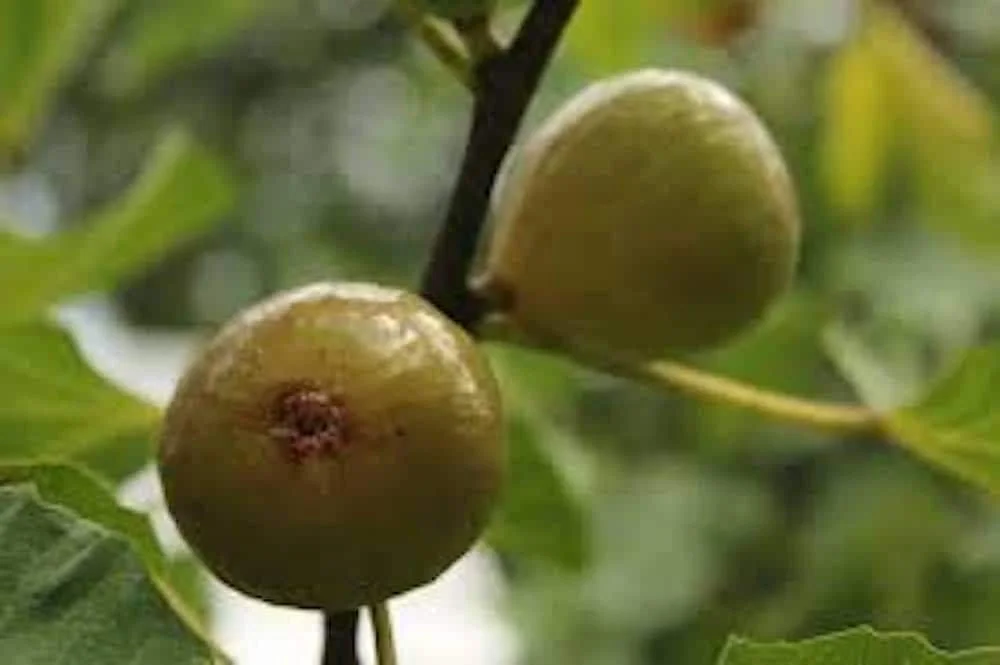
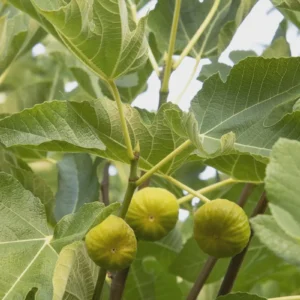
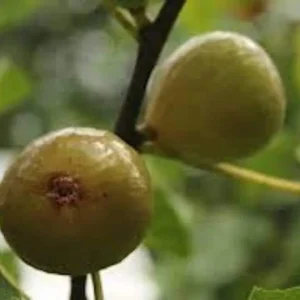
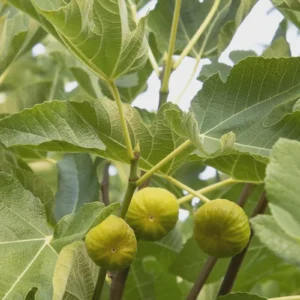
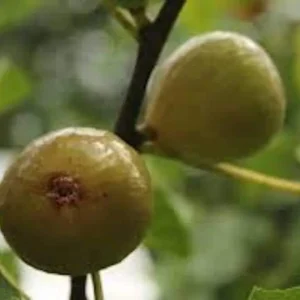
Cultivate your own delicious fruit with these 3 Kadota fig tree starter plug plants. The Ficus carica Kadota is a self-pollinating, low-maintenance variety known for its sweet, greenish-yellow figs. Perfect for home gardeners seeking an easy fig tree with reliable fruit production.
-
USDA Hardiness Zone
USDA zones 8-10 (with winter protection in colder zones) -
Soil Type
Well-draining soil, slightly acidic to neutral -
Sunlight Exposure
Full sun (6-8+ hours daily) -
Expected Planting Period
Spring to early summer

You can track your order HERE
Feb 28
Mar 05 - Mar 07
Mar 10 - Mar 14
Shipping and return policies: Our Alive & Thrive Guarantee covers issues with your plants within the first 30 days. Reach out to us. Our team will answer your questions and help you find the plants that are truly suitable for your environment, climate, and personal preferences.

Overview
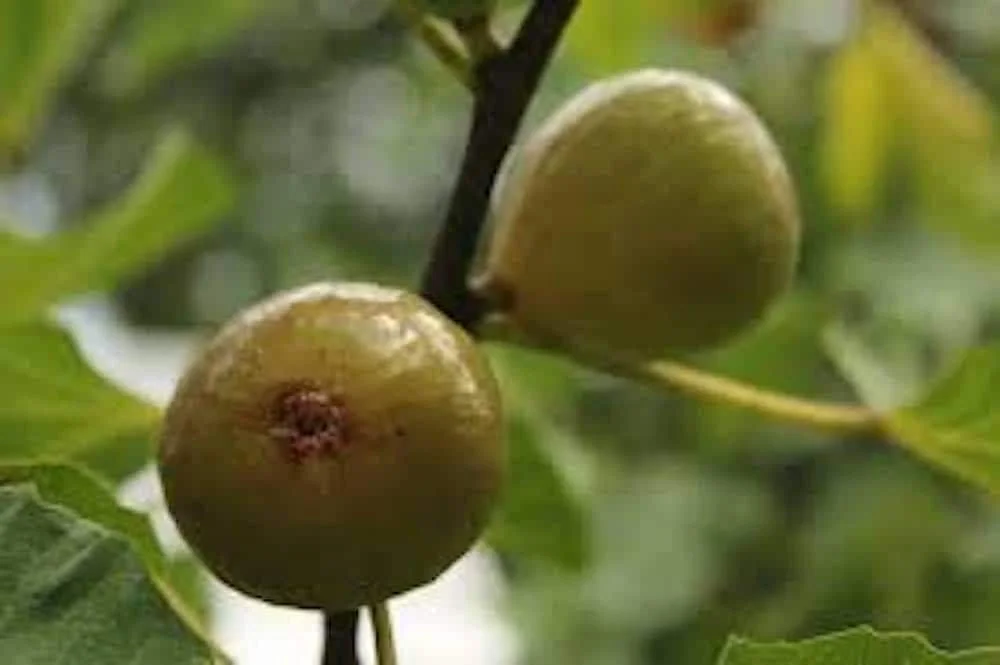
Embark on a rewarding gardening journey with this set of 3 Kadota fig tree starter plug plants. The Ficus carica Kadota, commonly known as the Kadota fig, is a prized deciduous fruit tree celebrated for its delectable, greenish-yellow fruit with smooth amber flesh. These live starter plug plants provide an excellent foundation for establishing your own fig orchard, whether you’re a seasoned gardener or just beginning. Originating from California, the Kadota fig is renowned for its vigorous growth and consistent yield, making it a popular choice for home cultivation. This particular variety is cherished for its sweet flavor and versatility, suitable for eating fresh, drying, or preserving. Growing your own Kadota fig tree allows you to enjoy fresh, organic fruit directly from your garden, ensuring maximum ripeness and flavor.
The Kadota fig is a resilient and adaptable plant, offering a taste of the Mediterranean right in your backyard. Its attractive foliage and unique fruit development add ornamental value to any landscape. These starter plugs are carefully nurtured to ensure a strong root system, providing the best chance for successful transplantation and growth. With proper care, these young plants will quickly establish themselves, paving the way for bountiful harvests in the coming seasons. The joy of harvesting your own sweet figs is unparalleled, and these fig tree starter plugs make that dream a reality.
Key Benefits
Choosing to grow the Kadota fig tree offers numerous advantages for the home gardener, combining ease of care with delicious rewards. This variety stands out for its reliability and exceptional fruit quality.
- Delicious Fruit Production: Enjoy sweet, greenish-yellow figs with smooth amber flesh, perfect for fresh eating, jams, or drying. The unique flavor of the Ficus carica Kadota is a culinary delight for any enthusiast.
- Self-Pollinating Variety: This fig tree is self-fertile, meaning it does not require another fig tree or fig wasps for pollination, ensuring fruit production even if you only plant one. This makes it an ideal easy fig tree for smaller gardens or urban settings.
- Low Maintenance: Once established, the Kadota fig is relatively low-maintenance, requiring minimal attention compared to many other fruit trees. It’s a robust plant that tolerates various conditions.
- Adaptable Growth: While it thrives in warm, dry climates, the Kadota fig can also be grown successfully in colder areas with adequate winter protection, demonstrating its versatility across different USDA zones.
- Vigorous & Productive: Known for its strong growth habit and generous yields, a healthy Kadota fig tree will provide an abundance of fruit for many years. These starter plugs are designed to give your tree the best possible start.
- Ornamental Appeal: Beyond its fruit, the tree itself adds a beautiful, Mediterranean flair to your garden with its distinctive lobed leaves and attractive growth habit.
- Health Benefits: Figs are a good source of dietary fiber, potassium, and other essential nutrients, contributing to a healthy diet directly from your garden.
Plant Care & Growing Tips
Caring for your 3 Kadota fig tree starter plug plants is straightforward, ensuring they grow into productive fruit-bearing trees. These fig trees prefer a location that receives full sun, meaning at least 6-8 hours of direct sunlight per day. Adequate sunlight is crucial for fruit development and overall plant health. When planting, ensure the soil is well-draining, as figs do not tolerate soggy roots. A slightly acidic to neutral soil pH (6.0-7.0) is ideal. Amend heavy clay soils with organic matter like compost to improve drainage and fertility. For container growing, use a high-quality potting mix designed for fruit trees or general-purpose plants.
Watering is essential, especially during the first year of establishment and during dry spells. Water deeply and regularly, allowing the top few inches of soil to dry out slightly between waterings. Reduce watering frequency in cooler months. Fertilize your Ficus carica Kadota in early spring with a balanced slow-release fertilizer or an organic compost. Avoid excessive nitrogen, which can promote leafy growth at the expense of fruit production. Pruning should be done in late winter or early spring while the tree is dormant. Remove any dead, damaged, or crossing branches to improve air circulation and sunlight penetration. Shape the tree to maintain an open structure for better fruit access. Protect young trees in colder climates during winter by mulching heavily around the base or wrapping the trunk with burlap. The easy fig tree nature of the Kadota variety makes it forgiving, but consistent care will yield the best results for your Kadota fig tree.
Size & Details
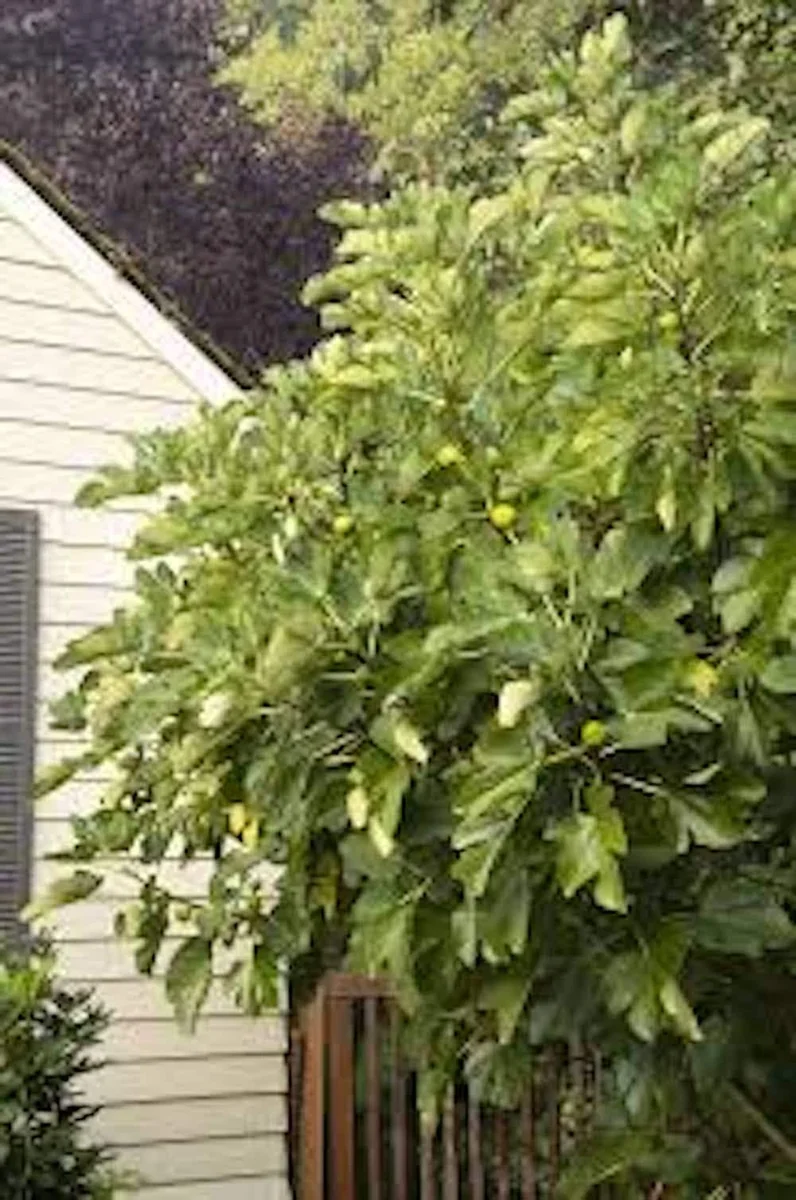
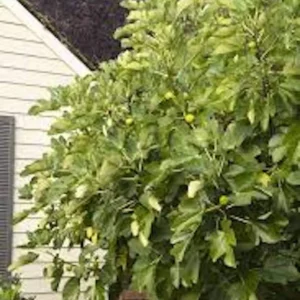
This offering includes 3 Kadota fig tree starter plug plants, providing a strong foundation for your home orchard. Each starter plug is carefully cultivated to ensure a robust root system, ready for transplanting into your garden or a larger container. These young plants represent the initial stage of growth for the Ficus carica ‘Kadota’ variety, which typically matures into a medium-sized tree, often reaching 10-15 feet in height and spread, though it can be kept smaller with regular pruning. The growth rate is moderate, allowing the tree to establish itself well within a few seasons.
Upon arrival, these plants will be ready for immediate planting. They are shipped in a manner that protects their delicate root systems, ensuring they arrive healthy and viable. Expected time to first fruit can range from 1-3 years after planting, depending on growing conditions and care. The Ficus carica Kadota is a reliable producer, and with these starter plugs, you’re investing in years of delicious harvests. For optimal establishment, follow the care instructions provided to help these young fig tree starter plants thrive and develop into mature, fruit-bearing specimens.
Frequently Asked Questions
- Q: How big does this Kadota fig tree get? A: A mature Kadota fig tree typically reaches a height and spread of 10-15 feet, though its size can be managed with proper pruning to fit smaller garden spaces or for container growing.
- Q: Is this an indoor or outdoor plant? A: The Ficus carica Kadota is primarily an outdoor plant, thriving in garden settings. However, it can be grown in large containers and brought indoors during winter in colder climates.
- Q: How much sunlight does the easy fig tree need? A: Kadota fig trees require full sun, which means at least 6-8 hours of direct sunlight per day, especially for optimal fruit production.
- Q: Is this plant easy to care for? A: Yes, the Kadota fig is considered an easy fig tree to care for, especially once established. It’s relatively low-maintenance compared to many other fruit trees, making it suitable for beginners.
- Q: What condition will the fig tree starter plugs arrive in? A: The starter plugs are shipped with care to ensure they arrive healthy and ready for planting, with a well-developed root system to facilitate successful establishment.
- Q: When is the best time to plant these Kadota fig tree starter plugs? A: The best time to plant is typically in spring after the last frost, or in early fall in warmer climates, allowing the roots to establish before extreme temperatures.
- Q: Will this tree survive winter in my zone? A: The Kadota fig is generally hardy in USDA zones 8-10. In colder zones (USDA 7 or below), it will require winter protection or must be grown in a container and overwintered indoors.
- Q: Does the Ficus carica Kadota require a pollinator? A: No, the Kadota fig is a self-pollinating variety, meaning it does not need a second fig tree or fig wasps to produce fruit, making it a convenient choice for any garden.
- Q: How long until I can expect fruit from these starter plugs? A: With good care, you can typically expect your Kadota fig tree to start producing fruit within 1-3 years after planting these starter plugs.
- Q: What kind of soil does this fig tree prefer? A: This fig tree prefers well-draining soil with a slightly acidic to neutral pH (6.0-7.0). Amending with organic matter can improve soil structure and fertility.
Be the first to review “3 Kadota Fig Tree Starter Plug Live Plants – Ficus carica ‘Kadota’ for Sweet Fruit”
People Also Viewed

Sold 77 products
Original price was: $89.98.$44.99Current price is: $44.99.

Sold 83 products
Original price was: $30.85.$10.34Current price is: $10.34.
Sold 90 products
Original price was: $35.73.$12.29Current price is: $12.29.
Sold 55 products
Original price was: $43.85.$15.54Current price is: $15.54.
Sold 63 products
Original price was: $45.48.$16.19Current price is: $16.19.

Trees
Emerald Green Arborvitae Live Tree – 6-12″ Tall – 4″ Pot – Thuja occidentalis – Outdoor Evergreen
Sold 74 products
Original price was: $21.10.$6.44Current price is: $6.44.
Sold 79 products
Original price was: $67.96.$33.98Current price is: $33.98.
Sold 80 products
Original price was: $24.35.$7.74Current price is: $7.74.

Sold 94 products
Original price was: $183.60.$71.44Current price is: $71.44.
Sold 61 products
Original price was: $111.96.$55.98Current price is: $55.98.
Sold 76 products
Original price was: $91.98.$45.99Current price is: $45.99.
Sold 59 products
Original price was: $68.23.$25.29Current price is: $25.29.
Sold 73 products
Original price was: $39.98.$19.99Current price is: $19.99.
Sold 53 products
Original price was: $24.35.$7.74Current price is: $7.74.
Sold 66 products
From $43.98

Sold 100 products
Original price was: $35.73.$12.29Current price is: $12.29.
Flower Bulbs
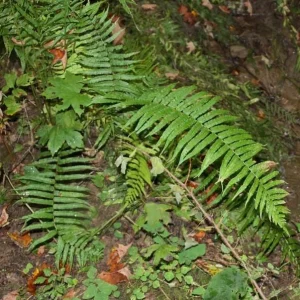
40 Glade Fern Bulbs – Diplazium Pycnocarpon – Deciduous Fern – 2-3′ Tall – Part to Full Shade
Sold 77 products
Original price was: $180.00.$90.00Current price is: $90.00.
Sold 73 products
Original price was: $34.10.$11.64Current price is: $11.64.



Reviews
There are no reviews yet.