
3 Dwarf Crested Iris Bare Root Plants – Organic Wildflower
Original price was: $17.98.$14.38Current price is: $14.38.
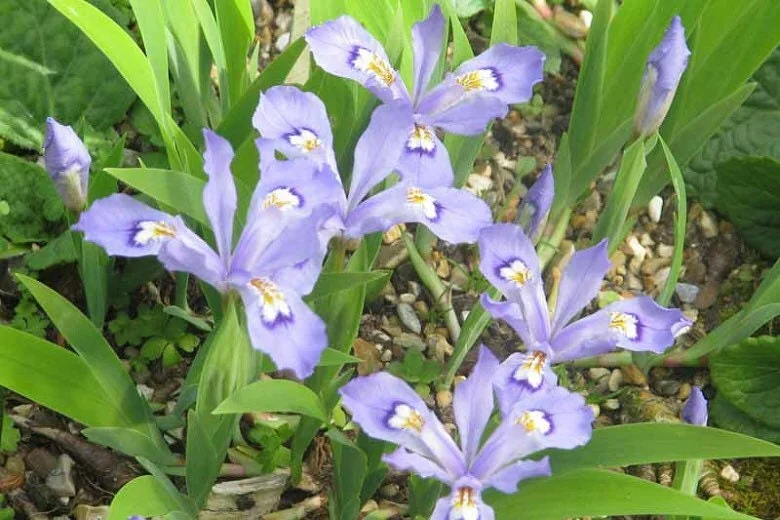
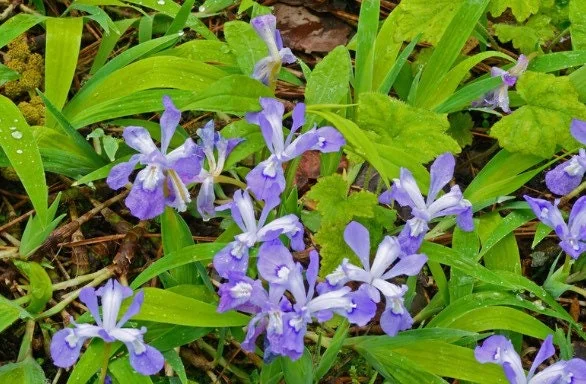
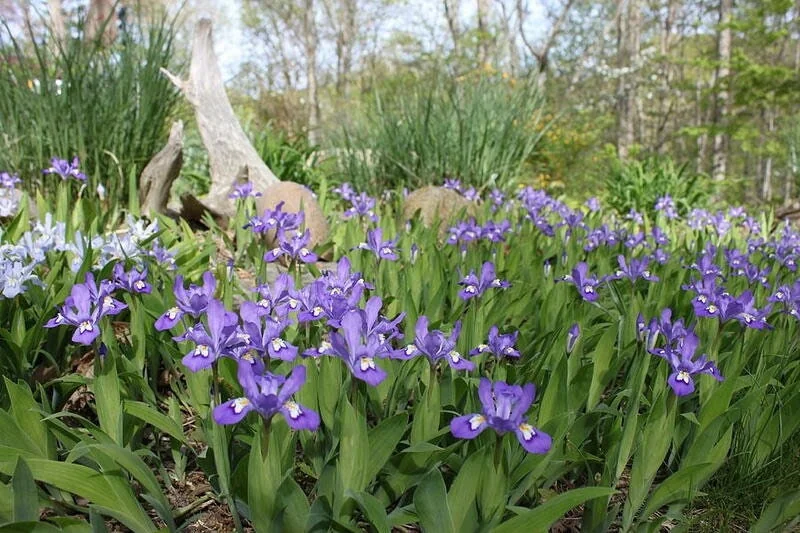
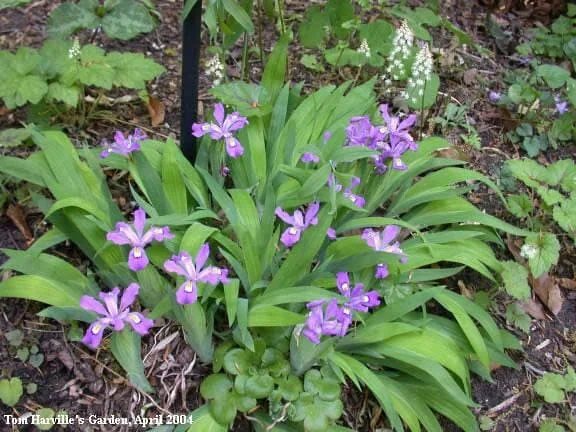
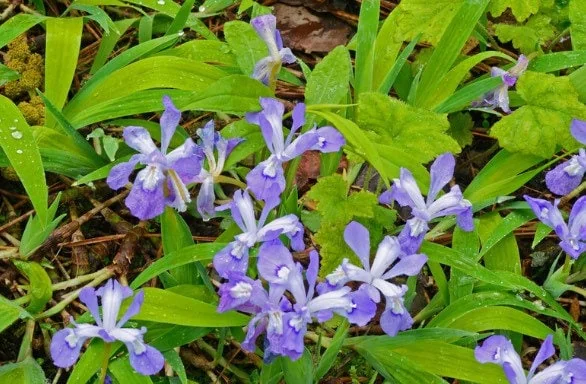
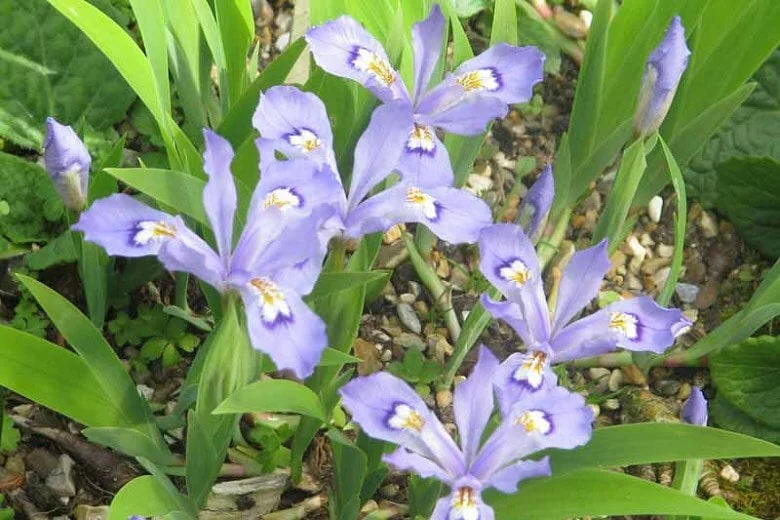
Bring charming native beauty to your garden with 3 Dwarf Crested Iris bare root plants. These organically grown wildflowers produce lovely lavender-blue blooms, perfect for naturalizing or rock gardens. They are shipped fresh and ready for planting, offering an easy way to establish a vibrant groundcover.
-
USDA Hardiness Zone
USDA Zones 3-9 -
Soil Type
Well-draining, humus-rich soil -
Sunlight Exposure
Partial shade to dappled sunlight -
Expected Planting Period
Early spring or fall

You can track your order HERE
Apr 12
Apr 17 - Apr 19
Apr 22 - Apr 26
Shipping and return policies: Our Alive & Thrive Guarantee covers issues with your plants within the first 30 days. Reach out to us. Our team will answer your questions and help you find the plants that are truly suitable for your environment, climate, and personal preferences.

Overview
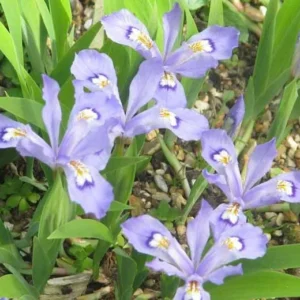
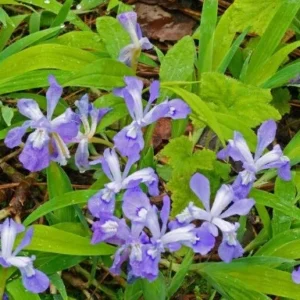
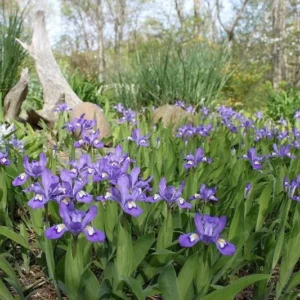
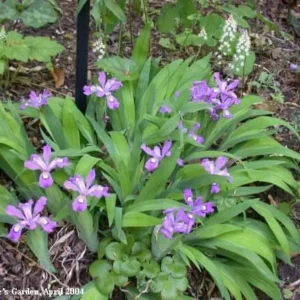
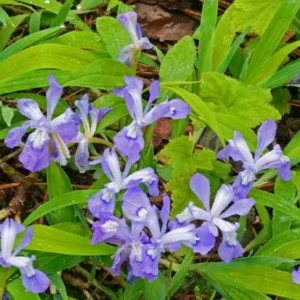
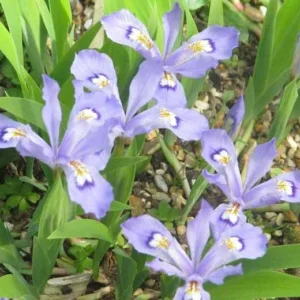
Introduce delightful color and charm to your landscape with these 3 Dwarf Crested Iris bare root plants. Each order provides three organically grown, bare root specimens of Iris cristata, commonly known as Dwarf Crested Iris or Crested Dwarf Iris. These captivating wildflowers are beloved for their stunning lavender-blue to violet flowers, often adorned with a distinctive crest of white and yellow. Perfect for naturalizing, rock gardens, or woodland settings, the Dwarf Crested Iris bare root plants offer a low-maintenance solution for adding vibrant springtime beauty to your outdoor spaces. They are an excellent choice for gardeners seeking to create a native plant garden or simply enjoy the delicate allure of these compact irises.
The Dwarf Crested Iris is a resilient and enchanting perennial, native to the eastern United States. Its small stature makes it ideal for front-of-border planting, under deciduous trees, or along pathways. These plants are shipped in a bare root form, which means they are dormant and ready to establish quickly once planted in your garden. Growing Dwarf Crested Iris bare root plants ensures you receive vigorous, healthy specimens that will thrive and multiply over time, providing a carpet of exquisite blooms each spring.
Key Benefits
Cultivating Dwarf Crested Iris bare root plants offers a multitude of advantages for your garden. Their natural beauty and hardiness make them a valuable addition to various landscape designs, providing consistent performance and aesthetic appeal year after year.
- Vibrant Spring Blooms: Enjoy a spectacular display of delicate lavender-blue to violet flowers in early to mid-spring, adding a burst of color when many other plants are just beginning to emerge. The unique crested petals make these blooms particularly striking.
- Low Maintenance & Hardy: Once established, Dwarf Crested Iris bare root plants require minimal care, making them perfect for busy gardeners or those seeking an effortless garden. They are robust and tolerant of various conditions, thriving with little intervention.
- Excellent Groundcover: These irises spread to form dense colonies, creating an attractive and effective groundcover that helps suppress weeds and prevent soil erosion. They are ideal for naturalizing in woodland gardens or under deciduous trees.
- Attracts Pollinators: The cheerful flowers of the Dwarf Crested Iris are a magnet for early pollinators, including bees and butterflies, contributing to the biodiversity and health of your garden ecosystem.
- Organically Grown: Our bare root plants are cultivated using organic practices, ensuring you receive healthy, chemical-free specimens that are beneficial for both your garden and the environment.
- Deer Resistant: A significant advantage for many gardeners, Iris cristata is generally resistant to deer, meaning your beautiful blooms are less likely to be disturbed by local wildlife.
- Versatile Landscape Use: Suitable for rock gardens, borders, woodland edges, naturalized areas, or mass plantings, these irises adapt well to different garden styles and settings. Consider growing Dwarf Crested Iris in shaded areas for best results.
Plant Care & Growing Tips
Caring for Dwarf Crested Iris bare root plants is straightforward, making them an excellent choice for gardeners of all experience levels. These resilient wildflowers prefer conditions that mimic their native woodland habitats. For optimal growth, plant your bare root irises in a location that receives partial shade to dappled sunlight. While they can tolerate more sun in cooler climates or if consistently moist, they generally perform best with some afternoon shade, especially in hotter regions. Good air circulation is also beneficial to prevent fungal issues.
When it comes to soil, Dwarf Crested Iris care thrives in well-draining, humus-rich soil. They appreciate a slightly acidic to neutral pH. Amend heavy clay soils with organic matter like compost or leaf mold to improve drainage and fertility. Ensure the planting site doesn’t retain standing water, as this can lead to rot. Water new plantings regularly to help establish the root system, keeping the soil consistently moist but not waterlogged. Once established, these irises are moderately drought-tolerant but will benefit from supplemental watering during prolonged dry spells. Fertilize sparingly in early spring with a balanced, slow-release granular fertilizer or a layer of compost around the base of the plants. Divide clumps every 3-5 years to maintain vigor and prevent overcrowding, which is a key aspect of growing Dwarf Crested Iris successfully. Understanding their natural habitat will greatly assist in providing the best conditions for these beautiful organic wildflowers.
Size & Details
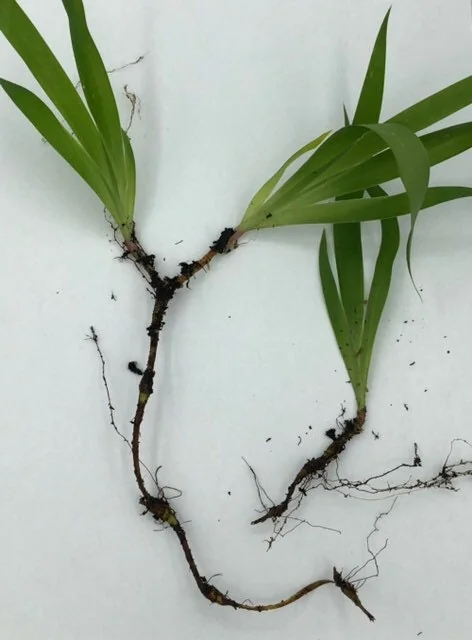
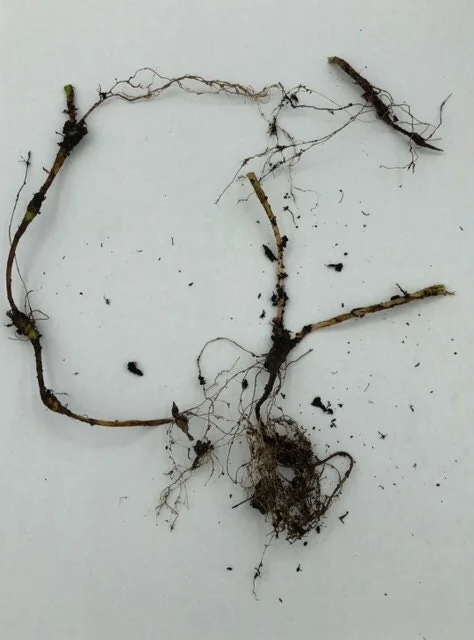
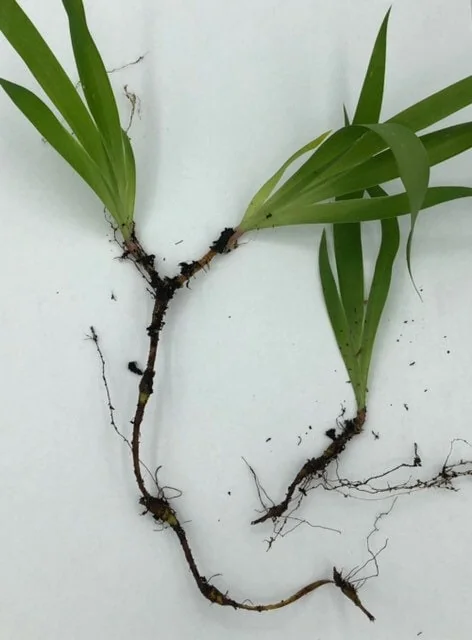
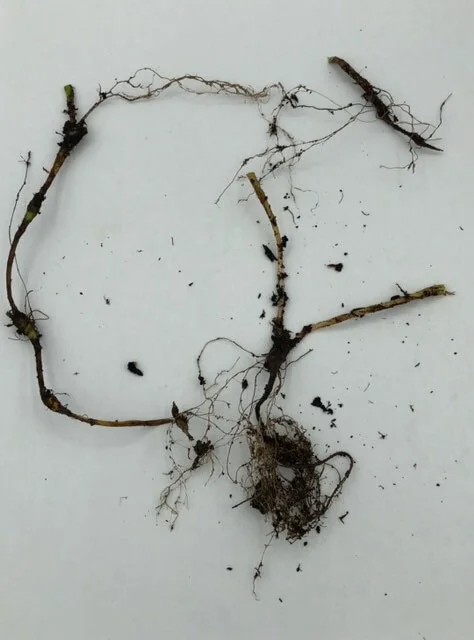
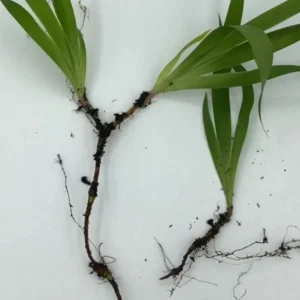
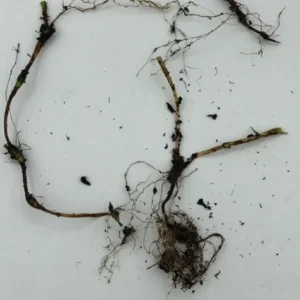
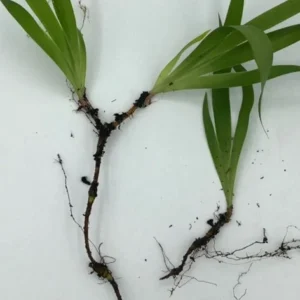
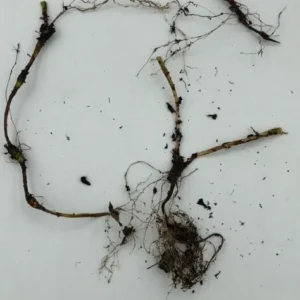
This offering includes 3 Dwarf Crested Iris bare root plants, ready for immediate planting upon arrival. Each bare root specimen is carefully harvested per order to ensure freshness and viability. Dwarf Crested Iris (Iris cristata) typically grows to a compact height of 6-8 inches (15-20 cm) with a similar spread, forming attractive clumps of foliage. The rhizomes spread slowly to create a beautiful groundcover over time. These plants are shipped without foliage or pots, as true bare root plants, which allows for easier transplanting and establishment.
Expect these organic wildflowers to establish quickly once planted, with foliage emerging in spring and the characteristic lavender-blue flowers appearing from mid-spring to early summer, depending on your climate. Their compact size makes them ideal for small gardens, rockeries, or as an underplanting for larger shrubs and trees. The small, sword-like leaves provide attractive texture even when not in bloom. Proper Iris cristata planting and care will ensure vibrant blooms for years to come.
Frequently Asked Questions
- Q: How big does this plant get? A: Dwarf Crested Iris bare root plants typically grow to a compact height of 6-8 inches (15-20 cm) with a similar spread, forming attractive, low-growing clumps of foliage.
- Q: Is this an indoor or outdoor plant? A: The Dwarf Crested Iris is an outdoor perennial wildflower, best suited for garden beds, rock gardens, and naturalized areas. It is not generally grown as an indoor houseplant.
- Q: How much sunlight does it need? A: These plants thrive in partial shade to dappled sunlight. They can tolerate more sun in cooler climates, but prefer some afternoon shade, especially in hotter regions, to prevent leaf scorch.
- Q: Is this plant easy to care for? A: Yes, Dwarf Crested Iris care is considered low-maintenance once established. They are hardy and resilient, making them a great choice for beginner gardeners or those looking for effortless beauty.
- Q: What condition will it arrive in? A: Your 3 Dwarf Crested Iris bare root plants will arrive as dormant bare roots, meaning they will not have foliage or a pot. They are harvested fresh per order to ensure optimal health and vigor for planting.
- Q: Is it pet-safe? A: Like many iris varieties, Dwarf Crested Iris rhizomes can be mildly toxic if ingested by pets. It’s best to keep pets from digging up or chewing on the plant parts.
- Q: When is the best time to plant these bare roots? A: The best time for growing Dwarf Crested Iris bare roots is typically in early spring or fall, allowing them to establish their root systems before extreme temperatures.
- Q: Will it survive winter in my zone? A: Iris cristata is a hardy perennial, typically thriving in USDA Hardiness Zones 3-9, meaning it can withstand cold winter temperatures in a wide range of climates.
- Q: What type of soil does it prefer? A: For successful Dwarf Crested Iris care, plant in well-draining, humus-rich soil. They prefer a slightly acidic to neutral pH and do not tolerate soggy conditions.
- Q: How long until it blooms? A: Once planted, expect your Dwarf Crested Iris bare root plants to produce their beautiful blooms in the spring following their establishment, typically in early to mid-spring.
Be the first to review “3 Dwarf Crested Iris Bare Root Plants – Organic Wildflower”
People Also Viewed
Sold 76 products
Original price was: $71.96.$35.98Current price is: $35.98.
Sold 98 products
Original price was: $149.98.$74.99Current price is: $74.99.
Sold 77 products
Original price was: $79.98.$39.99Current price is: $39.99.
Sold 98 products
Original price was: $28.76.$14.38Current price is: $14.38.
Sold 50 products
Original price was: $39.98.$19.99Current price is: $19.99.
Sold 78 products
From $47.80
Sold 67 products
Original price was: $37.98.$18.99Current price is: $18.99.
Sold 65 products
From $51.80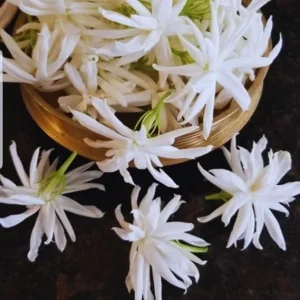
Flower Plants
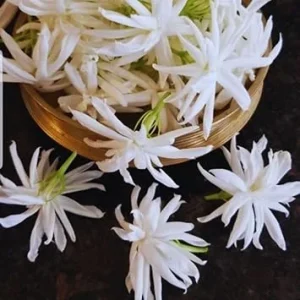
Jasmine Live Plants – 2 Pack, 5-7 Inch Tall, Perennial Blooming Flower Plant, Indoor/Outdoor
Sold 51 products
Original price was: $55.58.$27.79Current price is: $27.79.
Flower Plants
Sold 86 products
Original price was: $47.58.$23.79Current price is: $23.79.
Sold 59 products
Original price was: $31.98.$15.99Current price is: $15.99.
Sold 58 products
$63.78
Flowers
Set of 2 New Gold Lantana Live Plants – 4-6″ Tall – Yellow Flowers – Attracts Pollinators – Outdoor
Sold 89 products
Original price was: $32.18.$16.09Current price is: $16.09.
Sold 52 products
Original price was: $97.98.$48.99Current price is: $48.99.
Sold 90 products
Original price was: $28.76.$14.38Current price is: $14.38.
Sold 88 products
Original price was: $29.98.$14.99Current price is: $14.99.
Sold 88 products
Original price was: $102.18.$51.09Current price is: $51.09.
Sold 50 products
Original price was: $165.56.$82.78Current price is: $82.78.





%20–%204-8″%20Tall%20Edible%20Culinary%20Galangal&url=https://gardennursery.net/product/set-of-2-live-thai-ginger-plants-alpinia-galanga-4-8-tall-edible-culinary-galangal/&media=https://img.gardennursery.net/2026/03/set-of-2-live-thai-ginger-plants-alpinia-galanga-4-f0657b7f.webp)

Reviews
There are no reviews yet.