
3 Dunstan Hybrid Chestnut Bare Root Trees – Blight Resistant, 12-24in Tall
Original price was: $66.00.$52.80Current price is: $52.80.
Cultivate your own harvest with this pack of 3 Dunstan Hybrid Chestnut tree bare root plants. These 12-24 inch tall trees are celebrated for their natural resistance to chestnut blight, offering abundant nut production and ornamental beauty. Ideal for USDA zones 5-8, they thrive in various soil types, making them a versatile and rewarding addition to any landscape.
-
USDA Hardiness Zone
USDA zones 5-8 -
Soil Type
Well-draining, slightly acidic to neutral soil -
Sunlight Exposure
Full sun -
Expected Planting Period
Late fall to early spring

You can track your order HERE
Apr 12
Apr 17 - Apr 19
Apr 22 - Apr 26
Shipping and return policies: Our Alive & Thrive Guarantee covers issues with your plants within the first 30 days. Reach out to us. Our team will answer your questions and help you find the plants that are truly suitable for your environment, climate, and personal preferences.

Overview
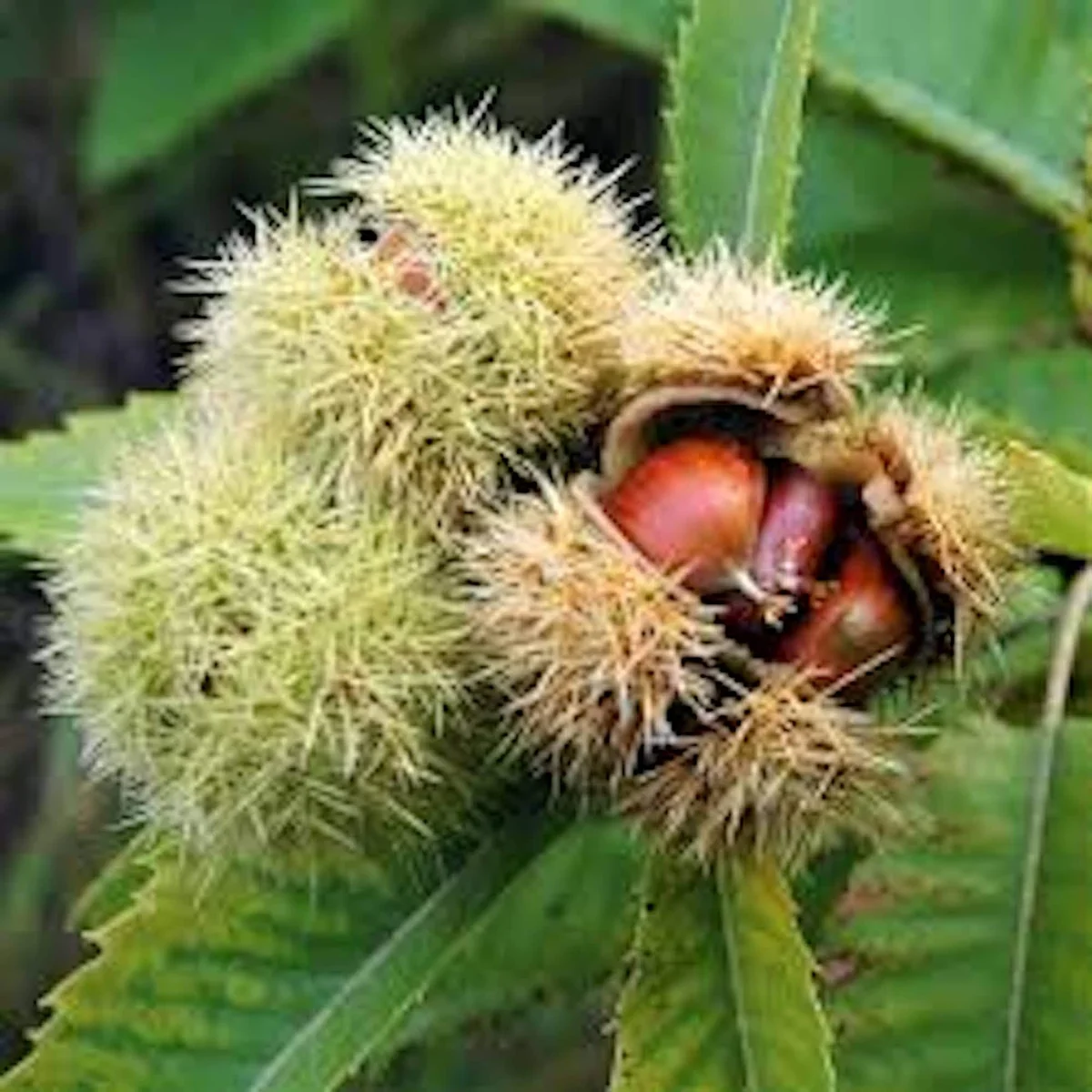
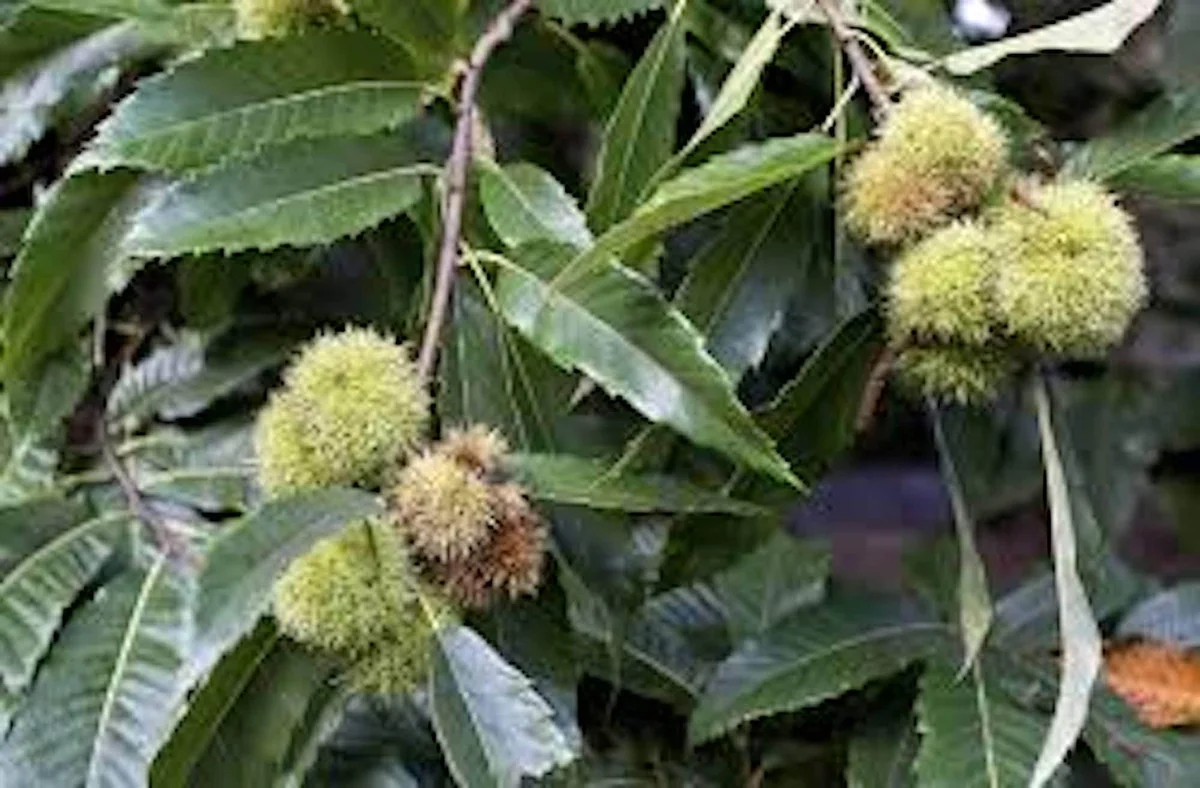
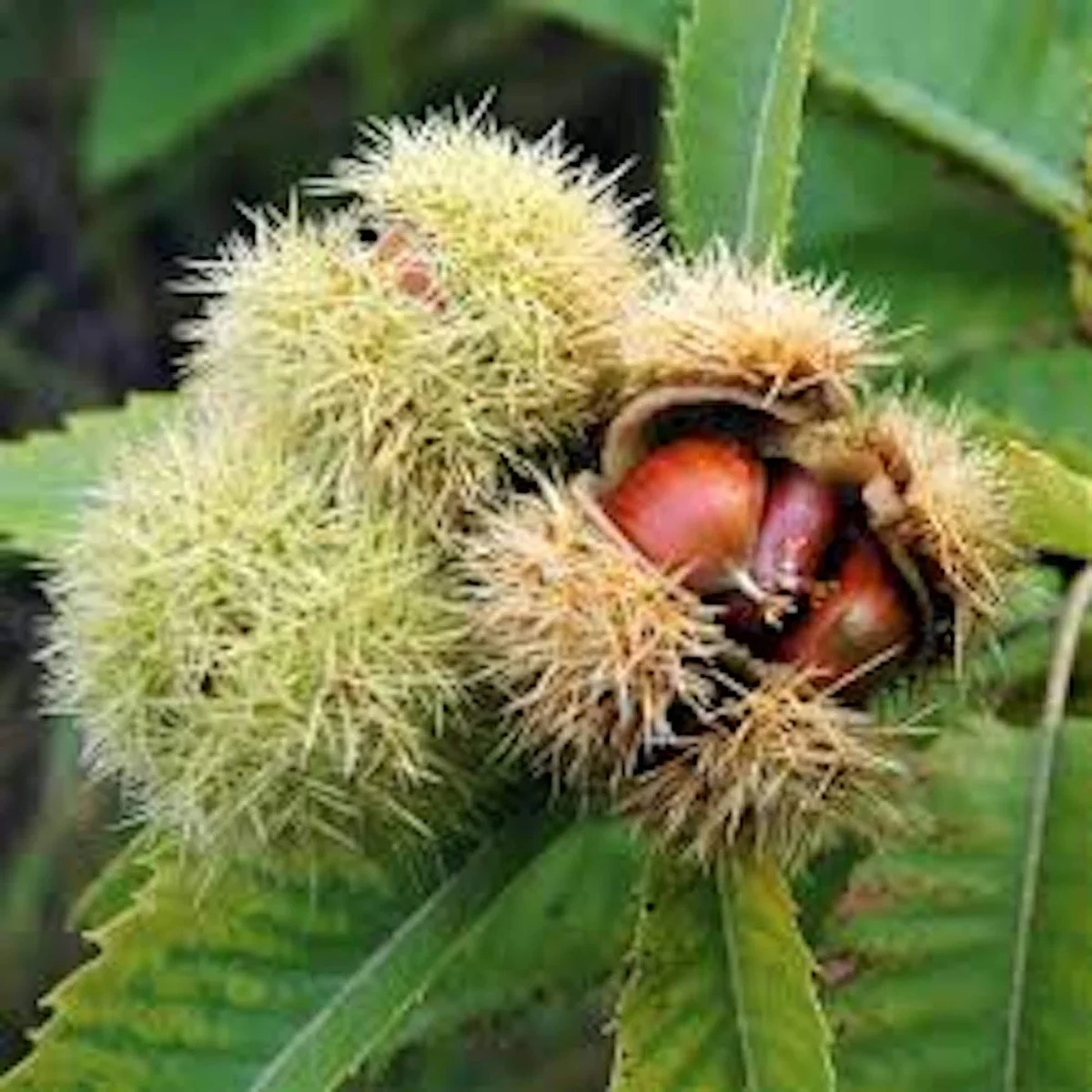
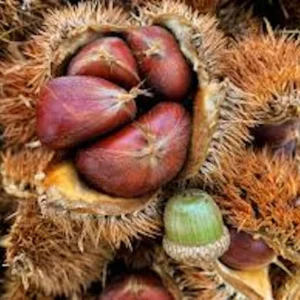
Bring the legacy of the American chestnut back to your landscape with our premium Dunstan Hybrid Chestnut tree bare root plants. This offer includes three robust bare root trees, each measuring between 12-24 inches tall, ready to establish in your garden or orchard. The Dunstan Chestnut (Castanea dentata x Castanea mollissima) is a remarkable hybrid specifically developed to resist the devastating chestnut blight, a disease that once decimated native American chestnut populations. Combining the resilience of the Chinese chestnut with the superior nut quality of the American chestnut, this hybrid offers both exceptional nut production and significant ornamental value. Whether you’re a farmer looking for a commercially viable nut crop or a homeowner desiring a beautiful, productive, and disease-resistant shade tree, the Dunstan Hybrid Chestnut tree is an excellent choice that promises years of bountiful harvests.
Key Benefits
Investing in Dunstan Hybrid Chestnut trees provides a multitude of advantages for both the environment and your property. These trees are not only beautiful but also incredibly productive and resilient.
- Blight Resistance: The primary benefit of the Dunstan Chestnut is its strong resistance to chestnut blight, ensuring a healthier and longer-lived tree compared to traditional American chestnuts. This resistance means less maintenance and a higher chance of successful growth and nut production.
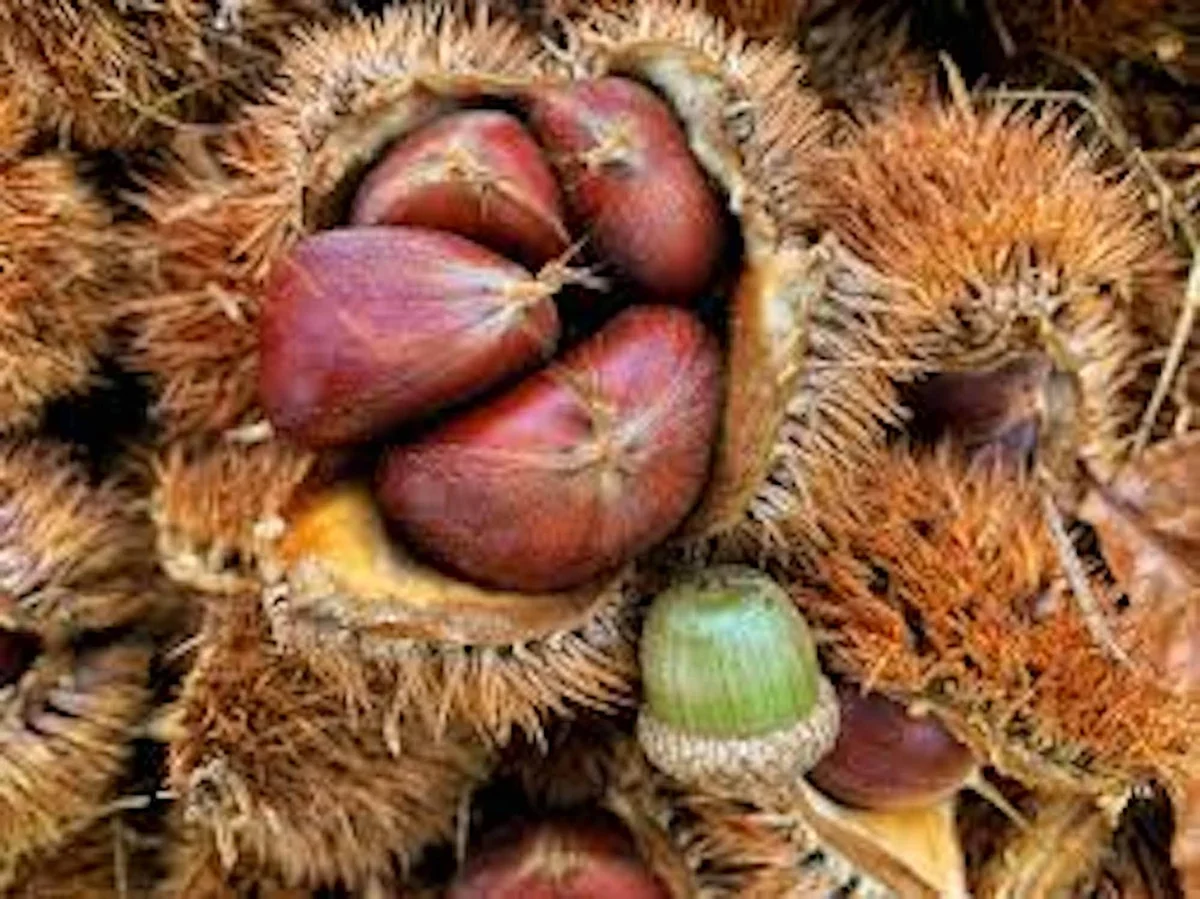
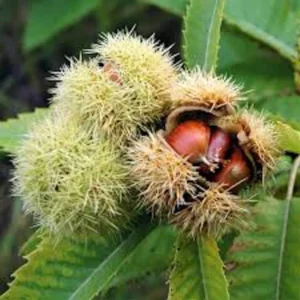
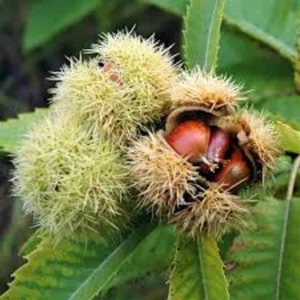
- Exceptional Nut Production: Known for producing large, sweet, and easy-to-peel nuts, these trees offer an abundant harvest. The nuts are highly sought after for roasting, baking, and wildlife forage, providing a valuable food source.
- Rapid Growth & Early Bearing: Dunstan Chestnuts are relatively fast-growing trees that can begin producing nuts within 3-5 years of planting, allowing you to enjoy the fruits of your labor sooner.
- Versatile & Adaptable: These hybrid chestnuts are hardy in USDA zones 5-8 and can adapt to a variety of soil types, as long as they are well-drained. This versatility makes them suitable for a wide range of climates and growing conditions.
- Wildlife Attraction: The sweet nuts are a favorite food source for deer, turkey, and other wildlife, making this tree an excellent choice for wildlife food plots and enhancing biodiversity on your property.
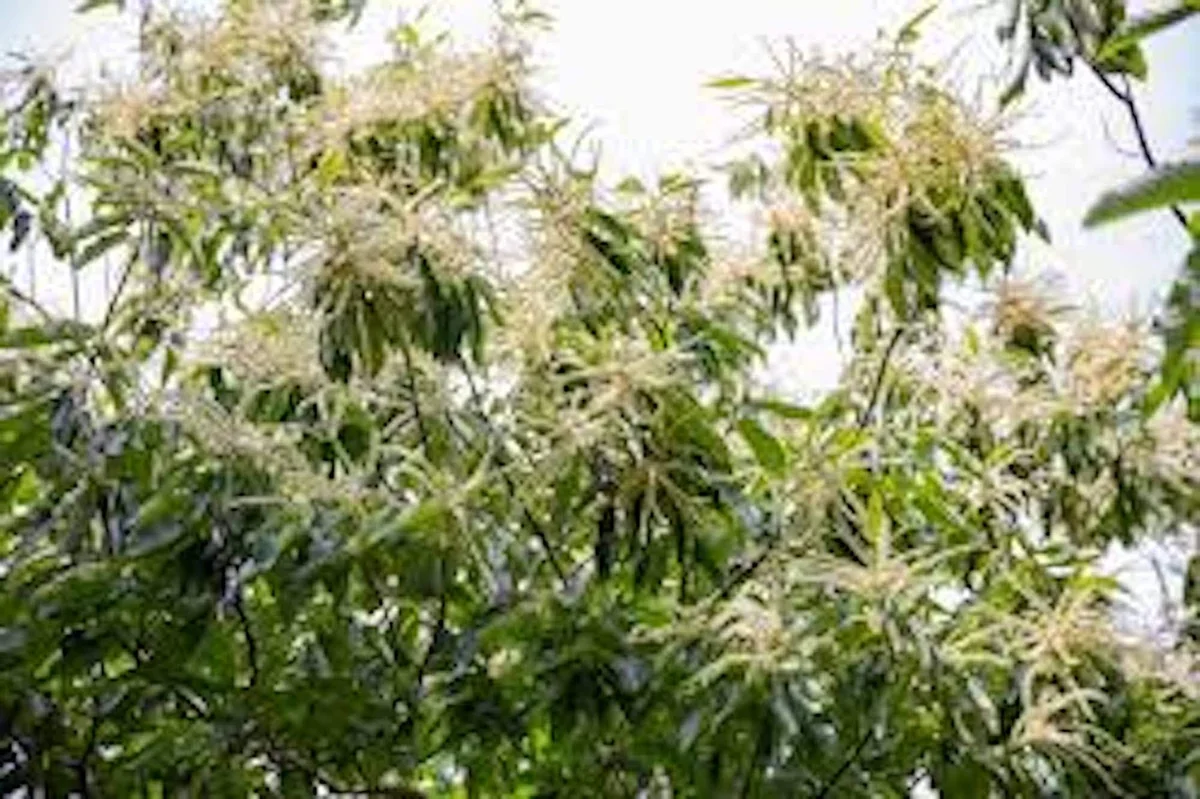
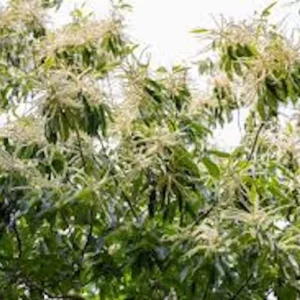
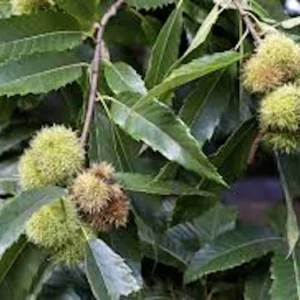
- Ornamental Value: Beyond their productivity, Dunstan Hybrid Chestnut trees grow into beautiful, stately trees with attractive foliage, providing excellent shade and contributing to the aesthetic appeal of your landscape.
Plant Care & Growing Tips
Caring for your Dunstan Hybrid Chestnut tree is straightforward, and with proper attention, these trees will thrive and provide abundant nuts for years. For optimal growth, choose a planting site that receives full sun, meaning at least 6-8 hours of direct sunlight per day. Adequate sunlight is crucial for strong growth and prolific nut production. When it comes to soil, the Dunstan Chestnut prefers well-drained, slightly acidic to neutral soil (pH 5.0-6.5). Avoid heavy clay soils or areas where water tends to stand, as this can lead to root rot. If your soil is heavy, consider amending it with organic matter like compost to improve drainage and aeration.
Watering is critical during the establishment phase. For the first year or two after planting, ensure the soil remains consistently moist but not waterlogged. Deep watering once or twice a week, especially during dry spells, is more effective than frequent shallow watering. Once established, these trees become more drought-tolerant but will still benefit from irrigation during extended dry periods, particularly when nuts are developing. Fertilize young trees in early spring with a balanced, slow-release fertilizer designed for trees and shrubs. Follow package instructions for application rates. As the trees mature, they may require less frequent fertilization, depending on soil fertility. To promote strong structure and air circulation, prune your blight resistant chestnut trees in late winter or early spring before new growth begins, removing any dead, damaged, or crossing branches. Proper pruning helps maintain tree health and maximizes nut yield.
Size & Details
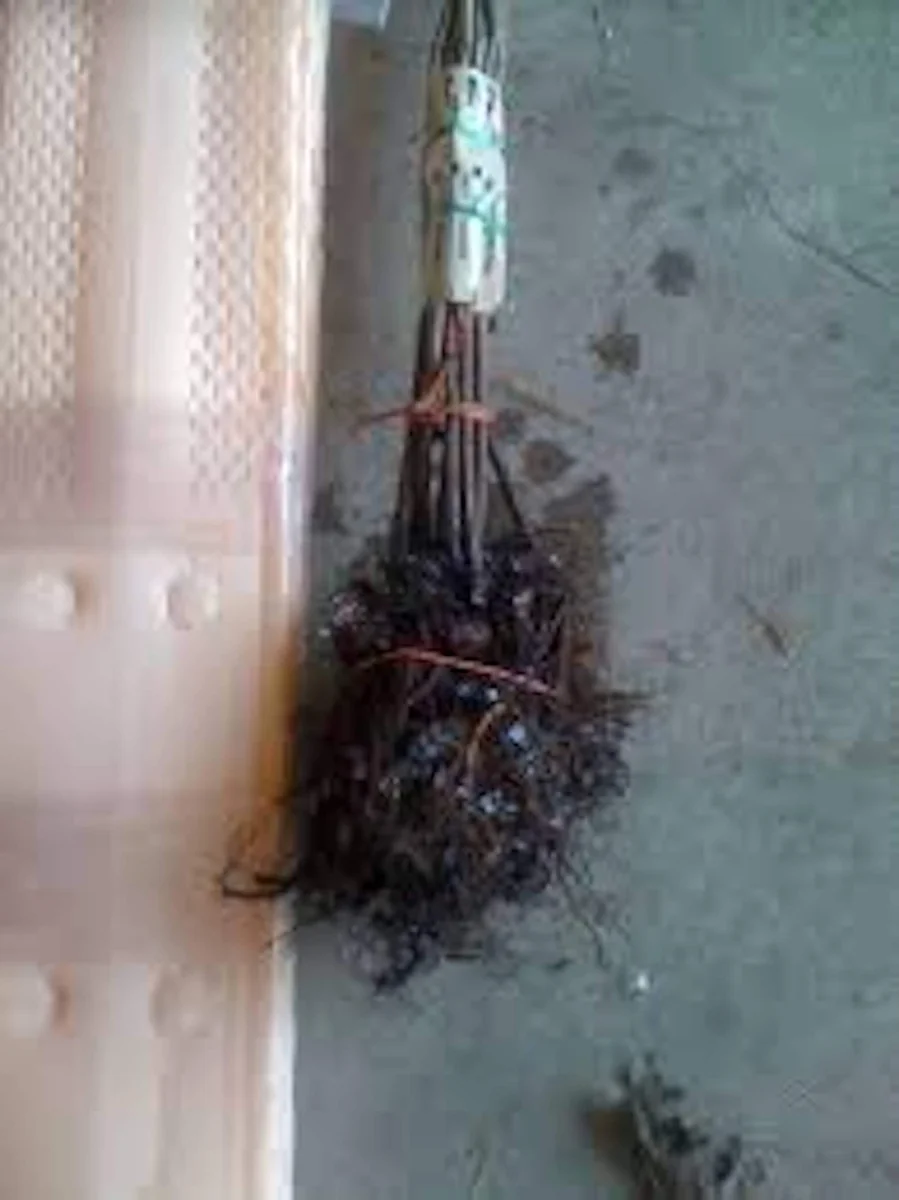
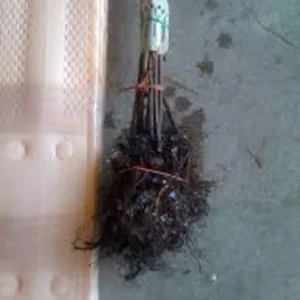
This offering includes three Dunstan Hybrid Chestnut tree bare root plants, each standing between 12-24 inches tall at the time of shipment. Bare root trees are dormant plants shipped without soil around their roots, making them ideal for planting during the dormant season (typically late fall to early spring). Once planted, these trees will quickly establish their root systems and begin to grow. The Dunstan Chestnut is known for its relatively fast growth rate, often reaching heights of 20-30 feet within 10-15 years, with a mature height potentially reaching 40-60 feet or more under ideal conditions. They develop a broad, spreading canopy, making them excellent shade trees. Expect these trees to begin producing nuts within 3-5 years after planting, with production increasing significantly as they mature. The nuts typically ripen in late summer to early fall.
Frequently Asked Questions
- Q: How big does this plant get? A: The Dunstan Hybrid Chestnut tree can grow to a mature height of 40-60 feet or more, with a broad, spreading canopy. Its size will depend on growing conditions and care.
- Q: What size pot does it come in? A: These are bare root trees, meaning they are shipped dormant without a pot or soil around their roots. They are typically 12-24 inches tall when shipped.
- Q: Is this an indoor or outdoor plant? A: The Dunstan Chestnut is an outdoor tree, ideal for planting in gardens, orchards, or larger landscapes where it has ample space to grow.
- Q: How much sunlight does it need? A: This tree requires full sun, meaning at least 6-8 hours of direct sunlight per day, for optimal growth and nut production.
- Q: Is this plant easy to care for? A: Yes, the Dunstan Hybrid Chestnut tree is considered relatively easy to care for, especially due to its blight resistance. Consistent watering during establishment and well-drained soil are key.
- Q: What condition will it arrive in? A: Your trees will arrive as dormant, bare root plants, carefully packaged to ensure their health during transit. They are ready for immediate planting upon arrival.
- Q: Can I use the nuts from this tree for cooking? A: Absolutely! The nuts produced by the Dunstan Chestnut are large, sweet, and delicious, perfect for roasting, baking, or any recipe requiring chestnuts.
- Q: How long until it blooms and produces nuts? A: Dunstan Chestnut trees typically begin producing nuts within 3-5 years after planting, with full production increasing as the tree matures.
- Q: When is the best time to plant this tree? A: The best time to plant bare root Dunstan Chestnut trees is during their dormant season, typically in late fall after leaf drop or in early spring before bud break.
- Q: Will it survive winter in my zone? A: The blight resistant chestnut is hardy in USDA zones 5-8, meaning it can tolerate winter temperatures within these ranges.
Be the first to review “3 Dunstan Hybrid Chestnut Bare Root Trees – Blight Resistant, 12-24in Tall”
People Also Viewed
Sold 94 products
Original price was: $31.98.$15.99Current price is: $15.99.
Sold 89 products
Original price was: $391.96.$195.98Current price is: $195.98.
Sold 90 products
Original price was: $57.98.$28.99Current price is: $28.99.
Sold 52 products
Original price was: $420.00.$210.00Current price is: $210.00.
Sold 100 products
Original price was: $279.60.$139.80Current price is: $139.80.
Sold 62 products
Original price was: $117.20.$58.60Current price is: $58.60.
Sold 85 products
Original price was: $31.99.$11.99Current price is: $11.99.
Sold 72 products
Original price was: $31.98.$25.58Current price is: $25.58.
Sold 55 products
Original price was: $36.00.$18.00Current price is: $18.00.
Sold 85 products
From $44.00
Sold 52 products
From $69.99
Sold 74 products
Original price was: $105.60.$52.80Current price is: $52.80.
Sold 80 products
Original price was: $161.56.$80.78Current price is: $80.78.
Sold 56 products
Original price was: $35.99.$15.99Current price is: $15.99.
Sold 97 products
Original price was: $91.98.$45.99Current price is: $45.99.
Sold 57 products
Original price was: $12.00.$6.00Current price is: $6.00.
Sold 94 products
Original price was: $107.96.$53.98Current price is: $53.98.
Sold 67 products
Original price was: $37.98.$20.49Current price is: $20.49.




%20–%20Fragrant%20Live%20Plant%20–%20Single%20Flower&url=https://gardennursery.net/product/arabian-jasmine-plant-jasminum-sambac-fragrant-live-plant-single-flower/&media=https://img.gardennursery.net/2026/01/arabian-jasmine-plant-jasminum-sambac-fragrant-liv-768x1024.webp)


%20–%20Pink%20Flowering%20Native&url=https://gardennursery.net/product/20-eastern-redbud-tree-seeds-cercis-canadensis-pink-flowering-native/&media=https://img.gardennursery.net/2026/01/20-eastern-redbud-tree-seeds-cercis-canadensis-pin-686016cd.webp)


Reviews
There are no reviews yet.