
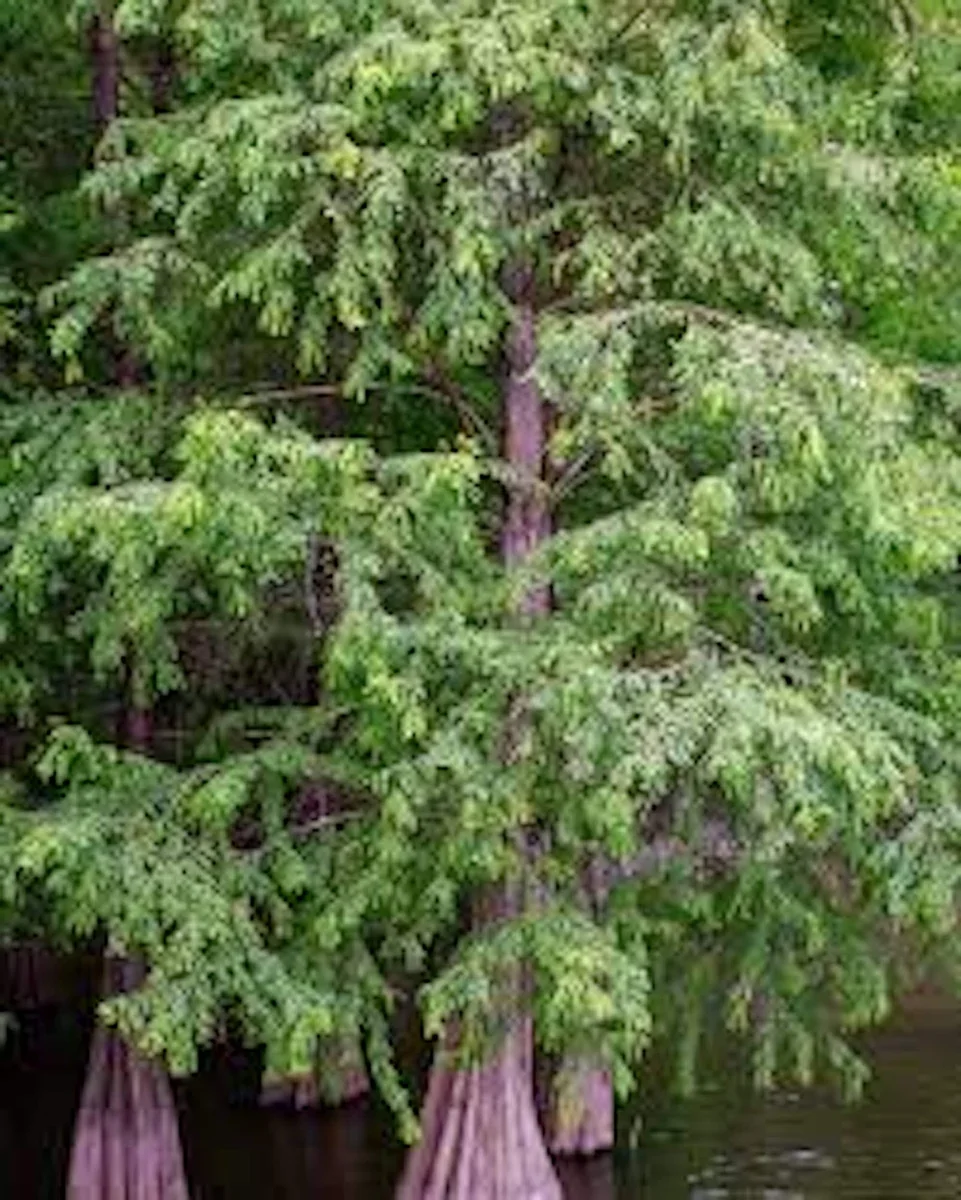
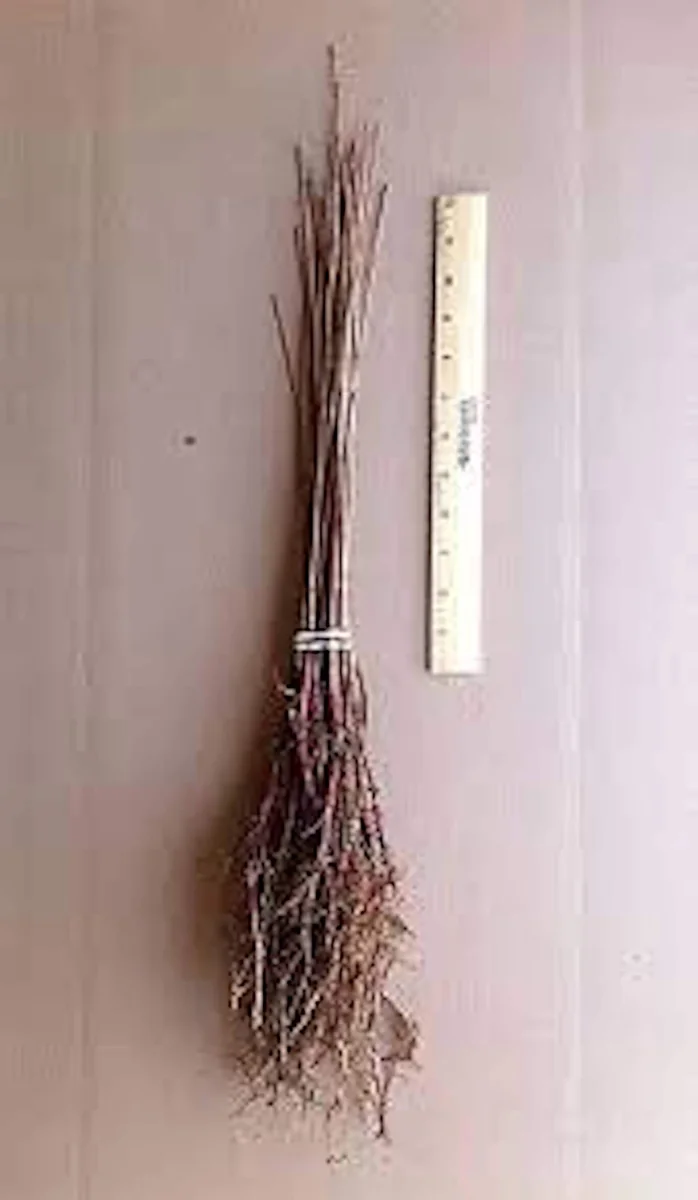


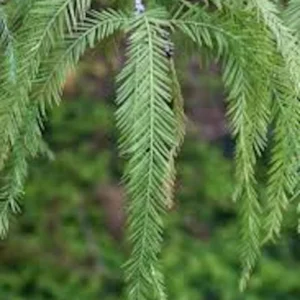
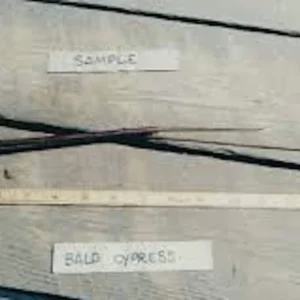
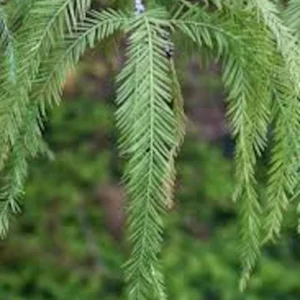
3 Bald Cypress Tree 12-24in Tall Taxodium distichum Live Bare Root Plant
Original price was: $60.00.$48.00Current price is: $48.00.
Introduce the majestic bald cypress tree to your garden. This offer includes 3 bare root Taxodium distichum plants, 12-24 inches tall, ideal for creating a stunning landscape feature. Known for its adaptability to wet or dry conditions and beautiful seasonal color, it’s a resilient choice for various outdoor settings.
-
USDA Hardiness Zone
USDA Zones 4-10 -
Soil Type
Adaptable to various soils, prefers moist to wet, well-draining soil -
Sunlight Exposure
Full sun (6-8+ hours direct sun) -
Expected Planting Period
Late fall to early spring (dormant season)

You can track your order HERE
Feb 27
Mar 04 - Mar 06
Mar 09 - Mar 13
Shipping and return policies: Our Alive & Thrive Guarantee covers issues with your plants within the first 30 days. Reach out to us. Our team will answer your questions and help you find the plants that are truly suitable for your environment, climate, and personal preferences.

Overview
Transform your outdoor space with the majestic bald cypress tree, a truly remarkable and adaptable conifer. This offering includes three bare root specimens, each standing 12-24 inches tall, ready to establish in your landscape. Despite its common name, Taxodium distichum is a deciduous conifer, meaning it sheds its soft, feathery needles in the fall after they turn a striking russet-brown. Native to the southeastern United States, it is renowned for its resilience, thriving in a wide range of conditions from standing water to drier upland soils. Its impressive stature and unique beauty make it an exceptional choice for adding significant character and ecological value to any garden or naturalized area. Whether you’re aiming to create a serene waterside feature or a robust shade tree, the bald cypress tree is an outstanding selection.
The bald cypress tree is not just visually appealing; it’s also a long-lived species, capable of gracing your property for centuries. Its distinctive ‘knees’ – woody protrusions that emerge from the roots above ground – add to its unique charm, particularly in wetter environments. These trees are often used in parks, along riverbanks, and in large residential landscapes where their grandeur can be fully appreciated. Planting these 12-24 inch bare root specimens provides an excellent opportunity to nurture a significant landscape element from its early stages, ensuring a strong start for future growth.
Key Benefits
Adding a bald cypress tree to your landscape brings a wealth of benefits, enhancing both the aesthetic and ecological value of your property. These trees are highly valued for their unique attributes and hardiness.
- Stunning Seasonal Foliage: Enjoy the vibrant green, feathery needles through spring and summer, which then transform into a breathtaking russet-brown in the fall, providing spectacular autumn color before shedding. This deciduous characteristic makes it stand out among conifers.
- Exceptional Adaptability: The Taxodium distichum is incredibly versatile, thriving in both consistently wet, swampy conditions and average garden soils. This makes it suitable for a variety of planting sites, including those with poor drainage.
- Long-Lived & Resilient: Known for its longevity, the bald cypress can live for hundreds of years, becoming a lasting legacy in your landscape. It is also highly resistant to pests and diseases, requiring minimal intervention once established.
- Wildlife Habitat: The tree provides excellent shelter and nesting sites for various bird species, and its seeds are a food source for waterfowl and small mammals, contributing to local biodiversity.
- Erosion Control: Its strong, extensive root system, particularly when developing cypress ‘knees’ in wet areas, helps to stabilize soil and prevent erosion along waterways and pond edges.
- Unique Landscape Feature: With its pyramidal shape when young, maturing to a broad, flat-topped crown, and its distinctive ‘knees’, the bald cypress tree offers unparalleled architectural interest to any large garden or park setting.
- Low Maintenance: Once established, bald cypress care is relatively minimal, making it an excellent choice for gardeners seeking a magnificent tree without constant upkeep.
Plant Care & Growing Tips
Proper bald cypress care ensures these magnificent trees thrive and reach their full potential. While remarkably adaptable, providing optimal conditions during establishment will lead to a healthier, more vigorous tree. These 12-24 inch bare root plants are resilient, but attention to detail during planting and their initial years is crucial.
Sunlight Requirements
The bald cypress tree performs best in full sun, meaning it requires at least 6-8 hours of direct sunlight per day. While it can tolerate partial shade, particularly in hotter climates, its growth will be more robust and its fall color more vibrant with ample sun exposure. Plant in an open area where it won’t be overshadowed by buildings or other large trees.
Watering Schedule and Soil Moisture
This species is famous for its ability to grow in standing water, making it an excellent choice for boggy areas, pond edges, or rain gardens. However, it is equally tolerant of average garden soil, provided it receives consistent moisture during its establishment phase. For bare root trees, water deeply and regularly (2-3 times per week) for the first year, ensuring the soil remains consistently moist but not waterlogged in well-drained areas. Once established, it becomes quite drought-tolerant, though it will appreciate supplemental watering during extended dry periods, especially if not planted in a naturally wet location.
Soil Type and Drainage Requirements
The bald cypress is highly adaptable to a variety of soil types, from heavy clays to sandy loams. What’s most important is consistent moisture. It prefers slightly acidic to neutral soils (pH 5.0-7.0) but can tolerate alkaline conditions. If planting in a bare root form, prepare the soil by loosening it to a depth of at least 18 inches and mixing in some organic matter to improve structure and moisture retention. For a truly thriving wetland tree, ensure the planting site can retain moisture well.
Temperature Range and USDA Hardiness Zone
The Taxodium distichum is a hardy tree, suitable for USDA Zones 4-10. It can withstand a wide range of temperatures, from freezing winters to hot, humid summers. This broad hardiness range makes it a versatile choice for many regions across the United States. Ensure young trees are protected from extreme winds in their first winter if planted in a very exposed location.
Fertilization Schedule and Type
Generally, established bald cypress trees do not require heavy fertilization. During the first few years after planting, a balanced, slow-release granular fertilizer formulated for trees and shrubs can be applied in early spring, following package directions. Avoid over-fertilizing, which can lead to excessive leafy growth at the expense of root development. A soil test can help determine specific nutrient deficiencies.
Common Problems and Solutions
The bald cypress tree is remarkably resistant to most pests and diseases. Occasionally, bagworms or spider mites might appear, but these are rarely a serious threat to a healthy, established tree. Proper cultural practices, such as adequate watering and appropriate siting, are the best defense against potential issues. Yellowing foliage often indicates a nutrient deficiency or poor drainage, which can be addressed with a soil test or by improving the planting site.
Size & Details
This offer includes three individual bald cypress tree specimens, each measuring between 12 and 24 inches in height. These are shipped as bare root plants, which is the ideal form for establishing deciduous trees during their dormant season, promoting robust root development upon planting. The growth rate of a bald cypress is moderate to fast, typically adding 12-18 inches (30-45 cm) per year, and sometimes more under ideal conditions. When mature, a bald cypress can reach an impressive height of 50-70 feet (15-21 meters) with a spread of 20-30 feet (6-9 meters), making it an excellent choice for a large landscape tree bare root planting.
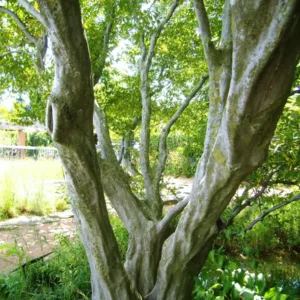
The tree will develop a pyramidal shape in its youth, gradually broadening and developing a more open, flat-topped crown with age. Its distinctive reddish-brown bark adds year-round interest. While the ‘knees’ are a common feature, their development is more pronounced in consistently wet environments. Expect these trees to begin showing significant growth and developing their characteristic form within a few years of planting. They are shipped dormant and will leaf out in the spring following planting, offering a rewarding experience as you watch your Taxodium distichum establish and flourish.
Frequently Asked Questions
- Q: How big does this bald cypress tree get? A: A mature bald cypress tree typically reaches heights of 50-70 feet and spreads 20-30 feet wide. These bare root plants are 12-24 inches tall upon arrival, ready for establishment.
- Q: Is this an indoor or outdoor plant? A: The Taxodium distichum is an outdoor landscape tree, best suited for large gardens, parks, or naturalized areas where it has ample space to grow. It is not suitable for indoor cultivation.
- Q: How much sunlight does a bald cypress need? A: For optimal growth and vibrant fall color, the bald cypress requires full sun, meaning at least 6-8 hours of direct sunlight per day. It can tolerate some partial shade but may grow slower.
- Q: Is this plant easy to care for? A: Yes, bald cypress care is relatively easy once the tree is established. It’s known for its resilience, adaptability to various soil conditions, and resistance to most pests and diseases, making it a low-maintenance choice.
- Q: What condition will the bare root trees arrive in? A: Your 12-24 inch landscape tree bare root specimens will arrive dormant, meaning they will have no leaves. This is normal and ideal for planting, as it minimizes transplant shock and encourages strong root development.
- Q: When is the best time to plant a bald cypress? A: The best time to plant bare root bald cypress trees is during their dormant season, typically in late fall after leaf drop or in early spring before new growth emerges.
- Q: Can I plant a bald cypress near water? A: Absolutely! The bald cypress is famously adapted to wet conditions and thrives near ponds, streams, or in swampy areas, making it an excellent wetland tree. It can also adapt to drier soils.
- Q: How long until my bald cypress tree shows significant growth? A: After planting, your bare root bald cypress will focus on establishing its root system. You can expect to see new foliage in the spring and a moderate to fast growth rate of 12-18 inches per year once established.
- Q: What USDA Hardiness Zones are suitable for bald cypress? A: The bald cypress is hardy in USDA Zones 4-10, making it suitable for a wide range of climates across the United States.
- Q: Are these trees deer resistant? A: While no tree is completely deer-proof, bald cypress is generally considered to be deer-resistant, especially once established, making it a good choice for areas with deer populations.
Be the first to review “3 Bald Cypress Tree 12-24in Tall Taxodium distichum Live Bare Root Plant”
People Also Viewed
Sold 67 products
Original price was: $39.78.$19.89Current price is: $19.89.
Sold 52 products
$43.98
Sold 85 products
Original price was: $79.02.$39.51Current price is: $39.51.
Sold 96 products
From $63.80
Sold 94 products
Original price was: $47.98.$23.99Current price is: $23.99.
Sold 91 products
From $51.80
Sold 79 products
Original price was: $191.98.$95.99Current price is: $95.99.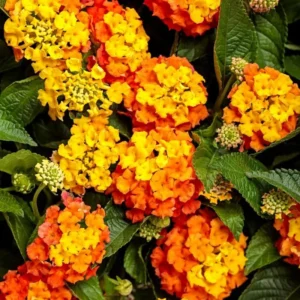
Flower Plants
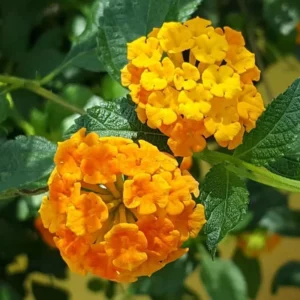
Orange Lantana Plant Live – 6-9 Inch Tall – Fragrant Outdoor Butterfly Perennial Flowers
Sold 88 products
Original price was: $37.98.$18.99Current price is: $18.99.
Sold 64 products
Original price was: $67.96.$33.98Current price is: $33.98.
Sold 54 products
Original price was: $39.98.$19.99Current price is: $19.99.
Sold 88 products
Original price was: $58.14.$29.07Current price is: $29.07.
Sold 84 products
Original price was: $59.98.$29.99Current price is: $29.99.
Sold 100 products
Original price was: $147.16.$73.58Current price is: $73.58.
Sold 74 products
Original price was: $180.00.$90.00Current price is: $90.00.
Sold 82 products
Original price was: $535.96.$267.98Current price is: $267.98.
Sold 88 products
Original price was: $272.00.$136.00Current price is: $136.00.
Sold 88 products
Original price was: $15.76.$7.88Current price is: $7.88.
Sold 68 products
Original price was: $47.96.$23.98Current price is: $23.98.



Reviews
There are no reviews yet.