
25 Wild Daffodil Bulbs – Narcissus Lent Lily Yellow Flowers – Easy Grow Outdoor
Original price was: $45.48.$16.19Current price is: $16.19.
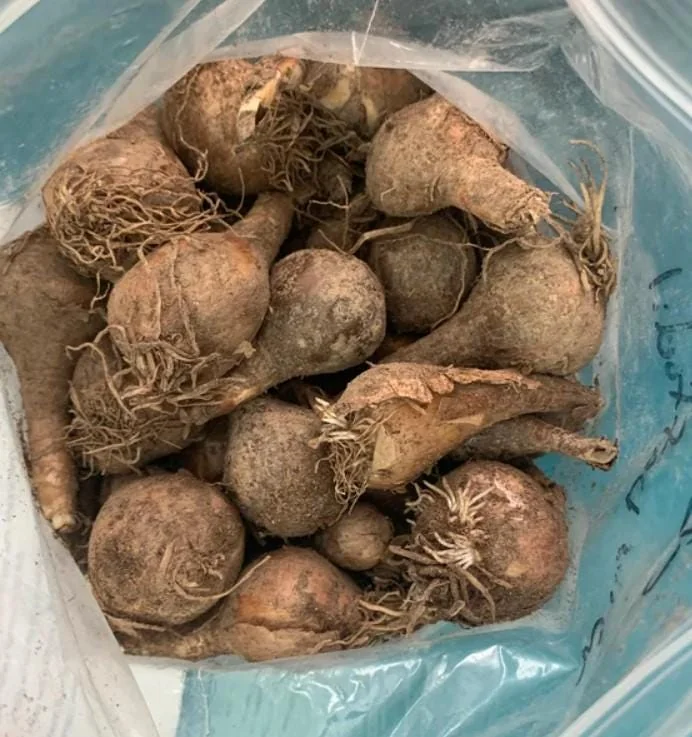
Plant these wild daffodil bulbs for charming early-spring blooms. Also known as lent lily, these yellow daffodil flowers (Narcissus pseudonarcissus) are easy to grow and ideal for naturalizing in woodland gardens and meadows. Get 25 bulbs for a vibrant display.
-
USDA Hardiness Zone
USDA zones 3–8 -
Soil Type
Moist, well-drained soil rich in organic matter -
Sunlight Exposure
Full sun to partial shade (4–6 hours daily) -
Expected Planting Period
Autumn (September to November)

You can track your order HERE
Feb 26
Mar 03 - Mar 05
Mar 08 - Mar 12
Shipping and return policies: Our Alive & Thrive Guarantee covers issues with your plants within the first 30 days. Reach out to us. Our team will answer your questions and help you find the plants that are truly suitable for your environment, climate, and personal preferences.

Overview
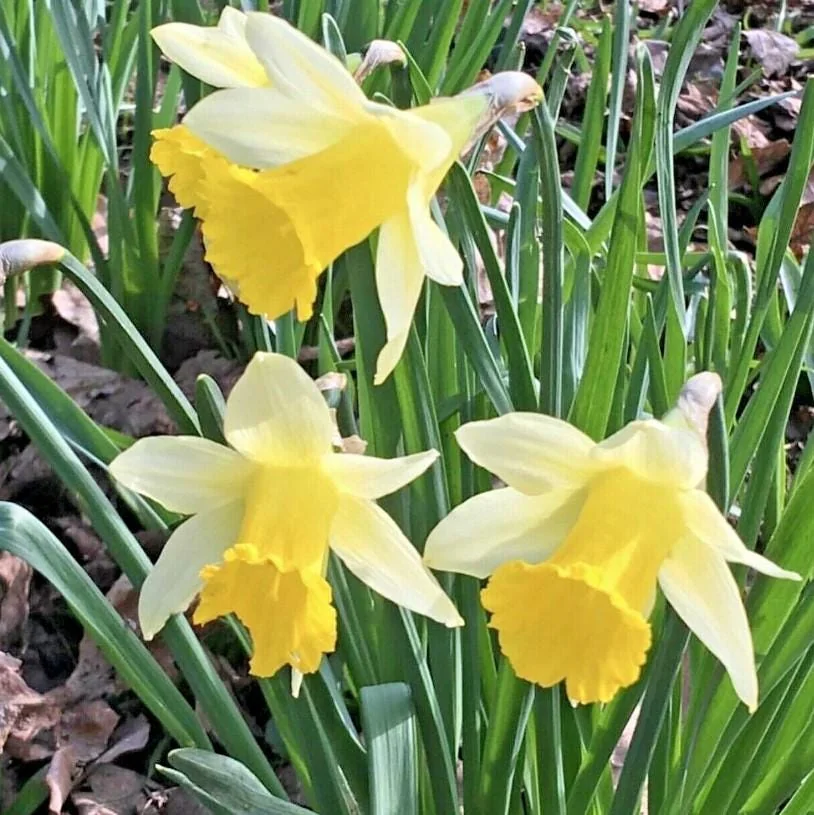
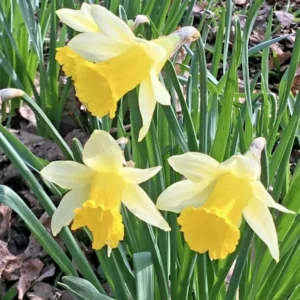
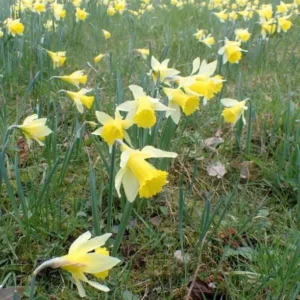
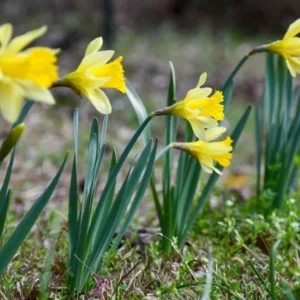
Introduce the timeless beauty of spring to your landscape with our pack of 25 Wild Daffodil Bulbs. These delightful bulbs, scientifically known as Narcissus pseudonarcissus, are often referred to as the lent lily due to their early blooming period, frequently appearing around Lent. Each bulb promises to unfurl charming pale yellow petals surrounding a slightly deeper yellow trumpet, creating a classic and elegant display. Native to Western Europe, particularly the UK and Spain, these wild daffodils are celebrated for their ability to naturalize effortlessly, spreading joy and color through woodlands, meadows, and cottage gardens year after year. They are an excellent choice for gardeners looking to establish a low-maintenance yet impactful early spring bloom.
Our wild daffodil bulbs are robust and easy to grow, making them suitable for both experienced gardeners and beginners. These resilient flowers thrive in cool to temperate climates and are hardy in USDA zones 3–8, ensuring a wide range of successful planting locations across the United States. Plant them in autumn for a spectacular show of yellow daffodil flowers next spring. Their naturalizing habit means they will multiply over time, filling your garden with increasing numbers of these beloved blooms, creating a truly enchanting landscape.
Key Benefits
Planting wild daffodil bulbs offers a multitude of benefits, transforming your garden into a vibrant spring haven. These easy-to-grow flowers provide early season color and are a favorite for naturalistic plantings.
- Early Spring Bloom: Be among the first to welcome spring with these cheerful yellow daffodil flowers. They emerge early in the season, often before other spring perennials, providing much-needed color after winter.
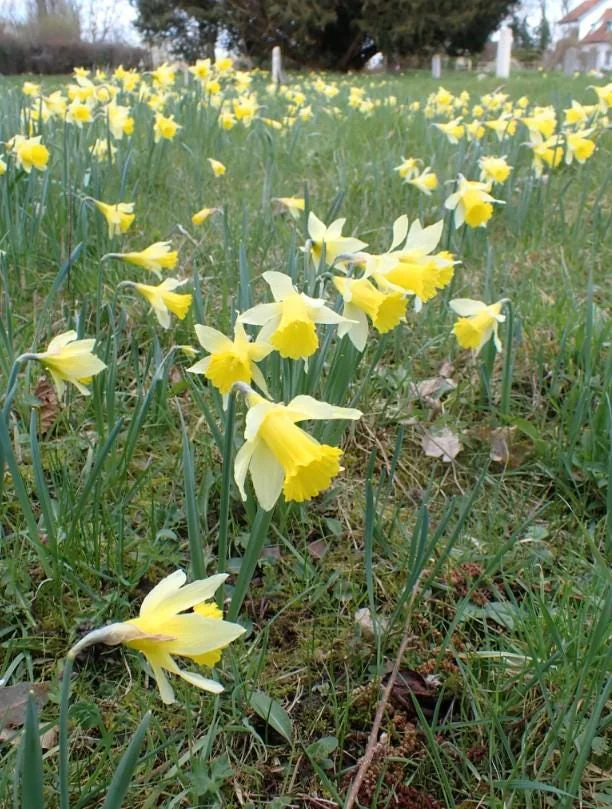
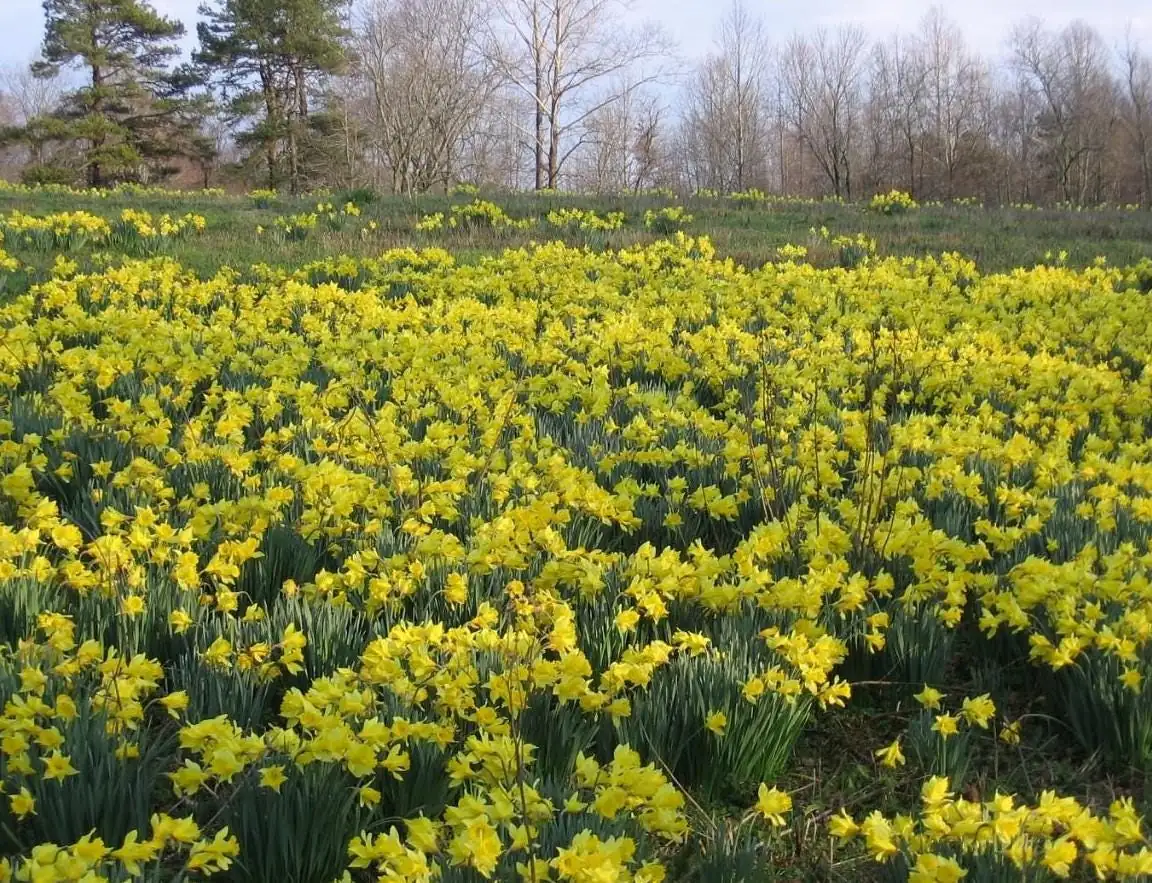
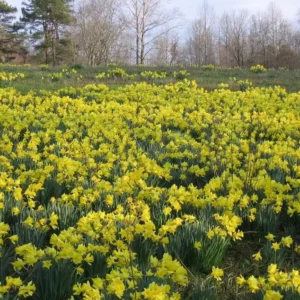
- Naturalizing Ability: These bulbs are excellent for naturalizing, meaning they will multiply and spread over time, creating larger and more abundant drifts of flowers with minimal effort. Perfect for a woodland garden bulbs display.
- Low Maintenance: Once established, lent lily plants require very little care. They are drought-tolerant after flowering and generally pest-resistant, making them an ideal choice for busy gardeners.
- Versatile Landscaping: Ideal for woodland settings, meadows, rock gardens, borders, or even naturalized lawns. Their charming appearance complements a variety of garden styles.
- Deer and Rodent Resistant: Daffodils contain alkaloids that are unpalatable to deer, squirrels, and other common garden pests, protecting your blooms from unwanted visitors.
- Pollinator Friendly: While not a primary pollinator plant, early bees and other beneficial insects may visit these flowers, providing a vital food source in early spring.
- Long-Lasting Cut Flowers: The delicate blooms make wonderful cut flowers, bringing the fresh scent and beauty of spring indoors.
Plant Care & Growing Tips
Growing wild daffodil bulbs is a straightforward and rewarding experience. For best results, plant the bulbs in autumn, approximately 2–4 weeks before the ground is expected to freeze. Choose a location with full sun to partial shade, ensuring the plants receive at least 4–6 hours of sunlight daily. While they tolerate a range of conditions, wild daffodil bulbs perform best in moist, well-drained soil rich in organic matter. They can also tolerate clay soils, provided they are not waterlogged, as good drainage is crucial to prevent bulb rot. Dig holes 4–6 inches deep and space the bulbs 4–6 inches apart, with the pointed end facing upwards.
After planting, water thoroughly to settle the soil around the bulbs. During the growing season, keep the soil moderately moist, especially as foliage emerges and flowers develop. Once the yellow daffodil flowers have faded, reduce watering. It’s important to allow the foliage to die back naturally; do not cut it down prematurely, as this foliage gathers energy for next year’s blooms. Fertilization is generally not necessary, especially in rich soil, but a balanced slow-release fertilizer can be applied in early spring if your soil is poor. These resilient narcissus pseudonarcissus are quite hardy and generally free from major pests and diseases.
For those looking to create a stunning woodland garden bulbs display, consider planting these in natural drifts rather than strict rows. This mimics their natural growth habit and creates a more organic, breathtaking effect. With proper care, your lent lily will return year after year, multiplying and enhancing your garden’s beauty with minimal effort.
Size & Details
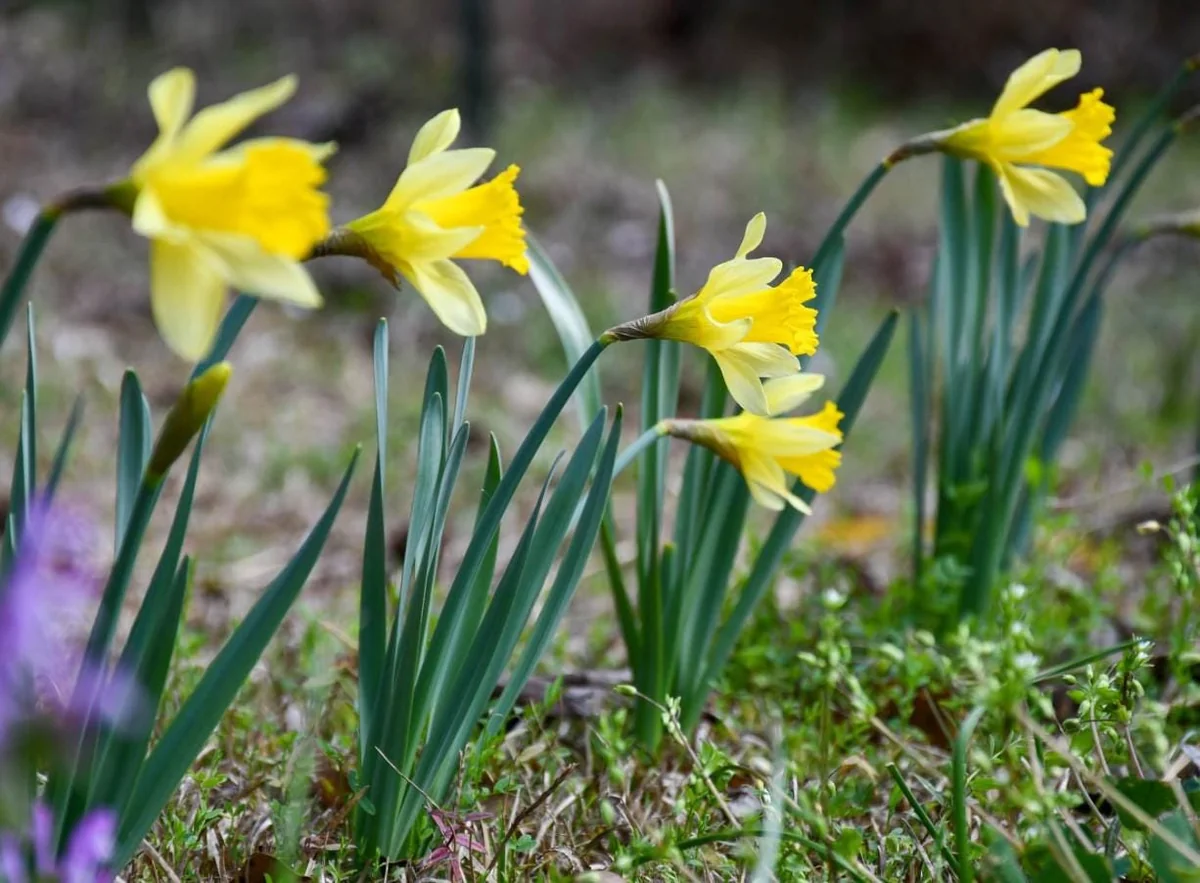
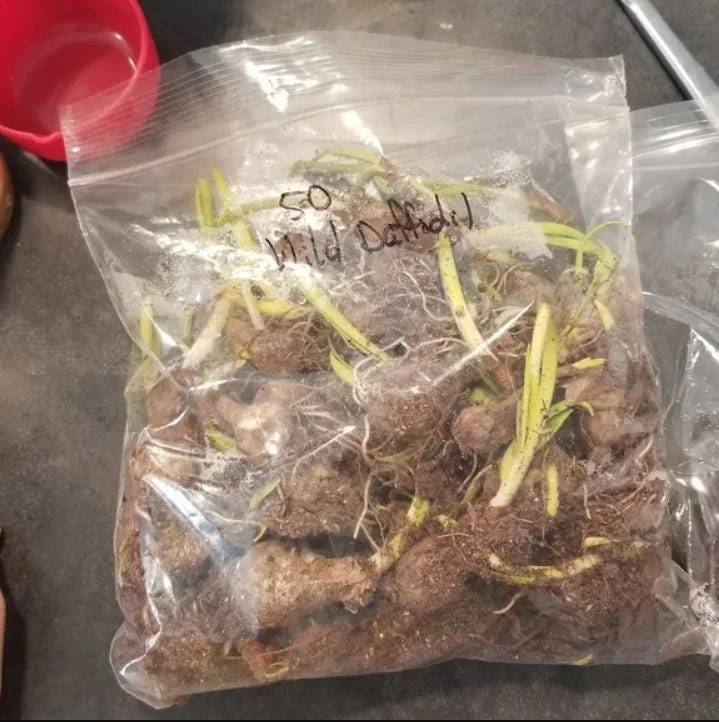
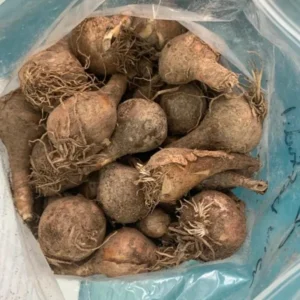
This offering includes 25 Wild Daffodil Bulbs, perfect for establishing a beautiful display of early spring flowers. These are the species form, Narcissus pseudonarcissus, known for their classic pale yellow petals and deeper trumpet. Each bulb is carefully selected to ensure viability and robust growth. When mature, these daffodils typically reach a height of 10-14 inches, with blooms appearing in early spring. They are ideal for creating naturalized plantings, adding vibrant color to meadows, woodland edges, and cottage gardens. The bulbs are shipped ready for autumn planting, ensuring they have ample time to establish roots before the winter dormancy.
Expect these yellow daffodil flowers to provide a charming spectacle for several weeks, depending on local weather conditions. Their naturalizing habit means that with each passing year, you can anticipate an even more impressive show of blooms. These wild daffodil bulbs are a fantastic investment for long-term garden beauty and require very little ongoing maintenance once established. They are hardy in USDA zones 3-8, making them suitable for a wide range of climates.
Frequently Asked Questions
- Q: How big do these wild daffodil bulbs get? A: The mature plants typically reach a height of 10-14 inches. The bulbs themselves are of a standard size suitable for planting 4-6 inches deep.
- Q: Is this an indoor or outdoor plant? A: These wild daffodil bulbs are primarily intended for outdoor planting. They thrive in garden settings, woodlands, and naturalized areas.
- Q: How much sunlight do lent lily plants need? A: They perform best in full sun to partial shade, requiring at least 4-6 hours of sunlight daily for optimal flowering.
- Q: Are these yellow daffodil flowers easy to care for? A: Yes, they are considered very easy to care for. Once planted and established, they are low-maintenance, requiring minimal watering and no special feeding.
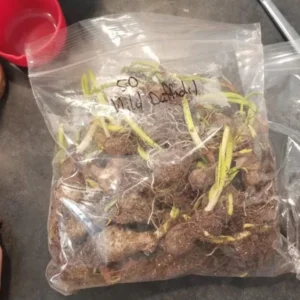
- Q: What condition will the bulbs arrive in? A: The bulbs will arrive dormant and ready for planting. They are carefully packaged to ensure they reach you in excellent condition, prepared for their autumn planting.
- Q: When is the best time to plant these narcissus pseudonarcissus? A: The best time to plant is in autumn, generally from September to November, about 2–4 weeks before the ground freezes.
- Q: Will these woodland garden bulbs survive winter in my zone? A: Yes, these daffodils are hardy in USDA zones 3–8, meaning they are well-suited to survive cold winters in a wide range of climates across the US.
- Q: What type of soil do they prefer? A: They prefer moist, well-drained soil rich in organic matter. They can tolerate clay soils as long as they are not waterlogged.
- Q: Do I need to fertilize my wild daffodil bulbs? A: Generally, if your soil is rich in organic matter, fertilization isn’t strictly necessary. If your soil is poor, a balanced slow-release fertilizer can be applied in early spring.
- Q: Are these daffodils deer resistant? A: Yes, daffodils are known to be deer and rodent resistant due to compounds within the plant that are unpalatable to them.
Be the first to review “25 Wild Daffodil Bulbs – Narcissus Lent Lily Yellow Flowers – Easy Grow Outdoor”
People Also Viewed
Sold 62 products
Original price was: $22.36.$11.18Current price is: $11.18.
Sold 67 products
Original price was: $39.16.$19.58Current price is: $19.58.
Sold 70 products
Original price was: $46.99.$26.99Current price is: $26.99.
Sold 94 products
Original price was: $30.76.$15.38Current price is: $15.38.
Sold 81 products
$76.98
Sold 88 products
Original price was: $39.16.$19.58Current price is: $19.58.
Sold 91 products
Original price was: $36.00.$28.80Current price is: $28.80.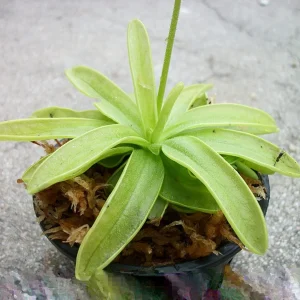

HousePlants
Pinguicula Primuliflora Butterwort Plant – Carnivorous Primrose, 3 inch Pot, Indoor/Outdoor
Sold 81 products
Original price was: $95.96.$47.98Current price is: $47.98.
Sold 56 products
Original price was: $67.98.$33.99Current price is: $33.99.
Sold 68 products
Original price was: $69.96.$34.98Current price is: $34.98.
Sold 75 products
Original price was: $33.56.$16.78Current price is: $16.78.
Sold 54 products
Original price was: $131.96.$65.98Current price is: $65.98.
Sold 83 products
Original price was: $36.36.$18.18Current price is: $18.18.
Sold 81 products
Original price was: $29.96.$14.98Current price is: $14.98.
Sold 55 products
Original price was: $3,196.00.$1,598.00Current price is: $1,598.00.
Sold 96 products
Original price was: $41.96.$20.98Current price is: $20.98.
Sold 56 products
Original price was: $139.96.$69.98Current price is: $69.98.
Sold 52 products
Original price was: $20.96.$10.48Current price is: $10.48.



Reviews
There are no reviews yet.