
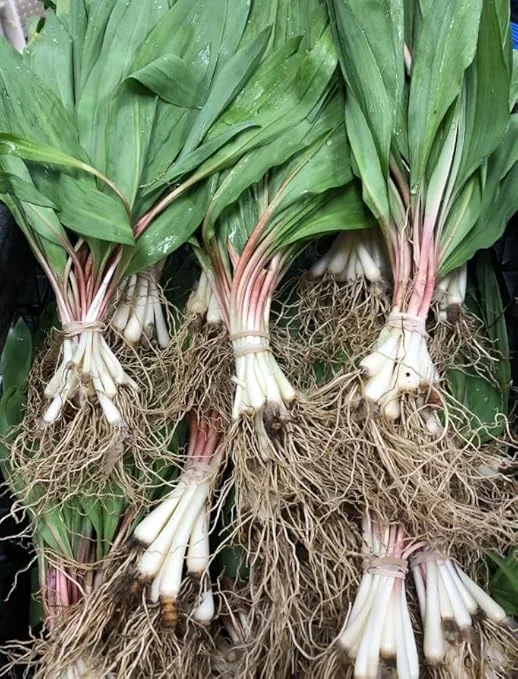
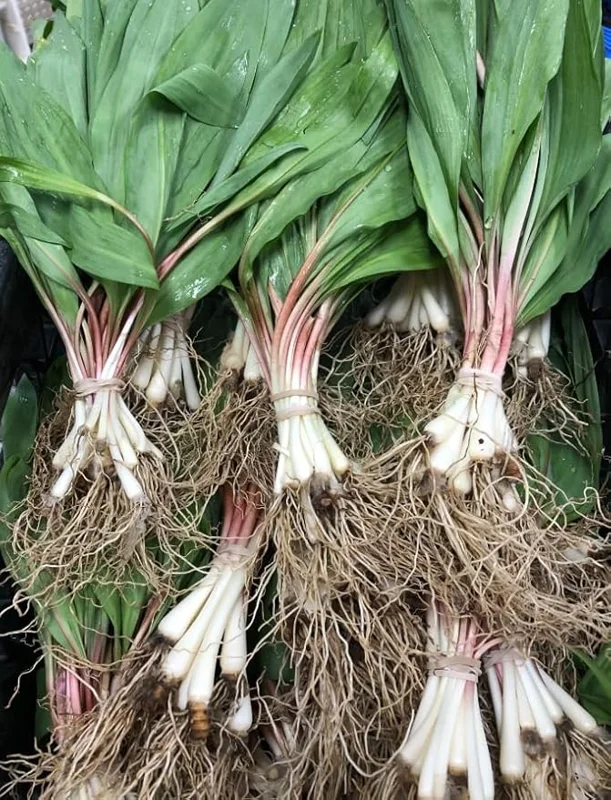
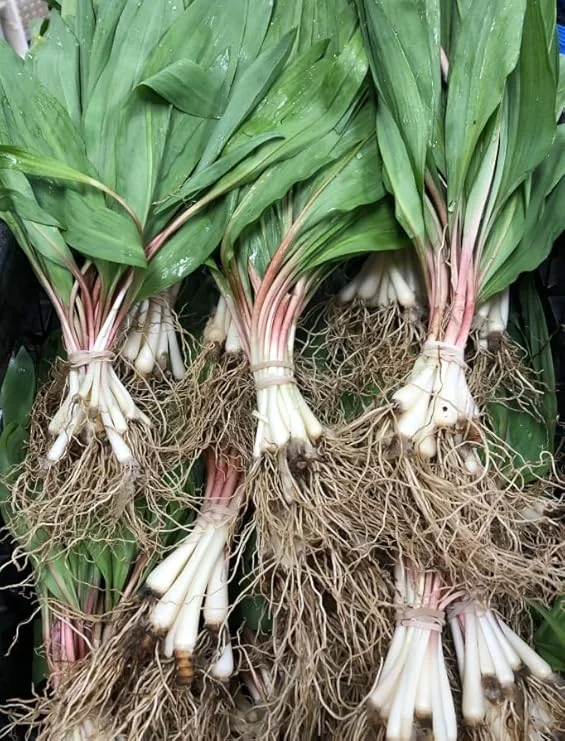
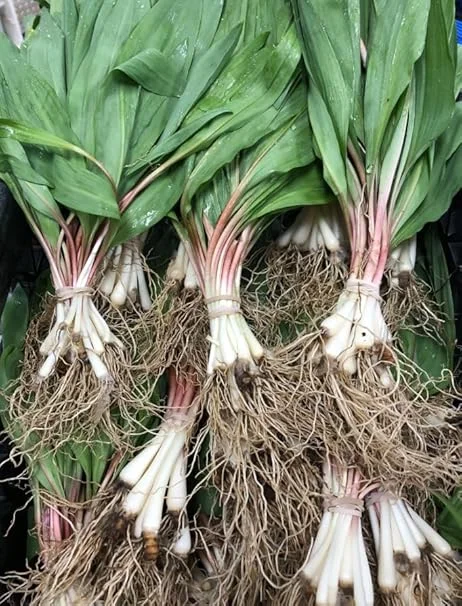
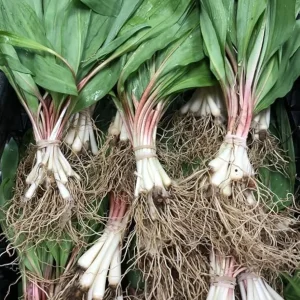
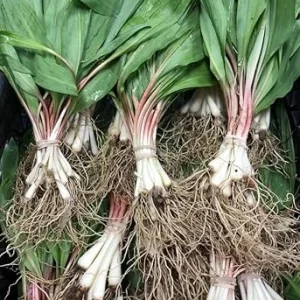
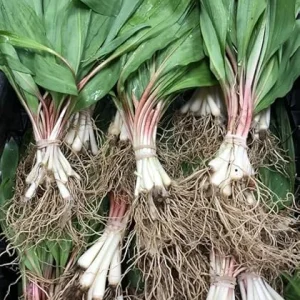
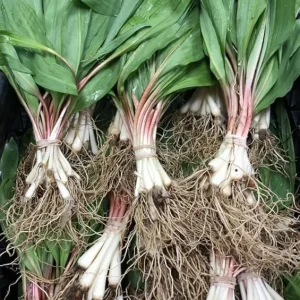
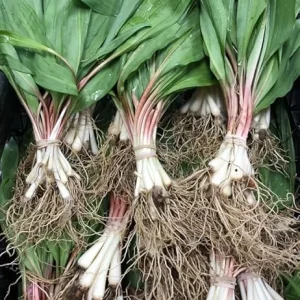
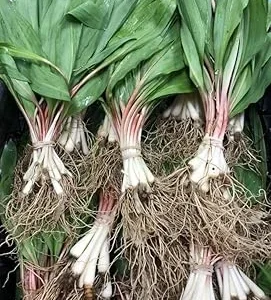
20 Wild Ramp Bulbs for Planting – Perennial Edible Allium
Original price was: $51.60.$25.80Current price is: $25.80.
Cultivate your own gourmet wild ramp bulbs with this convenient pack of 20. Ideal for shaded garden spots, these wild leek bulbs are easy to plant and offer a unique, savory flavor for culinary use. Enjoy fresh edible ramps year after year.
-
USDA Hardiness Zone
3-9 -
Soil Type
Rich, moist, well-drained loam -
Sunlight Exposure
Partial to full shade -
Expected Planting Period
Late summer to early fall

You can track your order HERE
Mar 22
Mar 27 - Mar 29
Apr 01 - Apr 05
Shipping and return policies: Our Alive & Thrive Guarantee covers issues with your plants within the first 30 days. Reach out to us. Our team will answer your questions and help you find the plants that are truly suitable for your environment, climate, and personal preferences.

Overview
Embark on a culinary adventure by growing your own gourmet greens with our premium pack of wild ramp bulbs. Also known as wild leeks or Allium tricoccum, ramps are highly sought after for their distinctive, pungent flavor that combines notes of garlic and onion. This offering includes 20 robust bulbs, carefully selected and ready for planting, allowing you to establish your very own patch of these delicious and ephemeral woodland delicacies. Known for their early spring appearance, these edible ramps are a true seasonal treat, perfect for adding a unique zest to your dishes. Our wild ramp bulbs are an excellent choice for foragers and gardeners alike, promising a rewarding and sustainable harvest for years to come.
These perennial plants are native to the eastern North American woodlands, thriving in rich, moist soil and dappled sunlight. Planting these bulbs provides an opportunity to enjoy fresh, organic ramps right from your backyard, eliminating the need to search for them in the wild. They are a fantastic addition to shaded perennial beds, woodland gardens, or even in containers on a shaded patio. With proper care, your ramp patch will expand over time, offering a continuous supply of this cherished spring ingredient.
Key Benefits
Growing your own wild ramp bulbs offers a multitude of advantages, from culinary delight to ecological enrichment:
- Gourmet Culinary Ingredient: Harvest fresh edible ramps directly from your garden to elevate your spring dishes. Their unique flavor profile is unparalleled, perfect for omelets, stir-fries, pesto, and more. Enjoy the distinct taste of wild leeks without the hunt.
- Sustainable & Perennial Harvest: Once established, these wild ramp bulbs are perennial, meaning they will return year after year, providing a sustainable and ever-expanding harvest. This ensures a consistent supply of your favorite spring greens.
- Easy to Grow in Shaded Areas: Ramps naturally thrive in shady, woodland conditions, making them an ideal choice for those challenging spots in your garden where other plants might struggle. They prefer partial to full shade, mimicking their natural habitat.
- Supports Local Ecosystems: By planting native species like Allium tricoccum, you contribute to local biodiversity and provide natural habitats. Growing wild leek bulbs helps ensure the preservation of this valuable plant.
- Low Maintenance Once Established: After initial planting and establishment, ramps require minimal care. They are relatively pest-free and can largely take care of themselves, making them a great choice for busy gardeners.
- Early Spring Delicacy: Ramps are among the first greens to emerge in spring, offering a welcome burst of fresh flavor after winter. Be one of the first to enjoy these highly anticipated seasonal treats.
- Beautiful Woodland Groundcover: Beyond their culinary appeal, the broad, vibrant green leaves of ramps create an attractive groundcover in shaded areas, enhancing the aesthetic of your woodland garden.
Plant Care & Growing Tips
Cultivating a successful patch of wild ramp bulbs is straightforward, especially when mimicking their natural woodland environment. Ramps thrive in partial to full shade, making them perfect for planting under deciduous trees where they receive sunlight before the canopy leafs out, and then dappled shade throughout the growing season. While they can tolerate some morning sun, intense afternoon sun should be avoided as it can scorch their delicate leaves. The ideal soil for edible ramps is rich, moist, and well-drained. A loamy soil type, amended with plenty of organic matter like compost or leaf mold, will provide the nutrients and moisture retention they need without becoming waterlogged.
When planting your wild ramp bulbs, space them 4-6 inches apart and plant them 2-3 inches deep with the pointed end facing upwards. Consistent moisture is crucial, especially during their active growth period in spring. The soil should be kept consistently moist but never waterlogged, which can lead to bulb rot. If your area experiences dry spells during spring, supplemental watering may be necessary. Once the leaves begin to yellow and die back in late spring or early summer, the plants enter dormancy, and watering can be reduced. Ramps are hardy perennials, tolerant of cool temperate climates and capable of thriving in USDA Hardiness Zones 3-9. They generally do not require heavy fertilization; the rich organic matter in their soil usually provides sufficient nutrients. Avoid harvesting too many leaves from young plants to allow them to establish and multiply.
Protecting your ramp patch from excessive foot traffic and ensuring a consistent layer of leaf litter can help maintain ideal soil conditions and moisture levels. While ramps are generally hardy, monitoring for signs of stress due to improper watering or too much sun is important. With these simple care guidelines, your wild leek bulbs will flourish, providing delicious harvests for many years.
Size & Details
This offering includes 20 Wild Ramp Bulbs for Planting, ready to be established in your garden. Each bulb is carefully selected to ensure viability and healthy growth. Ramps typically emerge in early spring, producing broad, green leaves that can reach an expected plant height of up to 1 foot. They are shipped as dormant bulbs, which is the ideal state for planting to ensure successful establishment. Once planted, these perennial bulbs will spread over time, forming larger clumps and expanding your ramp patch. The expected blooming period for ramps is generally spring to fall, though the focus is primarily on their edible leaves.
Ramps prefer a cool temperate climate and are hardy across a wide range of environments, specifically thriving in USDA Hardiness Zones 3-9. They are an excellent choice for adding a unique, flavorful, and low-maintenance edible plant to your garden. The bulbs are compact, making them easy to handle and plant. Expect to enjoy your first small harvest in 1-2 years after planting, with larger yields as the patch matures.
Frequently Asked Questions
- Q: How big do these wild ramp plants get? A: Once established, wild ramp bulbs typically produce leaves that reach an expected plant height of up to 1 foot. The leaves are broad and vibrant green, forming a lovely groundcover in shaded areas.
- Q: Is this an indoor or outdoor plant? How much sunlight does it need? A: Ramps are primarily outdoor plants, thriving in woodland conditions. They prefer partial to full shade, especially protection from intense afternoon sun. They are not typically grown indoors.
- Q: Are these wild ramp bulbs easy to care for? Is it good for beginners? A: Yes, these wild leek bulbs are relatively easy to care for, especially once established. They are a great choice for beginner gardeners looking to grow unique edible plants in shaded areas, requiring minimal intervention.
- Q: What condition will the bulbs arrive in? Is it shipped with soil? A: The wild ramp bulbs are shipped dormant and bare, without soil, which is the optimal condition for safe transit and successful planting upon arrival. They are ready to be planted directly into your garden.
- Q: Can I use these edible ramps in cooking? A: Absolutely! These edible ramps are highly prized for their unique, pungent flavor, combining garlic and onion notes. They are excellent in various culinary applications, including pesto, stir-fries, eggs, and sauces.
- Q: How long until the bulbs fully bloom? When is the best time to plant? A: Ramps primarily produce edible leaves; their small white flowers are less conspicuous. The best time to plant these wild ramp bulbs is in late summer or early fall, allowing them to establish roots before winter for spring emergence.
- Q: Will these wild ramp bulbs survive winter in my zone? What’s the minimum temperature? A: Yes, ramps are very cold-hardy perennials. They are suitable for USDA Hardiness Zones 3-9, meaning they can tolerate very cold winter temperatures and will re-emerge each spring.
- Q: What type of soil do wild ramps prefer? A: Wild ramp bulbs thrive in rich, moist, and well-drained loamy soil, ideally amended with plenty of organic matter like compost or leaf mold to mimic their natural woodland habitat.
- Q: How far apart should I plant the bulbs? A: Plant your wild ramp bulbs approximately 4-6 inches apart to give them room to grow and multiply over time, establishing a healthy patch.
- Q: Do I need to fertilize my ramp patch? A: Generally, if planted in rich, organic soil, ramps do not require heavy fertilization. Adding a layer of compost or leaf mold annually in the fall can provide sufficient nutrients for healthy growth of your perennial allium.
Be the first to review “20 Wild Ramp Bulbs for Planting – Perennial Edible Allium”
People Also Viewed
Sold 55 products
From $43.80
Sold 99 products
From $7.98
Sold 98 products
Original price was: $339.96.$169.98Current price is: $169.98.
Sold 89 products
Original price was: $73.28.$36.64Current price is: $36.64.
Sold 99 products
Original price was: $35.68.$17.84Current price is: $17.84.
Sold 89 products
From $71.96
Sold 60 products
From $19.00

Sold 55 products
Original price was: $28.76.$14.38Current price is: $14.38.

Sold 87 products
Original price was: $57.56.$28.78Current price is: $28.78.
Sold 64 products
From $73.24
Sold 90 products
From $107.80

Sold 63 products
Original price was: $67.96.$33.98Current price is: $33.98.
HousePlants
Tradescantia Zebrina Live Plant – Purple Inch Plant – Rare Houseplant in 2, 4, 6 inch pot
Sold 67 products
From $9.78

Sold 67 products
From $33.98
Sold 88 products
From $63.80
Sold 93 products
Original price was: $39.16.$19.58Current price is: $19.58.
Sold 80 products
Original price was: $147.16.$73.58Current price is: $73.58.
Sold 99 products
$45.90


Reviews
There are no reviews yet.