
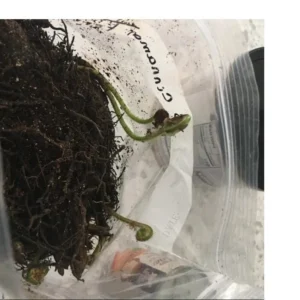
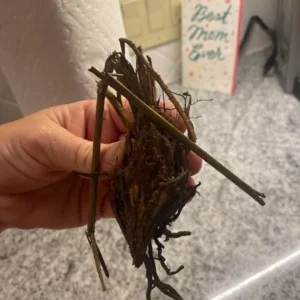
20 Tennessee Ostrich-Glade Fern Rhizomes – Perennial Deciduous Fern
Original price was: $73.10.$27.24Current price is: $27.24.
Introduce the graceful Tennessee Ostrich-Glade fern to your landscape. These perennial fern rhizomes produce elegant, feathery fronds, ideal for creating a lush, natural look in shaded gardens. Perfect for woodland plantings and erosion control.
-
USDA Hardiness Zone
USDA zones 3–7 -
Soil Type
Moist, rich, well-drained soil with high organic matter -
Sunlight Exposure
Partial to full shade -
Expected Planting Period
Spring or Fall

You can track your order HERE
Feb 27
Mar 04 - Mar 06
Mar 09 - Mar 13
Shipping and return policies: Our Alive & Thrive Guarantee covers issues with your plants within the first 30 days. Reach out to us. Our team will answer your questions and help you find the plants that are truly suitable for your environment, climate, and personal preferences.

Overview
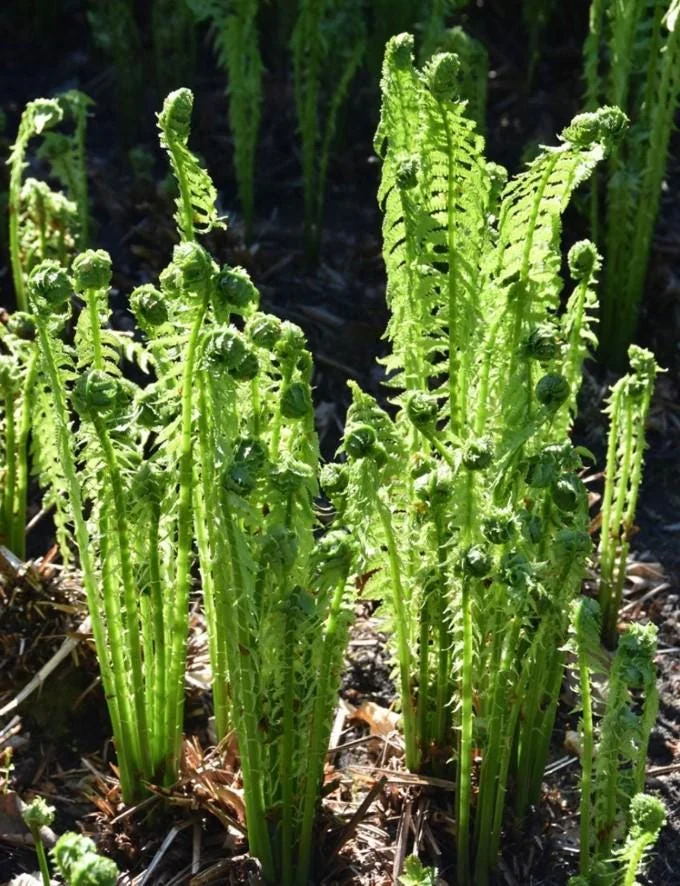
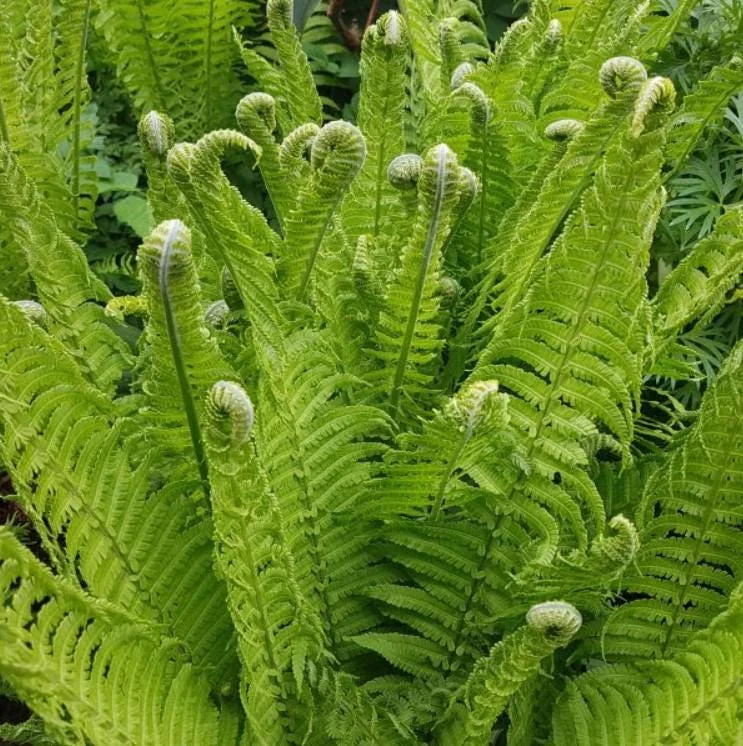
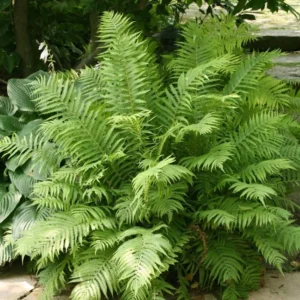
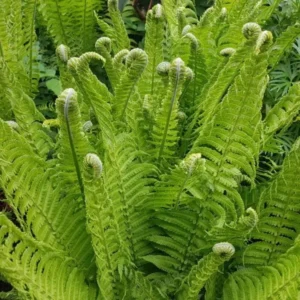
Transform your shaded garden with the exquisite beauty of the Tennessee Ostrich-Glade fern. This offering includes 20 robust rhizomes, ready to establish a stunning display of verdant foliage. Known botanically as Matteuccia pensylvanica, this particular cultivar, ‘Tennessee Ostrich-Glade,’ is celebrated for its vigorous growth and striking fronds that elegantly unfurl to resemble ostrich plumes. As a hardy and reliable deciduous fern, it provides seasonal interest, emerging vibrantly in spring and gracefully receding in cooler months. Native to Eastern North America, this plant is an excellent choice for creating a naturalized woodland feel or enhancing any moist, shaded landscape. Its resilience and adaptability make it a favored option for gardeners seeking both beauty and ease of care in challenging light conditions.
The Tennessee Ostrich-Glade fern is a true perennial, meaning it will return year after year, growing more robust with each passing season. These rhizomes are the underground stems from which new fronds will emerge, ensuring a strong start for your fern patch. Whether you’re aiming to soften hardscape edges, fill a damp corner, or create a serene green carpet under trees, this fern is a versatile and rewarding addition. Its ability to spread makes it ideal for covering larger areas, providing effective ground cover and contributing to the ecological balance of your garden space. Embrace the serene elegance this fern brings, turning overlooked shaded areas into captivating botanical havens.
Key Benefits
The Tennessee Ostrich-Glade fern offers a multitude of advantages for any gardener looking to enhance their outdoor space, especially those with shaded conditions. Its unique characteristics provide both aesthetic appeal and practical solutions:
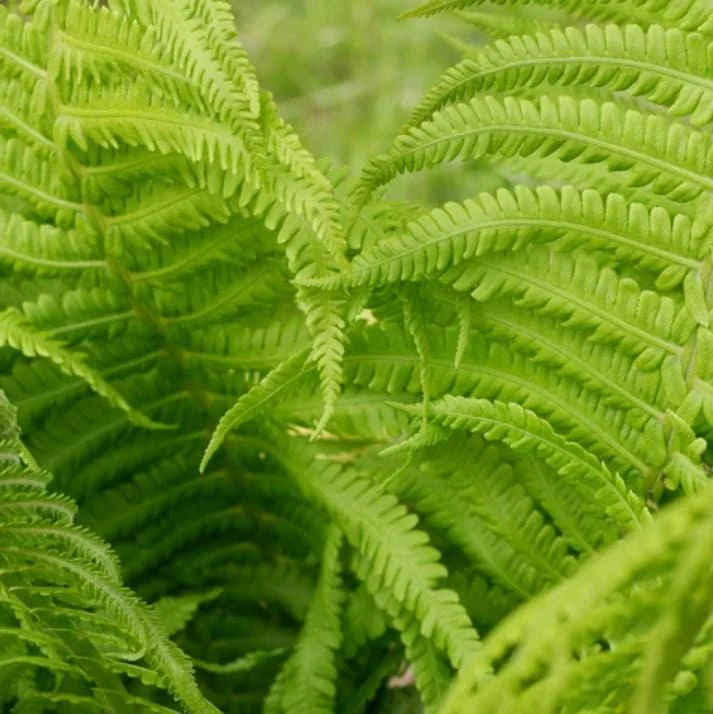
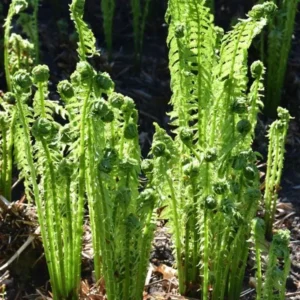
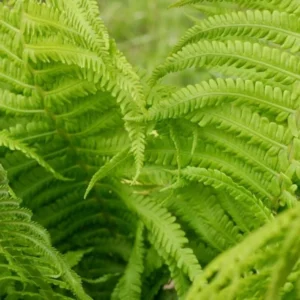
- Elegant Foliage: Features graceful, feathery fronds reminiscent of ostrich plumes, adding a sophisticated texture and visual interest to your garden. These fronds can grow quite tall, creating a dramatic effect.
- Shade Loving: Thrives in shaded or partially shaded areas where many other plants struggle, making it an ideal choice for woodland gardens, under trees, or on the north side of buildings. It truly brightens up dim corners.
- Hardy Perennial: As a perennial fern rhizomes, it returns year after year, requiring minimal effort once established. It’s hardy in USDA zones 3–7, capable of withstanding cold winters.
- Erosion Control: Its spreading growth habit makes it excellent for stabilizing soil on slopes or along stream banks, preventing erosion in moist conditions. This is particularly beneficial in naturalized settings.
- Low Maintenance: Once planted and established in the right conditions, this fern requires little ongoing care. It’s relatively pest and disease resistant, making it a hassle-free plant.
- Naturalizing Capabilities: This fern naturally spreads over time, creating a beautiful, lush groundcover that enhances the natural aesthetic of your landscape, perfect for a truly wild garden feel.
- Versatile Landscaping: Ideal for informal borders, mass plantings, or as an accent plant. Its distinct form complements a variety of garden styles, from rustic to contemporary.
Plant Care & Growing Tips
Successfully growing your Tennessee Ostrich-Glade fern begins with understanding its specific needs, ensuring a thriving and lush display. This robust deciduous fern prefers cool to temperate climates and is hardy in USDA zones 3–7. When choosing a location, prioritize areas that receive partial to full shade. While it can tolerate some morning sun, it is crucial that the soil remains consistently moist to prevent scorching of the delicate fronds. Direct afternoon sun, especially in warmer climates, should be avoided as it can cause the fronds to brown and wither.
The ideal soil for the Tennessee Ostrich-Glade fern is moist, rich, and well-drained, with a high organic matter content. It prefers slightly acidic to neutral conditions. Before planting, amend heavy clay soils with compost or peat moss to improve drainage and aeration, or add organic matter to sandy soils to enhance moisture retention. Planting is best done in spring or fall when soil temperatures are cool and moisture is abundant. Space the rhizomes approximately 18–24 inches apart to allow ample room for spreading and growth. Consistent watering is paramount; the soil should never be allowed to dry out completely. Mulching around the base of the plants with shredded leaves or wood chips helps to retain soil moisture, suppress weeds, and regulate soil temperature, creating an optimal environment for your woodland plant.
Fertilization is generally not heavily required for established ferns, especially if planted in rich, organic soil. However, an annual application of a balanced, slow-release granular fertilizer in spring, or a liquid feed at half strength, can promote vigorous growth. Watch out for common garden pests like slugs and snails, which can occasionally munch on new fronds; organic slug baits or hand-picking can help manage them. Proper air circulation is also important to prevent fungal issues, so avoid overcrowding. With these simple care guidelines, your shade garden fern will flourish, providing years of natural beauty.
Size & Details
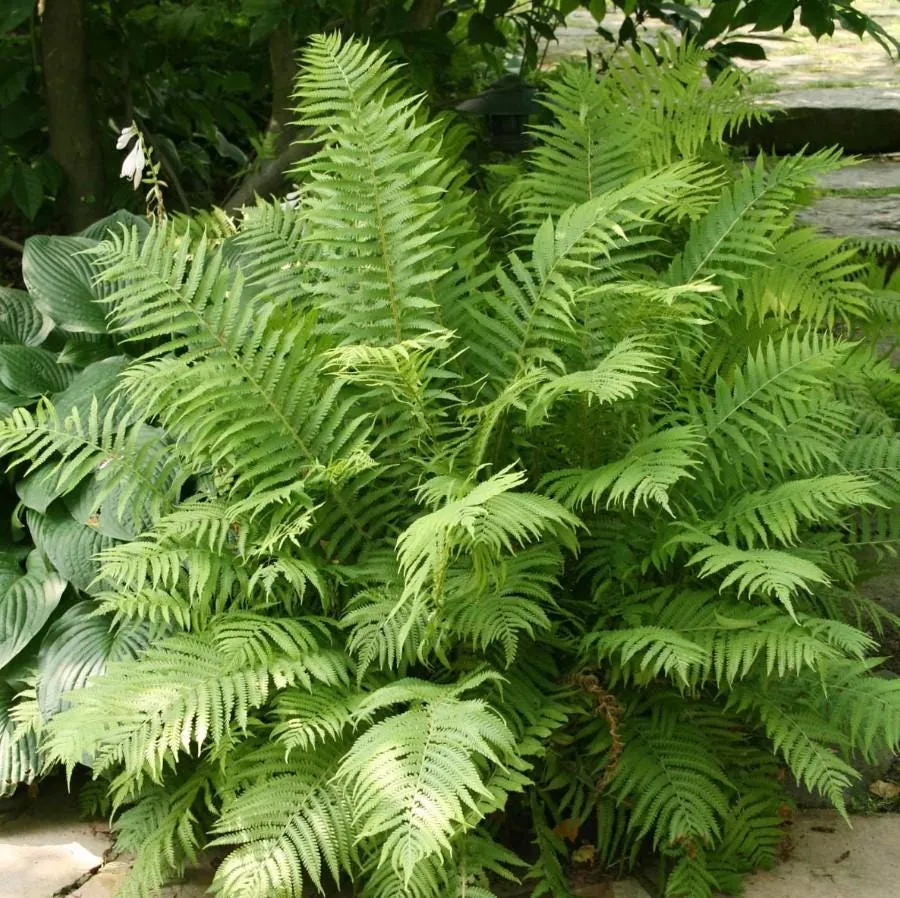
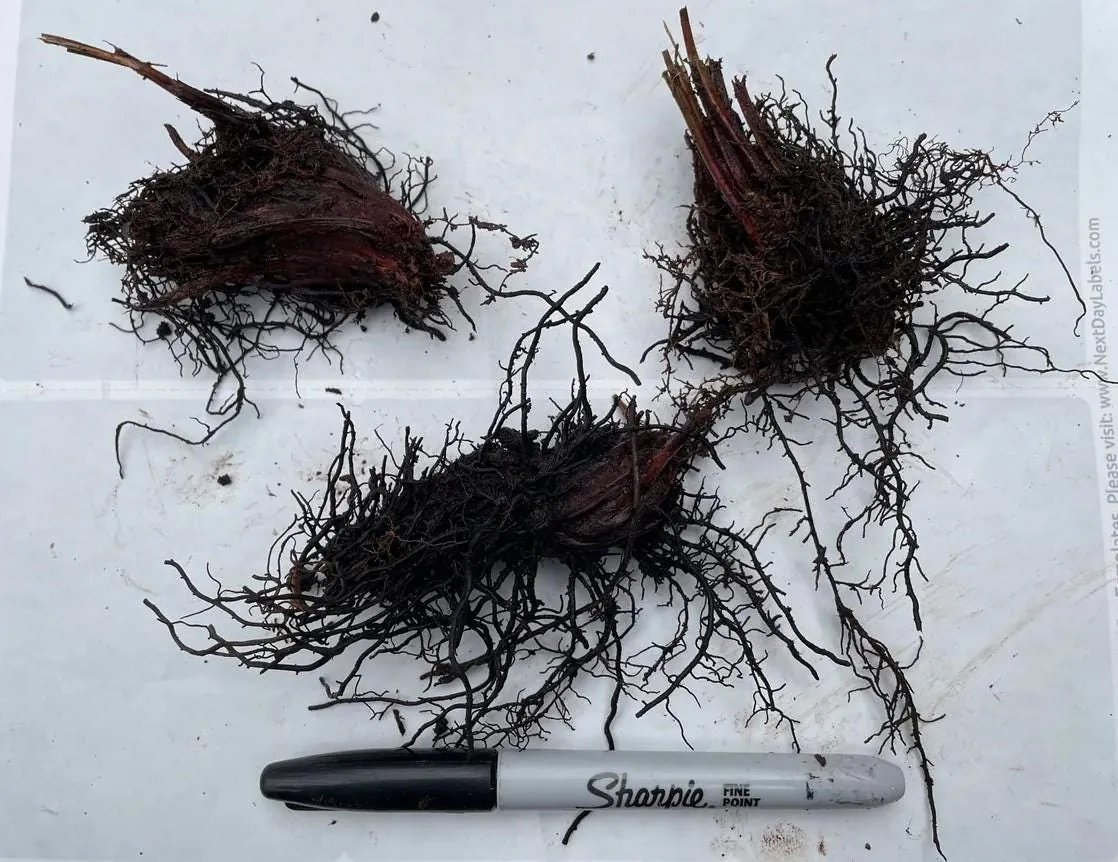
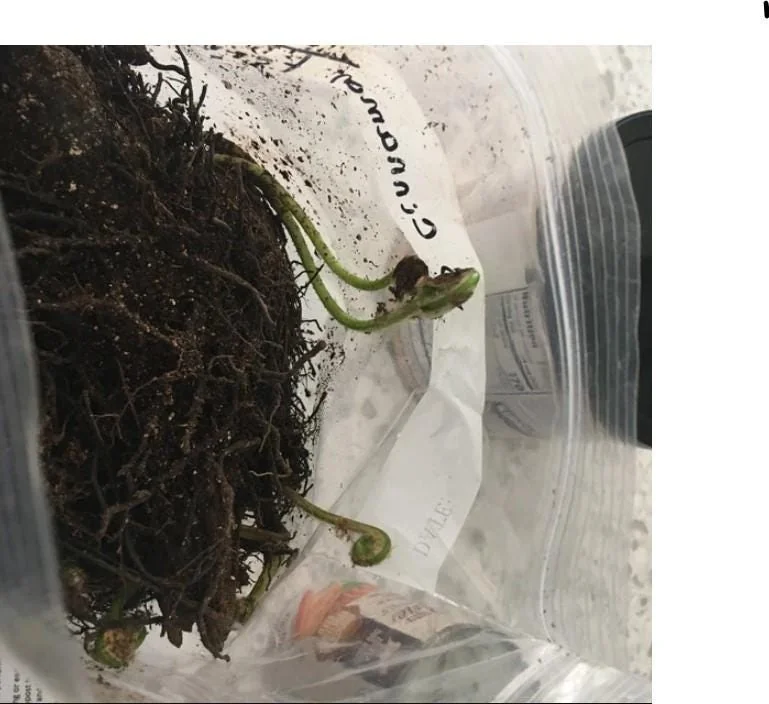
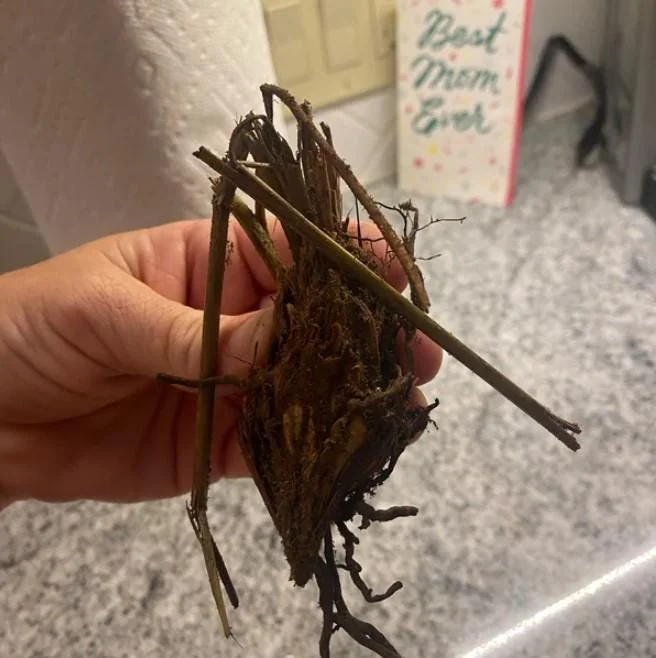
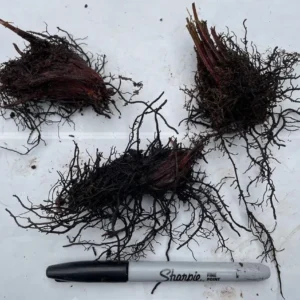
This product includes 20 Tennessee Ostrich-Glade fern rhizomes, ready for planting. These rhizomes are the underground structures from which the fern fronds will emerge. Once established, the Ostrich-Glade fern typically grows to a height of 3 to 6 feet, with a spread of 2 to 3 feet per plant, forming impressive clumps over time. The fronds themselves are upright and vase-shaped, creating a striking architectural element in the garden. These plants are shipped as bare root rhizomes, meaning they will not have leaves upon arrival, which is a normal and healthy state for dormant fern rhizomes, ensuring they transplant well and establish vigorously.
The growth rate of the perennial fern rhizomes is moderate to fast once they are settled into their ideal conditions, with new fronds emerging in spring and reaching full size by early summer. Expect them to begin showing significant growth in their first full growing season. These ferns are long-lived, providing a consistent display for many years to come. Their ability to naturalize and spread makes them perfect for filling larger areas or creating a cohesive woodland aesthetic.
Frequently Asked Questions
- Q: How big does this plant get? A: The Tennessee Ostrich-Glade fern typically grows to a height of 3 to 6 feet with a spread of 2 to 3 feet per plant, forming a graceful, vase-shaped clump. Its size makes it a significant presence in a shade garden.
- Q: Is this an indoor or outdoor plant? A: This is an outdoor plant, specifically a shade garden fern, that thrives in woodland settings and moist, shaded areas. It is not suitable for indoor cultivation.
- Q: How much sunlight does it need? A: The Tennessee Ostrich-Glade fern prefers partial to full shade. It can tolerate some morning sun, but direct afternoon sun should be avoided to prevent scorching of the fronds.
- Q: Is this plant easy to care for? A: Yes, once established in the correct conditions, the deciduous fern is relatively low-maintenance. It primarily requires consistently moist soil and a shaded environment to thrive.
- Q: What condition will it arrive in? A: The product consists of 20 bare root rhizomes, which means they will arrive without leaves. This is a common and healthy way to ship dormant fern rhizomes for successful planting.
- Q: When is the best time to plant? A: The best time to plant these perennial fern rhizomes is in the spring or fall when the soil is cool and moisture is readily available, allowing for optimal establishment before extreme temperatures.
- Q: Will it survive winter in my zone? A: Yes, the Tennessee Ostrich-Glade fern is hardy in USDA zones 3–7, meaning it is well-equipped to survive cold winters and will return each spring.
- Q: Does this fern spread? A: Yes, this fern is known to spread via its rhizomes, forming colonies over time. This makes it an excellent choice for naturalizing areas or for erosion control.
- Q: Can I grow this fern in a container? A: While it is primarily an outdoor landscape plant, it can be grown in large containers, provided they offer ample space for its root system and are kept consistently moist in a shaded location.
- Q: What kind of soil does it prefer? A: This woodland plant prefers moist, rich, well-drained soil that is high in organic matter and has a slightly acidic to neutral pH.
Be the first to review “20 Tennessee Ostrich-Glade Fern Rhizomes – Perennial Deciduous Fern”
People Also Viewed
HousePlants
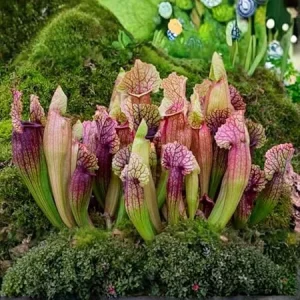
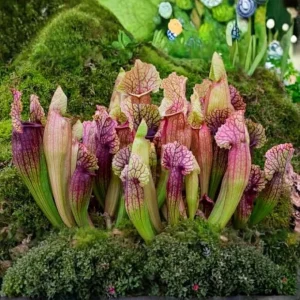
Purple Nepenthes Pitcher Plant Live – Exotic Tropical Houseplant for Indoor/Outdoor Décor
Sold 90 products
$65.98
Sold 69 products
$41.78
Fruits
Cabot Strawberry Plants – Bare Root June-Bearing Variety – Extra Large Sweet Berries, Cold Hardy
Sold 83 products
From $51.80
Sold 58 products
Original price was: $149.40.$74.70Current price is: $74.70.
Sold 64 products
From $197.96
Vegetables
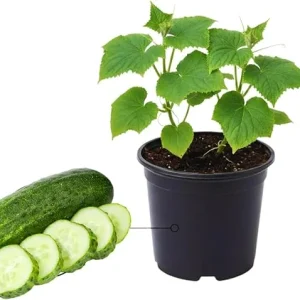
Green Cucumber Live Plants – 2 Pack, 5-9 Inches Tall, Fast Growing Vegetable for Outdoor Garden
Sold 57 products
$57.18
Sold 88 products
$37.38
Sold 81 products
From $59.80
Sold 90 products
Original price was: $29.98.$14.99Current price is: $14.99.
Sold 94 products
$54.98
Sold 82 products
Original price was: $283.96.$141.98Current price is: $141.98.
Sold 76 products
Original price was: $23.96.$11.98Current price is: $11.98.
Sold 64 products
Original price was: $67.64.$33.82Current price is: $33.82.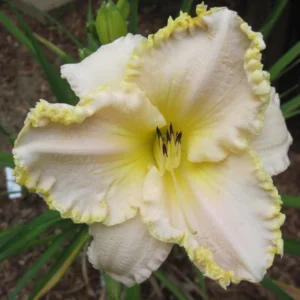
Flower Plants
Marquee Moon Daylily Live Plant – Creamy White Flowers, Gold Edge – 1 Gallon Pot – Outdoor Perennial
Sold 66 products
From $95.80
HousePlants
Dwarf Banana Plant Musa acuminata ‘Super Dwarf Cavendish’ Live Plant 4-6 inches tall Indoor/Outdoor
Sold 72 products
From $67.80

Sold 98 products
Original price was: $89.98.$44.99Current price is: $44.99.
Sold 99 products
Original price was: $23.00.$18.40Current price is: $18.40.
Sold 76 products
Original price was: $41.56.$20.78Current price is: $20.78.



Reviews
There are no reviews yet.