
20 Organic American Elderberry Cuttings – Sambucus canadensis Unrooted
Original price was: $45.98.$36.78Current price is: $36.78.
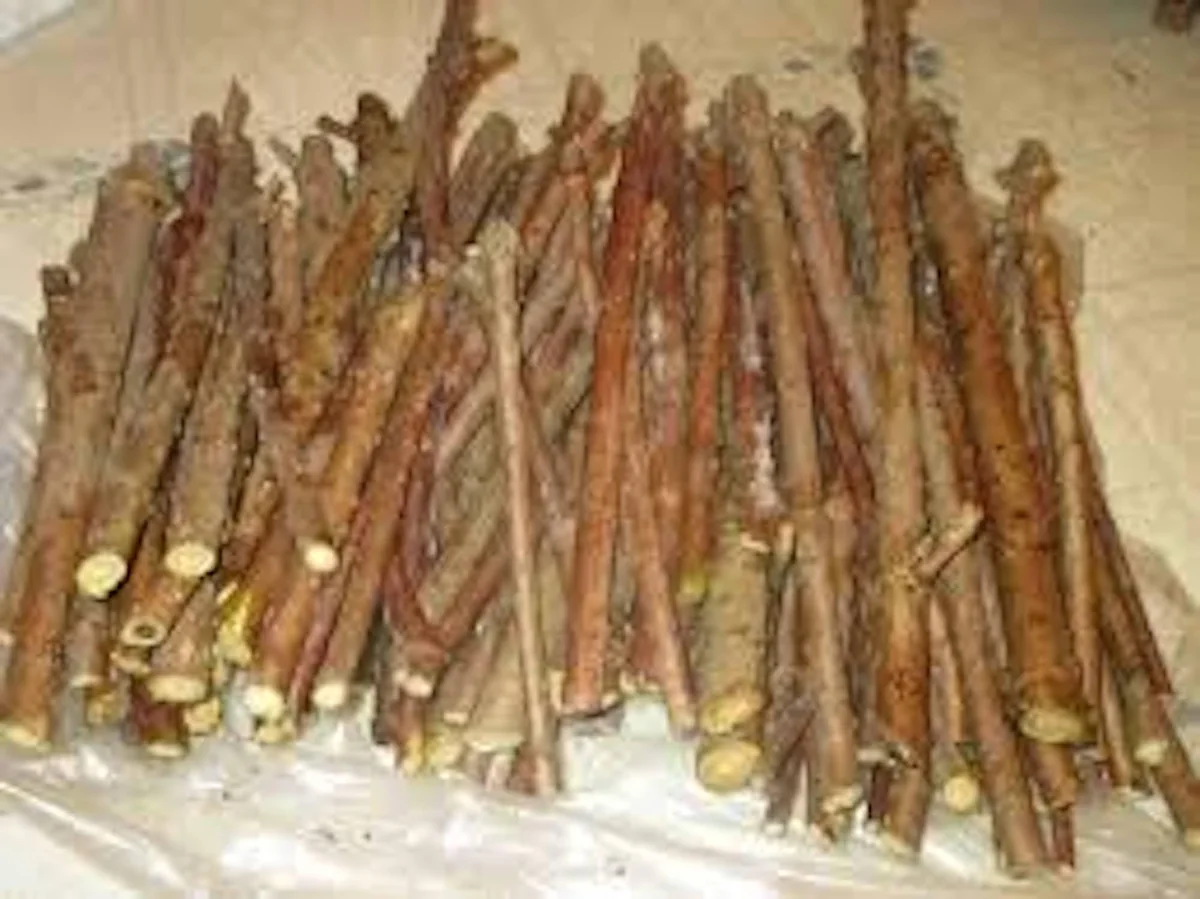
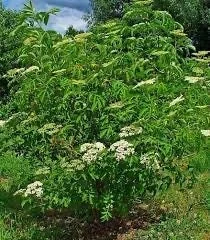
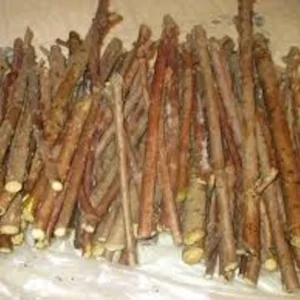
Propagate your own delicious and healthful American Elderberry cuttings. This pack contains at least 20 Organic American Elderberry Cuttings (Sambucus canadensis) ready for rooting, perfect for establishing a fruiting shrub or attracting local wildlife.
-
USDA Hardiness Zone
USDA zones 3-9 -
Soil Type
Well-draining, moist soil with organic matter -
Sunlight Exposure
Full sun to partial shade -
Expected Planting Period
Spring to early summer

You can track your order HERE
Mar 10
Mar 15 - Mar 17
Mar 20 - Mar 24
Shipping and return policies: Our Alive & Thrive Guarantee covers issues with your plants within the first 30 days. Reach out to us. Our team will answer your questions and help you find the plants that are truly suitable for your environment, climate, and personal preferences.

Overview
Embark on a rewarding gardening journey with these high-quality 20 Organic American Elderberry Cuttings. Each cutting is sourced from vigorous, healthy Sambucus canadensis plants, known for their abundant fruit production and adaptability. These unrooted cuttings provide an economical and satisfying way to establish your own elderberry patch, whether for culinary use, attracting beneficial wildlife, or simply enhancing your landscape. Elderberry plants are celebrated not only for their beautiful white flower clusters and dark berries but also for their rapid growth and resilience. Propagating from cuttings allows you to quickly expand your garden with plants that are genetically identical to a proven, productive parent.
The Sambucus canadensis variety is native to North America and is a popular choice among gardeners for its ease of cultivation and generous yields. These cuttings are ideal for anyone looking to grow their own food, create a natural habitat, or simply enjoy the beauty of a fast-growing, upright shrub. With proper care, these cuttings will root and develop into mature plants, providing you with years of delicious elderberries and a vibrant addition to your outdoor space. Growing your own elderberry plants from cuttings is an engaging and educational experience for gardeners of all skill levels.
Key Benefits
Growing American Elderberry cuttings offers a multitude of advantages for both the gardener and the environment:
-
Abundant Fruit Production: Once established, these cuttings will grow into mature elderberry plants that produce copious clusters of dark, ripe berries. These berries are highly prized for their unique flavor and are excellent for making jams, jellies, pies, and elderberry syrup.
-
Exceptional Health Benefits: Elderberries are renowned for their nutritional value and medicinal properties. Rich in antioxidants, vitamins, and minerals, they are often used to support immune health and overall well-being. Growing your own ensures a fresh, organic supply.
-
Attractive Wildlife Habitat: The berries are a significant food source for many bird species and other wildlife, making Sambucus canadensis an excellent choice for supporting local ecosystems. The flowers also attract pollinators, contributing to a healthier garden.
-
Fast-Growing and Upright: Elderberry plants are known for their vigorous growth habit. They quickly establish themselves and grow into upright shrubs, providing quick landscaping results and a substantial harvest in a relatively short period.
-
Easy Propagation: These unrooted cuttings come with the potential for successful propagation, allowing you to multiply your elderberry collection with relative ease. A bonus propagation manual is included to guide you through the process, helping you to achieve good results with your elderberry plants.
-
Versatile Garden Addition: Whether you’re planning an edible landscape, a wildlife garden, or simply want a beautiful and productive shrub, the American Elderberry cuttings fit perfectly. They can be used in hedgerows, as a border plant, or as part of a food forest design.
Plant Care & Growing Tips
Successfully rooting and growing your American Elderberry cuttings requires attention to a few key environmental factors. Upon arrival, prepare your rooting medium, which should be well-draining and consistently moist. A mix of peat moss and perlite or sand is often recommended. Insert the cuttings, ensuring at least one node is buried below the surface, and place them in a location with indirect light. Maintaining high humidity around the cuttings can significantly improve rooting success, often achieved with a humidity dome or by misting regularly. Avoid direct, harsh sunlight on the young cuttings as they establish.
Once rooted and transplanted, Sambucus canadensis thrives in full sun to partial shade, meaning it prefers at least 6 hours of direct sunlight daily for optimal fruit production. While tolerant of various soil types, elderberries prefer consistently moist, well-draining soil with a pH between 5.5 and 6.5. Amend heavy clay soils with organic matter to improve drainage. Water newly planted elderberry plants regularly to help them establish strong root systems. Mature plants are more drought-tolerant but will produce better fruit with consistent moisture, especially during dry spells. Fertilize in early spring with a balanced slow-release fertilizer or compost.
Elderberry plants are hardy and can tolerate a wide range of temperatures, typically thriving in USDA zones 3-9. Pruning is essential for maintaining plant health and maximizing fruit yield. In late winter or early spring, remove any dead, damaged, or weak canes. Elderberries produce fruit on one-year-old wood, so a rotational pruning system, where a few of the oldest canes are removed each year, is often beneficial. Watch out for common pests like aphids and borers, and address them promptly with organic pest control methods if necessary. Remember, only consume fully ripened berries; green parts of the plant and unripe berries are not edible. Learning how to grow elderberry successfully will bring bountiful rewards.
Size & Details
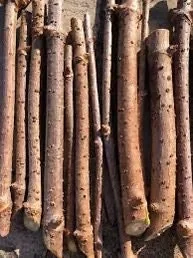
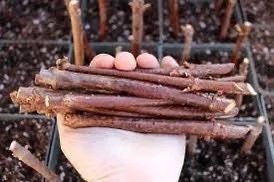
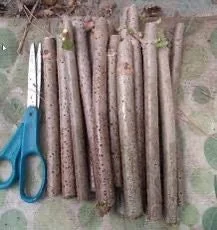
This offering includes at least 20 Organic American Elderberry Cuttings, each measuring approximately 5-8 inches in length. These unrooted cuttings are of live growth, carefully selected for their viability and potential to develop into robust elderberry plants. The inclusion of some extra smaller or thinner cuttings, which also root successfully, provides additional opportunities for propagation. Occasionally, exceptionally thick cuttings or even some pre-rooted material may be included as a bonus, further increasing your chances of success. Each cutting is prepared to maximize its rooting potential, allowing you to establish a thriving elderberry patch.
Once rooted and planted, Sambucus canadensis is a fast-growing shrub that can reach heights of 6-12 feet with a similar spread, depending on growing conditions and pruning practices. It forms an upright, multi-stemmed bush. Expect your young plants to begin producing fruit within 1-2 years after establishment, with significant yields increasing as the plant matures. The cuttings are provided unrooted, requiring the gardener to undertake the propagation process. A comprehensive propagation manual is included to guide you through the best methods for achieving successful rooting and vigorous growth from your American Elderberry cuttings.
Frequently Asked Questions
-
Q: How big do these American Elderberry cuttings get once mature? A: Once rooted and established, American Elderberry plants (Sambucus canadensis) typically grow into shrubs that can reach heights of 6 to 12 feet tall and have a similar spread. Their ultimate size depends on growing conditions and how they are pruned.
-
Q: What condition will the elderberry cuttings arrive in? A: The cuttings will arrive unrooted, as fresh live growth sections, typically 5-8 inches long. They are prepared for immediate propagation upon arrival, ready for you to begin the process to grow elderberry.
-
Q: Is this an indoor or outdoor plant? A: American Elderberry is an outdoor plant, a hardy shrub that thrives in various climates. It is not suitable for long-term indoor cultivation, though cuttings may be started indoors before transplanting outside.
-
Q: How much sunlight does Sambucus canadensis need? A: For optimal growth and fruit production, Sambucus canadensis prefers full sun (at least 6 hours of direct sunlight daily). It can tolerate partial shade, but fruit yields may be reduced.
-
Q: Is this plant easy to care for? Is it good for beginners? A: Yes, elderberry plants are generally considered easy to care for and are suitable for beginner gardeners. They are quite resilient and adaptable once established, and the provided propagation manual will assist in getting your American Elderberry cuttings started.
-
Q: How long until these cuttings produce fruit? A: With successful rooting and proper care, your elderberry plants can begin to produce fruit within 1-2 years after being transplanted into their permanent outdoor location. Yields will increase as the plant matures.
-
Q: Can I use the berries from these elderberry plants for consumption? A: Yes, the berries from American Elderberry plants are edible once fully ripened. However, it is crucial to only consume the ripe, dark berries. Green parts of the plant, including unripe berries, leaves, and stems, are not edible.
-
Q: What is the best time to plant these elderberry cuttings? A: The best time to root and plant elderberry cuttings is typically in the spring or early summer, after the last frost, when temperatures are consistently warm. This allows them ample time to establish before cooler weather.
-
Q: What type of soil do Sambucus canadensis prefer? A: Sambucus canadensis prefers consistently moist, well-draining soil that is rich in organic matter. A pH between 5.5 and 6.5 is ideal for these elderberry plants.
-
Q: Will these elderberry plants survive winter in my zone? A: American Elderberry is quite cold-hardy and typically thrives in USDA Plant Hardiness Zones 3 through 9, making it suitable for a wide range of climates across the United States. Ensure you know your local hardiness zone.
Be the first to review “20 Organic American Elderberry Cuttings – Sambucus canadensis Unrooted”
People Also Viewed
Sold 95 products
Original price was: $140.00.$70.00Current price is: $70.00.
Sold 60 products
$41.78
Sold 77 products
Original price was: $147.16.$73.58Current price is: $73.58.
Sold 63 products
Original price was: $11.16.$5.58Current price is: $5.58.
Sold 69 products
Original price was: $59.98.$29.99Current price is: $29.99.
Sold 72 products
From $18.18
Sold 68 products
Original price was: $27.96.$13.98Current price is: $13.98.

Sold 87 products
Original price was: $39.00.$19.50Current price is: $19.50.
Sold 90 products
From $43.96

Sold 73 products
Original price was: $57.56.$28.78Current price is: $28.78.
Sold 68 products
Original price was: $29.98.$14.99Current price is: $14.99.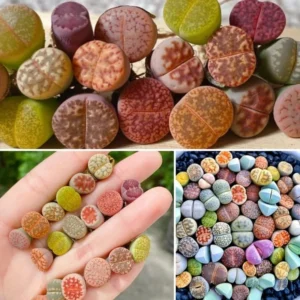
HousePlants
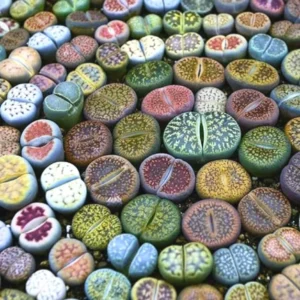
Lithops Live Plants Mix – 10 Large Colorful Living Stones Succulents for Indoor/Outdoor Growing
Sold 71 products
Original price was: $27.98.$13.99Current price is: $13.99.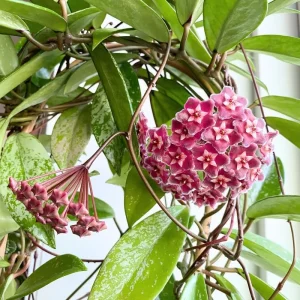
HousePlants
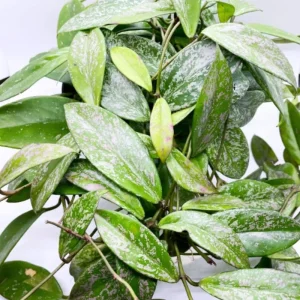
Hoya Plant Live Houseplant – Pink Flower, Silver Leaf, 5 Inch Tall Bareroot Indoor/Outdoor
Sold 65 products
Original price was: $40.99.$20.99Current price is: $20.99.
Sold 89 products
$59.38
Sold 99 products
Original price was: $64.80.$32.40Current price is: $32.40.
Sold 70 products
From $70.00
Shrubs
Dwarf Yaupon Holly Live Plant – 1 Gallon Potted Shrub – Ilex vomitoria ‘Nana’ – Evergreen Outdoor
Sold 54 products
Original price was: $119.80.$59.90Current price is: $59.90.
Sold 76 products
From $126.99



Reviews
There are no reviews yet.