
20 Horseradish Plant Bare Roots – Armoracia rusticana – Perennial Herb
Original price was: $220.00.$176.00Current price is: $176.00.
Cultivate your own pungent spice with these 20 horseradish bare roots (Armoracia rusticana). Perfect for home gardeners, these hardy perennials are easy to grow and will provide a continuous supply for your culinary needs. Enjoy fresh, spicy horseradish straight from your garden.
-
USDA Hardiness Zone
USDA Zones 3-9 -
Soil Type
Deep, rich, moist, well-drained loamy soil -
Sunlight Exposure
Full sun -
Expected Planting Period
Early spring or fall

You can track your order HERE
Feb 26
Mar 03 - Mar 05
Mar 08 - Mar 12
Shipping and return policies: Our Alive & Thrive Guarantee covers issues with your plants within the first 30 days. Reach out to us. Our team will answer your questions and help you find the plants that are truly suitable for your environment, climate, and personal preferences.

Overview
Transform your garden into a source of fresh, pungent flavor with these 20 horseradish bare roots. Each bare root is ready to be planted, offering an easy and rewarding way to cultivate your own horseradish plants (Armoracia rusticana). Known for its vigorous growth and distinctive spicy root, horseradish is a hardy perennial herb that is an essential ingredient for many culinary applications, from zesty sauces to robust condiments. This offering provides a generous quantity of healthy bare roots, ensuring a bountiful harvest for years to come. Whether you’re a seasoned gardener or just starting out, growing your own Armoracia rusticana is a straightforward process that yields delicious results.
Horseradish bare roots are an economical and effective way to establish this valuable plant. Upon receiving your bare roots, they are dormant and ready for planting, requiring minimal initial care. Once established, the horseradish plant is remarkably low-maintenance, thriving in a variety of conditions and returning year after year. Its robust nature makes it an excellent choice for gardeners looking for productive and resilient additions to their herb or vegetable patch. Get ready to enjoy the unparalleled freshness and intensity of homemade horseradish products, knowing exactly where your ingredients come from.
Key Benefits
Growing your own horseradish offers numerous advantages, from culinary versatility to gardening satisfaction. These horseradish bare roots provide an excellent foundation for a thriving patch of this beneficial plant.
- Culinary Versatility: The primary benefit of growing horseradish is its root, which is famously used to create spicy condiments, sauces, and garnishes. Freshly grated horseradish offers a much more intense and nuanced flavor than store-bought varieties, elevating dishes from roasts to seafood.
- Hardy Perennial Growth: Once planted, horseradish is a reliable perennial, meaning it will return year after year without needing to be replanted. This makes it a sustainable and low-effort addition to your garden, providing a continuous supply of roots.
- Easy to Grow: Horseradish bare roots are incredibly easy to establish. They are robust and forgiving, making them suitable for gardeners of all experience levels. With basic care, you can expect vigorous growth and a healthy harvest.
- Low Maintenance: After planting, the horseradish plant requires minimal attention. It is generally resistant to pests and diseases and, once established, can tolerate a range of environmental conditions, simplifying your gardening tasks.
- Vigorous Growth: Horseradish plants are known for their strong, rapid growth, quickly developing a substantial root system. This ensures a plentiful supply of roots for harvesting, allowing you to share with friends or preserve for later use.
- Soil Improvement: The extensive root system of horseradish can help break up compacted soil, improving its structure and aeration over time. This can benefit other plants in your garden by creating a healthier soil environment.
- Natural Flavor Enhancer: Beyond its use as a condiment, fresh horseradish can be grated into salads, mashed potatoes, or even used to infuse vinegar for a unique flavor. Its natural pungency adds a distinctive kick to many recipes.
Plant Care & Growing Tips
To successfully grow horseradish from bare roots, providing the right conditions is key. Horseradish (Armoracia rusticana) is a resilient plant, but understanding its preferences will lead to a more abundant harvest. For optimal growth, horseradish thrives in full sun, meaning it should receive at least 6-8 hours of direct sunlight per day. While it can tolerate partial shade, too little sun may result in smaller roots and less vigorous growth. Ensure your chosen planting site is well-prepared before introducing your horseradish bare roots.
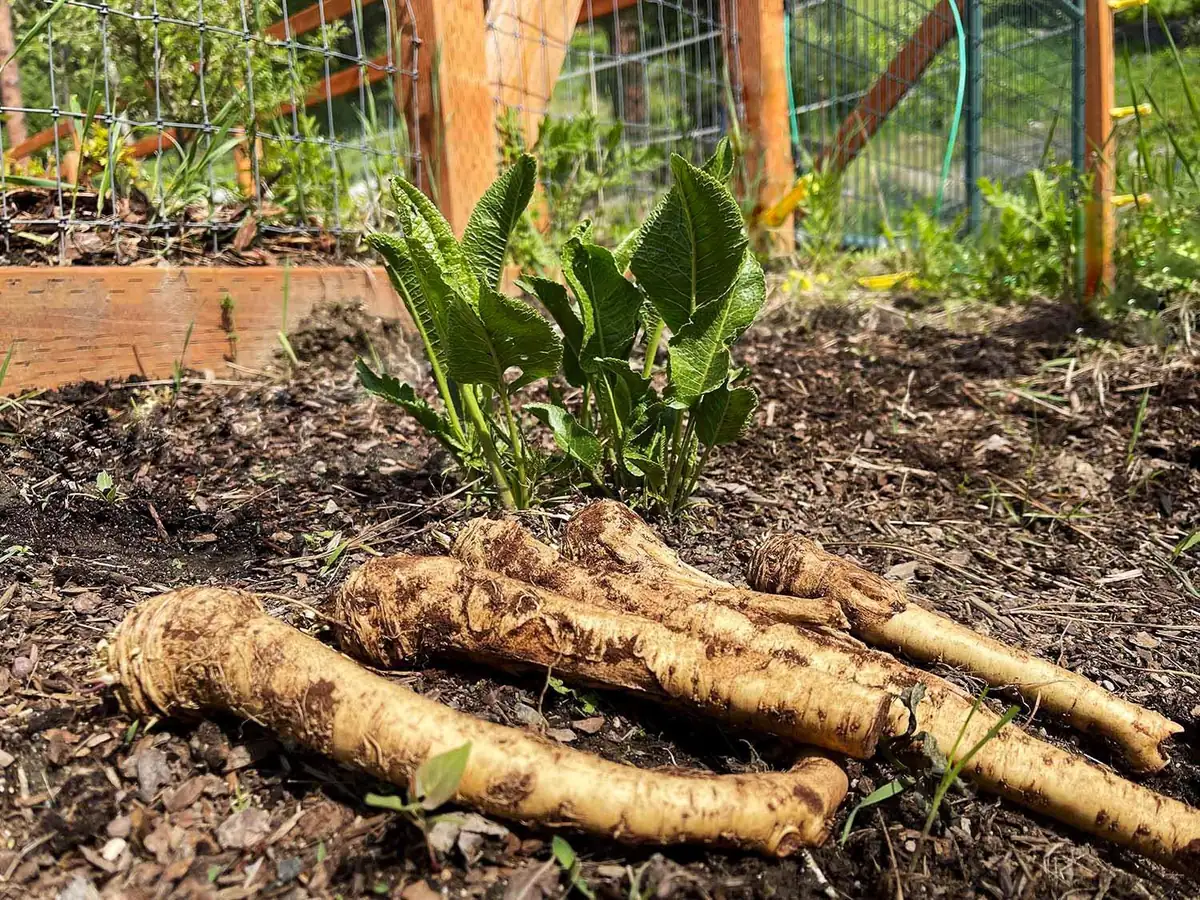
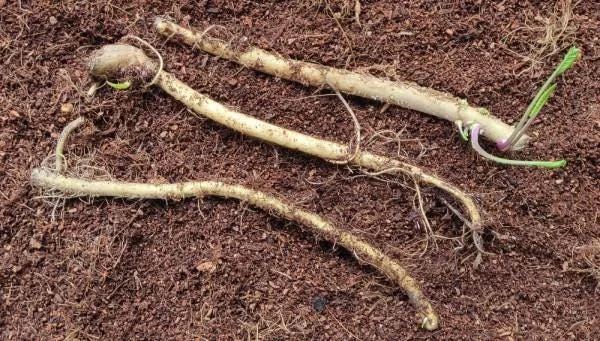
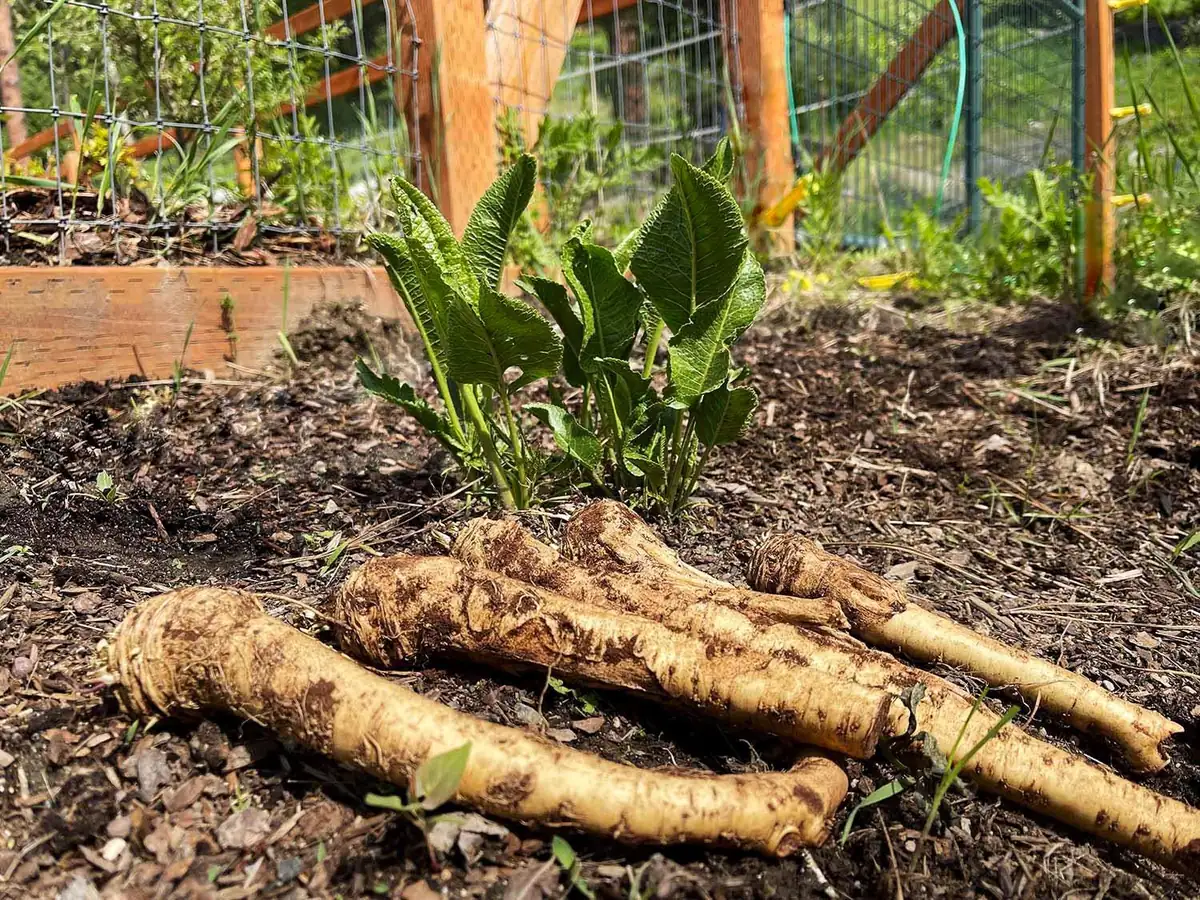
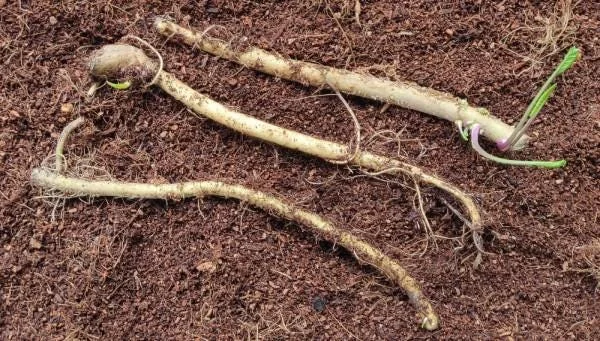
The ideal soil for horseradish is deep, rich, moist, and well-drained loamy soil. Avoid heavy clay soils or excessively sandy soils. If your soil is poor, amend it with compost or other organic matter to improve fertility and drainage. Plant the bare roots horizontally or at a slight angle, about 2-3 inches deep, with the crown (the thicker end) just below the soil surface. Space plants about 18-24 inches apart to allow for their vigorous spread. Keep the soil consistently moist, especially during dry spells, but be careful not to overwater, as this can lead to root rot. Good drainage is crucial for healthy root development.
Horseradish is a cold-hardy perennial, generally suitable for USDA Zones 3-9. It prefers cooler temperatures for root development, making spring or fall the best planting times. Fertilize in early spring with a balanced all-purpose fertilizer or a rich compost. While generally robust, keep an eye out for common garden pests, though serious issues are rare. Regular harvesting in late fall or early spring will keep the plant productive and prevent it from becoming overly invasive. Learning horseradish plant care is simple and rewarding, promising a continuous supply of this zesty root.
Size & Details
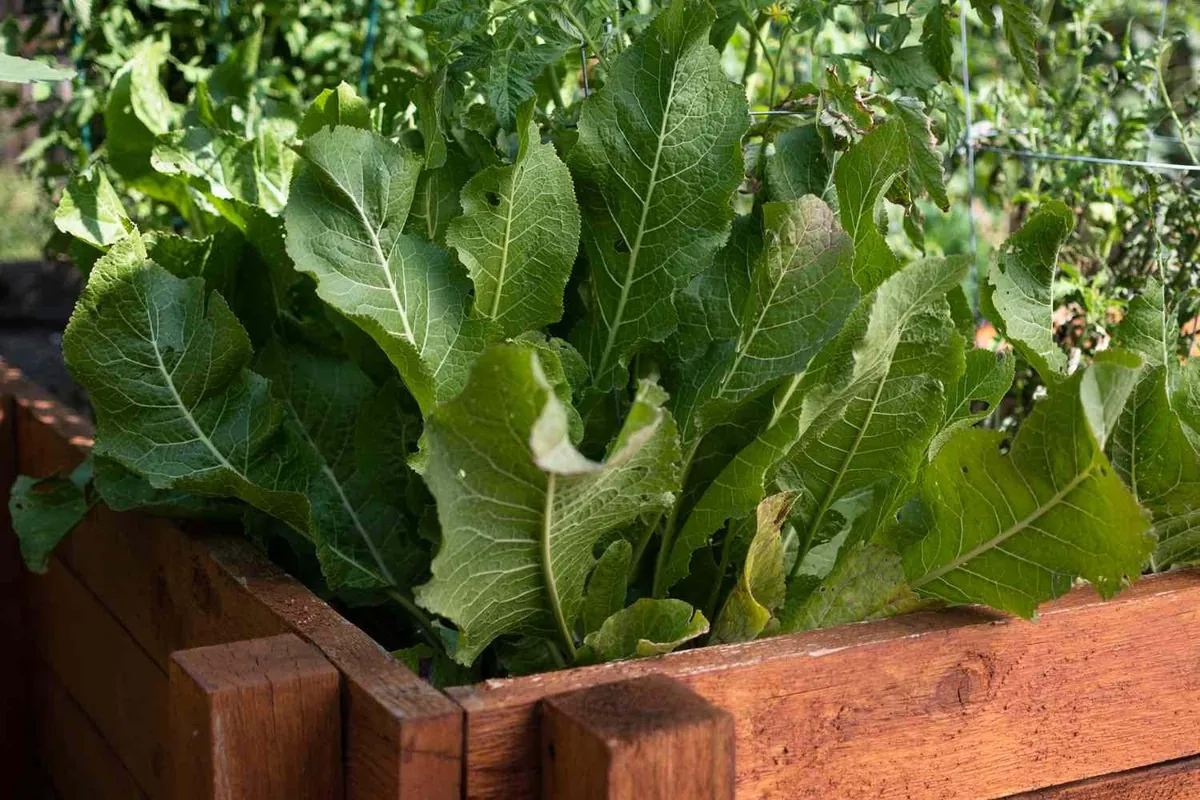
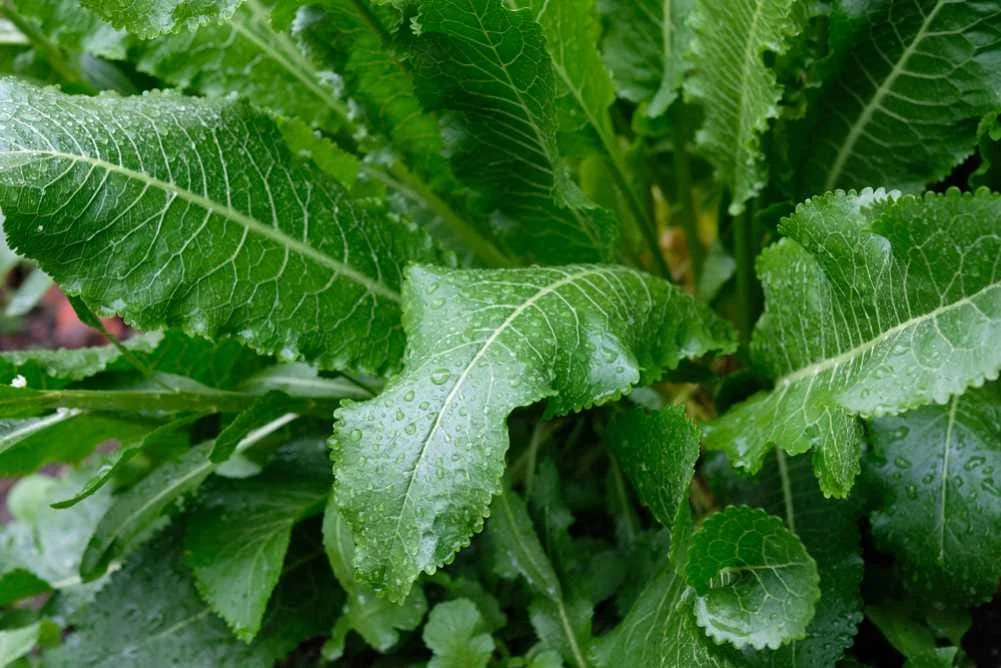
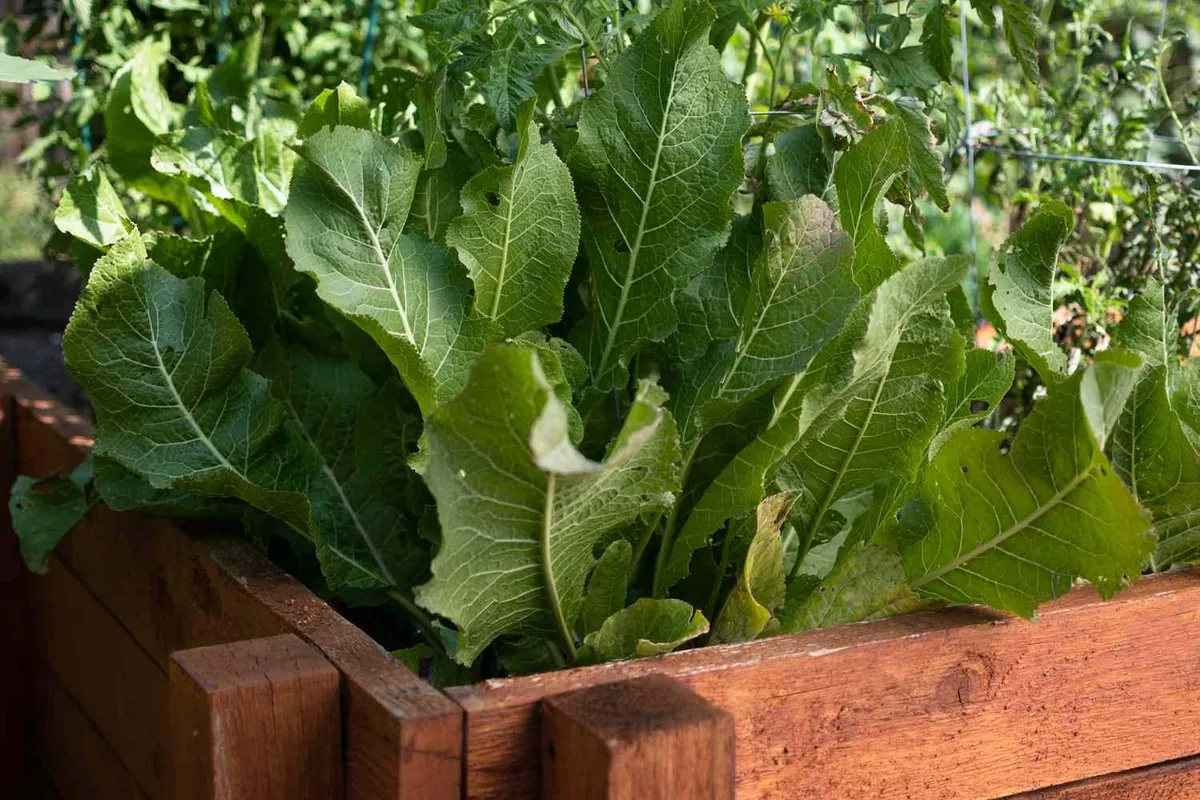
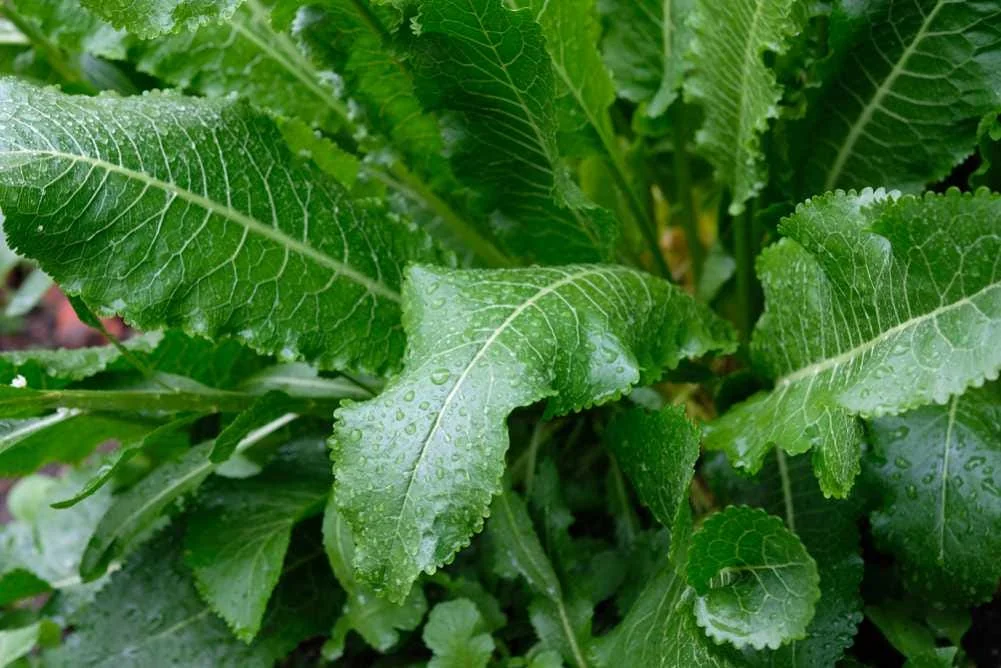
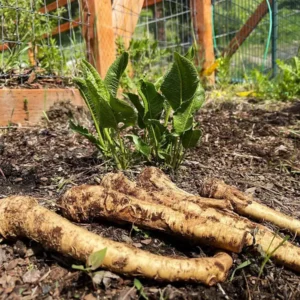
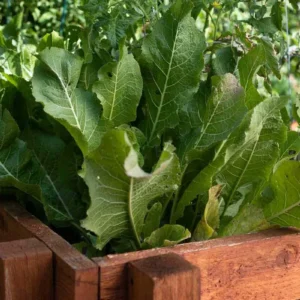
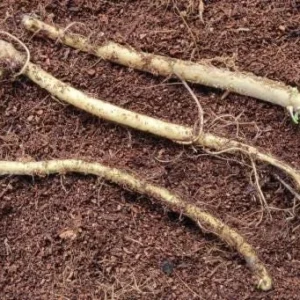
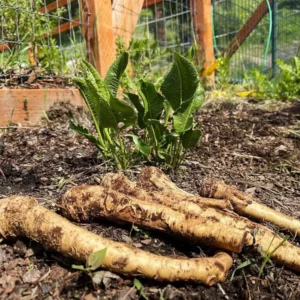
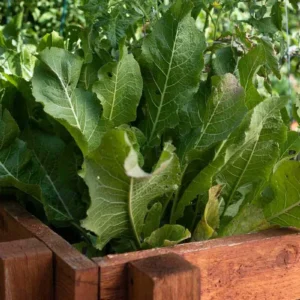
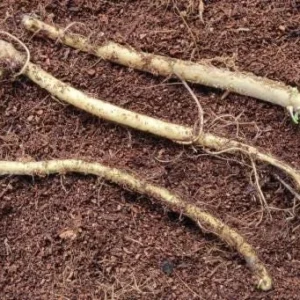
This offering includes 20 horseradish bare roots, providing an excellent foundation for establishing a significant horseradish patch in your garden. Each bare root is carefully selected for health and viability, ensuring a strong start for your plants. Horseradish plants (Armoracia rusticana) typically grow to a height of 2-3 feet and can spread equally wide, forming dense clumps over time. The roots themselves can grow quite large, often reaching 1-2 inches in diameter and 8-12 inches in length when mature. These bare roots are shipped dormant and without soil or a pot, ready for immediate planting upon arrival.
Expect your horseradish plants to begin showing foliage within a few weeks of planting, with the roots developing throughout the growing season. While small roots can be harvested in the first year, it’s generally recommended to wait until the second year for a more substantial harvest. The optimal time for harvesting is in late fall after the first frost, or in early spring before new growth begins, as this is when the roots are most potent. With proper care, these horseradish bare roots will establish into a long-lasting, productive patch, providing an annual supply of fresh horseradish for your kitchen.
Frequently Asked Questions
- Q: How big does this plant get? A: A mature horseradish plant typically grows about 2-3 feet tall and can spread equally wide. The roots themselves can reach 1-2 inches in diameter and 8-12 inches in length.
- Q: Is this an indoor or outdoor plant? A: Horseradish is primarily an outdoor plant, thriving in garden beds where its roots can spread. While it can be grown in large containers, it is best suited for outdoor cultivation.
- Q: How much sunlight does it need? A: Horseradish prefers full sun, requiring at least 6-8 hours of direct sunlight per day for optimal root development and vigorous growth. It can tolerate partial shade but may produce smaller roots.
- Q: Is this plant easy to care for? A: Yes, horseradish bare roots are very easy to grow and maintain. Once established, they are hardy, low-maintenance, and generally resistant to pests and diseases, making them excellent for beginners.
- Q: What condition will it arrive in? A: The product consists of 20 horseradish bare roots, which are shipped dormant, without soil or a pot. They are ready for planting upon arrival.
- Q: Can I use horseradish in cooking? A: Absolutely! Horseradish is widely used in cooking to make spicy condiments, sauces, and to add a zesty kick to various dishes like roasts, sandwiches, and seafood.
- Q: When is the best time to plant horseradish bare roots? A: The best time to plant horseradish bare roots is in early spring, as soon as the soil can be worked, or in the fall, a few weeks before the first hard frost.
- Q: Will it survive winter in my zone? A: Horseradish is a very cold-hardy perennial, generally surviving winters in USDA Zones 3-9. The roots will overwinter in the ground and regrow in spring.
- Q: How long until I can harvest the roots? A: While you can harvest small roots in the first year, it is recommended to wait until the second year for a more substantial and potent harvest. Harvest in late fall or early spring.
- Q: What kind of soil does horseradish prefer? A: Horseradish thrives in deep, rich, moist, and well-drained loamy soil. Amending heavy or sandy soils with organic matter will improve growing conditions.
Be the first to review “20 Horseradish Plant Bare Roots – Armoracia rusticana – Perennial Herb”
People Also Viewed
Sold 92 products
Original price was: $27.00.$22.94Current price is: $22.94.
Fruits
10 Heintooga Blueberry Starter Plugs – Highbush Vaccinium formosum x Live Plants, USDA Zones 4-10
Sold 88 products
Original price was: $136.00.$108.80Current price is: $108.80.
Sold 74 products
Original price was: $45.99.$25.99Current price is: $25.99.
Sold 65 products
From $71.96
Sold 55 products
Original price was: $45.98.$32.18Current price is: $32.18.
Sold 57 products
Original price was: $98.00.$78.40Current price is: $78.40.
Sold 70 products
Original price was: $39.98.$19.99Current price is: $19.99.
Sold 67 products
Original price was: $53.58.$26.79Current price is: $26.79.
HousePlants
Sold 63 products
Original price was: $31.96.$15.98Current price is: $15.98.
Sold 79 products
Original price was: $103.56.$51.78Current price is: $51.78.
Sold 96 products
Original price was: $8.52.$4.26Current price is: $4.26.
Sold 100 products
From $71.80
Sold 90 products
Original price was: $614.76.$307.38Current price is: $307.38.
Sold 73 products
From $6.84
Sold 51 products
Original price was: $55.80.$27.90Current price is: $27.90.
Sold 74 products
Original price was: $23.60.$11.80Current price is: $11.80.
Sold 90 products
Original price was: $57.60.$28.80Current price is: $28.80.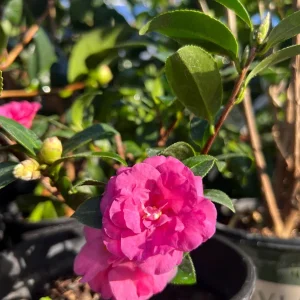
Shrubs
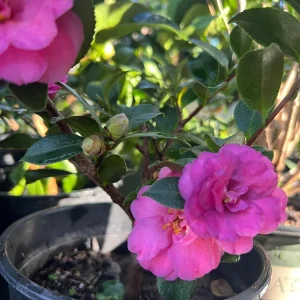
Camellia Shishi Gashira Live Plant – Hot Pink Flowers – 1ft Tall – 1 Gallon Pot – Outdoor Shrub
Sold 92 products
Original price was: $154.36.$77.18Current price is: $77.18.


Reviews
There are no reviews yet.